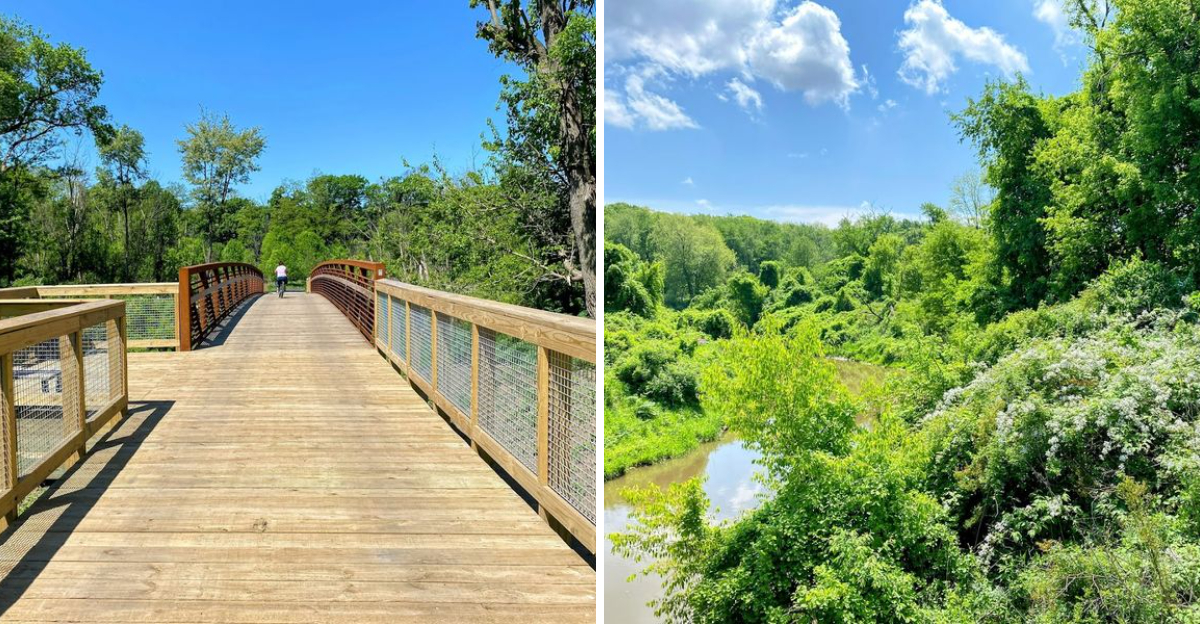
I have to be honest: I did not expect a bike trail in Indiana to leave such a lasting impression on me. This lakeshore greenway stretches for dozens of miles along the southern edge of Lake Michigan, weaving through beaches, dunes, forests, and parkland in a way that feels almost cinematic.
For anyone in Northwest Indiana or the greater Chicago area, it is one of those rare routes that makes you see your own surroundings differently. The scenery shifts constantly as you move along it, from open shoreline views to quiet wooded stretches and wide, wind-swept paths near the water.
Whether you are riding, walking, or just looking for a place to take in fresh lake air, it offers a long, connected stretch of nature and shoreline access that feels both accessible and expansive at the same time.
Direct Access to Lake Michigan Beaches
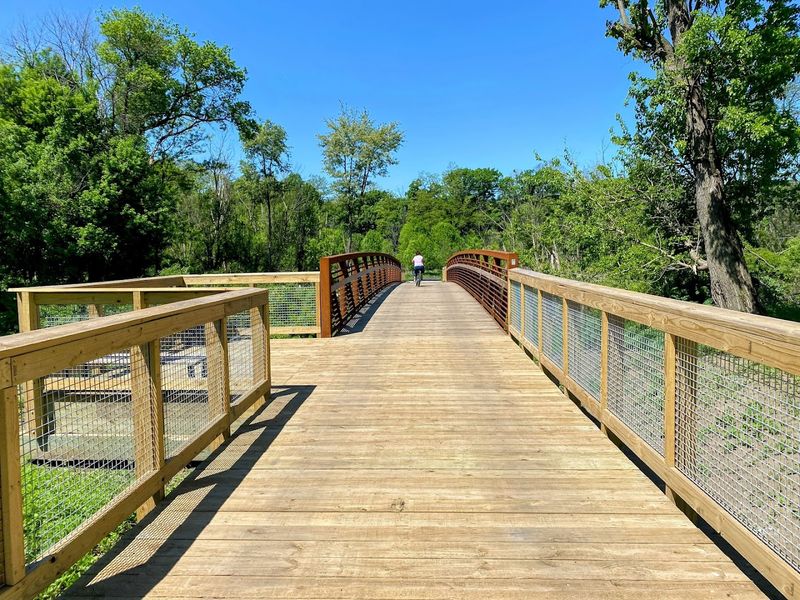
Few things compare to the moment a bike trail suddenly opens up to a wide stretch of sandy shoreline. Along the Marquette Greenway, that moment happens more than once, and it never gets old.
The trail provides direct access to several Lake Michigan beaches, including the popular West Beach within Indiana Dunes National Park, where parking and restroom facilities make visits easy and comfortable.
West Beach is one of the most accessible stretches of shoreline in the region, and arriving by bike rather than car gives you a completely different sense of arrival. You feel like you earned it.
The Miller Beach section of the Greenway also connects riders and walkers to Lake Street Beach, where on clear days you can spot the Chicago skyline hovering above the water like a postcard come to life.
For Indiana locals, having a world-class freshwater beach reachable by a dedicated non-motorized trail is genuinely special. Families bring picnic supplies in panniers.
Runners cool off after long training sessions. Cyclists stop mid-ride to kick off their shoes and wade in.
The combination of trail infrastructure and beach access makes this corridor one of the most versatile outdoor corridors in the entire Midwest. You do not need to drive anywhere once you are on the Greenway, and that freedom is part of what makes it so appealing to visitors of all ages and fitness levels.
Riding Through Indiana Dunes National Park
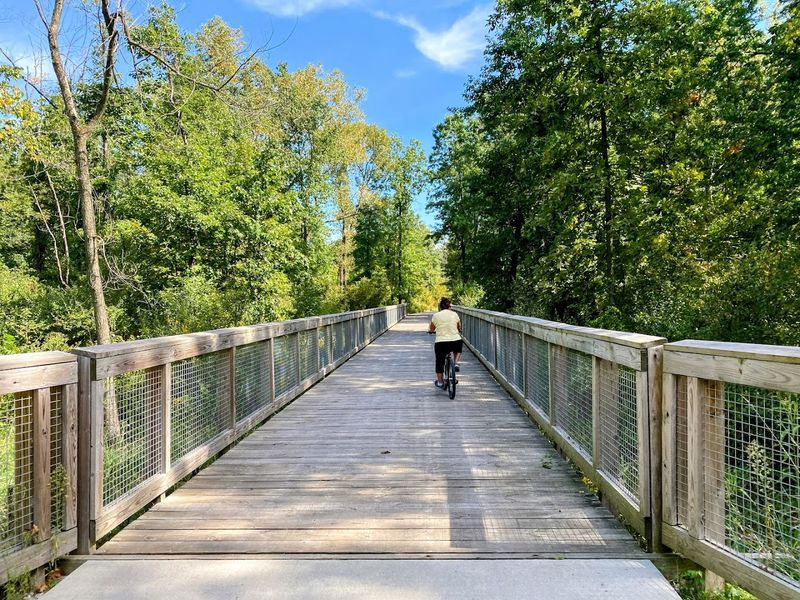
Not every bike trail takes you through a national park, but the Marquette Greenway does exactly that. Sections of the trail run directly through Indiana Dunes National Park, giving riders and walkers a front-row seat to one of the most ecologically diverse landscapes in the entire country.
It is the kind of place where scientists and nature lovers alike have been coming for over a century.
The Marquette Trail segment within the park passes through rolling dunes, wetlands, and hardwood forests in a way that feels almost disorienting in the best possible sense. One minute you are surrounded by towering oaks, and the next you are catching glimpses of open dune landscapes that look more like coastal New England than the Midwest.
Indiana Dunes National Park was officially designated a national park in 2019, and the Greenway helps more people experience its remarkable terrain without relying solely on a car.
Cycling through the park at an easy pace allows you to notice things that a car window simply cannot deliver. The sound of rustling prairie grasses, the occasional hawk circling overhead, the way the light shifts as you move between forest and open dune.
Trailheads within the park are well-marked, and the trail surface is maintained to accommodate both casual riders and more experienced cyclists looking for a longer outing. This stretch alone is worth planning a full day around.
Scenic Dune Views That Stop You in Your Tracks
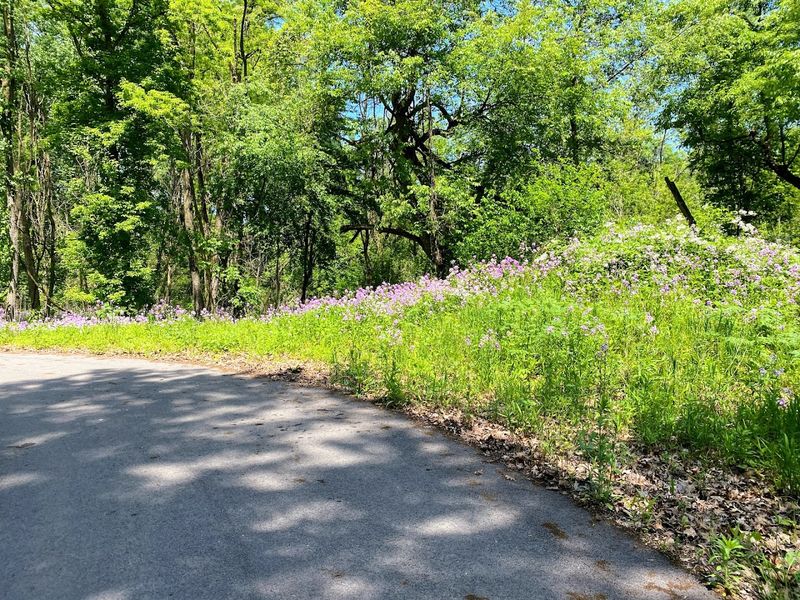
There is a particular kind of quiet awe that comes from seeing a massive sand dune up close, especially when you did not grow up near the ocean. The Indiana dunes are legitimately impressive, rising dramatically from the lakeshore in shapes that shift with wind and season.
Along the Marquette Greenway, you get long stretches of trail where those dunes frame your entire ride like a natural amphitheater.
The Miller Beach section is especially striking because the trail moves through forested dune terrain that feels wild and ancient at the same time. Cottonwood trees lean at sharp angles from years of wind exposure.
The sand beneath the vegetation catches the light in ways that make the landscape look almost painted. It is the kind of scenery that prompts people to pull over, grab their phones, and try to capture something that really needs to be experienced in person.
What makes the dune views along this trail unique is that they are not isolated overlooks requiring a steep climb. They are woven into the everyday experience of riding the trail.
You might be cruising along a flat stretch and suddenly find yourself flanked by a 50-foot dune wall on one side and a wetland on the other. For Indiana residents who sometimes forget what a genuinely stunning natural landscape they live near, the Marquette Greenway offers a powerful and accessible reminder.
Bring a camera, but also just take a moment to look without it.
Wildlife and Diverse Natural Habitats Along the Route
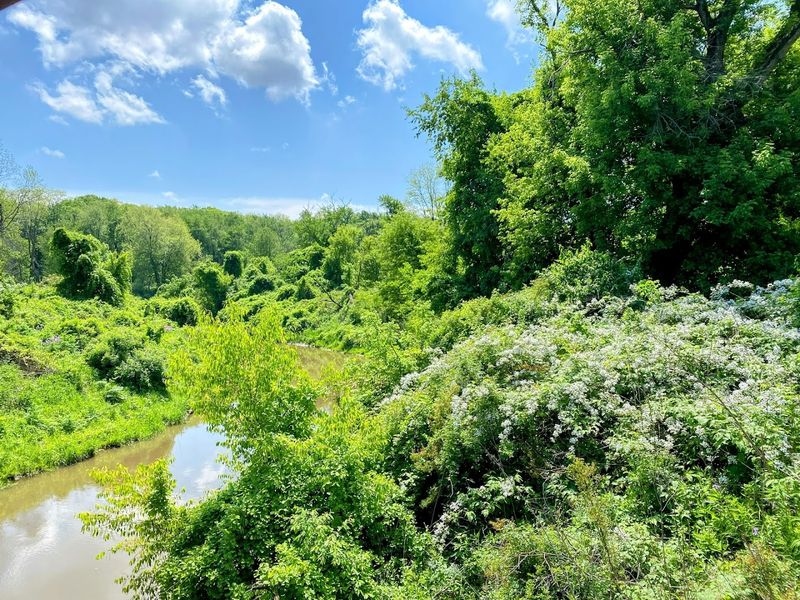
Wildlife watching from a bike trail is one of those unexpected pleasures that turns a regular ride into something memorable. Along the Marquette Greenway, the variety of habitats packed into a relatively short corridor is genuinely surprising.
Hardwood forests, open wetlands, prairie patches, and sandy dune ecosystems all sit within a few miles of each other, supporting a wide range of animal and plant life.
Water birds are among the most commonly spotted creatures along the trail. Great blue herons stand motionless in shallow wetland pools, seemingly unbothered by passing cyclists.
Sandpipers dart along the shoreline near beach access points. Deer are frequently seen at dawn and dusk in the forested sections, and more patient observers have reported spotting lizards sunning themselves on sandy slopes near the dunes.
The biodiversity here is something ecologists have studied for decades.
Indiana Dunes has long been recognized as a place where an unusual number of species overlap due to its position at the crossroads of multiple climate zones. That ecological richness translates directly into what trail users experience.
Even on a short ride, you are likely to encounter several distinct environments within a single outing. For families with curious kids, this makes the Greenway an informal outdoor classroom that never feels like homework.
Bring binoculars if you have them, and move slowly enough to notice the details. The trail rewards attentiveness in ways that are hard to find elsewhere in the region.
Marquette Park and Connected Recreation Areas
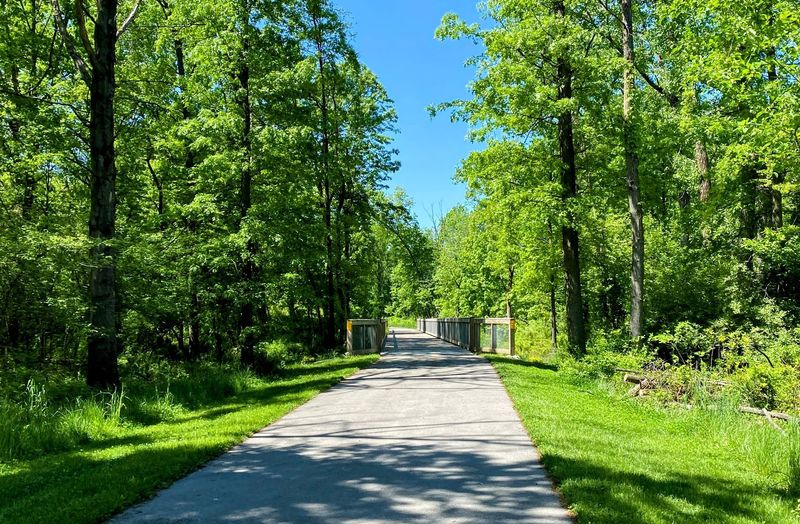
Marquette Park in Miller Beach is one of those places that rewards visitors who take the time to explore it properly. The Marquette Greenway connects directly to this lakefront park, which sits at the edge of Gary, Indiana, and offers a genuinely surprising range of amenities for a single green space.
A biking loop with lake views, a kayak launch, a playground, and several historic buildings all share the same grounds.
The park has a long and layered history that many visitors do not immediately realize. It serves as a gathering point for the Miller Beach community, a neighborhood known for its arts scene and strong local identity.
Arriving by trail rather than parking lot gives you a different entry point into that community, one that feels more organic and less transactional. You notice the little things: murals, community gardens, the way people greet each other on the path.
Beyond Marquette Park, the Greenway links to other recreational areas throughout the corridor. The trail system is still expanding, and new connections are being added as funding and planning allow.
For anyone interested in combining a long ride with a picnic, a kayak session, or simply a long sit near the water, the park provides a natural anchor point along the trail. It is the kind of place where a two-hour visit can easily stretch into an afternoon without anyone complaining.
The Greenway address is Burns Harbor, IN 46304, for those planning their route.
A Trail Built for Multiple Activities Year-Round
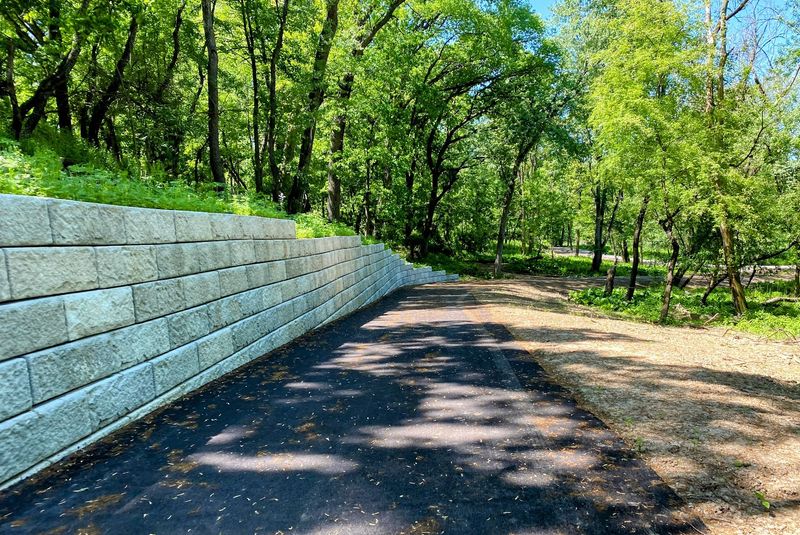
One of the most practical things about the Marquette Greenway is that it does not cater exclusively to cyclists. The trail is designed for a full range of non-motorized activities, making it genuinely useful across seasons and fitness levels.
Biking and walking are the most common uses, but the trail also accommodates running, inline skating, and in appropriate sections, cross-country skiing when winter conditions allow.
That versatility matters more than it might initially seem. Trails that serve only one type of user tend to feel narrowly focused, and they often sit empty during off-peak times.
The Marquette Greenway attracts a genuinely mixed crowd: commuters on e-bikes, retirees out for a morning walk, parents pushing strollers, teenagers on mountain bikes, and trail runners logging miles before work. That mix of users gives the trail a lively, community-oriented energy that feels welcoming rather than exclusive.
Winter use is worth highlighting separately because it tends to surprise people. When snow covers the dune landscapes and the beaches are empty, the trail takes on a completely different character.
The quiet is remarkable. The views of frozen or partially frozen Lake Michigan through bare tree branches are striking in a way that warmer months simply cannot replicate.
Layers and good footwear are all you need. The Greenway does not shut down when the temperature drops, and for people who love the cold-weather outdoors, that is a significant and underappreciated feature of this particular trail corridor.
Cultural History and Meaningful Memorials Along the Way
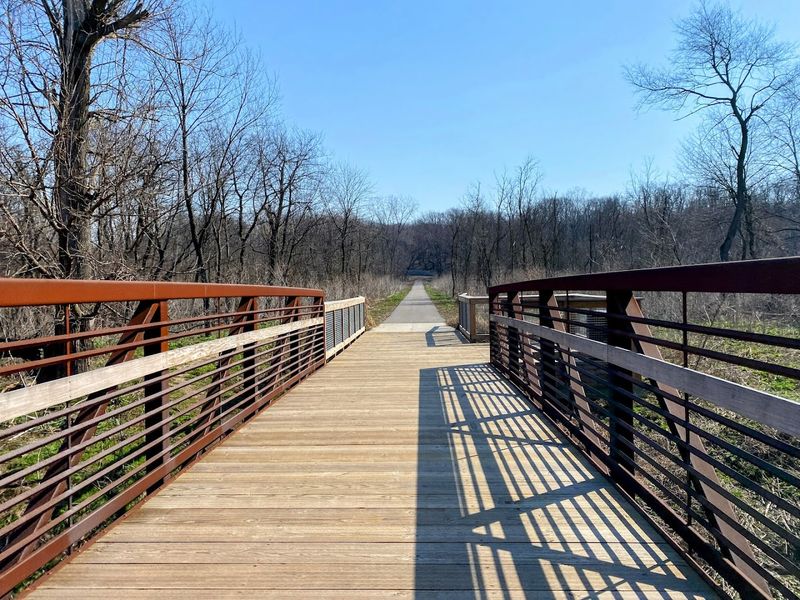
History runs deep along the Marquette Greenway, and some of the most interesting stops on the trail have nothing to do with scenery. The Chanute Trail in Miller Beach, which connects to the broader Greenway network, is named for Octave Chanute, an aviation pioneer who conducted glider experiments on the Indiana dunes in the late 1800s.
His work directly influenced the Wright Brothers, and a memorial along the trail honors that connection in a thoughtful and understated way.
The trail also passes near memorials dedicated to the Tuskegee Airmen, the legendary group of Black military aviators who trained and served during World War II. Their story carries particular weight in Gary and the surrounding communities, where their legacy remains a source of deep local pride.
A tribute to Father Jacques Marquette, the French Jesuit explorer for whom the Greenway is named, adds another layer of historical context to a trail that could easily be mistaken for just a recreational path.
These cultural touchpoints transform the Marquette Greenway into something more than a place to exercise. They make it a corridor of memory and meaning, connecting the physical landscape to the human stories that unfolded within it.
For educators, families, and anyone with a curiosity about the region’s past, the trail offers genuine substance alongside its natural beauty. Stopping to read a marker or sit near a memorial adds maybe ten minutes to a ride but leaves a much longer impression.
This is a trail that respects where it comes from.
