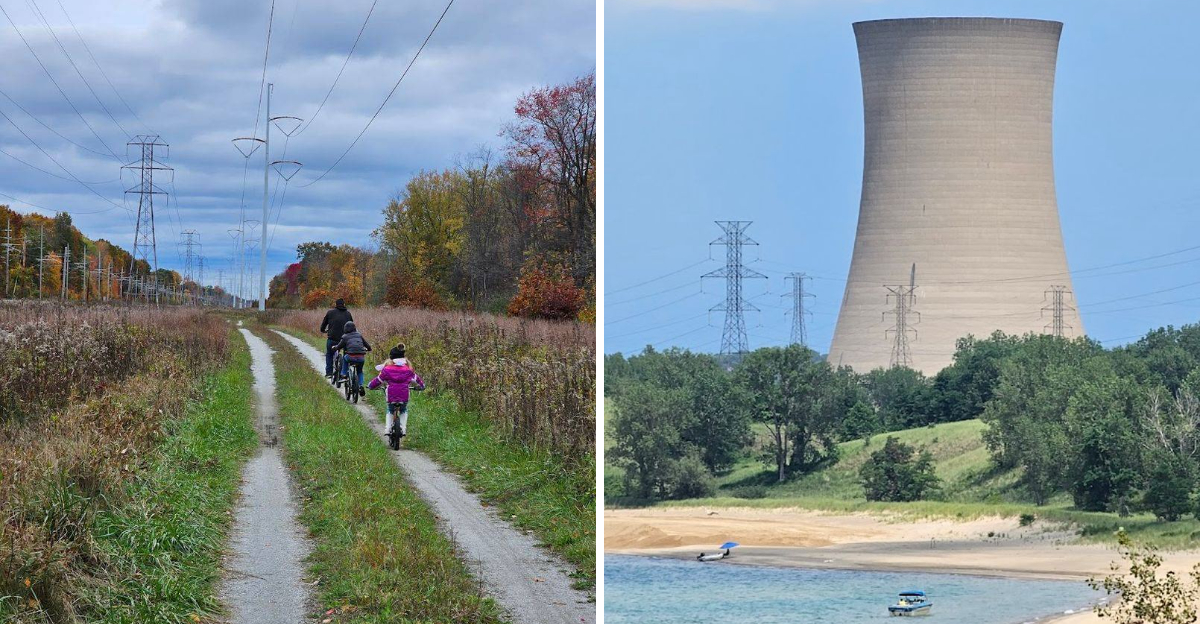
I have walked a lot of trails in Indiana, but the Singing Sands Trail in Michigan City genuinely surprised me. It is not just a path through nature.
It is a living cross-section of everything this corner of the state has to offer, from wild wetlands brushing up against Indiana Dunes National Park to the buzzing heart of a lakefront city. Within just four miles, the scenery shifts in ways that keep you engaged every step of the way.
Whether you are a cyclist, a casual walker, a birder, or someone who just wants to see something new on a Saturday morning, this trail has a way of pulling you in and making you glad you came.
The Scenery Shifts Like a Story Unfolding Beneath Your Feet
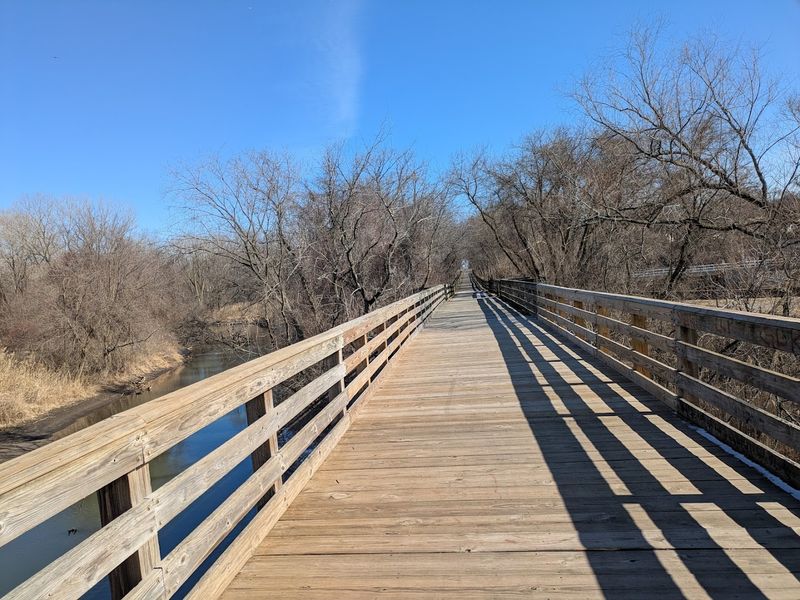
Few trails in Indiana manage to tell a story the way Singing Sands does. Within a single four-mile stretch, you move through wetlands that feel genuinely wild, past industrial landmarks that carry their own gritty character, and then straight into the rhythm of a working lakefront city.
That transition is not jarring. It feels intentional, almost cinematic.
The marshy areas near the Indiana Dunes National Park boundary give way slowly, with the landscape opening up as you approach Michigan City proper. You start noticing more pavement, more infrastructure, and then suddenly the courthouse and city hall are right there beside you.
What makes this variety so appealing is that it keeps the trail from ever feeling monotonous. Birdwatchers linger near the wetlands.
Cyclists pick up speed through the urban stretches. Families with strollers enjoy the smooth, flat sections closer to town.
Everyone finds their own version of this trail, and that flexibility is rare. Locals who have done it once tend to come back, often in different seasons, just to see how the scenery changes.
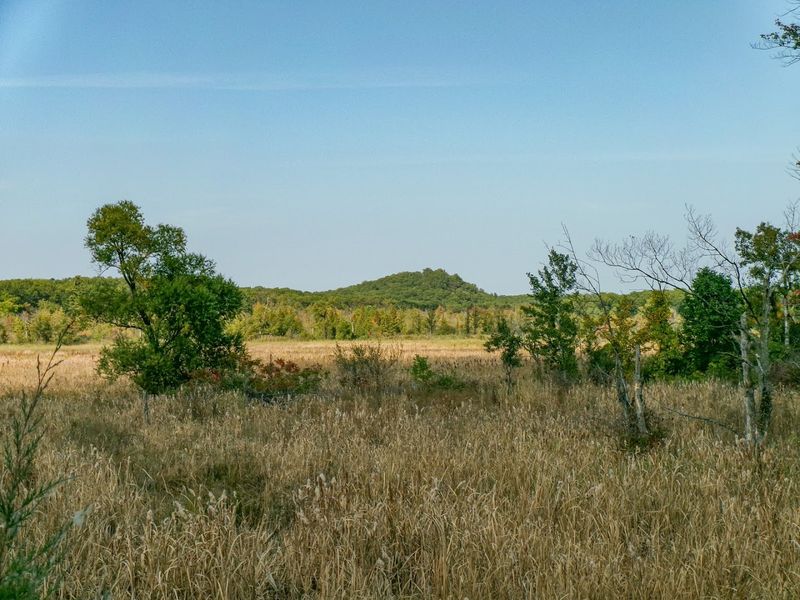
Fall is especially striking when the marsh grasses turn amber and the tree canopy along Trail Creek shifts into full color. It is one of those trails that rewards repeat visits in a way most single-purpose paths simply cannot match.
Urban Landmarks Right Along the Path
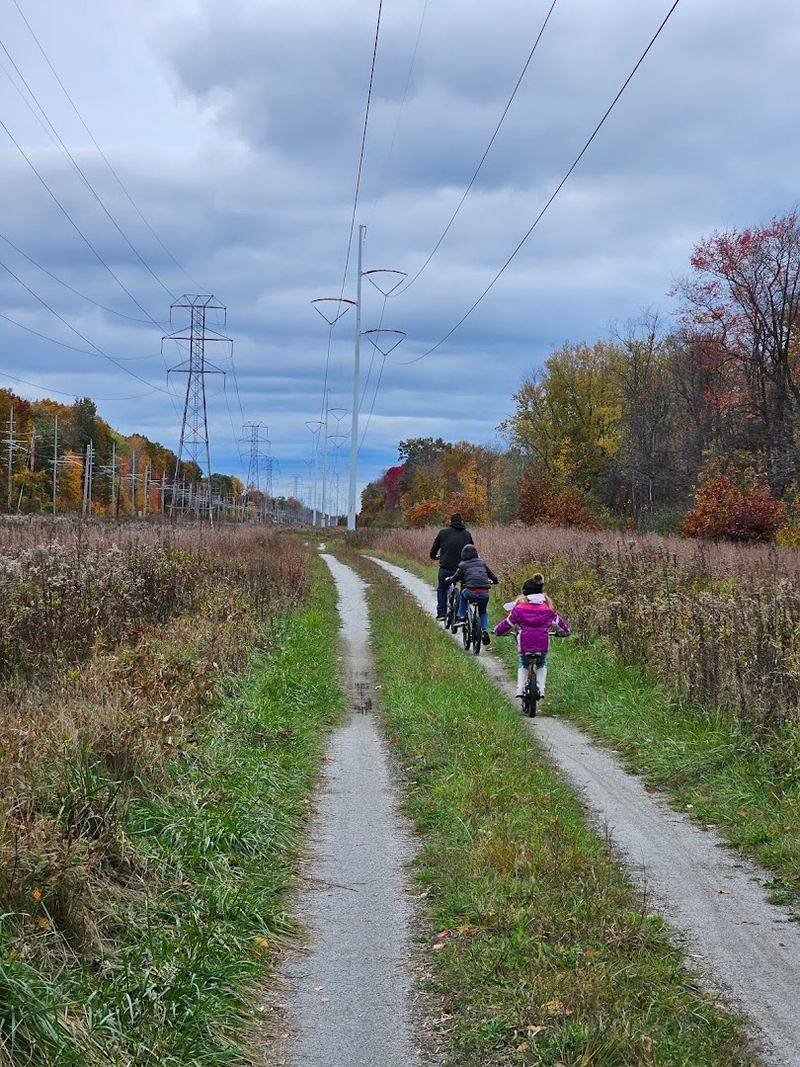
Not every trail takes you past a courthouse, a public library, and a city arts district all in one go. Singing Sands does exactly that, threading through the civic core of Michigan City in a way that feels more like a walking tour than a workout.
The arts district section is particularly worth slowing down for. Michigan City has developed a genuine creative scene, and the trail corridor gives you a front-row view of murals, galleries, and the kind of locally owned storefronts that make a neighborhood feel lived-in and real.
It is the sort of thing you might drive past without noticing, but on foot or on a bike, it all registers differently.
City Hall and the public library are not just backdrops here. They anchor the trail’s urban identity and remind you that this path was designed to connect people to their community, not just to nature.
For Indiana locals who have never spent much time in Michigan City beyond the beach, this stretch can genuinely reframe how you think about the city. There is a lot happening here that goes unnoticed by visitors who stick to the shoreline.
The trail pulls you deeper into the fabric of the place, and that is one of the most compelling reasons to lace up and start walking. The Washington Park Zoo at 115 Lakeshore Dr is also nearby if you want to extend your day.
Waterfront Access That Feels Like a Hidden Reward

One of the quieter pleasures of the Singing Sands Trail is the waterfront access it provides. The trail follows East Michigan Boulevard and connects to Charles R.
Westcott Park before continuing along the Trail Creek Greenway, giving you extended views of open water and marshland that feel genuinely peaceful.
Trail Creek Marina appears along this stretch, and even if you are not a boater, there is something calming about watching the water from a well-built path. The creek views shift depending on the time of year and the time of day.
Morning fog sitting on the water is one thing. Late afternoon light bouncing off the marina is something else entirely.
Charles R. Westcott Park at 101 W Michigan Blvd, Michigan City, gives trail users a natural stopping point with open green space and water access.
It is the kind of spot where you might sit on a bench for twenty minutes longer than you planned because the view keeps holding your attention. The Trail Creek Greenway section of the path has a slightly different feel from the rest of the trail, a bit more meditative and less trafficked.
If you are someone who finds moving water genuinely restorative, this part of the route will be your favorite. It connects the natural and urban halves of the trail in a way that feels seamless and unhurried.
A Fully Paved, ADA-Accessible Surface Built for Everyone
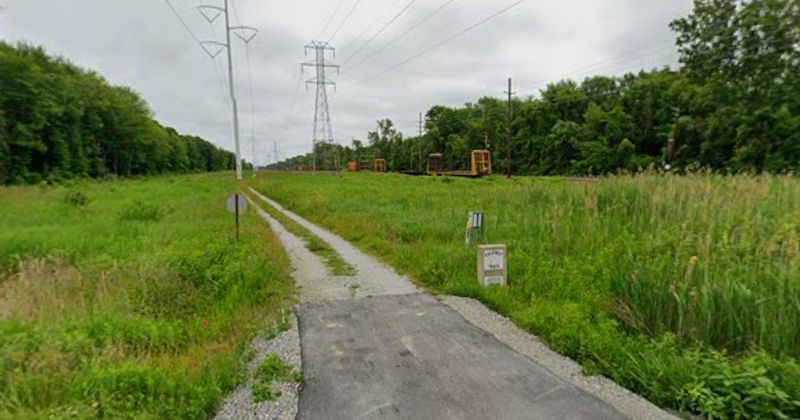
Accessibility matters, and the Singing Sands Trail takes it seriously. The surface is a mix of smooth asphalt and concrete, newly built and maintained to ADA standards.
That means people using wheelchairs, parents with strollers, older adults, and young kids on training wheels can all use this trail comfortably.
That kind of inclusivity is not something every trail in the region can claim. A lot of the natural paths around the Indiana Dunes are beautiful but challenging, with soft sand, steep climbs, or uneven terrain that limits who can participate.
Singing Sands flips that equation. The flat, paved surface makes it genuinely accessible to a wide range of people without sacrificing the quality of the experience.
Skaters have also taken notice. The smooth sections near the urban core are well-suited for inline skating and longboarding.
Cyclists moving at a faster pace appreciate the consistent surface too. The trail does not feel like it was designed for one type of user and then reluctantly adapted for others.
It feels purpose-built for a community that values outdoor access for everyone. For Indiana families looking for an outing that works for mixed-age groups or mixed-ability groups, this trail is genuinely one of the better options in the northwest corner of the state.
It removes barriers without removing any of the scenery that makes the route worth doing in the first place.
Part of a Bigger Regional Trail Vision Worth Knowing About
The Singing Sands Trail is not just a standalone path. It is a key segment of the Marquette Greenway, a 60-mile paved trail project designed to link Chicago with New Buffalo, Michigan.
That larger vision makes every mile you walk here feel like part of something genuinely significant for the region.
The trail already connects to the Calumet Trail, which opens up even more options for cyclists and long-distance walkers who want to cover serious ground without getting in a car. Future plans call for an additional five-mile extension that would push the trail eastward to Meer Road at the Michigan state line, making the connection to the broader network even more complete.
For Indiana locals who have watched the state slowly build out its trail infrastructure over the years, Singing Sands represents a real milestone. It is not a proposal or a plan on paper.
It is open, paved, and being used daily. The Marquette Greenway has been in development for years, and seeing a finished, functional segment of it in Michigan City is genuinely exciting if you care about active transportation and outdoor recreation in the region.
It also means the trail will only become more valuable over time as the surrounding network grows. Getting familiar with it now, before the extensions are complete, gives you a head start on one of the most ambitious trail projects in the Midwest.
Wildlife and Birding Opportunities That Catch You Off Guard

You do not expect to spot a great blue heron on a trail that ends near a city hall. That is part of what makes the wildlife viewing on Singing Sands so unexpectedly satisfying.
The wetland sections near the Indiana Dunes National Park boundary are genuinely productive for birding, especially during spring and fall migration.
The marshland views along the trail give you a window into a habitat that supports herons, ducks, sandhill cranes, and a range of smaller songbirds depending on the season. Birders who have spent time at the nearby Indiana Dunes National Park Great Marsh Trail on S Broadway in Chesterton will recognize the same kind of productive wetland energy here, though Singing Sands offers it in a more accessible, paved format.
Fall colors along the trail add another layer to the visual experience. The combination of amber marsh grasses, tree canopy color, and open water views creates a backdrop that photographers and nature lovers both appreciate.
You do not need to be a serious birder to enjoy this aspect of the trail. Even casual walkers notice the herons standing motionless in the shallows or the red-winged blackbirds calling from the cattails.
It is the kind of wildlife encounter that happens naturally when a trail is thoughtfully routed through habitat rather than around it, and it is one of the more underrated reasons to visit Singing Sands.
Sunset Photography Near the Nipsco Station Is Genuinely Spectacular

Industrial landmarks and golden hour light are not a combination you expect to love, but the section of Singing Sands Trail near the Nipsco power generation station has become a favorite spot for photographers, and it is easy to see why once you are standing there at the right time of day.
The cooling tower creates a striking silhouette against a sunset sky. The scale of the structure, combined with the open sky and water views in that section of the trail, produces a kind of dramatic industrial landscape that is genuinely photogenic.
It is the sort of image that surprises people when they see it because it does not look like their mental picture of Indiana.
Even if photography is not your thing, this stretch of the trail has a certain atmosphere that is hard to describe without sounding dramatic. There is something compelling about the contrast between the natural elements and the massive engineered structure looming nearby.
It gives the trail a visual identity that sets it apart from every other path in the region. Visiting around sunset, especially in late summer or early fall when the light stays warm and low for longer, is worth planning around.
Bring a camera if you have one. The combination of sky, water, industrial silhouette, and trail infrastructure makes for images that hold up long after the walk is over.
