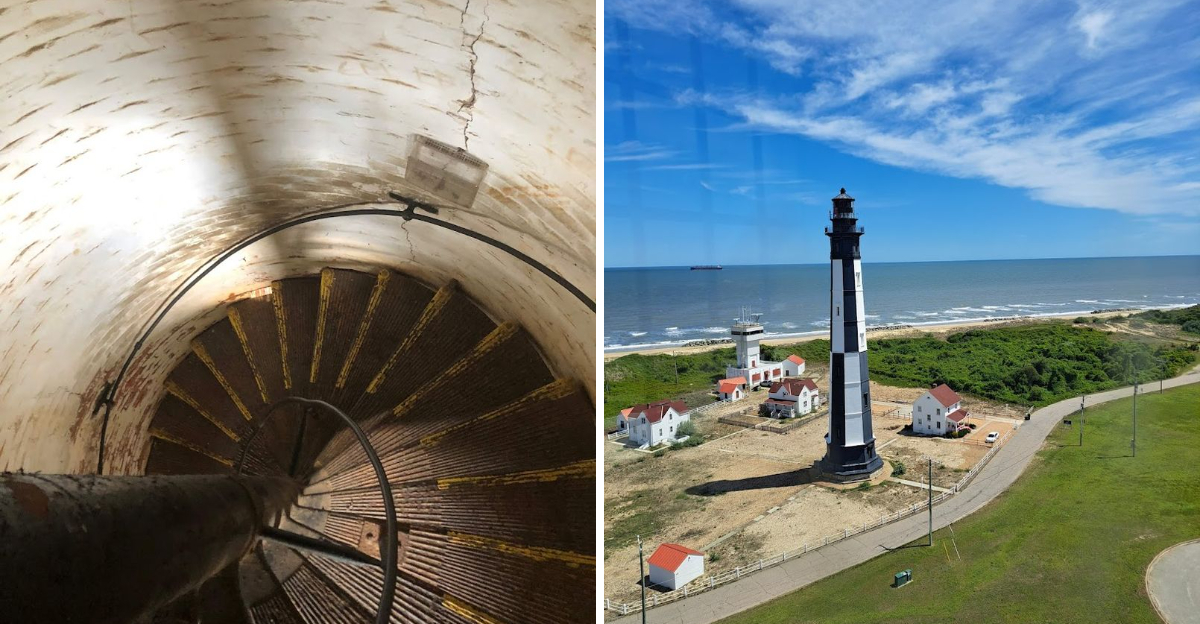
Not all landmarks make a lot of noise, but some carry more history than most people realize. Inside an active military base along Virginia’s coastline, one towering structure holds a record that often goes overlooked.
Long before highways, bridges, or national parks, the first project ever completed by the U.S. government was a lighthouse. That legacy still stands here, quietly overlooking the Chesapeake Bay.
Locals argue over whether it is underrated or simply well protected as a secret, but the experience speaks for itself. From the top, with the water stretching in every direction, it feels less like a hidden spot and more like a foundational piece of American history.
America’s Very First Federal Construction Project
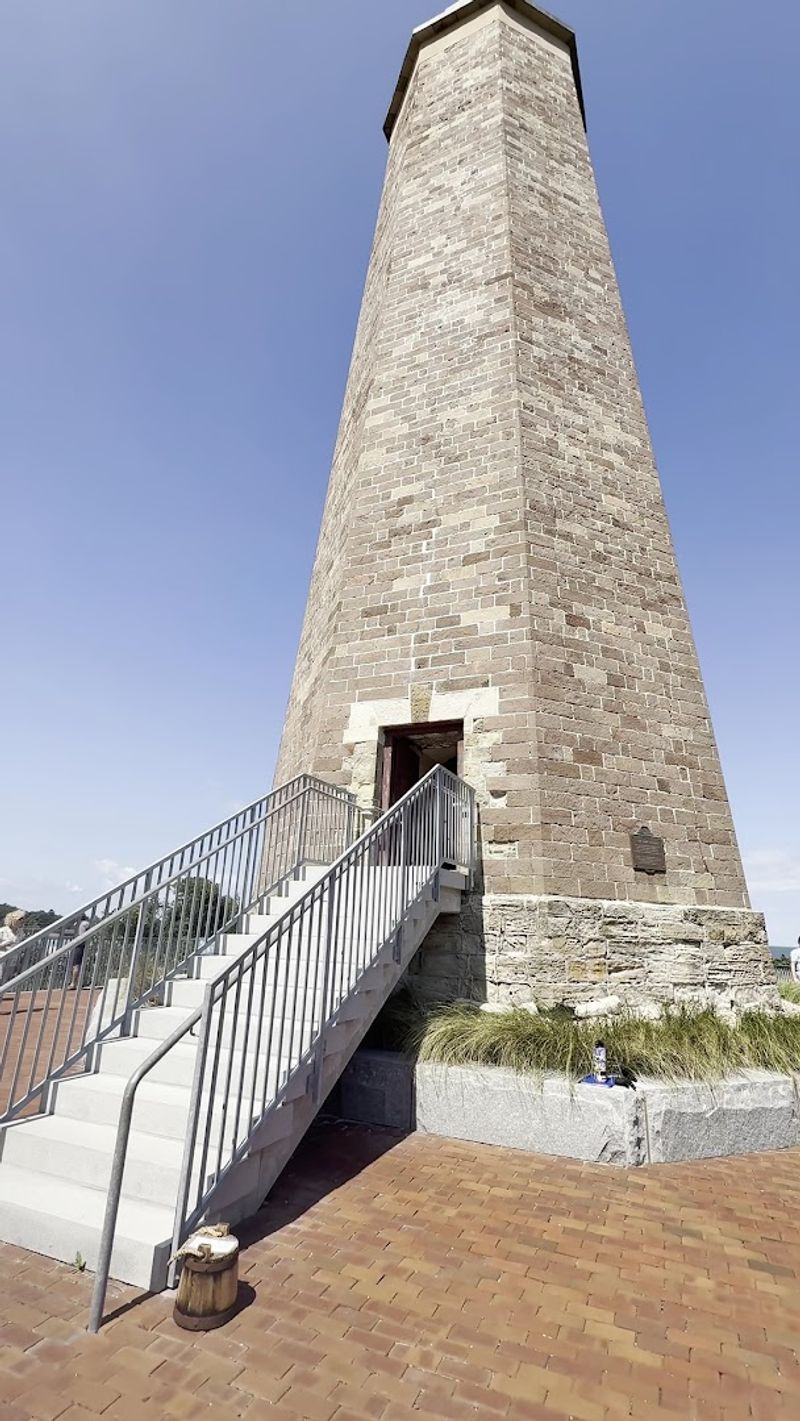
Long before the federal government built roads, bridges, or Capitol buildings, it built a lighthouse. The Old Cape Henry Lighthouse holds the extraordinary distinction of being the very first construction project authorized by the United States Congress, making it a cornerstone of American civic history.
George Washington himself signed off on the project, understanding that guiding ships safely through the Virginia Capes was essential to the young nation’s economic survival. Maritime trade with the Mid-Atlantic States depended on it, and the stakes could not have been higher.
The structure was completed in 1792, rising at the entrance to Chesapeake Bay in Virginia Beach, Virginia. Architect John McComb Jr. of New York City designed the tower, crafting it from Aquia Creek sandstone, the very same material used to build the White House.
Standing at the base and looking upward, it is genuinely hard to believe this stone tower predates so much of what we consider foundational American infrastructure. In 2002, the American Society of Civil Engineers officially designated it a National Historic Civil Engineering Landmark, a title it wears with quiet, unshakable pride.
The Sandstone That Built a Nation
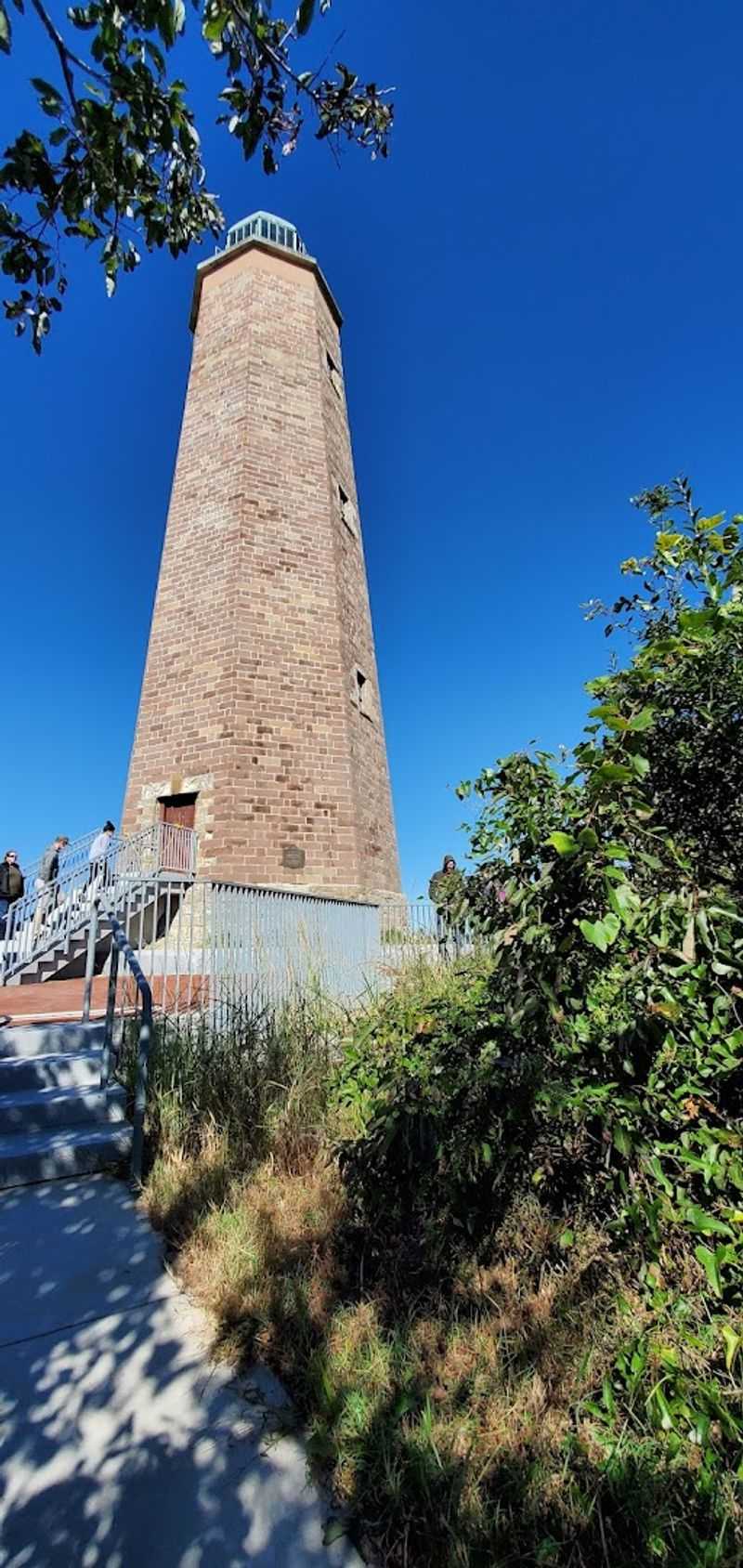
Not every building material carries a presidential pedigree, but the stone inside Old Cape Henry Lighthouse absolutely does. The tower was constructed using Aquia Creek sandstone, quarried from Stafford County, Virginia, and it shares that distinction with one very famous neighbor: the White House.
Aquia Creek sandstone was the prestige building material of early federal America. Soft enough to carve with relative ease yet durable enough to withstand centuries of coastal weather, it was the go-to choice for the nation’s most important structures during the late 18th century.
Running your fingers along the lighthouse walls today, you can feel the texture of that original stone, slightly rough, warm-toned, and deeply historical. Multiple layers of paint have accumulated over the centuries, each one a quiet timestamp of a different era in the building’s long life.
Virginia’s geological gifts played a direct role in shaping early American architecture, and this lighthouse is living proof of that connection. The stone has survived salt air, storms, and more than two centuries of coastal punishment without losing its structural integrity, a testament to the craftsmanship of those early builders.
Climbing to the Top: What Awaits You Up There
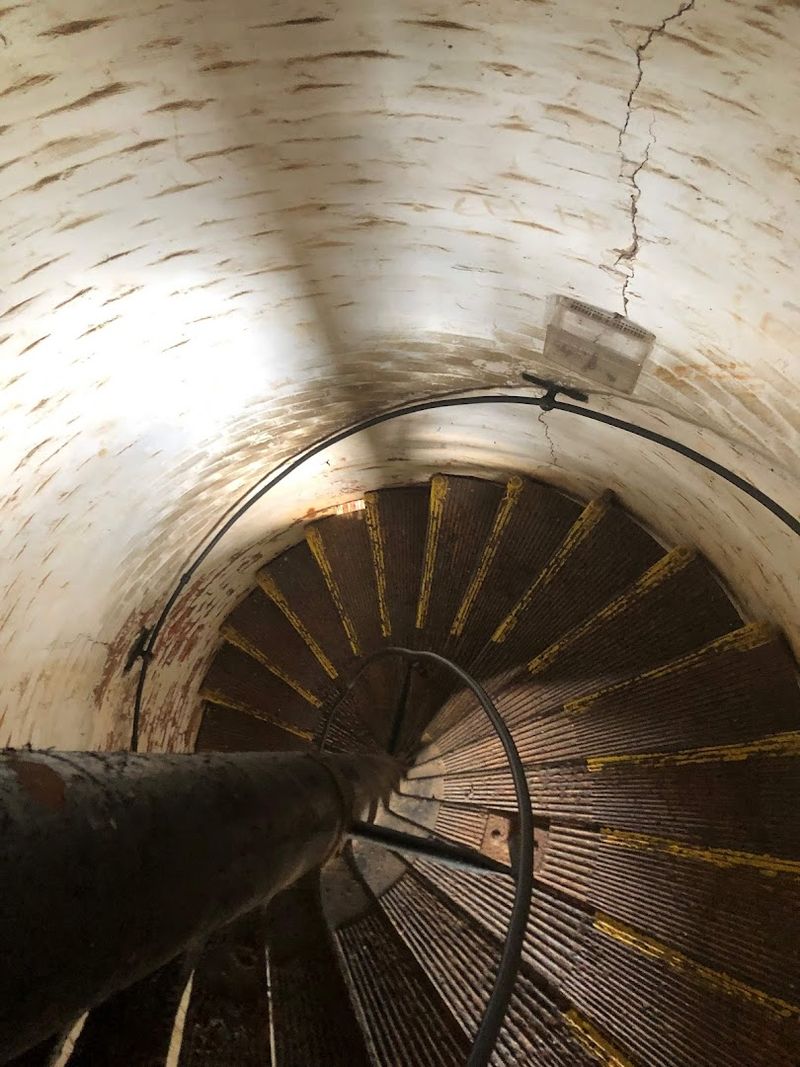
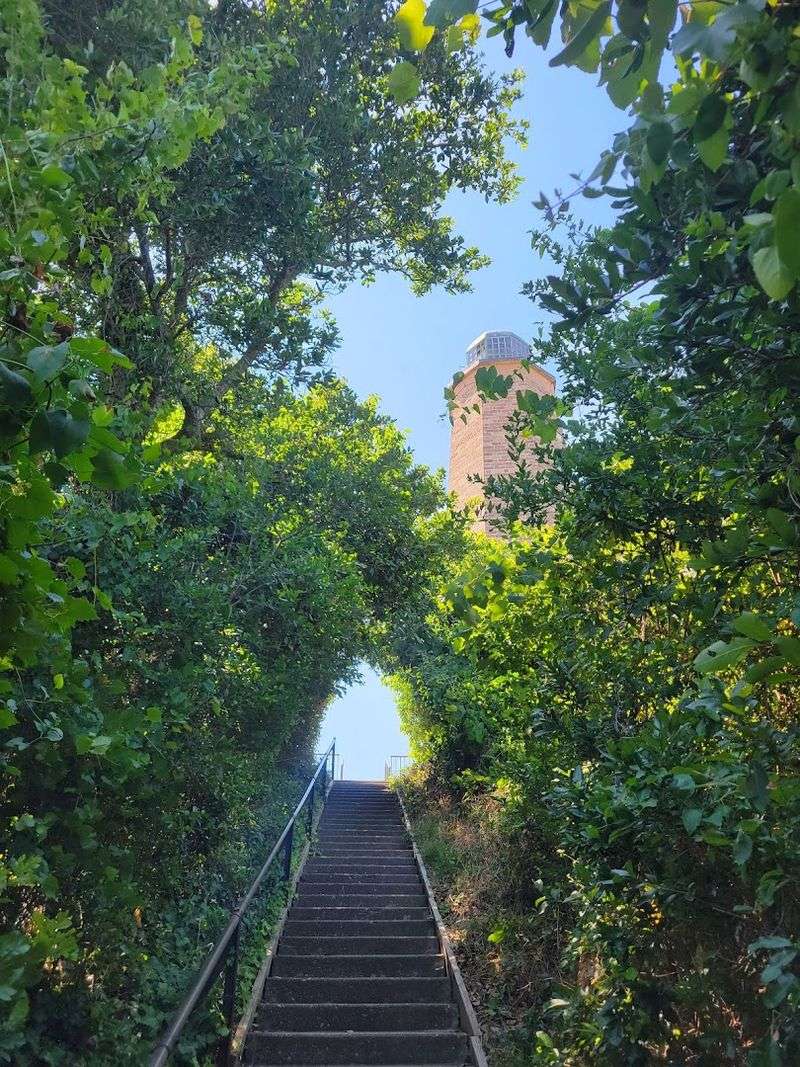
Fair warning: the climb is not a casual stroll, but it is absolutely worth every single step. Getting to the top of Old Cape Henry Lighthouse involves a first set of outdoor stairs leading up to the tower’s base, followed by the lighthouse’s own interior staircase, adding up to a satisfying and memorable ascent.
The interior staircase winds in a tight spiral, and the stone walls press close on either side. Placing your hands on those walls and knowing they have been there since 1792 gives the climb a deeply personal, almost surreal quality that no museum exhibit could ever replicate.
At the top, the reward is a panoramic, glass-enclosed viewing area with sweeping views of the Atlantic Ocean, the Chesapeake Bay entrance, and the newer Cape Henry Lighthouse standing nearby. On clear days, the coastal scenery stretches in every direction with breathtaking clarity.
Park guides stationed inside the tower share fascinating historical context throughout the climb, making the experience educational without ever feeling like a lecture. Comfortable shoes are strongly recommended, and children must meet a height requirement to participate.
The whole adventure takes roughly under an hour, making it a perfectly paced half-day outing in Virginia.
Navigating a Military Base to Reach a Historic Wonder
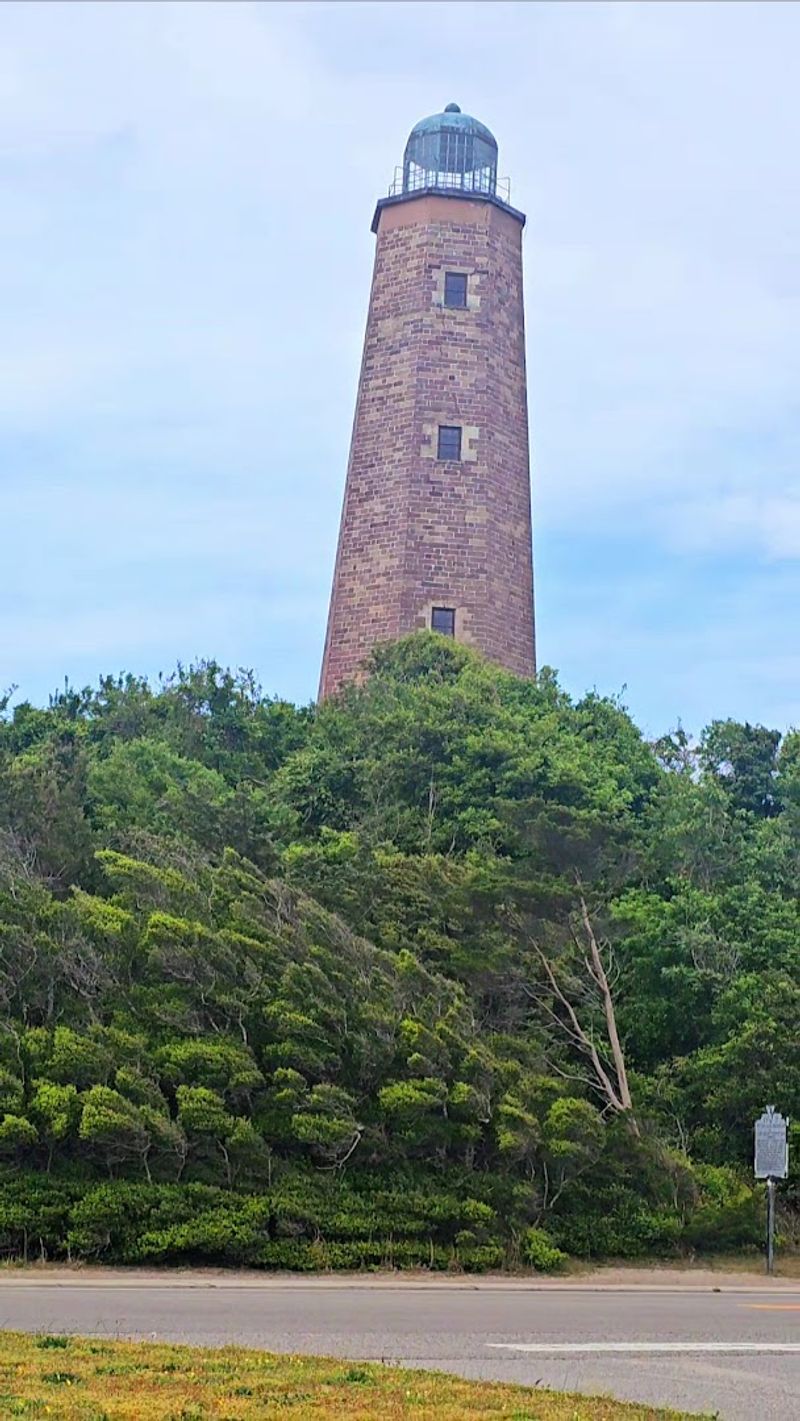
Getting to Old Cape Henry Lighthouse is not your average tourist stroll, and that unusual access process is actually part of what makes the visit so memorable. The lighthouse sits within the perimeter of Joint Expeditionary Base Little Creek-Fort Story, an active U.S. military installation in Virginia Beach.
Civilian visitors must enter at Gate 8, present a valid photo ID, and exchange it for a base access pass. From there, a shuttle transports guests directly to the lighthouse area, which keeps the visit organized and surprisingly smooth once you know what to expect.
The key tip: bring everything you need before going through the security briefing. Water, sunscreen, comfortable shoes, and any personal items should all be in hand before you complete the entry process, because returning to your vehicle afterward means starting over from the beginning.
Active military personnel with base access can drive directly to the site, skipping the shuttle entirely. For everyone else, the organized entry process adds a layer of novelty that most historic sites simply cannot offer.
Arriving prepared transforms what could feel like a hassle into a genuinely exciting prelude to one of Virginia’s most remarkable historical landmarks.
The View From the Top: Ocean Meets History
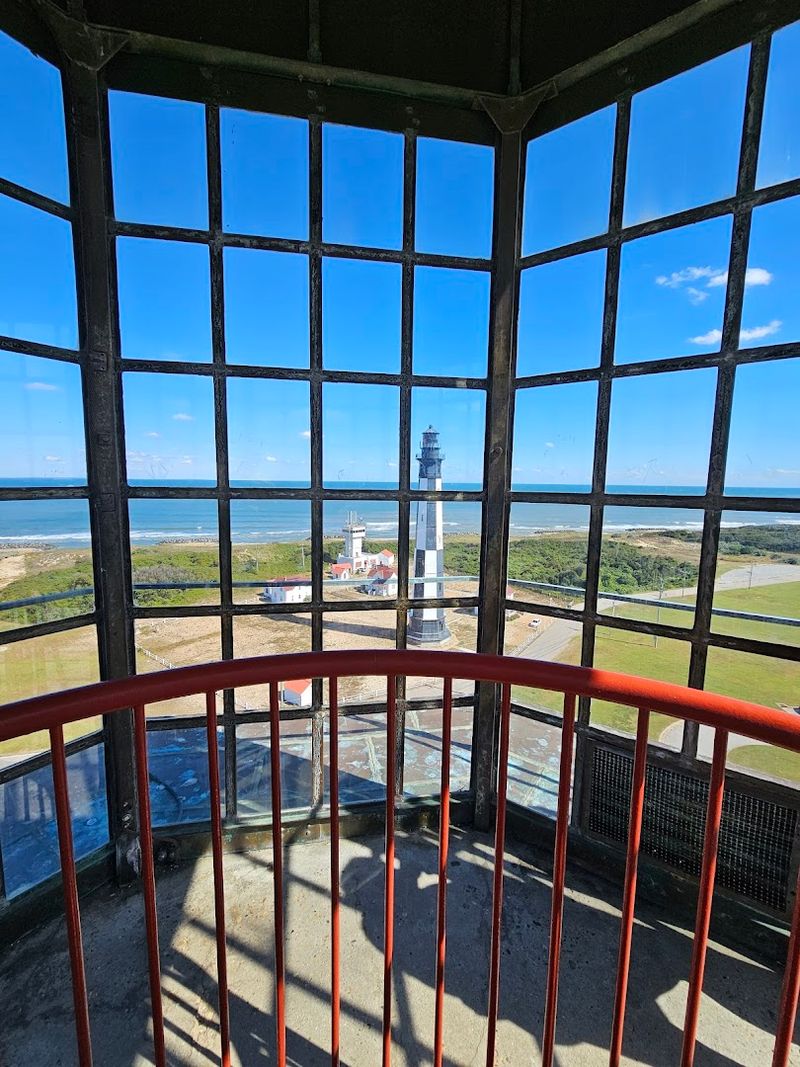
Few viewpoints on the entire East Coast pack as much historical meaning into a single glance as the one from the top of Old Cape Henry Lighthouse. Looking out from the glass-enclosed summit, the Atlantic Ocean stretches endlessly to one side while the mouth of the Chesapeake Bay opens up on the other.
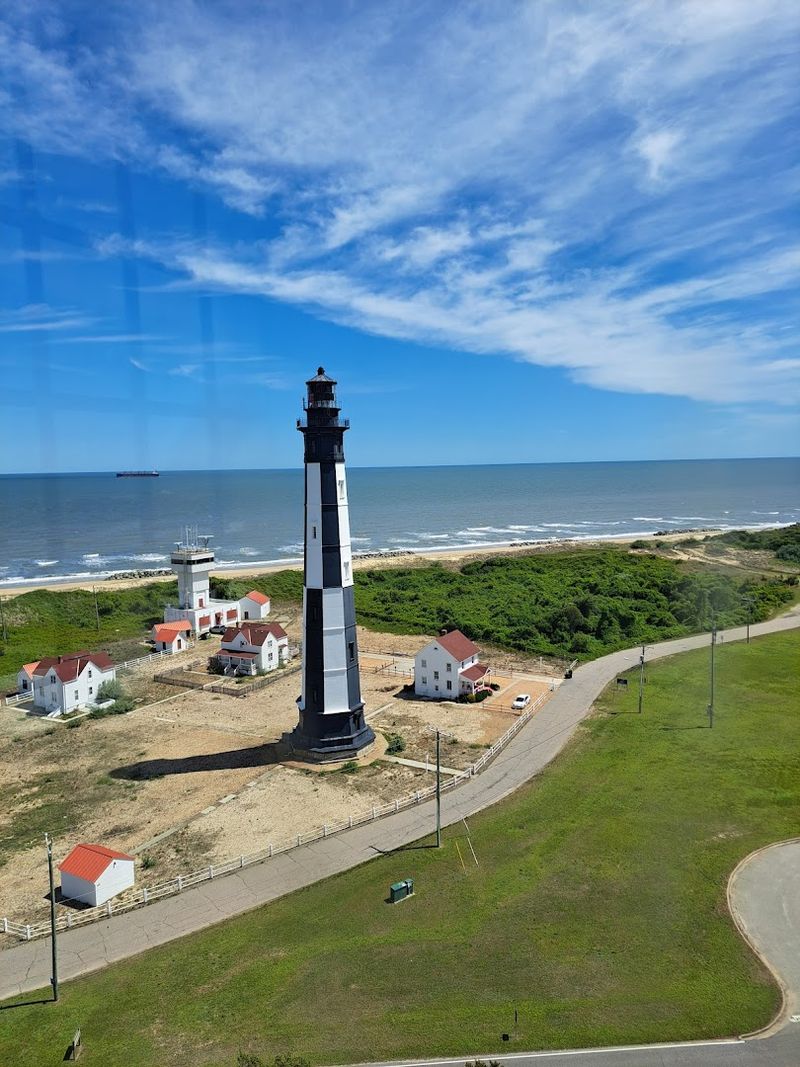
Directly below, Fort Story’s grounds spread out in crisp military order, and the newer black-and-white Cape Henry Lighthouse stands close enough to photograph beautifully from above. On especially clear days, the coastline curves away in both directions with a cinematic sweep that feels almost too perfect to be real.
This exact vantage point is also historically loaded. The waters visible from this tower are the same ones where the first English colonists arrived in 1607, making the view a literal window into the earliest chapter of American settlement.
Centuries of exploration, navigation, and coastal defense all converge at this single geographic point.
Dolphin sightings from the top are not uncommon, and large cargo ships regularly pass through the bay entrance below. Virginia’s coastline has never looked more dramatic or felt more alive with meaning than it does from up here, making the climb completely non-negotiable for first-time visitors.
The New Cape Henry Lighthouse Next Door
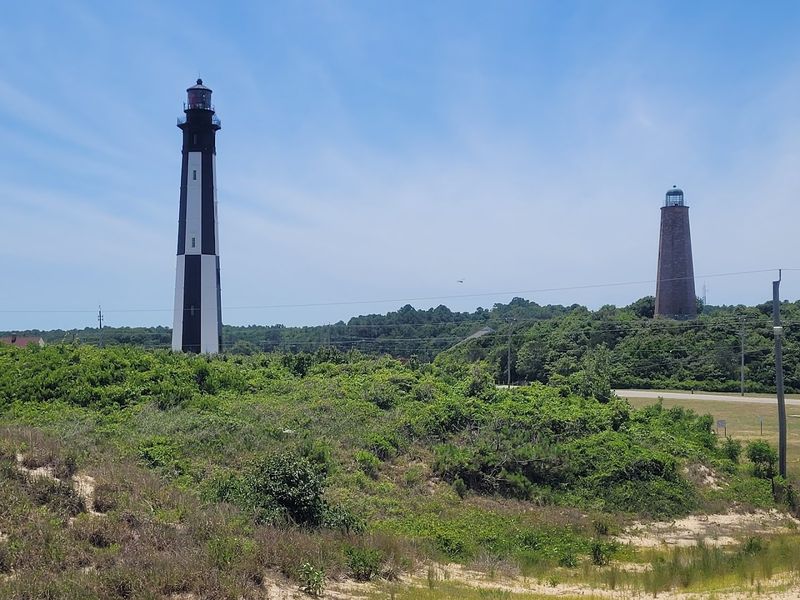
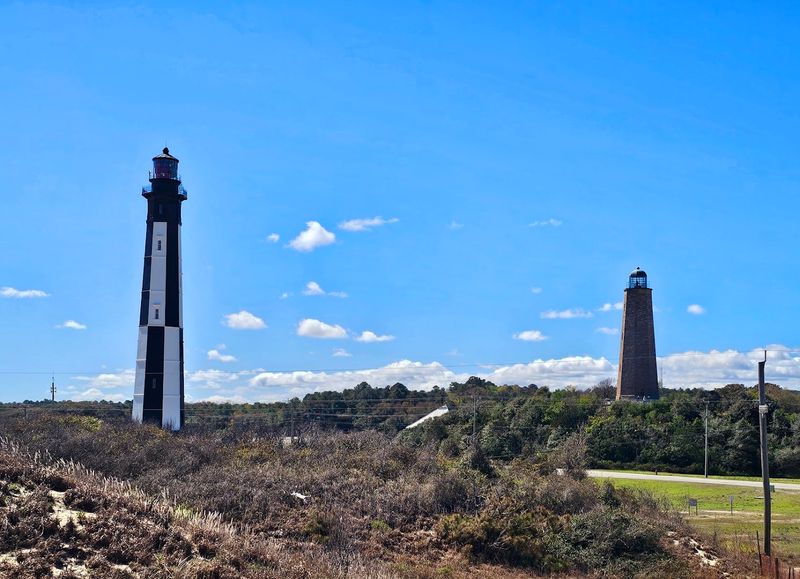
Two lighthouses for the price of one visit is a deal that any history enthusiast should find irresistible. Standing near Old Cape Henry Lighthouse, the newer Cape Henry Lighthouse offers a striking visual contrast, its bold black-and-white iron construction looking almost futuristic compared to its sandstone neighbor.
The new lighthouse was constructed in 1881 after engineers raised concerns about potential structural instability in the original tower. Rather than demolishing the old one, authorities kept it standing as a daymark and a triangulation reference point, which is why both structures exist side by side today.
Visitors can observe the newer lighthouse up close, though climbing it is not permitted for the general public. The old sandstone tower remains the star of the show, but the newer structure adds important context to the site’s evolving maritime history across two very different centuries of American life.
Seeing them together is genuinely striking. One built from quarried stone by hand in the 18th century, the other assembled from cast iron during the industrial age, the two lighthouses tell the full arc of American lighthouse engineering in a single glance.
Virginia Beach does not have many spots where two centuries of innovation stand literally shoulder to shoulder like this.
A Gift Shop and Boardwalk Worth Exploring
Not every historic site comes with a shopping moment and a scenic stroll, but Old Cape Henry Lighthouse delivers both with genuine charm. A well-stocked gift shop near the lighthouse grounds carries souvenirs, educational materials, and lighthouse-themed keepsakes that make for genuinely satisfying mementos of the visit.
The boardwalk running through the site is a pleasant surprise, offering a shaded and scenic path that connects different points of interest on the grounds. It is a lovely spot to decompress after the climb, take in the coastal atmosphere, or simply enjoy the fact that you are standing on one of the most historically significant pieces of land in all of Virginia.
On the grounds, visitors can also find interpretive signs that walk through the lighthouse’s history, the First Landing story, and the broader maritime heritage of the Chesapeake Bay region. A replica of the oil bucket that keepers once hauled up the tower daily is available to lift, giving a wonderfully tactile sense of just how physically demanding the job once was.
There is also a real cannon from the USS Utah displayed on the grounds, adding yet another unexpected layer of American military and naval history to an already extraordinary site. Plan to spend time exploring beyond just the tower itself.
Seasonal Visits and the Best Times to Go
Timing your visit to Old Cape Henry Lighthouse makes a real difference in the overall experience. The lighthouse operates on a seasonal schedule managed by Preservation Virginia, so checking current opening hours before heading out is a smart first move, especially outside of the peak summer months.
Spring and fall are arguably the most comfortable seasons for the visit. Summer temperatures inside the tower can climb significantly since there is limited ventilation, and the outdoor path between the shuttle drop-off and the lighthouse base offers very little shade during hot Virginia afternoons.
Winter visits have their own appeal entirely. The site is far less crowded, the views from the top feel crisp and dramatic, and the wind at the summit gives the whole experience a slightly wild, atmospheric edge that summer simply cannot match.
A February visit in particular can feel surprisingly magical on a clear day.
The lighthouse grounds remain accessible year-round to those with military base access, while civilian shuttle service operates according to the seasonal calendar. Arriving early in the day is always wise, as shuttle wait times can stretch longer during busy holiday weekends.
Virginia’s shoulder seasons offer the sweet spot of comfortable weather and manageable crowds.
The First Landing Connection: Where America Truly Began
Standing at Cape Henry and looking out over the water carries a weight that goes far beyond lighthouse history. This stretch of Virginia coastline is where the first English colonists stepped ashore in 1607, making it the literal starting point of permanent English settlement in North America.
The connection between the lighthouse and that founding moment is not just geographical. The lighthouse was built precisely to protect and guide maritime traffic through these historically loaded waters, linking America’s very first federal construction project to the very place where the American story began several generations earlier.
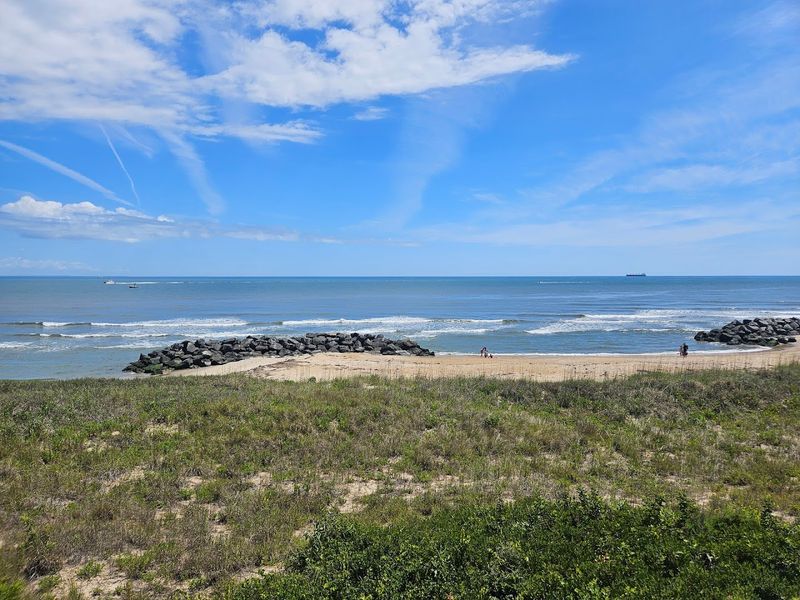
Interpretive signs scattered around the grounds make this connection explicit and accessible, walking visitors through the timeline from 1607 to 1792 and beyond. The shoreline walk available within the civilian access boundary brings visitors close to the water’s edge, where the view across the bay feels genuinely timeless.
First Landing State Park sits nearby, offering additional context and natural beauty for those who want to extend the historical experience beyond the lighthouse grounds. Virginia Beach has done a thoughtful job of connecting these two landmark sites in the public consciousness, and visiting both in a single trip creates a layered, deeply satisfying sense of American origin story.
Few places in the country carry this much founding-era significance in such a compact geographic area.
Plan Your Visit: Address, Tips, and What to Bring
Planning ahead transforms a potentially confusing visit into a smooth and genuinely enjoyable adventure. Old Cape Henry Lighthouse is located at 583 Atlantic Ave, Fort Story, VA 23459, inside the perimeter of Joint Expeditionary Base Little Creek-Fort Story in Virginia Beach.
Bring a valid government-issued photo ID for every member of your group over the age of 16, as it is required at the security checkpoint without exception. Pack water, sunscreen, and comfortable closed-toe shoes before going through the entry briefing, since returning to your vehicle afterward restarts the entire check-in process.
The lighthouse is owned and operated by Preservation Virginia, and current hours and admission details can be confirmed at preservationvirginia.org before your trip. Military discounts and AAA member rates are available, making the visit accessible for a wide range of budgets.
Children must meet a height requirement to climb the tower, and anyone with significant mobility limitations should consider that the climb involves a substantial number of steps. Dolphins are frequently spotted from the top, so keeping an eye on the water during your summit time is always rewarding.
Virginia Beach offers no shortage of coastal magic, but this particular spot delivers a rare combination of natural beauty, military heritage, and foundational American history all in one unforgettable visit.
Dear Reader: This page may contain affiliate links which may earn a commission if you click through and make a purchase. Our independent journalism is not influenced by any advertiser or commercial initiative unless it is clearly marked as sponsored content. As travel products change, please be sure to reconfirm all details and stay up to date with current events to ensure a safe and successful trip.
