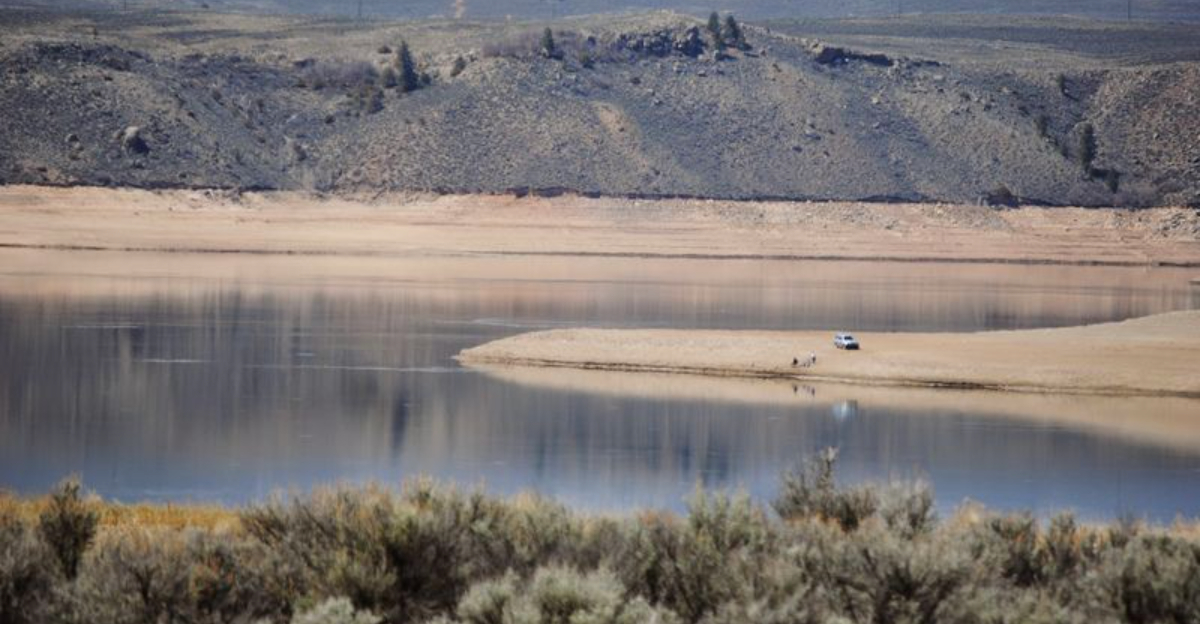
A reservoir this big is supposed to feel permanent, which is exactly why the sight of it dropping to shockingly low levels hits so hard. This Colorado giant stretches through a dramatic high-desert landscape that already feels a little stark and oversized, but the falling water adds a very different kind of tension to the view.
The shoreline shifts, hidden coves open up, and pieces of the past start creeping back into sight. In low-water stretches, old foundations, railroad remnants, and long-submerged traces of former towns can reappear from the mud, making the whole place feel less like a normal lake and more like a landscape in the middle of exposing its own history.
That only adds to the unease, because this is not some small forgotten reservoir. It is Colorado’s largest body of water, a major recreation area, and a place tied into much bigger questions about drought, water management, and the future of the West.
The scenery is still massive. The warning built into it might be even bigger.
A Colorado Reservoir That Looks Different Now
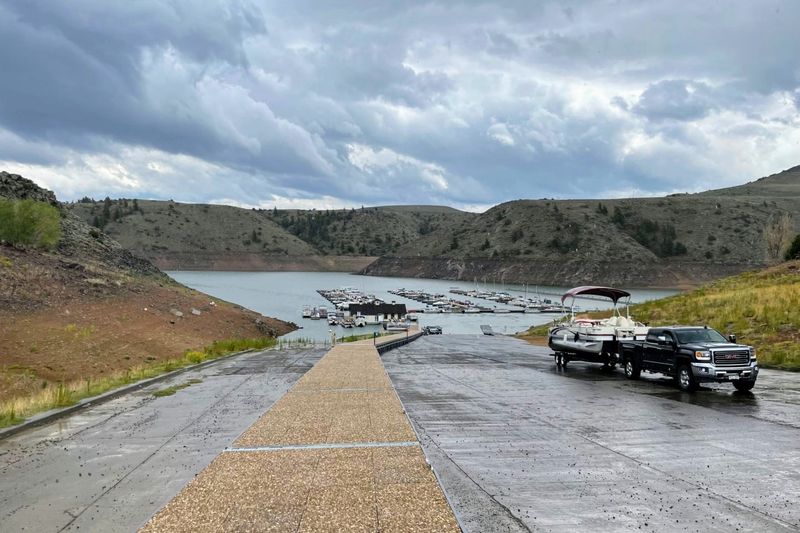
You know that feeling when a place you love looks familiar and wrong at the same time? That is Blue Mesa right now when you roll into Elk Creek, with the water pulled back and bright rings marking where it used to sit.
You stand by the railing, listen to the wind shuffle sage, and realize the scale has shifted even if the mesas and sky are still doing their big Western show.
The parking lot is the same, the marina sheds are the same, and yet the shoreline sprawls out like a stage light turned up too high. Boats sit at sharper angles, and the floating walkways look like ideas mid-sentence, reaching for water that is not quite there.
Colorado has been squeezed by thin snow and thirsty summers, and you can trace that story right here without reading a single report.
If you are planning a stop, do not rush it, because the details land slowly. Look for the pale crust on rocks where waves used to lick, and watch the wind lift dust from the flats like shy ghosts.
It is not doom and gloom, but it is honest, and it asks you to notice more than the postcard view.
How Low Water Changed The Shoreline
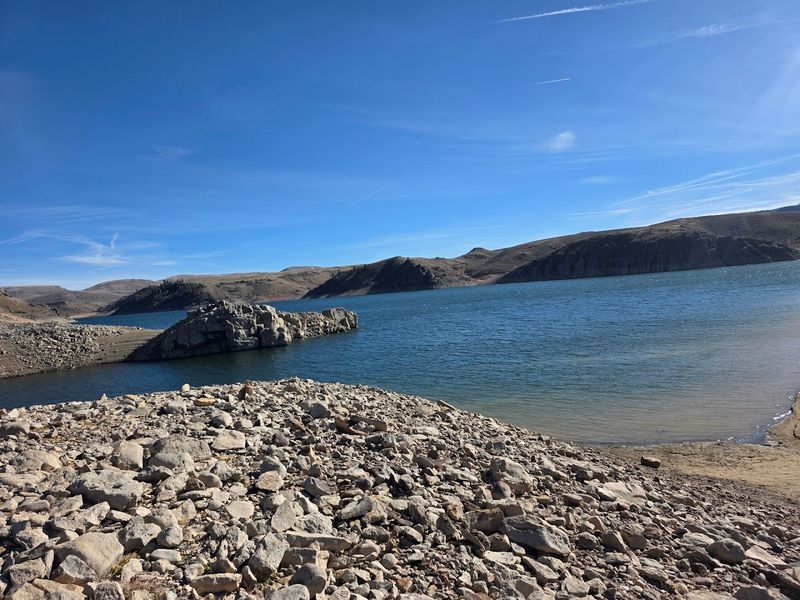
Walk down from the overlook, and the ground starts telling you the timeline. First you hit gravel that crunches like aquarium rock, then a slope of sticky clay that still remembers waves, and finally the flats where driftwood lies bleached and furred with mineral dust.
Each band is a memory line, and together they redraw the reservoir’s edge like a map that keeps getting edited.
You notice how coves have opened their mouths wider, like they are exhaling after holding their breath too long. The small inlets near Elk Creek feel stretched, with channels you could once glide over now braided into narrow threads.
It is strangely quiet down there, just wind and the creak of a dock hinge, which makes the space feel bigger and a little exposed.
None of this is just cosmetic, by the way, because that shape shift changes how waves move, how sediment settles, and where fish like to hang out. Shore anglers shuffle farther, reading subtle drops and riffles instead of casting blind at a blue wall.
You will track the old waterline with your eyes, then catch yourself adjusting, because this new version is the one your boots touch.
The Wide Mud Flats Visitors Notice First
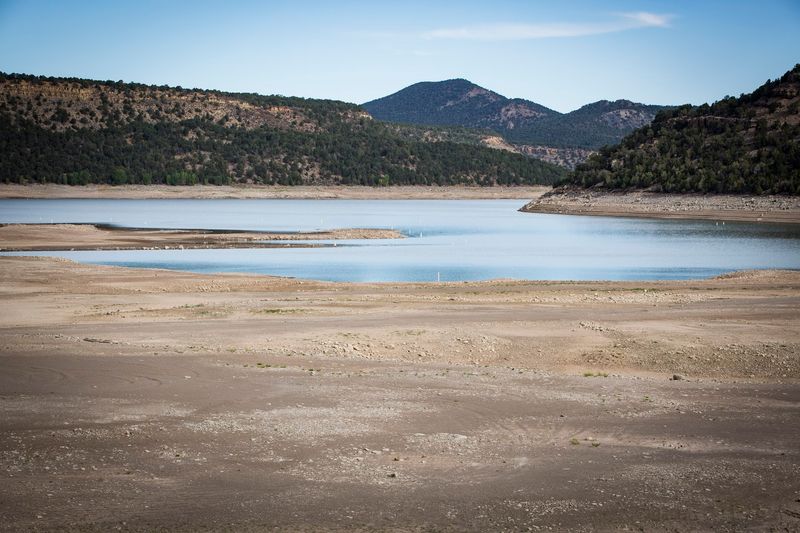
The mud flats hit your senses before anything else, that flat expanse shining slightly like a mirror that forgot its job. You can see delicate cracks, looping tracks from gulls, and the faint puzzle pieces where last week’s water settled.
Step lightly if you go, because the surface can be firm in one spot and pudding-soft two feet over.
From Elk Creek, the flats spread out in a wide arc that used to be easy water for paddlers. Now it is a quiet plaza for wind and sun, with drift fences of reeds catching tiny shells.
The light in Colorado makes it photogenic in a stark way, but the stillness carries a question you feel more than hear.
These flats matter because they tell you what the basin is doing underneath the blue part. They trap heat, they move dust, and they change how quickly the shoreline re-wets when storms finally come through.
If you pause and look across the glaze of shallow puddles, you can almost imagine the lake breathing, slow and careful, waiting on snow that has been stingy.
Why This Part Of The Lake Feels So Exposed
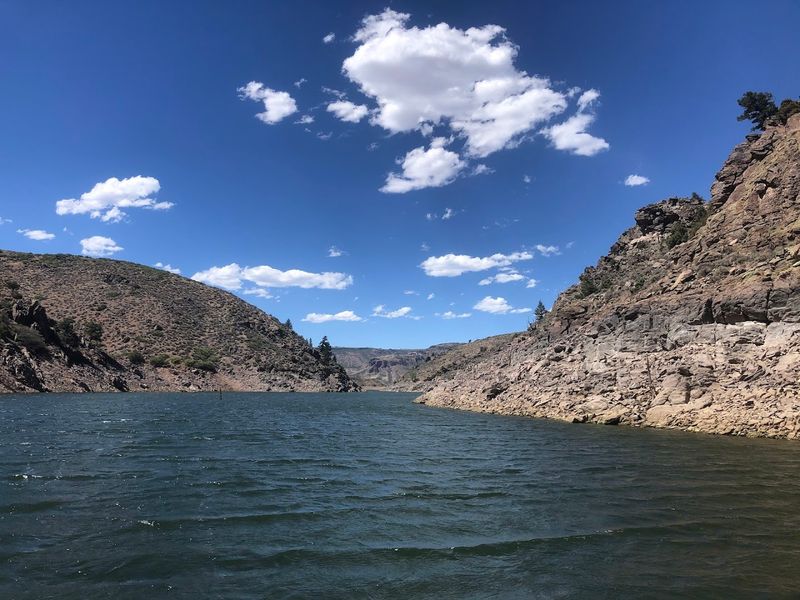
Elk Creek sits in a broad bowl, so when the water falls, there is nowhere for the emptiness to hide. The banks ease down gently instead of dropping fast, which means a little loss of depth exposes a lot of ground.
You look around and there is sky, rock, and a wide apron of shoreline that used to be water doing the quiet work of floating boats and sanding waves into whispers.
The marina tries to keep pace, moving docks, shifting ramps, doing the careful dance that lake people learn by heart. Still, the geometry of the place becomes obvious, and the long slope stretches into a kind of amphitheater for wind.
It is not dramatic cliffs and tight canyons here, and that makes the change more visible, more daily-life close.
Stand on the dry anchor lines, run your fingers over the frayed marks, and you can feel seasons stacked up like pages. That is why this corner feels so exposed: the story has no curtain.
In Colorado, where water is always a conversation, this wide-open look turns a technical problem into something you can see with a single glance.
What Falling Water Means At Elk Creek
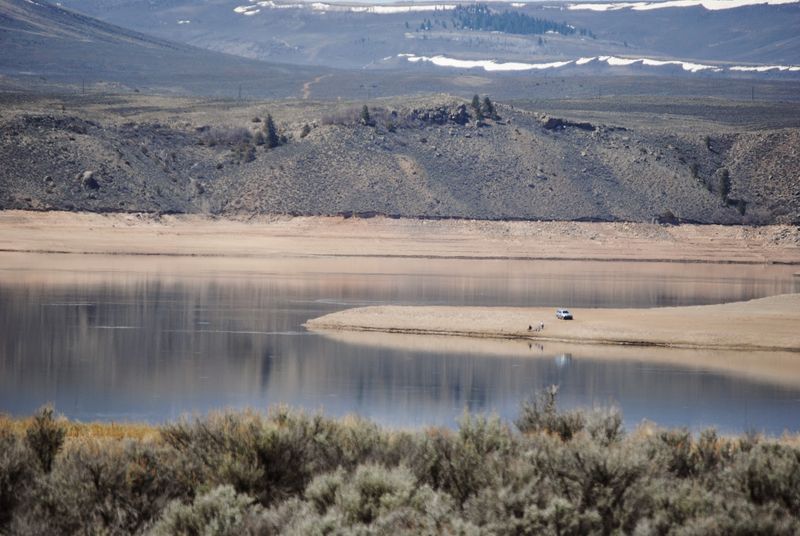
At Elk Creek, falling water turns into a checklist before it becomes a headline. Staff stretch the ramp, reposition the gangways, and mark shallows that did not exist last season.
Visitors adapt too, parking a little higher, walking a little farther, and learning that the first calm cove might now have a sneaky bar under the surface.
This is the practical side of a changing lake, and it shows up in subtle ways you only notice when you return. The channel everyone loved for easy launching might take a different angle, and wind fetch can climb because there is more open reach for waves to build.
Conversations drift toward maps and markers instead of only swapping fish stories.
It is easy to treat the reservoir like scenery, but here it is obviously a working system tied to towns, farms, and downstream rights. Colorado has water laws stacked like a card house, and you feel those invisible cards rustle when the level drops.
If you are standing with me at the railing, you will likely nod, because the lake is teaching the class today.
Boat Access In A Shifting Landscape
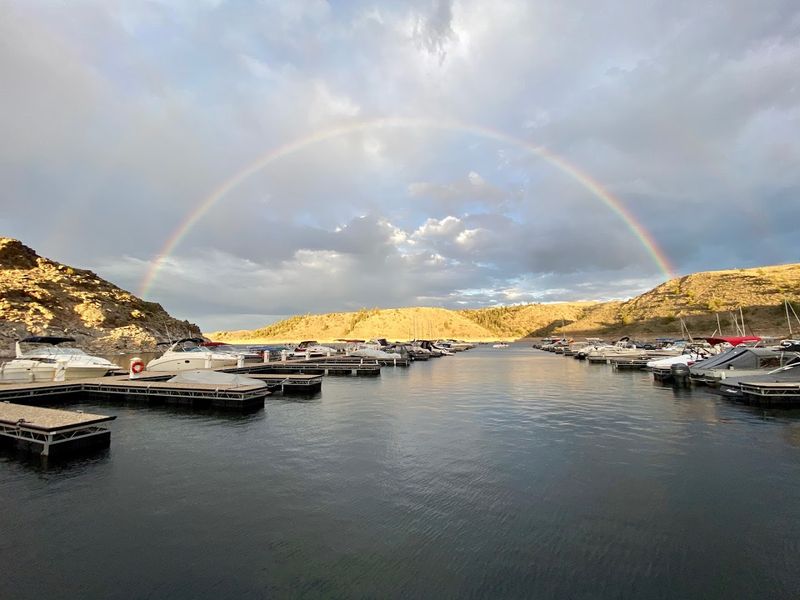
Ready to launch? Give yourself extra time, because boat access here changes with the water like a tide table without a clock.
The ramp can feel longer, the angle different, and the floating section might flex more than you remember when a small wake rolls through.
Folks at Elk Creek do a solid job watching depths and moving hardware, but you still read the water yourself. Look for flagged hazards, mind the buoys, and idle out slowly until you know the route.
Turning wide is smarter than tight right now, since old islands of gravel like to impersonate open lanes when the light goes flat.
If you are trailering, plan the exit too, because a busy afternoon brings a patient shuffle that feels part ballet, part puzzle. It is not stressful if you arrive with the mindset that everything takes one extra breath.
Out on the main body, you will feel how the longer fetch stacks chop, so trim and speed get small tweaks that make the ride smoother.
The Safety Warnings That Come With Low Water
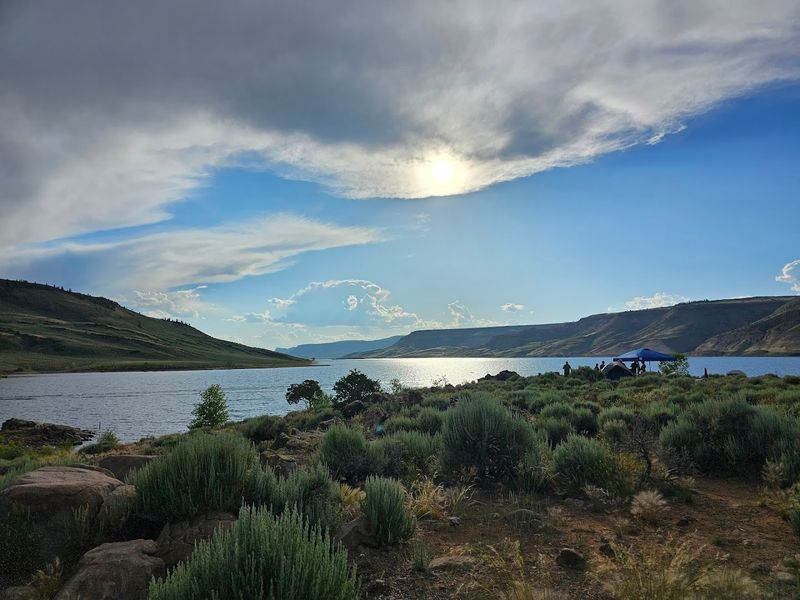
I do not want to sound like the safety lecture, but the low-water quirks deserve real attention. Submerged rocks rise closer to the surface, channels shift, and even familiar coves grow new edges after a windy week.
Give yourself room, idle more than usual, and treat every unmarked shortcut like it might hold a surprise.
Walking the shoreline takes the same mindset, because that pretty mud can swallow a shoe in one step and feel like pavement the next. Keep kids and dogs near the firm tracks, and test with a pole if you are curious about that glossy patch.
The flats can look solid from the lot and turn spongy halfway out, which is a classic Colorado bait and switch.
Weather works differently over broad shallows too, with gusts building chop faster and lightning traveling across the open like it has no brakes. The best plan is boring and effective: watch the sky, watch the water, and do not outrun your daylight.
You will enjoy the day more when the small decisions lean conservative, because low water rewards the unhurried.
Why The Concern Goes Beyond Recreation
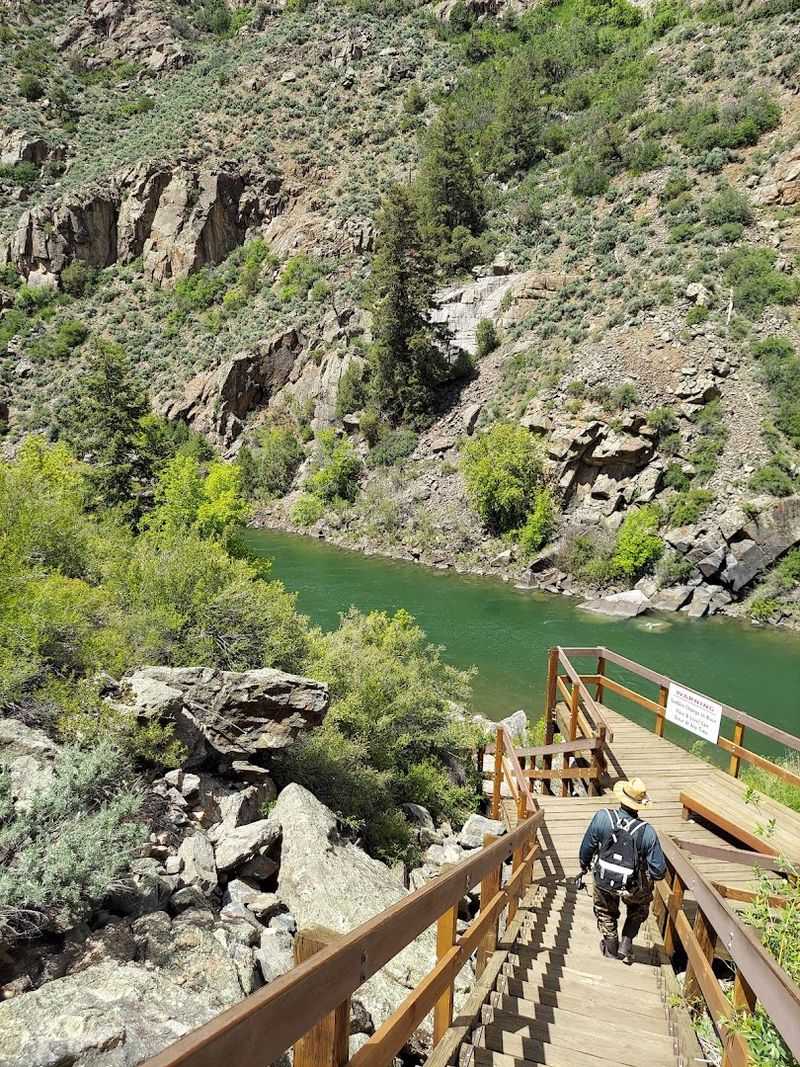
Standing here, it is tempting to frame everything around boats and views, but the bigger story is moving quietly under the surface. Blue Mesa ties into a chain of obligations, ecosystems, and deliveries that stretch well beyond Gunnison.
When the level sits low, timing and temperatures shift, and those ripples reach fish, ranches, and taps far from this parking lot.
You can feel it in the way folks talk at the marina office, not alarmed, just steadily serious. The question is not only whether a ramp opens, but how releases line up with downstream needs and what a hot week might do to already lean inflows.
Recreation is the easy headline; the substance is water as infrastructure, living and humming through Colorado’s days.
That is why the sight sticks with you on the drive home. The lake is a mirror that shows snowpack as much as sky, and right now it is reflecting a thin year that keeps asking for conservation.
You do not need spreadsheets to understand it, just a slow walk, a look at the rings, and a willingness to connect this shoreline to everywhere water goes.
How Drought Still Shapes The Reservoir
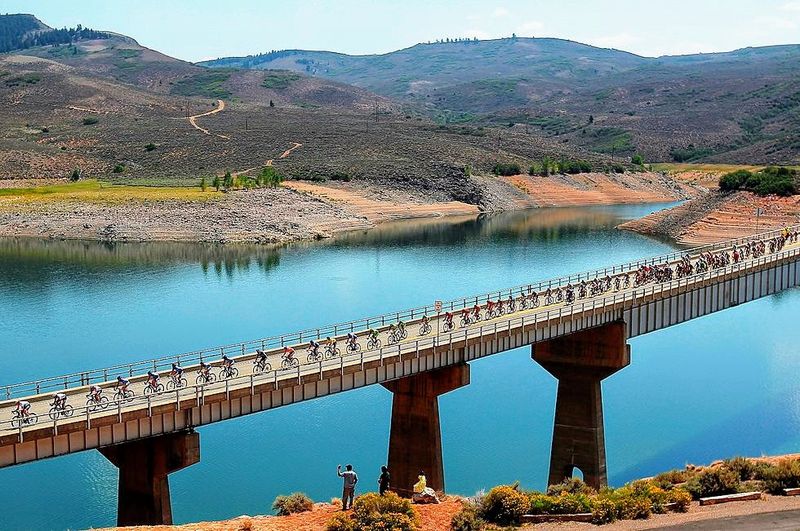
If you are wondering why it feels stubborn, remember the simple math of snow in and evaporation out. When snowpack comes up short and heat lingers, a reservoir like this becomes a savings account paying out faster than it earns.
You can see the withdrawals written in bright bands around every cove like a ledger kept by sun and wind.
Colorado’s statewide picture has been strained, and Blue Mesa tells that wider story in everyday details. The water warms quicker over shallows, algae finds time to bloom, and afternoon gusts pick up dust from the exposed floor.
None of it is dramatic minute by minute, yet together it shapes how the lake lives through a season.
What gives me a little hope is how fast it also responds when storms line up and nights cool down. Those mood swings cut both ways, which is why patient observation matters more than a single snapshot.
If you keep visiting, you will notice the color shift, the bite times slide, and the flats either creep outward or surrender back to blue, all reminding you that drought is not a headline but a rhythm.
A Colorado Lake Story That Keeps Raising Concerns
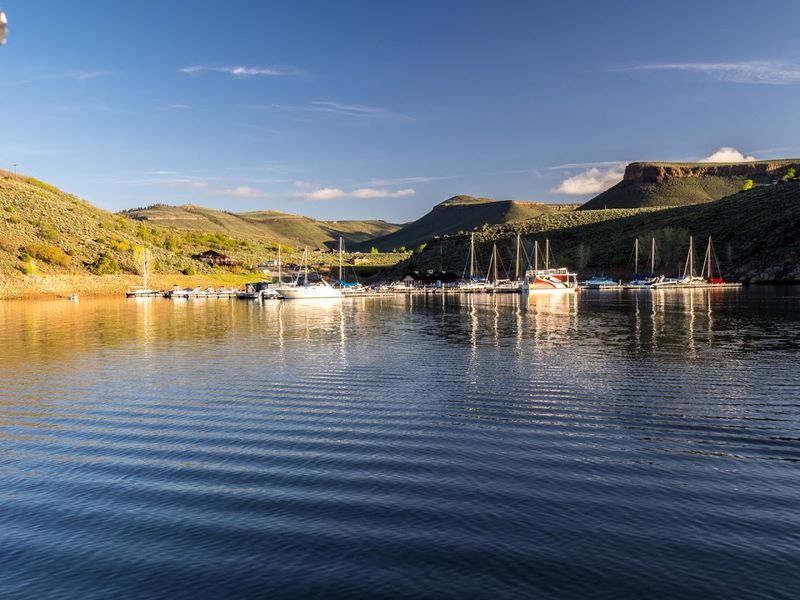
By the time evening slides in, the place gets reflective in every sense. The wind settles, the water wrinkles like silk, and the pale rings fade to soft gray, but the questions do not go quiet.
You carry them back to Gunnison along the highway, where the sky is broad and the air smells like sage after sun.
Here is the part I keep telling friends who ask whether it is worth visiting: yes, absolutely, and pay attention while you are there. You can enjoy the views, launch carefully, walk the flats, and still hold space for the bigger conversation.
That mix of wonder and concern is honest, especially in Colorado where water knits together wild country and regular life.
So if you make it to 102 Elk Creek, take your time and look twice at everything that seems ordinary. The ramp angle, the quiet cove, the chalky rocks, and the long glide of open water are all clues.
This lake keeps raising concerns not to scare you off, but to invite you in with open eyes and the kind of care that lasts beyond one trip.
Dear Reader: This page may contain affiliate links which may earn a commission if you click through and make a purchase. Our independent journalism is not influenced by any advertiser or commercial initiative unless it is clearly marked as sponsored content. As travel products change, please be sure to reconfirm all details and stay up to date with current events to ensure a safe and successful trip.
