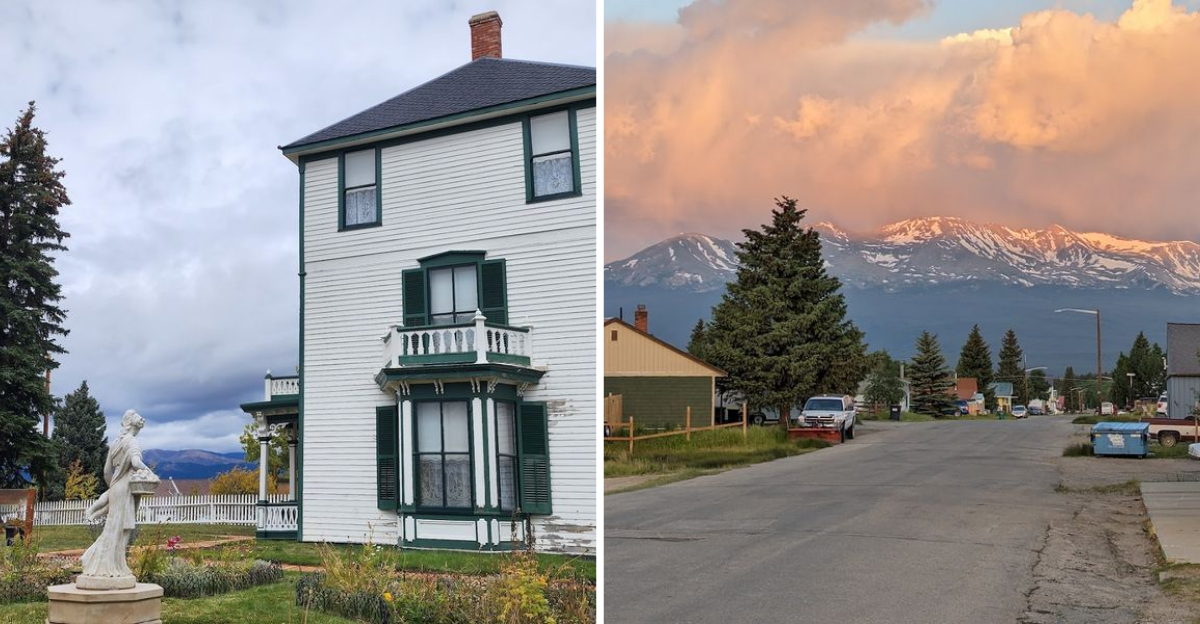
The town was quiet. Too quiet.
Storefronts sat empty. Main Street felt more like a hallway than a destination.
People still lived there, but the energy had faded. Happens to a lot of small towns when the thing that built them moves on.
Then someone got an idea. Not a big corporate rescue plan. Not a government program. Just one local with a creative thought that turned into something real. Now the place has a whole new life.
Visitors come from all over. Businesses reopened.
Kids are sticking around. I walked down the main street and could feel the difference.
Colorado has plenty of comeback stories. This one stands out.
When Mining Ended
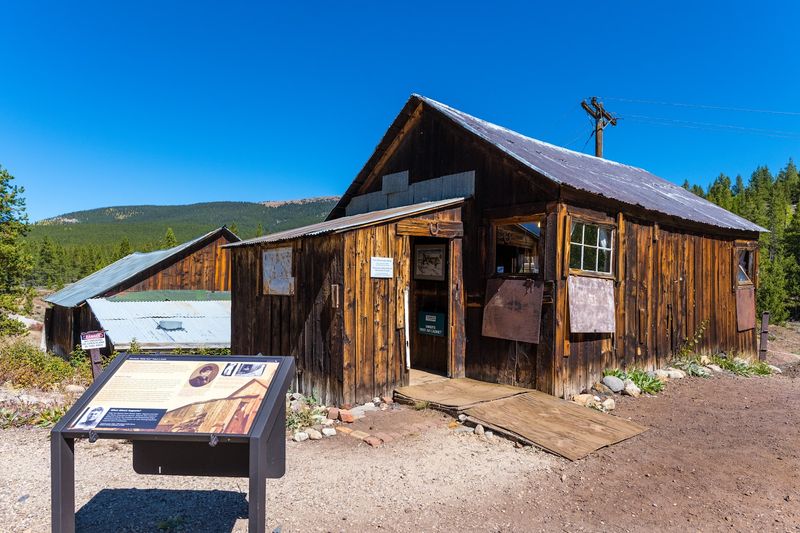
By 1982, the Climax Molybdenum Mine had shut down, taking with it nearly every job that kept families fed and roofs over heads. The population dropped from around 10,000 people to barely 3,000 almost overnight.
Main Street storefronts went dark one by one.
People packed up and moved to cities where work existed, leaving behind homes they had loved and memories they had built over generations. The schools had fewer students each year.
Local businesses struggled to stay open when nobody had money to spend.
I think about what that must have felt like, watching your town slowly empty out around you. The mountains were still beautiful, the Victorian architecture still stood proud, but none of that mattered when families couldn’t afford groceries.
Some people said Leadville would become just another Colorado ghost town, a place tourists might visit to see old buildings and imagine what life used to be like. The future seemed to hold nothing but dust and silence for this once-booming community that had survived since the 1860s.
The Race That Changed Everything
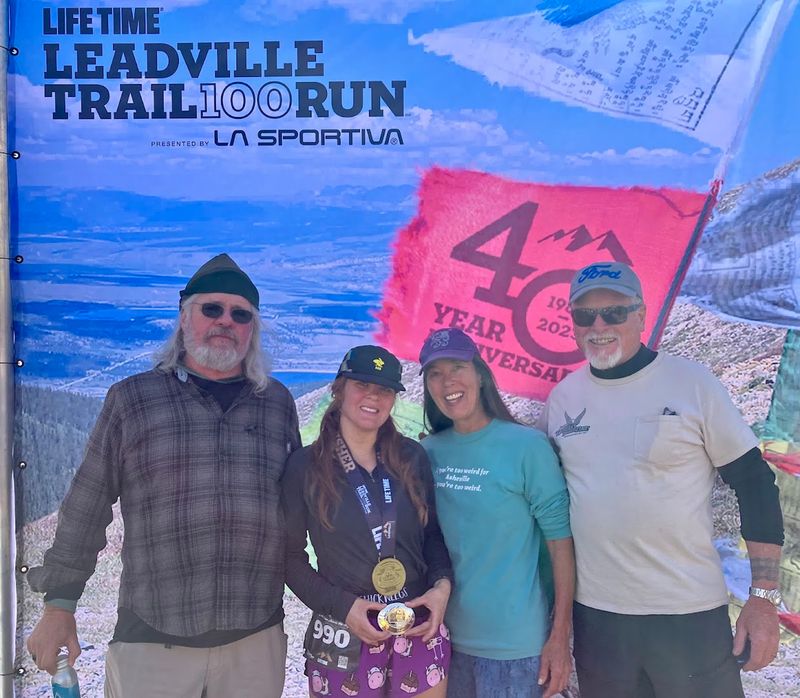
Ken Chlouber had worked in the mines and watched his neighbors lose everything when they closed. Instead of giving up, he and his wife Merilee came up with an idea that sounded completely wild.
They would create a 100-mile footrace through the mountains surrounding Leadville, one of the toughest endurance challenges anywhere in America.
The first Leadville Trail 100 Run happened in 1983 with just 45 runners brave enough to attempt the course. The route climbed and descended 15,600 feet through high-altitude terrain where breathing is hard and every step tests your limits.
Most people thought the idea was crazy, but Ken believed that ultrarunners would travel from everywhere to prove themselves on such a brutal course.
He was right. Within a few years, the race attracted hundreds of participants who needed places to stay, food to eat, and gear to buy.
They brought money into the local economy and told their friends about this incredible mountain town. What started as one person’s desperate attempt to save his community became the spark that reignited Leadville’s spirit and showed everyone that mining wasn’t the only way forward.
Running at 10,000 Feet
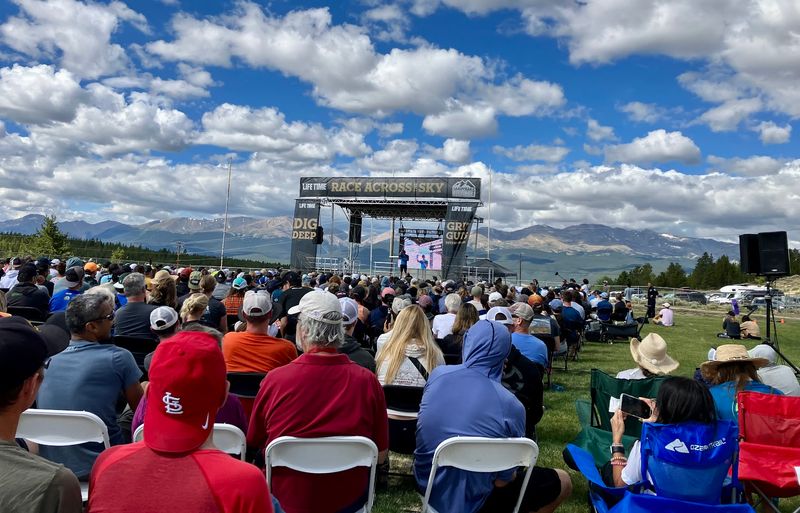
Athletes come from all over the world now to test themselves against the Leadville Race Series, which has grown to include trail running events of various distances, mountain bike races, and even trail marathons. The races happen during summer months when the mountain weather is more forgiving, though conditions at this elevation never get easy.
Your lungs burn, your legs feel heavy, and every uphill section reminds you that oxygen is scarce up here.
Local volunteers staff aid stations along the courses, offering encouragement and supplies to struggling racers. These events bring thousands of visitors to town each year, filling hotels and vacation rentals, packing restaurants, and keeping shops busy.
The economic impact reaches far beyond race weekends too.
Many runners fall in love with Leadville during their first visit and return year after year, sometimes bringing their families for vacations. They explore the historic downtown, hike the surrounding trails, and become ambassadors for this mountain community.
What Ken and Merilee started as a way to save their town has become a celebrated tradition that puts Leadville on the map for endurance athletes worldwide. The races proved that innovation and determination could create a new economy.
Victorian Buildings Tell Stories
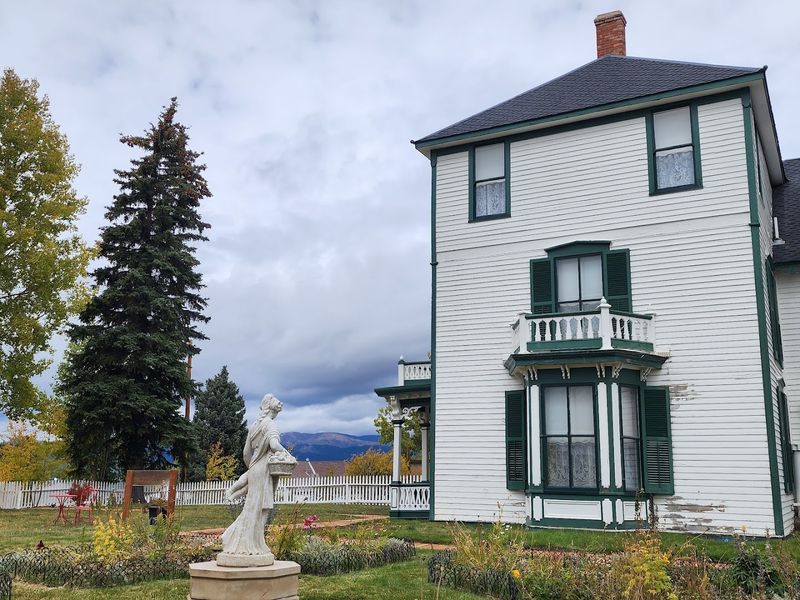
Harrison Avenue runs through the heart of downtown, lined with buildings that date back to the 1880s silver boom when Leadville was one of the richest towns in America. These Victorian structures survived because the town went broke before anyone could tear them down and replace them with modern buildings.
Economic disaster accidentally preserved history.
The Tabor Opera House still stands as a reminder of when millionaires like Horace Tabor built grand venues for entertainment. The Delaware Hotel, the historic train depot, and dozens of other buildings create an authentic Old West atmosphere that you can’t fake or replicate.
You notice the details when you walk these streets on a quiet morning before tourists arrive.
Local preservation groups and property owners have worked to maintain these historic structures, understanding that the town’s past is part of its appeal. Museums like the National Mining Hall of Fame and Museum tell the story of how mining shaped the region and the people who worked underground in dangerous conditions.
The buildings themselves feel like a living museum where you can imagine what life was like during boom times when silver flowed and fortunes were made overnight. This authentic historic character attracts visitors who want something real.
Mountains Became the New Gold
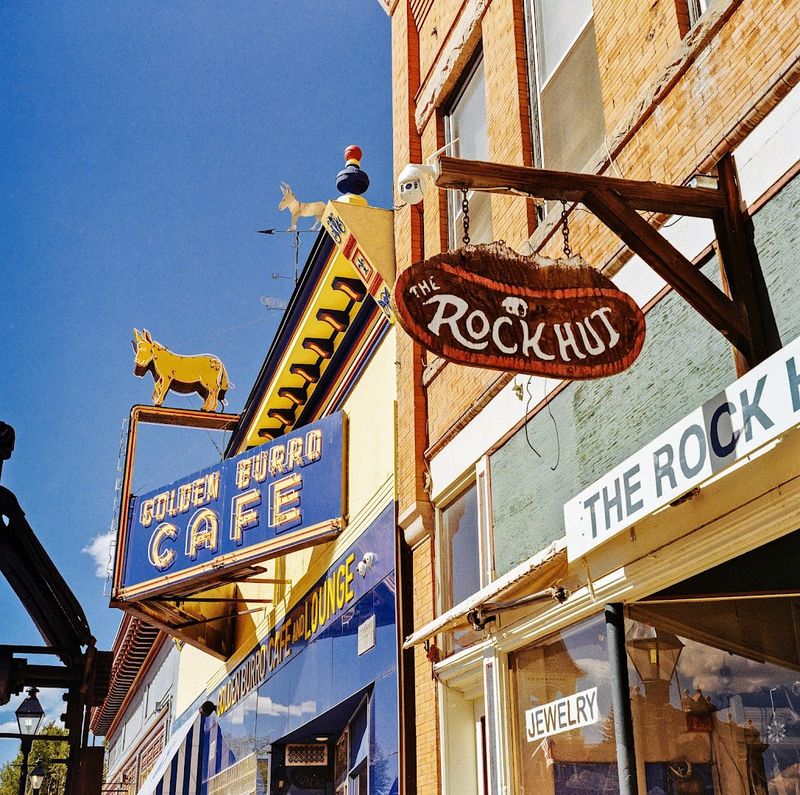
Once people realized the mountains themselves could draw visitors, everything shifted. Ski Cooper offers affordable skiing just a short drive from town, while miles of trails through the surrounding San Isabel National Forest attract hikers, mountain bikers, and trail runners year-round.
Turquoise Lake provides fishing, camping, and peaceful spots to watch the sun set behind the peaks.
The Colorado Trail passes right through the area, bringing through-hikers who need to resupply in town. Off-road enthusiasts drive the scenic mountain passes that surround Leadville, including the famous Independence Pass that closes in winter due to heavy snow.
These outdoor recreation opportunities created jobs in guiding, hospitality, retail, and services that don’t depend on commodity prices or mining operations.
People discovered that running a bike shop or a small hotel could provide a decent living in a beautiful place. Young families moved to Leadville for the lifestyle, accepting lower wages in exchange for being able to step outside and see mountains in every direction.
The town stopped trying to recreate its mining past and started building a future based on the natural resources that never run out. Mountains don’t close down when metal prices drop.
That realization saved Leadville as much as any single event or person did.
People Who Stay and Build
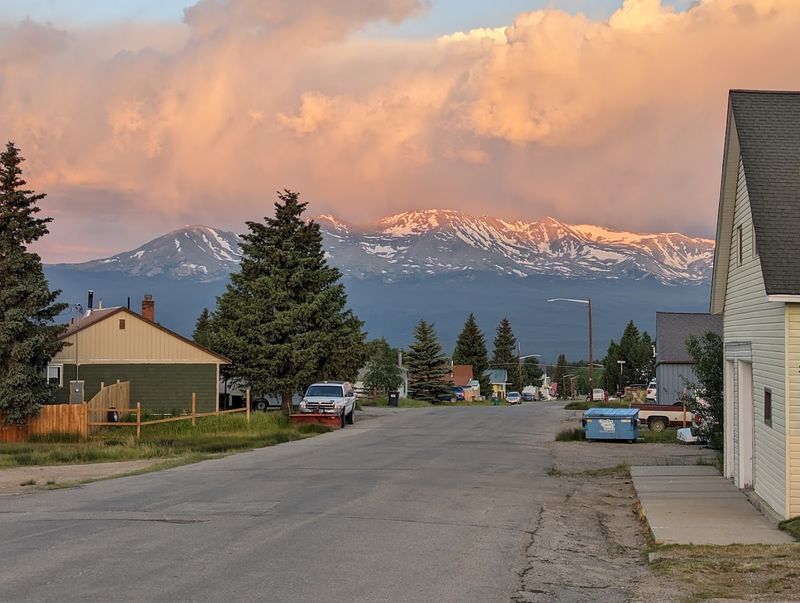
Small businesses have opened and survived because locals support each other through the hard winters when tourist traffic slows. Coffee shops serve as community gathering spots where people know your name and your order.
Restaurants adapt their menus based on what people can afford during slow seasons. Shop owners help each other out when times get tough.
This sense of community might be Leadville’s greatest asset, more valuable than any race or tourist attraction. The people who stayed when everyone else left, and the people who moved here to be part of something special, share a bond that shows in how they treat visitors and each other.
You see it in the volunteers who staff race aid stations at 3 a.m., in the way locals direct lost tourists to the best hiking trails, and in how businesses stay open even when profit margins are slim.
Families raise kids here knowing that childhood will include adventures most people only dream about. Young people who leave for college often come back because they miss the tight-knit community and the mountains that surrounded their growing up.
Leadville survived because people refused to let it pass, and that stubborn determination continues to shape the town’s character and future today.
