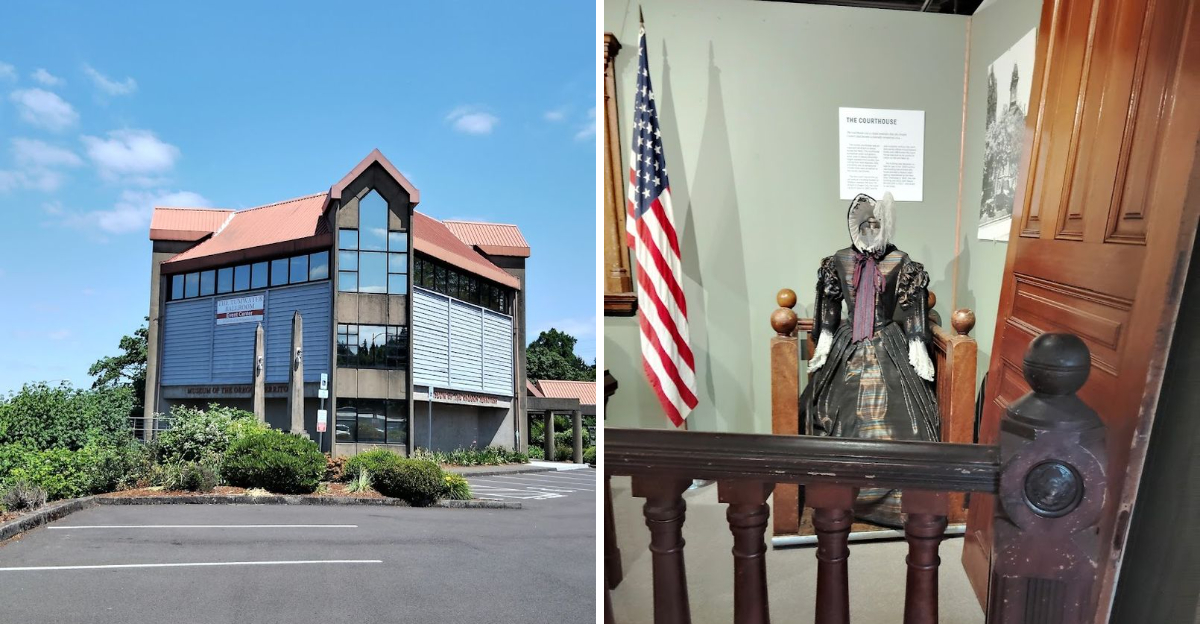
A compact Oregon museum doesn’t usually sound like the kind of place that takes your breath away – but this one quietly does exactly that. Inside, local history unfolds in a way that feels personal, almost like you’re flipping through someone’s well-kept memory book.
I found myself moving slower than expected, just taking in the stories and details tucked into every corner. Then you look up and realize the scenery outside is doing just as much storytelling, with waterfall views framing the whole experience.
It’s a rare mix where culture and nature don’t compete – they actually elevate each other. One moment you’re learning about the past, and the next you’re staring at rushing water that feels timeless.
And honestly, it’s the kind of place that proves small doesn’t mean simple.
The Story Behind Oregon City’s Founding
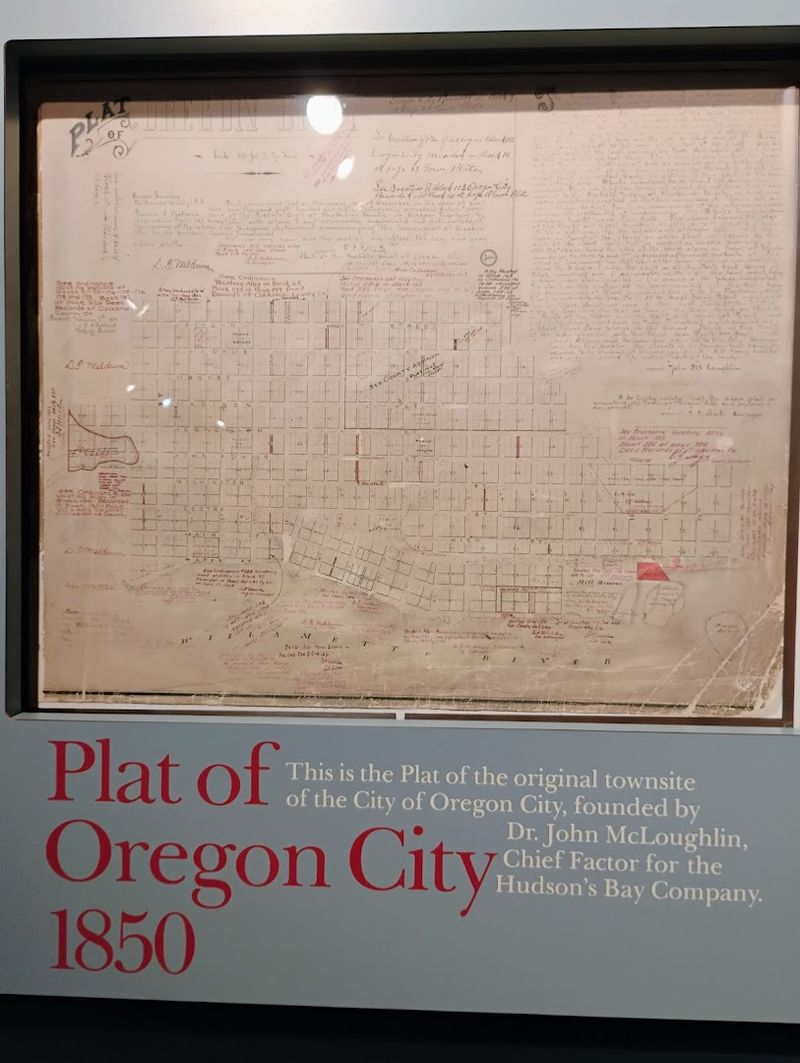
Walking into the second floor of this museum feels like stepping into a living timeline. Oregon City holds the title of the first incorporated city west of the Rocky Mountains.
That is not a small thing, and the museum makes sure you feel the weight of that fact.
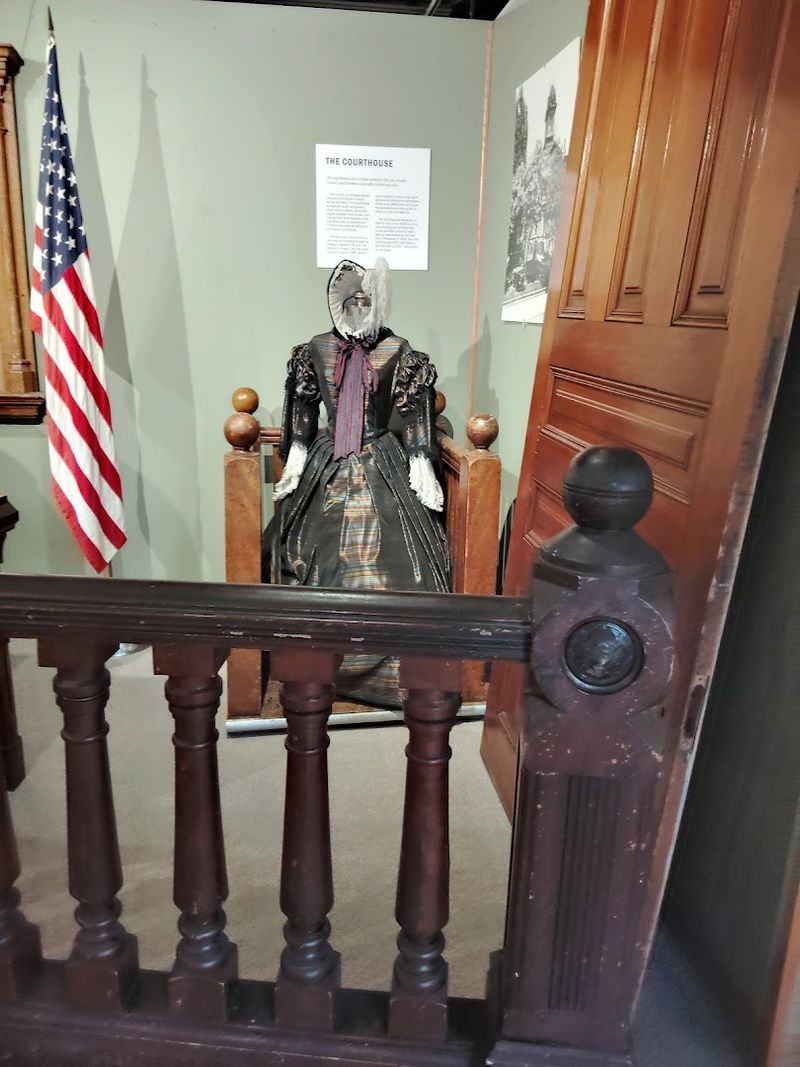
Panels, photographs, and artifacts walk you through the earliest days of settlement. You see how the town grew from a raw frontier outpost into a functioning city with laws, commerce, and community.
What makes it click is how personal the stories feel. Real names, real struggles, real decisions made by real people.
The exhibits avoid dry textbook language and lean into narrative. Families who traveled the Oregon Trail are represented here, not as statistics but as individuals.
I found myself lingering longer than expected, reading every caption. History hits different when it feels human.
Willamette Falls Views From the Museum
Few museums can claim a waterfall as part of the experience. This one can.
Willamette Falls is visible from the building, and stepping outside to take it in adds a whole extra layer to the visit.
The falls are massive. They stretch wide across the Willamette River, and the sound alone is something you carry home with you.
Visitors can cross the road just outside the museum for a closer look, though traffic can be busy at certain times of day.
Inside, the connection to the falls is woven into the exhibits themselves. You learn about the Indigenous peoples who relied on these waters for centuries.
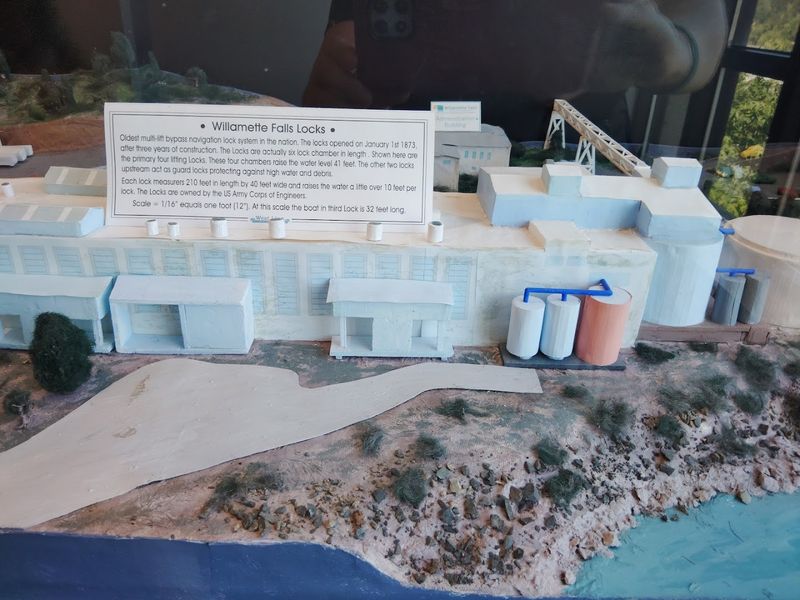
You also discover how the falls powered one of the most remarkable engineering feats in American history. Seeing the falls in person after reading about them inside the museum creates a full-circle moment that very few local history stops can pull off.
It is genuinely memorable.
The First Long-Distance Power Transmission in the U.S.
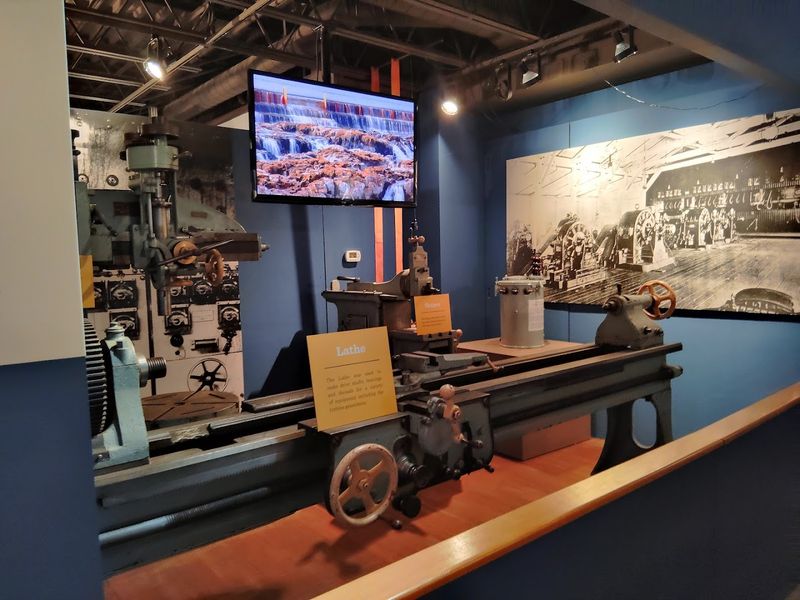
Here is something that genuinely blew my mind. Oregon City was the site of the first long-distance electrical power transmission in the entire United States.
Power generated at Willamette Falls was sent all the way to Portland. That happened in 1889.
The museum dedicates real space to telling this story. You can see displays about the original power generation unit and learn how this achievement changed the course of American infrastructure.
It reads like something out of a science adventure story.
What makes it even more striking is standing near the falls afterward. The same rushing water that powered an entire city over a century ago is still right there.
The museum ties the past and present together beautifully in this section. Even visitors who would not normally gravitate toward industrial history tend to find this part fascinating.
It is one of those facts that sticks with you long after you leave the building.
Indigenous History and Native Artifacts
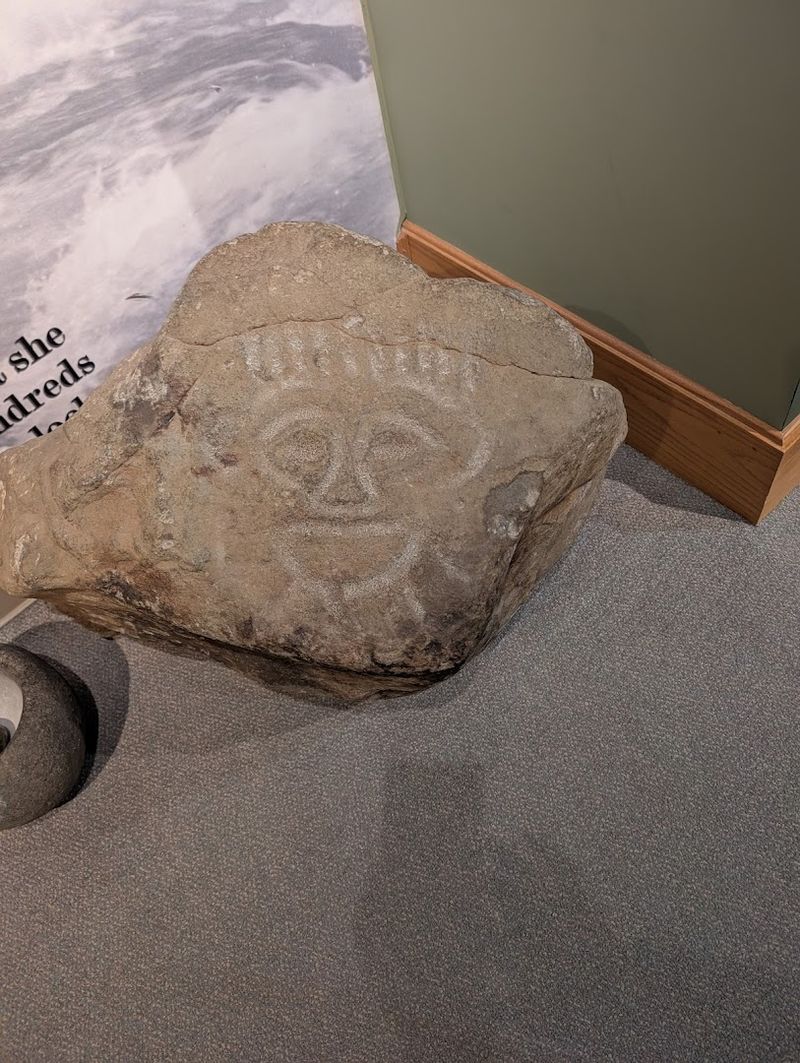
One of the most thoughtful corners of the museum is dedicated to the Indigenous peoples who called this land home long before settlers arrived. A newer exhibit explores the original communities of the region.
It covers their relationship with Willamette Falls and how the land shaped their lives.
There are genuine Native artifacts on display here. Petroglyphs and cultural objects give the exhibit a sense of depth and respect.
The presentation feels intentional, not incidental.
Seeing the pre-industrial history of the falls through an Indigenous lens reframes everything else in the museum. It is a reminder that Oregon City’s story did not begin with European settlers.
The roots run far deeper. I appreciated that this section exists and that it keeps growing.
Museums that honestly grapple with the full scope of local history tend to be the ones worth returning to. This museum is clearly working toward that kind of honesty, and that effort shows.
Interactive Exhibits for All Ages
Not every museum lets you touch things. This one actively encourages it.
Staff members greet visitors with an invitation to open drawers, press buttons, and explore freely. That kind of openness changes the whole atmosphere of a visit.
Kids especially respond to this setup. There is a Morse code station that genuinely delights younger visitors.
A wood cookie decorating activity and a pretend fire setup give small children something tactile to engage with. A topography sandbox has also been a hit with younger guests over the years.
Adults are not left out either. The interactive power station display lets you experiment with concepts that connect directly to the history of Willamette Falls.
It is educational without feeling like homework. Groups like Cub Scout troops have visited and had a fantastic time.
The museum manages to serve a six-year-old and a seventy-year-old at the same visit, which is no small feat. That kind of range is genuinely impressive for a compact space.
The Historic Pharmacy Display
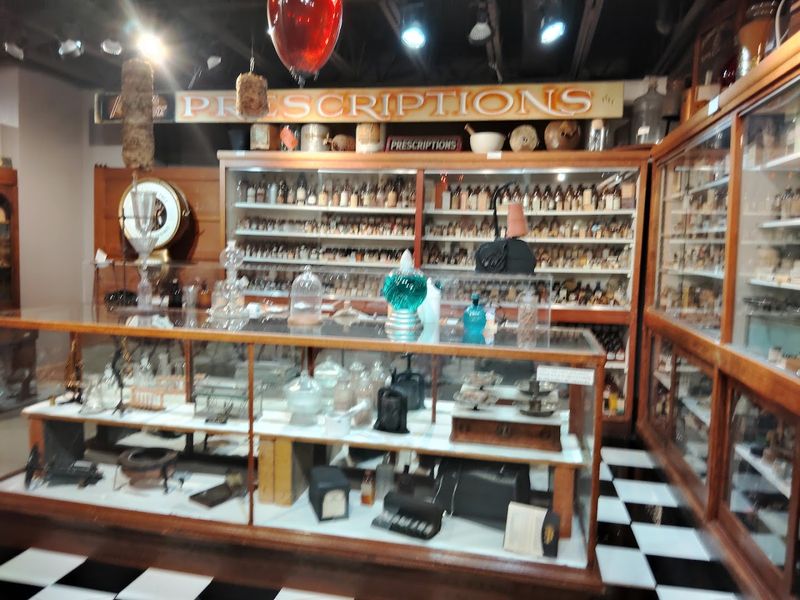
Tucked into the museum’s collection is one of the largest historic pharmacy displays visitors have come across in the region. Old medicine bottles, apothecary tools, and vintage packaging line the shelves in a way that feels remarkably preserved.
It is a quirky highlight. Real medicine from another era sits behind glass, and the labels alone tell fascinating stories about how people understood health and healing in the 1800s.
Some of the remedies listed would raise more than a few eyebrows today.
This section has a nostalgic, almost cabinet-of-curiosities feel. It is the kind of exhibit that sparks genuine conversation between visitors.
Parents find themselves explaining things to kids, and kids end up asking questions nobody expected. The pharmacy display is proof that even a small collection, curated with care, can punch well above its weight.
It stands out as one of the museum’s most talked-about features among returning visitors and first-timers alike.
Accessibility and Visitor Comfort
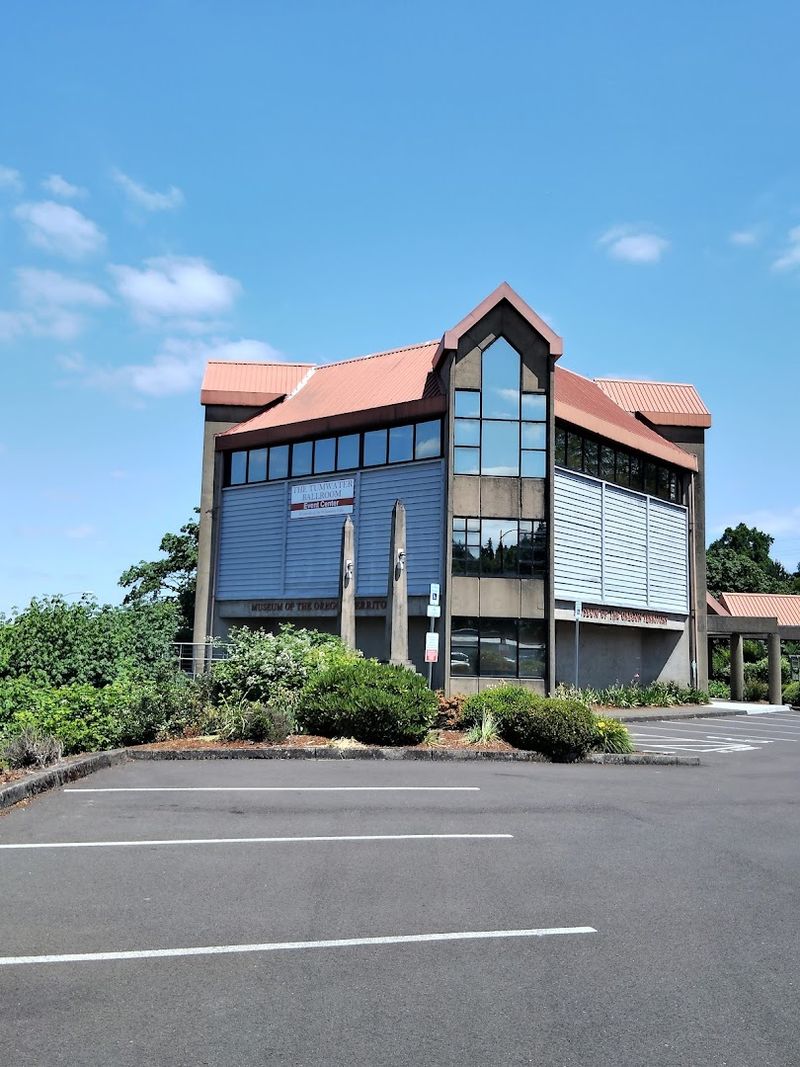
Accessibility at small museums can be hit or miss. This one takes it seriously.
An elevator serves all floors of the building, and it is spacious enough to accommodate wheelchairs comfortably. Clean, well-maintained bathrooms are available on site.
Parking is another strong point. The lot is generously sized.
Visitors have consistently noted arriving without any wait or difficulty, even on weekday afternoons. That kind of practical ease matters, especially for families traveling with young children or older relatives.
Staff warmth is a recurring theme in visitor experiences here. The team is consistently described as sweet, knowledgeable, and genuinely happy to help.
Veterans receive free admission, and discounts are available for those with EBT cards. The museum clearly works to stay welcoming to a broad range of visitors.
Small details like these add up fast. By the time you leave, the comfort of the visit feels just as memorable as the exhibits themselves.
It is a thoughtful operation.
Rotating Exhibits and Seasonal Programming
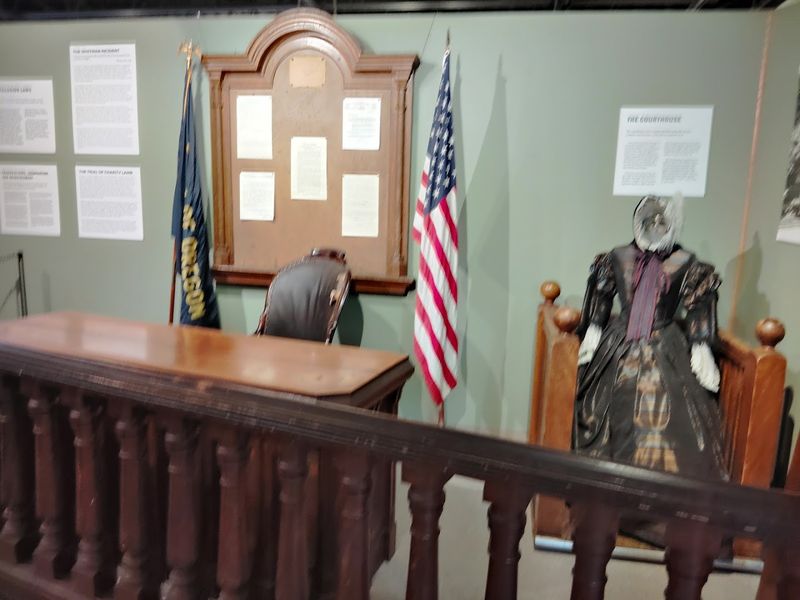
One visit to this museum might not be enough. Rotating exhibits mean the experience shifts throughout the year.
Themes change, new artifacts come in, and different chapters of local history get their moment in the spotlight.
Past rotating displays have tied into the broader permanent collection in creative ways. The museum uses these changing exhibits to dig into stories that might not fit neatly into a permanent gallery.
That keeps the experience fresh for repeat visitors.
Seasonal programming has also brought in school groups and community organizations. Cub Scout troops, family outings, and history enthusiasts have all found something new on return visits.
The staff seems genuinely invested in keeping the content evolving. A museum that grows with its community tends to stay relevant in a way that static collections cannot.
The Museum of the Oregon Territory is clearly thinking about the long game. That ambition shows up in how the space is curated and how the team talks about what comes next.
The Outdoor Trail and Murals Around the Building
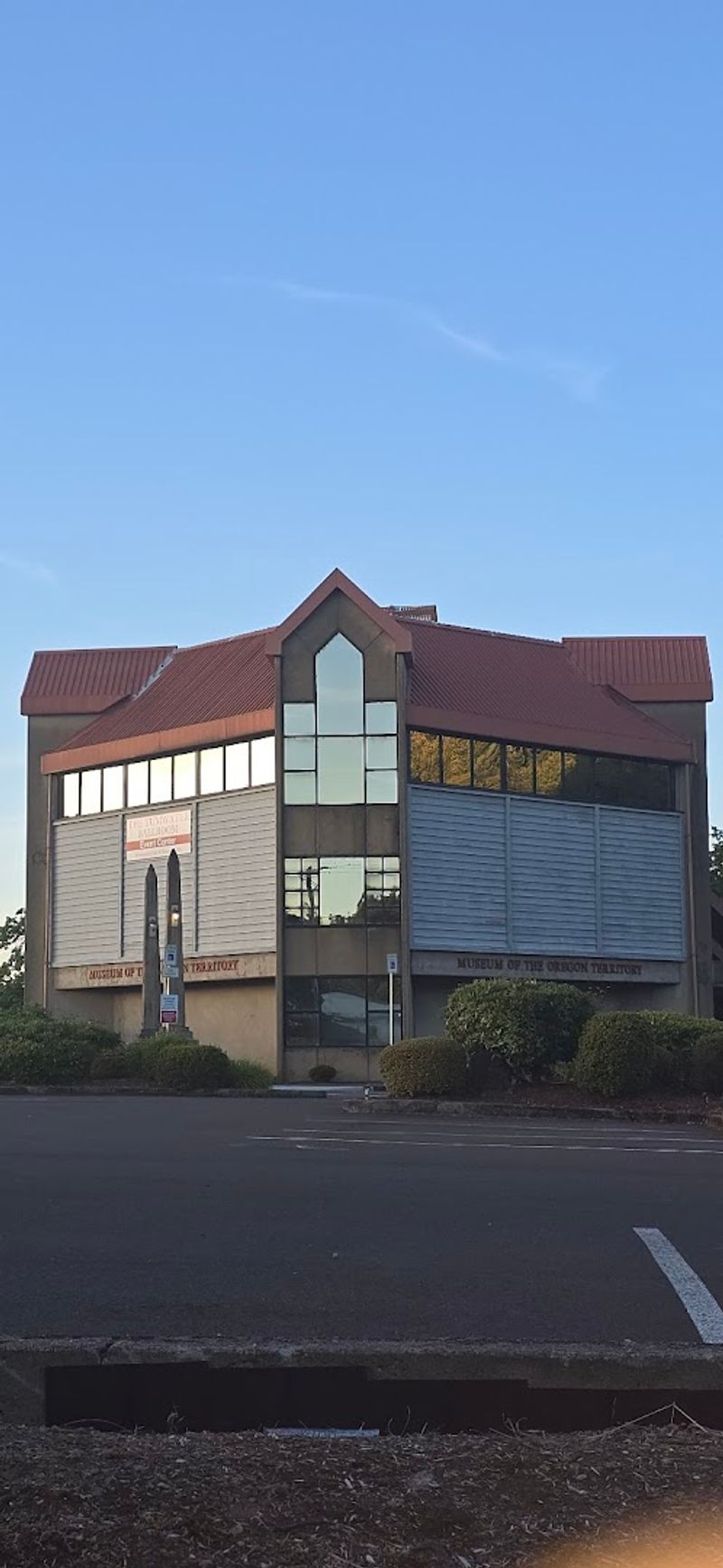
The experience does not end when you walk out the front door. A trail wraps around the outside of the building, lined with informational panels and striking murals.
Stories from Oregon’s past continue right along the exterior walls.
The murals are vivid and detailed. They cover figures and events from the region’s history in a way that feels like an open-air extension of the museum itself.
It is the kind of unexpected bonus that makes a visit feel more complete.
There is also a picnic area nearby, which makes this an easy spot to turn into a longer outing. Families can explore the trail, grab a snack, and take in the surroundings before or after heading inside.
The outdoor elements pair naturally with the waterfall views just across the road. Together, the indoor exhibits and the outdoor trail create a layered experience that rewards people who take their time.
Rushing through would mean missing some of the best parts.
Planning Your Visit to the Museum of the Oregon Territory
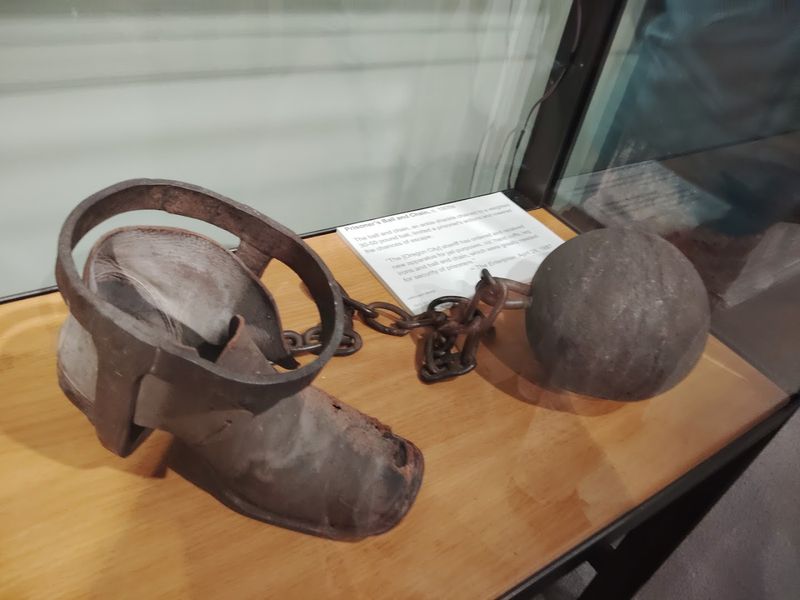
Getting the timing right makes a real difference here. The museum is open Wednesday through Saturday, with hours running from 10:30 AM.
Thursday, Friday, and Saturday offer the longest window, staying open until 4 PM. Wednesday closes at 1 PM, so plan accordingly.
The museum sits at 211 Tumwater Dr in Oregon City, about 45 minutes south of Portland. It is an easy day trip that rewards a relaxed pace.
Budget anywhere from one to three hours depending on how deeply you want to explore each section.
Your ticket also covers entry to a nearby historic house, and it stays valid for a full month. That means a return visit is genuinely built into the price.
The gift shop carries fun items for kids and adults alike. Staff are happy to answer questions and add context to what you see.
For anyone curious about the roots of Oregon and the Pacific Northwest, this museum is a quiet gem worth the drive.
Dear Reader: This page may contain affiliate links which may earn a commission if you click through and make a purchase. Our independent journalism is not influenced by any advertiser or commercial initiative unless it is clearly marked as sponsored content. As travel products change, please be sure to reconfirm all details and stay up to date with current events to ensure a safe and successful trip.
