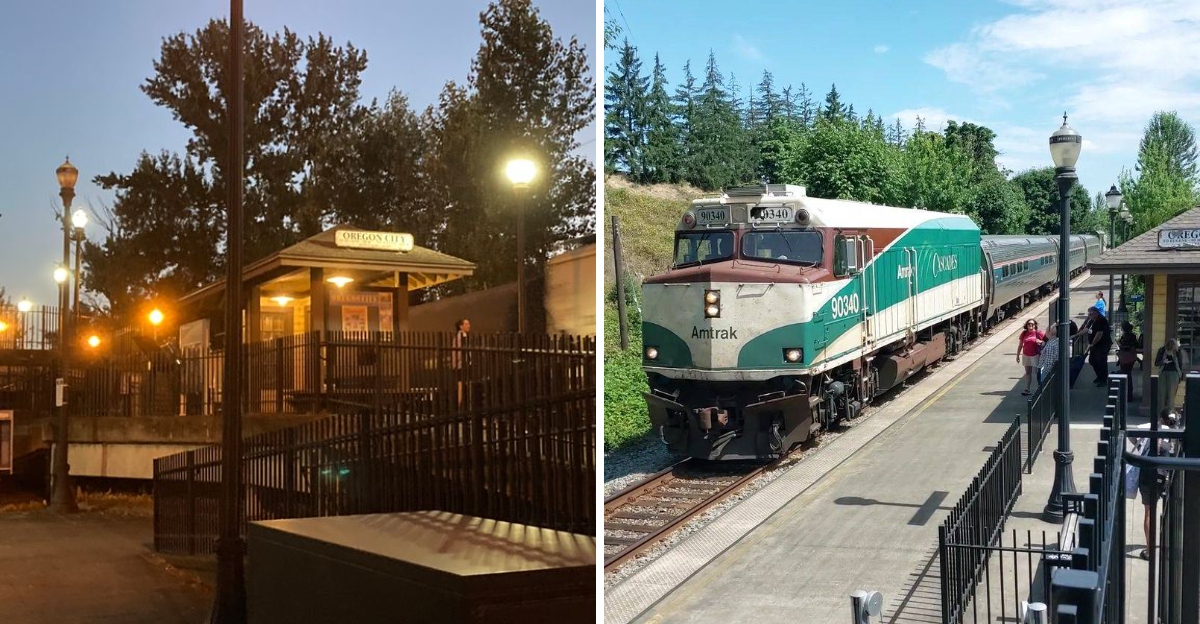
Few spots in Oregon carry the kind of quiet, eerie history that makes you feel it in your bones – and the Oregon City Train Depot at 1757 Washington St, Oregon City, OR 97045 is one of them. Perched near the End of the Oregon Trail, this unassuming platform has witnessed more than just trains rolling by.
Built in the 1920s and moved four times, it’s seen shadowy figures in abandoned mills, the chaos of a legendary railroad heist, and whispers of restless spirits from a relocated cemetery.
The stories locals rarely share with tourists linger like fog over the Willamette River, creeping into every nook and tunnel.
I spent weeks walking the grounds, talking to longtime residents, and exploring after dark, and I can tell you: this isn’t just a train stop. Every corner holds secrets, and even the bravest visitors can’t help but shiver.
Ready to see why history – and maybe something else – still walks these tracks?
The Depot That Couldn’t Stay Put
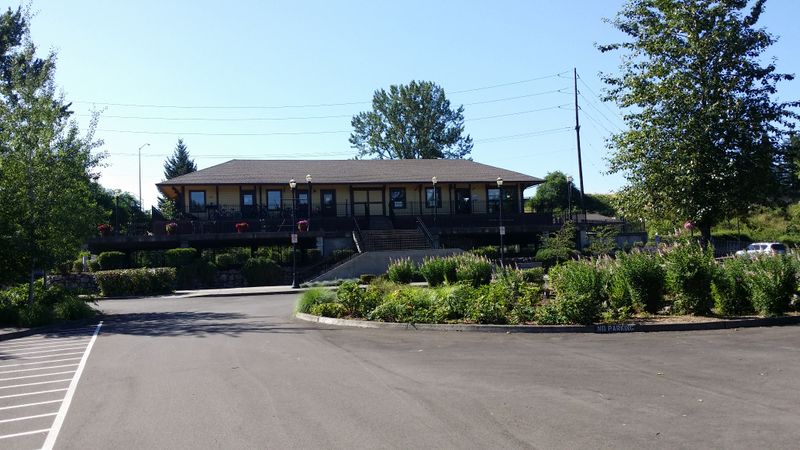
Most train stations stay in one place, but not this one. The Oregon City Depot has been relocated four different times since its original construction in the 1920s, and locals say each move disturbed something that should’ve been left alone.
I stood on the current platform and tried to imagine the chaos of moving an entire station multiple times.
Each relocation came with its own set of strange occurrences. Workers reported tools going missing, unexplained cold spots in summer heat, and the unsettling feeling of being watched.
One former railway employee told me he refused to work night shifts after hearing footsteps on the platform when no trains were scheduled.
The depot’s nomadic history makes you wonder what it left behind at each location. Some believe the restless energy followed the structure to its current home.
I walked the perimeter at dusk, and the atmosphere felt heavier than any ordinary train stop. The building itself seems to carry the weight of all four locations, like it’s haunted by its own past lives and the people who passed through each version.
The End of the Trail’s Dark Shadow
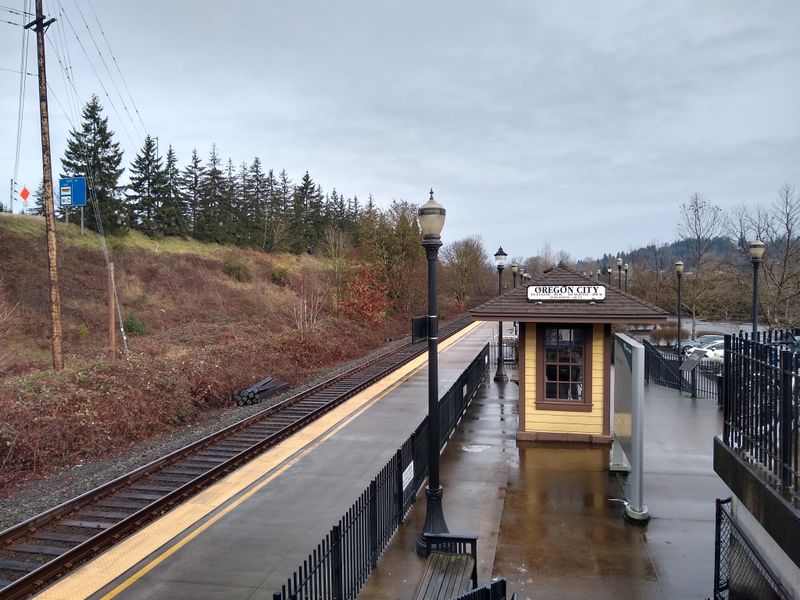
Right across from the depot sits the End of the Oregon Trail Interpretive Center, marking where thousands of pioneers completed their brutal journey westward. I never realized how close death and arrival were intertwined until I stood between these two landmarks.
The proximity isn’t coincidental, and the energy between them feels tangled.
Many pioneers who made it this far didn’t survive long after arrival. Disease, exhaustion, and accidents claimed lives within sight of their destination.
Local historians have documented dozens of deaths in the immediate area surrounding both the trail’s end and the depot site. I spoke with a descendant of Oregon Trail survivors who shared family stories about the overwhelming grief that hung over this area in the 1800s.
Some say the spirits of those who died so close to their dream still linger. I visited at twilight and felt an inexplicable sadness wash over me.
The depot seems to sit in the shadow of all that loss, as if the land itself remembers every person who didn’t quite make it home.
The Tunnel Where People Vanished
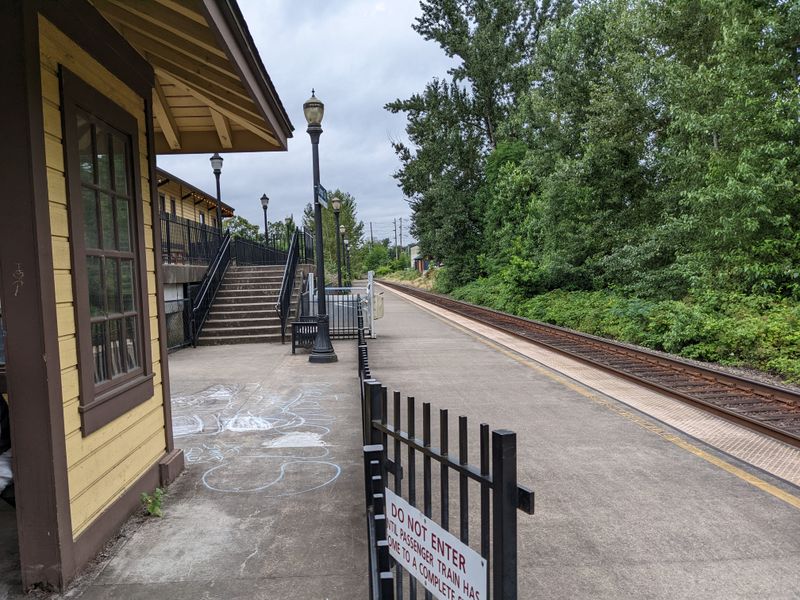
A pedestrian tunnel near the depot has been linked to multiple deaths over the decades, and locals avoid it after dark. I walked through it during daylight and still felt my pulse quicken.
The tunnel was built to safely move people under the tracks, but it became known for tragedies instead of convenience.
At least three documented deaths occurred in or near this tunnel between the 1940s and 1980s. Some were accidents, others remain unexplained.
One elderly resident told me her uncle witnessed someone enter the tunnel one evening and never emerge from the other side, despite there being no other exits. Search parties found nothing.
The tunnel’s reputation grew darker with each incident. People reported hearing screams that echoed impossibly long, seeing figures that disappeared when approached, and feeling hands brush against them in the darkness.
I recorded audio while walking through, and when I played it back later, there were sounds I definitely didn’t hear in person. The tunnel sits there still, a concrete throat that swallowed too many souls and never gave them back to Oregon.
Shadows in the Woolen Mill
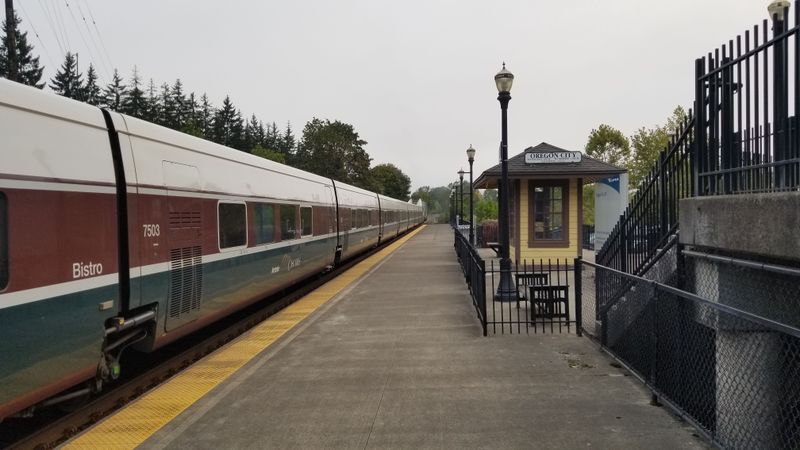
The old woolen mills near the depot have their own collection of ghost stories that intersect with the station’s dark history. I explored the area around these crumbling structures and understood immediately why people whisper about them.
Workers from both the mill and the railroad shared the same boarding houses, the same taverns, and sometimes the same tragic fates.
Mill accidents were horrifically common in the early 1900s. Machinery malfunctions, fires, and structural collapses killed dozens of workers.
Many of these men would catch the train home to visit family, making the depot one of the last places they’d pass through alive. I found old newspaper clippings documenting several mill workers who died in accidents just hours after arriving at the depot.
Night security guards who’ve worked near the abandoned mills report seeing shadowy figures moving between the buildings and the train platform. One guard told me he watched a man in old work clothes walk toward the depot, blink, and the figure was gone.
The mills and the depot share more than proximity in Oregon. They share ghosts.
The Great Railroad Heist Nobody Solved
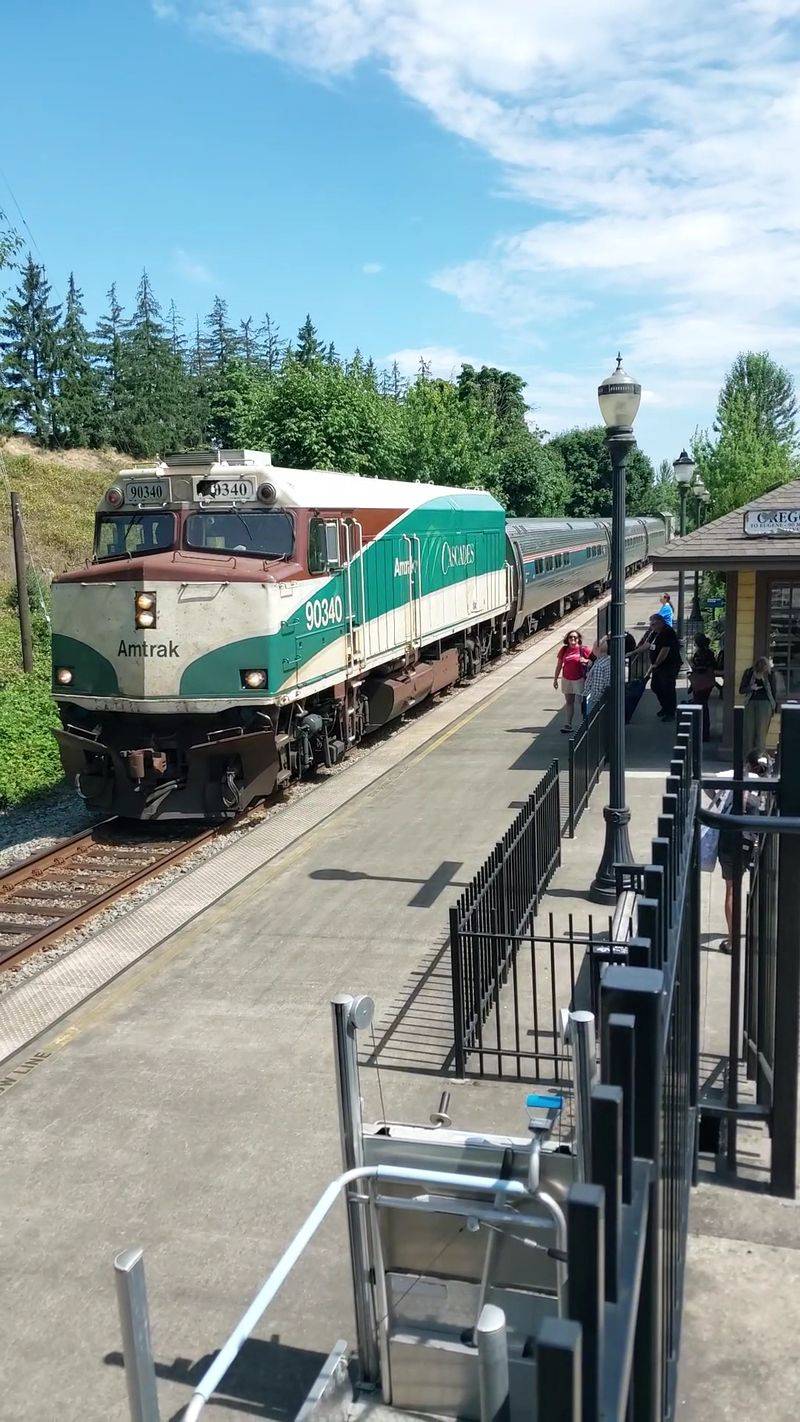
In 1923, a brazen robbery occurred at the depot that remains unsolved to this day. I dug through archived police reports and newspaper accounts, piecing together a crime that sounds like fiction but definitely happened.
Thieves made off with a shipment of gold coins and cash being transferred between banks, vanishing into the Oregon wilderness without a trace.
What makes this heist legendary isn’t just the money, but the violence that accompanied it. Two railway employees were killed during the robbery, shot at close range on the platform.
Witnesses described the robbers as calm and organized, suggesting inside knowledge. Despite a massive manhunt, nobody was ever arrested, and the stolen fortune never surfaced.
Locals believe the spirits of the murdered employees still guard the platform, watching for the killers who were never brought to justice. I stood where the shooting occurred, marked now by nothing but worn planks, and felt an overwhelming sense of unfinished business.
Some say on foggy nights, you can still hear gunshots echo across the platform, a ghostly replay of Oregon’s most infamous unsolved railroad crime.
The Cemetery That Was Moved But Not Forgotten
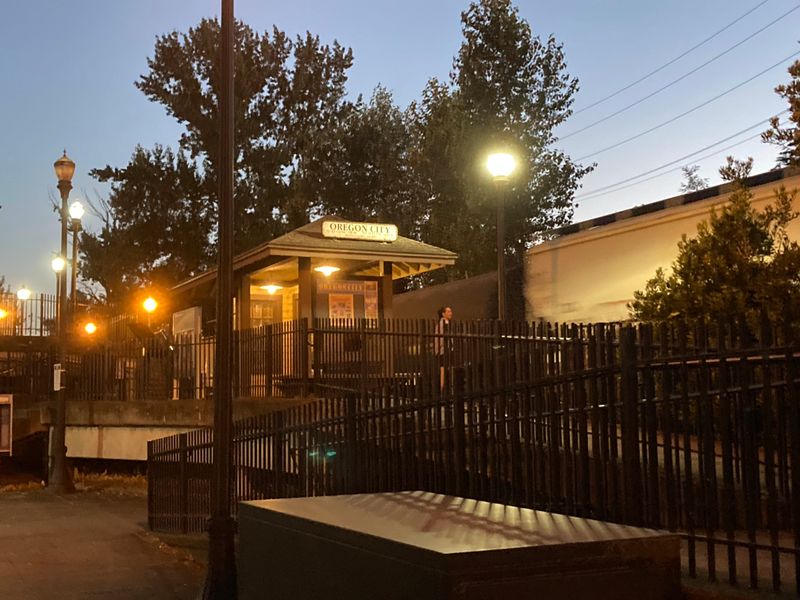
Before the depot’s current location was established, part of the land served as a small cemetery. I learned this from a local historian who showed me maps dating back to the 1880s.
When the railroad needed the land, they relocated the graves, but as often happens, the process was incomplete and disrespectful.
Not all remains were moved properly. Ground-penetrating surveys conducted in the 1990s revealed that bones and grave markers were left behind, buried under the platform and parking area.
I walked across that ground knowing what lay beneath, and it explained so much about the depot’s reputation. Disturbing the dead rarely ends well.
People waiting for trains report seeing figures in old-fashioned mourning clothes standing at the edge of the platform. One woman told me she watched an elderly lady in black walk straight through a chain-link fence and disappear.
Others hear weeping when no one else is around. The cemetery may have been officially relocated, but the spirits apparently didn’t receive the memo.
Oregon’s history of disturbing burial grounds for development has consequences, and this depot sits right on top of them.
The Conductor Who Never Left His Post
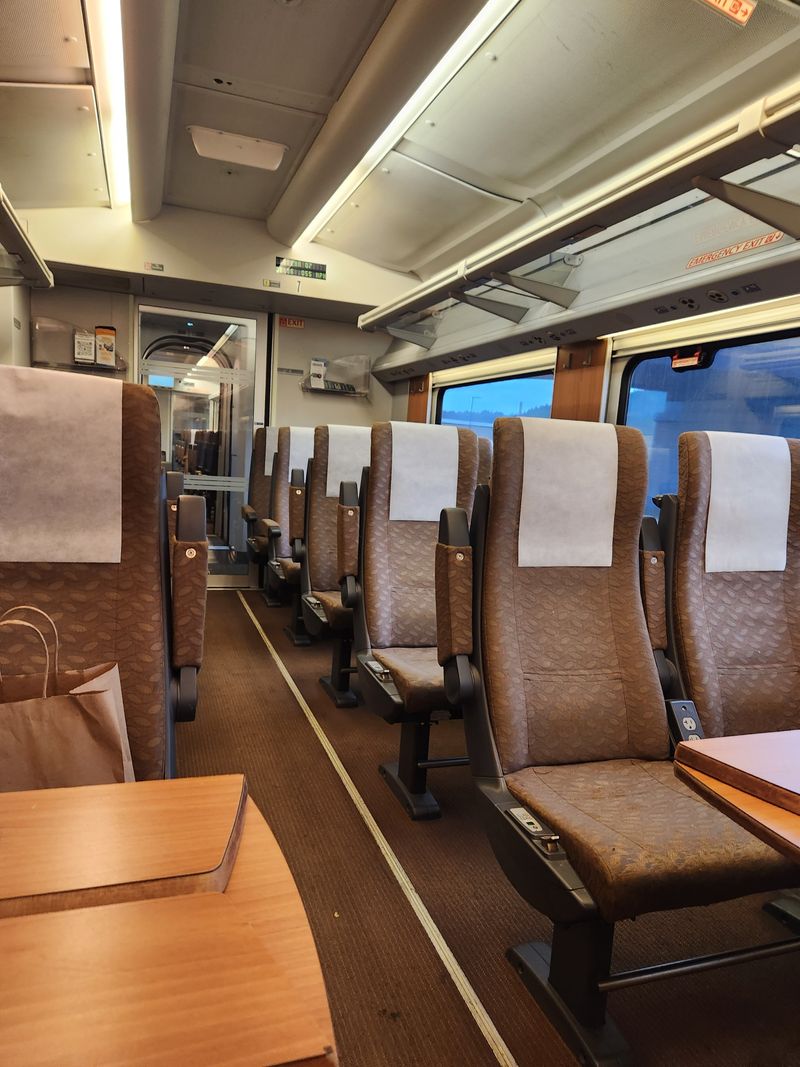
The most frequently reported ghost at the depot is a conductor who died on duty in 1931. I tracked down his obituary and spoke with his great-granddaughter, who shared family stories about his dedication to the railroad.
His name was Thomas Brennan, and he suffered a fatal heart attack while helping passengers board during a winter storm.
Thomas collapsed on the platform and died before medical help could arrive. His last words, according to witnesses, were instructions about the train schedule.
That level of commitment apparently transcended death. Dozens of people over the decades have reported seeing a man in a conductor’s uniform checking his pocket watch, calling out arrival times, and gesturing passengers toward trains that aren’t there.
I arrived early one morning before dawn and stood alone on the platform. For just a moment, I swear I heard a voice calling out track numbers.
A current Amtrak employee told me she’s seen the phantom conductor three times, always in the same spot where Thomas fell. He seems unaware that he’s dead, eternally working a shift that never ends in Oregon City.
The Waiting Room That Whispers
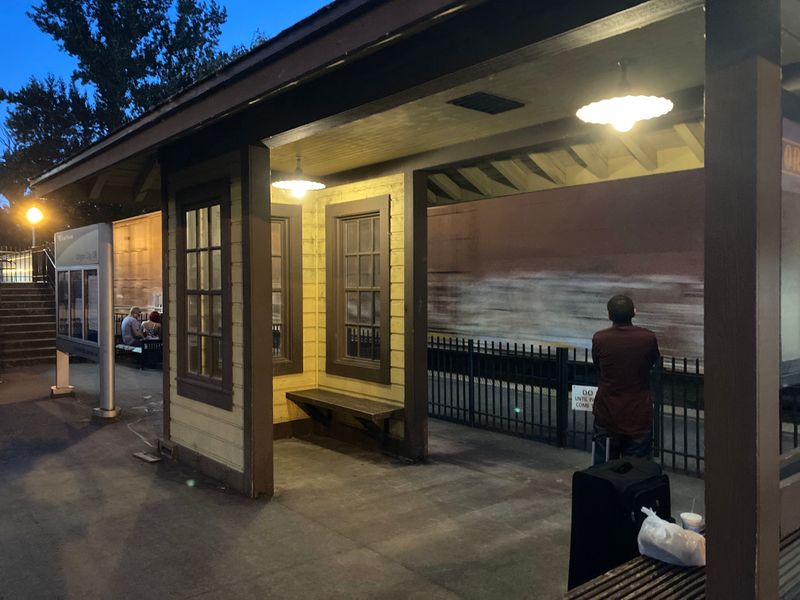
Though the current depot is mostly an open platform, the original structure had a proper waiting room. That room, now part of the adjacent building, has a reputation that makes even skeptics uncomfortable.
I sat in there for over an hour, and the atmosphere is genuinely oppressive.
Multiple witnesses describe hearing whispered conversations when the space is empty. The words are never quite clear, just urgent murmuring that seems to come from the walls themselves.
I recorded audio during my visit, and when I amplified the recording later, there were definitely voice-like sounds I couldn’t explain. One former station employee refused to enter the room alone after hearing his name whispered repeatedly one night.
The whispers seem to intensify during anniversary dates of historical tragedies. I spoke with a woman who waited there on a foggy November evening and heard what sounded like a crowd of panicked voices all talking at once.
She fled the building and waited outside for her train. Whatever conversations are trapped in that room, they’re not meant for the living to hear clearly.
Oregon’s past speaks loudest in places where people once gathered.
The Platform Where Time Stands Still
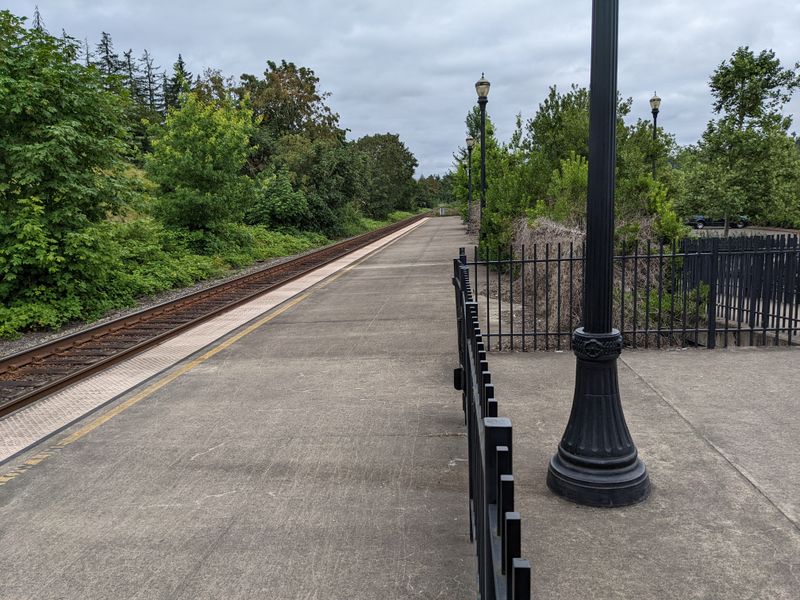
The strangest reports from the depot involve time distortions. I collected accounts from people who experienced missing time, temporal confusion, and the sensation that they’d stepped into a different era.
One woman told me she waited on the platform for what felt like ten minutes, but when she checked her phone, forty minutes had passed.
Others describe looking up from their phones and seeing the depot as it appeared in older photographs, complete with vintage cars in the parking lot and people in period clothing. These visions last only seconds before snapping back to the present.
A paranormal investigator I spoke with suggested the depot sits on some kind of temporal weak spot, where past and present occasionally bleed together.
I experienced something unsettling during my final visit. I was taking photos, turned away from the platform for what felt like a moment, and when I looked back, the light had changed dramatically.
Twenty minutes had vanished. The depot in Oregon City isn’t just haunted by ghosts.
It’s haunted by time itself, by moments that refuse to move forward, trapped forever in the echo of train whistles and the footsteps of passengers who never quite finished their journeys.
Dear Reader: This page may contain affiliate links which may earn a commission if you click through and make a purchase. Our independent journalism is not influenced by any advertiser or commercial initiative unless it is clearly marked as sponsored content. As travel products change, please be sure to reconfirm all details and stay up to date with current events to ensure a safe and successful trip.
