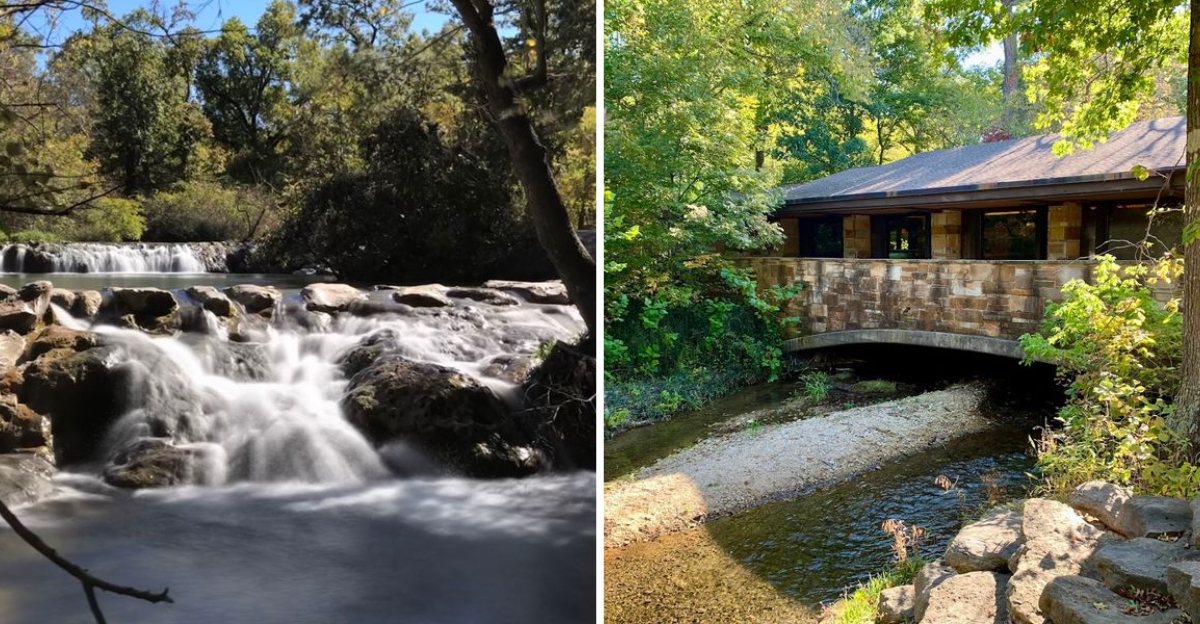
Turquoise water and cascading little waterfalls in Oklahoma. That clear, blue green water looks almost unreal, and you have to remind yourself you are not somewhere tropical.
This spring fed creek flows cold and clean year round, fed by ancient underground springs that push millions of gallons of fresh water to the surface every single day. There is something almost magical about finding a place like this in the middle of the Oklahoma prairie, where the landscape suddenly shifts into something lush, cool, and alive.
It is the kind of spot you stumble onto and immediately start texting everyone you know. Time to plan that road trip.
The Water That Doesn’t Look Real
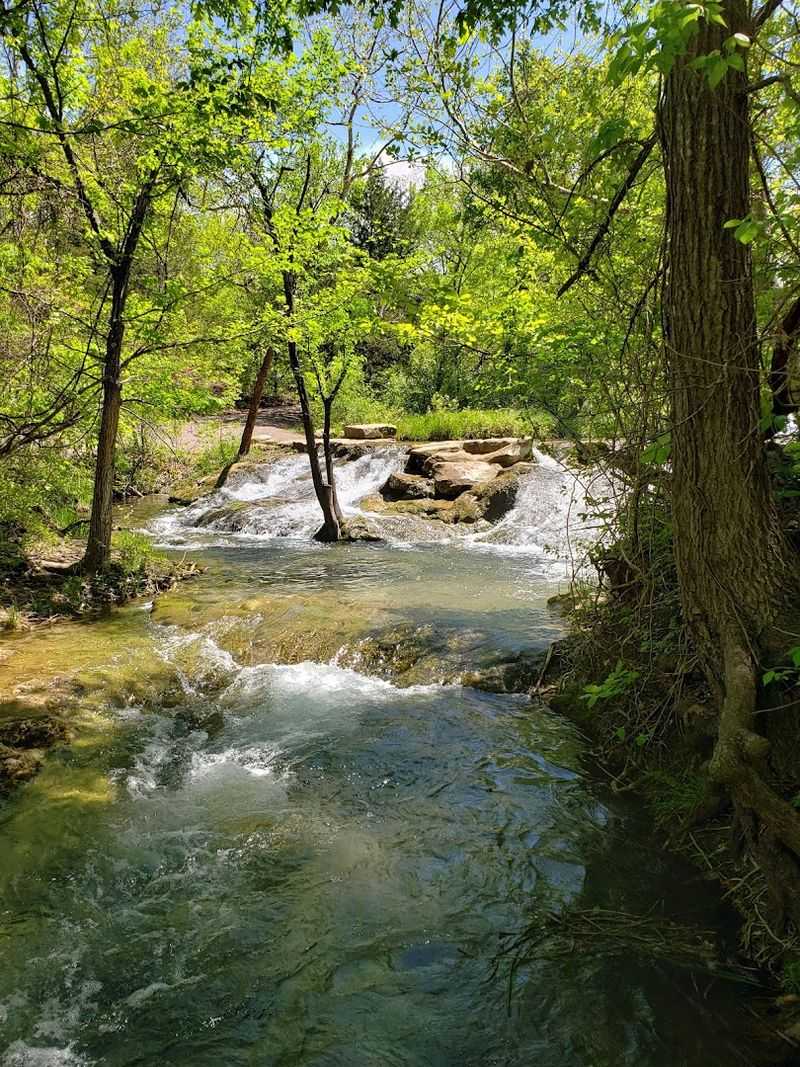
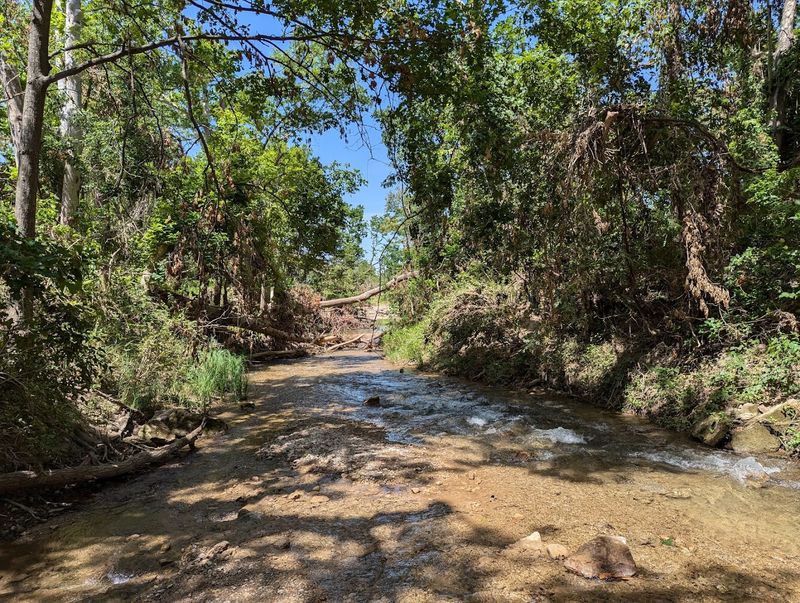
The first thing that hits you about Travertine Creek is the color of the water. It’s not just clear, it’s that specific shade of blue-green that makes your brain briefly question whether someone added dye.
The hue comes naturally from the mineral-rich spring water interacting with sunlight and the pale limestone creek bed beneath.
Antelope and Buffalo Springs feed the creek, together capable of pushing around five million gallons of water to the surface on a strong flow day. That constant underground source keeps the water cold even through Oklahoma’s blazing summers, which makes a swim here feel like the best decision you’ve ever made.
Because the springs flow continuously, the water stays remarkably clean and clear. There’s no murky runoff muddying things up like you’d find in a typical river.
The visibility is almost absurd, you can see every pebble on the bottom even in the deeper sections. It genuinely resembles the kind of water you’d see in a travel magazine spread about the Bahamas, except you’re in south-central Oklahoma, about an hour and a half south of Oklahoma City.
That contrast is exactly what makes this place so memorable and worth the drive.
Little Niagara: The Star of the Show
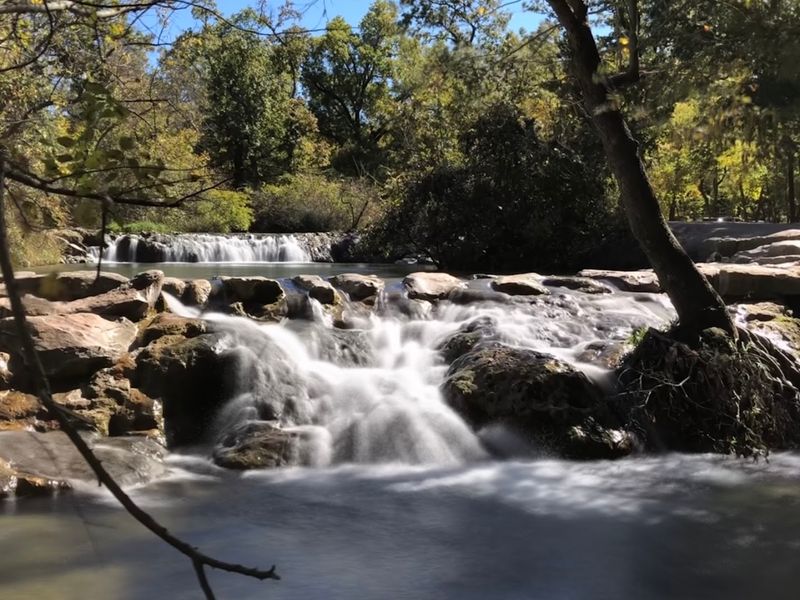
Little Niagara is the spot everyone talks about, and honestly, the hype is earned. It’s a series of small, naturally formed waterfalls that spill over smooth travertine rock ledges into a wide, clear swimming pool below.
The scale is modest compared to its famous namesake, but the charm here is completely its own thing.
Kids absolutely love it because there are shallow areas right near the falls where even the littlest ones can splash around without going too deep. Older swimmers tend to gravitate toward the deeper pockets where the water pools below each cascade, some bold visitors even use the rocky ledges as jumping points.
Life vests are a smart idea if you plan to hang out in the deeper sections.
The sound of the water here is genuinely calming. There’s a soft, steady rush that fills the air and drowns out everything else.
Sunlight hits the water at angles that make it sparkle in a way that feels almost cinematic. Arriving early on a weekend morning gives you the best shot at finding a good spot before the crowds build up, because once word got out about Little Niagara, it never really slowed down.
Travertine Rock: The Geology Behind the Beauty
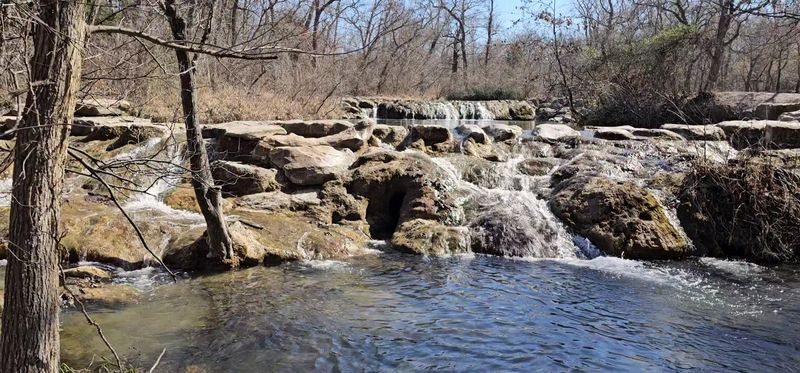
The creek’s name isn’t just a pretty label. It actually tells the geological story of how this place formed and why it looks the way it does.
Travertine is a type of limestone that builds up when calcium carbonate dissolved in spring water hits open air and starts to solidify, layering itself over rocks, sticks, and even plant stems along the banks.
You can spot small travertine terraces along the creek if you look carefully, pale, slightly crusty formations that build up slowly over time. Some of the vegetation near the water’s edge gets coated in a fine mineral dust, giving the plants a ghostly, almost frosted appearance.
It’s one of those quiet geological details that rewards curious visitors who take time to look beyond the swimming hole.
This same process happens in famous places like Pamukkale in Turkey or Mammoth Hot Springs in Yellowstone, so finding it tucked into rural Oklahoma feels like a genuine discovery. The mineral content of the water is also part of what gives it that vivid color.
Geology and beauty working together is rare, and Travertine Creek pulls it off without even trying. It’s a science lesson you actually want to attend.
The Trails That Follow the Creek
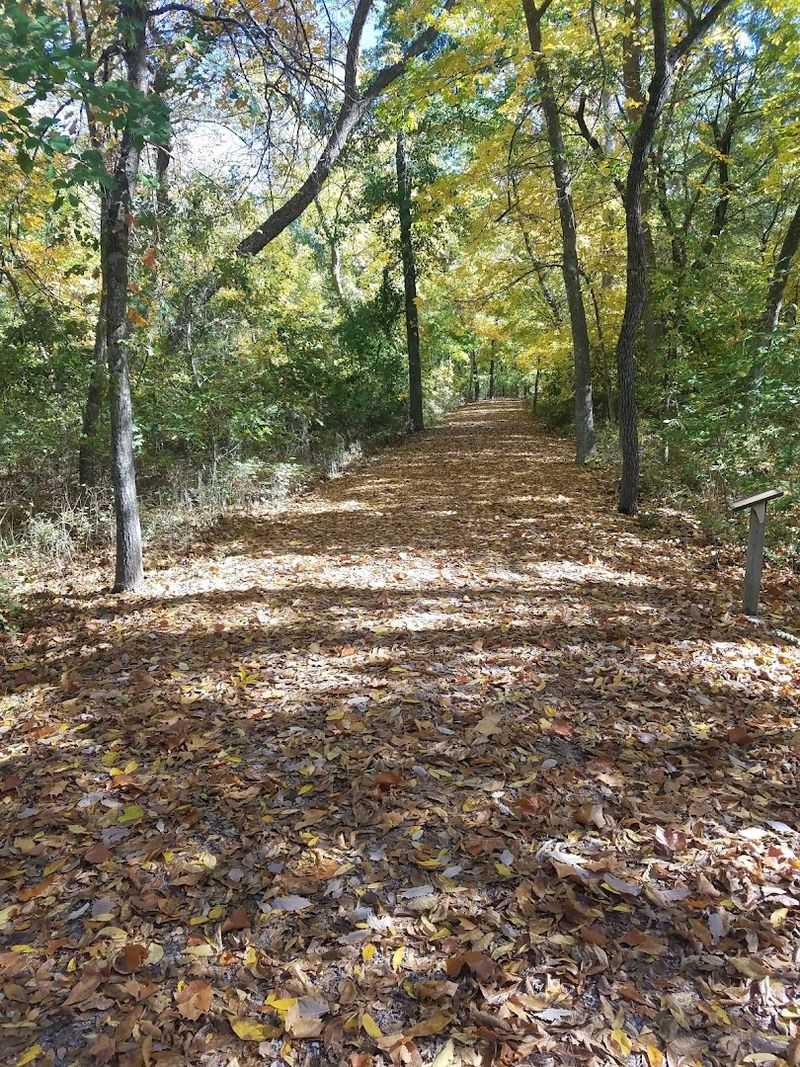
Not everyone comes here just to swim. The Travertine Creek Trail is a gentle, scenic path that winds alongside the creek and offers some of the best views of the cascades and surrounding landscape without ever getting too strenuous.
It’s the kind of hike where you stop constantly, not because you’re tired, but because something keeps catching your eye.
The trail passes through shaded sections where the tree canopy closes in and the air feels noticeably cooler. Then it opens back up near the water’s edge and you get those wide, sun-drenched views of the creek running clear and fast over the rocks below.
Birdsong, moving water, and the crunch of gravel underfoot make for a pretty satisfying sensory experience.
Pets are welcome on leashes, which adds a whole other layer of fun to the outing. Dogs seem to love this place just as much as people do, especially near the shallow edges where they can wade in and cool off.
The trail system connects to other areas of the Chickasaw National Recreation Area, so you can extend the adventure if the mood strikes. Pack water, wear good shoes, and plan to move at a slow, exploratory pace.
Rushing through here would be a genuine waste.
History Hidden in the Park
There’s more history layered into this place than most visitors realize. The land around Travertine Creek sits within the Chickasaw National Recreation Area, which was originally established in 1906 as Platt National Park, making it the seventh national park created in the United States.
That’s a pretty remarkable footnote for a place that often flies under the national radar.
The park was redesignated in 1976 to honor the Chickasaw Nation’s deep connection to this land. Long before the park existed, these mineral springs were considered sacred and healing by Indigenous peoples who traveled to the area specifically for the water.
That history gives the place a weight that goes beyond the scenery.
During the 1930s, the Civilian Conservation Corps left their mark here in the form of stone dams, spring pavilions, and trail infrastructure, much of which is still visible and in use today. The craftsmanship of those Depression-era workers blends naturally into the landscape, almost like the structures grew there.
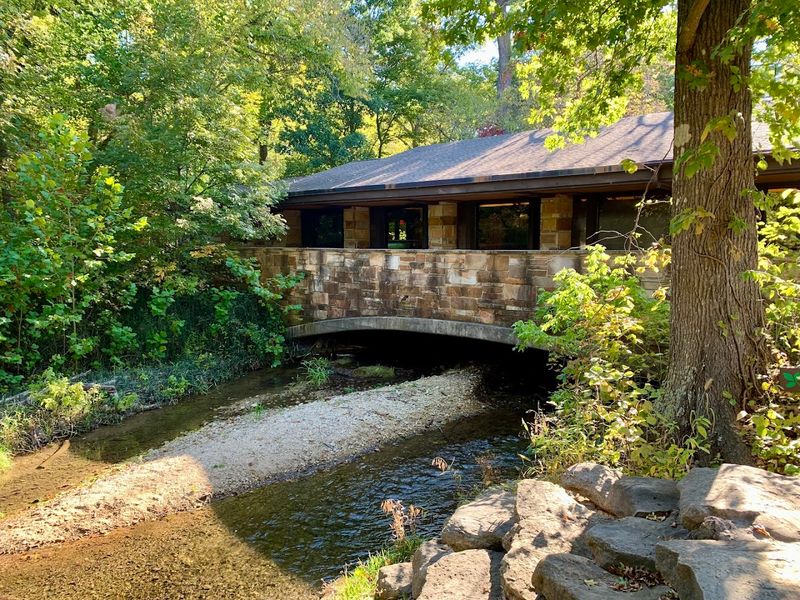
The Travertine Nature Center, which actually straddles the creek itself, serves as the main visitor hub where exhibits explain the ecosystem, geology, and wildlife of the area. Ranger-led programs run regularly and are genuinely worth joining if you want context for what you’re seeing.
Practical Tips for Your Visit
Timing your visit makes a big difference here. Summer weekends and holidays bring serious crowds, especially to spots like Little Niagara, and parking can get tight fast.
Arriving early in the morning, before 9 a.m. if possible, gives you a much more peaceful experience and better access to the prime swimming spots before they fill up.
Water shoes are a smart call. The creek bed has smooth rocks that can get slippery, and while the swimming areas are generally safe, having grip underfoot makes moving around a lot easier and more comfortable.
If you’re bringing kids, life vests for the deeper sections are strongly encouraged, the water is cold and the current can move.
One thing worth noting: some visitors have reported finding broken glass near the water in certain areas, so keeping shoes on until you’ve scoped out your chosen spot is genuinely good advice. Pack out everything you bring in.
The park’s beauty depends on people treating it with care, and the cleanliness of the water is something worth protecting. The Travertine Nature Center is a great first stop to grab a trail map, check for any closures, and get a feel for the layout before you head out to explore on your own.
Why This Place Stays With You
Some places are beautiful in a way that’s easy to forget once you’re back home and life gets loud again. Travertine Creek is not one of those places.
There’s something about the combination of cold water, vivid color, and total natural quiet that lodges itself in your memory and doesn’t let go.
It’s the kind of spot that makes you reconsider how you think about Oklahoma entirely. The state doesn’t get nearly enough credit for its natural spaces, and Travertine Creek is one of the strongest arguments for changing that reputation.
An oasis tucked into the prairie, fed by ancient springs, shaped by millions of years of geology, it earns every bit of wonder it inspires.
People come back here year after year, and it’s easy to understand why. The water is always cold, always clear, and always a little bit unbelievable no matter how many times you’ve seen it.
Whether you swim, hike, sit on a rock and let the sound of the water do its thing, or just wander the trails with a dog on a leash, the experience feels genuinely restorative. Oklahoma has a gem here, and the more people discover it, the more it deserves to be protected and respected for generations to come.
Address: Oklahoma 73086, Sulphur, OK
