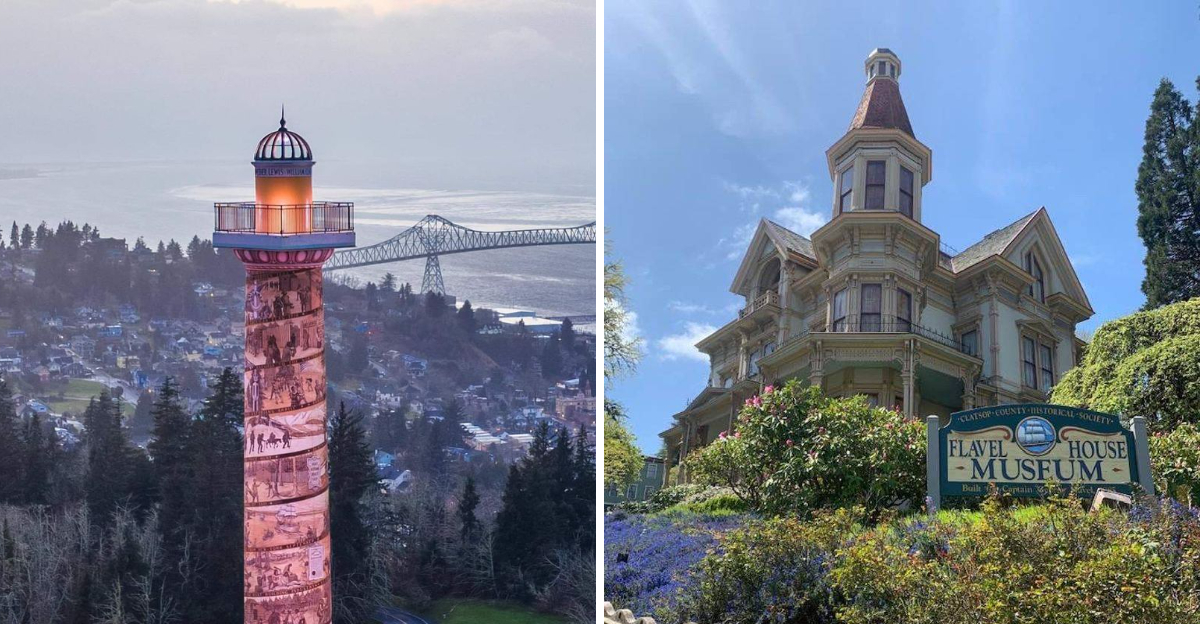
Falling for Astoria happened the second I wandered onto its cobblestone streets and inhaled that salty Columbia River air. Perched at Oregon’s edge, this charming town packs more stories into its Victorian corners than most cities twice its size.
Founded in 1811, it proudly claims the title of the oldest American settlement west of the Rockies, and you can feel that history in every weathered dock and grand mansion.
I spent days exploring museums in historic buildings, climbing towers with sweeping views, and standing where Lewis and Clark braved that legendary winter of 1805.
From perfectly preserved sea captain’s mansions to old military bunkers, the town is a living time machine – one that also serves incredible seafood. Pack curiosity and comfy shoes; Astoria has a way of sneaking under your skin and refusing to let go.
The Astoria Column
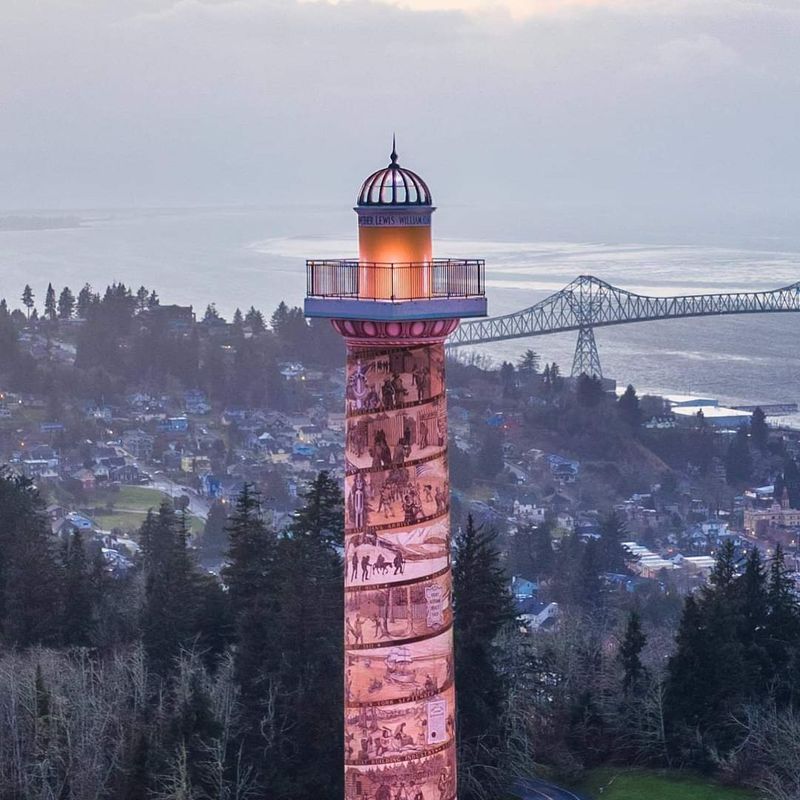
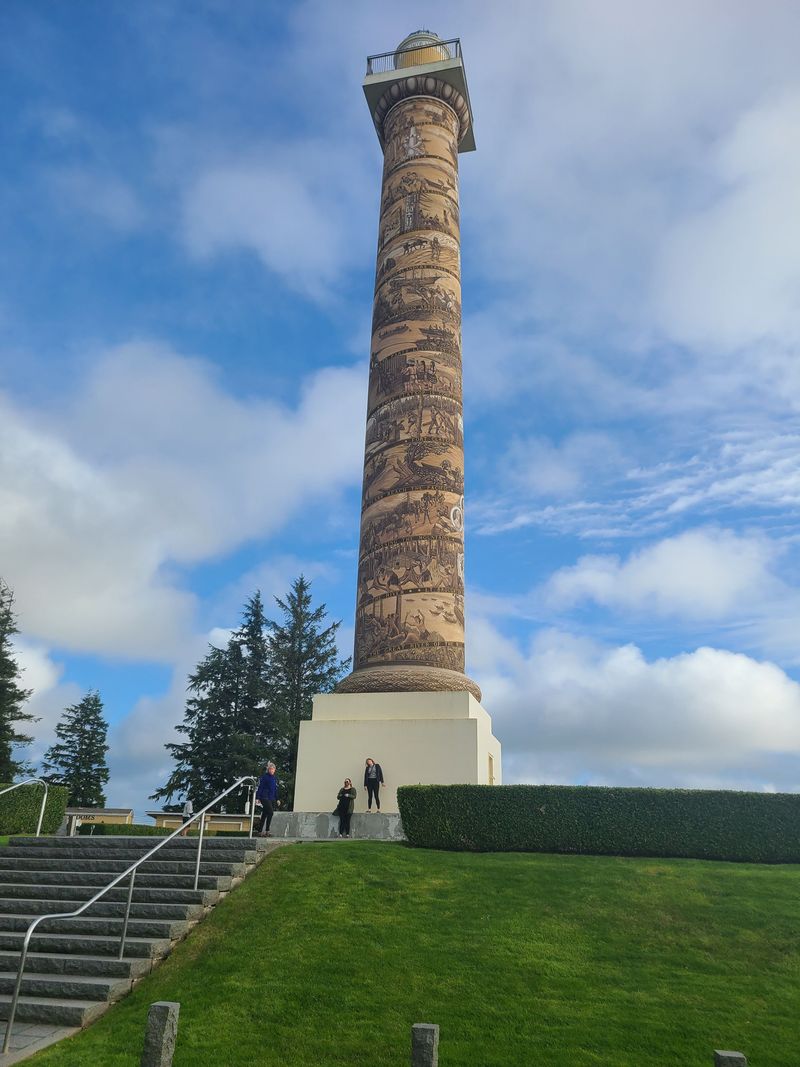
Standing at the base of this 125-foot tower, I felt like I was about to climb into Oregon history itself.
The Astoria Column sits majestically atop Coxcomb Hill, and let me tell you, those 164 spiral steps to the top are absolutely worth every huff and puff.
Dedicated back in 1926, this concrete beauty showcases a hand-painted mural that winds around the exterior like a visual storybook. Each scene depicts crucial moments from the region’s past, from early explorers to pioneering settlers who shaped the Pacific Northwest.
I traced my fingers along the illustrated timeline as I climbed, pausing to catch my breath and absorb the artistry.
The panoramic view from the observation deck knocked my socks off completely.
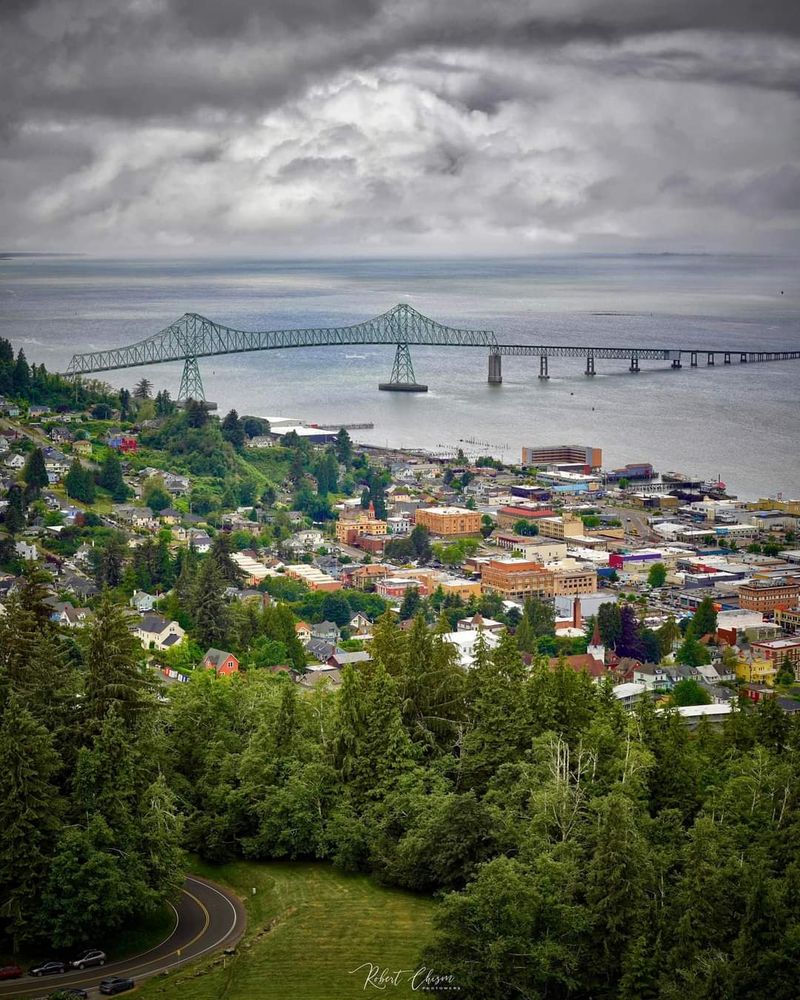
You can see the Columbia River snaking toward the Pacific, the Astoria-Megler Bridge stretching across the water, and the entire town spread below like a miniature village. Kids love flying the little wooden gliders from the top and watching them spiral down through the trees.
I bought three and giggled like a ten-year-old launching them into the wind, feeling connected to decades of visitors who did the exact same thing.
Fort Clatsop at Lewis and Clark National Historical Park
Walking through the replica fort gates transported me straight back to that brutal winter of 1805-1806 when the Corps of Discovery huddled here against the relentless rain.
Located at 92343 Fort Clatsop Road, Astoria, Oregon 97103, this reconstructed log fort sits on the actual site where Meriwether Lewis and William Clark’s expedition team survived their wettest, most miserable months.
The cramped quarters shocked me at first glance. I couldn’t imagine 33 people living in these tiny log rooms for three solid months, making clothes from elk hide and boiling seawater for salt.
Rangers dressed in period clothing demonstrate frontier skills like fire-starting and canoe carving, bringing those desperate days vividly to life. I watched a demonstration of flintlock rifle loading and marveled at the patience required for every single task back then.
The visitor center houses original journal entries that I pored over for nearly an hour, reading their complaints about the constant dampness and their excitement at finally reaching the Pacific.
Walking the fort’s perimeter trail through towering Sitka spruce and western hemlock, I felt profound respect for these explorers who pushed through such hardship to map this corner of Oregon for a young nation.
Columbia River Maritime Museum
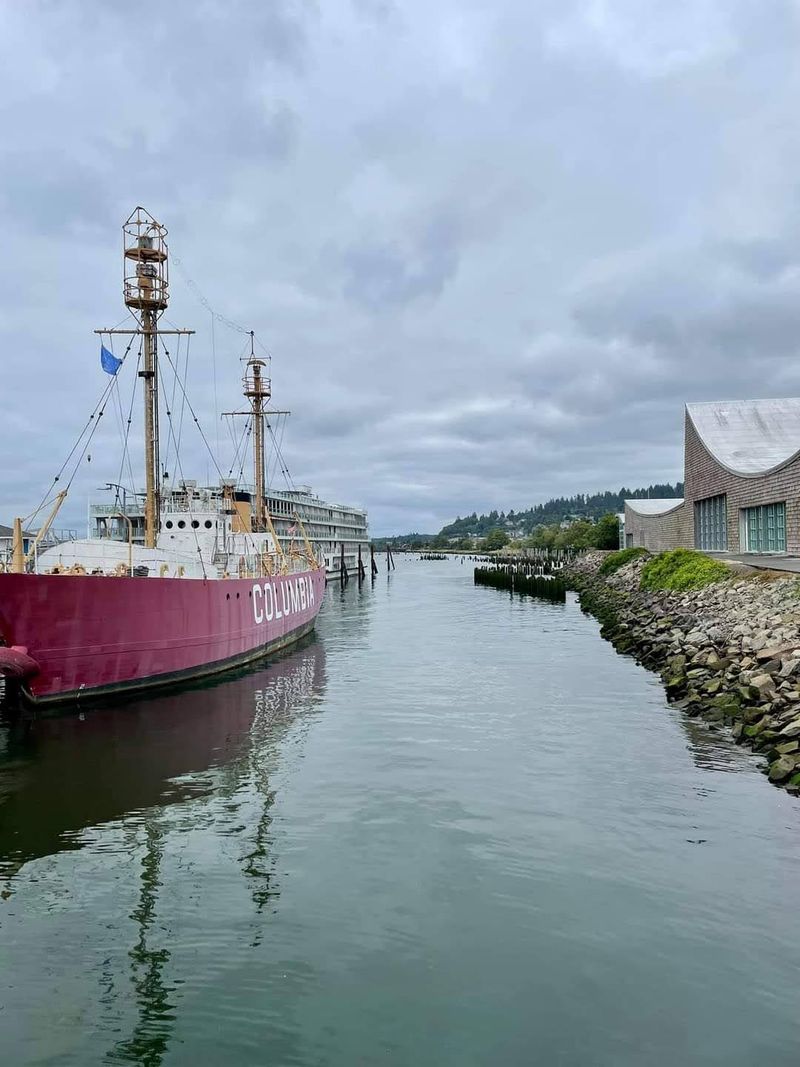
This world-class museum at 1792 Marine Drive, Astoria, Oregon 97103, absolutely blew my mind with its incredible collection of maritime artifacts and gripping stories. I spent nearly four hours here and still felt like I barely scratched the surface of the Columbia River’s dangerous nautical history.
The exhibits on the treacherous Columbia River Bar, nicknamed the Graveyard of the Pacific, sent shivers down my spine as I read about the hundreds of ships that met their doom in those churning waters.
The museum’s crown jewel is the Columbia lightship moored right outside, which you can actually board and explore from bow to stern.
I climbed through the narrow passages and imagined the crew living aboard this floating lighthouse for weeks at a time in rough seas. Inside the main building, displays showcase everything from indigenous fishing techniques to modern Coast Guard rescue operations.
I watched actual footage of bar pilots navigating massive container ships through those notorious waves and gained serious respect for their nerves of steel.
The fishing industry exhibits detail the rise and fall of salmon canneries that once dominated Astoria’s economy, complete with authentic equipment and photographs of workers from diverse backgrounds who built this community.
Flavel House Museum
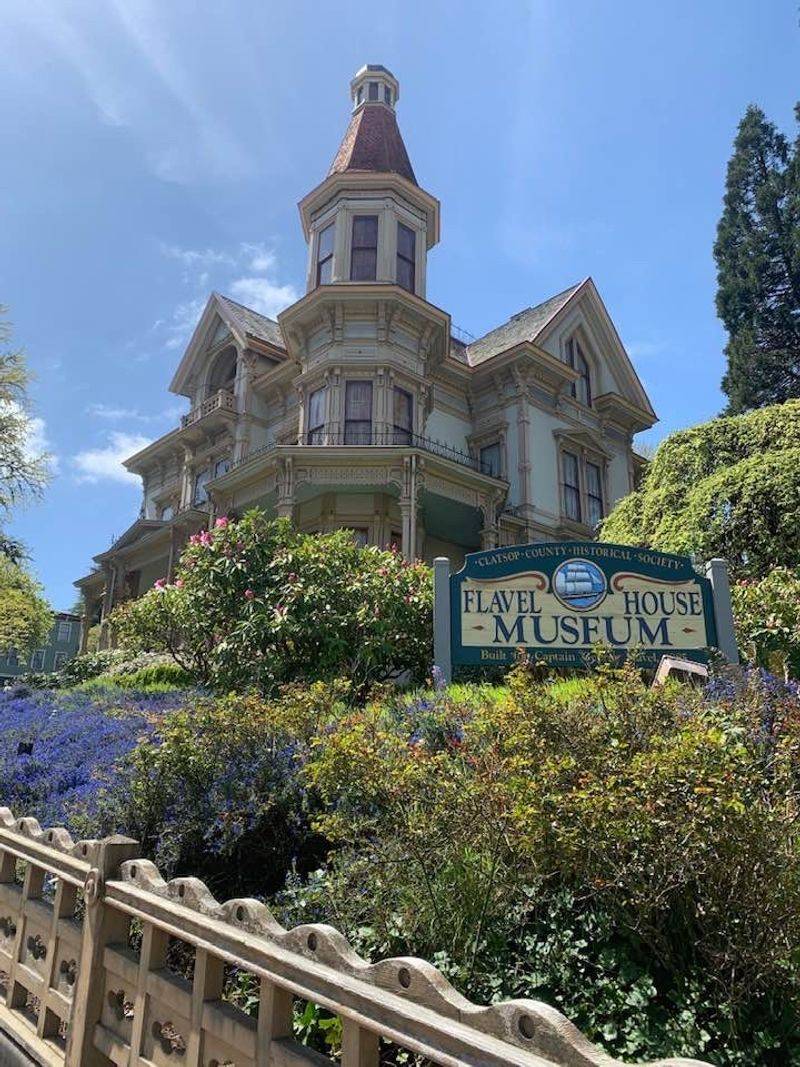
Captain George Flavel’s stunning Queen Anne Victorian mansion at 441 8th Street, Astoria, Oregon 97103, stopped me dead in my tracks with its elaborate architectural details and perfectly preserved interiors. Built in 1885, this beauty showcases how the wealthy maritime elite lived during Astoria’s golden age as a booming port town.
I wandered through fourteen rooms filled with original furnishings, hand-carved woodwork, and decorative flourishes that would cost a fortune to replicate today.
The captain made his wealth as a bar pilot, guiding ships safely across that deadly Columbia River Bar for decades without losing a single vessel.
His success shows in every corner of this elaborate home, from the imported tiles to the intricate ceiling medallions. I particularly loved the music room with its original grand piano and the library lined with leather-bound books that Captain Flavel actually read.
The formal gardens surrounding the house bloom spectacularly in spring and summer, maintained exactly as they appeared in vintage photographs.
Docents share fascinating stories about the Flavel family, including tales of the captain’s daughters who inherited his business acumen and became prominent community figures in their own right throughout Oregon.
The Goonies and Oregon Film Museum
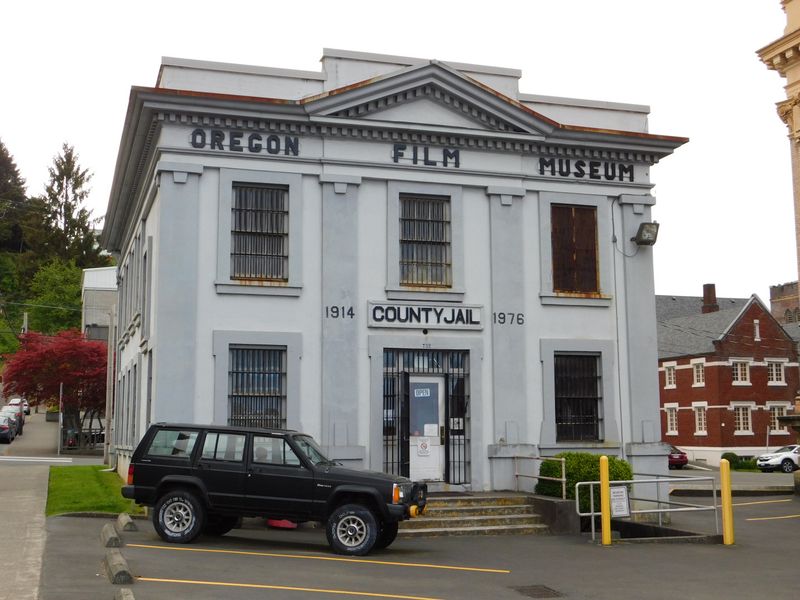
Movie magic and local history collide spectacularly at 732 Duane Street, Astoria, Oregon 97103, where the old Clatsop County Jail now houses this delightful film museum.
I grinned like crazy walking into the actual jail where the opening scenes of The Goonies were filmed back in 1985.
The museum celebrates all the movies shot in this photogenic town, including Kindergarten Cop and Short Circuit, but Goonies fever definitely dominates. I posed for photos in the old jail cells and watched behind-the-scenes footage showing how filmmakers transformed Astoria into a character itself.
The exhibits explain why directors keep returning to this atmospheric location with its Victorian architecture and dramatic coastal setting.
Downtown Astoria has become a pilgrimage site for fans who hunt down filming locations like the house where Mikey lived.
I followed a self-guided tour map hitting iconic spots, though I respected private property and didn’t bother residents. The museum staff shared hilarious stories about locals who appeared as extras and the chaos of Hollywood descending on their quiet Oregon town.
Watching clips of young Sean Astin and Josh Brolin racing through streets I’d just walked gave me serious nostalgia and a deeper appreciation for Astoria’s cinematic legacy.
Fort Stevens State Park and Peter Iredale Shipwreck
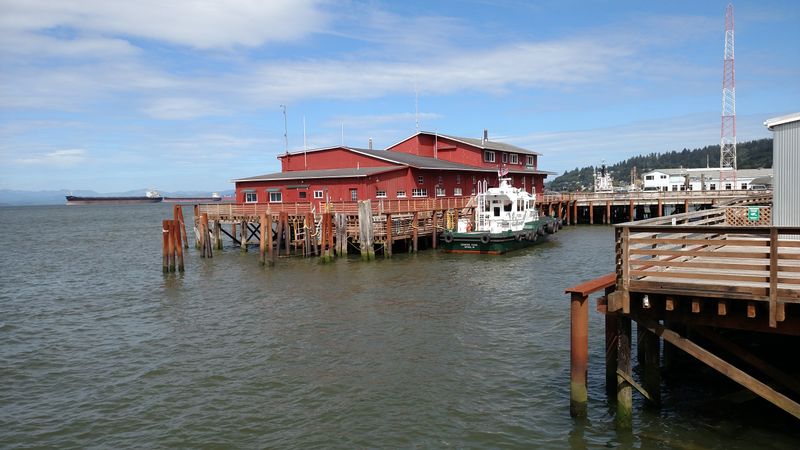
Exploring Fort Stevens State Park near Hammond felt like uncovering layer after layer of American military history spanning nearly a century. Located at 1675 Peter Iredale Road, Hammond, Oregon 97121, this massive park preserves military fortifications from the Civil War era through World War II.
I wandered through underground bunkers and gun batteries that once protected the Columbia River mouth from potential attacks that thankfully never came.
The eerie concrete structures half-buried in sand dunes sparked my imagination about soldiers stationed here scanning the horizon for enemy ships.
Fort Stevens holds the distinction of being the only mainland military installation in the continental United States bombed by the Japanese during World War II, though the 1942 submarine attack caused minimal damage. But honestly, the Peter Iredale shipwreck stole my heart completely.
The skeletal remains of this four-masted steel sailing ship jutting from the sand create the most hauntingly beautiful scene I’ve photographed in Oregon. She ran aground during a heavy squall in October 1906, and the captain and crew all survived.
I touched the rusted ribs of the ship at low tide, marveling that these remnants have withstood over a century of Pacific storms and remain an iconic symbol of maritime peril.
Uppertown Firefighters Museum
Climbing the hill to this charming little museum housed in an authentic 1896 firehouse at 2968 Marine Drive, Astoria, Oregon 97103, I discovered one of the town’s best-kept secrets.
The building itself is a gorgeous piece of Astoria’s architectural heritage, and stepping inside felt like entering a time capsule of early firefighting bravery.
Gleaming antique fire engines and hand-pumped apparatus fill the space, each piece lovingly restored by volunteers who clearly adore this place. I learned that Astoria’s mostly wooden buildings made fire an absolutely terrifying threat during its early boom years, and firefighters were genuine local heroes.
The museum displays vintage uniforms, brass helmets, leather buckets, and photographs of devastating fires that reshaped the town multiple times. One exhibit details the 1922 fire that destroyed 32 blocks of downtown Astoria, showing before-and-after images that broke my heart.
The docent who gave me a private tour shared colorful stories about rivalries between different fire companies and how they’d race each other to blazes.
I rang the original fire bell and examined speaking trumpets that captains used to shout orders over the chaos, gaining deep appreciation for these brave souls who protected Oregon communities with primitive equipment and unlimited courage.
Heritage Museum
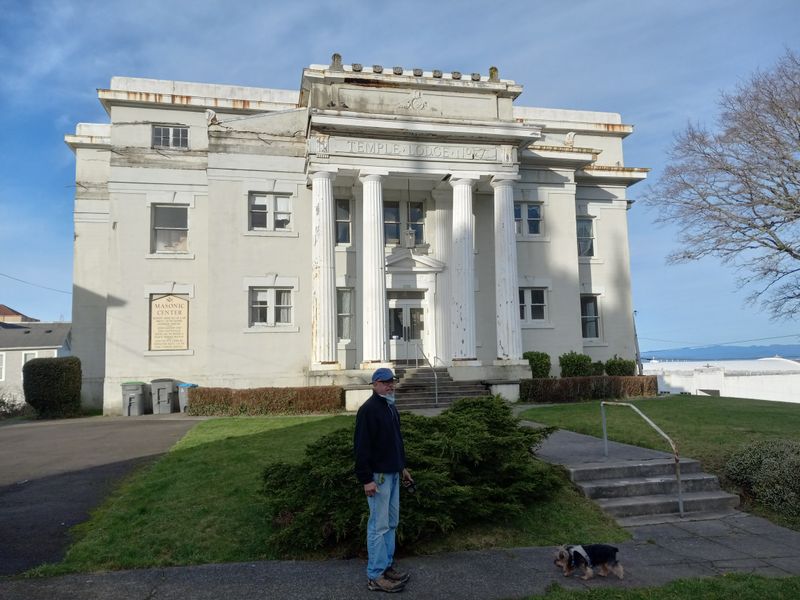
Housed in Astoria’s beautiful old City Hall, the Heritage Museum at 1618 Exchange Street, Astoria, Oregon 97103, offers the most comprehensive look at this region’s diverse cultural tapestry.
I spent a fascinating afternoon exploring exhibits that begin with the indigenous Clatsop and Chinook peoples who thrived here for thousands of years before European contact.
Their sophisticated fishing techniques, intricate basketry, and complex trade networks along the Columbia River impressed me deeply. The museum doesn’t shy away from difficult history, honestly presenting the devastating impact of colonization and disease on native populations.
Moving through the timeline, I examined pioneer artifacts that illustrated the grueling overland journey families endured to reach Oregon’s coast.
The logging and fishing industry exhibits showcase the dangerous work that built Astoria’s economy, with photographs of diverse immigrant communities including Finns, Scandinavians, and Chinese workers who shaped the town’s character.
I particularly loved the recreated general store and period rooms showing how families lived during different eras. Personal items like handwritten letters, children’s toys, and kitchen implements made history tangible and human.
The museum frequently rotates special exhibits, so there’s always something new to discover about Clatsop County’s rich and complicated past.
Astoria-Megler Bridge
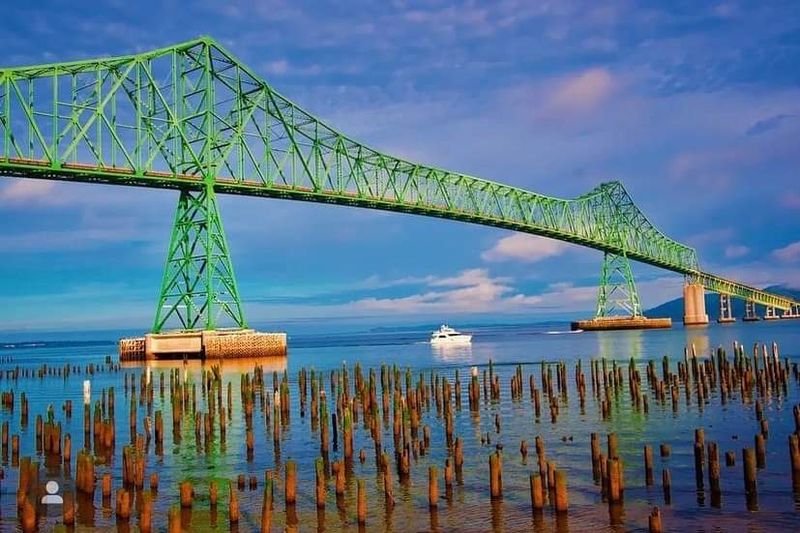
Driving across this engineering marvel that connects Astoria, Oregon to Washington State literally took my breath away with its sweeping views and impressive scale. Stretching 4.1 miles across the mighty Columbia River, the Astoria-Megler Bridge ranks as the longest continuous truss bridge in North America.
Opened in 1966, it replaced the ferry system that had shuttled vehicles and passengers across the river for decades, transforming travel throughout the Pacific Northwest.
The bridge’s main navigation channel features a soaring steel arch that allows massive ships to pass underneath, and watching ocean-going vessels glide beneath while I drove overhead gave me serious vertigo.
I pulled over at the viewing area on the Oregon side to fully appreciate this stunning structure against the backdrop of the river meeting the Pacific. The bridge appears in countless photographs and paintings of Astoria, having become an iconic symbol of the town itself.
On foggy mornings, which happen frequently in this maritime climate, the bridge disappears into the mist like something from a dream, with only the nearest towers visible.
I crossed it multiple times during my visit, and each journey offered different lighting and weather conditions that transformed the experience completely, reminding me why Oregon’s coast captivates photographers and history lovers alike.
Dear Reader: This page may contain affiliate links which may earn a commission if you click through and make a purchase. Our independent journalism is not influenced by any advertiser or commercial initiative unless it is clearly marked as sponsored content. As travel products change, please be sure to reconfirm all details and stay up to date with current events to ensure a safe and successful trip.
