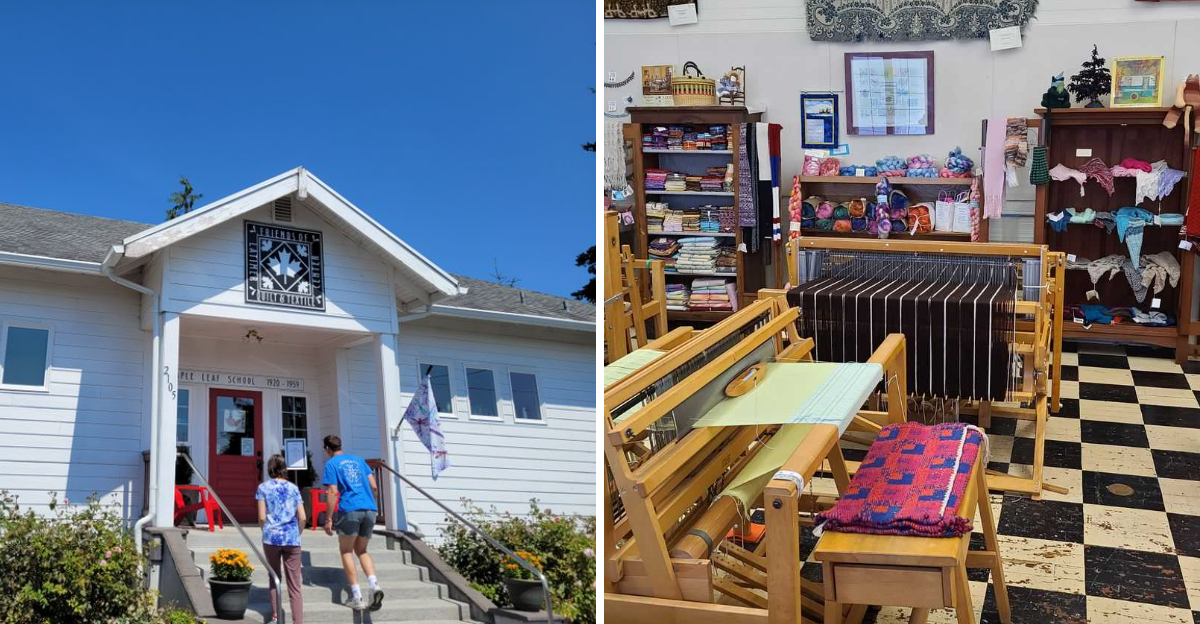
A rainy Tuesday in Tillamook, Oregon led me straight into the Latimer Quilt & Textile Center, and I didn’t expect much from a museum in an old schoolhouse. I couldn’t have been more wrong.
Instead of dusty displays behind glass, I found living artists weaving on century-old looms, volunteers happily sharing their latest projects, and a climate-controlled vault full of quilts dating back to the 1700s. The moment I stepped through those doors at 2105 Wilson River Loop, I knew I’d stumbled onto something truly special.
Ever touched a loom that’s actually creating art right before your eyes? Seen a quilt made entirely from someone’s mother’s dresses?
Met alpacas and chickens greeting visitors at the entrance? This place has all that and more.
For anyone who loves textiles, history, or just genuinely beautiful things, the Latimer Center is pure magic – and I can’t wait to share all its cozy, crafty secrets.
A Living Museum Where Art Happens in Real Time
Forget everything you know about traditional museums because the Latimer Quilt & Textile Center flips the script entirely. Walking into this place feels less like entering a stuffy exhibition hall and more like crashing a creative workshop where magic happens daily.
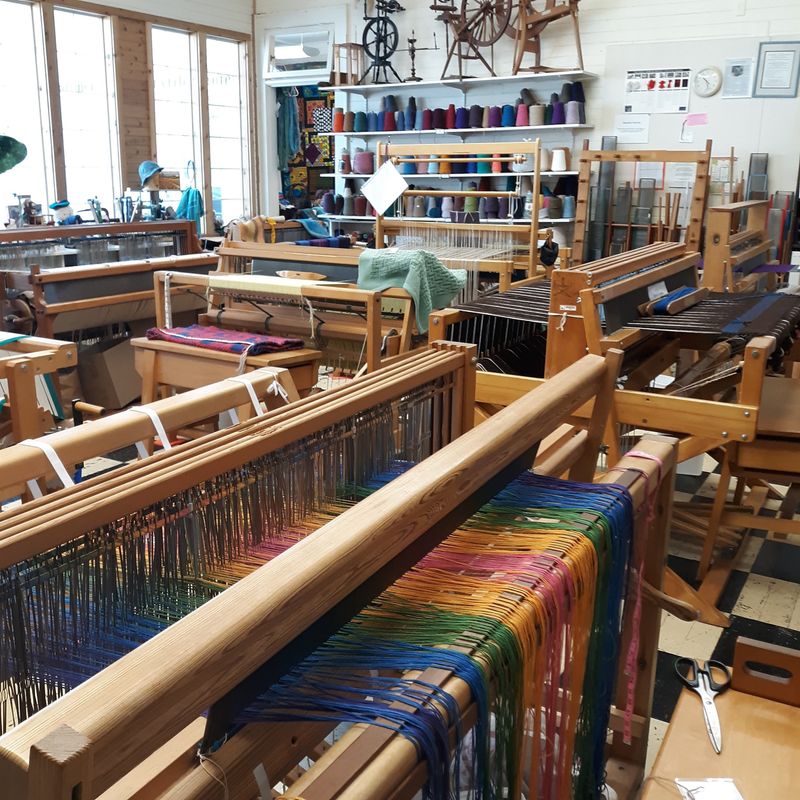
On Tuesdays and Fridays especially, I watched fiber artists actively weaving intricate patterns on massive looms, their hands moving with practiced rhythm that’s been perfected over decades.
The West Room houses several working looms and spinning wheels, and here’s the kicker: there’s a public loom where visitors can actually try their hand at weaving. I gave it a shot, and let me tell you, it’s harder than it looks but incredibly satisfying.
What makes this museum extraordinary is that it preserves history while simultaneously creating it. Artists gather here regularly, with the Oregon Coast Fiber Artisans and Ocean Breeze Rugkrafters Guild holding meetings on-site.
The energy is contagious, and you’ll find yourself wanting to pick up a craft you never considered before. This isn’t a museum where art sits frozen in time behind velvet ropes.
Climate-Controlled Treasure Trove of Historic Quilts
Behind an unassuming door lies one of the most impressive quilt collections on the entire Oregon coast. The center maintains a climate-controlled repository housing between 400 and 500 quilts, with the oldest pieces dating back to the 1700s.
I’m talking about textiles that witnessed the American Revolution, survived westward expansion, and carry stories stitched into every seam.
The preservation efforts here are museum-quality professional. Temperature and humidity controls ensure these fragile textiles survive for future generations to appreciate and study.
Here’s something most visitors don’t know: if you call about a week in advance, the staff will arrange a private bed turning for you. During these intimate sessions, they’ll bring out historic quilts from the archives and unfold them one by one, sharing the stories and techniques behind each piece.
I attended one of these sessions and nearly cried watching a quilt from the 1800s unfurl across the table. The craftsmanship, the tiny hand stitches, the faded fabrics that once were vibrant – it’s breathtaking.
Daily bed turnings also happen during regular hours, showcasing rotating selections from their vast collection.
Six Fresh Exhibits Every Single Year
Boredom is literally impossible at the Latimer because they rotate their main gallery exhibits six times annually. That means every two months, you’ll find completely different textile art gracing the walls and display cases.
One visit might showcase geometric traditional quilts from the pioneer era, while your next trip could feature contemporary fiber art that pushes boundaries and challenges perceptions.
During my visit, I caught an exhibition featuring items embellished entirely with vintage buttons. The creativity blew my mind – who knew buttons could be transformed into such stunning artistic statements?
Past exhibitions have explored everything from indigo dyeing traditions to woven tapestries, embroidered masterpieces to antique sewing implements. The March/April 2026 exhibit will feature member artwork inspired by fairy tales and folklore, which sounds absolutely enchanting.
These aren’t amateur displays either – the quality rivals what you’d find in major city museums. The curation is thoughtful, the presentation is professional, and the variety ensures that repeat visitors always discover something new.
This commitment to fresh content keeps the museum vibrant and gives locals excellent reasons to return throughout the year.
Charming 1930s Schoolhouse Setting
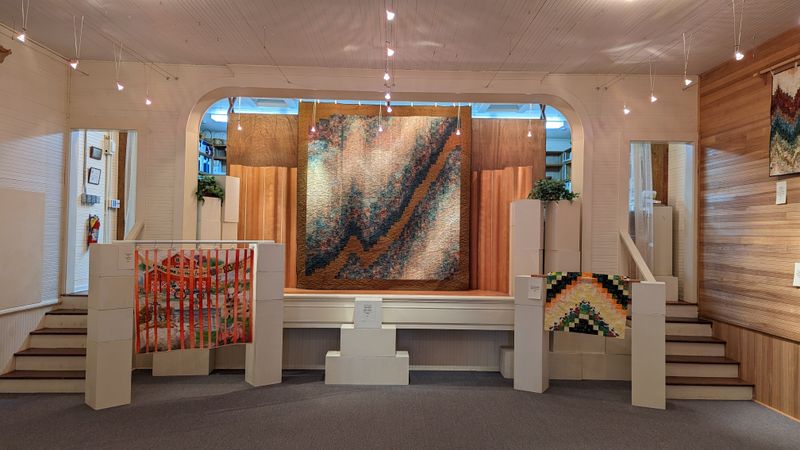
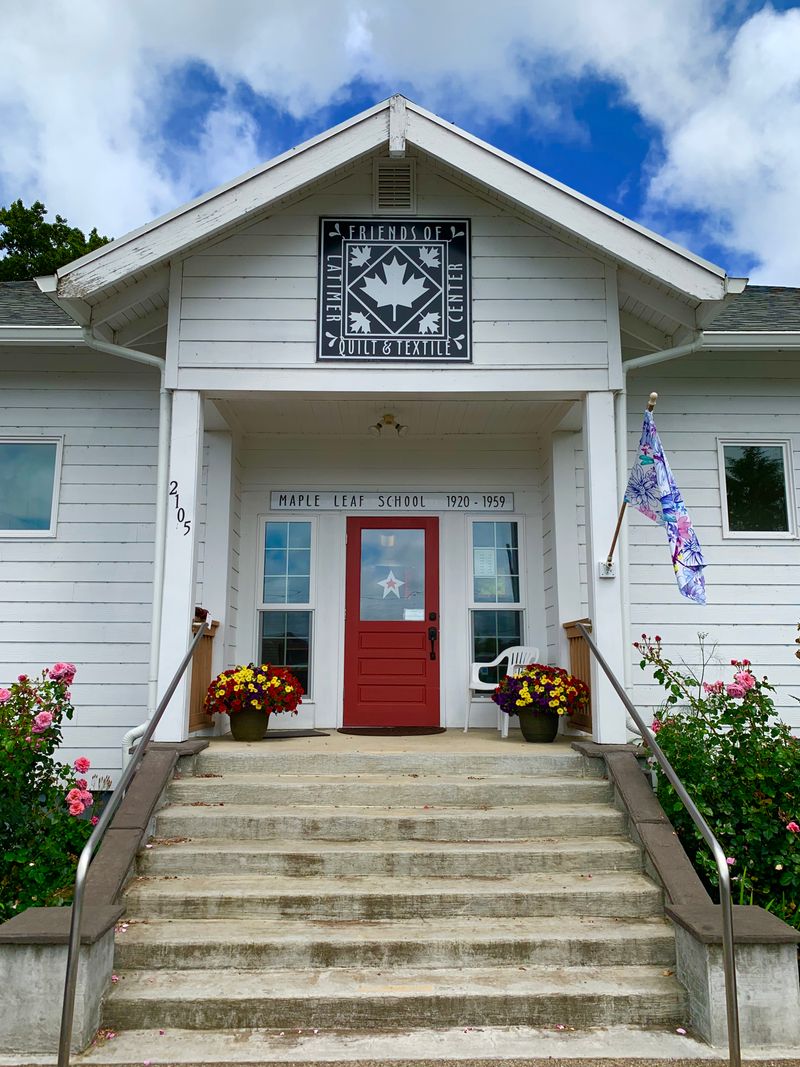
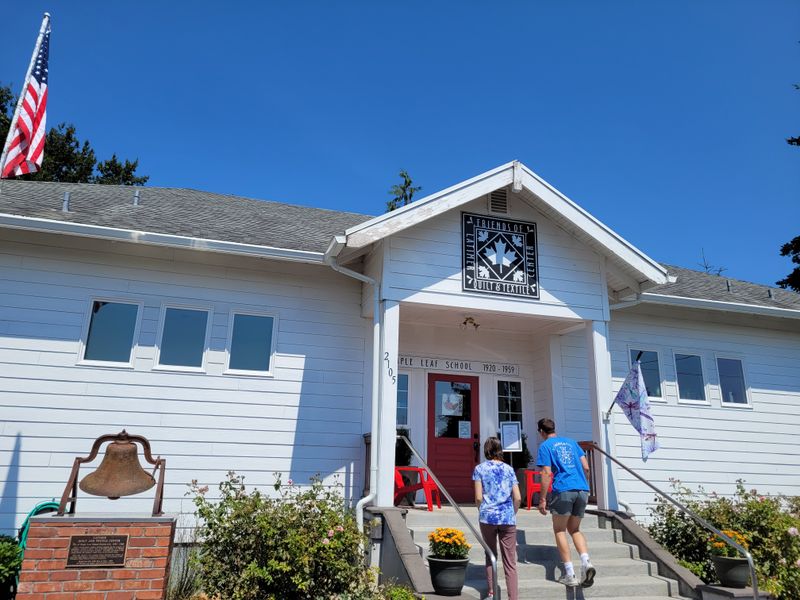
The building itself deserves recognition as part of the experience. Housed in an authentic 1930s-era schoolhouse on Wilson River Loop Road, the center radiates nostalgic charm from every corner.
The moment you approach, you’ll notice the classic architecture that speaks to simpler times when communities gathered in spaces like this for education and connection.
Walking through rooms that once echoed with children’s voices and chalk dust now filled with looms and quilts creates an unexpectedly poignant atmosphere. The hardwood floors creak in all the right places, the windows let in that perfect diffused Oregon light, and the proportions of the rooms feel intimate rather than institutional.
This isn’t some sterile modern building trying to look old – it’s genuinely historic, and that authenticity matters. The schoolhouse vibe perfectly complements the mission of preserving traditional crafts and passing knowledge to new generations.
There’s something beautifully circular about learning textile arts in a building originally designed for learning. The modest exterior belies the treasures within, which makes discovering this place feel like you’ve stumbled onto a secret that locals have been keeping to themselves.
Gift Shop Packed With Handmade Treasures
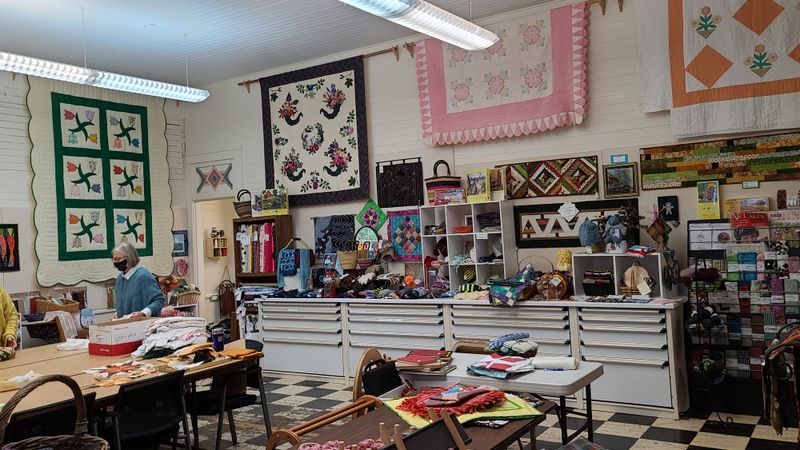
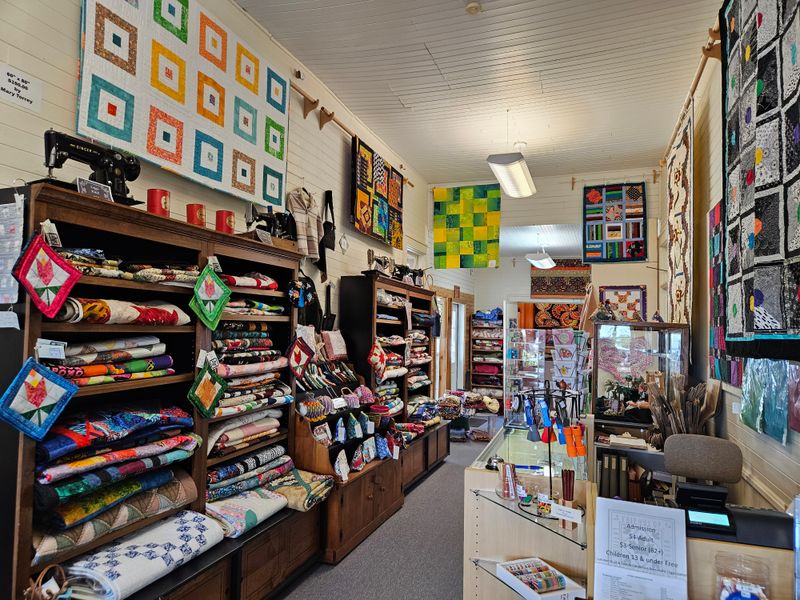
I walked into the gift shop planning to just browse and walked out significantly lighter in the wallet department. This isn’t your typical museum gift shop stocked with mass-produced souvenirs and keychains.
Everything here connects directly to the textile arts, and much of it is handmade by local artisans or center members.
The selection includes hand-woven tea towels that are genuinely works of practical art, vintage fabric bundles perfect for quilting projects, locally produced yarn (sometimes sheared from the alpacas grazing right outside), and finished textile pieces ranging from small accessories to larger quilts. Book lovers will appreciate the collection of quilting and knitting mystery novels by local author Arlene Sachitano.
Here’s the real treasure: they sell used quilting, sewing, and craft books at prices that undercut even thrift stores. I scored three vintage quilting pattern books for less than five dollars total.
The shop also offers felting supplies, needles, and various notions for crafters. Every purchase directly supports the center’s preservation and education mission, so you can feel good about splurging.
Fair warning – plan extra time and budget because you will find something irresistible here.
Research Library for Pattern Obsessives
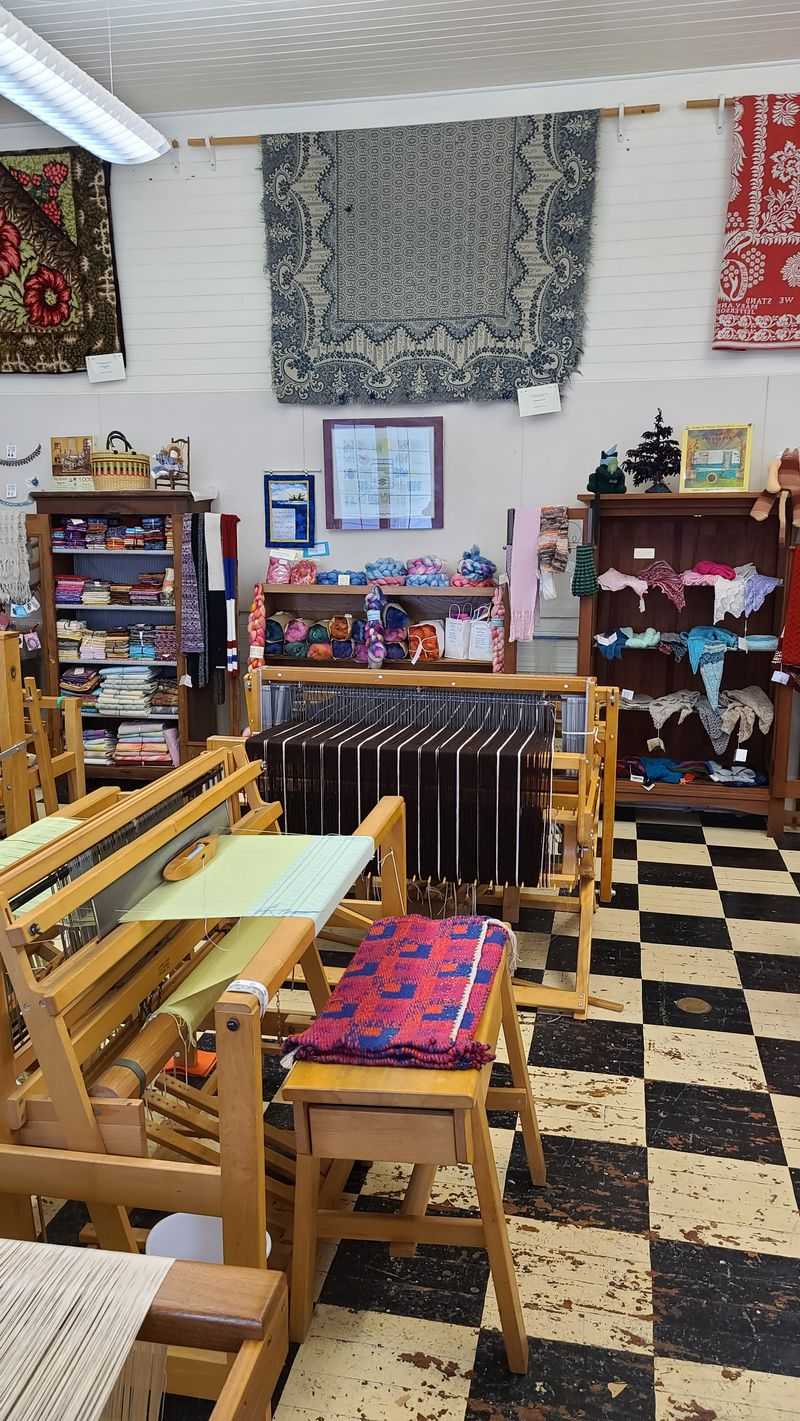
Tucked away in the center is a dedicated research library that made my pattern-loving heart sing. This specialized collection houses an extensive array of quilting patterns, weaving drafts, textile history books, and craft references that you simply won’t find in regular public libraries.
For researchers, serious hobbyists, or anyone diving deep into a specific textile technique, this resource is invaluable.
The library operates on an honor system that reflects the community trust built into this entire operation. You can sit and study patterns for hours, taking notes and photographs for your own projects.
I met a quilter from Portland who makes an annual pilgrimage specifically to access pattern books from the 1940s that exist nowhere else in Oregon. The collection includes both common references and rare publications that document regional quilting traditions and historical techniques.
Whether you’re researching a specific era for a reproduction quilt, trying to identify a pattern from a family heirloom, or just expanding your creative repertoire, this library delivers. The quiet atmosphere and surrounding inspiration from the museum’s collections make it an ideal space for focused study.
Membership provides even better access, but casual visitors can still utilize these resources during open hours.
Hands-On Loom Experience for Brave Beginners
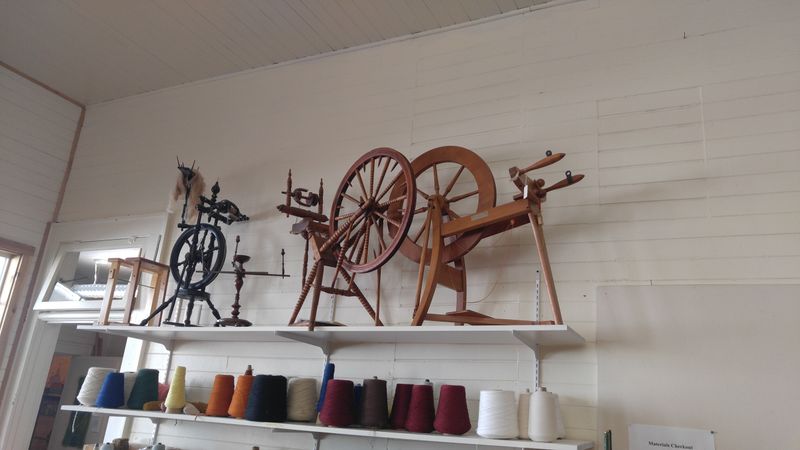
Most museums make you keep your hands to yourself, but the Latimer actively encourages you to get tactile. The public loom in the West Room is available for visitors to try actual weaving, and I’m telling you, this opportunity is not to be missed.
Even if you’ve never touched a loom in your life, the friendly staff and volunteers will guide you through the basics.
I spent twenty minutes working that loom and gained instant respect for weavers everywhere. The coordination required – managing the pedals, throwing the shuttle, beating the weft into place – creates a meditative rhythm once you get the hang of it.
Watching experienced weavers work their looms is mesmerizing, but trying it yourself gives you visceral understanding of the skill and patience involved in creating textiles this way. Kids especially love this interactive element, and it transforms the museum visit from passive observation into active participation.
The loom is sturdy enough to handle enthusiastic beginners, and there’s something deeply satisfying about seeing your own wonky rows of weaving take shape. This hands-on approach perfectly embodies the center’s philosophy that textile arts should be living traditions, not just museum relics.
Fiber Arts Community Hub and Meeting Space
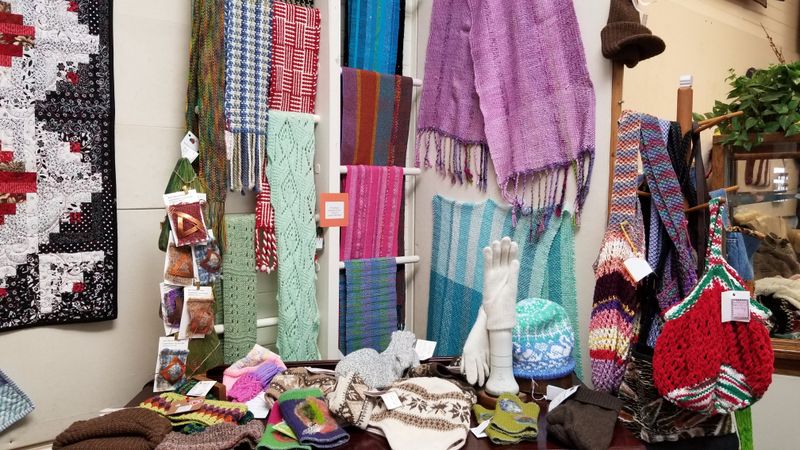
The Latimer functions as the beating heart of the coastal fiber arts community in ways that extend far beyond typical museum operations. Multiple craft groups call this place home, gathering weekly to work on projects, share techniques, and build friendships around their shared passion for textiles.
The Tuesday Fiber Arts Group, Thursday morning and evening Knit Groups, and Friday gatherings of weavers and rug hookers create a constant buzz of creative energy.
This community aspect transforms the center from a static collection into a living, breathing creative ecosystem. Walking in on a group meeting day means encountering conversations about yarn weights, pattern troubleshooting, and the kind of craft gossip that makes any hobby more enjoyable.
I crashed a Thursday knitting circle during my visit, and within minutes, strangers were offering advice on my sad attempt at continental knitting and sharing local restaurant recommendations. The welcoming atmosphere makes even solo visitors feel like temporary members of an extended fiber family.
For locals, these regular gatherings provide crucial social connection and skill-sharing opportunities. For travelers, they offer authentic glimpses into Oregon’s coastal creative culture that you simply can’t get from tourist attractions.
Alpacas and Chickens Outside the Front Door
Just when you think this place couldn’t get more charming, you walk outside and discover alpacas and chickens hanging out in the neighboring hobby farm. These adorable fiber-producing animals greet visitors with curious stares and occasional friendly approaches to the fence.
The alpacas are particularly photogenic, and I definitely spent an embarrassing amount of time trying to get the perfect shot.
The connection is more than just cute – some of the yarn sold in the gift shop comes from fiber sheared right from these very alpacas. Talk about local sourcing.
Kids absolutely lose their minds over these animals, making the center an unexpectedly family-friendly destination even for children who might not initially show interest in quilts and weaving. Parents can tour the exhibits while little ones stay entertained watching the chickens scratch around or trying to befriend the alpacas through the fence.
This agricultural element grounds the textile arts in their practical origins, reminding visitors that fiber crafts begin with actual animals and plants, not just with finished yarn from craft stores. The animals add another layer of authenticity and charm to an already delightful experience.
Honestly, the alpacas alone are worth the trip.
Dear Reader: This page may contain affiliate links which may earn a commission if you click through and make a purchase. Our independent journalism is not influenced by any advertiser or commercial initiative unless it is clearly marked as sponsored content. As travel products change, please be sure to reconfirm all details and stay up to date with current events to ensure a safe and successful trip.
