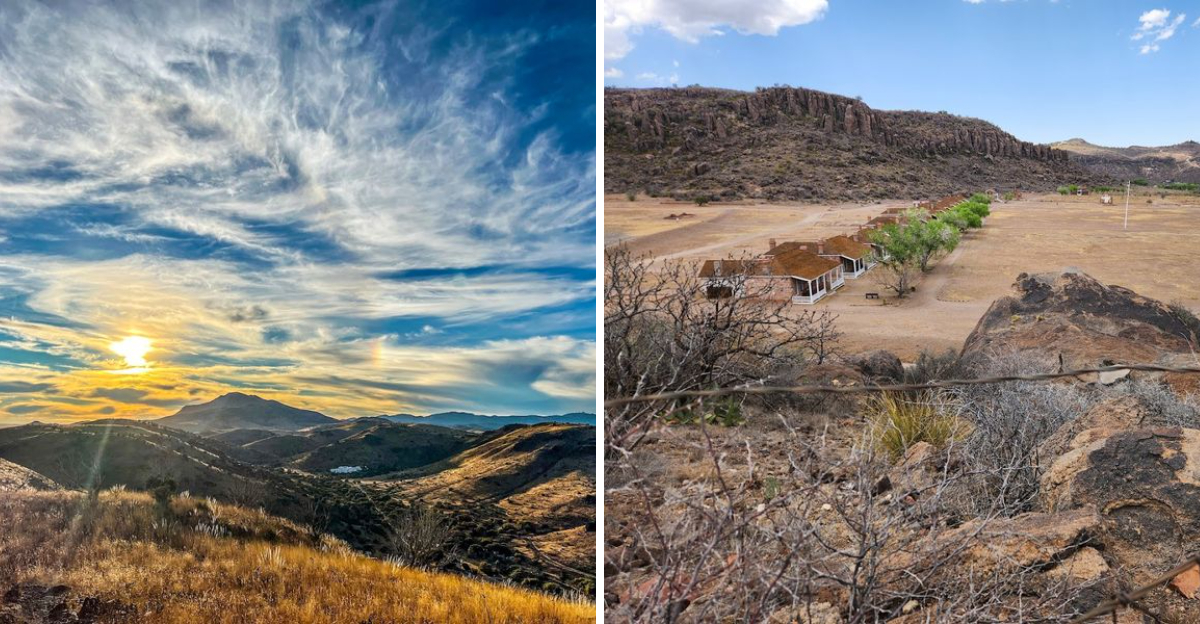
Wide desert landscapes and mountain views give this destination a completely different feeling from much of the state. Visitors arriving here often notice the quiet first, followed by the wide skies and rugged scenery stretching in every direction.
West Texas is known for landscapes that feel open and peaceful, where the slower pace encourages people to pause and take in the surroundings. Adobe-style buildings and natural desert colors give the area a subtle pueblo-like atmosphere that feels both rustic and calming.
Visitors spend their time hiking scenic trails, watching sunsets over the mountains, and enjoying the stillness of the desert air.
The Magic of Indian Lodge: A Southwestern Stay Unlike Any Other
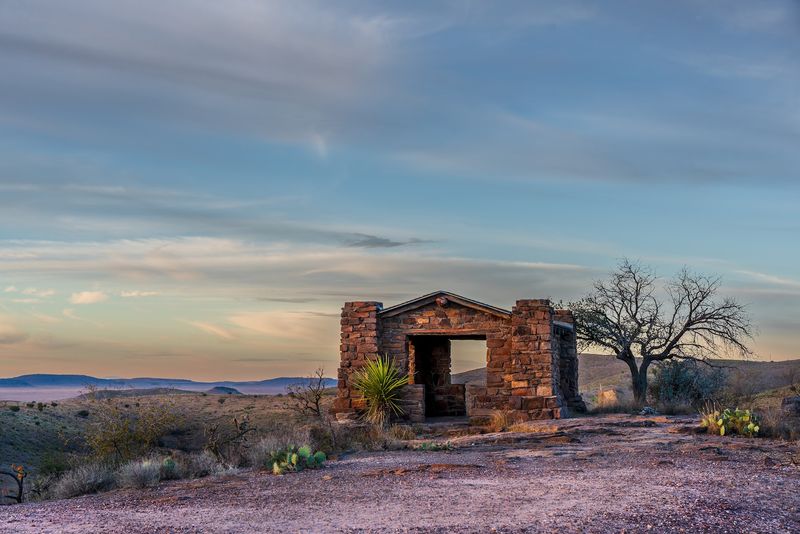
My first look at Indian Lodge stopped me mid-step. The thick adobe walls, the hand-carved wooden furniture visible through the windows, the whole structure looking like it grew right out of the mountainside.
It was built in the 1930s by the Civilian Conservation Corps and still holds that handcrafted soul today.
The lodge offers 39 rooms in a classic southwestern style, each one designed to feel grounded and calm rather than flashy or over-decorated. Reservations fill up quickly, especially from March through Labor Day, so planning ahead is genuinely worth the effort.
There is a restaurant on-site, which makes the whole stay feel easy and self-contained. A swimming pool adds a welcome touch after a long trail day.
Staying here is not just finding a bed for the night. It is choosing a very specific kind of peace, the kind that adobe walls and mountain air seem to manufacture together without any extra help.
Hiking the Skyline Drive Trail: Views That Earn Every Step
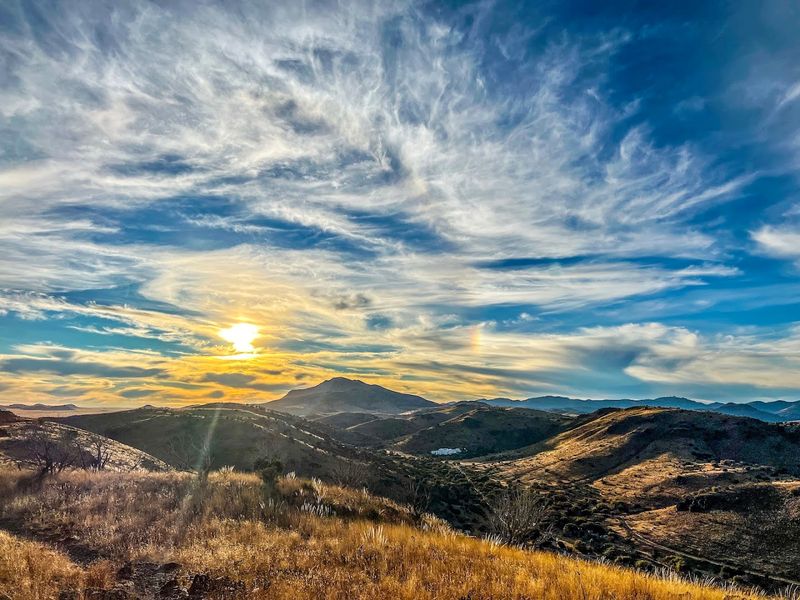
The Skyline Drive Trail is the kind of hike that rewards patience. At 4.5 miles, it is not a casual stroll, but it is also not the brutal slog that some mountain trails can be.
The path climbs steadily, giving you enough time to notice the shift from low scrub to higher elevation plant life as you move.
About halfway up, the views open and you realize why people keep coming back to this trail. Mountain layers stack behind each other in shades of blue and purple, and on clear days the visibility stretches far enough to feel almost unreal.
Bring water. More than you think you need.
The dry air at elevation pulls moisture fast, and shade is limited on the upper sections. Starting early in the morning not only beats the heat but gives you the best light for photos.
The trail connects to other routes within the park, so if your legs are willing, there are ways to extend the adventure well past the Skyline loop itself.
Stargazing at McDonald Observatory: The Night Sky Like You Have Never Seen It
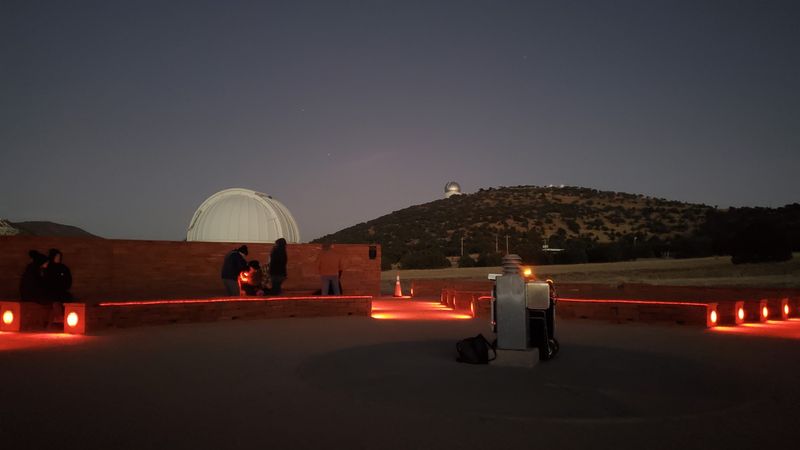
Few things reset your sense of scale like looking up at a truly dark sky. McDonald Observatory, located near the park on the flanks of Mount Locke and Mount Fowlkes, sits in one of the darkest regions in the continental United States.
The lack of light pollution out here is almost startling the first time you experience it.
The observatory runs public programs that are genuinely accessible and engaging, not just for science enthusiasts but for anyone who has ever looked up and wondered.
Star parties happen regularly and let visitors peer through telescopes at planets, nebulae, and galaxies that feel impossibly far away until they suddenly do not.
Even without a formal program, simply pulling over on the drive back to the park after dark is enough to catch your breath. The Milky Way stretches overhead like something from a photograph, except it is just Tuesday and you are standing in the Texas mountains.
That combination of ordinary moment and extraordinary sky is something that stays with you long after the trip ends.
Fort Davis National Historic Site: Where Frontier History Comes Alive
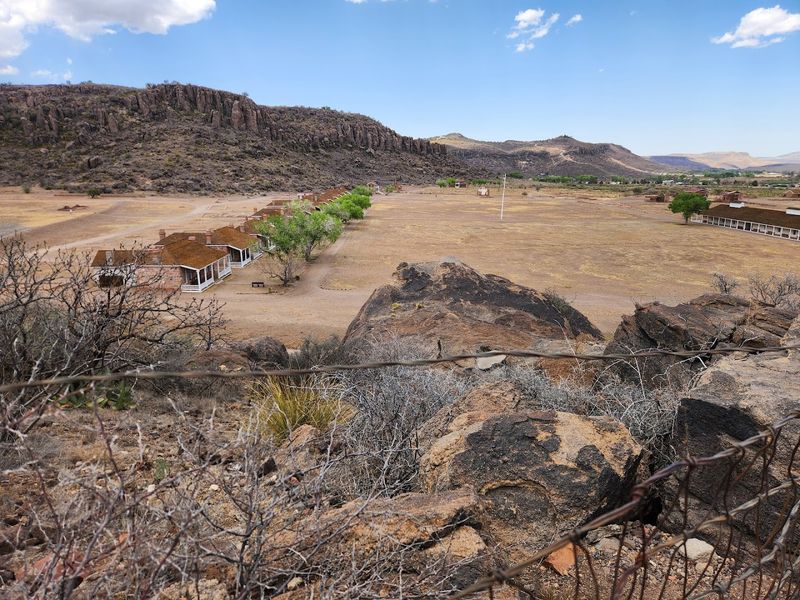
History has a way of feeling abstract until you are standing inside it. Fort Davis National Historic Site, located just minutes from the state park, is one of the best-preserved frontier military posts in the American Southwest.
The stone and adobe structures look remarkably intact, and the grounds are wide and walkable.
The fort was established in 1854 and played a significant role in protecting travelers and mail routes through West Texas. It is also closely associated with the Buffalo Soldiers, African American regiments who served here after the Civil War.
That layer of history adds real weight to a visit that might otherwise feel like a simple sightseeing stop.
Audio tours are available and help bring context to the ruins and restored buildings scattered across the site. Rangers are knowledgeable and approachable, ready to answer questions that go well beyond what the signs say.
Spending a morning here before heading back to the park trails makes for a day that balances physical activity with genuine historical curiosity, a combination that West Texas does better than most places.
Mountain Biking Through the Desert: Two Wheels and Open Terrain
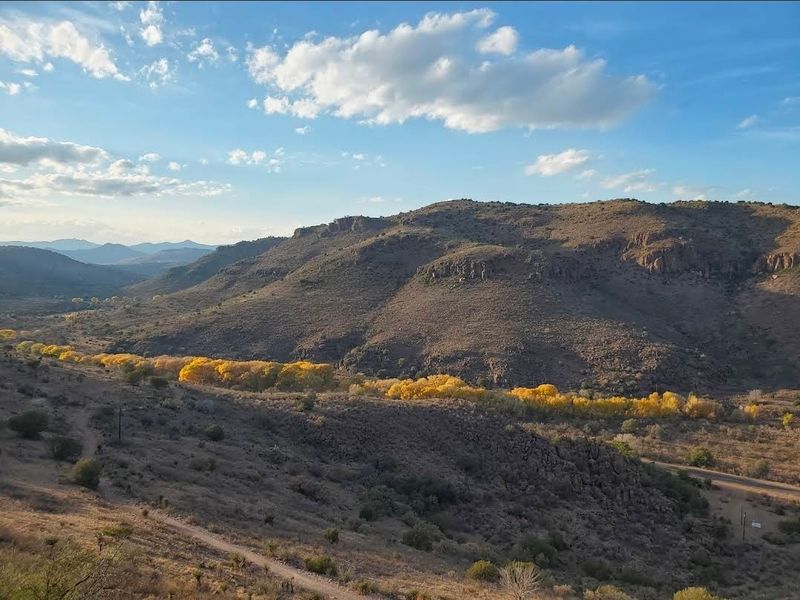
Not every visitor comes to the Davis Mountains for quiet reflection. Some come ready to move.
The park offers mountain biking opportunities across terrain that is challenging without being punishing, which is a balance that experienced riders appreciate and beginners can still navigate with a little confidence.
The mix of rocky surfaces, elevation changes, and wide open sightlines makes riding here feel completely different from trail systems in greener parts of Texas. You are not threading through dense forest.
You are moving through open space, watching the landscape shift around you in real time.
Bring a bike in good mechanical shape because the terrain is unforgiving of worn tires or loose brakes. Helmets are non-negotiable out here.
The sun is strong and the ground is hard, so protective gear matters more than it might on a casual neighborhood ride. Early morning rides are especially rewarding, the light is low and golden, the air is cool, and the trails feel like they belong entirely to you before the rest of the day wakes up.
Horseback Riding in Limpia Canyon: A Trail Experience Built for the Saddle
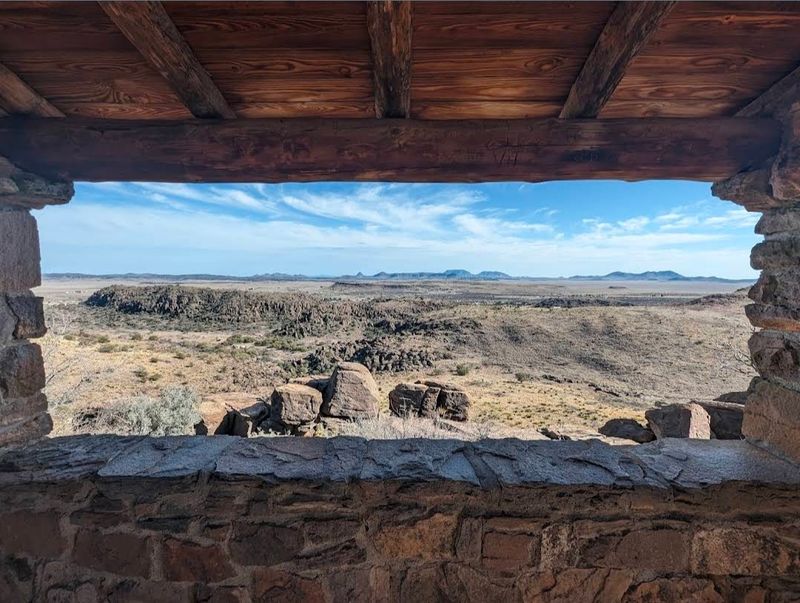
Limpia Canyon has a personality all its own. The canyon cuts through the park in a way that feels sheltered and dramatic at the same time, with rock walls rising on either side and the creek bed adding a soft green thread through the otherwise dry terrain.
It is the kind of landscape that seems designed for horseback riding.
The Limpia Canyon Primitive Area offers 11 miles of trails specifically suited for equestrian use, with campsites that accommodate horses. For riders who want to bring their own animals, the logistics are well thought out and the trail conditions are maintained with four-legged visitors in mind.
Even if you are not an experienced rider, this part of the park is worth exploring on foot just to understand the scale of it. The canyon narrows and widens unpredictably, and the quiet inside it is a different kind of quiet than the open ridgelines above.
It absorbs sound and slows everything down. A few hours in Limpia Canyon, whether on horseback or on your own two feet, tends to recalibrate your pace in a way that feels genuinely useful.
The Chihuahuan Desert Nature Center: Where the Landscape Gets an Explanation
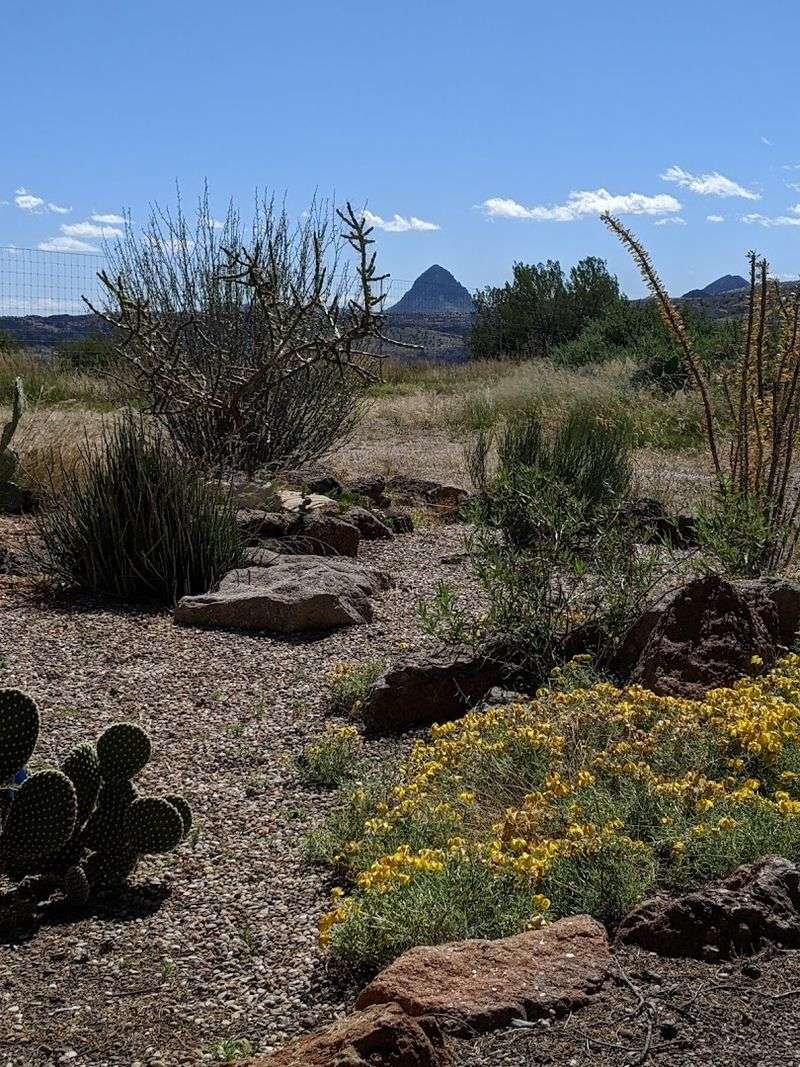
The Chihuahuan Desert is the largest desert in North America, and most people pass through it without really understanding what they are looking at. The Chihuahuan Desert Nature Center and Botanical Gardens, located about four miles south of Fort Davis, is the kind of place that changes that.
It turns a landscape that can seem stark and repetitive into something layered and fascinating.
The botanical gardens showcase native plants in a way that connects them to the broader ecosystem rather than just labeling them. Trails wind through different habitat zones and the interpretive signage is clear and genuinely informative without being overwhelming.
I found myself slowing down considerably once I started reading about the plants I had been walking past all week without recognizing. Lechuguilla, sotol, creosote, each one adapted to survive in conditions that would wilt most vegetation.
There is something quietly inspiring about plants that have figured out how to thrive with almost nothing. The Nature Center makes that story accessible to anyone willing to spend a couple of hours paying attention to the ground beneath their feet.
Camping Under West Texas Skies: Falling Asleep to Pure Silence
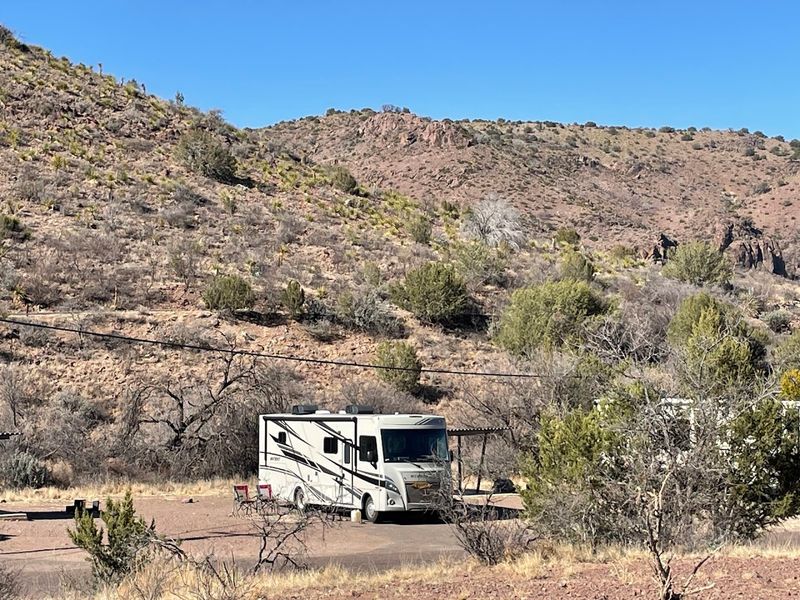
Camping at Davis Mountains State Park is one of those experiences that reminds you how rarely most of us actually sit still. The campsites range from developed spots with water and electricity to more primitive setups for those who want fewer amenities and more solitude.
Both options deliver on the main promise: genuinely dark nights and genuinely quiet mornings.
Waking up to birdsong and the smell of cool desert air at elevation is a specific kind of luxury that costs almost nothing. The park hosts a surprising variety of bird species, and early mornings near the canyon areas can feel like a private concert if you are patient enough to sit quietly with coffee.
Evening temperatures drop significantly once the sun sets, even in summer. Packing a fleece or a light jacket is smart regardless of what the daytime forecast says.
The shift from warm afternoon to cool night happens fast in the mountains, and being underprepared for it turns a pleasant evening into an uncomfortable one. Plan well, pack light layers, and the camping experience here is hard to beat anywhere in Texas.
The Town of Fort Davis: Small, Genuine, and Surprisingly Welcoming
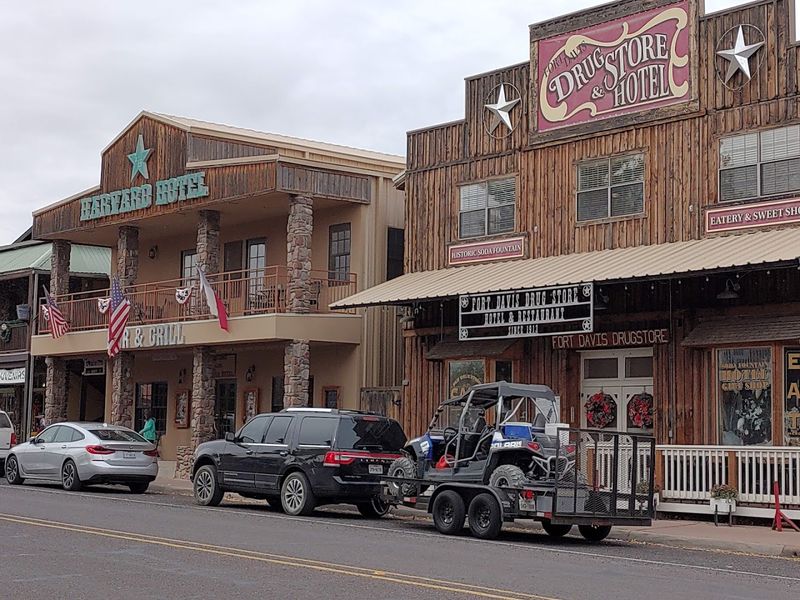
Fort Davis the town is easy to underestimate. It is small, population hovering just above a thousand, and the main drag does not take long to walk.
But there is a warmth to it that larger towns sometimes lose when they grow past a certain size.
Local shops carry practical things alongside regional art and handmade crafts, and the food options, while limited, tend to lean into the local character rather than away from it. The whole town feels like it knows exactly what it is and is comfortable with that answer.
The surrounding landscape presses in close from all sides, and that proximity to wilderness gives Fort Davis a grounded quality. People here are used to visitors but not dependent on performing for them.
Conversations happen naturally, recommendations are genuine, and nobody is trying to sell you an experience. Spending an afternoon wandering through town between hikes adds a human dimension to the trip that purely outdoor itineraries sometimes miss.
Fort Davis is worth more than a quick gas stop, and most people who give it an hour end up staying considerably longer.
Planning Your Visit: Practical Tips for Getting the Most from Davis Mountains
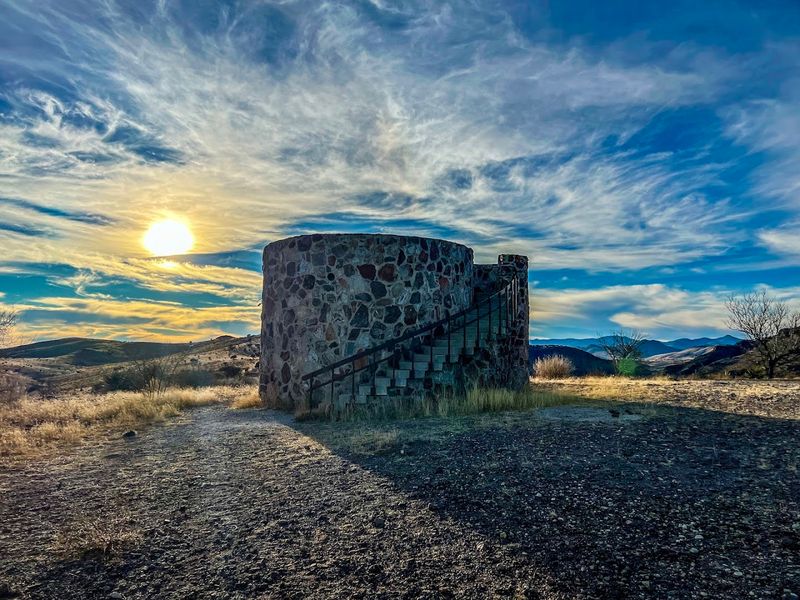
Getting to Davis Mountains State Park means committing to a real West Texas drive. The nearest major city is El Paso, roughly two hours to the west, and Midland sits about three hours to the east.
The distance is part of the appeal. This is not a weekend destination you stumble into accidentally.
The best seasons to visit are spring and fall, when temperatures are mild and the light is spectacular. Summer brings afternoon thunderstorms that are dramatic and beautiful but can make trail conditions unpredictable.
Winter is cool and quiet, with occasional freezes at higher elevations that feel almost surreal in a desert setting.
Book Indian Lodge well in advance if you want to stay on-site, especially for holiday weekends. Cell service is limited throughout the area, so downloading offline maps before you arrive is a practical move rather than an optional one.
The park entrance is along TX-118, and the address for navigation is TX-118 N., Park Rd. 3, Fort Davis, TX 79734. Arriving with a full tank of gas, a cooler stocked with food, and zero agenda beyond exploring tends to produce the best version of this trip.
Dear Reader: This page may contain affiliate links which may earn a commission if you click through and make a purchase. Our independent journalism is not influenced by any advertiser or commercial initiative unless it is clearly marked as sponsored content. As travel products change, please be sure to reconfirm all details and stay up to date with current events to ensure a safe and successful trip.
