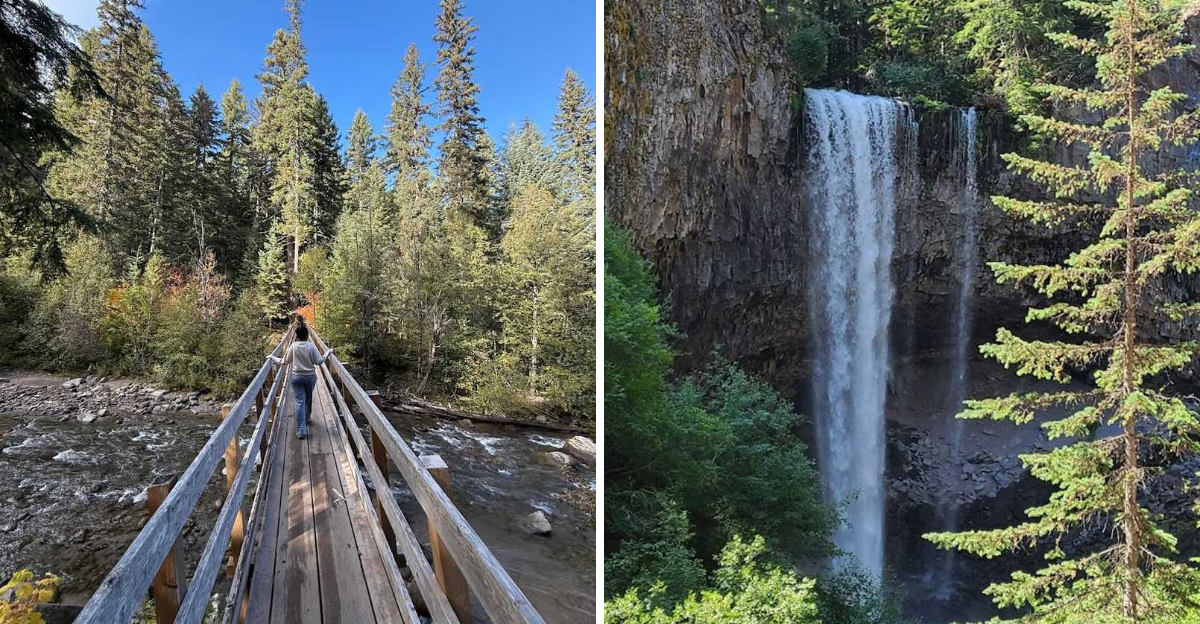
A short 1.5-mile hike in Oregon proves pretty quickly that distance doesn’t matter when the scenery shows up like this. The trail stays easy and accessible, but the views keep pulling your attention away from the path in the best way.
You move through a mix of greenery, open lookouts, and little moments where everything just lines up perfectly for a photo – or just a quiet pause. It never feels rushed or demanding, just smooth and steady from start to finish.
I kept finding myself stopping more than walking, not because it was hard, but because every stretch had something worth taking in.
It’s the kind of hike that sticks with you long after you’re done, replaying those views in your head without even trying.
The Trail Itself: A Walk That Feels Like a Gift
Stepping onto the Tamanawas Falls Trail feels like the forest welcomes you immediately. The path is wide and well-maintained.
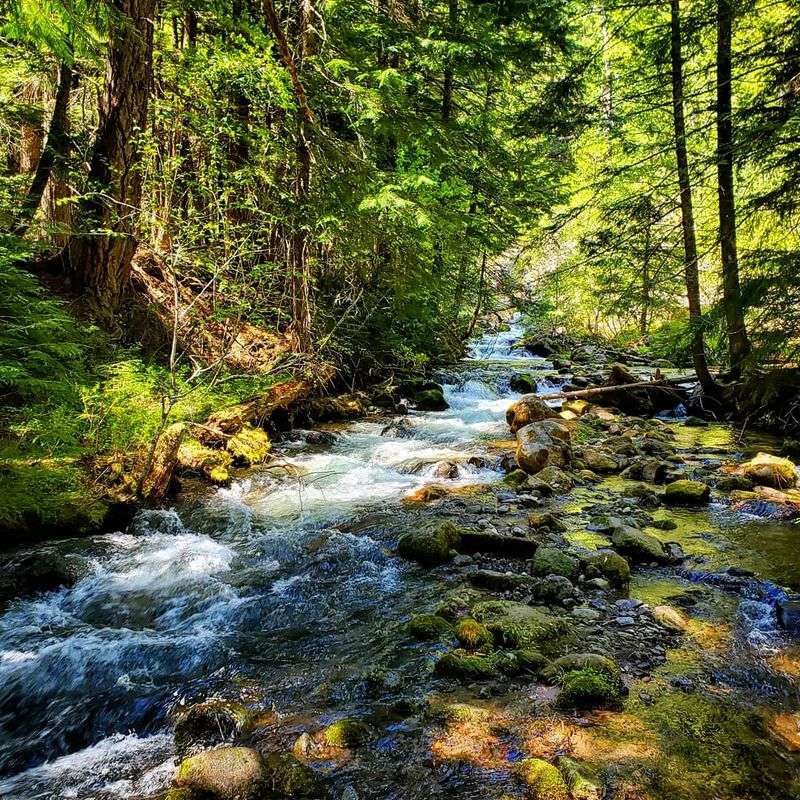
It hugs Cold Spring Creek for most of the route, which means you hear water the whole time.
The trail is rated easy to moderate. Most hikers complete the round trip in under two hours.
There are some rocky sections near the falls, but nothing that requires special gear or experience.
Elevation gain is minimal, around 400 feet total. That makes this trail genuinely accessible for families, older hikers, and beginners.
The forest canopy keeps the trail cool even on warmer days.
Massive Douglas firs and western red cedars line the path. Moss covers every surface.
The whole walk feels like a slow exhale, unhurried and quietly beautiful.
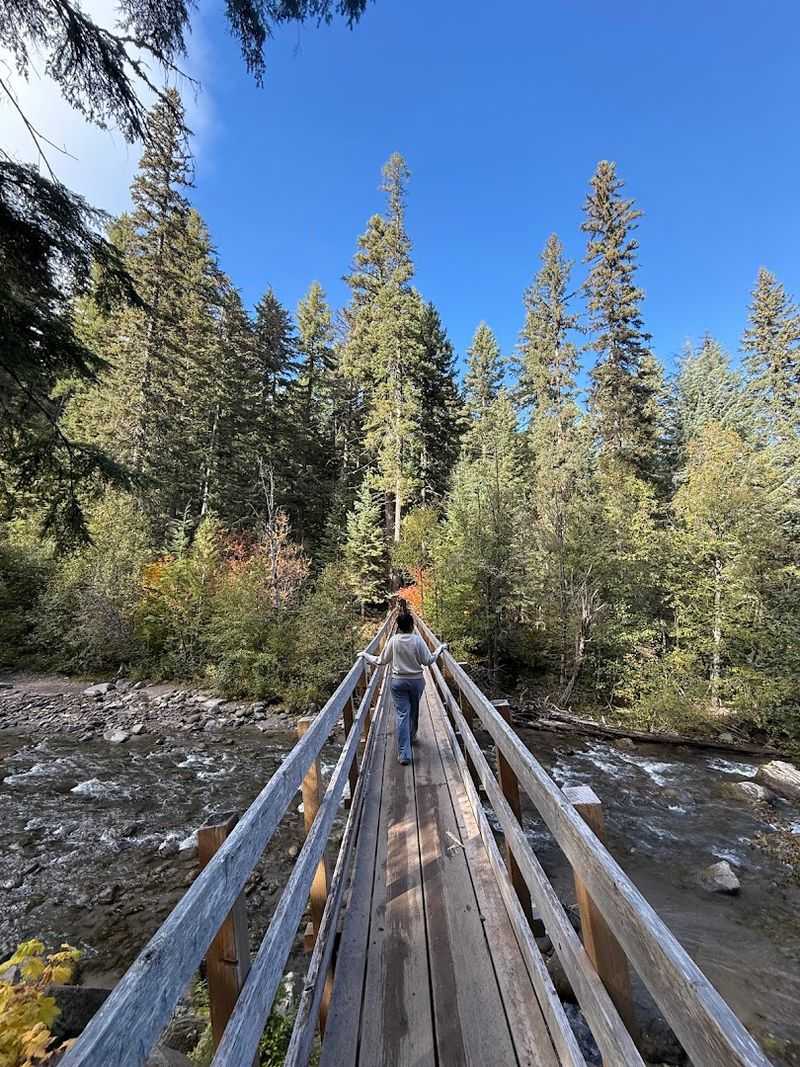
You cross a log bridge over the creek partway through. It is one of those small moments that makes you stop and just look around.
The scenery builds steadily the closer you get to the falls.
Cold Spring Creek: The Soundtrack of the Hike
Cold Spring Creek runs alongside the trail almost the entire way. It is impossible to ignore, and honestly, you would not want to.
The sound of rushing water sets a rhythm that makes the walk feel effortless.
The creek is fed by snowmelt from Mount Hood. It runs fast and clear, especially in spring and early summer.
Watching it tumble over boulders is oddly hypnotic.
In late summer, the water level drops a bit. The creek becomes calmer, almost gentle.
It reflects the trees overhead in a way that feels painterly.
Kids love stopping along the banks to look at rocks and small fish. There are natural spots along the trail where you can sit close to the water.
Bring a snack and just listen for a while.
The creek eventually leads you right to the base of Tamanawas Falls. Following its sound is like following a clue.
The closer you get, the louder and more powerful it becomes.
Tamanawas Falls: The Payoff You Will Not Forget
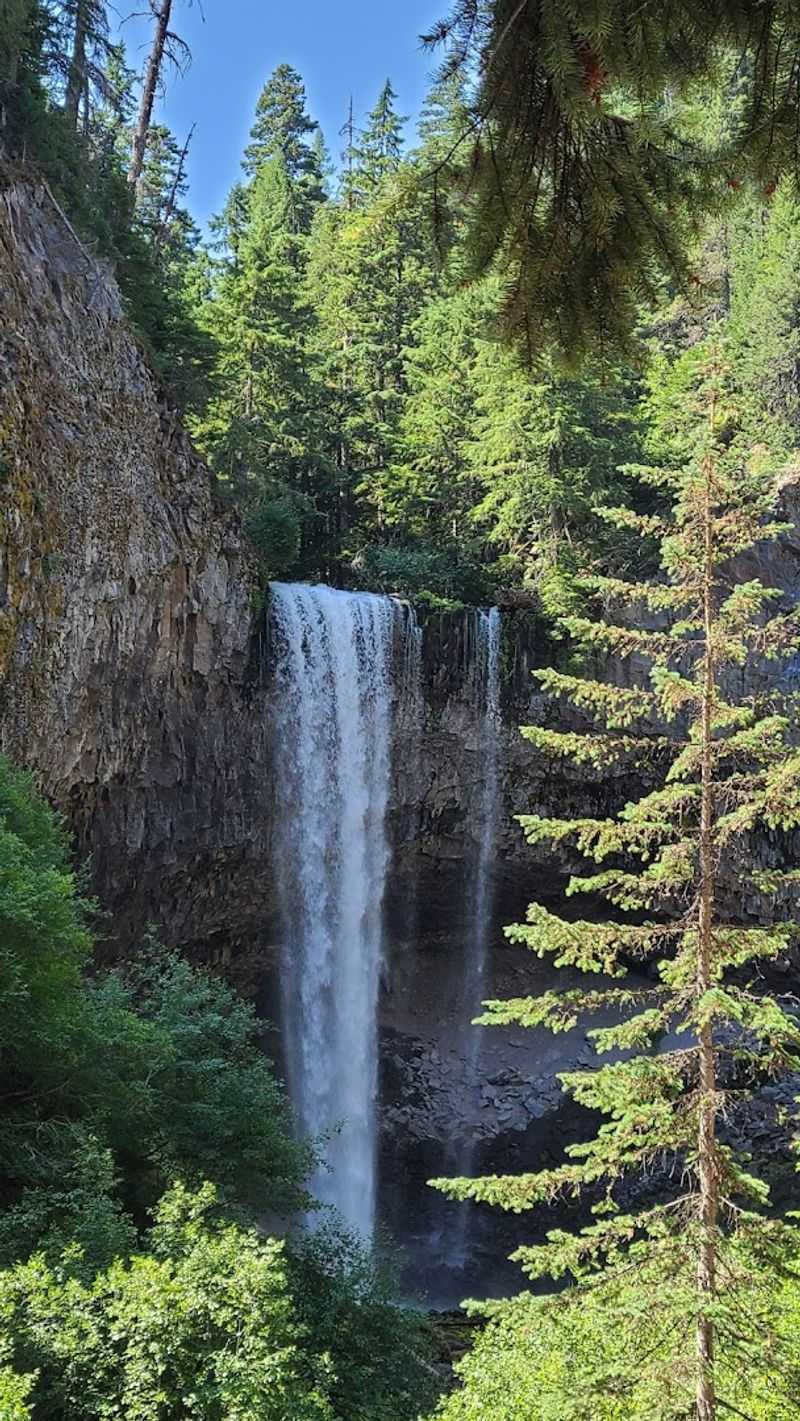
Nothing quite prepares you for the moment Tamanawas Falls comes into view. It drops roughly 100 feet down a sheer basalt wall.
The spray hits your face before you even get close.
The falls are fed by snowmelt and year-round springs. In spring, the volume of water is staggering.
Even in late summer, the falls remain impressive and photogenic.
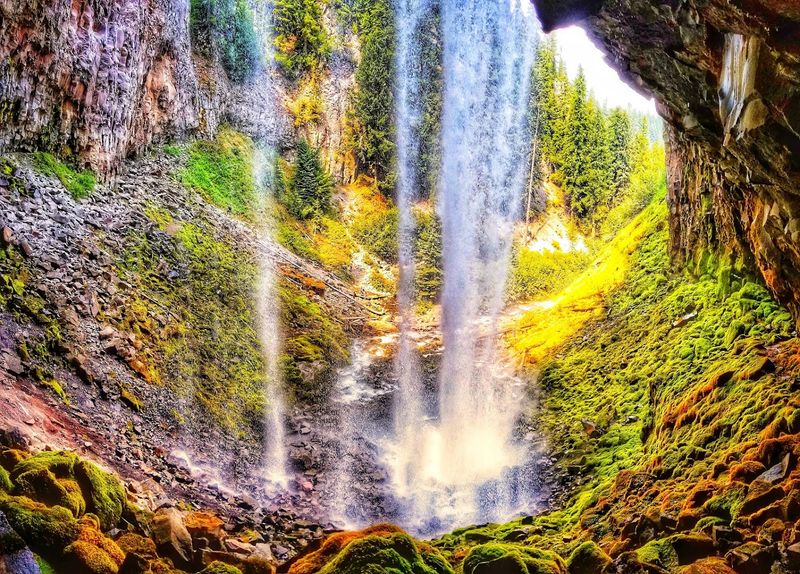
The basalt cliff behind the falls is ancient volcanic rock. Over thousands of years, the water carved a shallow cave behind the curtain of falling water.
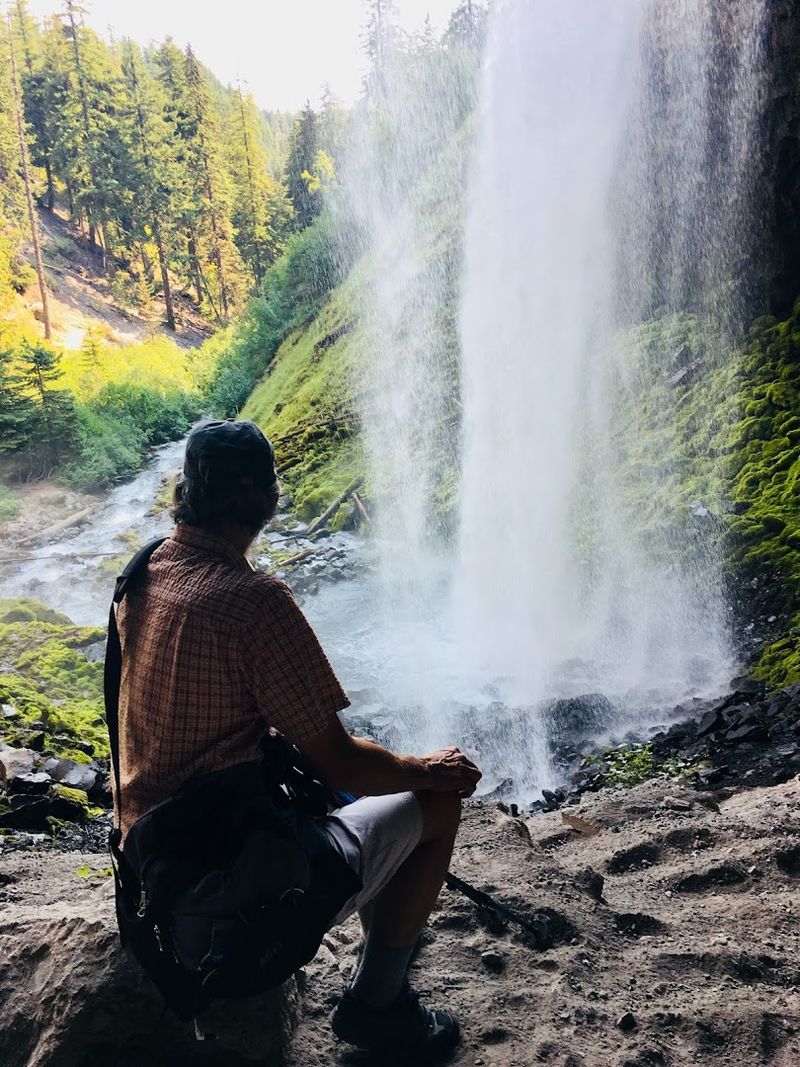
On warm days, brave hikers walk behind the falls for a completely unique perspective.
The mist creates a constant cool zone around the base. Wildflowers and mosses thrive in that damp microclimate.
It smells earthy and fresh, like rain that never quite stopped.
Standing there, looking up at that wall of falling water, feels significant. It is one of those places that makes you feel small in the best possible way.
You will want to stay longer than planned.
Best Time to Visit: Seasons Make a Big Difference
Each season brings a completely different experience on this trail. Spring visits mean high water and dramatic falls.
The forest is vivid green and absolutely bursting with life.
Summer is the most popular time. Trails can get crowded on weekends, especially near the falls.
An early morning start makes a huge difference in terms of crowd levels and light quality.
Fall is arguably the most beautiful season here. The maples and alders along the creek turn gold and amber.
The crowds thin out, and the forest feels quieter and more personal.
Winter visits are possible but require caution. Snow and ice can make the rocky sections near the falls slippery.
Microspikes are recommended if you plan to hike between November and March.
The trail is typically accessible year-round, though conditions vary. Checking current trail reports before heading out is always smart.
The Mount Hood National Forest website posts regular updates on access and closures.
Wildlife Along the Way: Keep Your Eyes Open
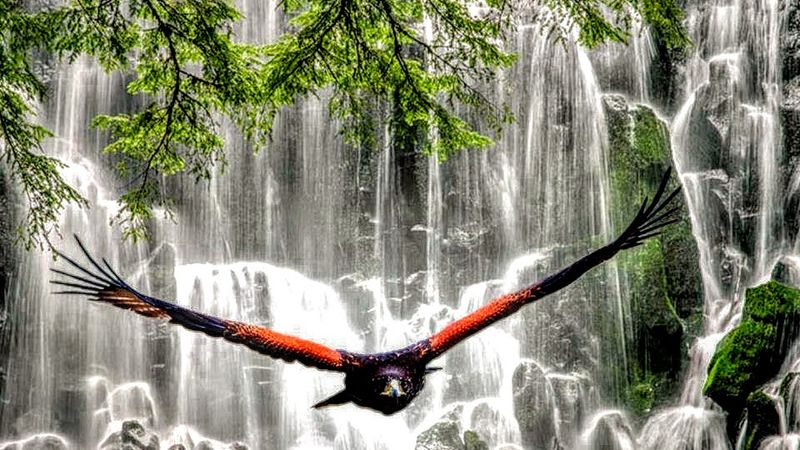
The forest along this trail is alive in ways that sneak up on you. A flicker of movement in the ferns might be a black-tailed deer.
A sudden splash in the creek could mean a water ouzel, also called an American dipper.
These small gray birds are fascinating to watch. They walk underwater along the creek bottom searching for insects.
Spotting one feels like a small private reward for paying attention.
Stellar’s jays are common and loud. They announce your presence before you even realize you have disturbed anything.
Woodpeckers drum rhythmically in the canopy overhead.
Black bears live in this part of Mount Hood National Forest. Sightings on this trail are rare but not unheard of.
Making noise while hiking and keeping food stored properly are simple habits that matter here.
The ecosystem around Cold Spring Creek supports a rich variety of plant and animal life. Every visit reveals something different.
The trail rewards slow walkers who pause and look rather than rush through.
What to Pack: Keep It Simple but Smart
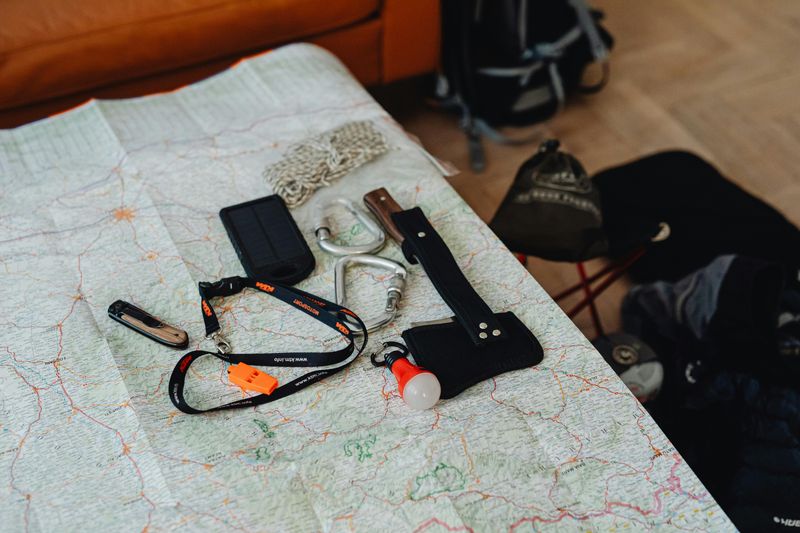
This is a short trail, but that does not mean you should show up unprepared. Water is the most important thing to bring.
The creek looks clean, but drinking untreated water from any natural source carries real risks.
Good footwear matters more than most people expect. Trail runners or light hiking boots handle the rocky sections near the falls much better than sneakers.
Waterproof options are worth it in wet seasons.
Layers are smart even in summer. The forest shade and waterfall mist can make the air feel noticeably cooler than expected.
A light jacket takes up almost no space and earns its place every time.
Sunscreen and bug spray are useful from late spring through summer. Mosquitoes can be active near the creek in June and July.
A small first aid kit is never a bad idea on any hike.
Snacks fuel the walk and make rest stops more enjoyable. A camera or a fully charged phone is practically essential.
The scenery demands to be captured at every turn.
Getting There: The Drive Is Part of the Adventure
The drive to the Tamanawas Falls trailhead is genuinely lovely. Highway 35 runs along the eastern side of Mount Hood.
The road offers open views of the mountain and surrounding peaks.
The trailhead is located near the East Fork Hood River. It sits just off Highway 35, roughly 26 miles south of Hood River.
The turn-off is well-signed and easy to find.
Parking fills up fast on summer weekends. Arriving by 8 a.m. gives you a much better chance of getting a spot.
A Northwest Forest Pass or America the Beautiful Pass is required for parking.
The Hood River Valley is worth exploring before or after the hike. Small farm stands along the highway sell fresh fruit in season.
The whole area has a relaxed, unhurried quality that feels good to settle into.
Cell service is limited near the trailhead. Downloading an offline map before leaving home is a practical move.
The area around the trailhead has basic facilities including restrooms.
Photography Tips: Capturing the Magic Without Frustration
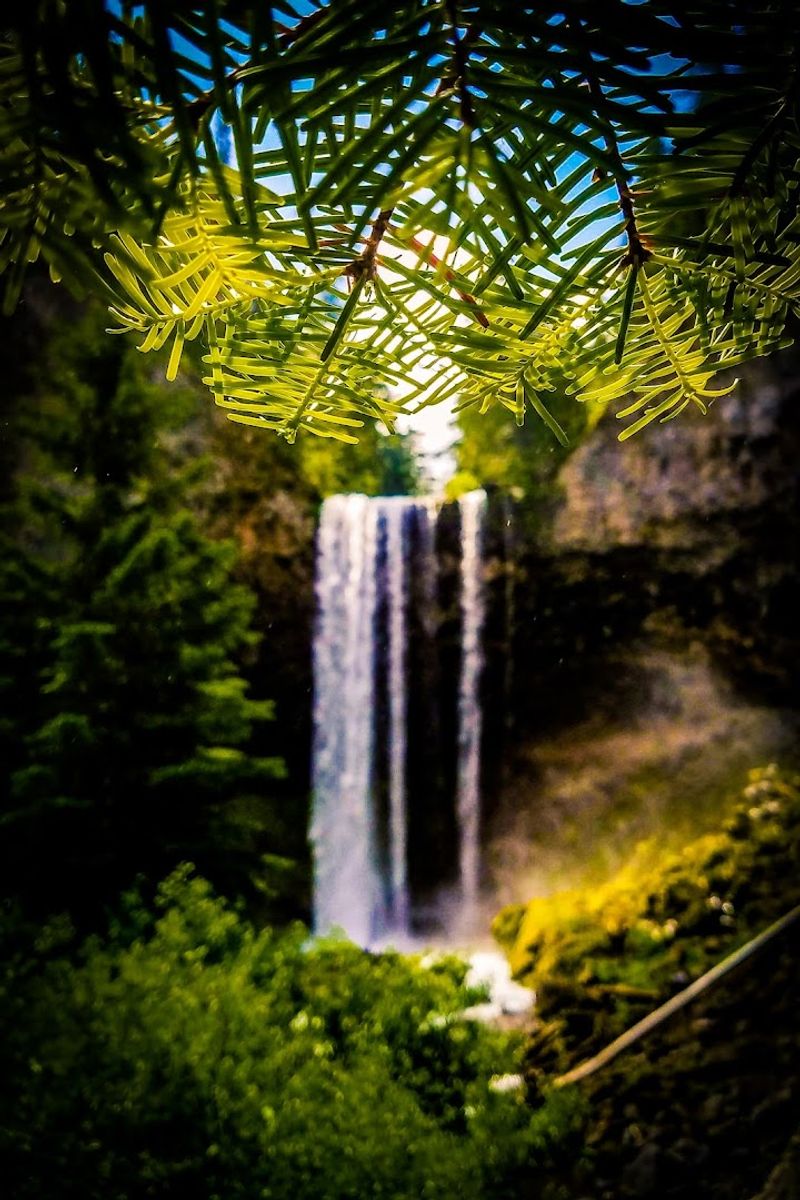
Photographing Tamanawas Falls is one of those experiences that teaches you patience fast. The mist from the falls constantly fogs up lenses.
A microfiber cloth in your pocket saves the shot more than once.
Early morning light is soft and diffused through the forest canopy. It flatters the trail and the creek beautifully.
Harsh midday sun creates deep shadows that can flatten the drama of the falls.
A wide-angle lens captures the full scale of the basalt cliff. Getting low and shooting up emphasizes how tall and powerful the falls actually are.
Including a person in the frame adds instant scale.
Overcast days are actually ideal for waterfall photography. Clouds act as a natural diffuser, eliminating harsh highlights.
The colors of the moss and ferns pop more vividly under soft gray skies.
Long exposures smooth the falling water into silky white ribbons. A small tripod or even a flat rock works as a stabilizer.
The falls reward photographers who take their time and experiment with angles.
Kid-Friendly Details: A Trail the Whole Family Enjoys
Kids take to this trail immediately. The creek keeps them entertained the whole way.
Skipping rocks, spotting frogs, and watching water swirl around boulders hold their attention naturally.
The trail length is just right for younger hikers. Around 3 miles round trip is manageable for most children over 5.
Older kids can handle it easily and still have energy left at the end.
The log bridge crossing is a highlight for little ones. It feels like an adventure moment.
Most kids want to stop there for a while and look down at the rushing water below.
Reaching the falls is a genuine wow moment for children. The sound and the spray and the sheer size of it make an impression that sticks.
Many families come back year after year for exactly that reason.
Strollers are not recommended on this trail. The rocky sections near the falls require sure footing.
Baby carriers work well and keep tiny hikers comfortable for the full distance.
The Feeling You Leave With: Why This Trail Stays With You
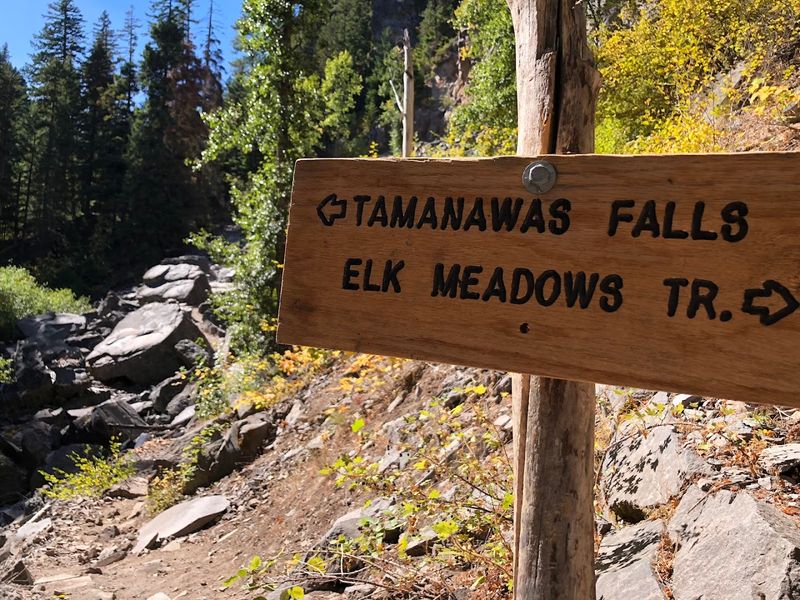
Leaving Tamanawas Falls always feels a little bittersweet. The walk back out through the forest is quieter somehow.
You notice things on the return trip that you missed on the way in.
There is something about this particular trail that lingers. It is not just the waterfall, though that is obviously spectacular.
It is the whole combination of forest, water, sound, and scale that works on you slowly.
People talk about hiking as exercise. But this trail is more like a reset.
An hour and a half in this forest rearranges your priorities in a subtle, welcome way.
First-time visitors often say they will come back in a different season. Most of them actually do.
The trail has that effect on people who slow down enough to really experience it.
Oregon has no shortage of beautiful places. But Tamanawas Falls earns its reputation honestly.
It is the kind of place you tell friends about and then offer to take them yourself.
