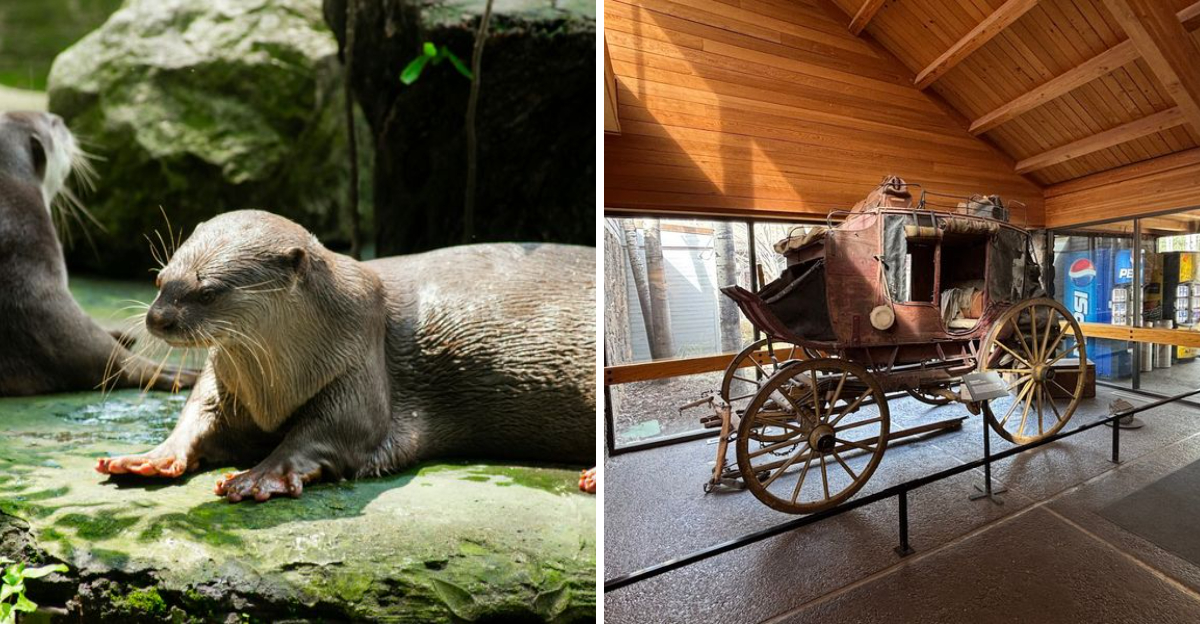
This Oregon stop doesn’t make you choose between nature and history – it throws both at you right away. I walk in and suddenly I’m face-to-face with river otters, completely unbothered and doing their own thing like I’m the guest in their world.
A few steps away, Old West history takes over the scene. Weathered details, frontier stories, and exhibits that hint at how rough and real life used to be here.
It doesn’t feel staged – it feels remembered.
Then the landscape shifts again into something more wild and open. Desert wildlife, wide skies, and quiet spaces that stretch farther than expected for such an easy stop.
Every part feels different, but somehow it all fits into one surprisingly simple visit.
River Otters Up Close
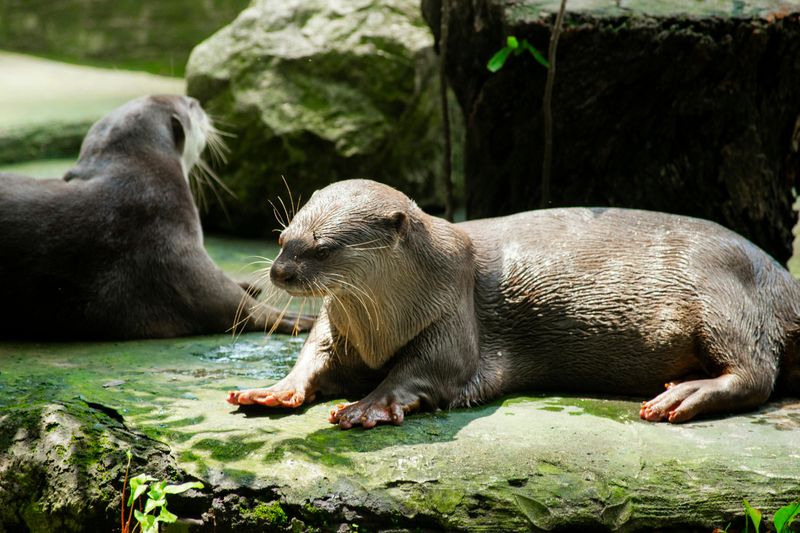
Watching the river otters here is the kind of moment that makes you forget you had anywhere else to be. They twist, roll, and chase each other through the water like they have absolutely no worries.
The viewing area puts you right at their level, close enough to see their whiskers.
River otters are naturally curious animals. They often swim directly toward the glass, peering back at visitors with wide, dark eyes.
It is genuinely hard not to laugh.
This exhibit has been a fan favorite for decades. Families with young kids tend to plant themselves here for a long time.
Even visitors without children find it hard to walk away quickly.
The habitat looks carefully designed to mimic a natural stream environment. Logs, rocks, and flowing water give the otters real enrichment.
You can feel the care that went into building this space just by standing in front of it for a few minutes.
Birds of Prey Raptor Experience
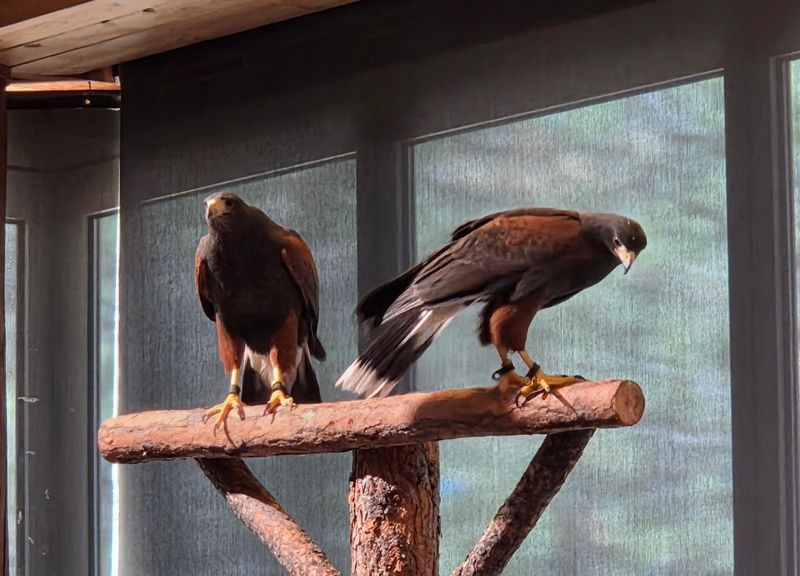
Standing just a few feet from a bald eagle changes something in you. The raptor experience at this museum is not a distant zoo-style viewing.
Naturalists bring the birds out and share each one’s personal story.
Each raptor living here arrived due to an injury that made release impossible. Bald eagles, golden eagles, red-tailed hawks, and several owl species all have their own histories.
The naturalists know those stories well and share them with genuine passion.
The presentations happen outdoors, surrounded by pines, which makes the whole thing feel wild and real. A great horned owl sitting on a gloved hand just a few feet away is not something you forget easily.
Wear comfortable shoes before heading to this part of the grounds. The raptor area involves some walking on uneven terrain.
Check show times at the front desk when you arrive, because these presentations fill up fast and are absolutely worth planning your visit around.
Spirit of the West Living History
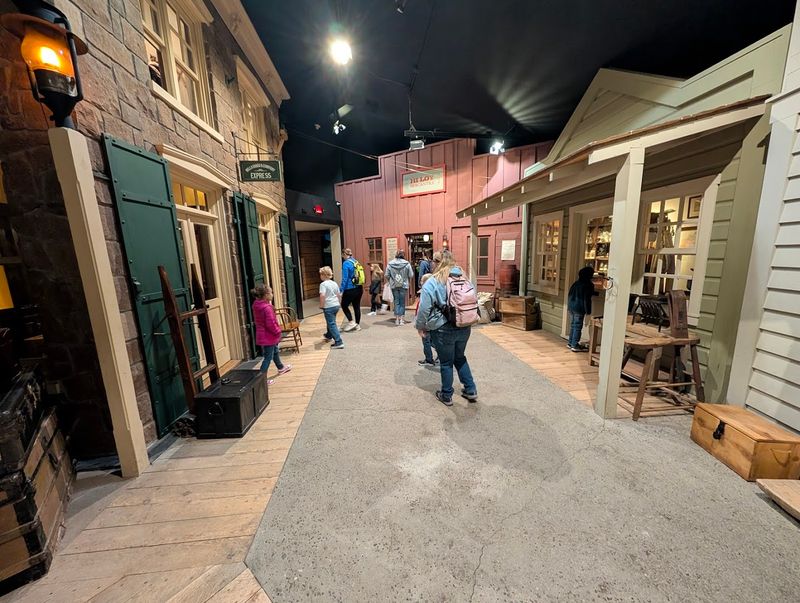
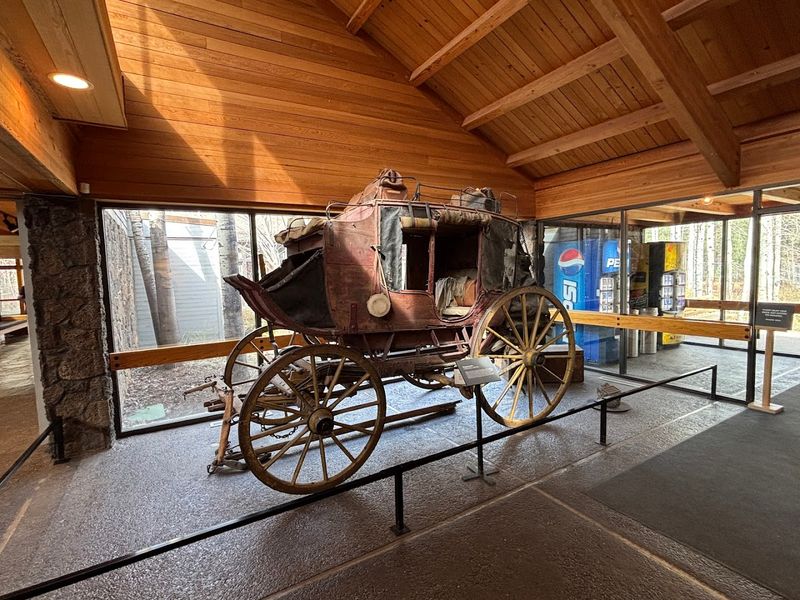
The Spirit of the West exhibit is the kind of place where history stops feeling like a school subject. You walk through a recreated frontier settlement, complete with weathered wooden buildings and authentic period details.
It genuinely feels like stepping backward in time.
A sawmill, a sheepherder’s camp, a mine shaft, and a settler’s cabin are all part of the walkthrough. Each space is packed with real objects and careful storytelling.
Nothing feels rushed or superficial.
Kids gravitate toward the old-fashioned hoops and simple toys scattered around the settlement area. Watching them play the same games children played over a century ago is quietly moving.
Adults tend to slow down and read every single interpretive sign.
The attention to detail throughout this exhibit is remarkable. Whoever designed these spaces clearly cared about accuracy and atmosphere equally.
It is one of those rare history exhibits that manages to feel alive rather than static, and it rewards slow, curious visitors the most.
Native Heritage and Oregon History Galleries
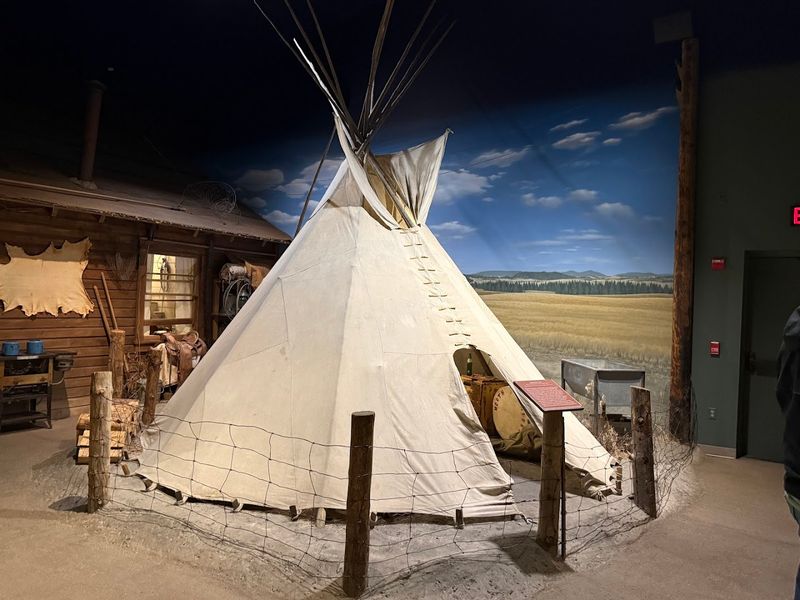
The Native heritage galleries here carry real weight. The exhibits explore the cultures, traditions, and histories of the Indigenous peoples of the Great Basin and Columbia Plateau with depth and respect.
These are not token displays tucked into a corner.
Artifacts, photographs, and thoughtfully written panels work together to tell layered stories. The curators clearly collaborated with Indigenous communities rather than simply presenting objects behind glass.
That difference is felt immediately when you walk through.
Oregon history is woven throughout these galleries as well. The story of how the high desert was settled, used, and sometimes misused comes through honestly.
There is no glossing over the complicated parts.
Spending time in these rooms slows your pace naturally. The material deserves that kind of attention.
Even visitors who came mainly for the animals often find themselves lingering here longer than expected, pulled in by stories they had never heard before and perspectives that genuinely shift how they see the landscape outside.
Bobcat and Porcupine Habitat
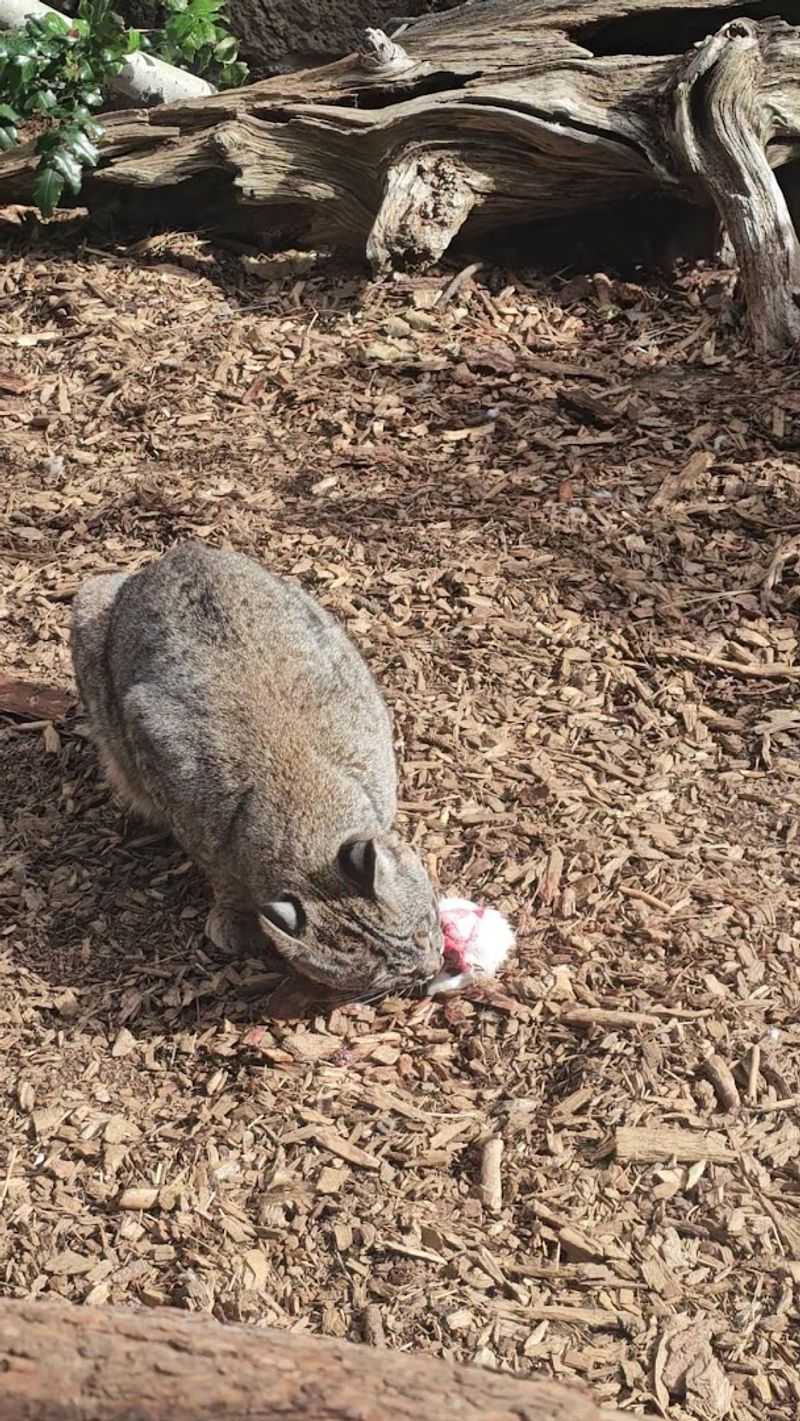
The bobcat at the museum has a talent for looking completely unbothered by human attention. Most visits catch this resident curled up in a sun-warmed spot, utterly relaxed.
It is a surprisingly calming thing to watch.
Nearby, the porcupine habitat draws its own crowd. Porcupines move slowly and deliberately, which makes them oddly satisfying to observe.
Their quills catch the light in a way that is genuinely beautiful up close.
Both animals are native to the high desert region, and the museum does a strong job of connecting each animal to its natural habitat. Short interpretive signs explain behavior, diet, and ecology without overwhelming visitors with dense text.
These exhibits sit along the outdoor walking path, which winds through a shaded forest setting. The path itself is lovely on a warm day.
Benches are placed thoughtfully throughout the grounds, so you can sit, breathe in the pine air, and just watch whatever animal happens to be active in front of you at that moment.
Hands-On Interactive Exhibits for Families
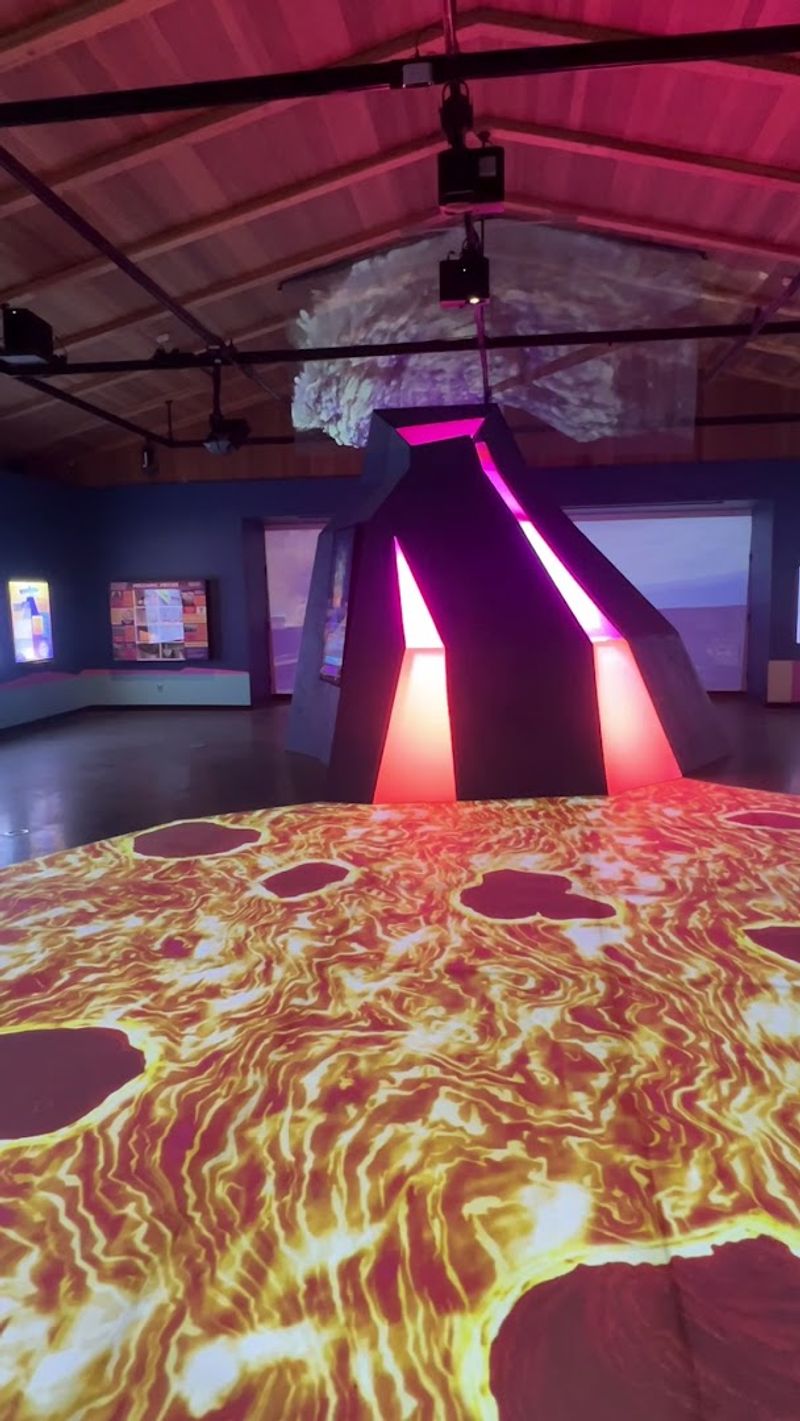
Few museums manage to make hands-on learning feel this natural. The interactive exhibits here are not afterthoughts bolted onto the edges of the galleries.
They are fully integrated into the experience, built for curious hands of every age.
A volcano exhibit lets visitors explore geological forces in a tactile way. Kids press, pull, and experiment while absorbing real science without realizing it.
Adults get pulled in just as easily.
The education stations are designed with enough variety to hold attention across a long visit. No single activity dominates the space.
The flow feels organic, guiding visitors from one discovery to the next without feeling scripted or forced.
Families with children of different ages tend to do especially well here. Younger kids find plenty to touch and explore.
Older kids and teens engage with the more complex content without feeling talked down to. That balance is genuinely hard to achieve in a museum setting, and this one pulls it off with impressive consistency throughout.
Rimrock Cafe and Outdoor Terrace
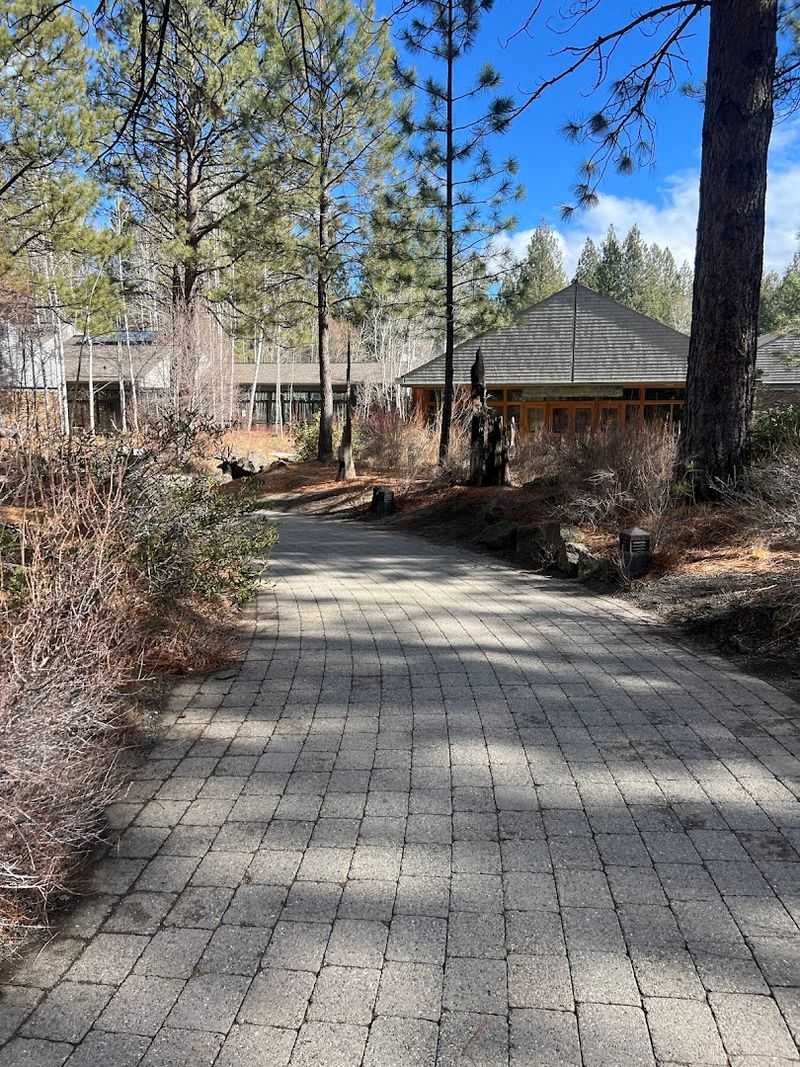
Lunch at the Rimrock Cafe turned out to be one of the quieter highlights of the visit. The outdoor terrace sits among the pines, and the ambient sounds of birds fill the air while you eat.
It is a genuinely restorative pause in the middle of a full day of exploring.
The menu offers fresh, approachable options that feel appropriate for the setting. Nothing overly complicated, just good food in a beautiful spot.
The coconut salad has earned particular praise from repeat visitors.
Families with young children appreciate having a real sit-down option inside the museum grounds. Bringing your own snacks is also welcome, which makes the visit more flexible for different budgets and preferences.
The cafe is well-positioned near the center of the property, making it easy to take a break without losing momentum. After lunch, the outdoor exhibits and walking trails are just steps away.
Sitting on that terrace with the trees overhead and birdsong around you feels like a small, perfect thing.
The Gift Shop and Local Art
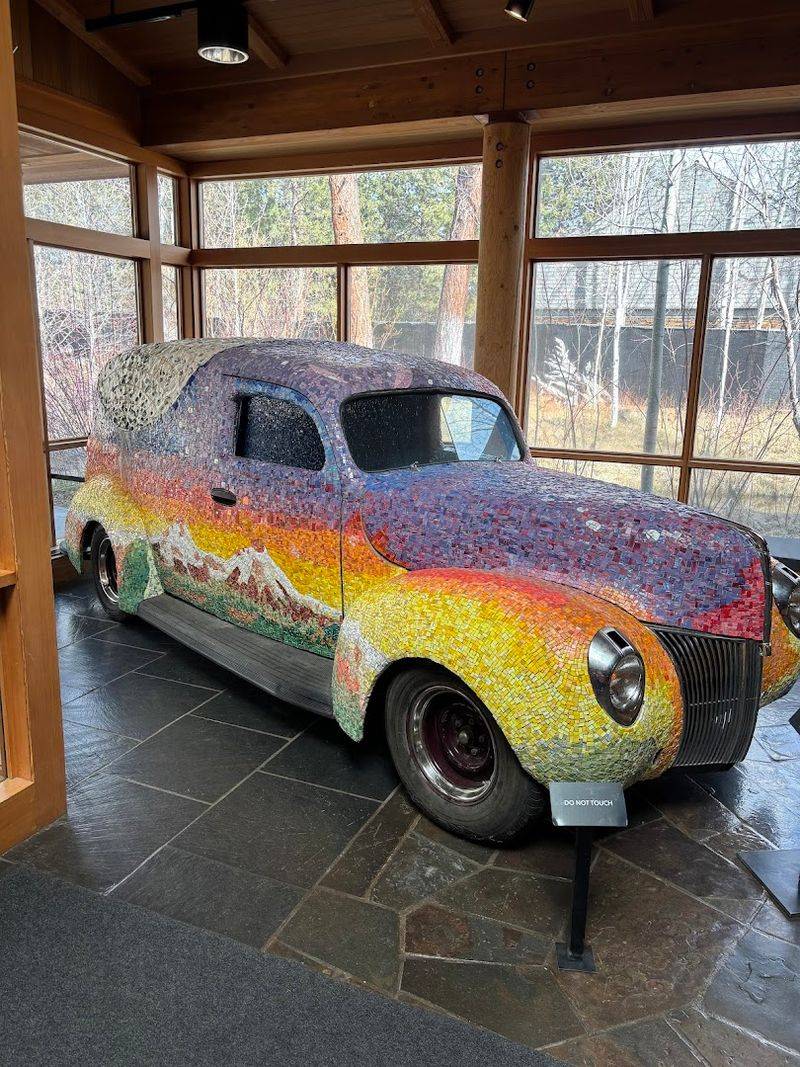
The gift shop here is not the kind you rush through on your way out. It is genuinely worth browsing slowly.
Local artists contribute a significant portion of the inventory, giving the shop a character that feels rooted in the region rather than generic.
Books on Oregon wildlife, Native heritage, and high desert ecology line one section of the store. They make thoughtful souvenirs for curious readers of any age.
The selection is curated rather than overwhelming.
Handmade jewelry, ceramics, and nature-themed gifts fill the rest of the space. Quality is noticeably high throughout.
Several items are made by artists whose work also appears in the museum’s gallery spaces, which creates a satisfying connection between the exhibits and the shop.
Children tend to gravitate toward the plush animals and science kits near the front. Parents tend to disappear into the art and book sections.
The shop manages to feel like an extension of the museum experience rather than a commercial interruption, which is a harder balance to strike than it sounds.
Outdoor Walking Trails Through Ponderosa Pines
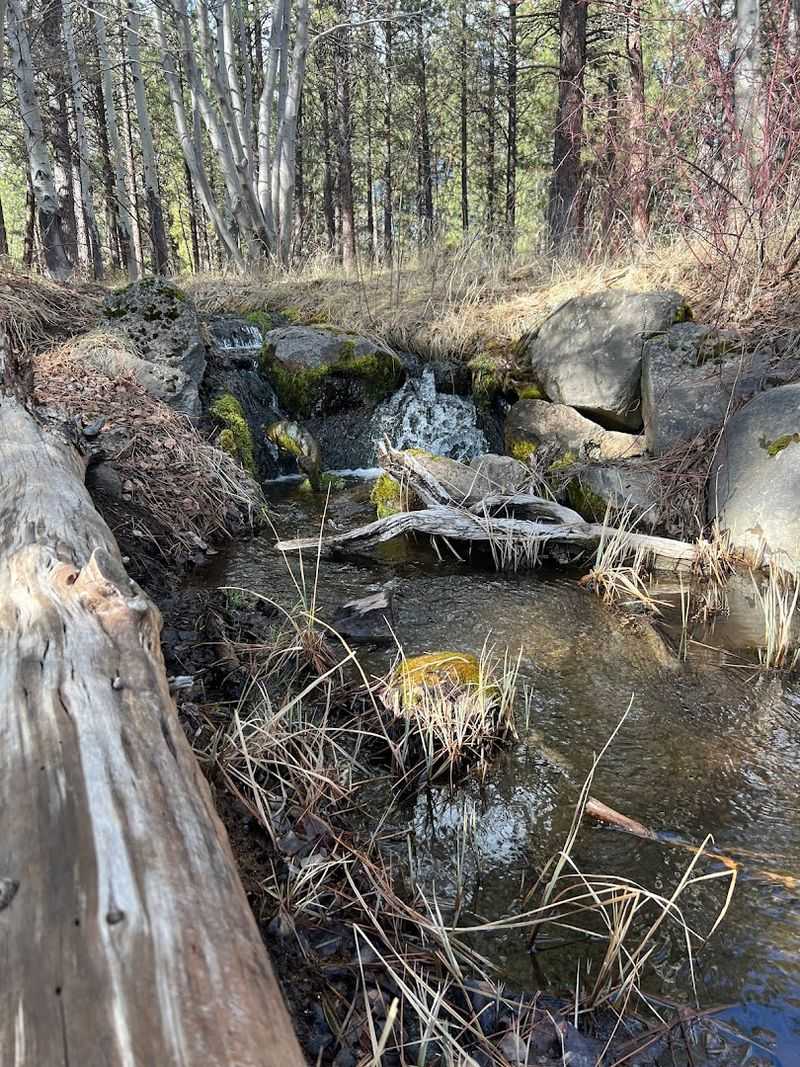
The outdoor trails at this museum are a genuine pleasure to walk. Ponderosa pines tower overhead, casting dappled shade across the paths.
The smell of warm pine resin on a sunny afternoon is the kind of sensory detail that sticks with you long after the visit ends.
The trail system connects all the outdoor exhibits in a natural, unhurried loop. You move from the otter pond to the raptor area to the living history settlement without ever feeling rushed or disoriented.
The layout is intuitive.
Benches appear regularly along the paths, which makes the walk comfortable for visitors of all mobility levels. Resting spots are positioned near exhibits, so you can sit and observe without missing anything.
That kind of thoughtful design makes a real difference over the course of a long visit.
Wear comfortable walking shoes. The terrain is mostly flat but includes some gentle slopes and natural surfaces.
Dogs are not permitted on the trails, but a free kennel near the entrance accommodates pets while their owners explore the grounds freely.
Planning Your Visit to High Desert Museum
Getting the most out of a visit here comes down to a few simple choices. Arriving when the museum opens at 9 AM gives you first access to the outdoor habitats before the animals settle into their midday routines.
The otters especially tend to be most active in the morning hours.
Ask about show times at the front desk right away. The raptor presentations and naturalist talks run on a schedule.
Building your day around those anchor points makes the visit feel cohesive rather than random.
Parking is free and plentiful, which is a genuine relief for families arriving with gear and strollers. The museum operates seven days a week.
A free kennel near the entrance accommodates dogs, so visitors with pets do not have to leave anyone behind.
Plan on spending at least three to four hours here. Most visitors find that is barely enough.
The combination of indoor galleries, live animals, and outdoor trails creates a layered experience that rewards a slow, unhurried pace.
Address: 59800 S Hwy 97, Bend, OR 97702
Dear Reader: This page may contain affiliate links which may earn a commission if you click through and make a purchase. Our independent journalism is not influenced by any advertiser or commercial initiative unless it is clearly marked as sponsored content. As travel products change, please be sure to reconfirm all details and stay up to date with current events to ensure a safe and successful trip.
