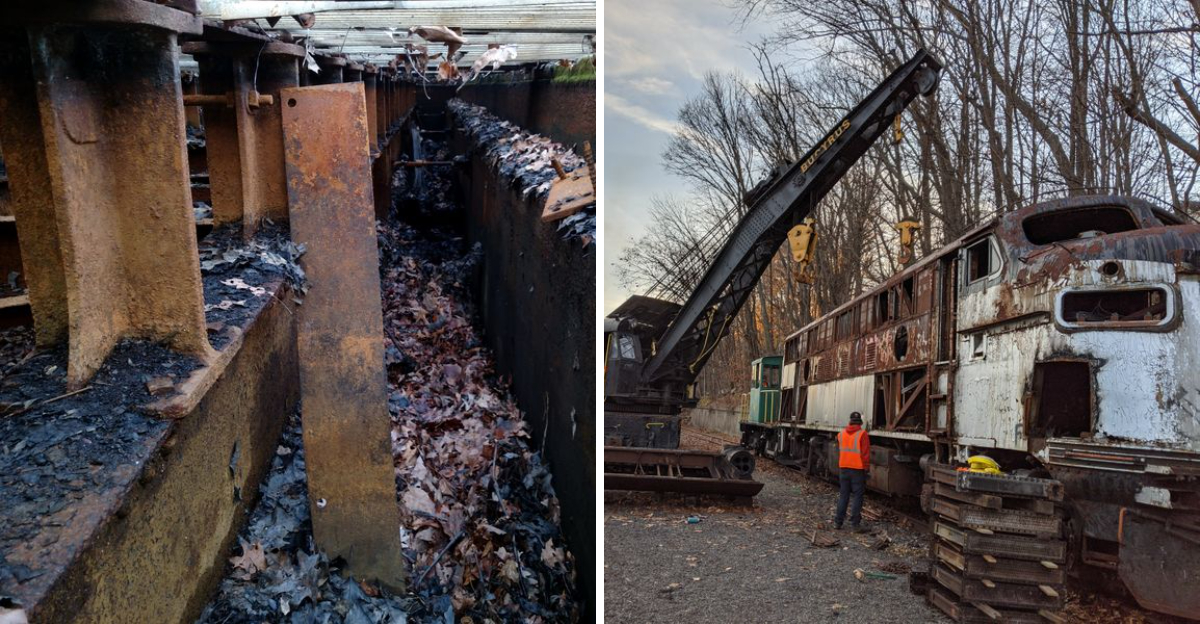
Hidden in Boonton, New Jersey, there’s a place where vintage locomotives and passenger cars sit frozen in time, waiting for their next chapter.
The United Railroad Historical Society Restoration Facility at 104 Morris Ave isn’t your typical museum because it’s a working rail yard filled with historic trains in various stages of restoration.
Walking through this atmospheric site feels like stepping onto a movie set, where rusted metal and peeling paint tell stories of a golden age of rail travel. Locals and visitors alike describe the experience as both fascinating and slightly eerie, especially when shadows fall between the silent cars.
But don’t let the “graveyard” nickname fool you – this is a place buzzing with passion and purpose. Dedicated volunteers work tirelessly to bring these magnificent machines back to life, preserving a vital piece of New Jersey’s transportation heritage.
The facility opens to the public just once a year during Boonton Day in late September, making it an exclusive peek behind the curtain.
Ready to explore what makes this train yard so hauntingly captivating? You might just find yourself wandering among sleeping giants that once thundered across the American landscape.
Who knew that getting up close with vintage rail cars could feel like a time-travel adventure? Pack your curiosity and prepare for a journey that’s equal parts history lesson and spine-tingling exploration!
A Hidden Rail Yard Frozen in Time
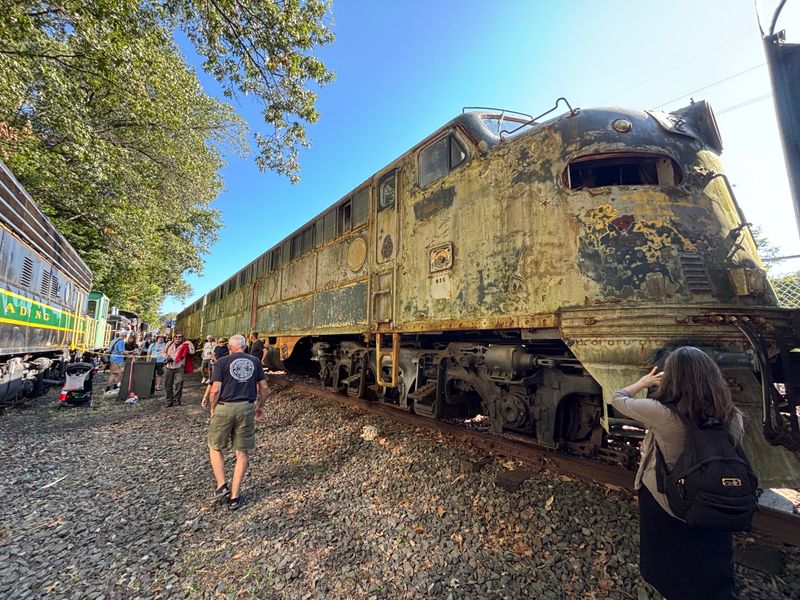
Nestled behind Morris Avenue in Boonton sits a rail yard that most people drive past without a second glance. The United Railroad Historical Society Restoration Facility occupies this historic space, where tracks that once hummed with activity now cradle silent locomotives and passenger cars.
Maps from 1868 show this yard already existed, making it one of the oldest rail facilities in northern New Jersey. Walking through the gates feels like crossing a threshold into another era, where the ghosts of steam engines and diesel giants linger in the air.
The facility operates 24 hours during weekdays but remains closed on weekends, creating an odd rhythm that adds to its mysterious atmosphere. Most of the restoration work happens out of public view, with volunteers arriving at all hours to tinker with mechanical systems and preserve historical details.
The yard’s location at 104 Morris Ave, Boonton, NJ 07005 places it right in the heart of town, yet it feels worlds away from modern life.
Aerial photographs reveal how the landscape has transformed over decades. Where turntables once rotated locomotives and trestle bridges connected to the Boonton Iron Works, now stand rows of vintage cars awaiting their turn for restoration.
The mainline running north came into service by 1887, and portions of the original tunnel system remained operational until the 1960s.
This isn’t just a collection of old trains gathering dust. Every car and locomotive represents a chapter in American transportation history, from the sleek streamliners of the 1940s to workhorse freight engines.
The society moved here between 2007 and 2008, transforming what could have been a forgotten industrial site into a living classroom for railroad enthusiasts and curious visitors alike.
Open to the Public Just One Day Per Year
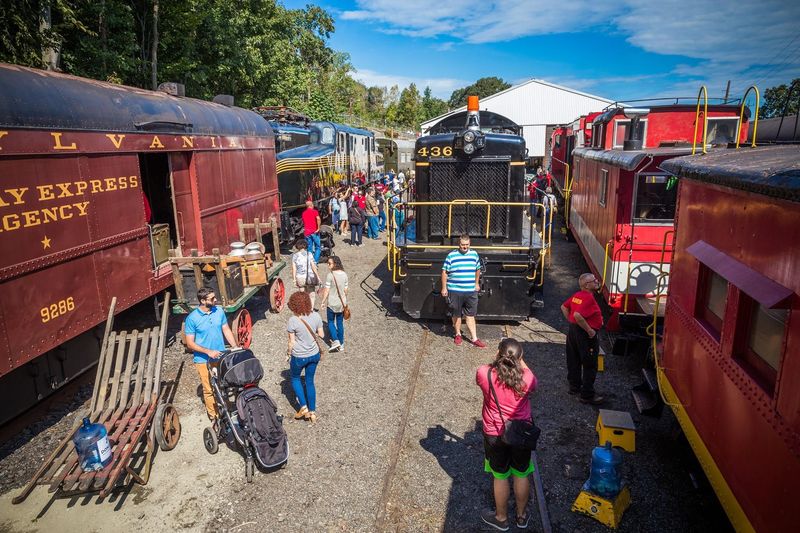
Mark your calendars for late September because that’s your only chance to explore this fascinating facility.
During Boonton Day, the United Railroad Historical Society throws open its gates for what volunteers affectionately call “Railroad Museum for a Day.” This exclusive annual event draws hundreds of visitors who line up to wander among the vintage rolling stock and peek inside beautifully restored passenger cars.
The limited access actually enhances the experience, making it feel like a special privilege rather than just another tourist attraction.
The nominal admission fee helps fund ongoing restoration projects throughout the year. Once inside, you’re free to explore at your own pace, climbing aboard select cars and examining the intricate details that volunteers work year-round to preserve.
Knowledgeable society members station themselves throughout the yard, ready to answer questions and share stories about each locomotive’s history.
Bathrooms and snack vendors set up on-site make the visit comfortable even if you spend hours exploring. Free street parking south of the yard means you can walk right up to the entrance without worrying about parking fees or shuttle buses.
Weather rarely dampens the event – rain or shine, enthusiasts show up to marvel at these mechanical marvels.
Volunteers recommend arriving early to beat the crowds and have more one-on-one time with the experts. Bring your camera because photo opportunities abound, from close-ups of ornate brass fixtures to wide shots of locomotives lined up like sleeping dragons.
The single-day format creates urgency and excitement that year-round museums sometimes lack, turning a simple visit into an annual pilgrimage for many New Jersey families.
Volunteers Who Know Every Rivet and Rail
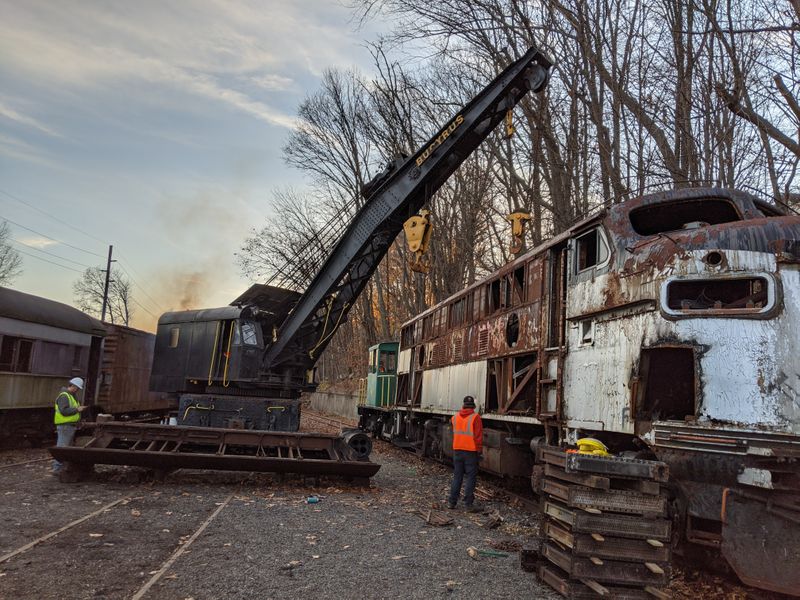
Step onto the property and you’ll quickly realize this isn’t staffed by casual hobbyists. The men and women who dedicate their time to the United Railroad Historical Society possess encyclopedic knowledge about railroad history, mechanical engineering, and the specific stories of each car in their collection.
They can tell you which locomotive hauled freight through the Alleghenies in 1952 or which passenger car once carried dignitaries along the Hudson River line. Their passion transforms a simple tour into an immersive history lesson.
Customer reviews consistently praise the volunteers’ warmth and expertise. One visitor noted how society members “know their stuff and are happy to chat all things railroad,” while another described them as “very nice and helpful” with plenty of historical information to share.
These aren’t scripted tour guides reading from cards – they’re genuine enthusiasts sharing their life’s passion with anyone curious enough to ask questions.
Many volunteers have backgrounds in engineering, mechanics, or railroad operations. They spend countless hours fabricating parts, researching authentic paint schemes, and hunting down period-correct fixtures to ensure restorations meet exacting historical standards.
Some have been with the society for decades, while others are newer members bringing fresh energy and modern restoration techniques.
Don’t hesitate to engage them in conversation during your visit. Ask about the tunnel that once led to the Boonton Iron Works – few visitors know it exists, but volunteers love showing people this hidden piece of infrastructure.
They’ll explain how turntables worked, demonstrate coupling mechanisms, and share anecdotes about the golden age of rail travel that bring these static machines roaring back to life in your imagination.
The Legendary Hickory Creek Pullman Car
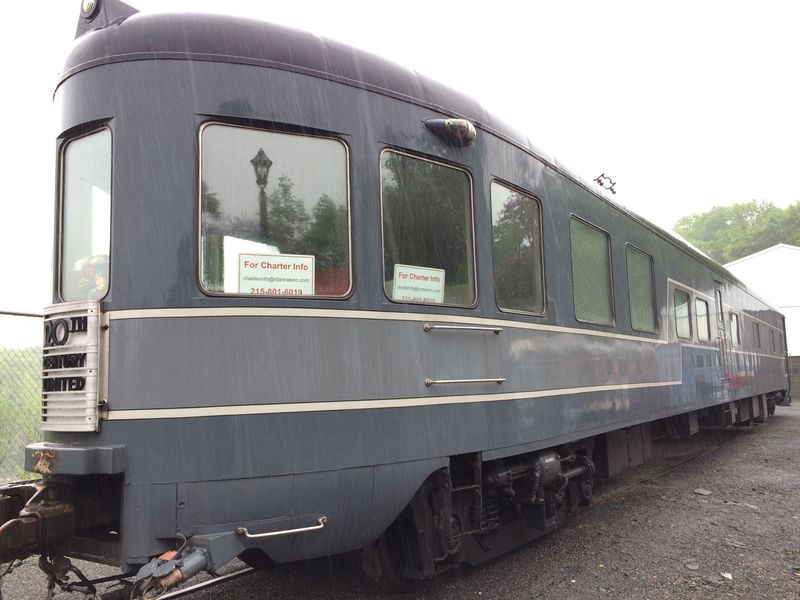
Among all the rolling stock at the facility, one car stands out as the crown jewel: the Hickory Creek observation car from the 20th Century Limited. This sleek, beautifully crafted Pullman represents the absolute pinnacle of mid-century luxury rail travel.
Built in 1948, it features the original amenities, comfortable interiors, and that distinctive rounded observation end that allowed passengers to watch the tracks disappear behind them while sipping cocktails.
Riding in this car, as several reviewers noted, feels “like riding in a DeLorean going back in time.”
The society doesn’t just preserve Hickory Creek as a static display. They operate special excursions on Amtrak’s Empire Corridor, running trips from New York Penn Station to Albany with the vintage car attached to modern trains.
Passengers enjoy white linen tablecloth service, fresh flowers in the windows, and gourmet meals prepared onboard. The attention to detail extends to every brass fixture and upholstered seat, creating an authentic 1940s travel experience at 79 miles per hour.
Staff members Lou Capwell and his team receive glowing praise for their service aboard Hickory Creek. They serve wine, provide historical commentary about landmarks along the Hudson River, and even help passengers celebrate special occasions with birthday cakes and anniversary toasts.
One couple dressed in vintage 1940s clothing and walked a red carpet to board, fully embracing the time-travel atmosphere.
The car’s restoration required thousands of volunteer hours and meticulous research to ensure historical accuracy. Every detail matters, from the correct shade of paint to period-appropriate table settings.
When you see Hickory Creek at the Boonton facility during the annual open house, you’re witnessing a masterpiece of preservation that continues to create magical experiences for modern travelers seeking a taste of bygone elegance.
Locomotives in Various States of Resurrection
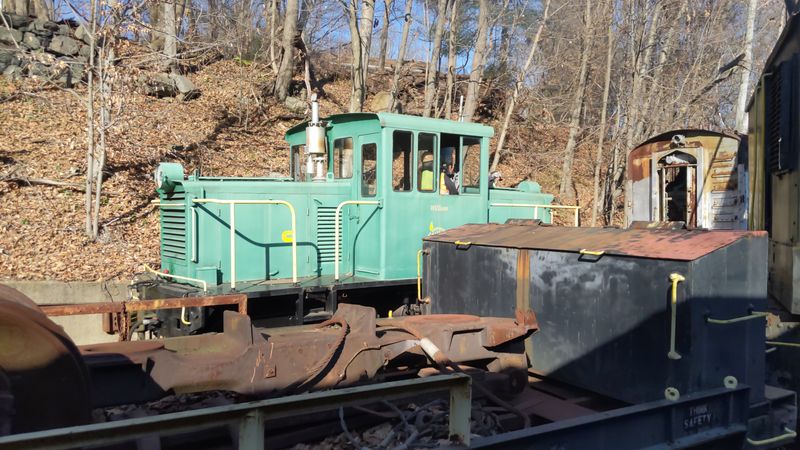
Walking through the yard reveals trains at every stage of the restoration journey. Some locomotives gleam with fresh paint and polished brass, ready for their next excursion or display.
Others sit stripped down to bare metal, their mechanical guts exposed as volunteers rebuild engines and replace worn components. Still others wait patiently in line, their turn for attention still years away.
This variety creates a fascinating timeline of preservation work that shows visitors exactly what goes into saving these mechanical giants from the scrapyard.
Each locomotive tells a different story. Diesel engines that once pulled freight across mountain passes stand alongside electric locomotives that drew power from overhead wires.
Steam engines, though rare and requiring specialized restoration skills, occasionally appear in the collection. The diversity reflects New Jersey’s rich railroad heritage, when multiple companies operated competing lines through the state.
Volunteers prioritize projects based on historical significance, mechanical condition, and available resources. A locomotive might spend years waiting for a specific part to be fabricated or for funding to materialize before work begins.
Once a project starts, it can take hundreds or thousands of hours to complete, depending on the extent of deterioration and the desired level of restoration.
Visitors during the annual open house can peek inside cab windows to see control panels, throttles, and gauges frozen in time. Some locomotives allow climbing aboard, where you can stand where engineers once commanded these powerful machines.
The mix of pristine and work-in-progress equipment provides unique educational value – you see not just finished products but the incredible effort required to preserve railroad history for future generations to appreciate and study.
The Forgotten Tunnel to Boonton Iron Works
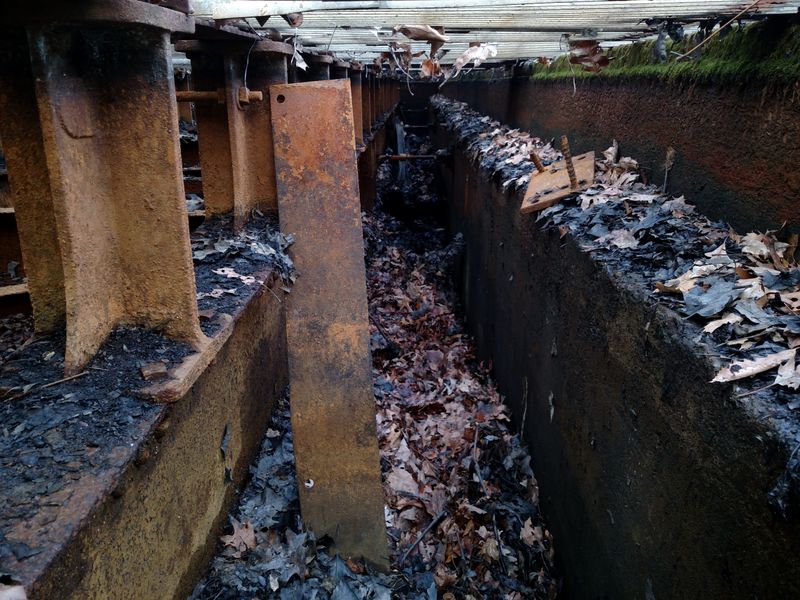
Beneath Morris Avenue lies a piece of infrastructure that most Boonton residents don’t know exists. An 1868 map reveals that the Boonton Branch originally ran through a tunnel under the street, connecting to a turntable and trestle bridge that served the Boonton Iron Works.
This tunnel remained operational until the 1960s, and aerial photographs suggest portions of the line might have existed as late as 1979. Today it’s filled in, invisible to passersby, but volunteers at the historical society know exactly where it lies and love sharing this hidden piece of local history.
The tunnel represents an era when railroads and industry intertwined completely. Iron works needed constant deliveries of raw materials and regular shipments of finished products, making direct rail access essential for competitiveness.
The trestle bridge allowed trains to cross terrain that would have been impossible to navigate otherwise, connecting the main yard to factory sidings.
Ask society members to show you where the tunnel entrance once stood, and they’ll point out subtle clues in the landscape. Foundation remnants, slight depressions in the ground, and old photographs help piece together how trains once moved through this now-quiet area.
It’s like uncovering an archaeological site, except the artifacts are made of steel and the history is barely a century old.
This hidden infrastructure adds another layer to the yard’s eerie atmosphere. Knowing that trains once rumbled beneath your feet through passages now sealed and forgotten creates a sense of lost worlds and vanished industries.
The tunnel symbolizes how quickly industrial landscapes can change and why preservation efforts matter. Without the historical society’s documentation and volunteers’ knowledge, details like this tunnel would fade completely from community memory within another generation or two.
Hudson River Rail Excursions That Turn Back Time
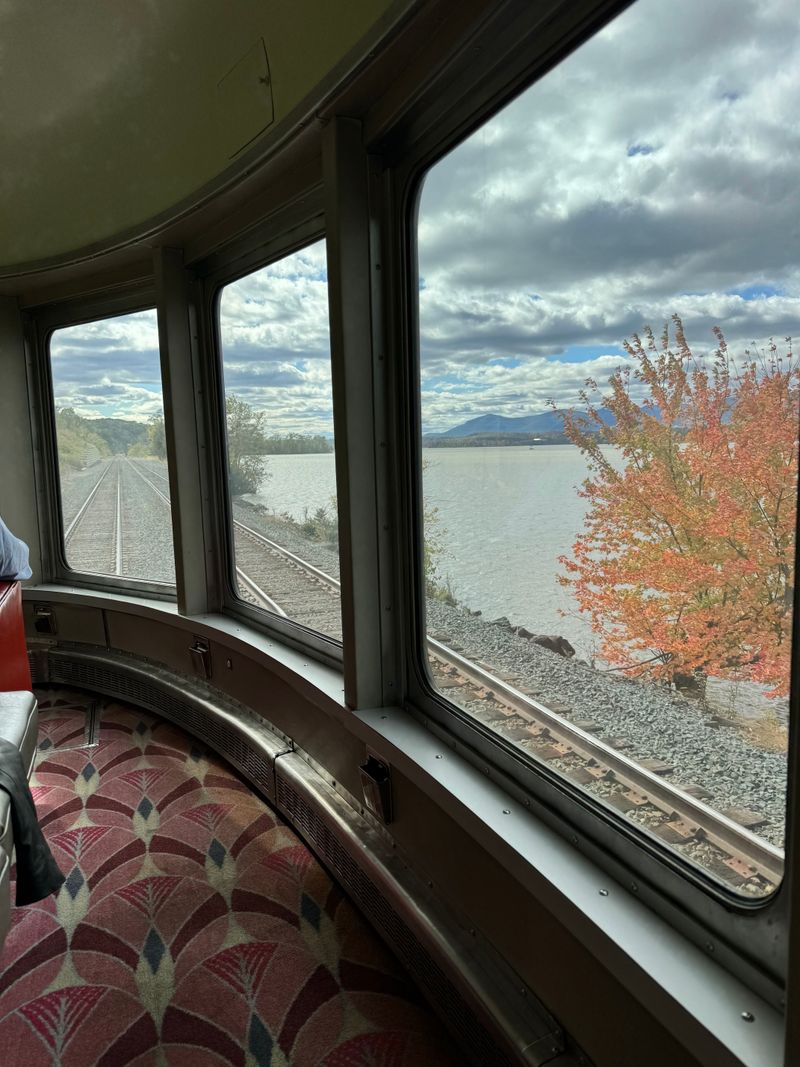
The society doesn’t just preserve trains – they operate them. Hudson River Rail Excursions offer day trips from New York Penn Station to Albany aboard vintage passenger cars attached to Amtrak trains.
Passengers check in at the Metropolitan Lounge at Moynihan Train Hall, where complimentary breakfast treats set the tone for an upscale experience. Then they board beautifully restored 1940s cars like Hickory Creek or the Tavern Lounge car for a journey that combines stunning Hudson River scenery with authentic period ambiance.
The route follows the same path that luxury trains traveled during rail’s golden age. Windows frame views of the Palisades, riverside mansions, and historic landmarks as the train glides north at modern speeds.
Onboard attendants serve sandwiches, desserts, and beverages while sharing historical commentary about the areas passing by. The seats face each other in many cars, encouraging conversation and new friendships among passengers who share an appreciation for vintage travel.
During the approximately two-hour layover in Albany, passengers can explore the New York State Capitol building, walk across the Dunn Memorial Bridge, or visit local museums. Some take Uber rides to nearby attractions, while others simply enjoy strolling through downtown Albany.
The return trip features different menu items and opportunities to tour cars you didn’t explore on the northbound journey.
Reviews consistently highlight how these excursions exceed expectations. Even passengers who choose lower-priced ticket options report feeling pampered by the service and atmosphere.
The combination of vintage ambiance, scenic beauty, quality food, and knowledgeable staff creates experiences that convert casual travelers into railroad enthusiasts. These aren’t just train rides – they’re time machines that demonstrate why rail travel once represented the height of American sophistication and adventure.
An Atmosphere That Feels Like a Movie Set
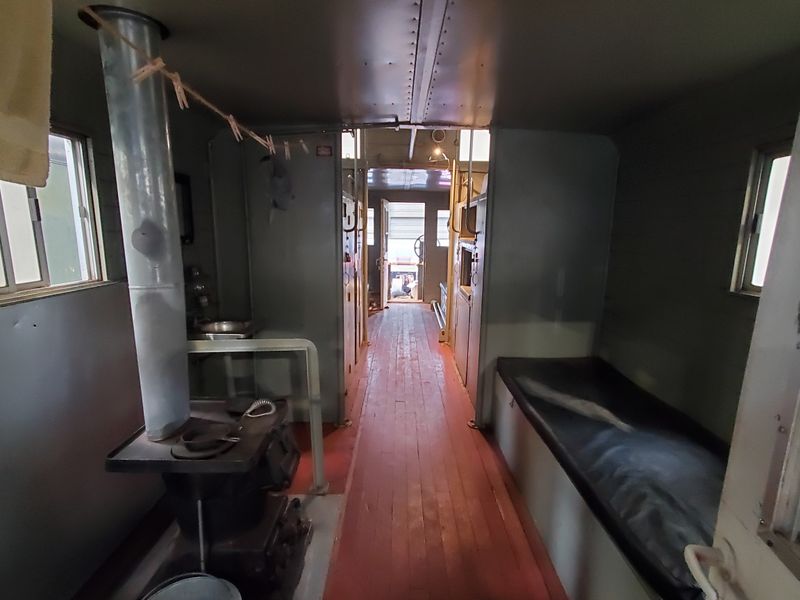
Something about the Boonton rail yard triggers a visceral response in visitors. The combination of massive machines sitting motionless, peeling paint revealing layers of different color schemes, and the sheer scale of locomotives creates an atmosphere that’s simultaneously fascinating and slightly unsettling.
Shadows fall between the cars in dramatic patterns, and on overcast days, the whole facility takes on a cinematic quality that wouldn’t look out of place in a period drama or thriller.
The “graveyard” nickname isn’t entirely unfair, though it misses the essential truth that this is a place of resurrection rather than final rest. These trains aren’t abandoned – they’re sleeping, waiting for skilled hands to wake them up.
Still, there’s something haunting about standing next to a locomotive that once pulled passenger trains at high speeds but now sits silent, its driving wheels locked in place and its whistle forever quiet unless volunteers bring it back to life.
Photographers love the facility for exactly this atmospheric quality. Rust patterns create abstract art on metal surfaces, while polished brass fixtures catch light in beautiful ways.
The juxtaposition of decay and restoration, abandonment and care, creates visual interest that goes far beyond simple documentation. Every angle offers a new composition, every car a different mood.
Local residents who’ve grown up seeing the yard from the street often express surprise when they finally visit during the open house. What looked mysterious or even forbidding from outside reveals itself as a passionate preservation effort once you step inside and talk with volunteers.
The eerie atmosphere transforms into excitement when you understand the stories behind each locomotive and the dedication required to save them from actual graveyards where less fortunate trains end their days as scrap metal.
A Collection Rescued from Oblivion
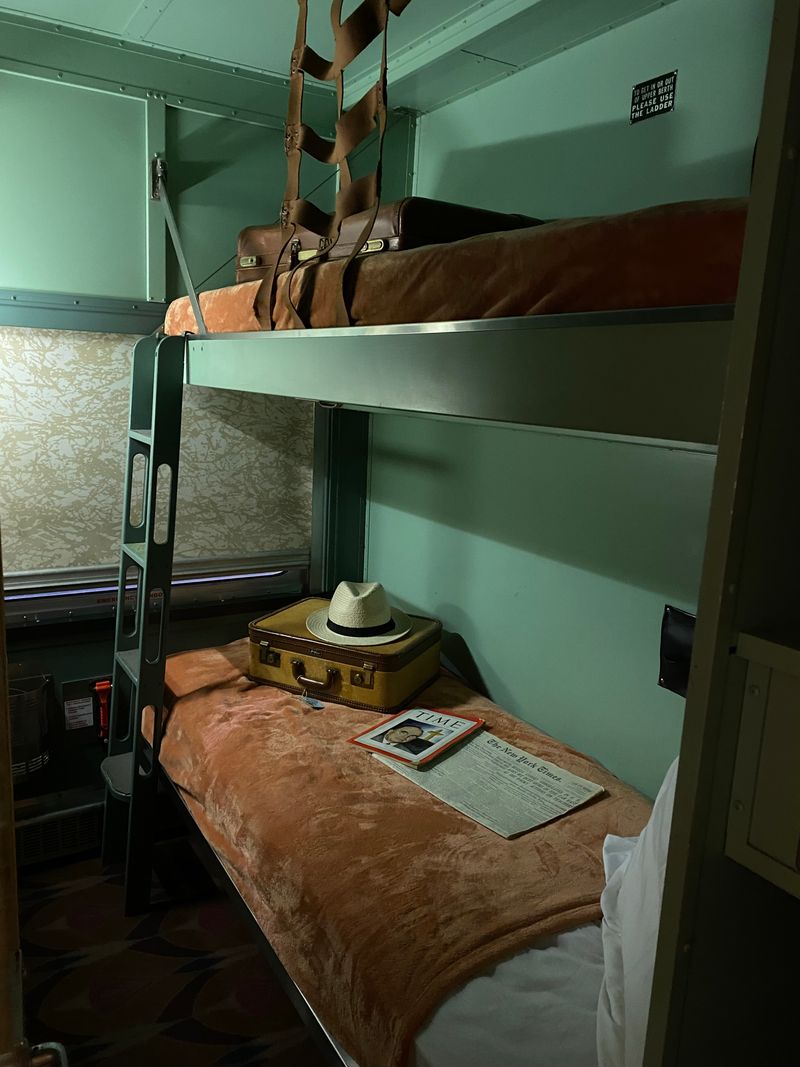
Every locomotive and passenger car at the facility exists because someone refused to let it die. These aren’t trains that retired gracefully to museums – they’re survivors rescued from scrapyards, abandoned sidings, and demolition sales.
Volunteers tracked them down across the country, negotiated purchases, arranged transportation, and brought them to Boonton for preservation. Each acquisition represents detective work, fundraising efforts, and often dramatic last-minute saves before cutting torches could reduce historically significant equipment to recycled metal.
The collection spans decades of American railroading, from early 20th-century designs through the streamlined era of the 1940s and 50s. Some pieces have direct connections to New Jersey railroad history, while others represent significant technological developments or design achievements worth preserving regardless of their original operating territory.
Together they form a comprehensive educational resource that tells the story of how railroads shaped American commerce, culture, and landscape.
Restoration priorities consider both historical significance and physical condition. A rare prototype might take precedence over a more common model, even if the common model is in better shape.
Conversely, a car that’s nearly complete might get attention before a more significant but heavily deteriorated piece. Funding availability also influences the schedule, with some projects waiting years for grants or donor support.
Visitors often express amazement at the sheer number of cars and locomotives the society has saved. One reviewer noted they “just can’t believe all of the locomotives they have rescued and are restoring.” This collection represents thousands of tons of steel, brass, and wood that would otherwise have vanished forever.
The society’s work ensures that future generations can see, touch, and ride aboard equipment that defined an era of American transportation history.
Where History Comes Alive Through Dedicated Hands
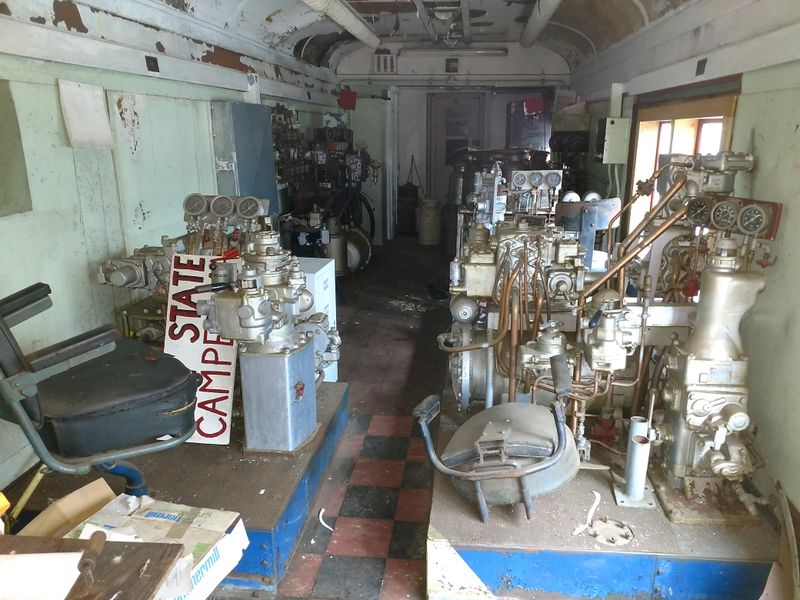
What transforms the United Railroad Historical Society facility from a simple storage yard into something magical is the human element. Volunteers don’t just preserve trains – they research authentic color schemes, hunt down period-correct fixtures, and master obscure mechanical skills needed to rebuild systems that haven’t been manufactured in decades.
They pour love into every project, treating each locomotive and car as a precious artifact deserving meticulous care and respect.
The educational mission drives everything the society does. They want people to understand not just that trains are old and interesting, but how they worked, why they mattered, and what daily life was like for the engineers, conductors, and passengers who depended on them.
During the annual open house, volunteers station themselves throughout the yard specifically to engage visitors in conversations that bring history alive. They demonstrate mechanisms, explain technical details, and share anecdotes that make abstract history feel immediate and real.
Special events like the Hudson River excursions extend this educational mission beyond the Boonton facility. Passengers experience firsthand what luxury rail travel felt like, from the comfortable seating to the white-tablecloth dining service.
Staff members weave historical context into the journey, pointing out landmarks and explaining how the railroad industry shaped communities along the route.
One reviewer perfectly captured this when noting “the history came alive with this trip.”
The facility at 104 Morris Ave, Boonton, NJ 07005 represents more than metal and mechanics – it’s a living classroom where volunteers share their passion with anyone curious enough to visit. Their dedication ensures that railroad history remains accessible and engaging rather than fading into dusty textbooks.
Whether you’re a serious rail enthusiast or just someone looking for an unusual day trip in New Jersey, you’ll leave with newfound appreciation for the iron horses that once ruled American transportation.
Dear Reader: This page may contain affiliate links which may earn a commission if you click through and make a purchase. Our independent journalism is not influenced by any advertiser or commercial initiative unless it is clearly marked as sponsored content. As travel products change, please be sure to reconfirm all details and stay up to date with current events to ensure a safe and successful trip.
