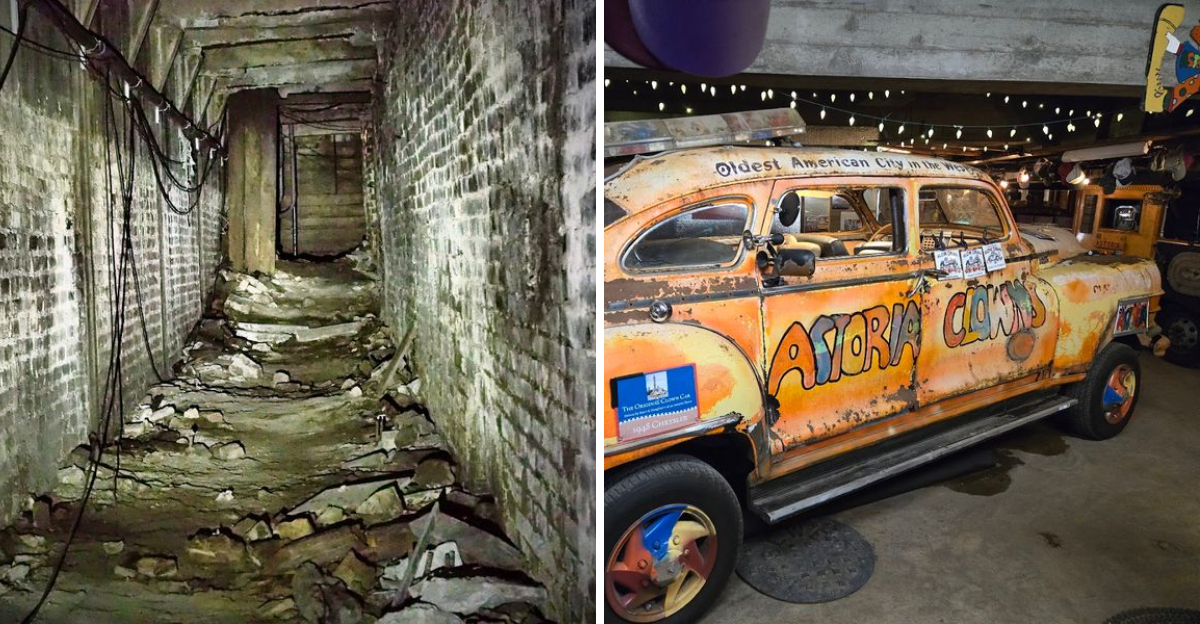
Beneath Oregon’s oldest city, things get a little eerie in the best possible way. I step underground and suddenly the world above feels like a distant memory.
Dim passageways, old stone, and stories carved into the walls set the tone fast. Every turn feels like it might reveal something forgotten or slightly spooky.
The guide drops history like plot twists, and I’m hooked way more than I expected. Locals seem totally at ease down here, while I’m half fascinated and half checking over my shoulder.
I come back up to daylight with that “did that really happen?” feeling still buzzing in my head. Even the silence down there feels heavy, like it’s holding onto centuries of stories.
And somehow, that mix of history and mystery makes the whole experience stick with you long after you leave.
The City Beneath the City: What Exactly Is the Astoria Underground?
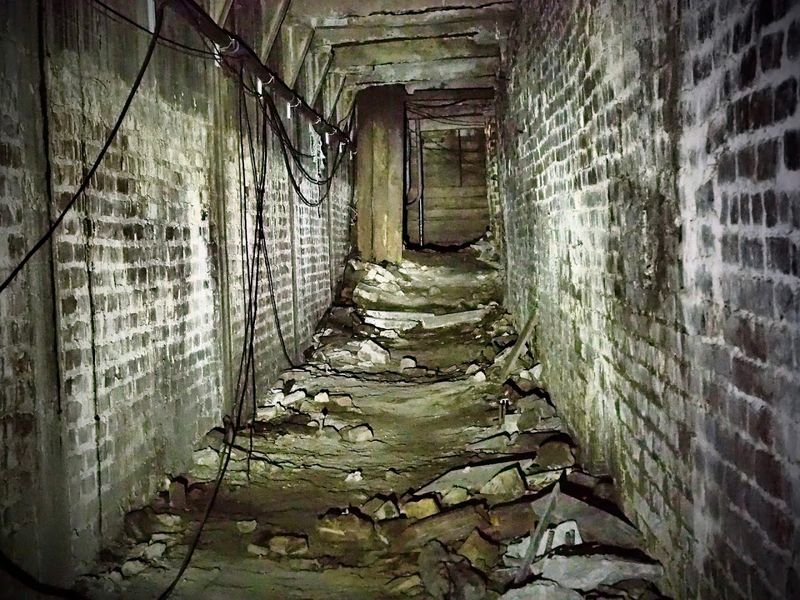
Most people walk through Astoria without ever suspecting there is an entire hidden world below the sidewalk. The underground is a network of tunnels, voids, and spaces that developed over generations of building and rebuilding on top of older structures.
Astoria was founded in 1811, making it the first permanent American settlement west of the Rocky Mountains. Over time, the city literally grew on top of itself.
Layers of history stacked up, and the spaces left behind became the underground.
The tour takes visitors through these subterranean passages, using flashlights to navigate the darkness. Guides bring the tunnels to life with stories about the people, events, and quirks that shaped this city.
It is not just a walk underground. It is a full sensory experience, complete with old relics, strange architecture, and the unmistakable feeling that you are somewhere most people never get to see.
Oregon’s Oldest City Has Layers Nobody Talks About
Astoria sits right where the Columbia River meets the Pacific Ocean. It has always been a place of movement, commerce, and survival.
The city grew fast, and it burned down more than once.
After devastating fires, residents rebuilt quickly, often right on top of the old foundations. That pattern created underground spaces that nobody fully documented at the time.
Some were used for storage. Others became part of the city’s working infrastructure.
Walking through Astoria today, you see Victorian buildings, colorful storefronts, and steep hillside streets. But the real texture of the city lives below.
Generations of workers, merchants, and residents left behind traces in those underground spaces. The tour guides know these layers well.
They share details that even longtime Astoria residents say they never knew. One tour guest mentioned living in the area for twenty years and still learning something completely new during the tour.
That kind of revelation is exactly what makes this experience so memorable.
Tour Guides Who Actually Know Their Stuff
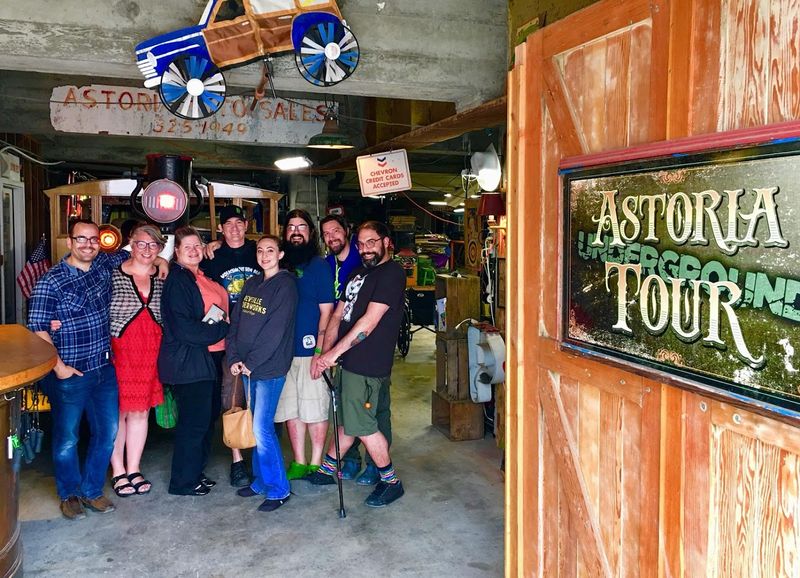
The guides here are not reading from a script. Chad, Jeff, and their fellow hosts bring genuine passion to every tour.
Their personal connections to Astoria history come through in every story they tell.
They are funny. Not in a forced, trying-too-hard way, but in the natural way of people who genuinely love what they do.
Jokes land easily. The group laughs often.
Nobody checks their phone.
What really stands out is how they read the room. Families with kids, solo travelers, history buffs, and curious day-trippers all get the same energy and attention.
Guides interact with everyone in the group, ask questions, and keep things moving at a pace that feels comfortable. Several people mentioned going back for a second or third tour, which says everything.
When the people running the experience are that good, the underground almost becomes secondary. Almost.
The history itself is fascinating enough to carry the whole thing, and the guides just make it even better.
Flashlights, Darkness, and the Real Atmosphere Underground
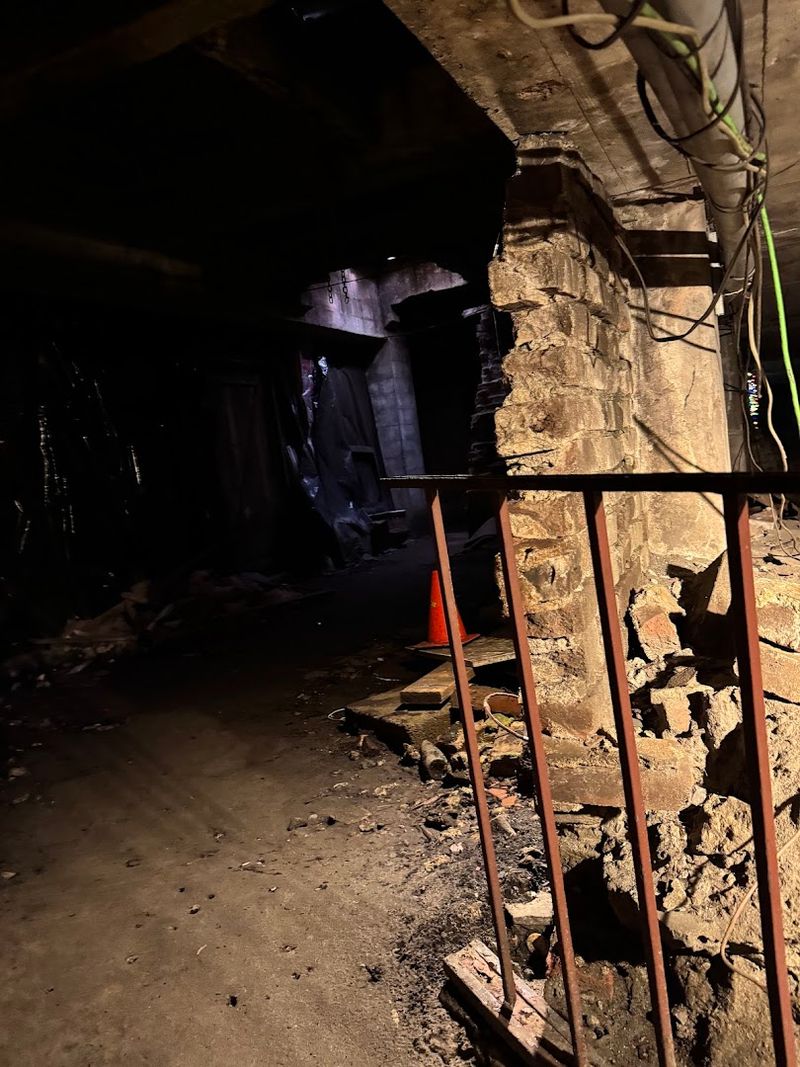
There is a moment when the lights above fade and you are truly underground. The air feels different.
Cooler, slightly damp, with a stillness that you do not get anywhere else in the city. Flashlights become your best friend down here.
Each visitor gets a light to carry. The darkness is not dangerous, but it is real.
It creates an atmosphere that no museum exhibit could replicate. You feel the history rather than just reading about it.
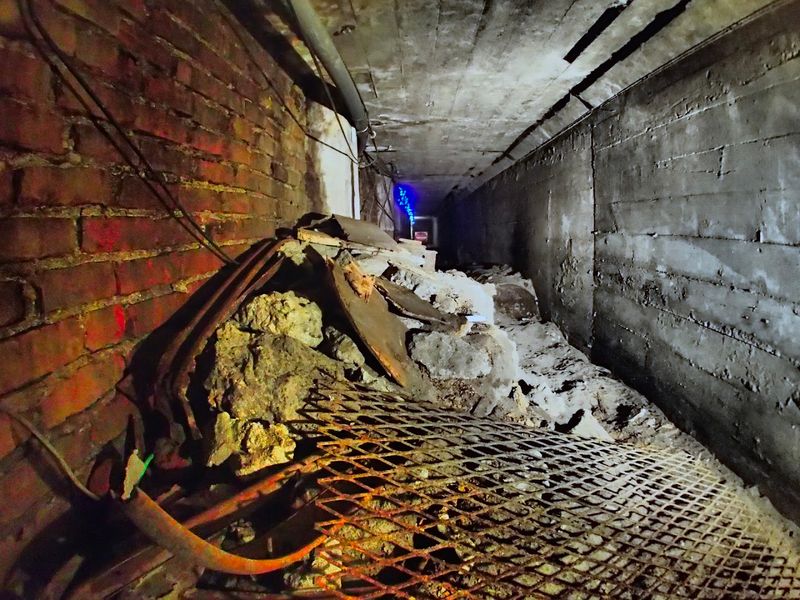
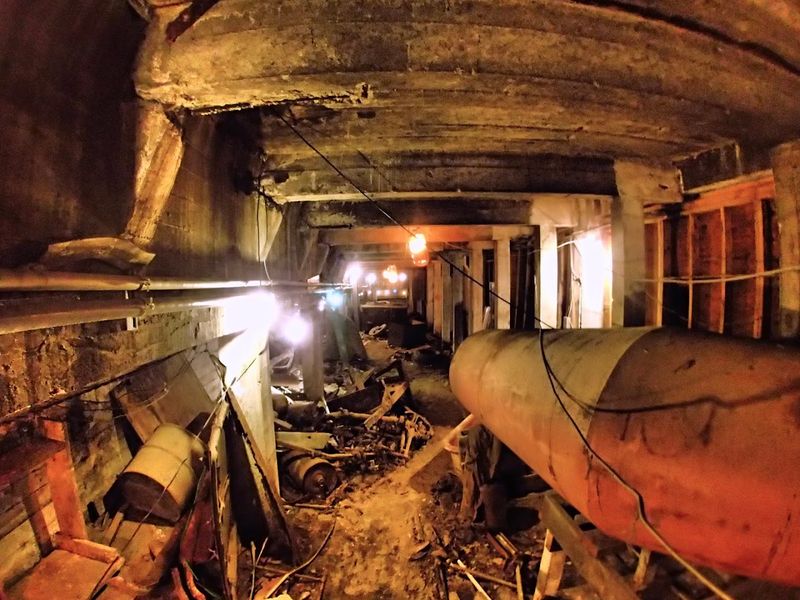
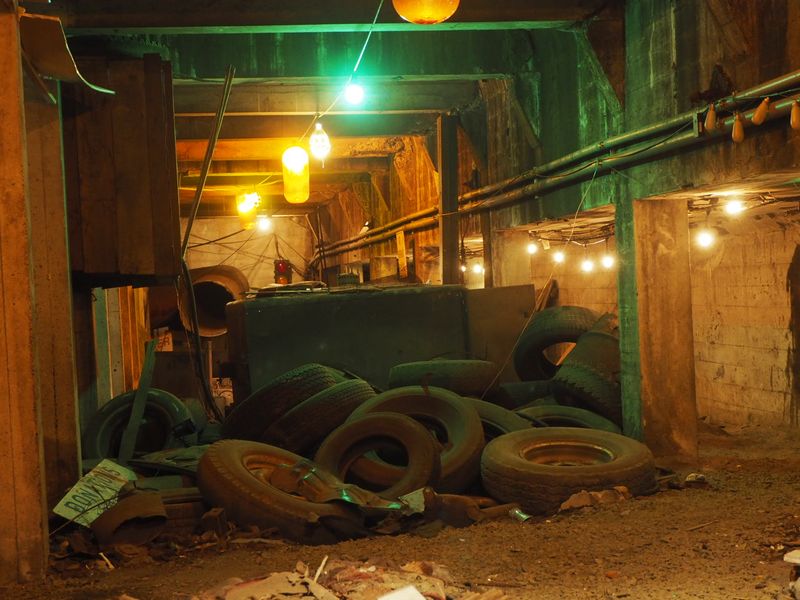
Old wooden beams stretch overhead. Brick walls curve in unexpected directions.
The architecture itself tells a story of rushed construction, practical solutions, and the ingenuity of people who had to rebuild fast and build smart. There are relics tucked into corners, remnants of daily life from another era.
Spotting them with your flashlight feels like a small discovery every time. It is the kind of experience where you find yourself moving slowly, not wanting to miss a single detail hiding in the shadows around you.
The Infamous Clown Car and Its Surprising Role in Astoria History
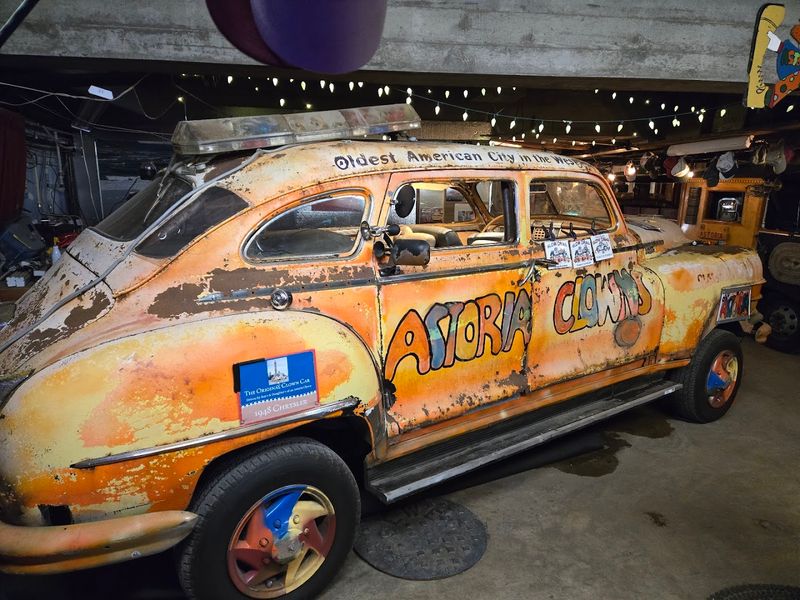
Nobody talks about the clown car before you go underground. Then you see it, and suddenly everything shifts.
It is one of the most unexpected objects in any historical tour I have ever taken.
Without giving too much away, this peculiar vehicle is connected to one of Astoria’s most significant infrastructure achievements. The story behind it is equal parts absurd and genuinely impressive.
It is the kind of local history detail that makes you laugh and then immediately want to tell everyone you know.
The guides use it as a launching point for a broader story about community effort, creativity, and the lengths Astoria residents went to in order to build something lasting. It also perfectly captures the spirit of this tour.
Nothing here is dry or overly academic. History gets told with humor, surprise, and a real sense of pride.
The clown car has become something of a symbol for the tour itself, and honestly, it earns that status completely.
Kid-Friendly History That Actually Holds Attention
Taking kids on a history tour can go sideways fast. Attention spans are short.
Phones appear. Boredom sets in.
That does not happen here.
The Astoria Underground Tour is genuinely kid-friendly. The format keeps young visitors engaged through humor, interaction, and the natural excitement of exploring somewhere dark and unusual.
One family drove nearly three hours from Salem and arrived fifteen minutes late. The guides waited for them.
That kind of hospitality makes a real impression.
The kids on that trip talked about the tour the entire drive home. They discussed the history, the stories, and how much fun the guides were.
That is the real test of a good educational experience. When children voluntarily recap what they learned, something worked.
The tour runs about one hour, which is the perfect length for younger visitors. Long enough to absorb real history.
Short enough that nobody loses focus. Families consistently rank this among the best things they did during their Astoria visit.
One Hour That Packs in Decades of Fascinating Local History
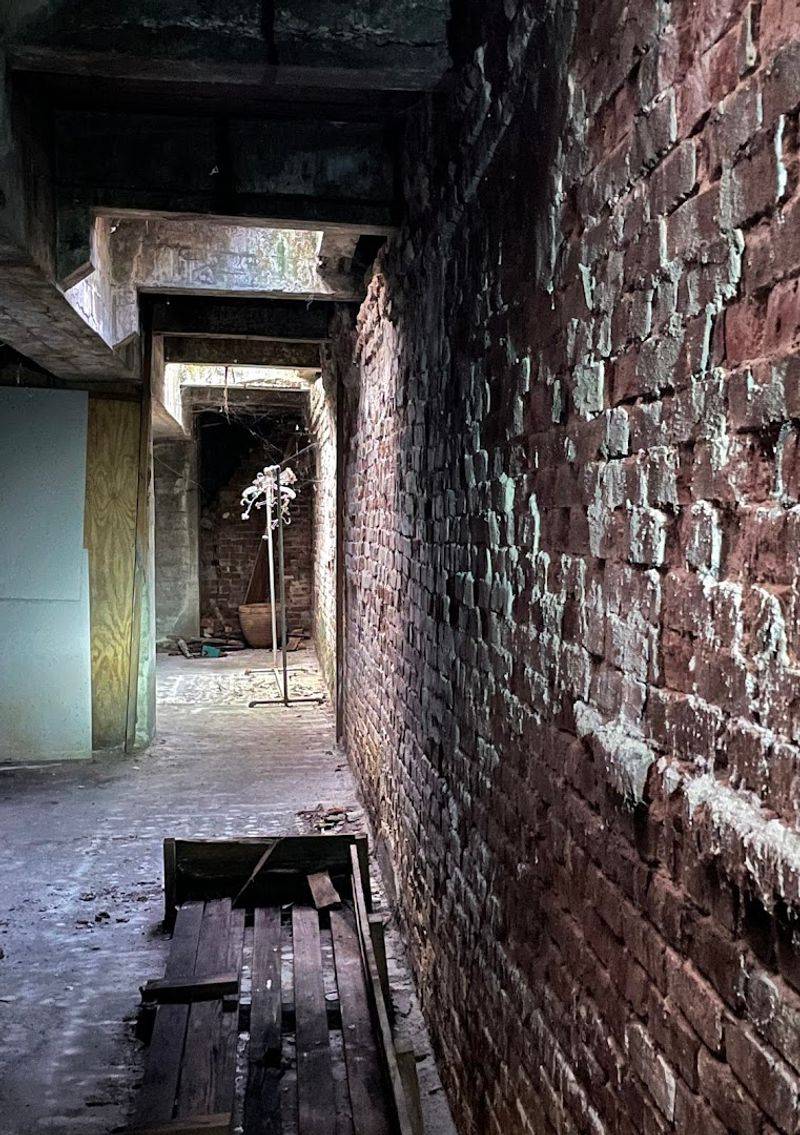
An hour does not sound like a lot of time. But the Astoria Underground Tour manages to cover an astonishing amount of ground in sixty minutes.
The guides are skilled storytellers who know how to prioritize the most compelling details.
You learn about the fires that reshaped the city. You hear about the people who built Astoria from the ground up, sometimes literally.
The underground itself becomes a physical document of that history. Each space you move through represents a different chapter.
There is no filler here. Every story connects to the next.
The pacing feels natural, never rushed, but always moving forward. By the end, you have a mental map of Astoria that most visitors never get to build.
The city starts to make more sense. The buildings above ground look different when you understand what is beneath them.
Visitors who love history often say they could have stayed twice as long. That feeling of wanting more is the best sign a tour has done its job well.
The Architecture Underground: What the Tunnels Actually Look Like
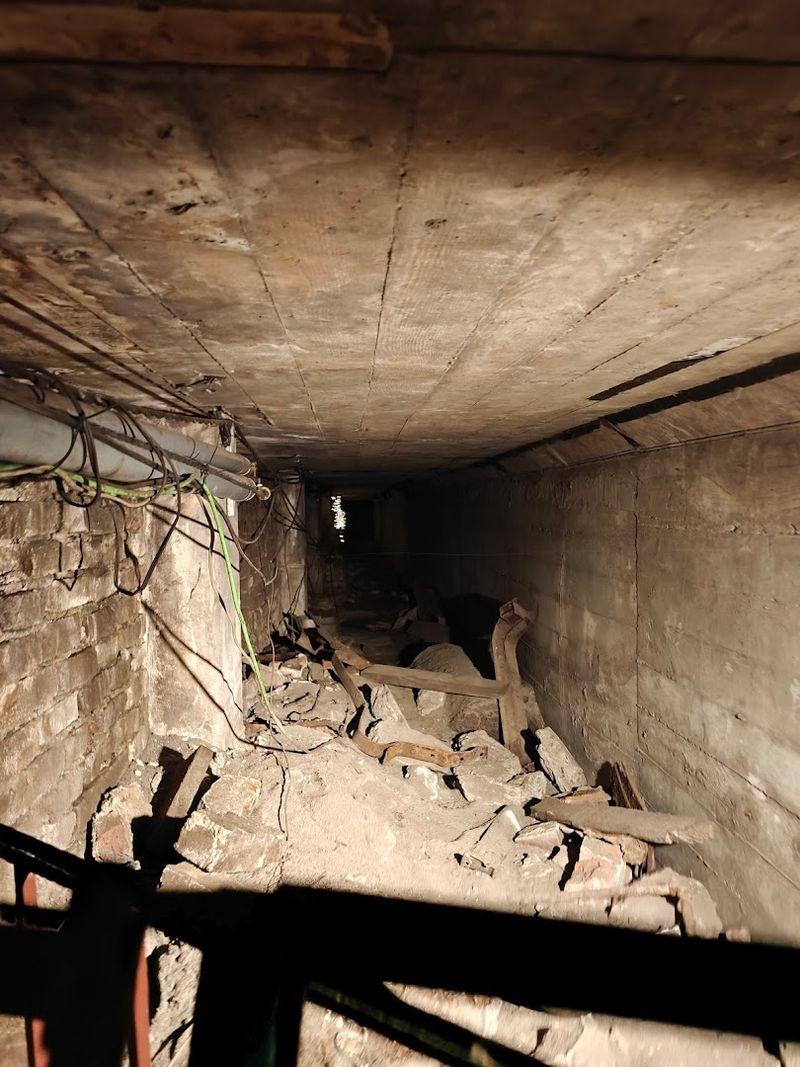
Walking through the underground, the construction itself becomes a subject worth studying. The mix of materials, styles, and techniques reflects the different eras when various sections were built or modified.
Brick arches curve overhead in some sections. Wooden supports show their age in others.
There are spots where you can see how one layer of construction simply built over an older one, with the older structure still partially visible underneath. It is architectural history you can reach out and touch.
The guides point out specific details that most visitors would walk right past. A particular type of brick.
A structural solution that was clever for its time. A wall that tells you exactly when and why it was built.
These observations transform a dark tunnel into a living record of how a city grows. For anyone with even a passing interest in architecture or construction, the underground offers something genuinely rare.
You are not looking at a recreation. Every beam and brick is exactly where history left it.
How to Find the Tour and What to Expect When You Arrive
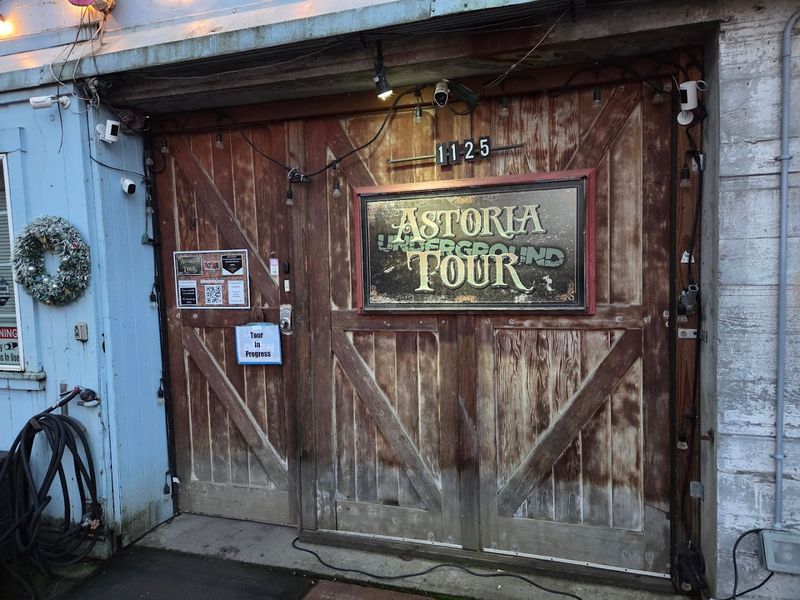
Finding the Astoria Underground Tour is part of the adventure. The meeting point is in the lower parking lot on Marine Drive, roughly halfway between 11th and 12th Street.
It is not a grand entrance, which somehow makes it feel more authentic.
The tour currently runs on Saturdays from 4 to 7 PM. Hours are limited, so checking the website before visiting is a smart move.
The website is oldastoria.com, and they also maintain a Facebook page with updated schedule information.
Arriving a few minutes early gives you time to get settled and meet the guides before the group heads underground. Comfortable shoes are a good idea.
The tunnels are not obstacle courses, but solid footwear makes the experience more comfortable. The tour runs rain or shine, which in Astoria means plan for coastal weather just in case.
Groups are kept at a size that allows for real interaction. This is not a crowd-shuffle situation.
You actually get to engage, ask questions, and hear the stories properly.
Why the Astoria Underground Tour Belongs on Every Oregon Itinerary
Astoria already has a lot going for it. The waterfront is gorgeous.
The Victorian architecture is among the best preserved in the Pacific Northwest. The Columbia River views are hard to beat.
But the underground tour adds a dimension to the city that nothing else offers.
It connects you to Astoria in a way that simply walking around town cannot. You leave with actual knowledge, specific stories, and a genuine appreciation for the people who built this place.
That is rare in tourist experiences.
The tour has welcomed over 15,000 visitors across eight years of operation. Return visitors are common.
People bring their families back. They recommend it to friends.
They come back with their kids. That kind of loyalty speaks to something real.
Good guides, real history, and an underground that genuinely earns its mystery. If you find yourself in Astoria and have an hour to spare, this is exactly how to spend it.
You will not walk back above ground feeling the same way you did going down.
Address: 1125 Marine Drive Lower parking lot half way between 11 and 12th Street, Astoria, OR 97103
Dear Reader: This page may contain affiliate links which may earn a commission if you click through and make a purchase. Our independent journalism is not influenced by any advertiser or commercial initiative unless it is clearly marked as sponsored content. As travel products change, please be sure to reconfirm all details and stay up to date with current events to ensure a safe and successful trip.
