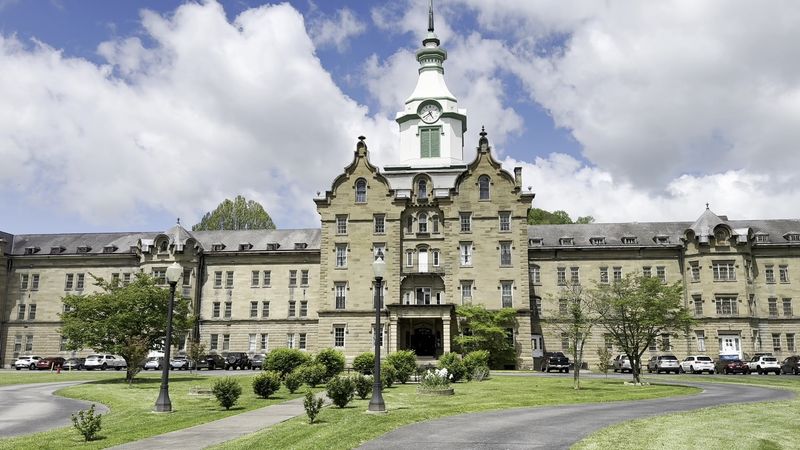
Some places in West Virginia look ordinary from the road, then grab hold of you the second you step inside. Tucked away in a quiet mountain town sits a giant stone building that has been drawing curious folks, history buffs, and ghost-hunters for years.
It carries a long story full of grand architecture, hard times, and mysteries nobody has fully explained. If you love a good chill down your spine paired with real history, this one belongs on your list.
A Stone Giant in the Heart of Weston
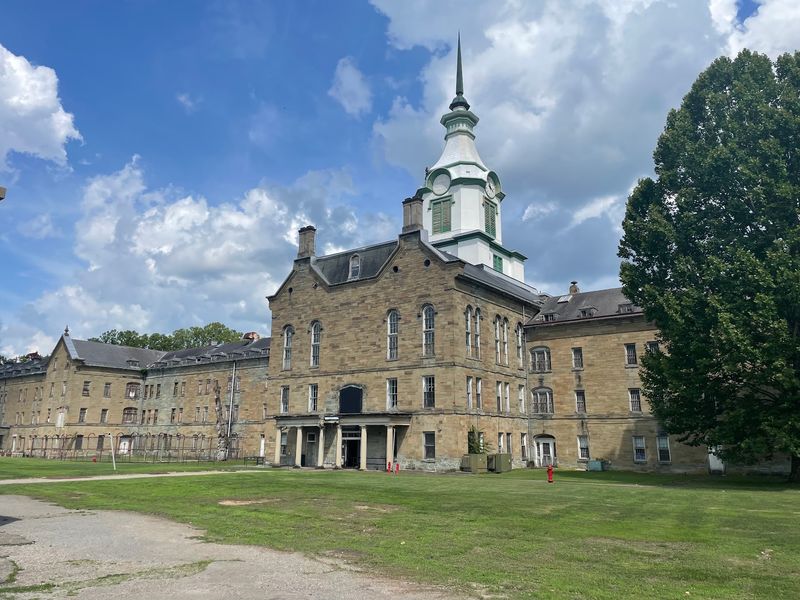
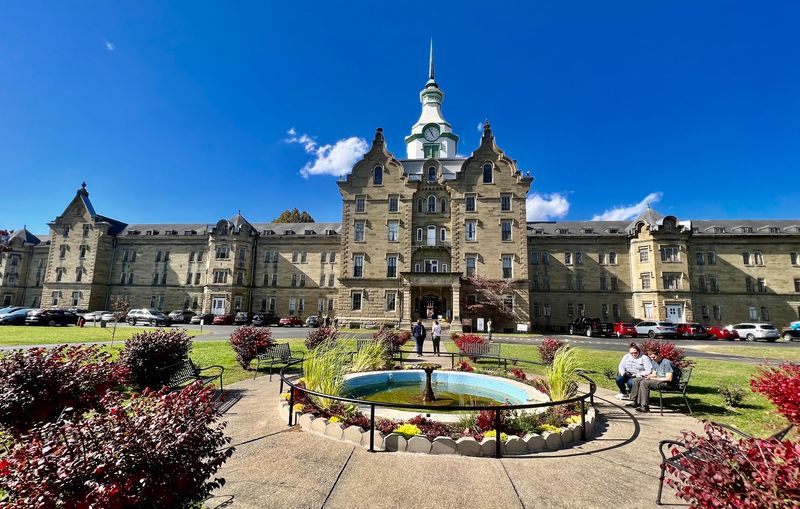
Rising up along the river in Weston, West Virginia, this towering stone landmark stops travelers in their tracks. Officially called the Trans-Allegheny Lunatic Asylum, it once went by the names Weston State Hospital and the West Virginia Hospital for the Insane.
Locals have long known it as the biggest thing in town, and honestly, that is not an exaggeration. The main building is considered one of the largest hand-cut stone masonry structures in North America, with some sources suggesting it trails only the Kremlin worldwide.
What began as a place for mental health care has become one of the state’s most talked-about historic attractions. Visitors say they show up expecting just another old building and leave completely stunned by the scale of it.
Recognized as a National Historic Landmark in 1990, the site now welcomes guests for tours that mix real history with its spookier reputation. You will find it at 50 S River Ave, sitting where generations of West Virginians have passed by and wondered about the stories held inside those thick stone walls.
Hand-Cut Stone and Neo-Gothic Grandeur
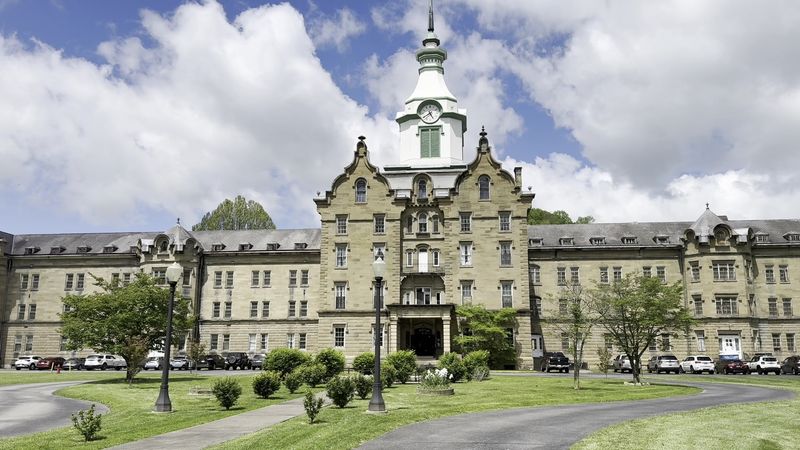
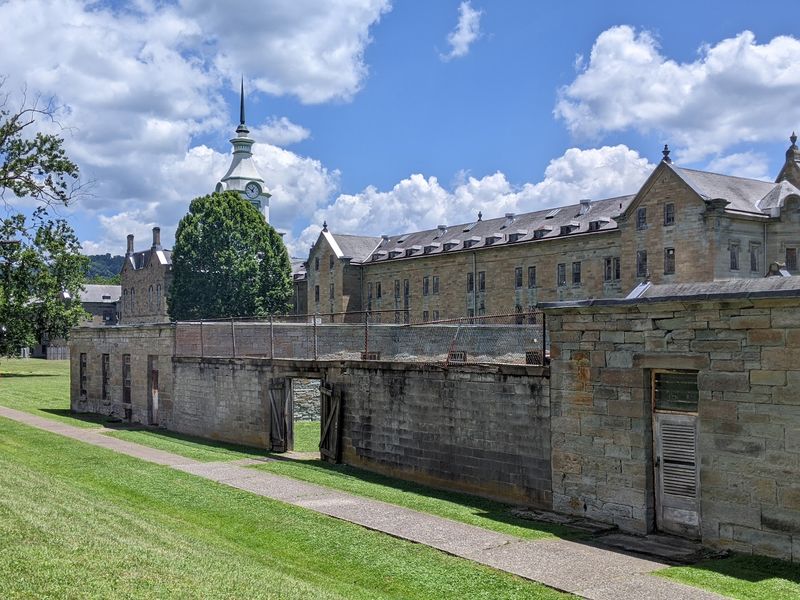
Craftsmanship like this simply does not get built anymore, and everyone who visits seems to notice. Construction started in 1858 and stretched all the way to 1881, a slow labor of stone by stone.
Architect Richard Snowden Andrews blended Neo-Gothic, Gothic Revival, Tudor Revival, and Jacobean Revival styles into one imposing masterpiece. The result feels part castle, part cathedral, and part something out of an old storybook.
Guests often mention the woodwork lining the halls, the towering windows, and the sheer breadth of the place. One visitor described the stonework and architecture as breathtaking, wishing they had signed up for the dedicated architecture tour.
Even the sections still awaiting restoration have their own rugged beauty. The dilapidated tuberculosis hospital nearby stands as a reminder, as one guest put it, that they really do not build them like they used to.
For anyone who appreciates old buildings, this is a feast for the eyes. The craftsmanship carries a weight and dignity that photographs barely capture, which is exactly why so many folks want to walk it in person.
The Kirkbride Plan and Its Healing Idea
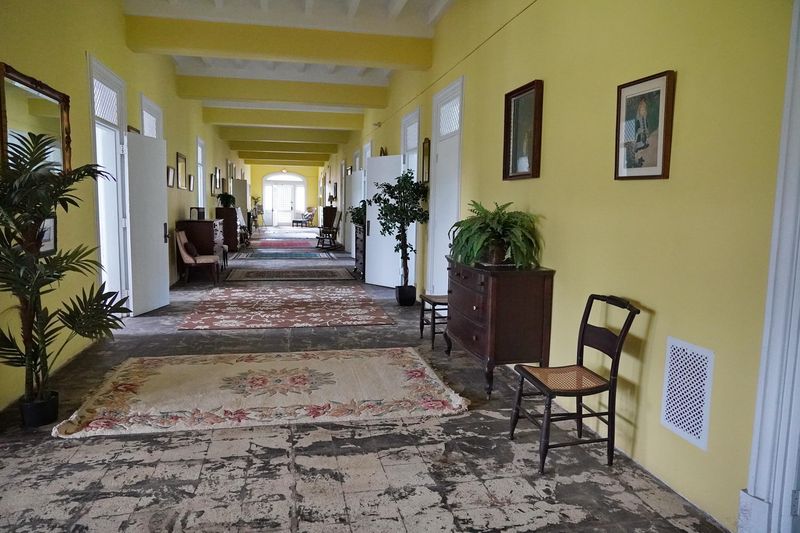
Behind the eerie reputation lies a surprisingly hopeful beginning. The asylum was built following the Kirkbride Plan, a 19th-century idea that fresh air, sunlight, and calm surroundings could help people heal.
Those long, staggered wings were not just for looks. Each one was designed so rooms could catch sunlight and cross-ventilation, while also keeping different groups of patients organized and separated.
Standing in one of those bright corridors, you can almost feel the good intentions the designers had in mind. It was meant to be a place of comfort, not fear.
Originally, the facility was planned to care for around 250 individuals, giving each person space and light. Guides on the historical tours often walk visitors through this thoughtful design and how mental health care was understood back then.
Learning the reasoning behind the layout gives the whole visit deeper meaning. As one guest reflected, understanding history helps us avoid repeating past mistakes, and this building tells that story better than any textbook could.
The gap between the plan’s dream and what later happened is part of what makes it so moving.
When War Rolled Through the Grounds
History threw a curveball at this place before it ever finished being built. When the Civil War broke out, construction paused and the partially built structure took on a whole new role.
For a time it served as Camp Tyler for Union forces, a far cry from the peaceful hospital it was meant to become. Skirmishes were noted in the surrounding area, adding tension to the young facility.
In 1864, provisions meant for patients were taken during a raid, a small but telling detail from a chaotic era. That same year, the asylum finally welcomed its first patients, even as the war shaped its early days.
Tour guides love sharing this chapter, and visitors say the Civil War stories add real depth to the walk-through. It reminds you that this building did not exist in a bubble, but stood right in the middle of the nation’s biggest struggle.
Knowing that soldiers once camped where patients would later live gives the halls an extra layer of history. It is the kind of detail that makes a West Virginia landmark feel connected to the whole country’s story.
Decades of Care and Overcrowded Halls
Time changed this hospital in ways its founders never imagined. Built to hold about 250 people, it slowly filled far beyond what anyone planned.
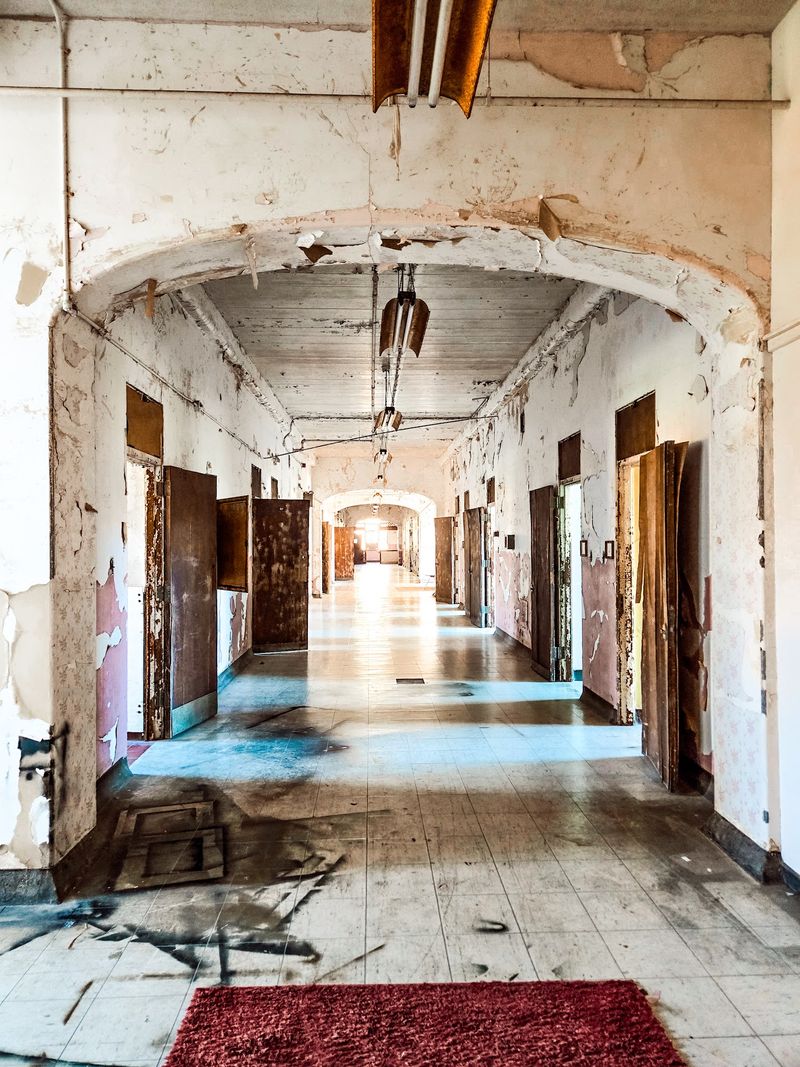
By the 1950s, the patient population had climbed to over 2,400 individuals, packing halls that were meant for a fraction of that number. All that crowding took a heavy toll, and conditions inside declined over the years.
Some of the early admission records read almost unbelievably today, listing reasons for care like grief, brain congestion, and even novel reading. Guides share these details on the historical tours, and visitors often find them both fascinating and sobering.
One guest noted that if you have ever wondered what mental health care looked like from the late 1800s through the 1990s, this is the place to learn it. The honest way the staff present this history earns a lot of respect.
Walking the wards, you feel the weight of all those lives. It is not always easy, but it is exactly why so many describe the visit as important, meaningful, and something everyone should experience at least once.
The Museum and Patient Art Gallery
Not everyone wants a full walking tour, and that is where the museum really shines. Guests who paid just to see the museum say it opened up several rooms downstairs and made for a rewarding stop on its own.
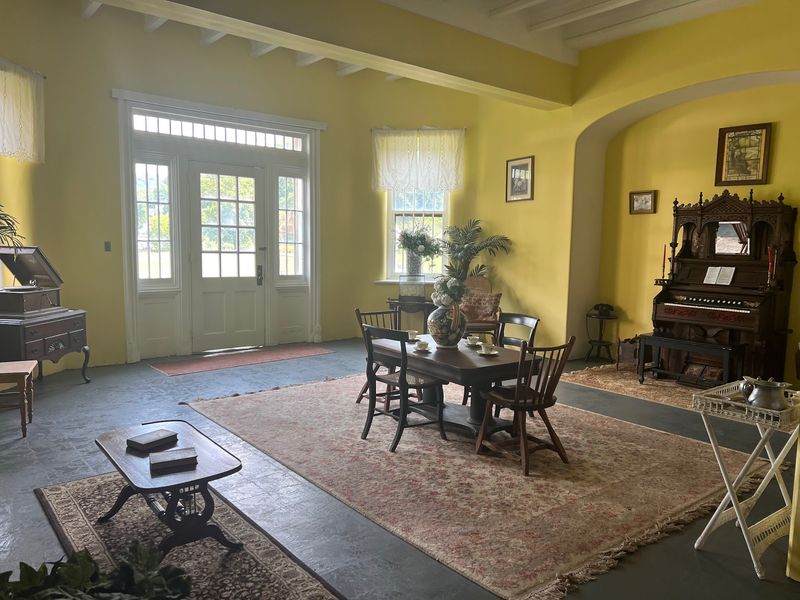
Display cases are filled with historical artifacts, old photographs, and items you can look at up close. One visitor called it hauntingly nostalgic, well put together with details that pull you right into the past.
A special highlight is the patient art gallery, showcasing artwork made by individuals who took part in the hospital’s art therapy programs. Seeing their creativity adds a gentle, human touch to a place with such a heavy history.
Families traveling with young children often choose the museum route, planning to return for a longer tour when the kids are older. It is a flexible option that still delivers plenty of stories.
The gift shop nearby gets warm mentions too, with friendly staff at the ticket counter making people feel welcome. For a lower-cost, self-paced peek into this landmark, the museum is a genuinely satisfying choice.
Guides Who Bring the Halls to Life
Ask anyone who has toured this place, and the guides come up first almost every time. Names like Nick, Jeremiah, Madison, Jess, Jessica, Kaylee, and Zachary get mentioned again and again with real affection.
What makes them special is genuine passion. Visitors say the guides know the history inside and out, answer questions patiently long after the tour ends, and clearly love what they do rather than treating it like just a job.
Some staff even dress in period nurse outfits, adding to the atmosphere in a way guests find delightfully old-fashioned. One family described their guide as bringing the whole place back to life, weaving together the historical version and the ghostly version with heart.
The tours balance real facts with entertaining storytelling, and folks appreciate how the guides stay just as curious about the details as the visitors are. That shared excitement makes the time fly by.
From check-in to goodbye, people repeatedly say they felt welcomed. If there is one thing that turns a first visit into a return trip, it is these knowledgeable, warmhearted West Virginians who make the history stick.
Four Floors, Wards, and the Criminally Insane Building
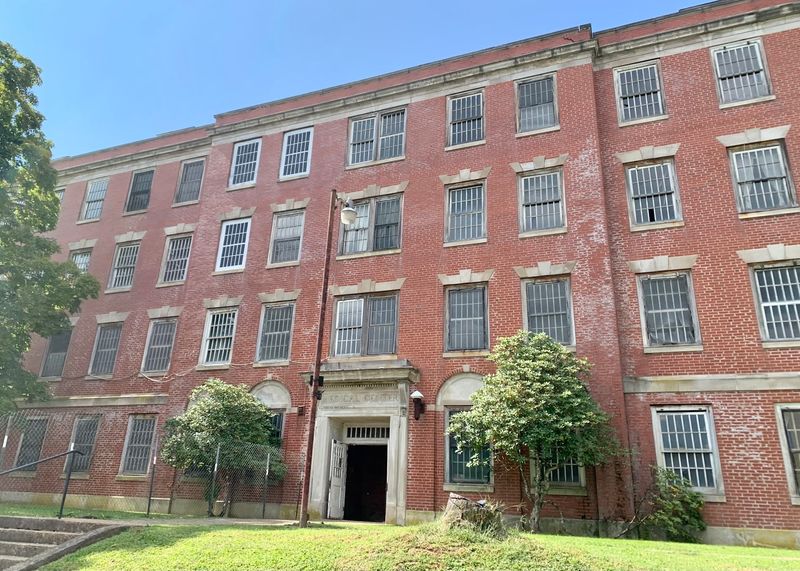
Serious explorers gravitate toward the 90-minute, four-floor tour, and it earns steady praise. Guests say it covers the main building plus the outdoor spaces behind it, walking you through wards where restoration work is clearly underway.
Where the renovations are finished, visitors describe the facility as being in great shape and true to its original look. Where the disrepair remains, well, folks admit it only adds to the creepiness factor.
For those wanting something even more intense, the Criminally Insane Tour explores the Forensics Building. One guest called it an intimidating, prison-like structure, complete with cage-style fencing that hints at its purpose.
Each floor tells a story of its own, and the pacing between them gives you time to soak it in. People frequently rave that there simply is not enough time to see everything in one visit, which is why so many plan a return.
Between the main wards, the outdoor grounds, and that stark forensics building, there is a lot of ground to cover. It is a big place, and every corner seems to hold another piece of West Virginia history.
After-Dark Ghost Hunts and Flashlight Tours
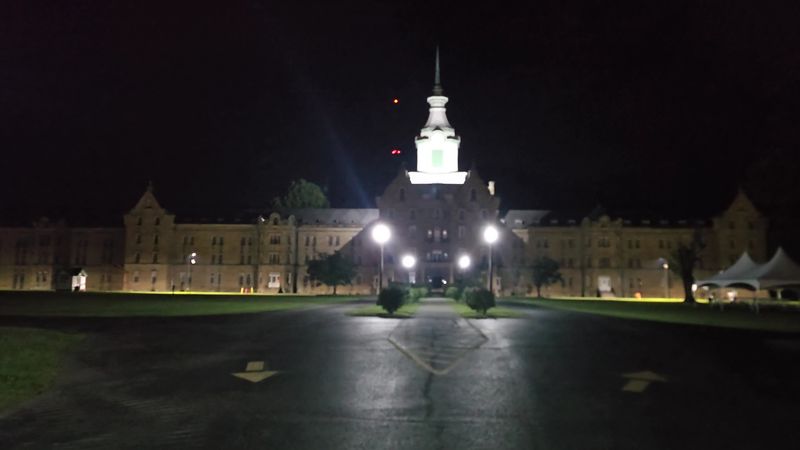
When the sun goes down, this landmark leans fully into its spooky side. The asylum offers creepier night tours, guided evening walks, and overnight ghost hunts where you can bring your own investigative equipment.
Fall brings special Asylum After Dark events, including Flashlight Tours and even an Asylum Ball. Fans of the paranormal say the night tours are perfect, with plenty of spacing between floors to build the mood.
The building’s reputation for unexplained sounds and sightings has landed it on several paranormal television programs. One excited guest claimed to catch a ghostly figure on camera right in the parking lot before even starting.
Now, honest visitors offer a fair warning too. A few skeptics who love horror films said they did not get many goosebumps, comparing the storytelling to campfire tales, though most still called it a fun and worthwhile night.
Whether you are a true believer or just curious, the after-dark experience turns this historic site into something unforgettable. Do note that video and audio recording is prohibited, though certain ghost-hunting apps are allowed during the investigations.
Hours, Ticket Prices, and Planning Your Visit
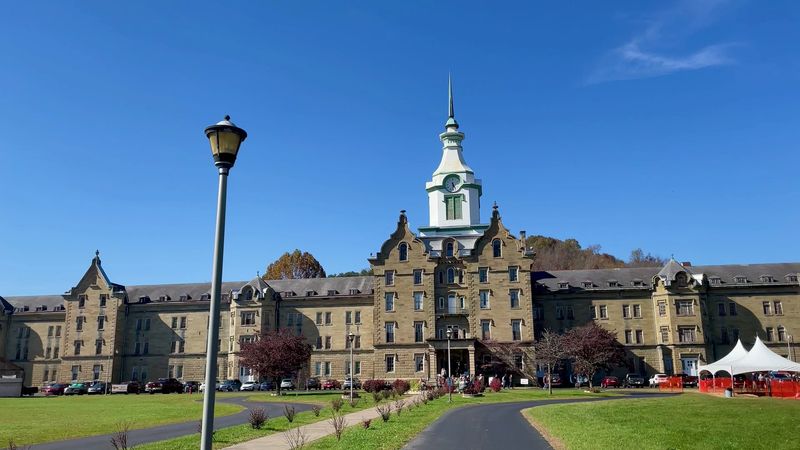
A little planning goes a long way here, and returning guests are happy to share tips. The basic first-floor tour runs about $15, a budget-friendly option that even lets you bring a leashed pup along for the walk.
Popular choices include the 90-minute four-floor historical tour, the Criminally Insane Tour, and a range of paranormal options from daytime to overnight. Visitors describe the pricing as reasonable for the amount of history and dedication you get.
Doors open at 11:30 AM Wednesday through Sunday and Tuesday, with an earlier 9:30 AM start on Saturday, closing at 6 PM. The site is closed on Mondays, so plan around that.
Regulars strongly recommend filling out the waiver online ahead of time so your tour starts promptly. Showing up 15 minutes early can mean little to no waiting.
One practical heads-up for summer travelers: the building is not air-conditioned, and some guests wished for more fans on hot days, so dress accordingly. Many museum and historic tours run seasonally from May to October, while other options are available much of the year.
Worth the Trip for Every West Virginia History Lover
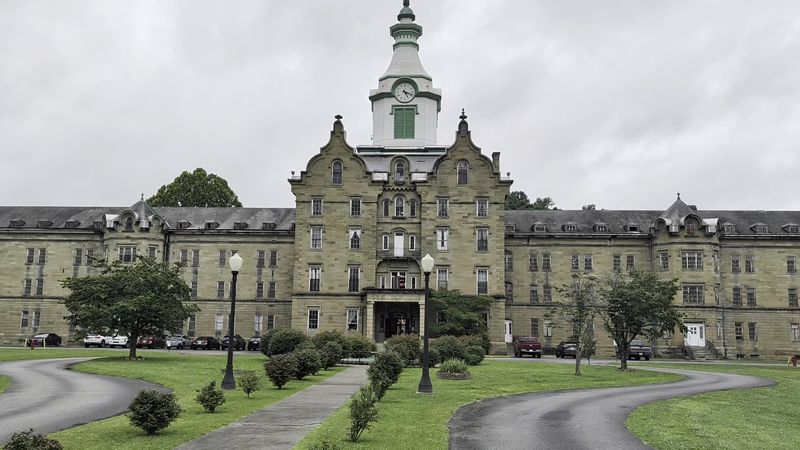
Plenty of folks arrive expecting just another old building and drive away calling it a bucket-list highlight. That turnaround is the best proof of how special this West Virginia landmark really is.
Boasting a strong 4.7-star rating from thousands of guests, it clearly connects with locals, road-trippers, and out-of-state visitors alike. Families, photography clubs, history teachers, and paranormal fans all find their own reasons to love it.
Beyond the chills and the stories, there is a real sense of care here. The staff treat the place like a home, honoring the many people who once lived within its walls and the role it played for the whole community.
Restoration continues one section at a time, so no two visits feel exactly the same, which keeps people coming back for more. As one guest simply put it, this is a must-see in your lifetime.
You will find the Trans-Allegheny Lunatic Asylum at 50 S River Ave, Weston, WV 26452, with tour info available by phone at 304-269-5070. Come for the history, stay for the mystery, and give yourself plenty of time.
