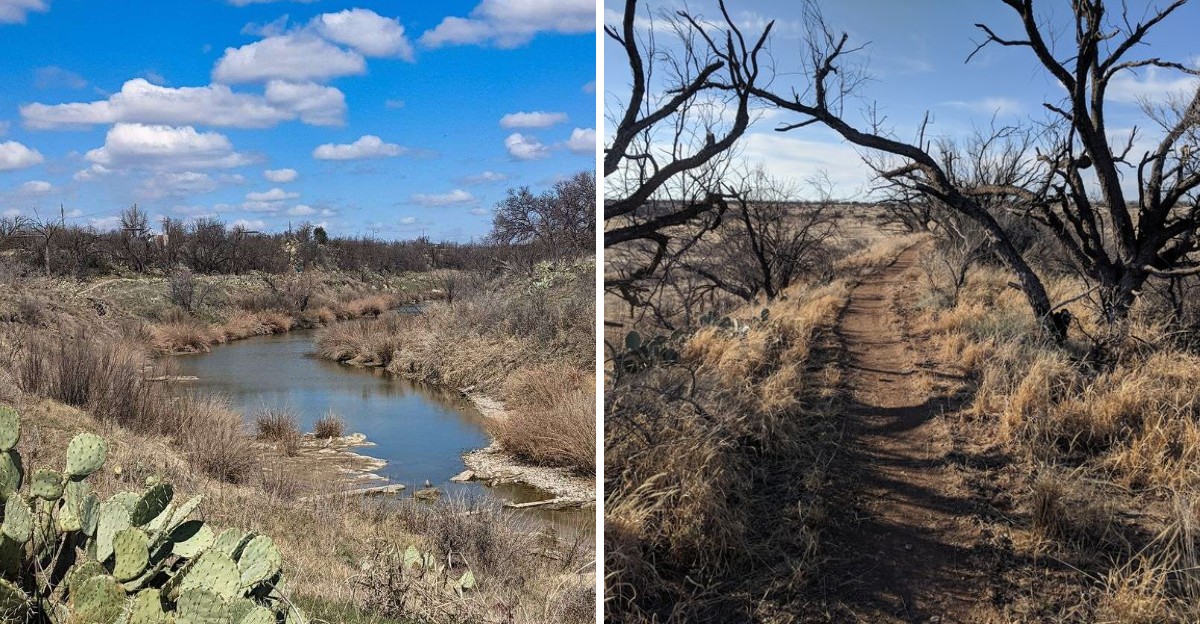
A quiet park with beautiful trails and a hidden warning locals have learned to respect. The snakes here are no joke.
They are everywhere, sunning themselves on rocks, blending into the underbrush, and occasionally crossing the path just to remind you who is really in charge. Locals know to watch their step.
They check before they sit, they avoid tall grass, and they never wander off the trail without paying attention. It is not the kind of park where you can zone out and enjoy the scenery without a care.
But for those who are careful, it is still a beautiful place to visit. The wildlife is abundant, the views are peaceful, and the snake sightings are just part of the experience.
Stay alert, wear closed-toe shoes, and keep your eyes on the ground. The snakes will appreciate it too.
Why West Texas Snakes Love This Particular Park
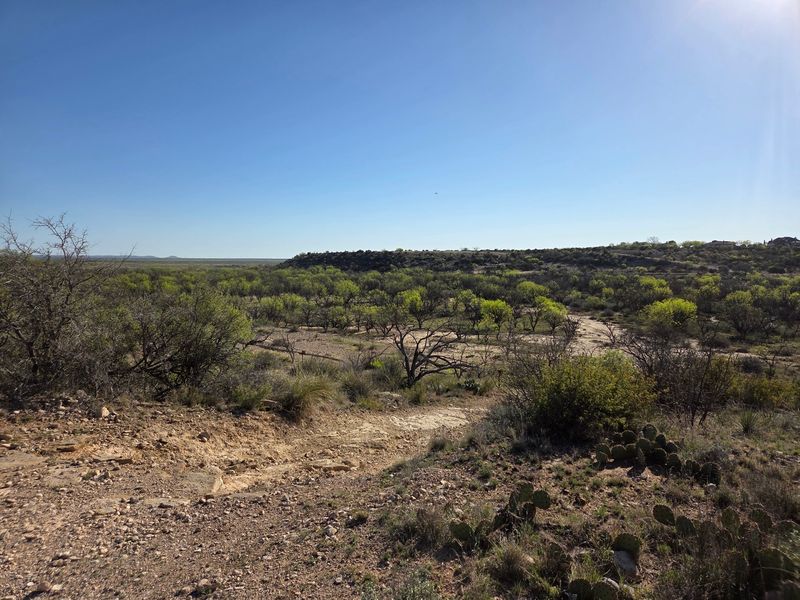
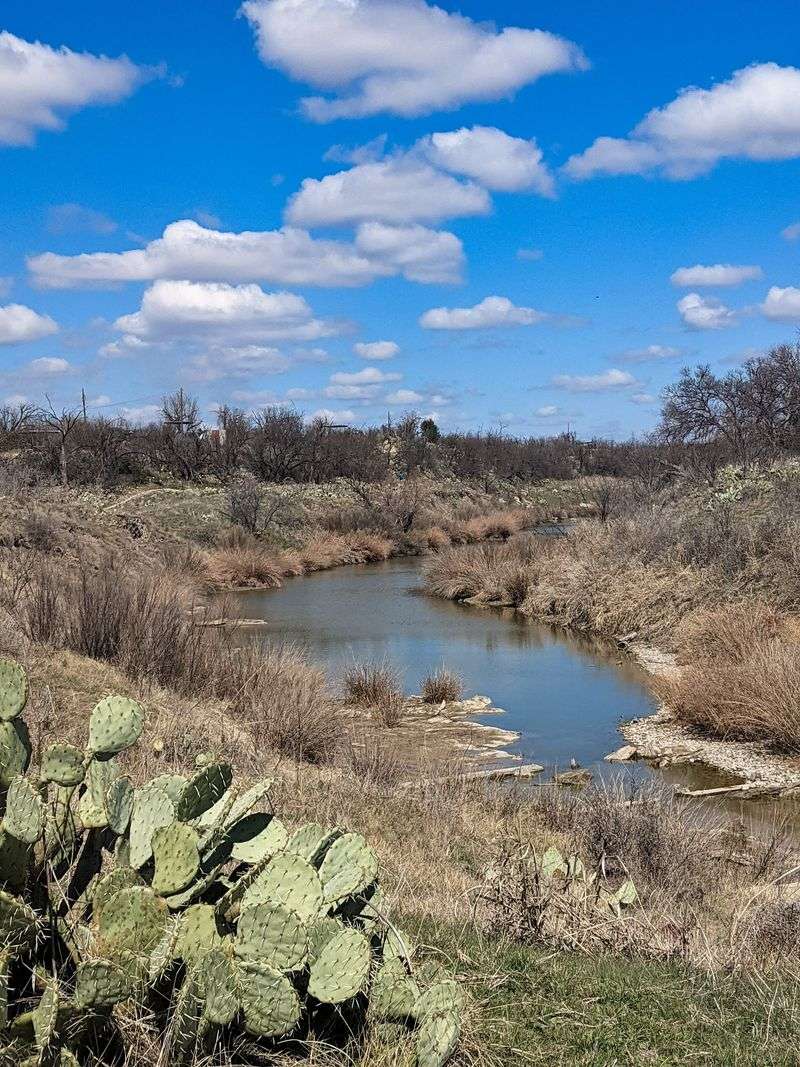
Sunny rock, warm dirt, and low brush add up to something close to a snake resort. San Angelo State Park sits on 7,677 acres of prairie, rolling hills, and hardwood river bottoms near the O.C.
Fisher Reservoir, and every one of those habitats offers exactly what a reptile wants.
Snakes are cold-blooded, which means they cannot warm themselves from the inside. They borrow heat from the world around them instead.
That is why a flat, sun-baked trail or a slab of limestone becomes prime real estate on a spring morning. The snake is not lying in wait for hikers.
It is simply charging its batteries.
Park staff say snake season in this part of Texas usually kicks off between late February and early March, then builds as temperatures climb. Spring also brings mating season, so the animals move more, cross more ground, and turn up in more places than usual.
Water and food play a role too. When the reservoir drops during drought years, rodents and snakes shift their routines, and that reshuffling can put them closer to trails and picnic spots.
Knowing all this changed how I walked the place. Instead of scanning nervously, I started reading the landscape, noticing which stretches held morning sun and which stayed shaded.
The park does not have a snake problem so much as a thriving snake population, and that difference matters. Healthy predators mean a healthy ecosystem, which is part of why this quiet park feels genuinely wild rather than manicured.
Meet The Western Diamond-Backed Rattlesnake, The Local Celebrity
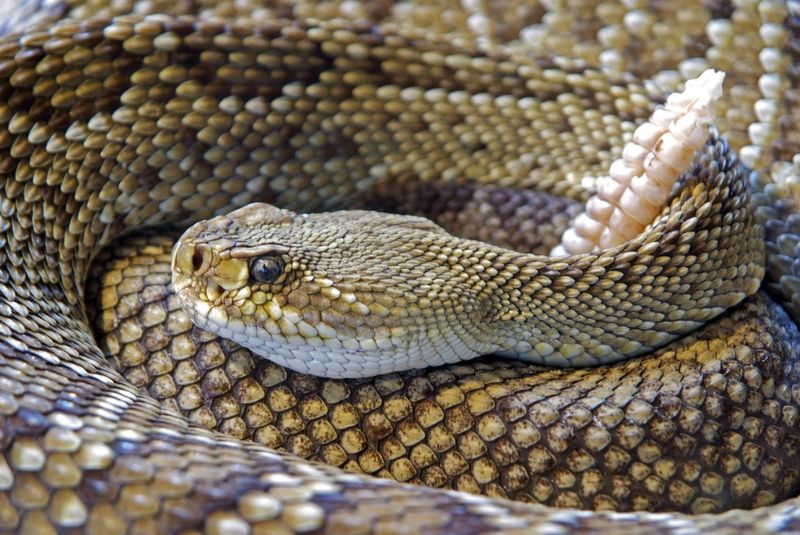
Ask anyone around San Angelo which snake tops the list and the answer comes fast. The Western diamond-backed rattlesnake is the most common and widespread venomous snake in West Texas, and it is the one most likely to make an appearance here.
Its pattern is genuinely beautiful up close, though close is not where anyone should be. Diamond shapes run down the back, and the tail wears black and white bands that look almost painted on.
What surprised me most is how still they hold. A resting diamondback blends into gravel and dry grass so well that plenty of people walk right past one without ever noticing.
The rattle is a warning system, not a threat. When a diamondback buzzes, it is essentially saying that it knows you are there and would very much like you to move along.
Give it room and it almost always takes the exit. Rattlesnakes strike defensively, not out of aggression, and the vast majority of bites happen when someone tries to grab, poke, or kill one.
Park rangers here take a relocation-first approach rather than removing snakes permanently, because these animals keep rodent numbers in check across thousands of acres.
Seeing one on a trail is memorable in the best way if you handle it calmly. Stop, look, take a photo with zoom if you want, then back away slowly and let the diamondback go about its business in peace.
Other Venomous Species Worth Recognizing
Diamondbacks get the headlines, but they are not the only venomous residents in the broader San Angelo area. Black-tailed rattlesnakes, mottled rock rattlesnakes, massasaugas, and prairie rattlesnakes all turn up in this region, each favoring slightly different terrain.
Black-tails prefer rocky slopes and tend to be calmer than their diamondback cousins. Mottled rock rattlesnakes are smaller and prefer limestone ledges, where their gray patterning disappears almost completely.
Massasaugas are compact rattlers with a soft, buzzy rattle that sounds more like an insect than a warning. Prairie rattlesnakes stick to open grassland, which describes a lot of this park.
Down near water, the Western cottonmouth is the one to know. Semi-aquatic and more active after dark, it hangs around reservoir edges and damp low spots, which is a solid reason to keep night walks near shorelines short and well lit.
Then there is the Texas coral snake, secretive and rarely seen. It spends most of its time under leaf litter and logs, and its red, yellow, and black banding makes it unmistakable if it does surface.
None of these snakes go looking for people. Every single one prefers to slip away quietly.
Learning to recognize them turns a walk here into something closer to a wildlife hunt, minus the hunting. Bring binoculars, keep your distance, and treat any snake you cannot identify as one to admire from several steps back.
The Harmless Snakes You Will Probably See More Often
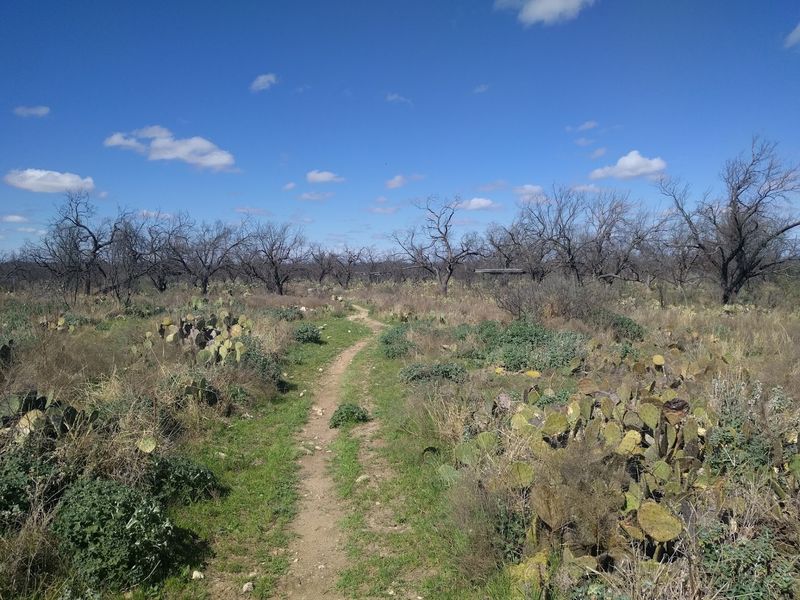
Here is the part nobody expects. Most snakes at this park are completely harmless, and they far outnumber the venomous ones.
The coachwhip is the showstopper among them. These slender, fast-moving snakes can stretch up to seven feet, and they cross open ground with a speed that makes hikers jump even when there is zero danger.
Diamond-backed watersnakes hang around the reservoir and get mistaken for cottonmouths constantly. They will flatten their heads and put on a dramatic display when startled, but they cannot hurt you.
Garter snakes are the small, striped ones that slide off trails before you register what you saw. Rat snakes climb surprisingly well and sometimes show up near buildings, hunting mice.
Bull snakes deserve special mention because they are excellent actors. When threatened, a bull snake will hiss loudly and vibrate its tail against dry leaves, producing a sound close enough to a rattle to fool almost anyone.
That impression saves their lives in the wild, and it also means plenty of reported rattlesnakes were really just a bull snake having a moment.
Recognizing the harmless species takes a lot of stress out of hiking here. Once I stopped assuming every movement in the grass was a rattler, the trails felt open again.
All snakes are protected inside the park, so the rule is simple regardless of species. Look, appreciate, and keep walking.
Fifty Miles Of Trails And How To Walk Them Smartly
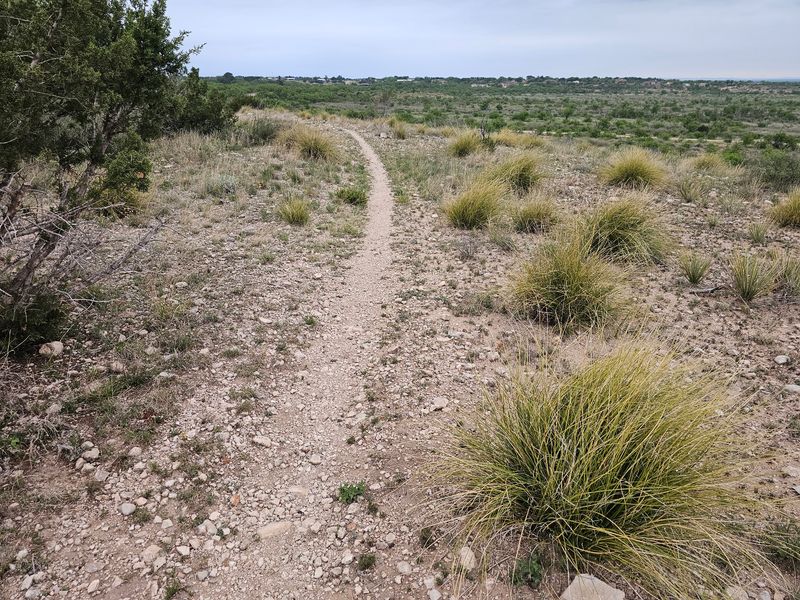
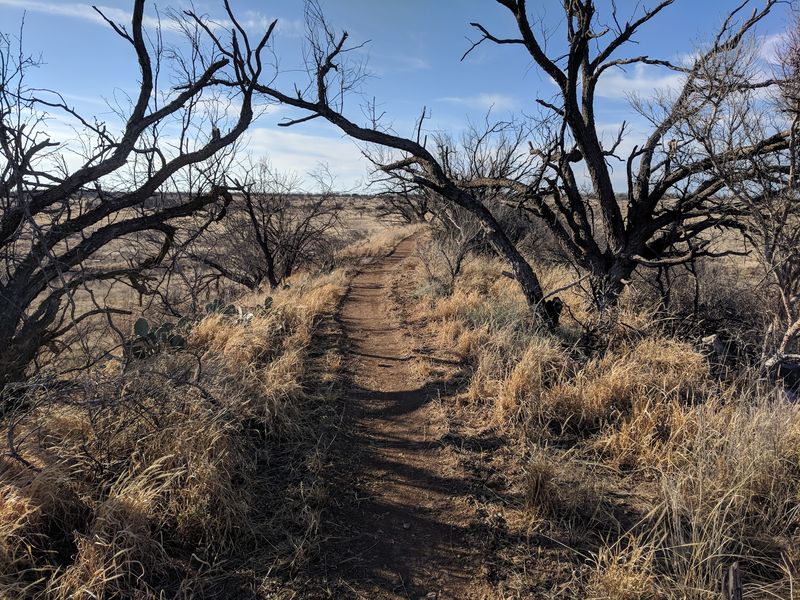
More than 50 miles of multiuse trails thread across this park, open to hikers, mountain bikers, and horseback riders alike. Some routes roll gently through mesquite flats, while others turn rocky enough to demand real attention underfoot.
Footwear matters more here than at most parks. Closed-toe shoes and long pants are the standard recommendation, and honestly they help with more than snakes.
Cactus spines and sand spurs are everywhere. Loose hiking pants save your ankles from both.
Where you place your hands counts as much as where you step. Scrambling over a rock ledge means reaching into spaces you cannot see, so look before grabbing.
Tall grass is the other thing to avoid. Staying on the cleared trail gives you a clear view of the ground and gives snakes an easy escape route.
Morning hikes work best. The sun stays gentler, the light is beautiful across the plains, and you avoid the worst of the West Texas heat.
One trail tip that locals repeat often is to skip hiking right after rain, since the red clay turns slick and unpredictable.
Bring more water than feels necessary. Shade is scarce out here, with scattered mesquite offering only patchy relief.
The trails are well marked with cut metal signs that hold up against the sun, which makes navigation straightforward. Move at a steady pace, keep your eyes on the path a few feet ahead, and the miles pass easily.
What To Do The Moment You Spot One
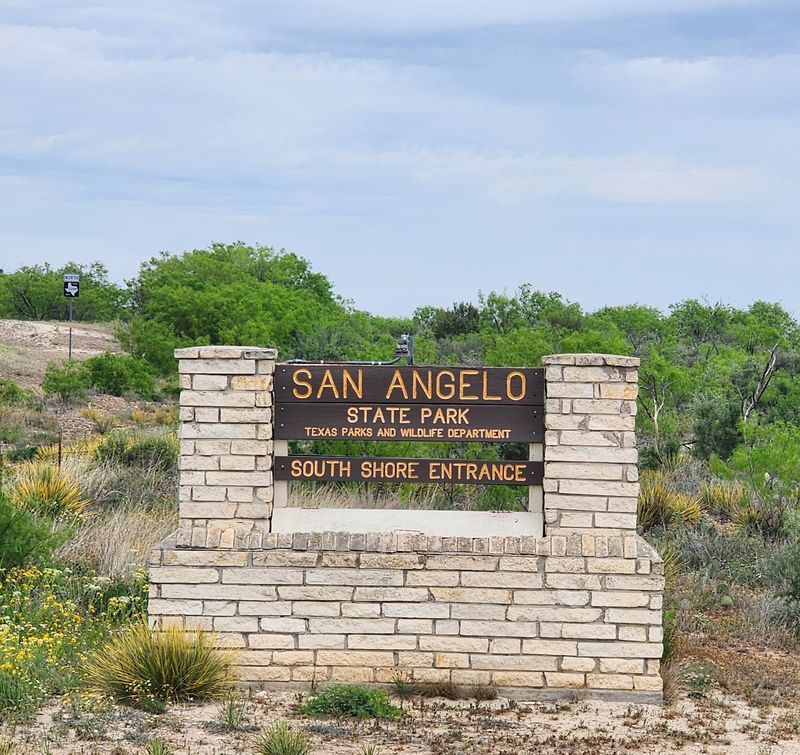
Freeze. That single word covers most of what the park recommends when a snake appears on the trail.
Stopping gives you a second to figure out where the snake actually is and which way it is facing. Sudden movement is what triggers a defensive reaction.
Once you have located it, back away slowly. Running is specifically discouraged, since a bolting hiker can startle a snake or accidentally step near another one nobody spotted.
If it rattles, treat that as a courtesy. The animal is telling you exactly where it is, which is far more helpful than silence.
Distance is the whole strategy. Rattlesnakes can strike roughly a third to half their body length, so giving several body lengths of space removes the risk entirely.
Never throw rocks, poke with sticks, or try to move a snake yourself. Disturbing or killing wildlife inside a state park is illegal, and most bites in Texas happen when someone tries to handle or harm the animal.
Park staff would rather know about a snake than not. If one is sitting in a busy area like a campsite loop or picnic pavilion, report the location to the office so rangers can relocate it.
Practicing the routine in your head beforehand helps. When it actually happens, calm feels a lot easier than surprise.
Camping Under Big Skies With A Few Ground Rules
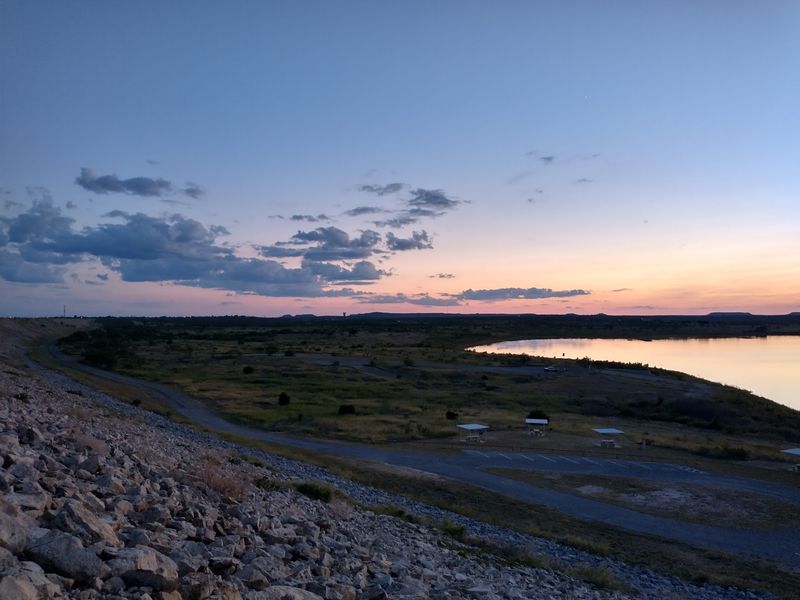
Sunsets here run uninterrupted to the horizon, which is reason enough to stay the night. Campsites spread across several loops, including the Bald Eagle area up in the northern section, and many offer wide western views with no neighbor blocking the light.
Sites tend to be spacious and level, with electric and water hookups at the developed loops. Shade is limited, so a canopy or awning earns its keep fast.
Some loops sit surprisingly far from the main entrance, several miles in some cases, with manual gates along the way. Plan arrival before dark if you can.
Snake-smart camping comes down to a few habits. Keep tent doors zipped, shake out shoes left outside overnight, and use a flashlight for any walk to the restroom after sunset.
Avoid leaving food scraps around, since crumbs attract rodents and rodents attract snakes. Clean camp, quiet night.
Check under picnic tables and around fire rings before setting up, especially in spring. A quick sweep takes thirty seconds.
Wasps occasionally nest around pavilions and restrooms, so bug spray belongs in the packing list alongside sunscreen.
Nights out here are wonderfully quiet despite the park sitting close to town. Stars come out thick, coyotes sound off in the distance, and the temperature finally drops.
Reserve ahead for holiday weekends, which fill early. Otherwise weekdays feel almost private.
Timing Your Visit Around Snake Season
Late February through early March marks the unofficial start of snake activity in this corner of Texas. Warmth wakes them up, and by April and May they are moving regularly.
Peak spring means peak everything, though. Wildflowers bloom, cactus flowers open, and the park looks about as good as it ever gets.
Skipping spring entirely would mean missing the best hiking weather of the year, which seems like a poor trade. Adjusting your timing works better.
Cool mornings tend to be quieter for snake activity, since reptiles need heat before they get moving. Midday sun sends them looking for shade, which can mean under rocks and along shaded trail edges.
Summer flips the pattern. Extreme heat pushes snakes toward dawn, dusk, and nighttime, so a July evening stroll deserves a headlamp and slow feet.
Autumn brings a second uptick as snakes feed heavily before cooler weather arrives. October hikes are lovely, just stay attentive.
Winter is the calmest stretch by far. Cold days keep most snakes tucked away, and the trails feel wonderfully empty.
Park hours run 8:30 in the morning to 4:30 in the afternoon at the headquarters, seven days a week, though campers have their own access arrangements.
Whichever season you pick, the same habits apply. Watch your feet, stay on the path, and let the wildlife have its space.
The location of the park is 362 FM 2288, San Angelo, TX 76901.
