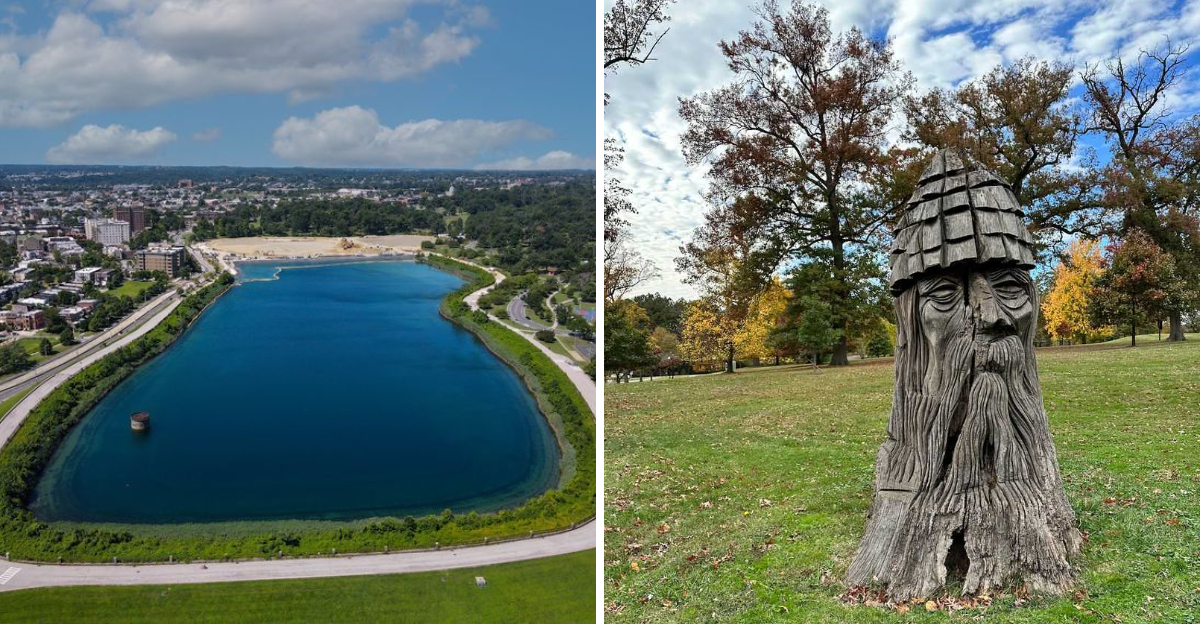
Seven hundred forty-five acres gives a Maryland park a lot of room to hide things beyond the obvious picnic lawn.
Established in 1860, this enormous green space mixes wooded areas, historic buildings, open lawns, a reservoir, recreational spaces, and a conservatory whose botanical collection includes multiple greenhouses and outdoor gardens.
That means a casual walk can shift from shady trees to Victorian-era architecture, formal garden spaces, old stone structures, and unexpected corners that make wandering without much of a plan surprisingly rewarding.
It is also one of those parks where visiting only the most recognizable section means missing a huge portion of what makes the place interesting.
Maryland has no shortage of scenic green spaces, but few offer this much history, horticulture, and room to disappear for an afternoon.
Druid Lake and Its 1.5-Mile Promenade
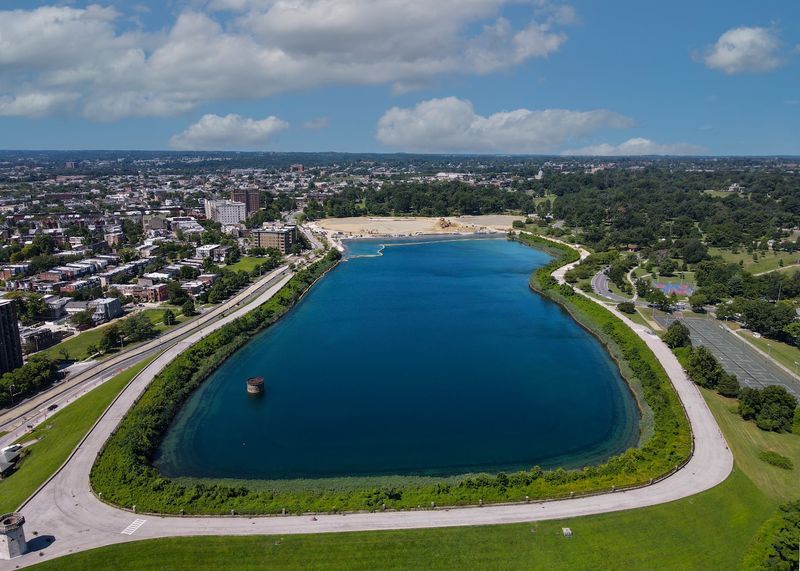
Water has a way of pulling people together, and this man-made reservoir from 1863 does exactly that. Ranked among the largest earthen-dammed lakes in the United States, it anchors the southern edge of the park and gives the whole landscape its mirror.
A loop of roughly 1.5 miles wraps the shoreline, and it reopened in mid-2025 after a long infrastructure project. The upgrade brought a wider promenade, fresh landscaping, and an amphitheater near the reservoir edge.
Walkers, stroller-pushers, cyclists, and speed-walking commuters all share the path, so keep to the right and pass on the left. Morning light is soft and the crowd is thin, while evenings bring runners and skyline views that glow orange behind the water.
Until 2024, the lake supplied drinking water to the Baltimore metropolitan area, a job that has since moved to underground storage tanks. The dam earned recognition as a National Historic Civil Engineering Landmark back in 1971, which is a rare title for something most visitors simply jog past.
Benches appear at regular intervals, so pausing for a snack or a photo is easy. Waterfowl gather along the banks, giving birdwatchers a reason to slow down and bring binoculars.
Parking sits nearby along the roadways, and the loop connects with longer trails for anyone wanting extra miles. Flat pavement and gentle grades make it friendly for beginners, older visitors, and wheelchair users alike.
Howard Peters Rawlings Conservatory and Botanic Gardens
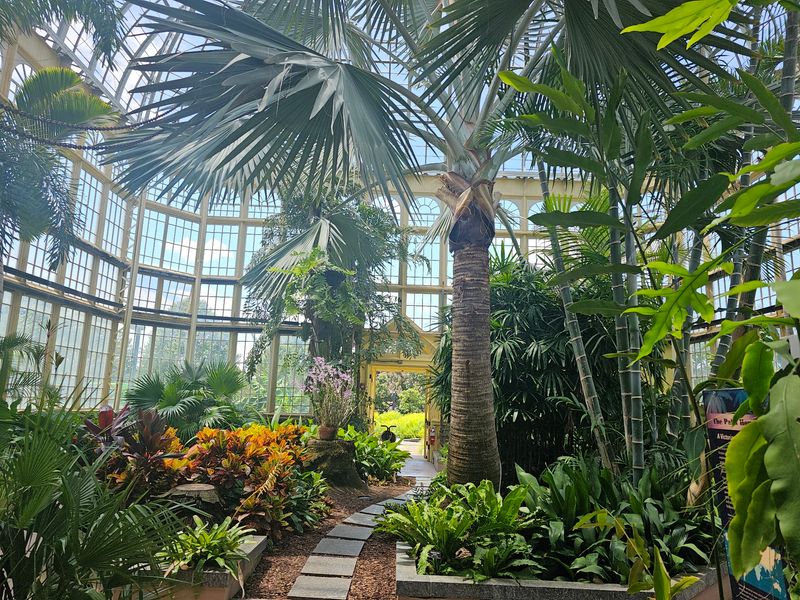
Step through the doors of this glittering glass house and the Maryland weather stops mattering. Opened in 1888, it holds the title of second-oldest glass and iron-framed public conservatory still operating in the United States.
George A. Frederick, the architect behind Baltimore City Hall, drew the plans, and his Victorian flourishes still shine in the soaring Palm House.
Five exhibit areas fill the space: the original 1888 Palm House, an Orchid Room, a Mediterranean House, a Tropical House, and a Desert House.
Humid air, dripping ferns, and towering palms greet visitors in one room, while spiny cacti and dry heat wait in the next. The contrast makes a short visit feel like a trip across several continents.
Outside, about 1.5 acres of gardens carry the show into the open air with annuals, perennials, roses, and crape myrtles that shift color through the seasons. Photographers love the beds in late spring and again in early autumn.
Programming runs year-round, including adult workshops, master gardener clinics, and nature classes aimed at children. Checking the schedule before arriving can turn a quick stop into a hands-on afternoon.
Winter visitors get an extra reward, since the warm glass rooms offer a green escape when everything outside is bare. Comfortable shoes help, and a light jacket that can be removed easily makes moving between temperature zones far more pleasant.
The Maryland Zoo in Baltimore
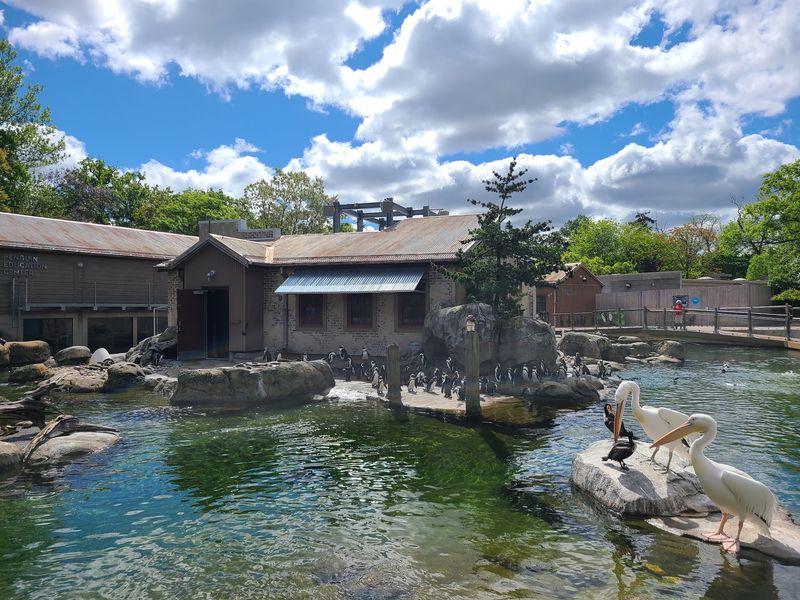
Third oldest zoo in the nation, opened in 1876, and still growing. Spread over 135 acres inside the park, the Maryland Zoo cares for more than 2,000 animals in naturalistic habitats rather than old-fashioned cages.
Four main areas organize the visit: Penguin Coast, Northern Passage, Maryland Wilderness, and African Journey. Penguin Coast, which debuted in 2015, houses over 90 African penguins and runs the largest and most successful breeding colony for the species in North America.
African Journey received a major overhaul in 2019, expanding habitats for lions, giraffes, and elephants. Feeding the giraffes remains one of the most requested experiences among younger guests.
Maryland Wilderness focuses on creatures native to the state, which makes it a smart stop for anyone curious about local ecosystems. Kids often linger at the treehouse and stream areas long after the adults are ready to move on.
Conservation work threads through the whole operation, and staff talks explain how breeding programs help wild populations. Summer camps, private animal encounters, and educational workshops fill the yearly calendar.
Admission is charged here, unlike the rest of the park, though free parking is provided for zoo guests. Arriving right at opening usually means shorter lines and more active animals, especially during hot months when afternoon naps take over.
Jones Falls Trail and the Wooded Path Network
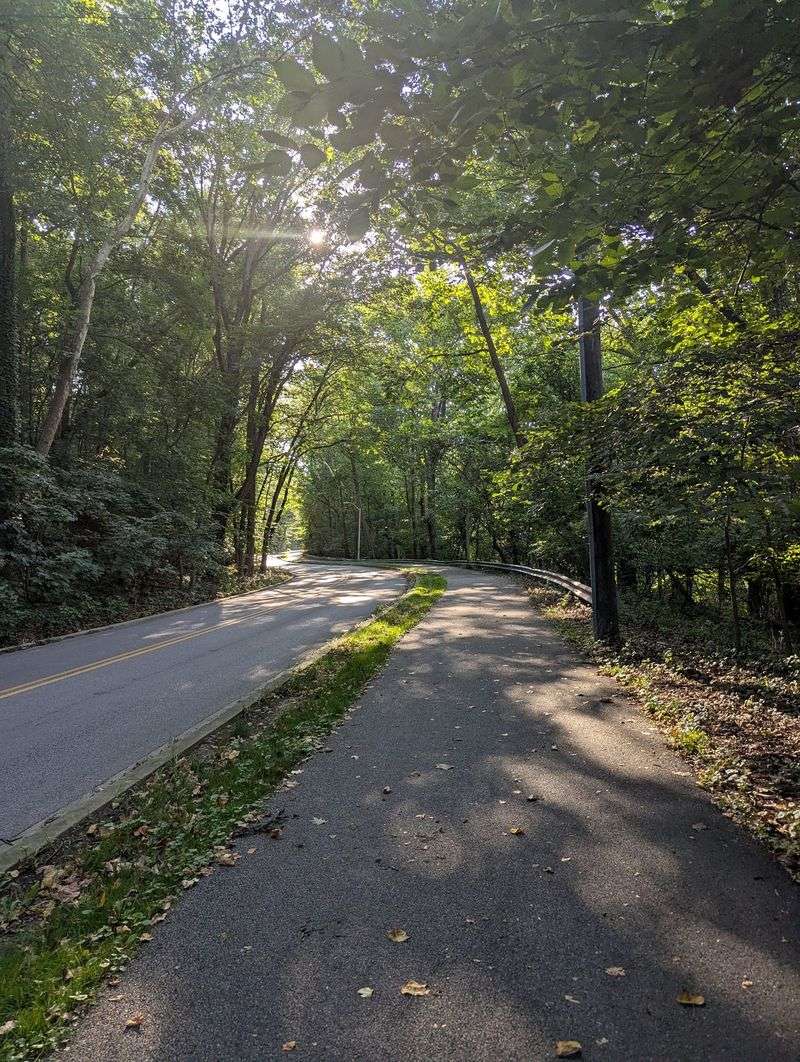
Miles of pathways cross this park, and the Jones Falls Trail is the backbone. Entering at the north end, it circles Druid Lake before continuing south toward the harbor, linking the park to the wider Jones Falls corridor.
Combining the lake loop with the trail creates the popular Druid Lake and Jones Falls Trail Loop, a moderate route of about 5.2 miles, or 8.3 kilometers. Along the way, hikers get downtown skyline views, deep woods, and open water in a single outing.
Old carriage and bridle paths still wander through the wooded sections, remnants of an era when horses outnumbered cars. Following them feels like discovering the park’s original blueprint underfoot.
Some of the oldest forest growth in Maryland survives at the northern end, protected as natural wooded habitat. Roadways there closed to vehicles around the late 1970s or early 1980s, leaving the pavement to hikers and cyclists.
Bring water, since fountains are not spaced evenly, and wear shoes with grip for the unpaved stretches after rain. A downloaded trail map helps because signage can be sparse in the quieter corners.
Spring brings wildflowers and returning songbirds, while autumn turns the canopy gold and red. Early risers often have entire sections of forest to themselves, with birdsong replacing traffic noise almost entirely.
The Moorish Tower and Other Architectural Curiosities
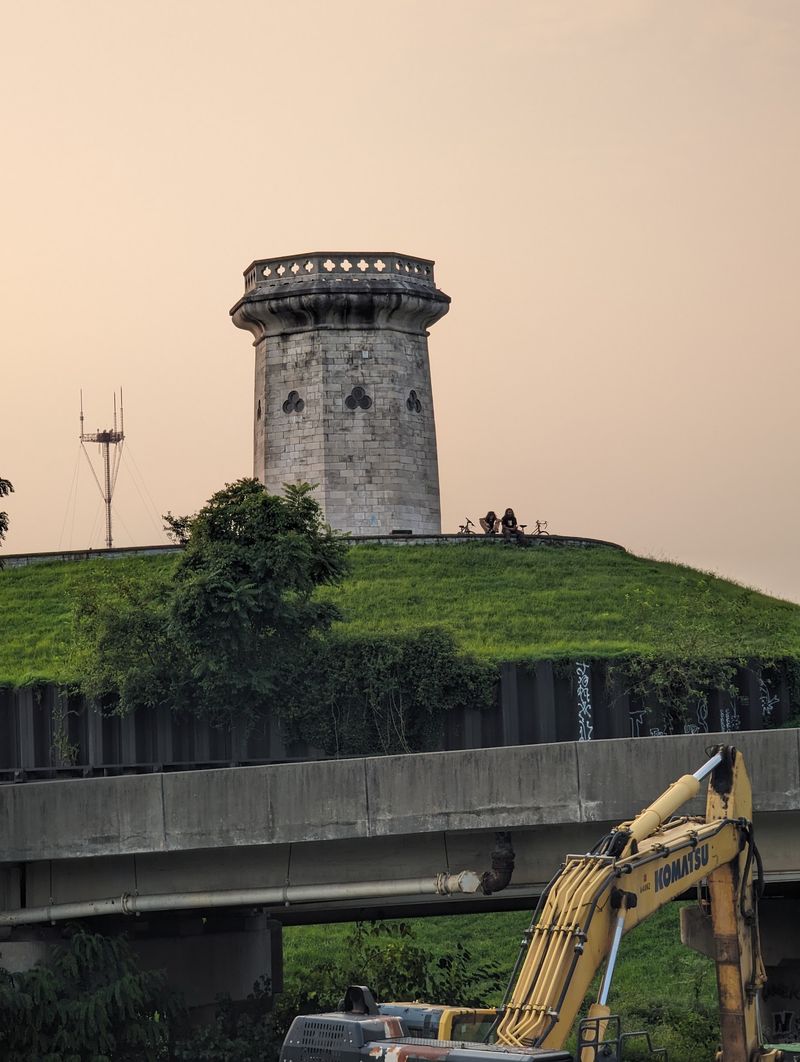
Perched on a hillside like something borrowed from a storybook, the Moorish Tower is one of the park’s most photographed oddities. Its decorative arches and stonework hint at the Victorian love of exotic design that shaped much of the grounds.
Nearby stand the Latrobe Pavilion, the Sundial Pavilion, and the Chinese Pavilion, each built to give strollers a shaded place to rest and admire the view. Together they form a scattered outdoor museum of nineteenth-century park architecture.
Twenty-two structures inside the park carry protection under the National Register of Historic Places, including the Engineer’s House and the Forestry Building and Wagon Shed. Spotting them all makes for an excellent walking challenge.
The Mansion House, once the family home of Colonel Nicholas Rogers in the late 1700s, now serves as administrative space for the Maryland Zoo. Its presence connects the modern park to the estate that came before it.
Other finds include the arched gateway at Madison Avenue and Druid Hill Lake Drive, the Octagonal Shelter, the Chess and Checkers Pavilion, Edmunds Well, and the quiet Rogers family cemetery.
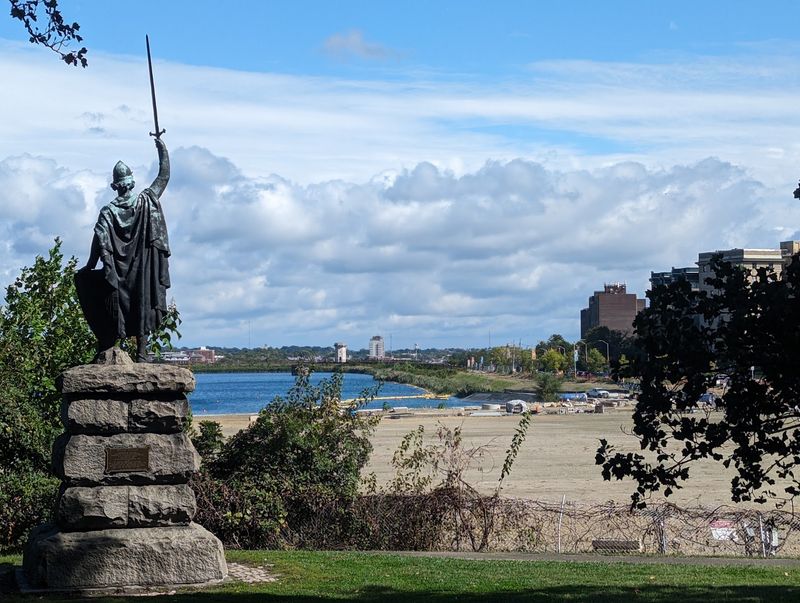
Statues add another layer, among them the George Washington Monument, the Christopher Columbus Monument, and a William Wallace Monument copied from the original in Stirling, Scotland. Cameras and curiosity are the only tools required for this treasure hunt.
The Zen Garden and City Farms Plots
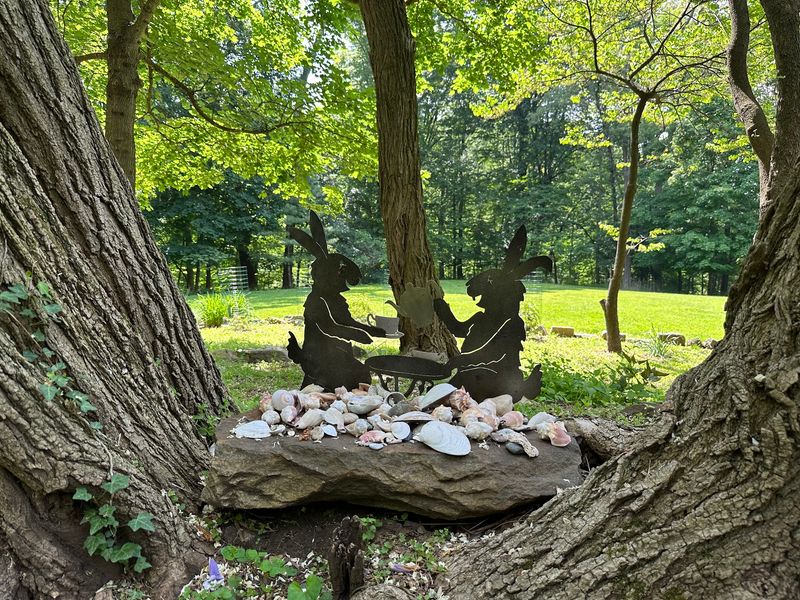
Quiet corners matter in a park this size, and the Zen Garden delivers one. Designed for slow walking and calm thinking, it offers a break from the busier lawns and trail traffic nearby.
Stone arrangements, careful plantings, and simple paths encourage visitors to sit still for a while. Readers, sketchers, and anyone needing a mental reset tend to gravitate here.
A short distance away, the City Farms Garden hums with a different energy. Local residents rent plots and grow tomatoes, greens, herbs, and flowers, turning a slice of public land into a working neighborhood farm.
Watching gardeners trade seedlings and advice gives visitors a real glimpse of Baltimore community life. Photographers often find the rows of homemade trellises and hand-painted signs more charming than any formal flowerbed.
Both spots reward unhurried visits, so plan them between bigger stops rather than rushing through. Mornings are especially peaceful, before the day heats up and the crowds arrive.
Respecting the growing plots matters, since they belong to individual gardeners rather than the public at large. Admiring from the pathways keeps everyone happy.
Together these two spaces show a softer side of the park, one built around patience and care rather than recreation and speed. Anyone traveling with restless energy may find these areas surprisingly restorative after a long morning on the trails.
Sports Courts, Ball Fields, and Disc Golf
Active travelers get plenty to work with here. Disc golf courses wind through the grass and trees, drawing regulars who show up with full bags of discs and plenty of friendly trash talk.
Tennis courts and basketball courts stay busy on warm evenings, and several are lighted so play continues after sunset. Ball fields and open athletic fields host everything from youth leagues to casual pickup games.
An indoor swimming pool serves the community year-round, a welcome option when Maryland humidity makes outdoor activity uncomfortable. Checking hours ahead of time is wise, since schedules shift by season.
The Olmsted Brothers helped site many of the athletic areas between 1904 and 1916, which explains why the fields sit so naturally within the rolling terrain. Good design from a century ago still pays off today.
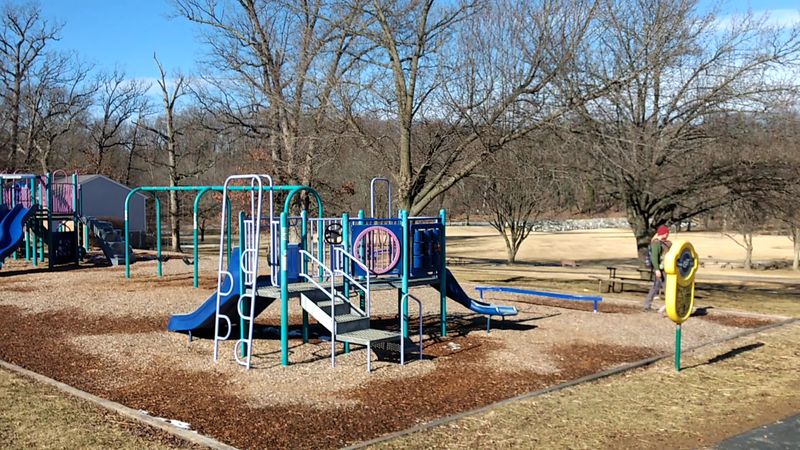
Playgrounds appear throughout the grounds, giving younger children somewhere to burn energy while older siblings play a match. Picnic groves with pavilions sit close to several of them, making a combined afternoon simple to organize.
Visitors without gear can still join in, since pickup basketball games are common and welcoming. Bringing a ball, a frisbee, or a set of discs opens up hours of free entertainment.
Hydration is key during summer, so pack more water than expected before heading to the fields.
Two Centuries of History Beneath the Trees
Long before joggers circled the lake, this land was called Auchentorlie, the estate of Dr. George Buchanan, one of the founders of Baltimore Town in 1729. Colonel Nicholas Rogers later renamed the property Druid Hill, and the name stuck.
The City of Baltimore bought the land in 1860 from family descendant Lloyd Rogers. Funding came from an unusual source: a one-cent park tax on horsecar fares, championed by Mayor Thomas Swann.
Howard Daniels drew the original layout after placing fourth in the Central Park design competition, which gave Baltimore a designer with serious credentials. Between 1904 and 1916, the Olmsted Brothers refined entrances, playgrounds, and athletic areas.
Social history runs deep here too. During the early twentieth century, the park became a central gathering place for Baltimore’s African American community and a focal point in local racial integration efforts.
Those struggles left marks that thoughtful visitors can still trace, from the location of former segregated facilities to the stories told on interpretive signs. Learning them adds weight to what might otherwise feel like a simple walk.
The entire park is listed as a historic district on the National Register of Historic Places, recognized for architecture, landscape architecture, engineering, and social history. Few urban parks carry that many layers at once.
Guided history walks occasionally run through the grounds and are worth seeking out.
Festivals, Farmers Market, and Planning the Visit
Summer weekends here can feel like a citywide block party. AFRAM, one of the largest African American festivals on the East Coast, fills the grounds around Juneteenth weekend with music, food, and celebration of African American life and culture.
Other yearly favorites include the Baltimore Ten-Miler road race, Brew at the Zoo, and the Charm City Cyclocross bicycle race. The historic Music Pavilion, nicknamed the White Pavilion, often anchors concerts and community gatherings.
From June through September, the Druid Hill Farmers Market sets up at the Rawlings Conservatory with fresh produce, artisan goods, food trucks, live music, and workshops. Arriving early gives the best selection.
Park hours run daily from sunrise to sunset, though lighted courts and ballfields remain open after dark. Entry costs nothing, with admission charged only at the Maryland Zoo.
Free parking is spread throughout the grounds, including paved lots near the zoo and swimming pool plus designated roadside spaces. Public transit works well too, using the local bus system or MTA light rail to the Woodberry station.
Spring through fall brings the most pleasant weather and the fullest bloom, while summer delivers the busiest event calendar. Families should also look for the Baltimore Model Safety City, a miniature version of downtown built to teach children pedestrian safety.
Address: 900 Druid Park Lake Dr, Baltimore, Maryland
