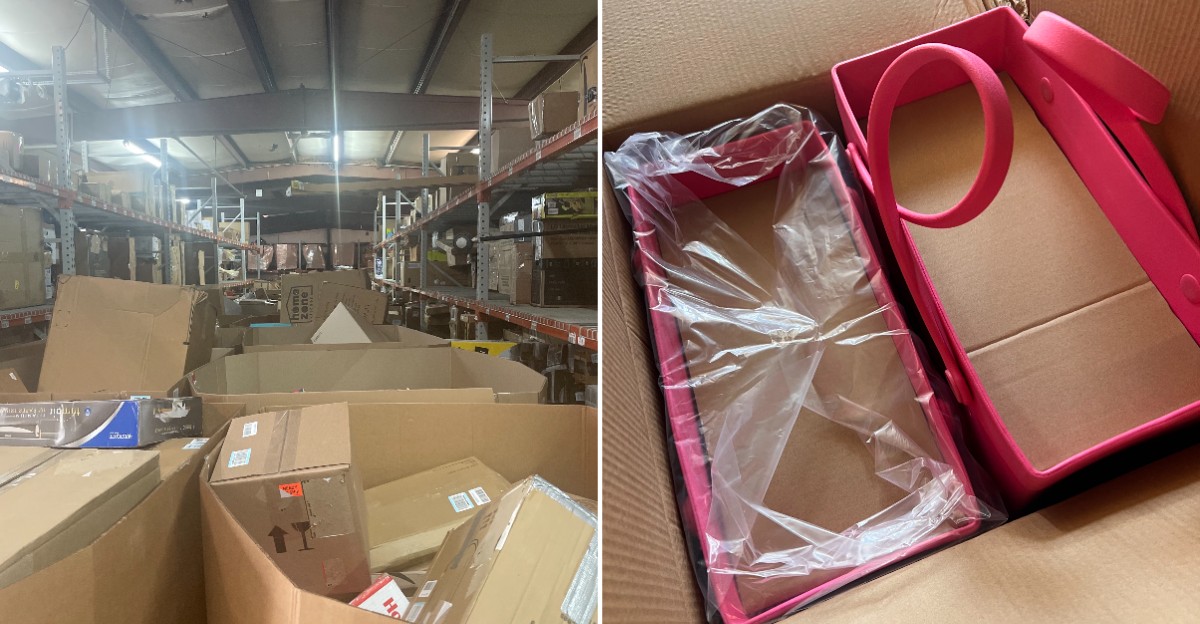
This Missouri wholesaler sells store returns and overstock, with most inventory shipping directly from retailer or supplier facilities. Single pallets are occasionally available, depending on the inventory program and minimum-purchase requirements.
That’s the detail I can’t get over. The merchandise comes from big-name retail streams, the kind of stores most of us shop every week.
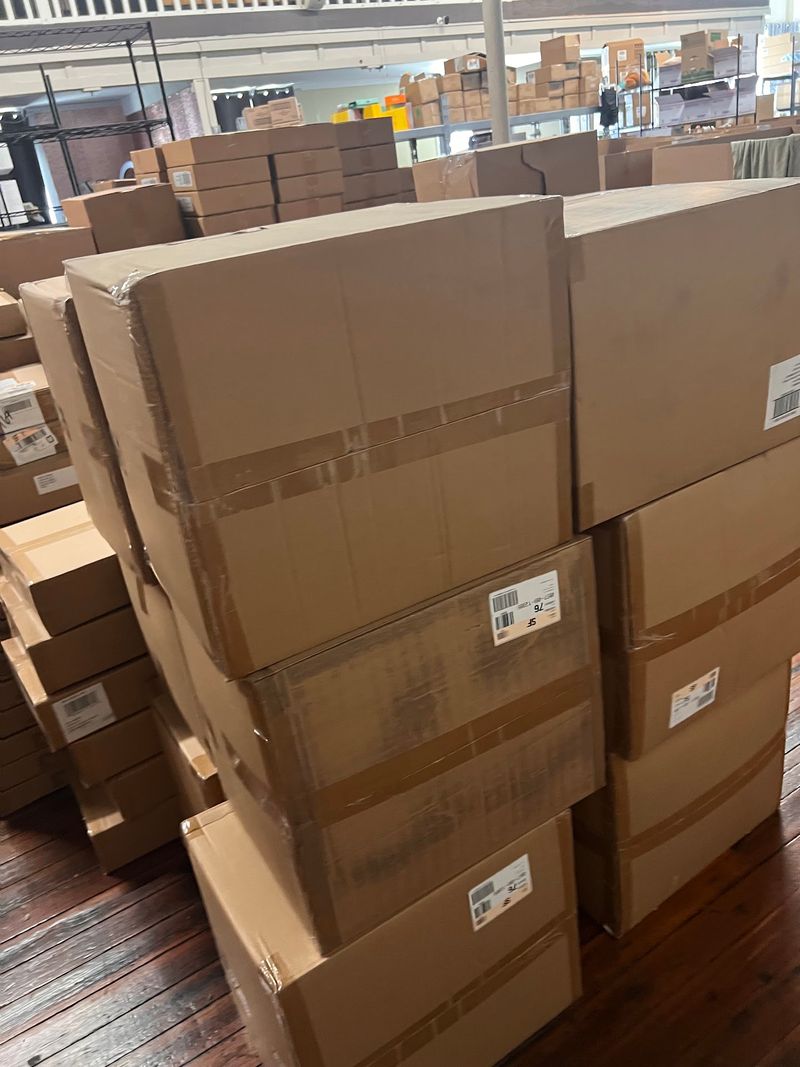
Now it’s stacked, wrapped, and waiting for a new home.
I can see why resellers pay attention. A pallet is a manageable test run, while a truckload is a serious business move.
Having both options under one roof makes the whole idea feel less scary.
The funny part is how ordinary the setup sounds until you think about scale. One stop can mean a few boxes or a few dozen pallets.
The Whole Idea Fits On One Pallet, And That’s The Point
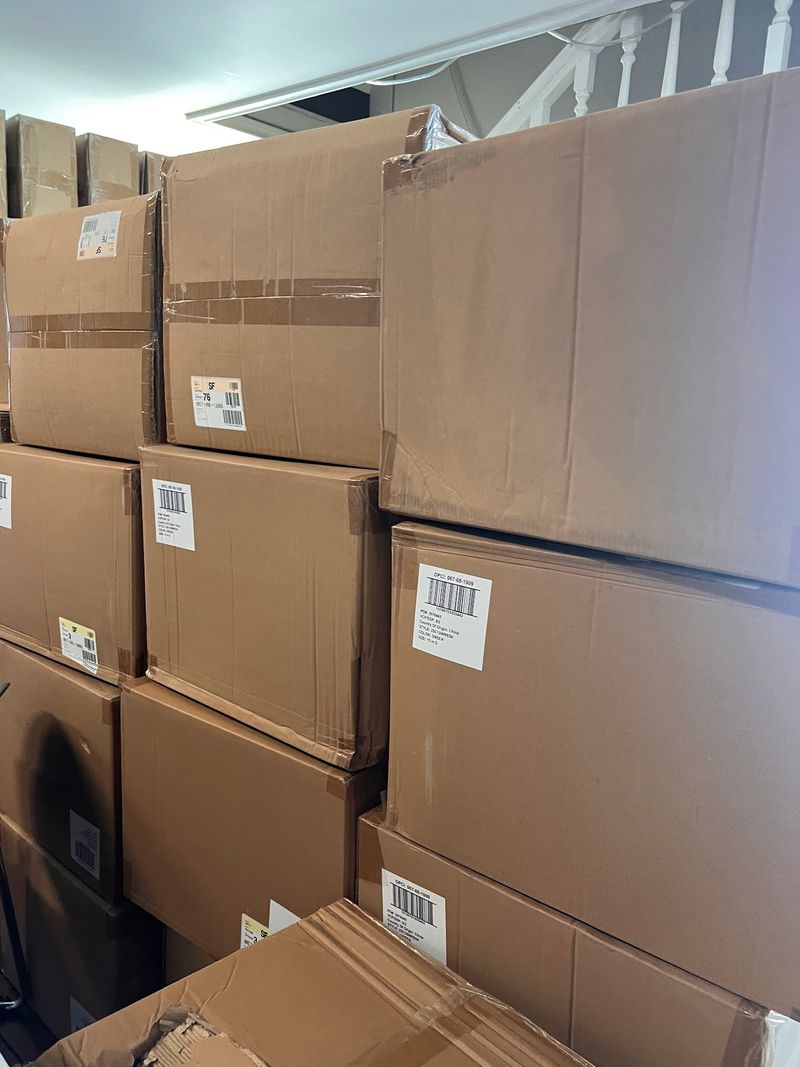
Liquidation buying usually sounds like a game for big players with big warehouses. Core Wholesale flips that idea by selling truckloads while still offering single pallets.
That middle ground matters more than it seems. A pallet lets a newer reseller learn the ropes without betting the farm on one shipment.
Think about what a single pallet really means. It’s a stack of merchandise you can actually fit in a garage, sort in a weekend, and price at your own pace.
A truckload is a different beast entirely. It usually needs a dock, a crew, and a plan for storing dozens of pallets at once.
Having both choices at the same Missouri warehouse makes growth feel natural. You can start small, see what sells, and scale up when the numbers make sense.
I like that the business doesn’t force everyone into one size. Some buyers run flea market booths, while others stock full retail shops or online stores.
Each group needs a different volume of goods. A flexible seller helps all of them, which is probably why the pallet option gets so much attention.
Start with one, learn the rhythm, and let your sales tell you when to order more.
Go Bigger With A Full Truck When You’re Ready
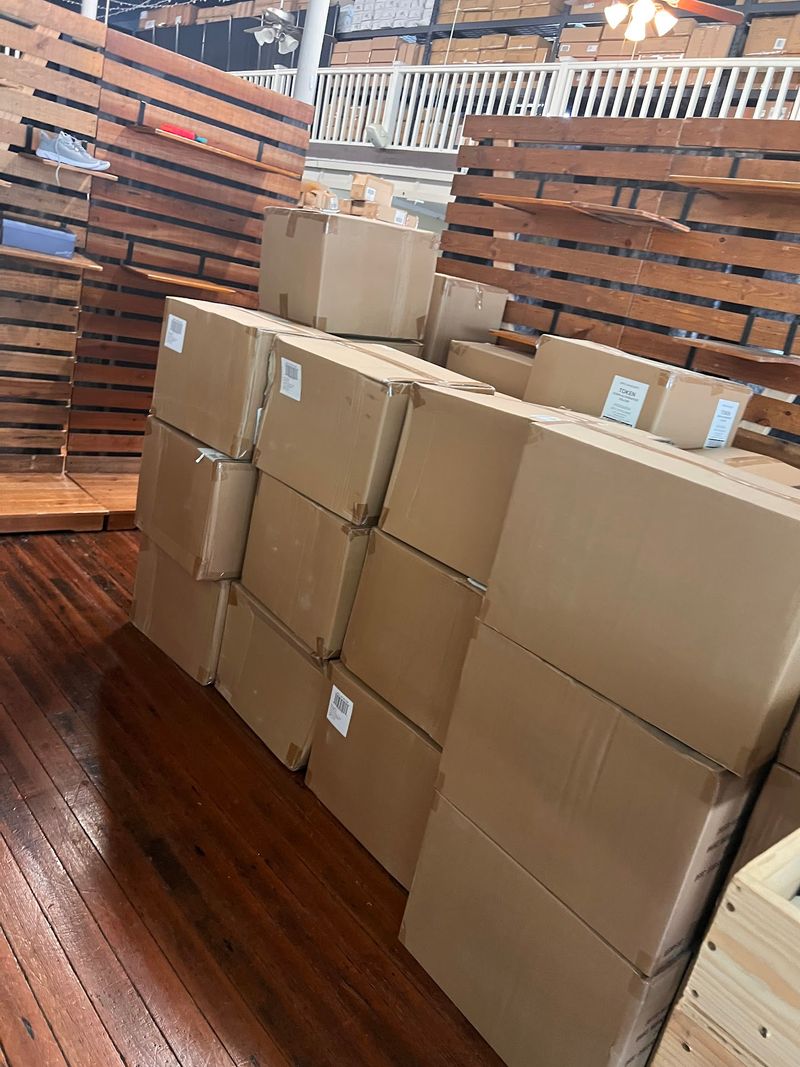
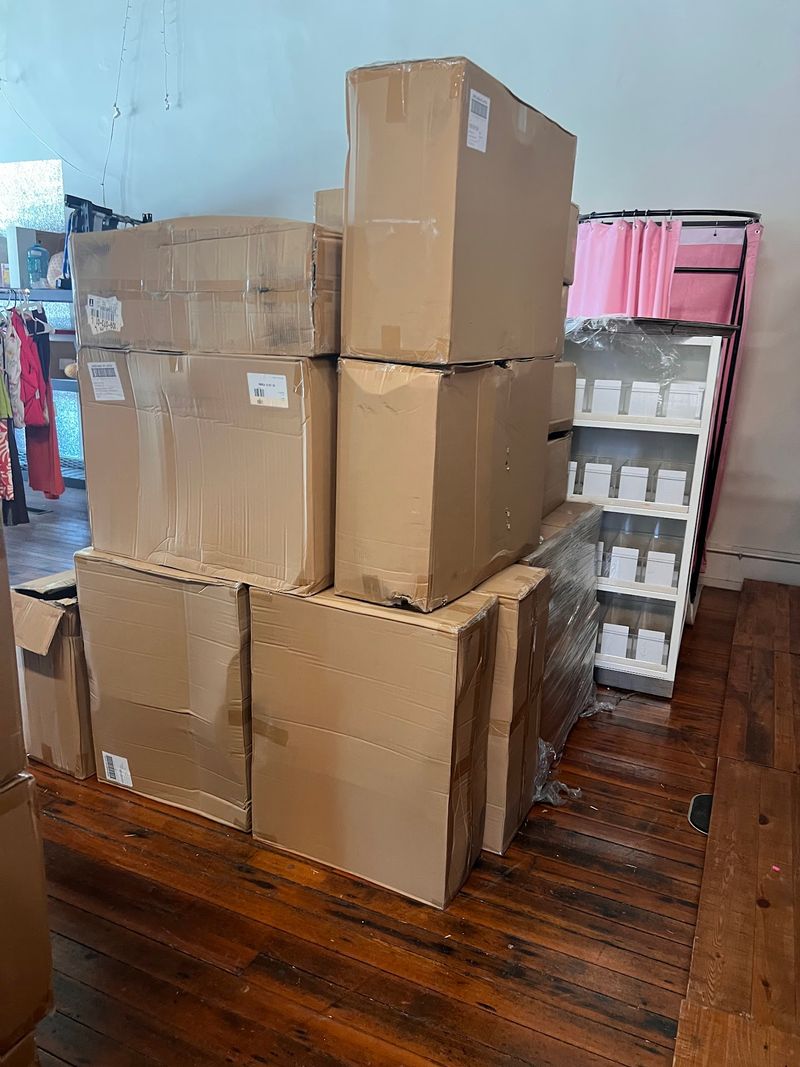
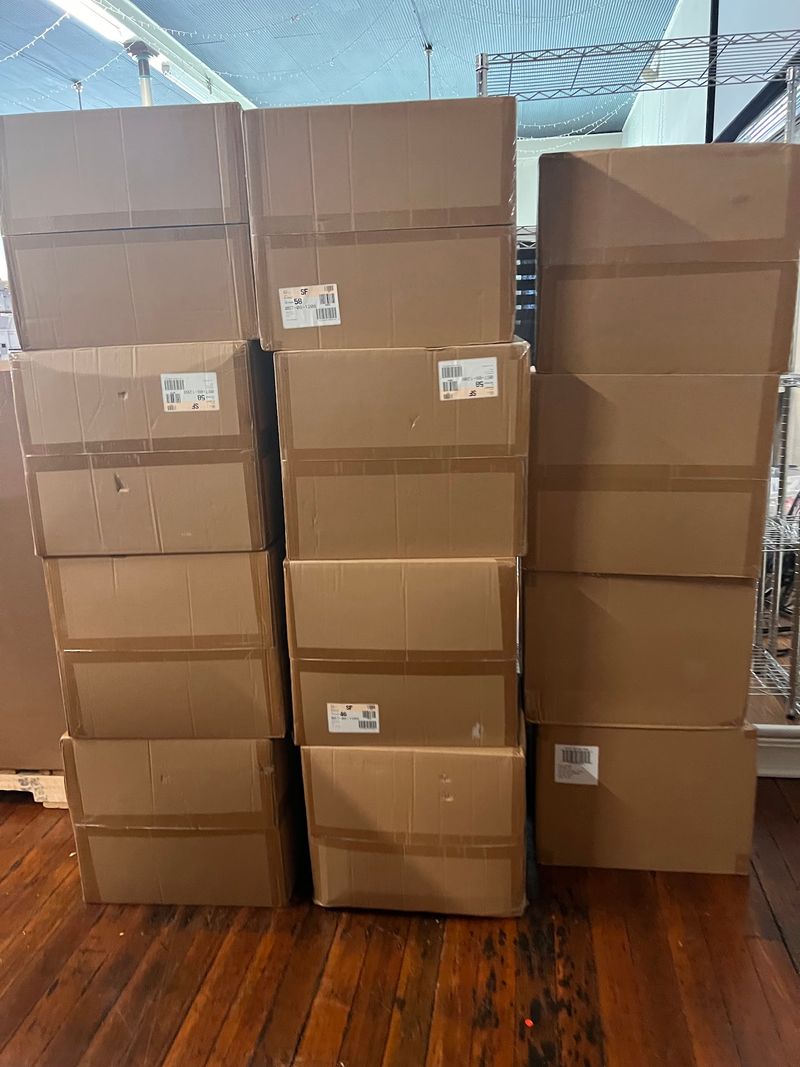
Two dozen pallets is a lot of cardboard. That’s roughly the scale of a full truckload, and it’s where serious resellers often end up.
Buying by the truck usually means a lower cost per pallet than buying one at a time. It also means you need room, help, and a fast way to move inventory.
So who buys this way? Store owners, bin store operators, and online sellers with steady sales often find the volume worth it.
Freight becomes part of the math here. Shipping a full truck across states costs real money, so stacking options and load height can affect your budget.
Core Wholesale offers full loads alongside smaller orders, which gives growing businesses a next step. You don’t have to switch suppliers just because you’ve outgrown a single pallet.
Before jumping in, run the numbers carefully. Count expected units, estimate realistic selling prices, and add shipping and labor.
A truckload can stock a shop for weeks. It can also sit around if you buy faster than you sell.
I’d say the best truck buyers are patient planners. They treat each load like a business decision, not a lottery ticket.
Big-Box Store Names Show Up In The Mix
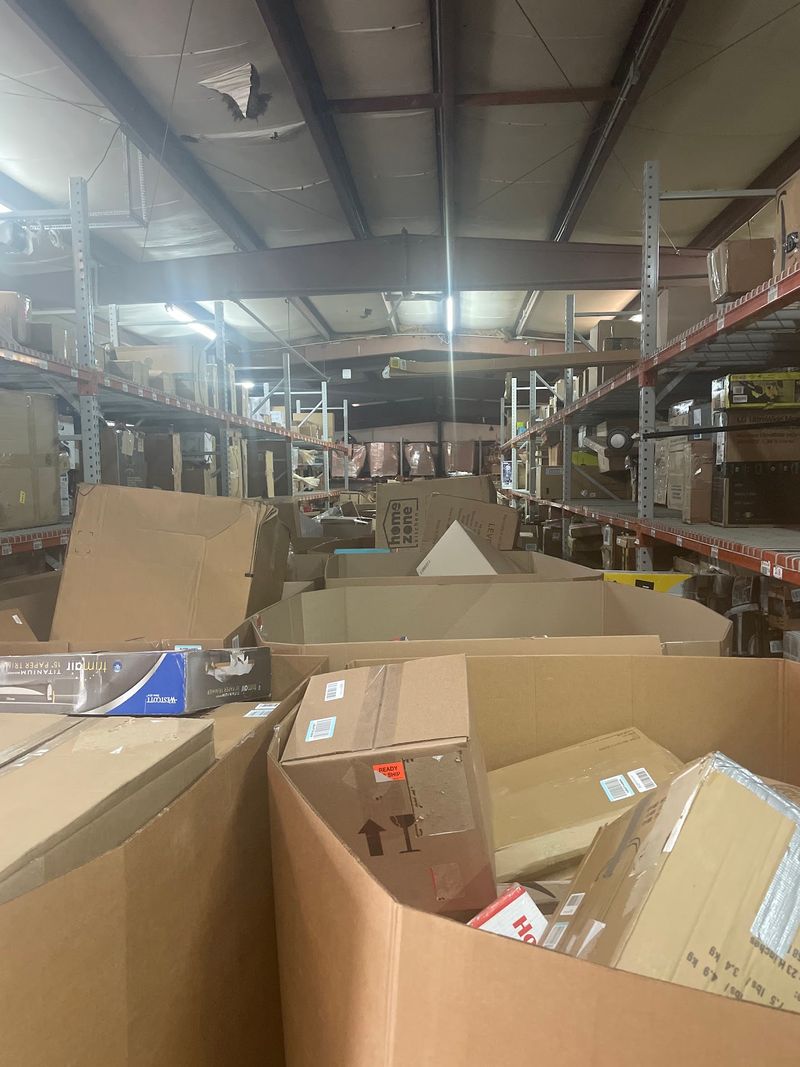
Home improvement chains, online giants, and big general retailers all feed the liquidation world. Core Wholesale works with that kind of merchandise, including loads tied to stores like Lowe’s, Home Depot, Amazon, and Target.
That variety is a big part of the fun. One pallet might lean toward household goods, while another tilts toward seasonal decor or tools.
Store liquidations happen for plenty of reasons. Products get returned, overstocked, discontinued, or cleared out to make room for new inventory.
Retailers can’t keep all of it on shelves forever. So the goods move in bulk to wholesalers, and that’s where buyers step in.
Knowing the source helps you plan. Home improvement returns may suit a hardware-style booth, while general merchandise works better for a varied resale table.
Case pack loads are another option in this world. Those usually contain products still in their original shipping cases, often in multiples of the same item.
Fair warning, though. Mixed loads can include items with very different retail values, so smart buyers study what a load type typically holds.
Ask questions before you commit. A clear picture of the source makes it easier to match a pallet to your customers.
A Family Business Runs The Show
Behind all those pallets is a family-owned operation. That small-business feel stands out in an industry often dominated by huge online auction sites.
Working with a family business can feel more personal. You’re dealing with real people in a real building, not just a checkout button.
Names come up when customers talk about this place. Mackenzie and Sheila have been mentioned by buyers who appreciated their help with orders.
That kind of personal contact matters in liquidation. Every load is a bit different, so having someone to ask about contents and logistics is valuable.
Still, smart buying is your job too. Ask about what a load typically holds, how it’s packed, and what happens if something seems off.
Get answers in writing when you can. Clear communication protects both the seller and the buyer, especially on large orders.
I like the idea of a local Missouri family running something this big. It turns a giant supply chain into something with faces attached.
Go in friendly, come prepared with questions, and treat it like a working relationship. Good suppliers become part of your business story over time.
Find The Warehouse Just Off The Highway In Blue Springs
Blue Springs sits on the east side of the Kansas City area. That location makes it pretty convenient for buyers coming from across western Missouri.
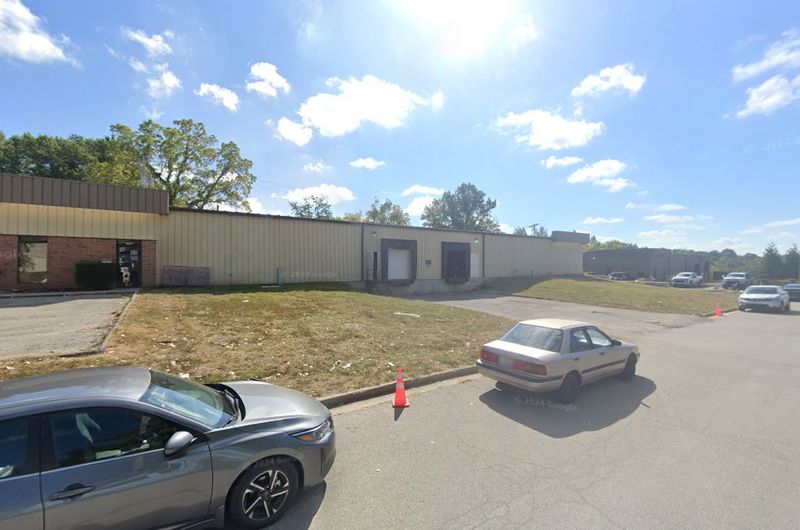
You’ll find Core Wholesale at 1120 Southwest 28th Street, Blue Springs, MO 64015. It’s a working warehouse setting, so think loading space and inventory, not a polished mall storefront.
Picking up a single pallet yourself can save on freight. Just make sure you bring a vehicle and trailer that can actually handle the weight and size.
Pallets are heavier than they look. A loaded one can easily weigh hundreds of pounds, so plan for straps, ramps, or extra hands.
Measure your truck bed or trailer before you go. Nothing ruins a bargain faster than realizing your ride is six inches too short.
The Kansas City metro also makes this a handy stop for buyers from nearby Kansas towns. A short drive beats a long freight bill any day.
Call ahead to confirm pickup details and availability. Warehouse inventory moves, and a quick check keeps your trip from turning into a scenic drive with nothing in the back.
Plan Your Trip Around These Weekday-Friendly Hours
Core Wholesale lists operating hours of 9 AM to 5 PM, Monday through Friday. Contact Core Wholesale to confirm whether a Saturday appointment is available.
Sunday is closed. So if you’re hoping for a lazy weekend pallet run, Saturday is your only shot.
Those hours favor early birds. A morning pickup gives you time to load up, drive home, and start sorting before dinner.
Saturday is handy for weekend resellers with day jobs. You can grab a pallet and spend Sunday unpacking boxes in the garage.
Arriving well before closing is smart. Loading pallets takes time, and nobody wants to rush a forklift job at the last minute.
Got a big order? Coordinate a pickup time in advance so the team can have everything staged and ready.
Hours can change around holidays or busy seasons. A quick phone call before you leave saves gas and frustration.
I’d absolutely make a weekday morning trip for this. Fresh coffee, an empty trailer, and a pallet full of unknown boxes sounds like a pretty great start to the day.
Your Resale Side Hustle Might Start Here
Plenty of small businesses begin with one pallet and a folding table. Liquidation buying has become a popular path for flea market sellers, online shops, and bin stores.
The appeal is simple. You buy merchandise below typical retail, then resell it at a price that still feels like a deal to shoppers.
Profit isn’t automatic, though. It depends on what’s inside, how quickly you sell, and how carefully you price each item.
Some items sell in a day. Others may sit for weeks, especially seasonal goods bought at the wrong time of year.
Track everything from the start. A simple spreadsheet showing pallet cost, units, and sales tells you whether a load type works for you.
One buyer shared that getting goods straight from big retailers meant inventory wasn’t already picked over by other resellers. That’s a real advantage when you want the good stuff intact.
Start with a pallet you can sell through quickly. Fast turnover builds cash and confidence for the next order.
Treat your first load like tuition. Even the lessons cost something, and they make every future pallet smarter.
Smart Questions Beat Lucky Guesses Every Time
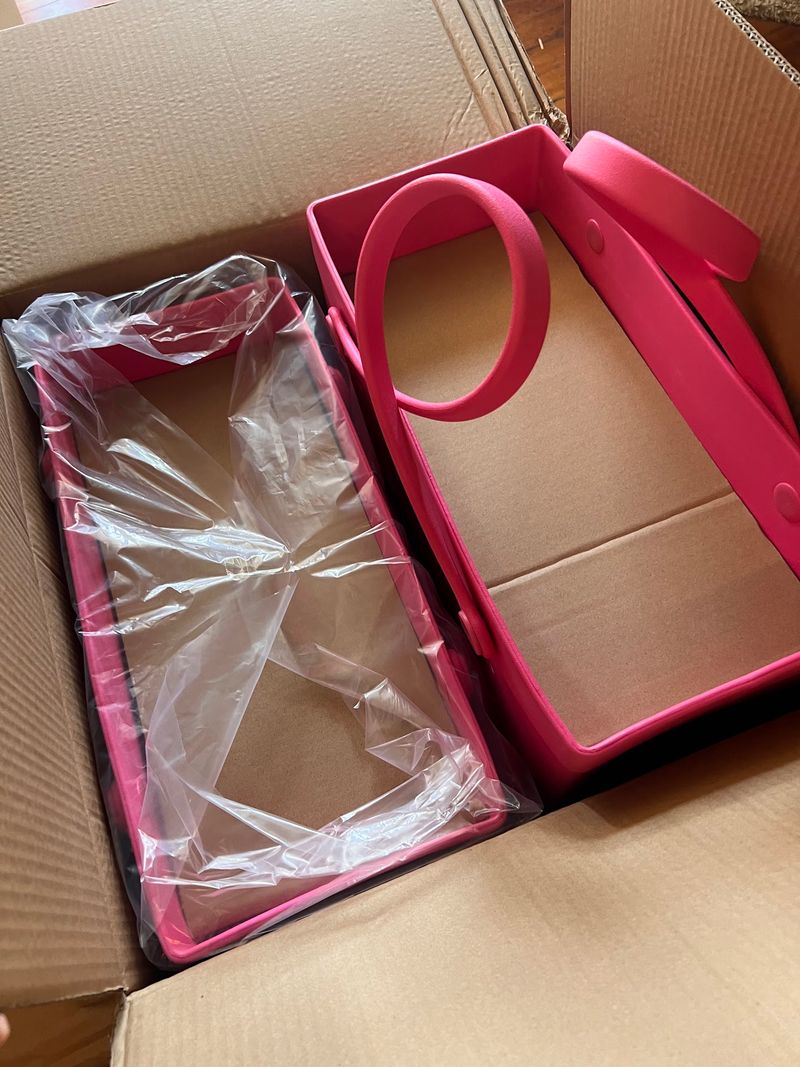
Liquidation is part bargain hunt and part homework. The buyers who do best usually ask the most questions before paying.
Start with the load type. Customer returns, overstock, and case packs each behave differently when you try to resell them.
Next, ask about contents. Is there a manifest, or is it a mixed load with general categories only?
Unit count matters too. Divide your total cost by the number of items, then compare that to realistic resale prices, not tag prices.
Shipping details deserve attention on large orders. Ask about pallet heights, stacking, and how many pallets fit on one truck.
Not every load will match your hopes. One Core Wholesale buyer reported a case pack load heavy on lower-priced home items, which hurt their margins.
That’s a reminder, not a reason to panic. Any liquidation purchase carries some risk, and clear expectations help lower it.
Keep photos and messages from every deal. Good records make conversations easier if something needs sorting out later.
Okay, that’s a lot of homework. But a few minutes of questions can protect thousands of dollars.
Why This Missouri Stop Deserves A Spot On Your Radar
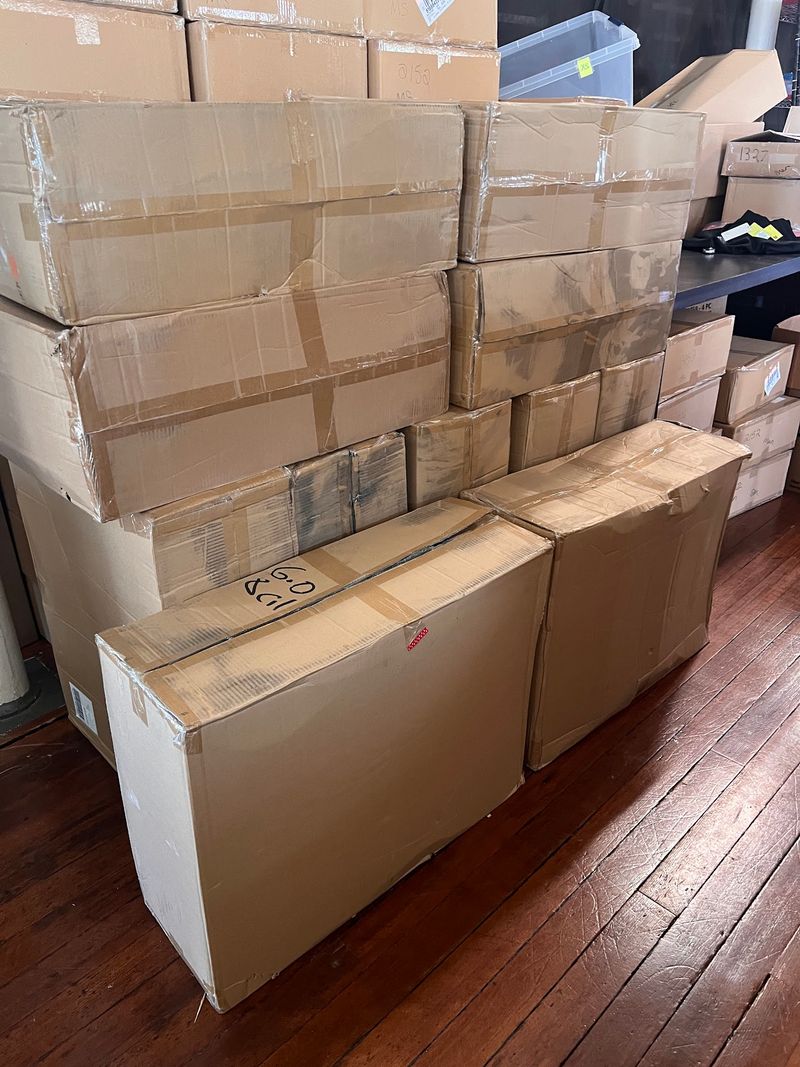
Scale is the headline here, but flexibility is the real story. Core Wholesale offers truckloads and occasional single pallets, but local pickup is available only for inventory stored at its Blue Springs warehouse and must be scheduled in advance.
That range is rare in a business usually split between tiny online lots and huge industrial deals. It gives curious beginners and seasoned resellers the same front door.
Location helps too. Being in the Kansas City area puts this Missouri wholesaler within reach for plenty of local pickup trips.
The family-owned angle adds a personal touch. You can talk to people directly instead of guessing through an anonymous listing.
Of course, every deal deserves a clear head. Read the load details, run your numbers, and pick a size that fits your space and sales speed.
That careful approach turns pallet buying from a gamble into a business habit.
I can see why this place catches attention. Mountains of retail merchandise, sold in whatever quantity fits your plans, is a pretty compelling pitch.
So grab a tape measure, check your trailer, and map out a weekday morning. Your first pallet might be the start of something much bigger.
