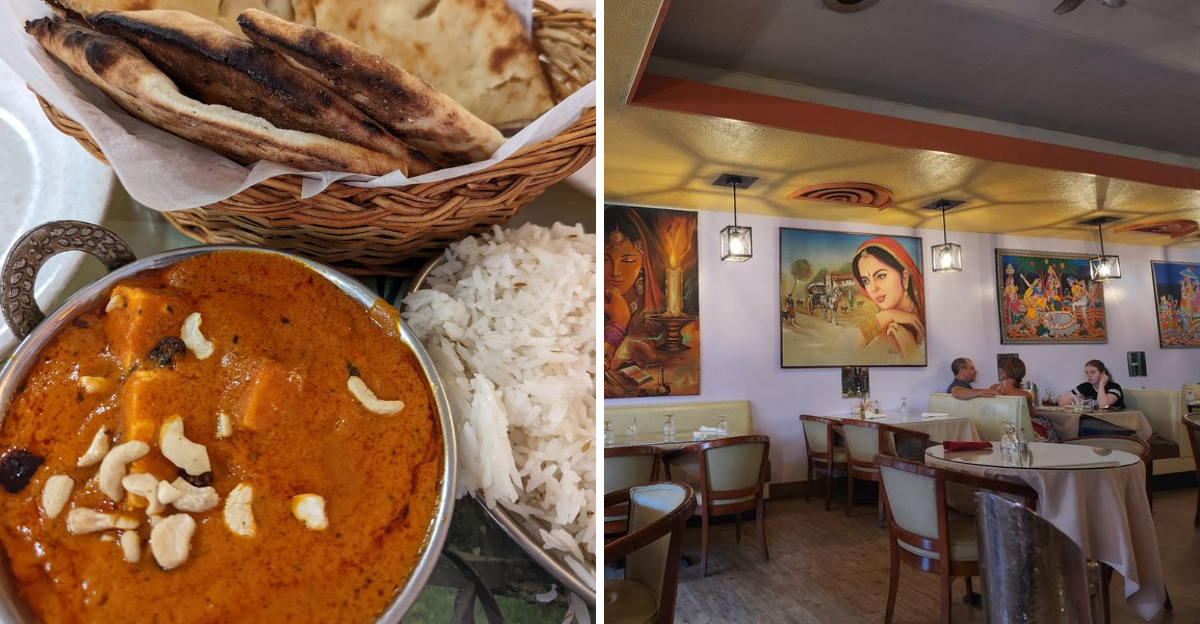
Garlic naan is a reliable bread.
It does not ask for much. It just shows up, warm and buttery, ready to scoop up whatever you throw at it.
The naan at this West Virginia spot is so good it might make you question your life choices.
That is the power of a place that has been serving authentic Indian cuisine since 1994.
The flavors are bold. The spice levels are adjustable.
The lunch buffet is the kind of spread that makes you wish you had a bigger appetite.
You have probably had Indian food before. The kind that plays it safe and leaves you wondering what the fuss is about.
This is the opposite. It is food that demands attention and rewards you generously.
Some restaurants feed you. This one makes you a regular.
And honestly, that is the whole point. I would tell you my favorite dish, but I am still stuck on that naan.
A Family Legacy That Started With One Vision
Some restaurants feel like businesses. Sitar of India feels like someone’s life’s work.
The restaurant first opened its doors in 1992, planting a flag for authentic Indian cuisine in a state where such flavors were practically unheard of at the time.
Bhupinder Khaira took over ownership in 2004 and brought his sons, Param and Garry, into the fold. That family structure is not just a backstory – it shapes everything from how the kitchen operates to how guests are welcomed at the door.
Decades of consistent ownership create a kind of institutional knowledge that chain restaurants simply cannot replicate. The recipes, the techniques, the spice blends – all of it has been refined over years of real, hands-on dedication.
Staying power like this in the restaurant world is rare. When a family pours that much of themselves into a single place, the food carries that story in every bite.
Tandoori Cooking Done the Traditional Way
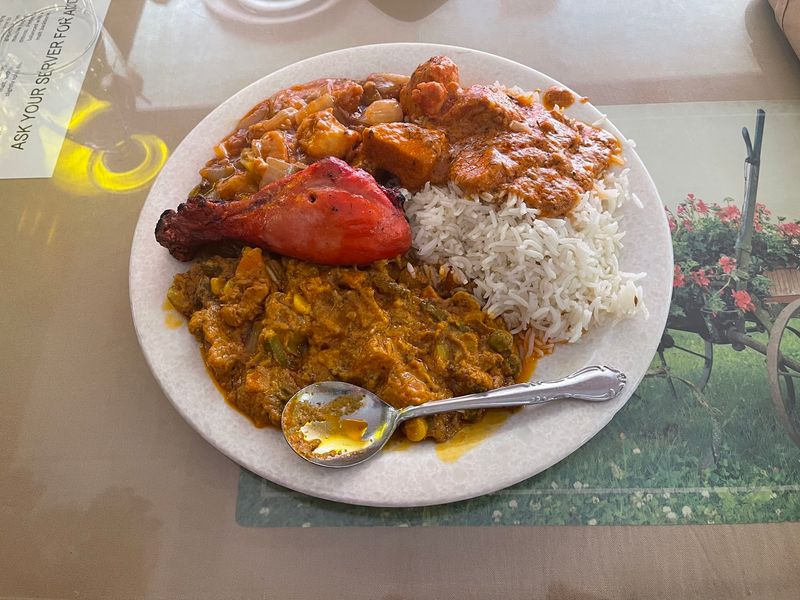
Not every restaurant that claims tandoori cooking actually uses a real clay oven. At Sitar of India, the tandoor is the real deal – a charcoal-fired clay vessel that reaches scorching temperatures and transforms marinated proteins into something genuinely special.
The heat from a tandoor works differently than a conventional oven. It seals the outside of the meat quickly, locking in moisture while the smoke from the charcoal layers in that signature flavor that no gas burner can fake.
Tandoori chicken emerges juicy, lightly charred, and deeply aromatic.
This cooking method also happens to be on the lighter side, since excess fat drips away during the high-heat cooking process. The result is food that feels satisfying without being heavy.
Chicken Tikka, cooked this way, becomes something far more complex than the name suggests. Getting tandoori right takes practice, patience, and the right equipment – and this kitchen has all three working together seamlessly.
Garlic Naan That Makes Everything Better
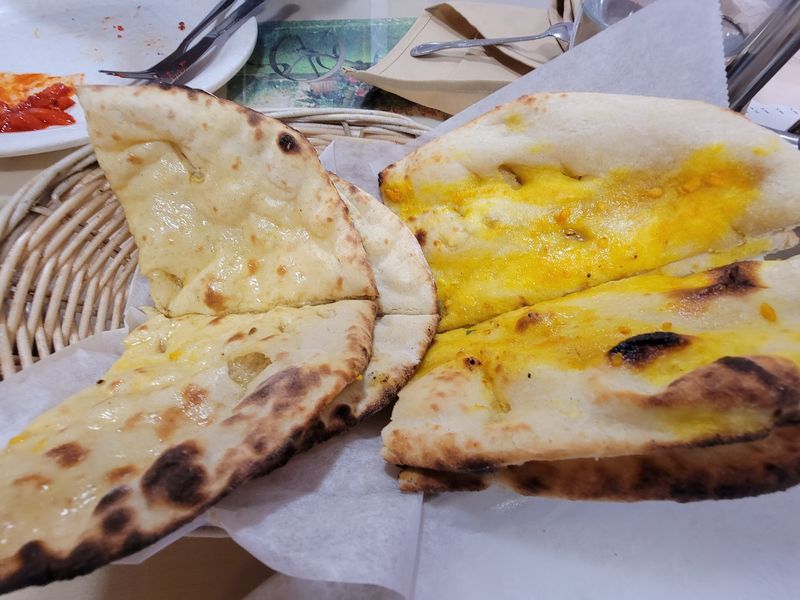
Garlic naan at Sitar of India is not an afterthought. Baked directly in the tandoor oven, each piece comes out with a slightly charred exterior, a soft and chewy interior, and enough garlic butter to make you want to order a second round before the first is finished.
Good naan is a vehicle, but great naan is the point. The version here holds up to thick, sauce-heavy dishes without disintegrating, which sounds like a small detail until you’ve experienced the opposite.
It tears cleanly, scoops generously, and adds its own flavor rather than just carrying someone else’s.
Regulars mention it almost every time they describe a meal here. Saag paneer scooped onto a torn piece of garlic naan is a combination that feels almost too good to be accidental.
The bread is simple in concept but demanding in execution, and the tandoor gives it a quality that a conventional oven simply cannot match. Worth ordering more than once per visit.
Chicken Tikka Masala That Earns Its Reputation
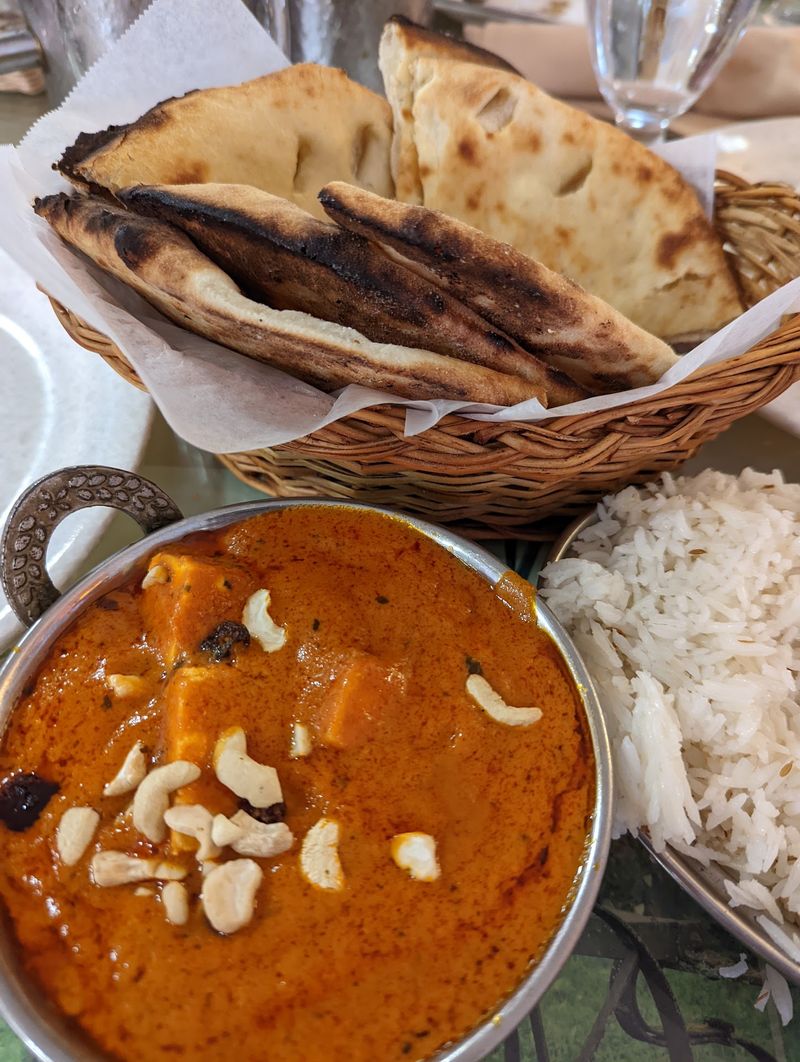
Chicken Tikka Masala might be the most ordered dish at Sitar of India, and with good reason.
The sauce is built on a foundation of tomatoes, cream, and a carefully balanced blend of spices that creates something layered and deeply satisfying rather than one-note or heavy.
What makes this version stand out is the quality of the base ingredients combined with the tandoor-cooked chicken pieces that go into it. The tikka arrives already carrying smoky depth from the clay oven, and when it meets that velvety sauce, the combination is hard to argue with.
Pairing it with garlic naan turns the experience into something almost ritual – tearing off a piece of bread and dragging it through the sauce is one of those small pleasures that makes a meal feel complete. First-timers to Indian food often start here, and regulars keep coming back to it.
Some dishes earn their popularity honestly, and this is one of them.
The Lunch Buffet Is a Genuine Event
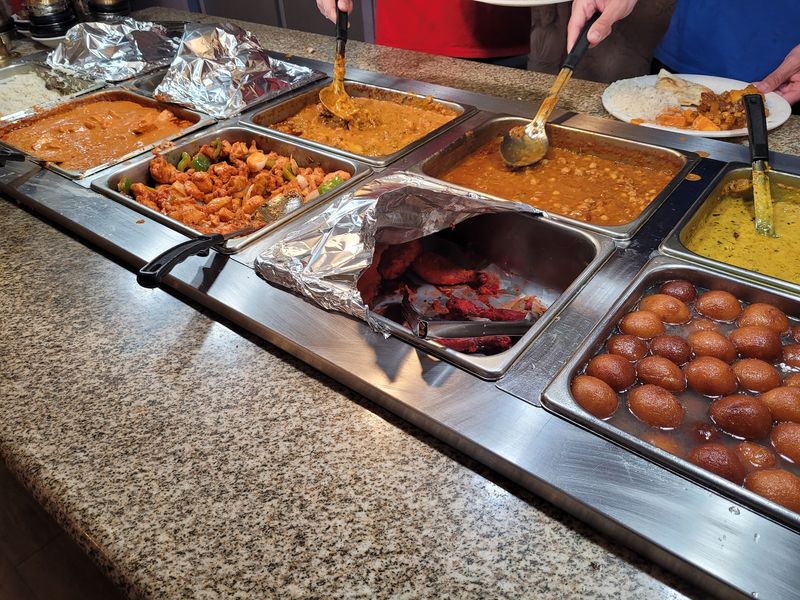
The weekday lunch buffet at Sitar of India runs from 11 AM to 2 PM and operates more like a curated tasting experience than a standard all-you-can-eat setup.
Complimentary chai tea and mango lassi are part of the spread, which already sets the tone for how seriously this buffet is taken.
On any given day, the buffet includes both meat and vegetarian options, rotating through dishes that sometimes do not even appear on the regular menu. Desserts are included, and the selection often features Indian sweets and ice cream alongside more familiar options.
Everything stays fresh and replenished throughout service.
The Diwali buffet takes things even further, reportedly offering over 60 items at once – a number that sounds almost impossible until you see the table. For anyone wanting to explore Indian cuisine without committing to a single dish, the buffet format is ideal.
Trying something unfamiliar carries less risk when a dozen other options are waiting right behind it.
Vegetarian and Vegan Options Done With Real Care
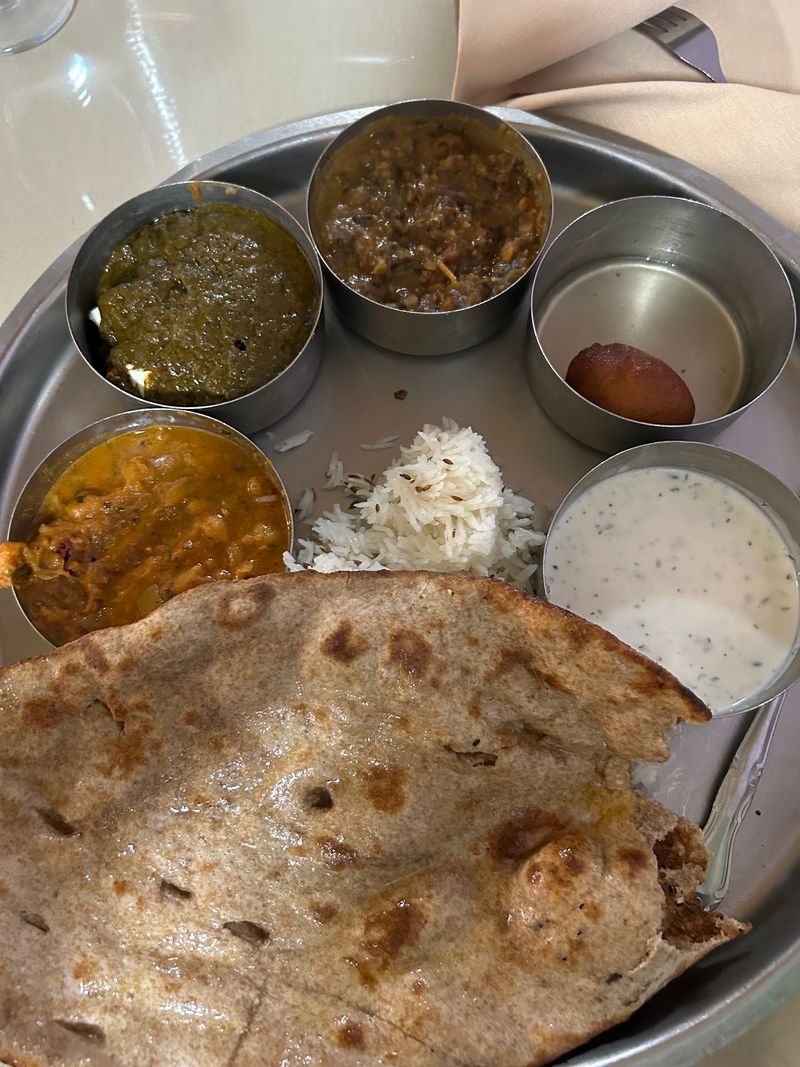
Saag paneer gets ten mentions in customer feedback for a reason. The spinach-based dish, rich with soft cubes of fresh cheese and fragrant spices, is the kind of thing that converts people who thought they did not enjoy Indian vegetarian food.
Malai kofta and vegetable korma round out a vegetarian menu that never feels like a compromise.
Many dishes can be prepared vegan upon request, which reflects a kitchen that actually understands its ingredients rather than just following a script. That flexibility matters to a growing number of diners who want to eat well without limiting their options before they even sit down.
The vegetable biryani deserves its own mention – fragrant basmati rice layered with spiced vegetables and cooked to a texture that holds together without turning mushy. Plant-based eating at Sitar of India is not a secondary offering.
It sits right alongside the meat dishes in terms of complexity, flavor, and attention to detail. Vegetarians do not leave feeling like an afterthought here.
Lamb Dishes That Serious Food Lovers Talk About
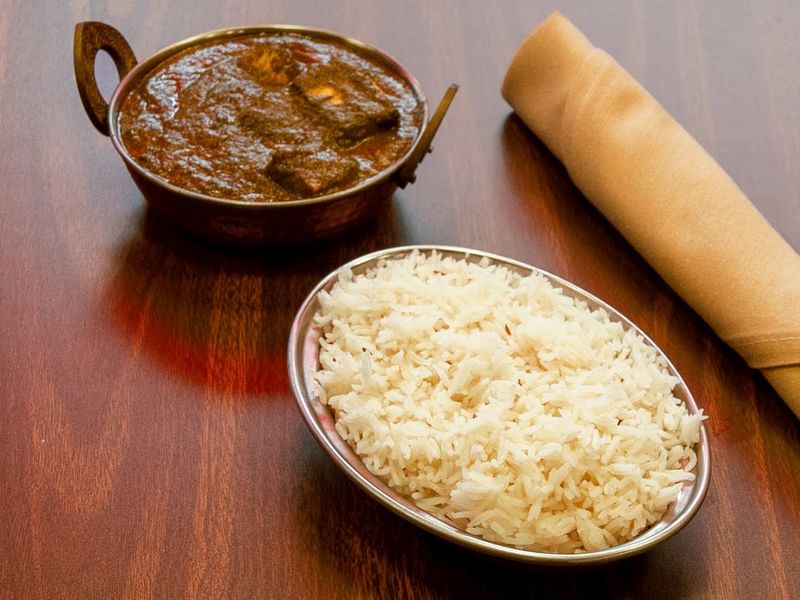
Lamb rogan josh and lamb korma show up consistently in what people remember most about a meal at Sitar of India. The rogan josh carries a bold, deeply spiced sauce with a warmth that builds gradually rather than hitting all at once.
Each piece of lamb is tender enough to fall apart with minimal effort.
Lamb korma takes a different direction entirely – creamy, mild, and rich with nuts and aromatic spices that create a sauce almost too good to leave on the plate. The contrast between these two dishes alone shows the range of what Northern Indian cooking can do with the same protein.
For those who enjoy heat, the lamb chili prepared at maximum spice still manages to carry distinct non-spicy flavors underneath the fire, which is a sign of a kitchen that knows how to build a dish rather than just turn up the heat.
Lamb done well is one of the harder things to pull off in any cuisine, and this kitchen handles it with clear confidence.
The Atmosphere Feels Like a Family Gathering
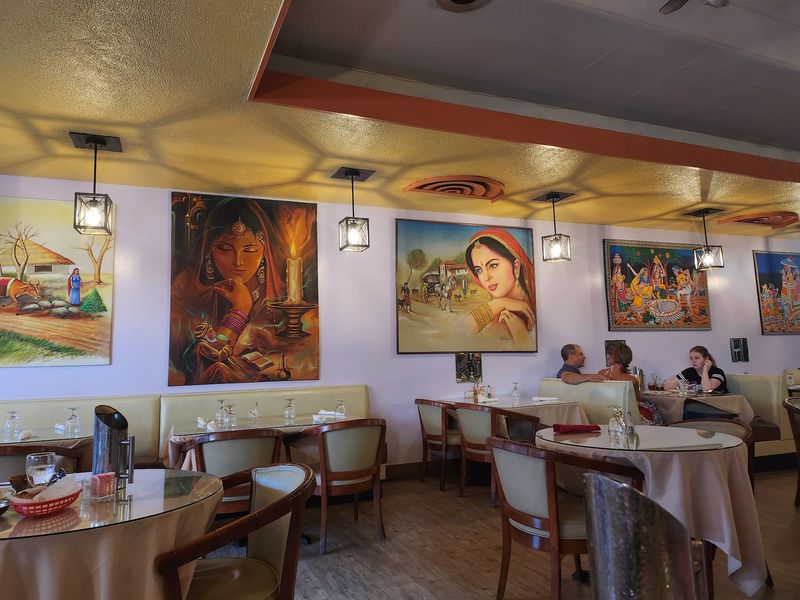
Walking into Sitar of India, the first thing that registers is the smell – warm spices, something roasting in the tandoor, a faint sweetness from desserts in the back.
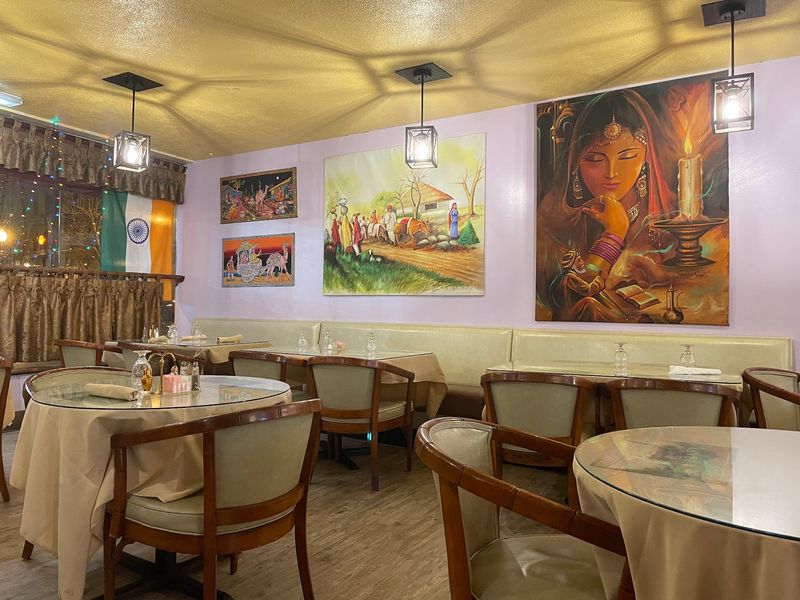
The interior is described consistently as classy but casual, which is a balance that takes genuine effort to maintain.
Linen-covered tables and proper stemware sit comfortably alongside a laid-back, unpretentious energy. Guests who have celebrated Christmas dinners and New Year’s Eve here describe the atmosphere as feeling like one big family gathering.
That is not something a restaurant manufactures – it grows over decades of the same family caring about the same space.
The staff treats regulars and first-timers with the same warmth, which keeps people coming back long after the novelty of trying something new has worn off. A meal here does not feel rushed or transactional.
The pacing, the hospitality, and the general sense that everyone around you is genuinely enjoying themselves all add up to something that extends well beyond the food on the plate.
Natural Spices and Authentic Northern Indian Techniques
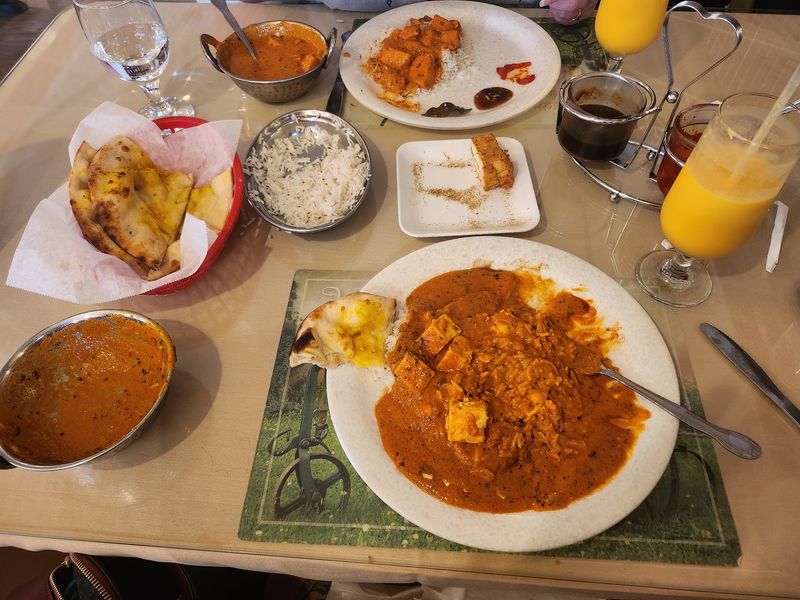
Northern Indian cooking has a distinct identity built around cream-based sauces, tandoor preparations, and a spice philosophy that prioritizes complexity over raw heat.
At Sitar of India, the commitment to natural spices and traditional techniques is evident from the first bite of almost anything on the menu.
Nothing on the plate suggests shortcuts. The sauces taste like they were built from scratch, layered with spices added at different stages of cooking rather than dumped in all at once.
That approach takes longer and demands more attention, but the difference in the finished dish is unmistakable.
Punjabi curry, butter chicken, and shahi paneer all reflect this cooking tradition in different ways – some richer, some lighter, some more aromatic than spicy. The kitchen does not try to adapt these dishes to a generic palate.
Spice levels can be adjusted on request, but the fundamental character of each dish stays true to its roots. That authenticity is what keeps people driving over an hour just to eat here.
Why Sitar of India Keeps Drawing People Back

Restaurants that last thirty-plus years in a competitive food landscape do not survive on novelty.
Sitar of India earns its longevity through consistency – the kind that means a dish ordered on a Tuesday lunch tastes just as good as the same dish ordered on a Sunday evening six months later.
Their amazing rating tells part of the story. But the more telling detail is how many of those reviewers describe driving significant distances specifically to eat here, or returning for major celebrations like Mother’s Day, Christmas, and New Year’s Eve.
That level of loyalty is built dish by dish, visit by visit.
Mango lassi as a meal closer, cheese pakoras as a starter, chicken korma as a revelation – every person seems to find their own version of what makes this place worth the trip.
For a state not typically associated with Indian cuisine, Sitar of India has quietly become something remarkable.
Some places just get it right, and this is one of them.
Address: 702 Lee St E, Charleston, WV
