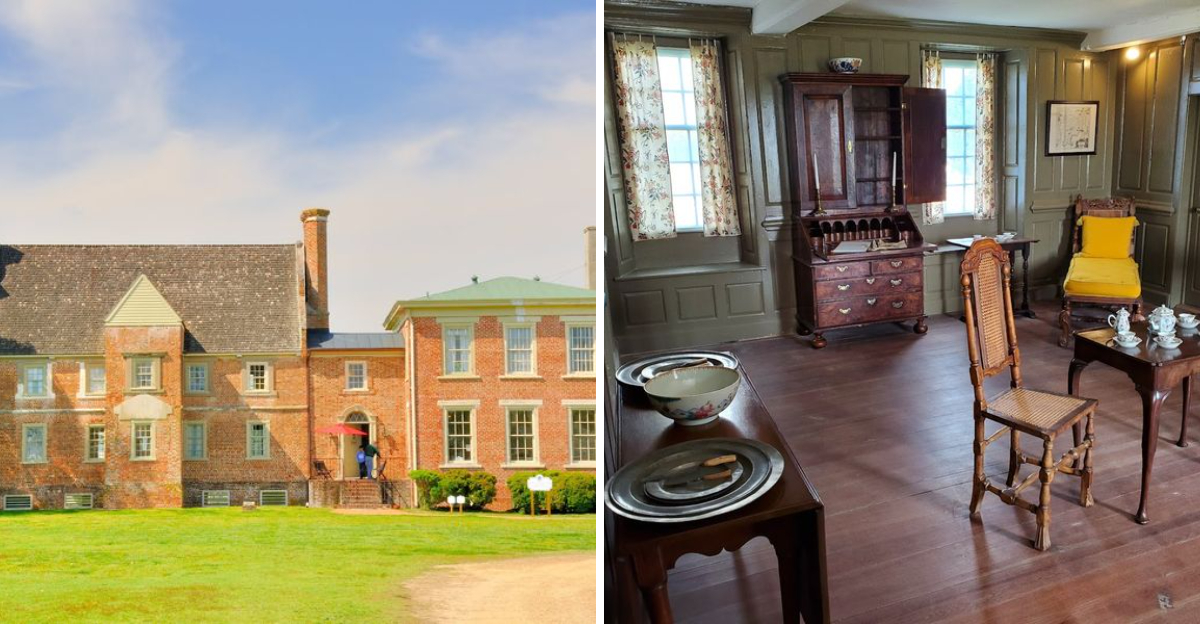
Think you know old? Try standing inside walls that were already ancient when America declared independence.
Surry County holds a treasure so rare that historians travel across continents just to run their fingers along its brickwork. Bacon’s Castle isn’t some reconstructed replica or tourist trap dressed up with fake history.
We’re talking about genuine seventeenth-century craftsmanship, the kind that makes modern construction look like cardboard by comparison. Built when Jamestown was still figuring itself out, this architectural marvel has survived rebellions, wars, and centuries of Virginia weather.
Locals will argue endlessly about whether it truly deserves the castle title, but nobody disputes its claim as the oldest brick dwelling on this side of the Atlantic. The debate alone makes for great conversation at any Virginia gathering.
Ready to explore what makes this place worthy of its legendary status?
Jacobean Architecture That Defies Time
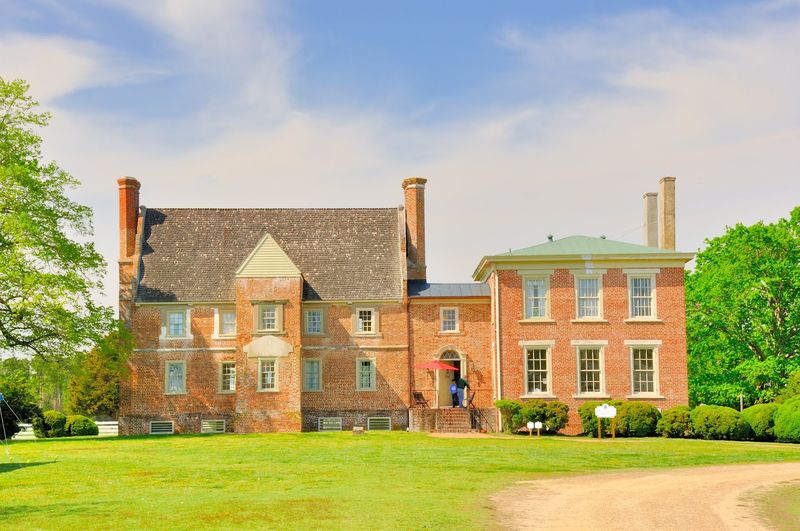
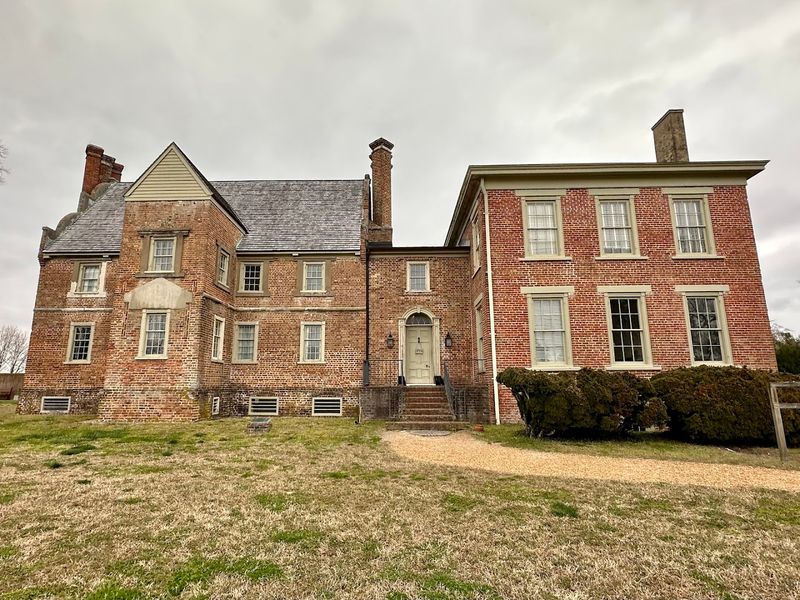
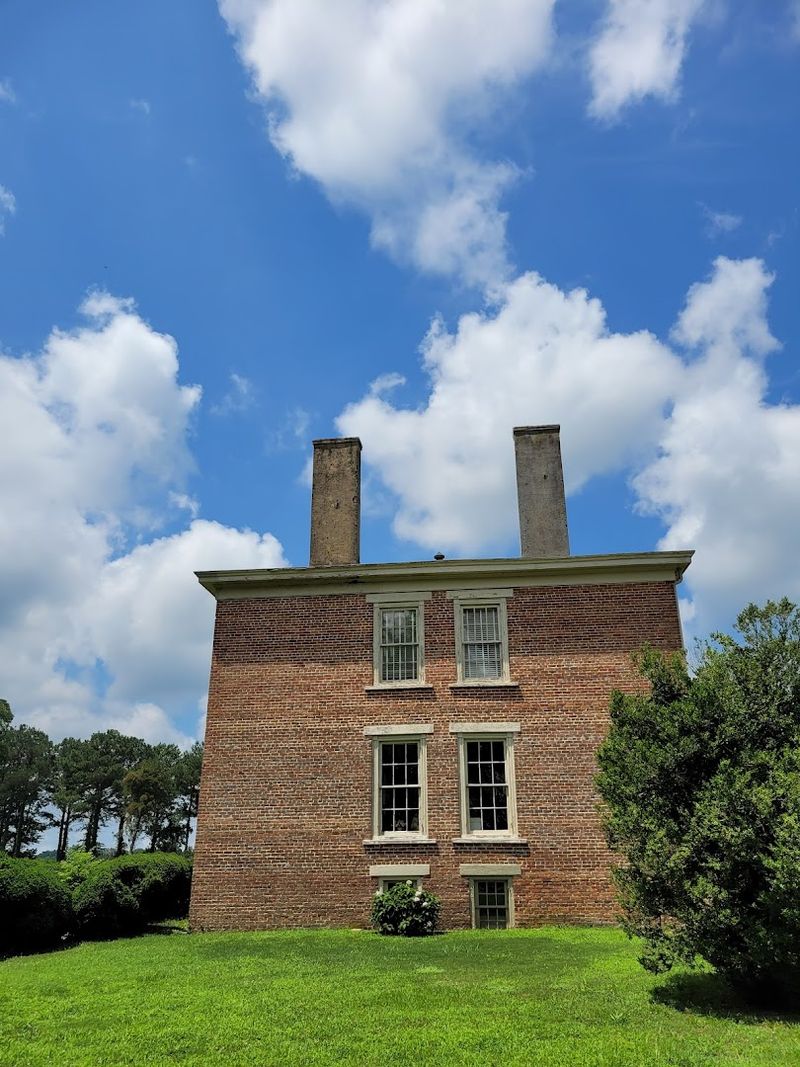
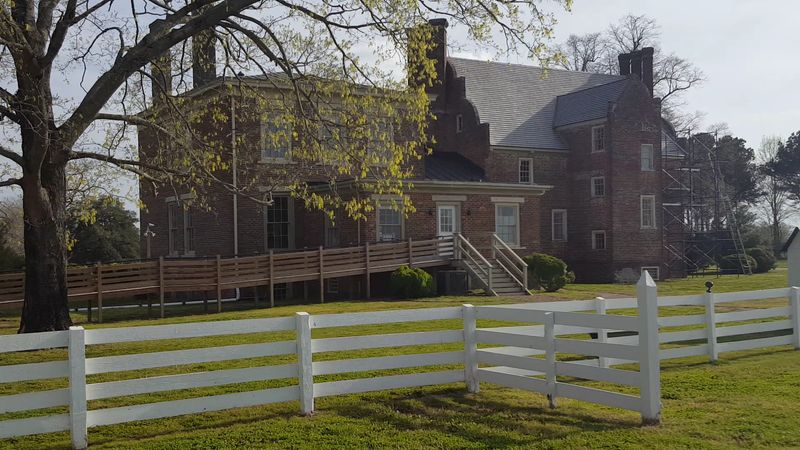
Walking up to this structure feels like stepping through a portal. The curved Flemish gables rise against the sky like something plucked straight from a English countryside estate.
Those triple chimney stacks weren’t just for show, they represented serious wealth and status back when most folks were living in wooden shacks.
Architectural historians go absolutely wild over the high gabled roof and cross plan design. This style was cutting edge in the mid-seventeenth century, showing off techniques that wealthy colonists brought from across the ocean.
The symmetry and proportions follow rules that builders today still study in textbooks.
Original craftsmanship shines through every corner. Massive timbers hold up floors that have supported countless footsteps over three and a half centuries.
The joinery work demonstrates skills passed down through generations of craftsmen who learned their trade in European workshops.
Preservation efforts have kept this architectural gem authentic. Instead of modernizing or reconstructing, caretakers have maintained the integrity of what makes this building special.
You’re seeing real history, not a Hollywood version of it.
Brickwork That Tells Stories
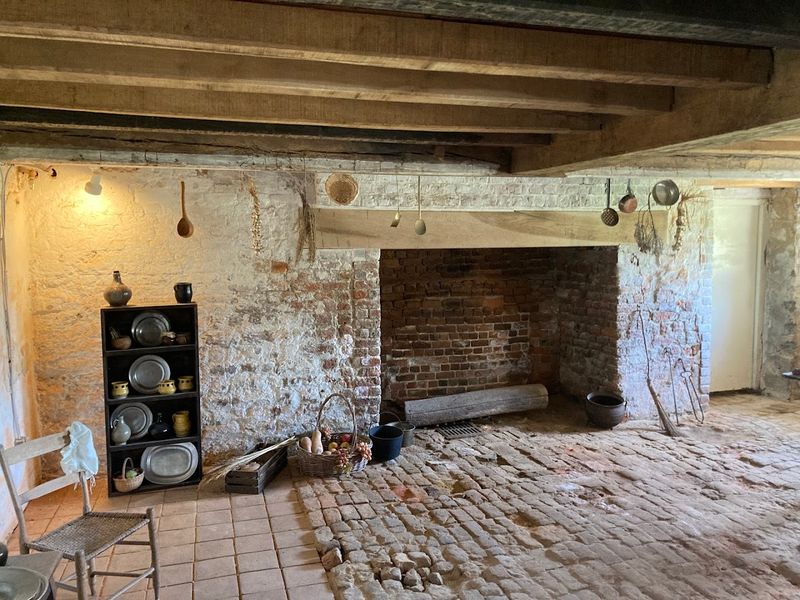
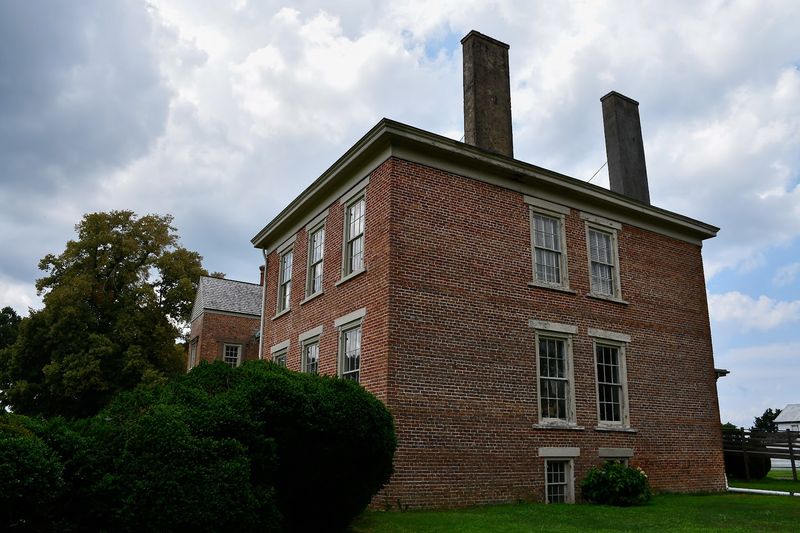
Run your hand along these walls and you’ll feel history under your fingertips. Each brick was molded by hand, fired in kilns, and laid by craftsmen who took pride in their work.
The mortar binding them together contains crushed oyster shells, a clever colonial solution using materials readily available from nearby waterways.
Approximately seventy-five percent of the original brickwork still stands. That number should blow your mind when you consider the hurricanes, floods, and general wear that Virginia throws at buildings.
Modern structures fall apart after a few decades, yet these walls keep standing strong.
Color variations in the bricks create patterns that weren’t planned but add character. Some burned darker in the kiln, others came out lighter, creating a tapestry of earthy reds and browns.
Colonial builders didn’t worry about perfect uniformity like we do today.
The thickness of these walls provided natural insulation. Summers stayed cooler inside, winters felt less brutal.
Smart engineering solved problems without electricity or modern HVAC systems. Those old builders knew what they were doing.
The Rebellion Connection
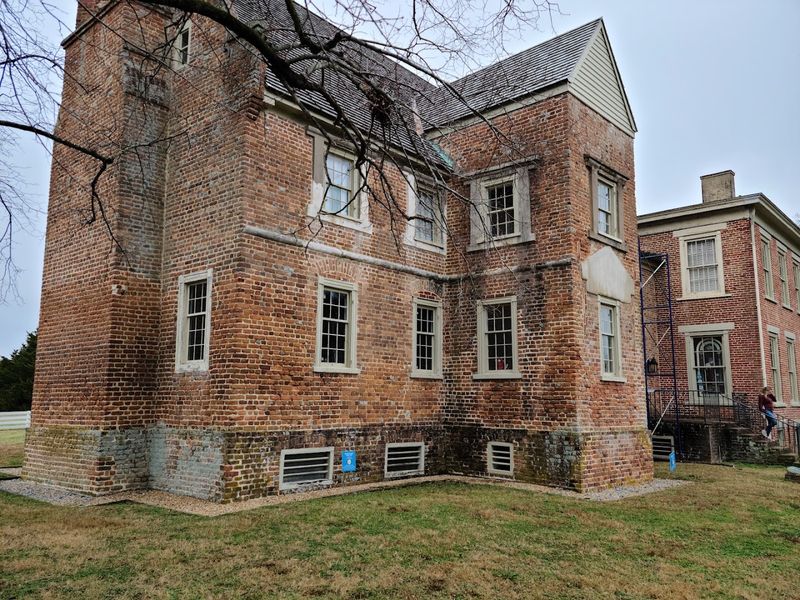
Nathaniel Bacon never owned this place, yet his name stuck forever. During the rebellion that shook Virginia’s colonial establishment, his followers seized the property and used it as their headquarters.
That brief occupation gave the building its famous moniker, even though the Allen family actually built and owned it.
The uprising represented common farmers and workers pushing back against wealthy elites. Tensions over Native American policies and economic grievances boiled over into armed conflict.
This brick fortress provided strategic shelter for rebels challenging the governor’s authority.
After the rebellion collapsed, the Allen family reclaimed their home. But gossip travels fast in small communities, and the castle nickname proved impossible to shake.
History remembers drama better than mundane ownership records.
Tour guides love sharing details about this turbulent chapter. The walls witnessed heated planning sessions, desperate strategizing, and probably more than a few arguments about what to do next.
Imagine the stress and excitement that filled these rooms during those chaotic months.
Understanding this backstory adds depth to your visit. You’re not just looking at old bricks anymore.
Original Woodwork Wonders
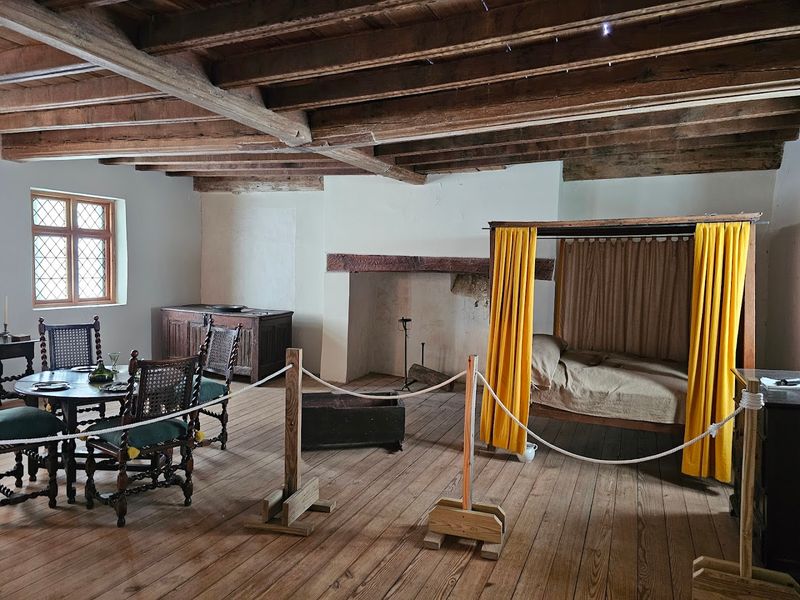
Climb to the upper floor and prepare for a treat. The original wooden planks beneath your feet have supported visitors since the seventeenth century.
These aren’t replicas or reconstructions, they’re the actual boards that colonial families walked across daily.
Exposed beams overhead showcase timber framing techniques that modern carpenters study with envy. Hand-hewn posts and joists fit together with precision joinery that required no nails or screws.
Craftsmen shaped each piece to lock into its neighbors, creating structural integrity through pure skill.
Look closely at the wear patterns in the floorboards. Centuries of footsteps have created subtle depressions and smooth spots.
Kids ran across these same planks, servants carried trays, and family members paced while making important decisions.
Window sills bear carved inscriptions from past inhabitants. Someone etched a poem into the wood, leaving their mark for future generations to discover.
These personal touches transform the space from museum piece into lived-in home.
Preservation specialists have stabilized the woodwork without destroying its character. The patina of age remains visible, telling stories that fresh lumber never could.
The Garden Grounds Experience
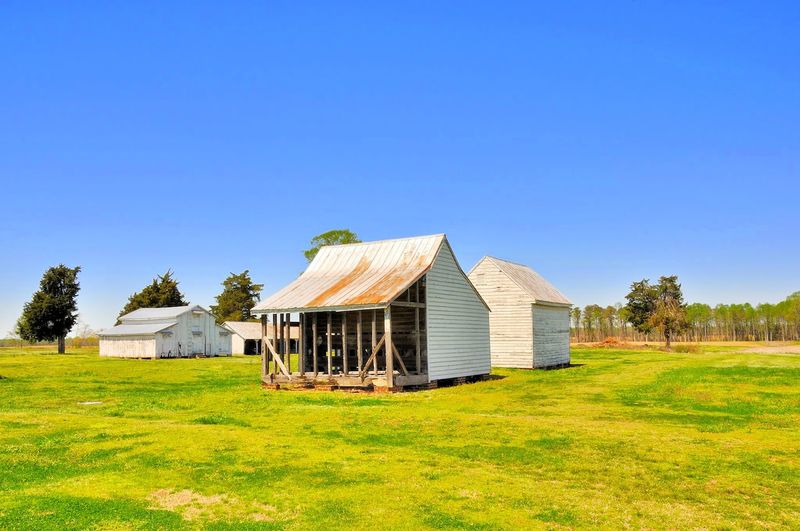
Step outside and the grounds open up around you. Forty acres of Virginia landscape surround the main structure, offering space to wander and imagine colonial life beyond the walls.
Gardens have been recreated using period-appropriate plants that colonists would have recognized.
Outbuildings dot the property, each serving specific functions in the self-sufficient household economy. Storage sheds, work spaces, and utility structures paint a picture of daily operations.
Wealthy families didn’t just live in fancy houses, they ran complex agricultural enterprises.
Walking paths let you explore at your own pace. Birds sing in the trees, bees buzz around flowering plants, and the peaceful atmosphere feels worlds away from modern stress.
Visitors often mention how calming the grounds feel.
Photography opportunities abound in every direction. The castle looks stunning from various angles, and the landscape provides gorgeous backdrops.
Seasonal changes bring different colors and moods throughout the year.
Bring comfortable shoes for exploring. The property rewards those who take time to wander beyond the main attraction.
Hidden corners and quiet spots invite contemplation about the centuries that have passed here.
Guided Tours That Educate
Knowledgeable guides bring this place alive with stories and facts. They’ve studied the history thoroughly and genuinely love sharing what they know.
Questions are welcomed, even encouraged, because engaging with visitors makes the experience richer for everyone.
Tours cover architectural details, family histories, and broader colonial context. You’ll learn about construction techniques, daily life routines, and how this property fits into Virginia’s larger story.
The information comes at a digestible pace without overwhelming you with academic jargon.
Each guide brings their own personality to presentations. Some crack jokes, others focus on dramatic storytelling, but all maintain accuracy and respect for the site’s significance.
Their enthusiasm proves contagious, making you care about details you never knew interested you.
Group sizes stay manageable, allowing for personal interaction. You won’t be lost in a crowd of fifty people straining to hear.
Intimate tours create space for conversation and connection with both guide and fellow visitors.
Special events occasionally feature themed tours or period demonstrations. Check the schedule before visiting to catch something extra special.
Regular tours already provide tremendous value, but special programming adds bonus excitement.
Artifacts And Furnishings
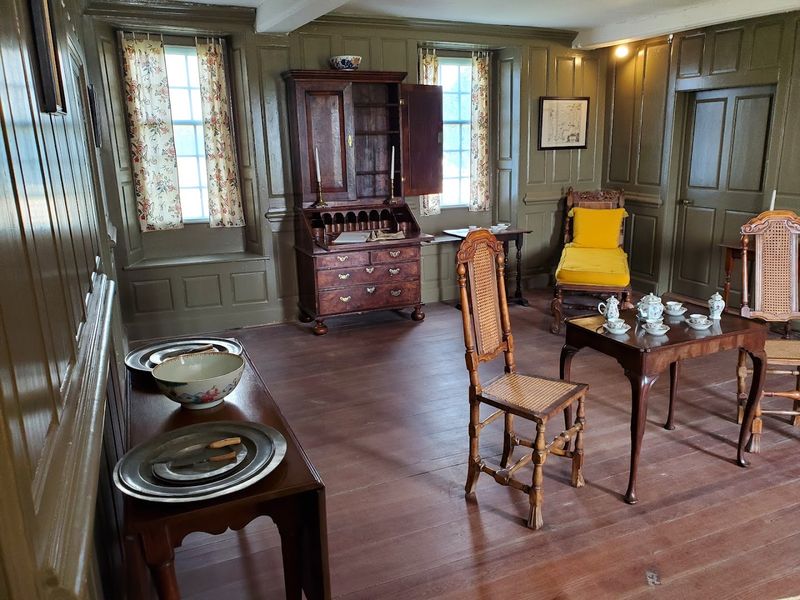
Period furnishings fill the rooms with authentic atmosphere. While the furniture dates primarily from the eighteenth century rather than the building’s construction era, each piece represents the kind of items wealthy Virginia families owned.
Chairs, tables, and storage pieces demonstrate craftsmanship and style from centuries past.
Household artifacts recovered through archaeological work tell fascinating stories. Broken pottery, tools, buttons, and other everyday items emerge from the soil like messages from the past.
These fragments help historians understand how people actually lived beyond what formal documents record.
Display cases showcase smaller treasures that might otherwise go unnoticed. Delicate items, personal belongings, and curious objects each deserve attention.
Reading the descriptions adds context that transforms random old stuff into meaningful historical evidence.
The combination of grand architecture and intimate artifacts creates powerful connections. You see both the impressive public face that wealthy colonists wanted to project and the private realities of their daily existence.
Both perspectives matter for understanding the complete picture.
Photography policies vary by room, so check before snapping pictures. Some areas allow photos, others require you to simply absorb the experience without screens between you and history.
Renaissance Festival Magic
Special events transform the property into something completely different. The Renaissance Festival brings costumes, performances, and period activities that delight visitors of all ages.
Knights joust in tournaments, musicians play traditional instruments, and vendors sell crafts and treats.
Families especially love these festival days. Kids get to see history come alive through entertainment rather than just lectures and displays.
Interactive elements let them participate rather than just observe from behind velvet ropes.
The castle itself gains new dimensions during festivals. Portions normally closed might open for exploration, and the grounds buzz with energy and excitement.
Regular tours continue alongside festival activities, offering multiple ways to experience the site.
Tickets for special events require advance planning. Popular festivals sell out quickly, though calling ahead might reveal last-minute availability even when online sales show sold out.
Staff try to accommodate enthusiastic visitors whenever possible.
Festival atmosphere contrasts beautifully with the serene historical setting. Modern fun and ancient architecture blend together, creating memories that stick with you long after leaving.
These events prove that historic sites don’t have to feel stuffy or boring.
Preservation Virginia’s Mission
Preservation Virginia manages this treasure with dedication and expertise. Their organization works to protect and share important historical sites across the state.
This castle represents one of their crown jewels, requiring ongoing maintenance and careful stewardship.
Restoration projects continue year after year. Brick repointing, structural stabilization, and archaeological investigations all demand funding and skilled labor.
The work never truly finishes because time keeps marching forward, constantly presenting new challenges.
Educational programming extends the site’s impact beyond physical visits. School groups, researchers, and community members all benefit from programs designed to make history accessible and relevant.
The mission goes deeper than just maintaining an old building.
Financial support comes from various sources including admissions, donations, and grants. Operating a historic property costs serious money, especially when maintaining authenticity matters more than cutting corners.
Every ticket purchase helps ensure this place survives for future generations.
Volunteer opportunities allow passionate individuals to contribute directly. Whether helping with events, assisting research, or supporting maintenance, volunteers become part of the preservation story.
Their efforts matter tremendously in keeping this mission moving forward.
Planning Your Visit
Operating hours run Friday through Sunday, giving you weekend flexibility. Bacon’s Castle opens its doors at ten in the morning on Fridays and Saturdays, with Sunday hours starting at noon.
Closed Monday through Thursday means planning ahead becomes essential.
Calling ahead never hurts, especially if online tickets show sold out. Staff sometimes accommodate walk-ins when space allows, and they can answer questions about accessibility, group sizes, or special needs.
Personal service still matters here.
The location in Surry County puts you off the beaten tourist path. This isn’t Williamsburg with its crowds and commercialization.
Getting here requires intentional travel, but that remoteness adds to the authentic experience. You’re making a pilgrimage to something genuinely special.
Combining this visit with other area attractions makes sense for maximizing your trip. The region offers additional historical sites, natural areas, and local eateries worth exploring.
Turn a single destination into a full day adventure.
Find this remarkable landmark at four hundred sixty-five Bacons Castle Trail in Surry. The address might not appear on every GPS system, so double-check your route before departing.
Getting slightly lost in rural Virginia beats missing this incredible piece of American history.
Dear Reader: This page may contain affiliate links which may earn a commission if you click through and make a purchase. Our independent journalism is not influenced by any advertiser or commercial initiative unless it is clearly marked as sponsored content. As travel products change, please be sure to reconfirm all details and stay up to date with current events to ensure a safe and successful trip.
