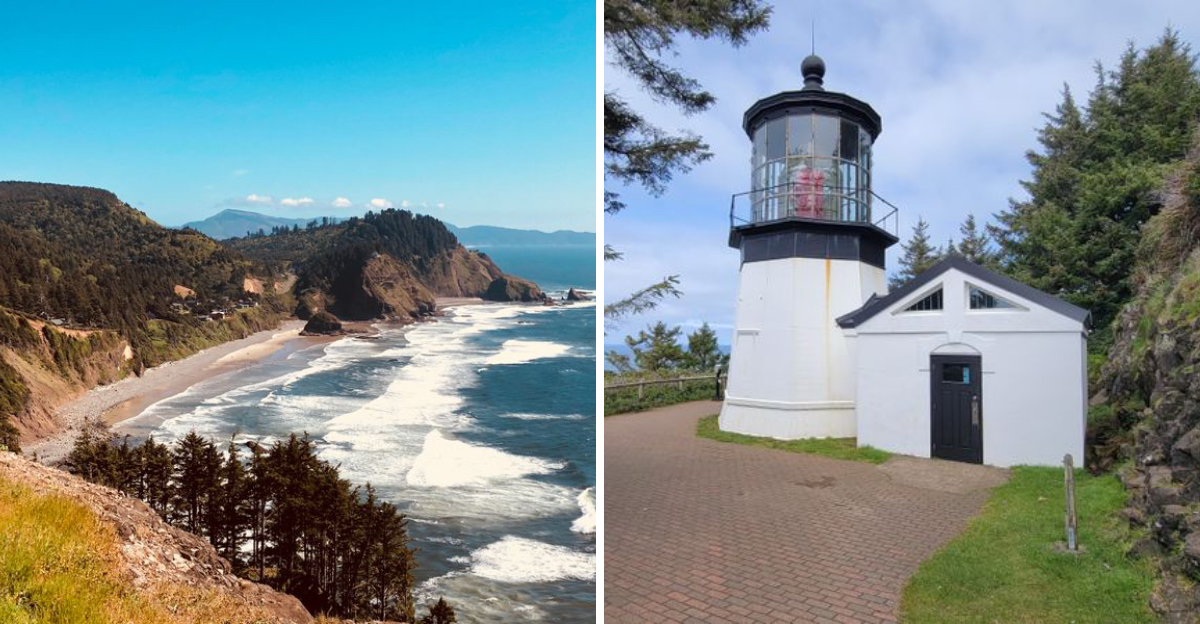
Cape Meares stands as one of Oregon’s most dramatic coastal landmarks, where towering cliffs drop sharply into the churning Pacific and fog rolls in like a living thing.
Named after British explorer John Meares, this remote headland offers visitors a rare combination of natural beauty, historic charm, and wildlife encounters that few places along the coast can match.
Whether you’re drawn to lighthouses perched on rocky edges, ancient trees twisted by centuries of wind, or seabirds circling above crashing waves, Cape Meares delivers an unforgettable experience.
This small community in Tillamook County may only have a population of around 110, but its wild scenery and quiet trails attract travelers seeking something beyond crowded beaches and tourist towns.
Cape Meares Lighthouse Stands Guard Over the Pacific
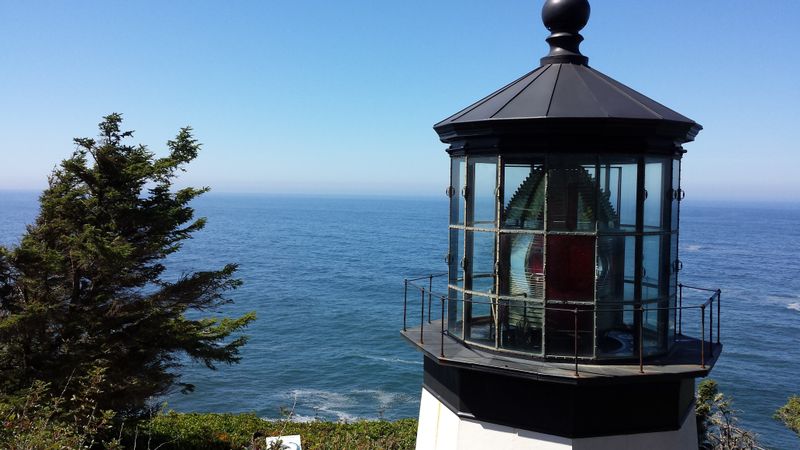
Perched on a rocky outcrop nearly 200 feet above the ocean, the Cape Meares Lighthouse has been guiding mariners since 1890.
Its bright white exterior contrasts beautifully with the deep greens of surrounding forest and the steel gray of the Pacific below.
Unlike taller lighthouses found elsewhere along the Oregon coast, this one measures just 38 feet, making it one of the shortest in the state.
What it lacks in height, it makes up for in setting and history.
Visitors can tour the interior during warmer months, climbing the spiral staircase to see the original Fresnel lens, a masterpiece of 19th-century engineering.
The lens, made in France, still gleams with polished glass prisms that once cast light 21 miles out to sea.
On clear days, the view from the lighthouse grounds stretches endlessly, with waves rolling in from the horizon and rocky islands dotting the water.
When fog moves in, the entire scene shifts into something quieter and more mysterious.
The lighthouse becomes partially hidden, its shape softened by mist, while the sound of waves echoes up from below.
Interpretive signs around the site explain the lighthouse’s role in maritime safety and the challenges faced by keepers who lived here year-round.
Photography enthusiasts love this spot, especially during golden hour when the light turns warm and the ocean takes on shades of amber and violet.
Even in stormy weather, the lighthouse remains a powerful symbol of human resilience against nature’s raw force.
It’s a place where history, architecture, and landscape come together in a way that feels timeless.
The Octopus Tree Twists Into Legend
Just a short walk from the lighthouse, an ancient Sitka spruce defies every expectation of how a tree should grow.
Known locally as the Octopus Tree, this natural wonder spreads its limbs outward instead of upward, creating a canopy that resembles the arms of a giant sea creature.
No one knows exactly why the tree grew this way, though theories range from Native American shaping practices to storm damage during its early years.
What remains undeniable is the tree’s sheer presence.
Its trunk measures more than 50 feet around, and each limb extends horizontally before curving skyward, forming natural archways large enough to walk beneath.
The bark is thick and deeply furrowed, scarred by centuries of coastal wind and salt spray.
Moss and lichen cling to every surface, adding layers of green and gray that shift in tone depending on the light.
Children love climbing on the lower branches, and photographers circle the tree endlessly, searching for the perfect angle.
The surrounding forest feels quieter here, as if the Octopus Tree commands a certain reverence.
Interpretive panels near the tree share stories passed down through generations, including tales of ceremonial use by the Tillamook people.
Whether these stories are rooted in fact or folklore, they add depth to the experience of standing before something so unusual.
During foggy mornings, the tree takes on an almost mythical quality, its limbs disappearing into mist while droplets of water hang from every needle.
It’s a living reminder that nature doesn’t always follow straight lines or predictable patterns.
Seabird Colonies Fill the Air With Sound

Cape Meares serves as a vital nesting ground for thousands of seabirds, making it one of the most important wildlife sites on the Oregon coast.
From spring through summer, the cliffs come alive with the calls of common murres, pelagic cormorants, and pigeon guillemots.
These birds return each year to the same rocky ledges, where they lay eggs and raise their young just inches from the crashing surf below.
Watching them is mesmerizing.
Murres pack themselves tightly together on narrow shelves, their black and white plumage creating a patchwork against the stone.
Cormorants perch higher up, spreading their wings to dry after diving for fish.
Guillemots dart in and out of crevices, their bright red feet flashing as they land.
The noise can be overwhelming, especially during peak nesting season when thousands of birds call out at once.
It’s a chaotic symphony of squawks, cries, and wing beats that carries across the headland.
Binoculars are essential for getting a closer look, as the nesting colonies sit far below the viewpoint platforms.
Interpretive signs help visitors identify different species and explain the challenges these birds face, from predators to changing ocean conditions.
Bald eagles occasionally soar overhead, and during migration, other species pass through, including tufted puffins and various gulls.
Photographers with long lenses camp out here for hours, waiting for the perfect moment when a bird takes flight or feeds its chick.
The combination of sound, motion, and sheer numbers makes this one of the most dynamic wildlife experiences in Oregon.
Fog Transforms the Coastline Into Mystery
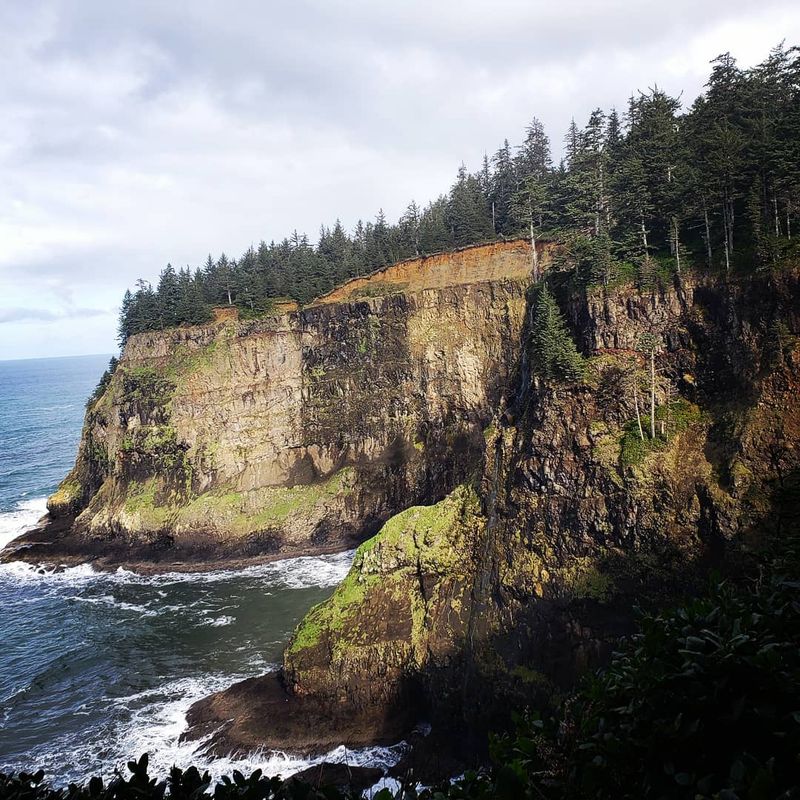
Fog is not just weather at Cape Meares; it’s a defining feature that shapes the entire experience of visiting.
On many mornings, thick banks of mist roll in from the Pacific, swallowing the cliffs and reducing visibility to just a few feet.
The lighthouse disappears, the ocean becomes a distant rumble, and the forest closes in around you.
Some visitors find this unsettling, but others are drawn to the quiet drama it creates.
Colors mute under fog, turning the landscape into shades of gray, green, and white.
Sounds change too, becoming softer and more diffused, as if the air itself absorbs everything.
Walking the trails during these conditions feels like moving through a dream, with familiar landmarks appearing suddenly and then vanishing again.
The fog also brings moisture, coating every surface with a fine layer of droplets that catch the light when the sun breaks through.
Spiderwebs become visible, stretched between branches and glistening like tiny nets of silver.
Ferns drip steadily, and the ground turns soft underfoot.
For photographers, foggy conditions offer unique opportunities, transforming ordinary scenes into something atmospheric and moody.
The contrast between the dark shapes of trees and the pale wash of mist creates striking compositions.
Even the wildlife seems different in the fog, with birds calling out more frequently, perhaps using sound to navigate when sight fails.
Visitors should dress in layers and bring waterproof gear, as the dampness can seep through clothing quickly.
But those who embrace the fog often find it enhances rather than diminishes their visit, adding an element of mystery to an already captivating place.
Trails Wind Through Coastal Forest and Headland
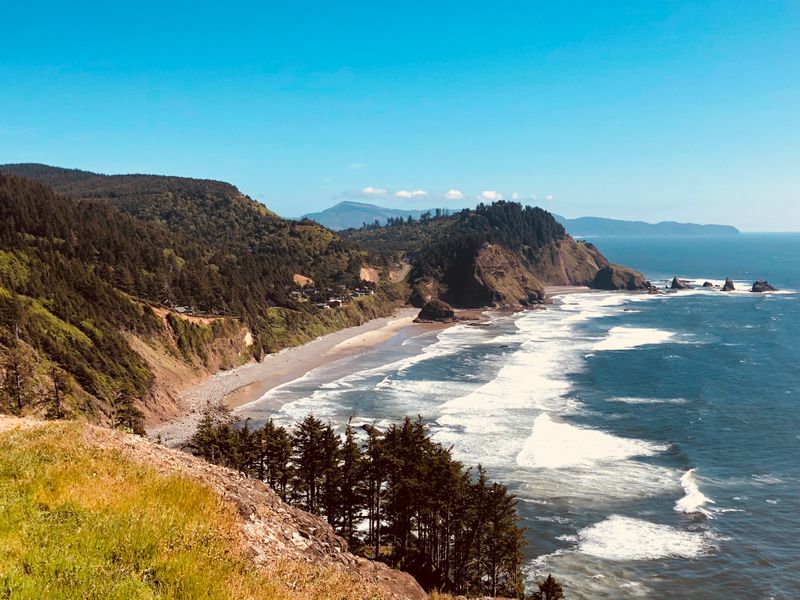
A network of well-maintained trails connects the main attractions at Cape Meares, offering visitors a chance to explore both forest and coastline.
The paths are relatively short, making them accessible to families and those who prefer easier walks over strenuous hikes.
Most trails are paved or covered with compacted gravel, winding through groves of Sitka spruce and western hemlock.
The forest here feels ancient, with trees reaching skyward and their trunks covered in thick moss.
Ferns blanket the ground, and fallen logs provide habitat for countless insects and small creatures.
As you walk, the sound of the ocean grows louder, guiding you toward the cliff edge.
Several viewpoints along the way offer glimpses of the water below, each one framed by overhanging branches or rocky outcrops.
Benches are placed at strategic spots, inviting visitors to sit and absorb the scene.
During spring, wildflowers bloom along the trail edges, adding splashes of color to the green and brown palette.
In summer, the canopy provides shade, making the trails cooler than the open headland.
Fall brings a different beauty, with leaves turning gold and the light slanting lower through the trees.
Winter can be muddy, but the trails remain open, and the solitude is often worth the wet conditions.
Interpretive signs along the way explain the ecology of the coastal forest, highlighting species of plants and animals unique to this region of Oregon.
Birdwatchers often pause along the trails, scanning the treetops for songbirds or listening for the drumming of woodpeckers.
The trails are designed to minimize impact on the environment, with boardwalks in sensitive areas and barriers to keep visitors on designated paths.
Rocky Offshore Islands Host Marine Life
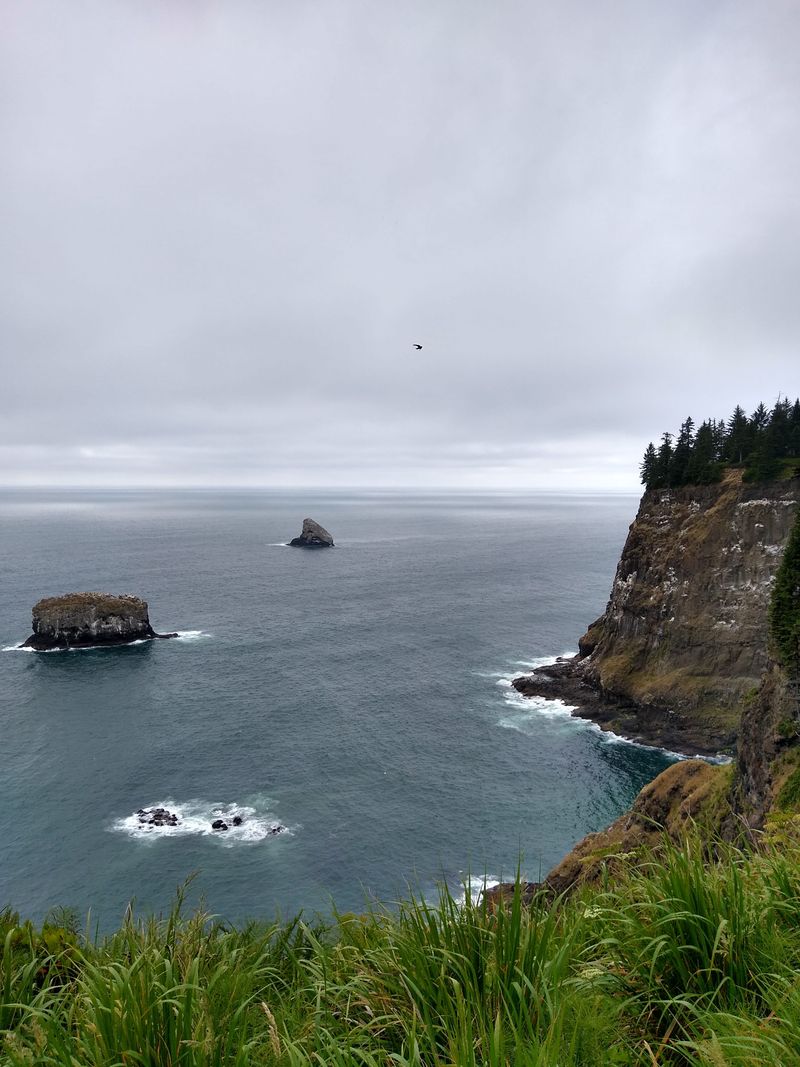
Beyond the cliffs, a series of rocky islands and sea stacks rise from the Pacific, creating a jagged skyline that defines the Cape Meares coastline.
These formations are part of the Oregon Islands National Wildlife Refuge, protected areas that provide critical habitat for marine mammals and seabirds.
From the viewpoints above, visitors can watch waves crash against the rocks, sending plumes of spray high into the air.
During calm days, the water around the islands turns a deep blue-green, and seals can be spotted hauled out on flat rocks, basking in the sun.
Harbor seals are the most common, their rounded bodies and whiskered faces visible even from a distance.
Occasionally, sea lions make an appearance, their barking calls carrying across the water.
The islands themselves are bare and windswept, with little vegetation clinging to their surfaces.
Yet they teem with life, especially during nesting season when birds claim every available ledge and crevice.
The constant motion of waves, birds, and marine mammals creates a dynamic scene that changes moment to moment.
Binoculars and spotting scopes help bring distant details into focus, revealing behaviors that might otherwise go unnoticed.
Interpretive displays near the viewpoints explain the ecological importance of these offshore rocks and the threats they face from pollution and climate change.
Photographers with telephoto lenses can capture stunning images of wildlife against the backdrop of open ocean and sky.
The islands also serve as navigational markers, their distinctive shapes helping boaters and fishermen orient themselves along this rugged stretch of the Oregon coast.
Even when fog obscures the view, the sound of waves hitting rock remains constant, a reminder of the power and persistence of the sea.
Historic Roots Trace Back to British Exploration
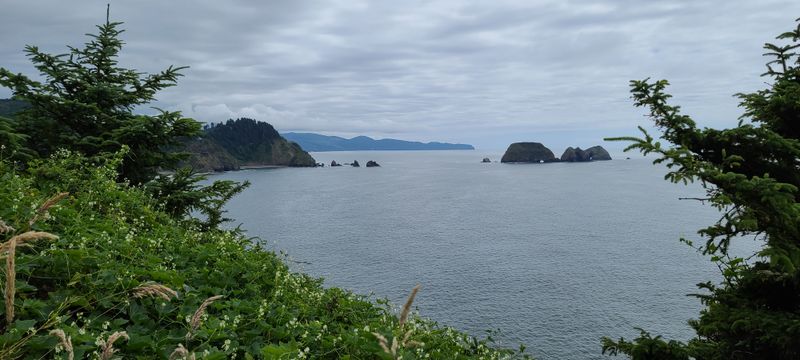
The name Cape Meares honors John Meares, a British naval officer and fur trader who explored the Pacific Northwest in the late 1700s.
His voyages along the Oregon coast helped map uncharted waters and opened the region to further exploration and trade.
While Meares himself never established a settlement here, his legacy lives on through the geographic names he inspired.
The headland became officially known as Cape Meares in the 19th century, as American surveyors and mapmakers documented the coastline.
Before European contact, the area was home to the Tillamook people, who fished, hunted, and gathered resources along the coast for thousands of years.
Their connection to the land ran deep, with stories and traditions tied to specific landmarks, including the unusual tree now known as the Octopus Tree.
When settlers arrived in the 1800s, they recognized the strategic importance of the cape, leading to the construction of the lighthouse in 1890.
The lighthouse keepers and their families formed a small community, living in isolation and enduring harsh winters with limited supplies.
Their daily routines revolved around maintaining the light, which required constant attention and care.
Over time, the lighthouse became automated, and the keeper’s quarters were eventually abandoned.
Today, volunteers and park staff preserve the site, offering tours and sharing stories of the people who lived and worked here.
Interpretive panels throughout Cape Meares provide historical context, connecting past and present in meaningful ways.
Visitors gain a deeper appreciation for the headland when they understand the layers of history embedded in the landscape.
It’s a place where exploration, survival, and stewardship intersect, reminding us that every landmark carries stories worth remembering.
Seasonal Changes Bring New Perspectives
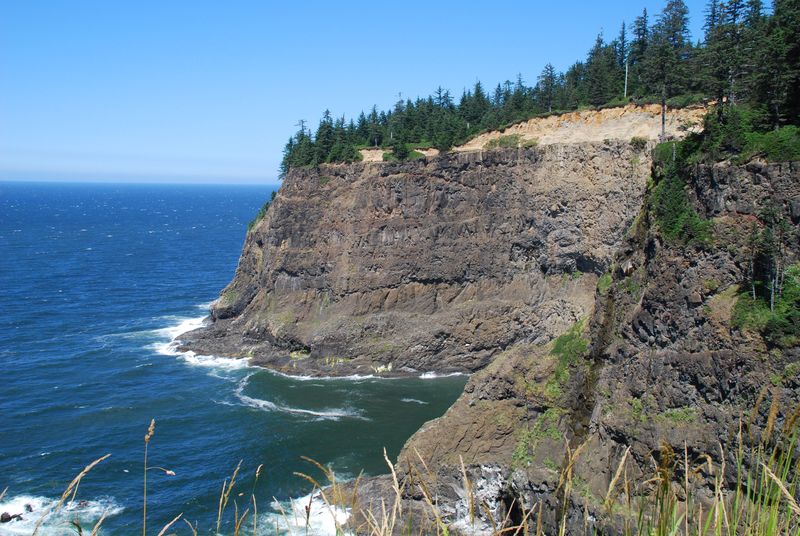
Cape Meares reveals different faces depending on the time of year, making it a destination worth visiting in any season.
Spring arrives with wildflowers blooming along the trails and seabirds returning to nest on the cliffs.
The air smells fresh and earthy, and the forest comes alive with new growth.
Migrating whales often pass close to shore during this time, heading north toward feeding grounds in Alaska.
Summer brings warmer weather and longer days, though fog remains a frequent visitor.
The trails fill with families and photographers, and the lighthouse opens for tours.
Wildflowers reach their peak, painting the headland in shades of yellow, purple, and white.
Fall transforms the forest with golden hues, and the light takes on a softer quality.
Storms begin to roll in from the Pacific, creating dramatic displays of wind and waves.
Winter is the quietest season, with fewer visitors and more intense weather.
Rain is common, and the cliffs become slick and windswept.
Yet winter storms produce some of the most spectacular ocean views, with massive swells crashing against the rocks and spray shooting high into the air.
Hardy travelers who brave the cold are often rewarded with solitude and raw beauty.
Each season also affects wildlife behavior, from nesting patterns to migration routes.
Birdwatchers keep track of seasonal arrivals and departures, noting which species appear when.
Understanding these cycles adds depth to the experience, helping visitors appreciate the rhythms of the natural world.
No matter when you visit Cape Meares, the landscape offers something unique, shaped by the interplay of weather, light, and life along the Oregon coast.
Accessibility and Visitor Amenities Make Exploration Easy
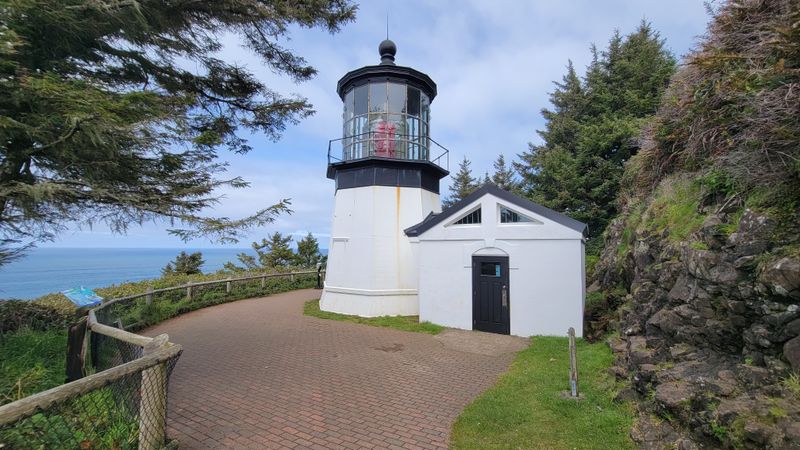
Cape Meares is designed to welcome visitors of all abilities, with paved paths leading to the lighthouse and main viewpoints.
The trails are relatively flat, making them suitable for wheelchairs and strollers, though some sections can be steep.
Parking is available near the trailheads, with designated accessible spaces close to the main attractions.
Restrooms are located near the parking area, maintained regularly during the busy season.
Interpretive signs are placed throughout the site, offering information about the natural and cultural history of the area.
These signs are written in clear language, with images and diagrams that enhance understanding.
Benches are scattered along the trails, providing places to rest and take in the views.
During summer, volunteers staff the lighthouse, answering questions and sharing stories about the site’s history.
The tours are free, though donations are appreciated to help with ongoing preservation efforts.
Cell phone coverage can be spotty at Cape Meares, so visitors should plan accordingly.
There are no food services or stores on site, so bringing snacks and water is recommended.
The nearest town, Tillamook, is about 10 miles away and offers restaurants, shops, and lodging.
Pets are allowed on the trails but must be kept on leash and under control at all times.
Visitors are encouraged to follow Leave No Trace principles, packing out all trash and staying on designated paths.
The site is managed by Oregon State Parks, which works to balance public access with conservation.
Signage clearly marks boundaries and sensitive areas, helping visitors enjoy the headland while protecting its natural and cultural resources.
With thoughtful planning and respect for the environment, Cape Meares remains a welcoming and inspiring destination for all who visit.
Dear Reader: This page may contain affiliate links which may earn a commission if you click through and make a purchase. Our independent journalism is not influenced by any advertiser or commercial initiative unless it is clearly marked as sponsored content. As travel products change, please be sure to reconfirm all details and stay up to date with current events to ensure a safe and successful trip.
