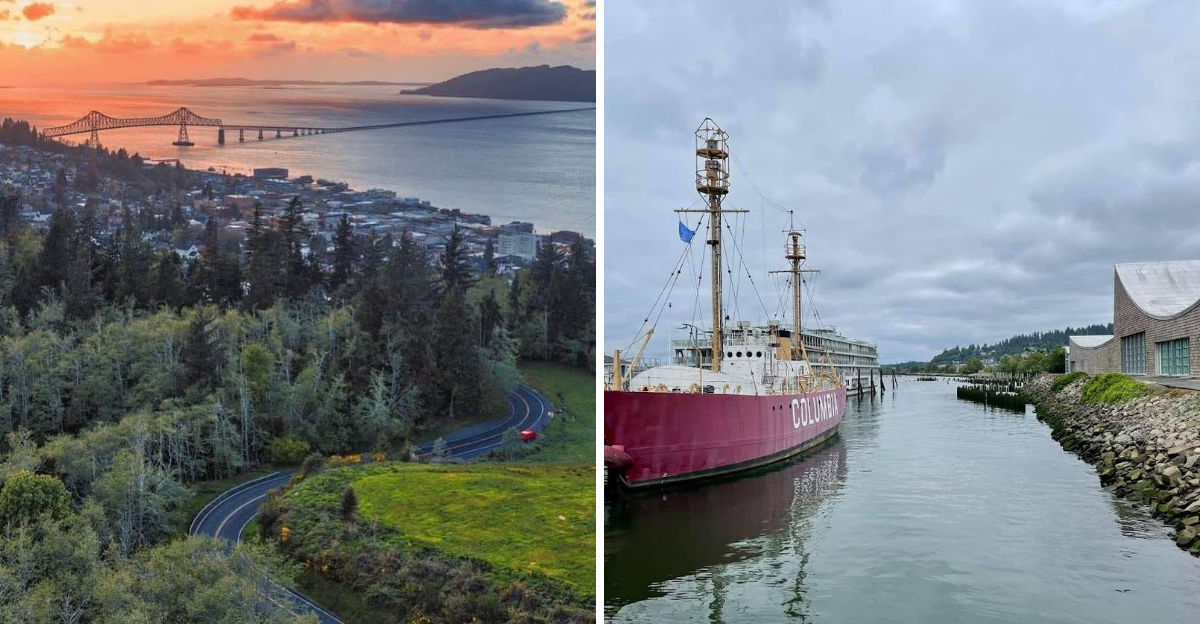
A thick coastal fog rolls in and suddenly this Oregon town doesn’t feel quite like Oregon anymore. Weathered docks, muted colors, and quiet streets give it an unmistakably Scandinavian fishing village kind of atmosphere.
I didn’t expect the resemblance to be this strong, but the moment you arrive, the mood shifts into something slower and more subdued. Boats sit gently in the harbor while the mist blurs the line between sea and sky.
There’s a calm, almost cinematic stillness here that makes you naturally lower your voice without thinking about it. I kept walking along the waterfront just taking in how every detail seems softened by the fog.
It’s the kind of place where geography feels flexible and atmosphere does most of the storytelling.
The Fog That Makes Everything Feel Like Norway
Fog is not just weather in Astoria. It is a mood, a personality, a defining feature of daily life here.
The town sits where the Columbia River meets the Pacific, which means moisture is constant and the sky is rarely sharp or bright.
Walking along the waterfront on a foggy morning feels cinematic. The outlines of boats blur softly.
Distant hillsides disappear into white. The whole scene has this quiet, northern European atmosphere that no amount of sunshine could replicate.
Scandinavian coastal towns are famous for this exact feeling. Bergen in Norway and Astoria share that same moody, salt-soaked air.
Even longtime locals describe the fog as something they genuinely love, not just tolerate.
It shapes the architecture, the pace of life, and even the food culture here. Warm soup spots and cozy coffee shops thrive because of it.
The fog is not an inconvenience. It is the reason Astoria feels so strikingly different from every other Oregon town.
Victorian Hillside Homes That Echo Nordic Architecture
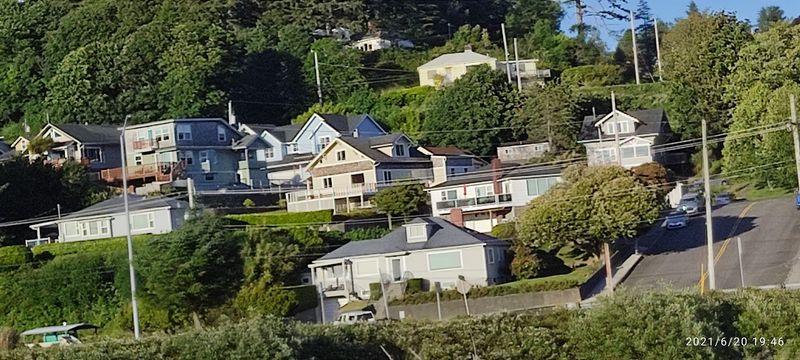
Climbing the steep streets of Astoria, you notice the houses immediately. Tall, narrow, brightly painted Victorian homes line every hillside.
They crowd together on sloped lots, just like the wooden houses stacked on Bergen’s famous Bryggen wharf.
Many were built in the late 1800s when Astoria was a booming salmon canning hub. Norwegian and Finnish immigrants settled here in large numbers, and their influence on the architecture is still visible today.
The steep rooflines, bold colors, and vertical proportions feel unmistakably northern.
Walking these streets feels like flipping through an old travel book about Scandinavia. Some homes have been lovingly restored.
Others still carry that weathered, lived-in charm that makes them feel even more authentic.
The Flavel House Museum, a stunning Queen Anne Victorian mansion, offers a peek into how wealthy residents lived during Astoria’s peak years. It sits at the corner of 8th Street and Duane Street.
The gardens are beautifully kept and the period furniture inside is genuinely impressive.
The Astoria Column and Its Sweeping Panoramic Views
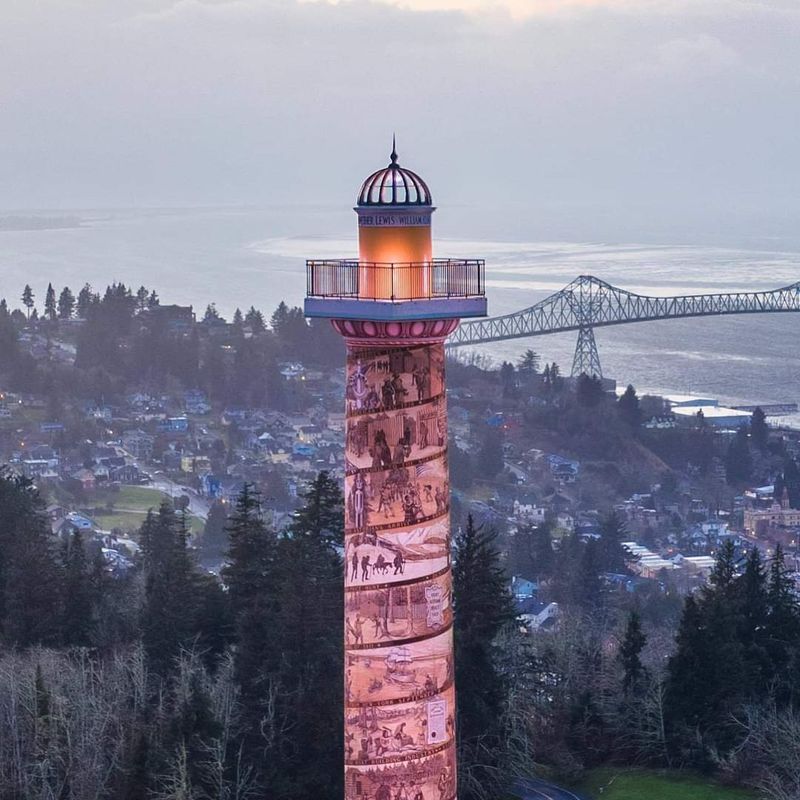
Standing on top of Coxcomb Hill, the Astoria Column rises 125 feet into the sky. It was built in 1926 and is covered in a painted frieze that spirals around the outside, telling the story of the Pacific Northwest’s early history.
The climb to the top involves a tight spiral staircase with 164 steps. It is a little dizzying, but the view at the top is absolutely worth every step.
You can see the Columbia River stretching toward the ocean, the bridge connecting Oregon and Washington, and the green hills rolling in every direction.
On a clear day it feels like standing on top of the world. On a foggy day, and there are many of those, the clouds swallow the lower hills and you feel like you are floating above everything.
That feeling is pure magic.
The Column sits at 1 Coxcomb Drive, Astoria, Oregon 97103. Parking is easy and the surrounding park area is peaceful.
Kids love launching small balsa wood planes from the top observation deck.
Scandinavian Heritage Runs Deep in Astoria’s Roots
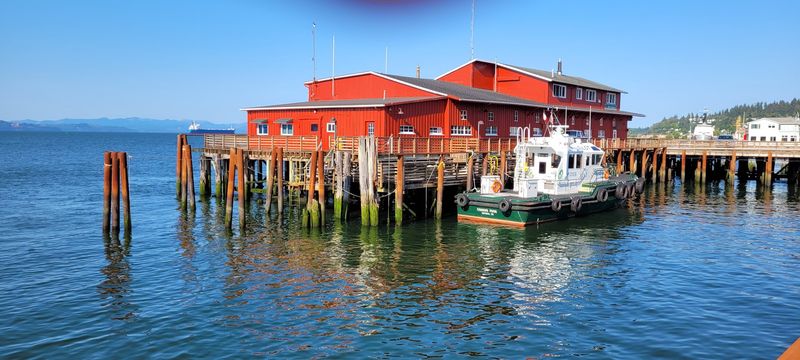
Astoria was not just inspired by Scandinavian culture. It was literally built by Scandinavian immigrants.
Finnish and Norwegian fishermen arrived here in the late 1800s, drawn by the massive salmon runs on the Columbia River.
They brought their skills, their food traditions, their building styles, and their strong community values. Many of Astoria’s oldest family names are still Finnish or Norwegian.
The cultural roots here go deeper than decoration or tourism.
The Suomi Hall, a Finnish community center, still stands as a reminder of that heritage. Local festivals occasionally celebrate Nordic traditions.
You can feel the influence in small ways all over town, from the fishing culture to the architecture to the general quiet toughness of the people.
Bergen and Astoria were both built by people who respected the sea and were not afraid of hard work. That shared spirit is still alive here.
It is not a museum piece. It is a living part of how this town sees itself and tells its own story to the world.
The Columbia River Maritime Museum and Its Seafaring Soul
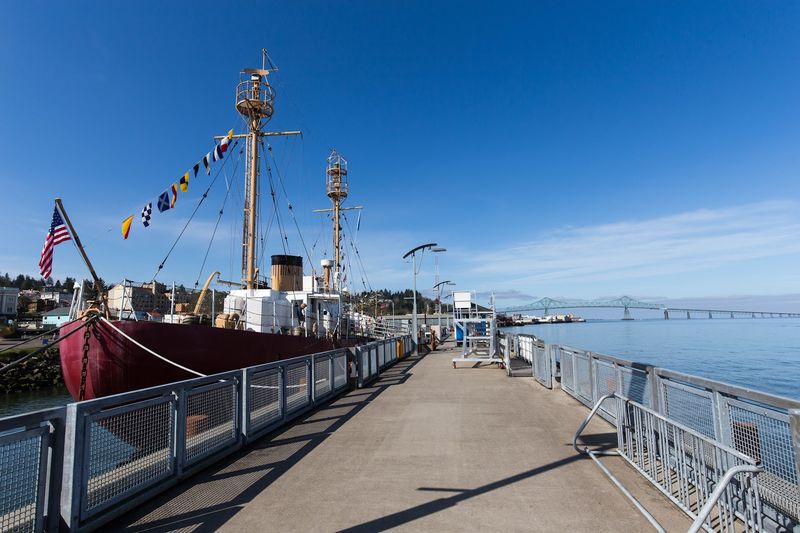
Right on the waterfront sits one of Oregon’s most respected museums. The Columbia River Maritime Museum is not just a building full of old boats.
It is a full sensory experience that puts you inside the story of life on the water.
The exhibits cover everything from Native American fishing traditions to the brutal Columbia River Bar, which sailors call the Graveyard of the Pacific. Shipwreck artifacts, navigation tools, and retired fishing vessels fill the space with genuine history.
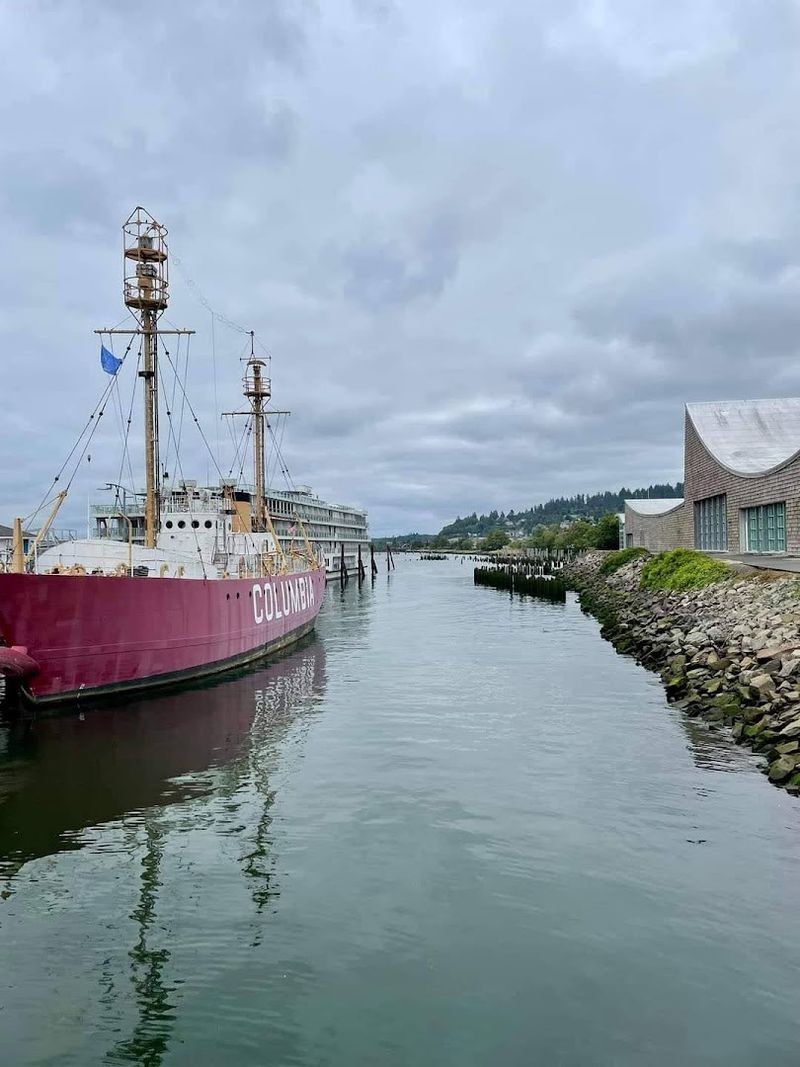
One of the highlights is the actual lightship Columbia, docked right outside. You can walk aboard and see how lighthouse keepers lived for months at sea.
It is cramped, cold, and fascinating.
Scandinavian maritime museums carry this same reverence for the sea. Bergen’s Bryggens Museum and this one share a deep respect for people who made their living from dangerous water.
The museum sits at 1792 Marine Drive, Astoria, Oregon 97103. It is a full half-day experience easily.
Budget extra time because there is genuinely a lot to absorb here.
The Historic Astoria-Megler Bridge Stretching Into the Mist
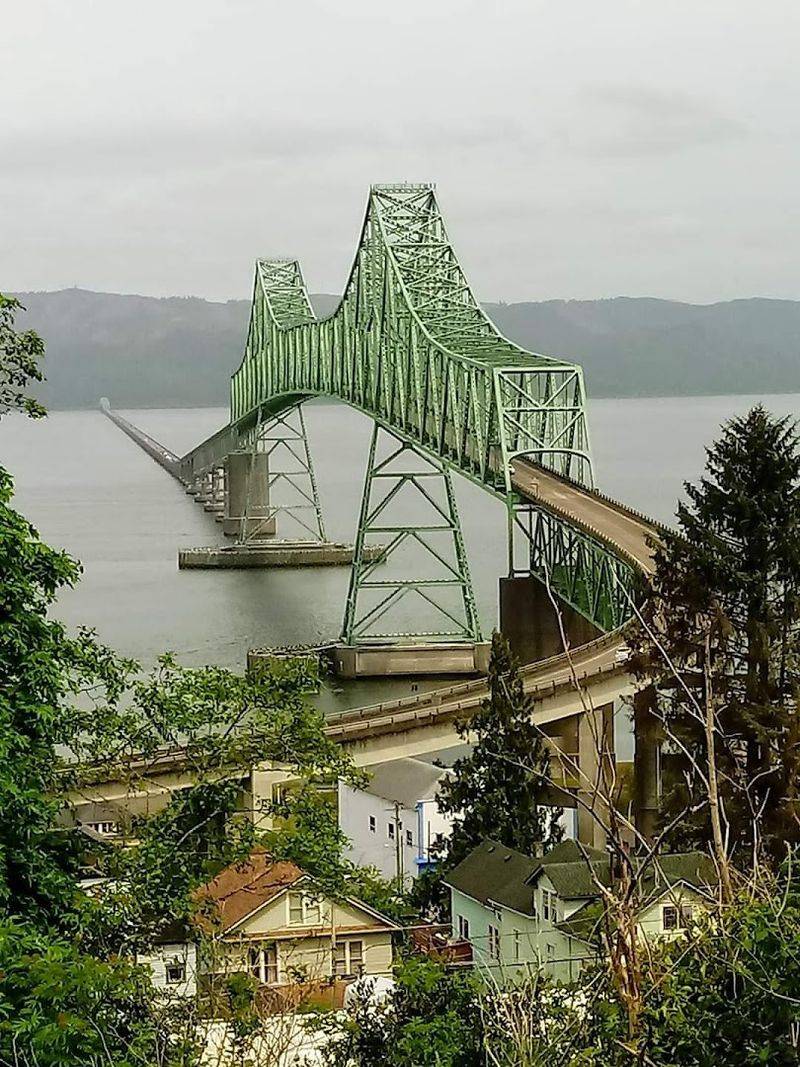
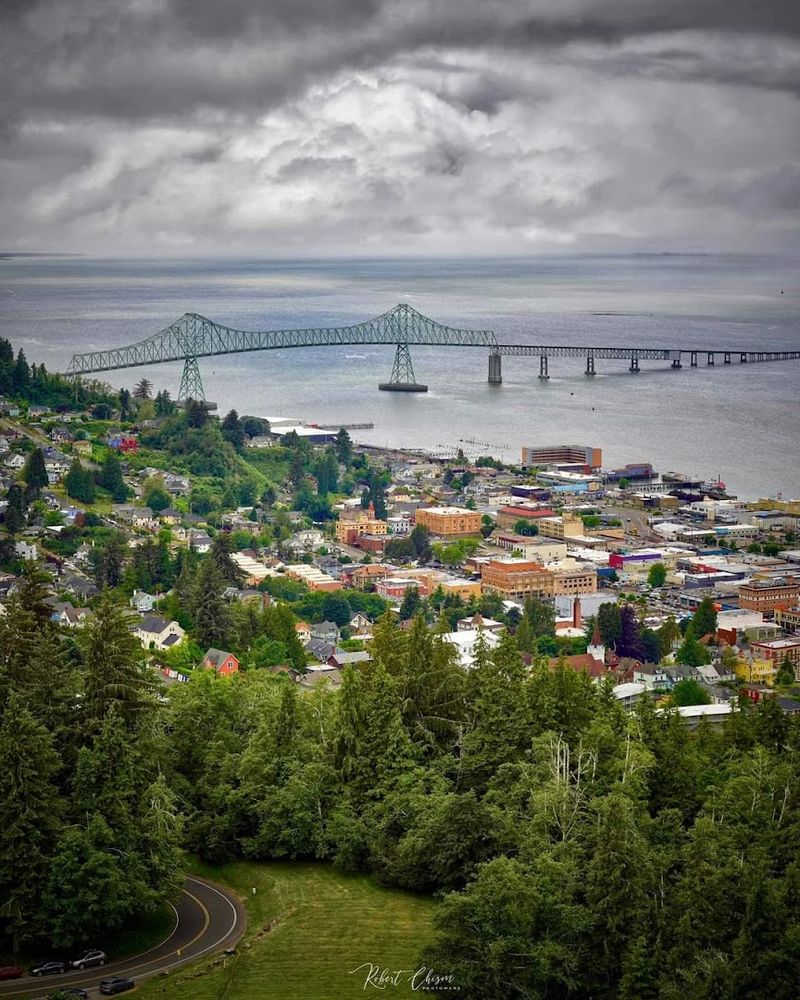
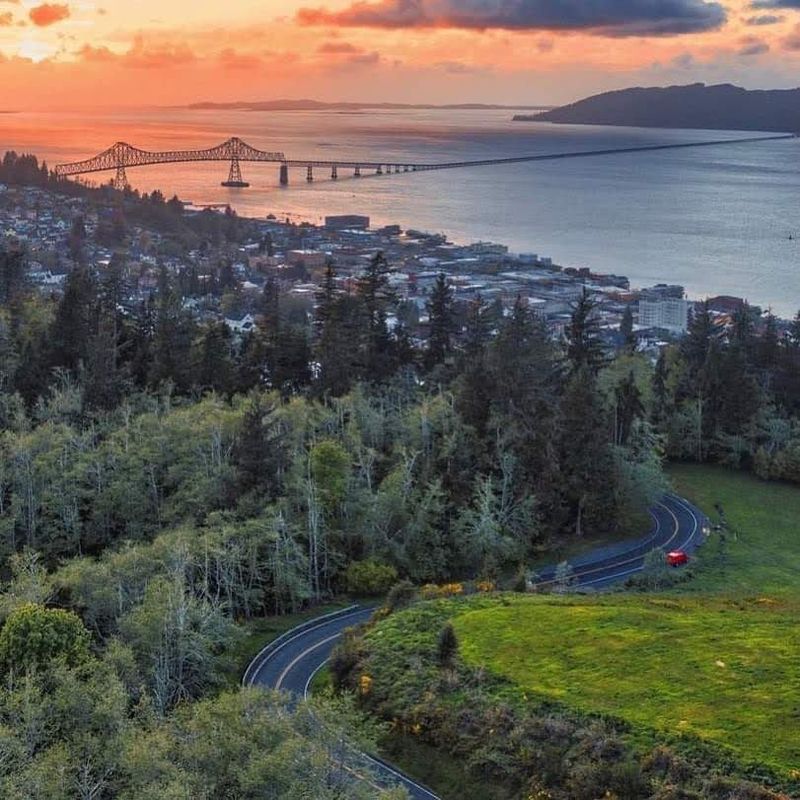
The Astoria-Megler Bridge is one of the longest continuous truss bridges in North America. It stretches over four miles across the Columbia River, connecting Oregon to Washington State.
On a foggy morning, it disappears into the mist like something from a dream.
Watching it from the waterfront trail is one of those simple pleasures that costs nothing and stays with you. The scale of the structure against the wide river is genuinely humbling.
Fishing boats pass underneath looking tiny by comparison.
Bridges like this one are common in Scandinavian countries, where long spans cross fjords and river mouths. The visual effect here is nearly identical, especially when low clouds wrap around the upper sections.
It looks painted rather than real.
The Riverwalk runs directly along the waterfront beneath the bridge approach. It is a flat, easy walk suitable for all fitness levels.
Benches are scattered along the path so you can sit and watch the river traffic. Early mornings are the best time to visit for that full misty, atmospheric effect.
The Waterfront Riverwalk and Its Quiet, Moody Charm
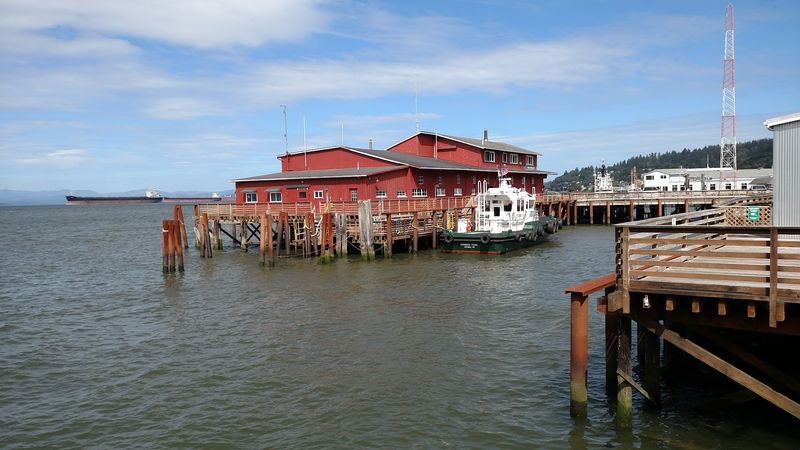
The Riverwalk stretches along the Columbia River for about six miles. It follows an old trolley line and passes through the heart of Astoria’s working waterfront.
Old cannery buildings, docks, and warehouses line the route.
Walking it early in the morning, before the town wakes up, is something special. The only sounds are water lapping at the docks and the occasional cry of a seagull.
The air smells like salt and river mud and something faintly smoky from nearby buildings.
Waterfronts in Scandinavian fishing towns have this same texture. Bergen’s harbor, Stavanger’s old wharf, and Astoria’s Riverwalk all share that feeling of a place that has been working hard for a very long time.
History is not hidden here. It is right under your feet.
A vintage trolley runs along part of the route during warmer months. It is a fun and easy way to cover more ground.
The walk connects several key spots including the Maritime Museum and the bridge. Comfortable shoes are all you really need.
Cozy Coffee Shops and Bakeries That Feel Like Home
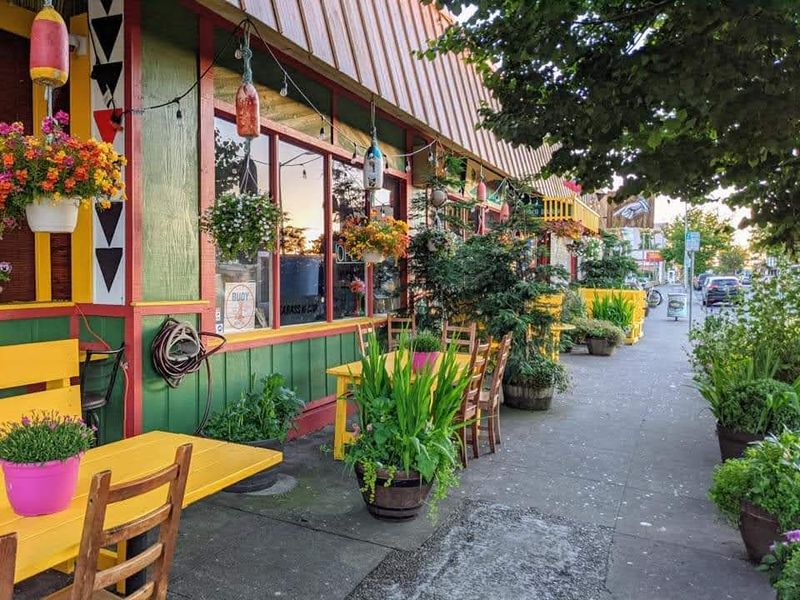
Cold mornings and thick fog make Astoria the kind of place where coffee shops become essential. The town has developed a genuinely strong cafe culture, with small independent spots that feel warm, personal, and unhurried.
One beloved local stop is the Astoria Coffee House and Bistro on Commercial Street. The atmosphere inside is lived-in and comfortable, with mismatched furniture and the kind of background noise that makes you feel like a regular even on your first visit.
It sits at 243 11th Street, Astoria, Oregon 97103.
Nordic countries are famous for the concept of hygge, a Danish and Norwegian word describing coziness and contentment. Astoria understands this instinctively.
The best cafes here have that same quality without trying to label it.
Pastries, soups, and warm drinks are taken seriously. Local bakeries often feature hearty, simple items that feel more northern European than Californian.
Sitting by a window watching fog drift past the old buildings outside is genuinely one of the best ways to spend a slow morning in this town.
Fishing Culture That Still Defines the Town
Fishing is not a theme park attraction in Astoria. It is still a real, active industry that shapes daily life here.
Commercial fishing boats dock along the waterfront every morning, and the smell of the river and the catch is part of the air you breathe.
The Columbia River salmon runs made Astoria famous in the 1800s. At its peak, Astoria had more salmon canneries than anywhere else in the world.
That history is still present in the old cannery buildings, the fishing families, and the deep respect locals have for the water.
Norwegian fishing villages operate on the same rhythm. The boats go out, the boats come back, the town waits and watches.
There is a patience and a practicality to fishing communities that feels universal across cultures and continents.
Fresh seafood is easy to find at local restaurants and markets near the waterfront. The quality is excellent because the source is so close.
Clam chowder, Dungeness crab, and fresh salmon are all local staples worth seeking out on any visit to Astoria.
Why Astoria Stays With You Long After You Leave
Some towns are easy to enjoy and easy to forget. Astoria is not one of those places.
There is something about the combination of fog, history, Viking-era architecture, and genuine working-class soul that lodges itself in your memory.
It does not perform for tourists. It simply exists, confidently and quietly, as a real place with real people doing real things.
That authenticity is increasingly rare and genuinely refreshing.
The Scandinavian comparison is not just visual. It is emotional.
Both cultures share a respect for hard weather, hard work, and simple pleasures. Astoria carries that same no-nonsense warmth that you find in small Norwegian towns where the sea is never far away.
Leaving Astoria, I kept looking back at the hillside houses and the fog-wrapped bridge. The town shrank in the rearview mirror slowly, like it did not want to let go.
If you have never been, make the trip. And if you have been before, you already know exactly why you are planning to go back.
