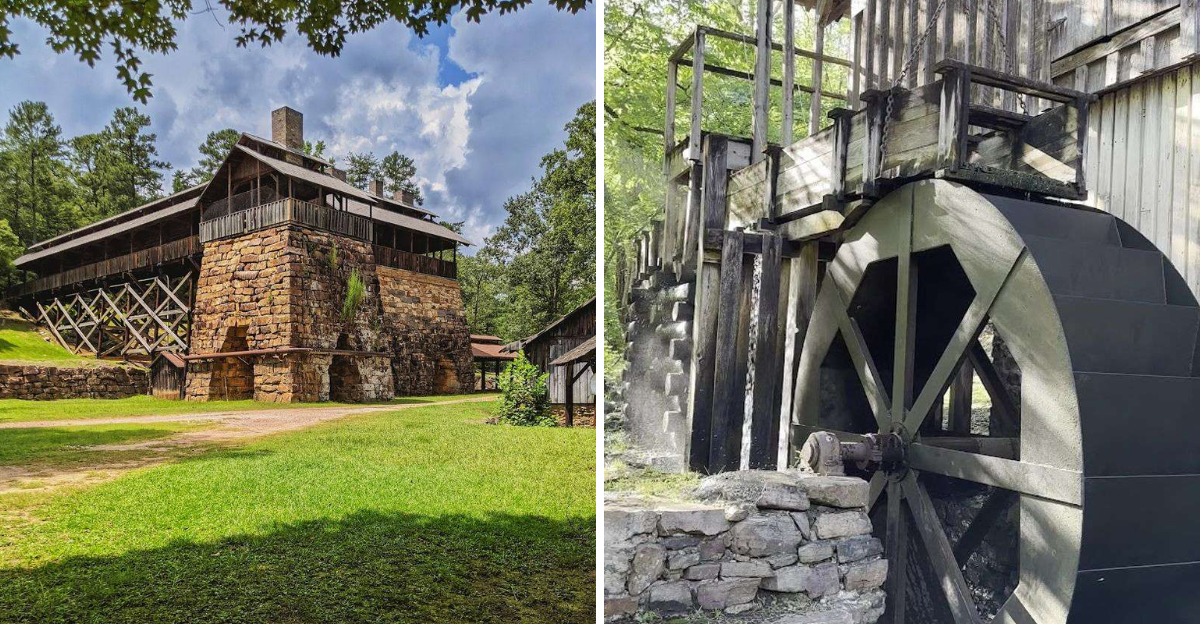
Hidden among the trees of McCalla, Alabama, a place exists where history never really left. A remarkable historical park spread across more than 1,500 acres of forest, creek land, and preserved ruins offers visitors a rare glimpse into the past.
Massive stone blast furnaces, historic structures, and quiet trails through the woods create an atmosphere that feels like stepping into another century. The site tells important stories of industry, labor, and the people who shaped this region, while also offering plenty of space to hike, explore, and enjoy the outdoors.
Every path reveals another piece of the past, from old ironworks remains to peaceful natural scenery surrounding them. If you want a destination that combines history, nature, and a meaningful experience all in one place, this gem delivers every single time.
Come Walk Trails That Follow Old Historic Roadways
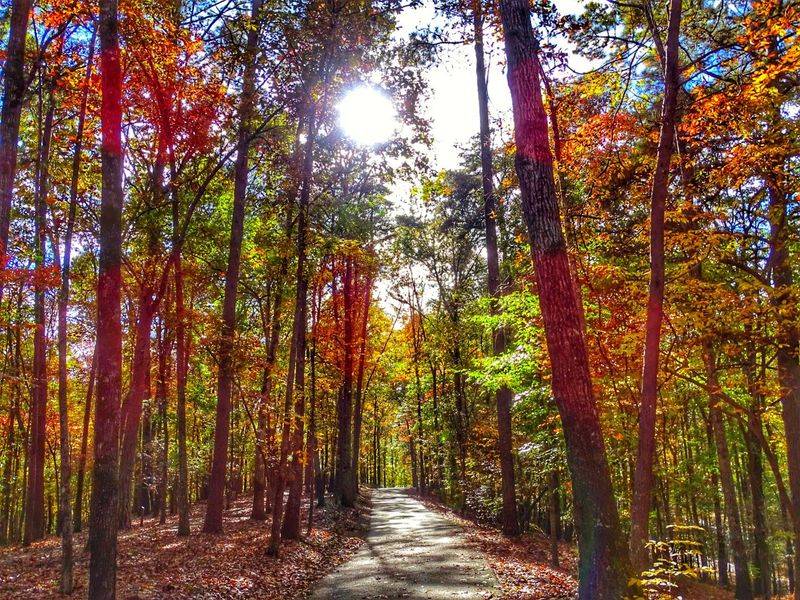
Some trails feel like exercise. The trails at Tannehill Ironworks feel like a journey.
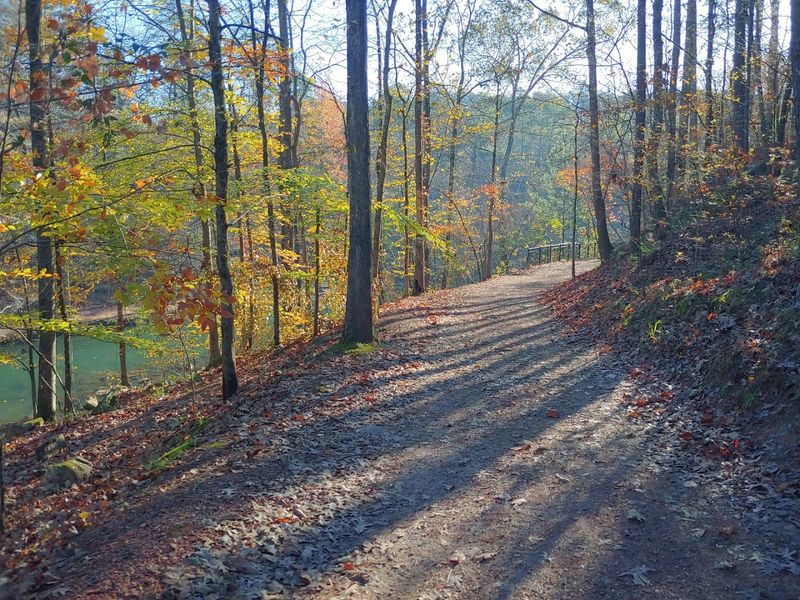
With over 16 miles of hiking paths spread across the park, you can spend hours moving through scenery that shifts from open pine forest to creek-side paths without ever feeling like you have seen it all before.
What sets these trails apart is their history. Several of the routes retrace actual historical roadways used during the 19th century.
You are not just hiking through Alabama woodland. You are literally walking paths that workers, families, and soldiers once traveled.
That context changes everything about how the walk feels.
Roupes Creek runs alongside many of the trails, adding a steady, calming sound to the whole experience. Some sections of trail are smooth and easy, making them great for families or anyone who wants a relaxed outdoor walk.
Other sections get rocky and technical, which mountain bikers and more adventurous hikers tend to love.
The park is located in Jefferson County, Alabama, and the trail system is one of the most underrated outdoor networks in the entire state. You do not need to be an experienced hiker to enjoy it.
Bring good shoes, a water bottle, and a little curiosity. The forest is dense enough to feel wild but the paths are clear enough to follow without any confusion, even on your first visit to the park.
Plan Your Stay At The Creekside Campground
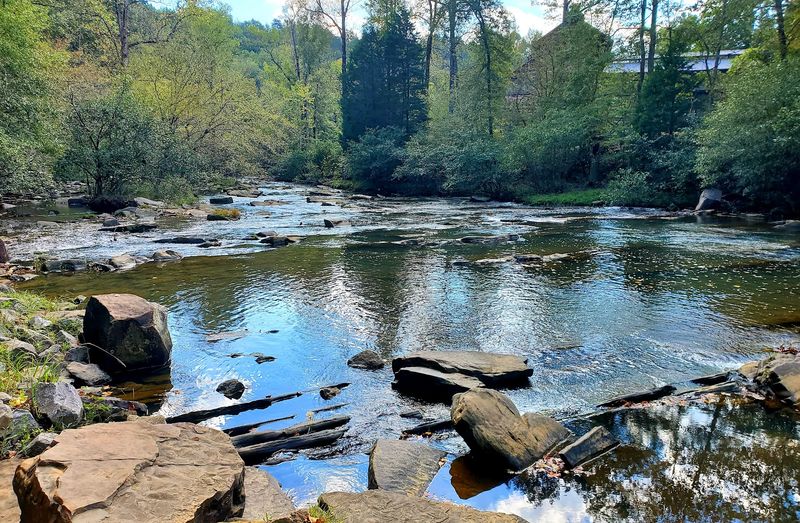
Camping at Tannehill is genuinely one of the better deals you will find at any state park in the South. The park offers more than 250 improved campsites for RVs and tents, with loops that include full hookups featuring 20, 30, and 50 amp service.
Some sites back right up to Roupes Creek, which means you fall asleep to the sound of moving water every night.
Rates run around $30 per night for full hookup sites, which is a bargain compared to most private campgrounds. The park operates on a first-come, first-served basis, so you can drive in, pick the site you like, and settle in without needing a reservation.
That kind of flexibility is rare and genuinely refreshing for spontaneous travelers.
Beyond improved sites, the park also offers primitive camping areas and cabins available for rent. The primitive sites give you solid privacy with flat tent areas and fire rings already set up.
Bathhouses are kept clean throughout the campground, and the overall atmosphere stays quiet and family-friendly most of the time.
Families with kids especially enjoy this campground because the trails, the creek, the miniature railroad, and the historic sites are all within easy walking distance of the campsites. You never feel like you need to pack up and drive somewhere else.
Everything you came to see and do stays close by the whole time you are there.
Skip Nothing At The Alabama Iron And Steel Museum
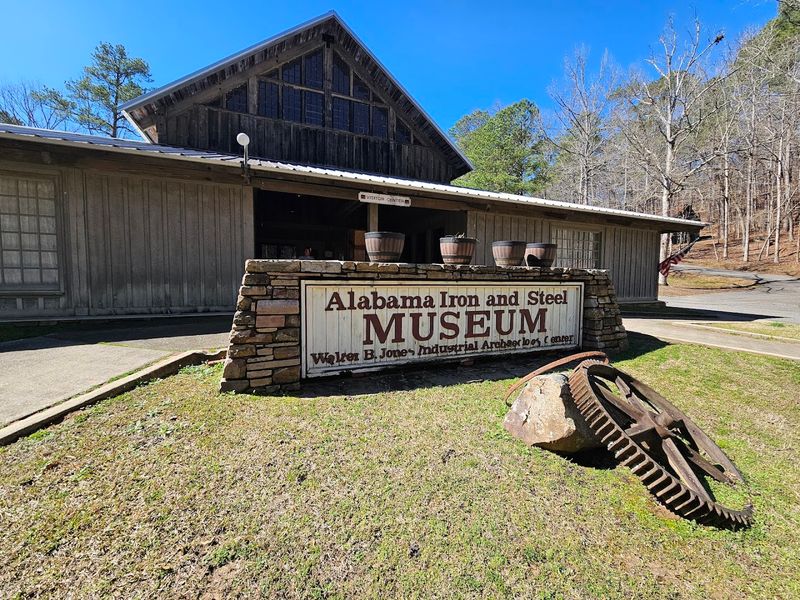
The Alabama Iron and Steel Museum inside the park is one of those places that surprises you. From the outside, it looks modest.
Inside, it holds a focused and well-organized collection of artifacts, tools, and exhibits that tell the full story of iron production in Alabama, especially during the Civil War era.
You get real context here. The exhibits explain how pig iron was made, why it mattered to the war effort, and what the industrial process actually looked like in the 1860s.
Reading about iron production in a textbook is one thing. Seeing the actual tools and equipment laid out in front of you is a completely different experience that sticks with you long after you leave.
Admission to the museum is just $2, which makes it one of the most affordable history experiences in the state. The visitor center connected to the museum is open from 10 AM to 4 PM.
If you visit during the week, call ahead to confirm availability, since hours can sometimes vary depending on the season or ongoing renovations.
Many visitors say the museum is one of the best they have visited in terms of how informative and well-organized everything feels. The displays are laid out in a way that flows naturally, so you move through the story of Tannehill without feeling lost or overwhelmed.
Budget at least an hour here, because there is more to absorb than you might expect from a small-town park museum.
You Can Touch Real Civil War Furnace Ruins Here
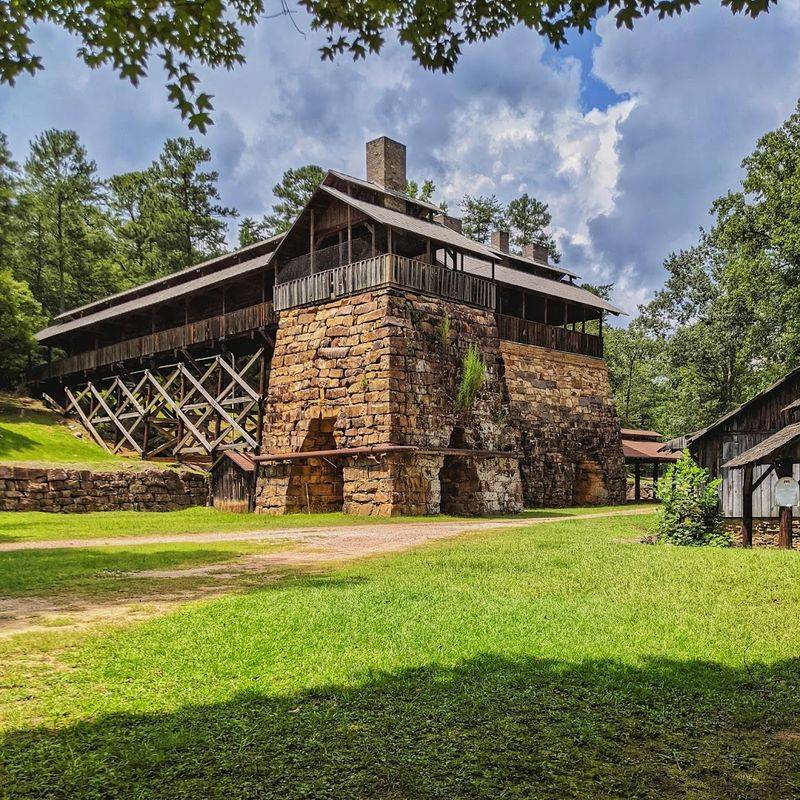
Standing in front of the three charcoal blast furnaces at Tannehill Ironworks Historical State Park is one of those moments that stops you cold. These furnaces were built between 1859 and 1863, and they could produce up to 22 tons of pig iron every single day.
That iron went directly to support the Confederacy during the Civil War, supplying places like the Selma Arsenal.
What makes this even more powerful is knowing who built them. Enslaved people were forced to cut and stack the sandstone blocks that form these massive walls.
You can still see the craftsmanship in every layer of stone, and it carries a weight that no museum exhibit can fully replicate.
Union forces destroyed the ironworks on March 31, 1865, during Wilson’s Raid. Yet the ruins remained, and restoration efforts began in 1976.
Today, the site is listed on the National Register of Historic Places and is considered one of the best-preserved Civil War industrial landmarks in the entire country.
The address is 12632 Confederate Pkwy, McCalla, AL 35111. Admission is $6 for adults, $5 for seniors, and $4 for children aged 5 to 11.
Kids four and under get in free. General park hours run from 7 AM to 7 PM daily, so you have plenty of daylight to explore every angle of these incredible ruins up close.
Try The Miniature Railroad Ride Through Pine Trees
Not everything at Tannehill is heavy with history and somber reflection. The miniature railroad is just plain fun, and it earns its place as one of the most talked-about features of the park.
The little train winds through the pine trees on a route that feels surprisingly immersive, especially for younger visitors who might not yet connect with the Civil War history side of things.
The ride costs just $2 per person, which makes it an easy add-on to any visit. It runs through sections of the park that you would not normally walk through on foot, giving you a slightly different perspective on the landscape and tree cover.
Kids absolutely love it, but plenty of adults admit they enjoy it just as much.
The railroad has become something of a tradition for families who return to Tannehill year after year. It is the kind of low-key attraction that fits perfectly into a relaxed park day without demanding too much time or energy.
You board, enjoy the ride, and get off feeling like you got a little bonus tour of the property.
If you are visiting with a mixed group that includes grandparents, young children, and teenagers, the train works for all of them. It is accessible, affordable, and genuinely charming in a way that fits the overall spirit of Tannehill.
Plan to ride it toward the end of your visit so the kids have something to look forward to the whole day.
Make Time For Tannehill Trade Days Market
Tannehill Trade Days is the kind of event that sneaks up on you and turns into the highlight of your whole trip. Held on the third weekend of each month from March through November, this outdoor market fills the park with vendors selling everything from hand tools and antiques to jewelry, furniture, and handmade crafts.
The scale of it is genuinely impressive. Dozens of booths spread across the grounds, and the variety keeps things interesting no matter what you are looking for.
Some people come specifically hunting for vintage tools or collectibles. Others wander through just to see what turns up, which is honestly just as rewarding.
Food is a serious part of the Trade Days experience. You will find Southern staples like BBQ, roasted corn on the cob, boiled peanuts, and more.
The smell alone is enough to pull you in a direction you had not planned to go. Shade trees help keep things comfortable even on warm Alabama days, and the atmosphere stays relaxed and genuinely welcoming throughout the weekend.
The park opens at 7 AM daily, and the Trade Days event draws crowds early. Admission is $6 per person at the gate, and they accept both cash and card.
If you have never been to a Southern outdoor market of this size inside a state park setting, Trade Days at Tannehill is a first experience worth planning your entire weekend around. It is lively, local, and completely worth the drive.
Do Not Miss The Pioneer Farm And Old Grist Mill
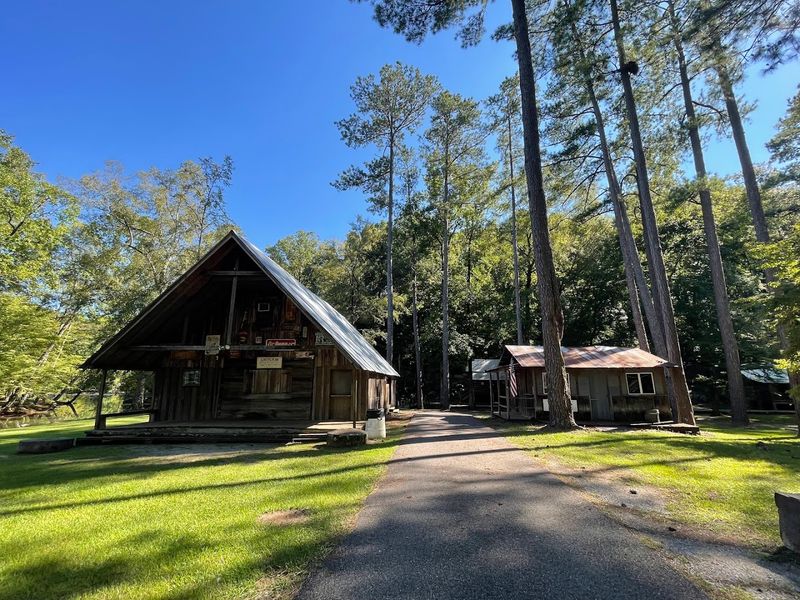
History at Tannehill does not stop at the furnace ruins. The Pioneer Farm area brings the 19th century to life in a completely different way, with a collection of farm buildings, craft shops, and a working blacksmith shop that fills the air with the smell of hot metal and coal smoke.
Watching a skilled blacksmith work is something you do not forget quickly.
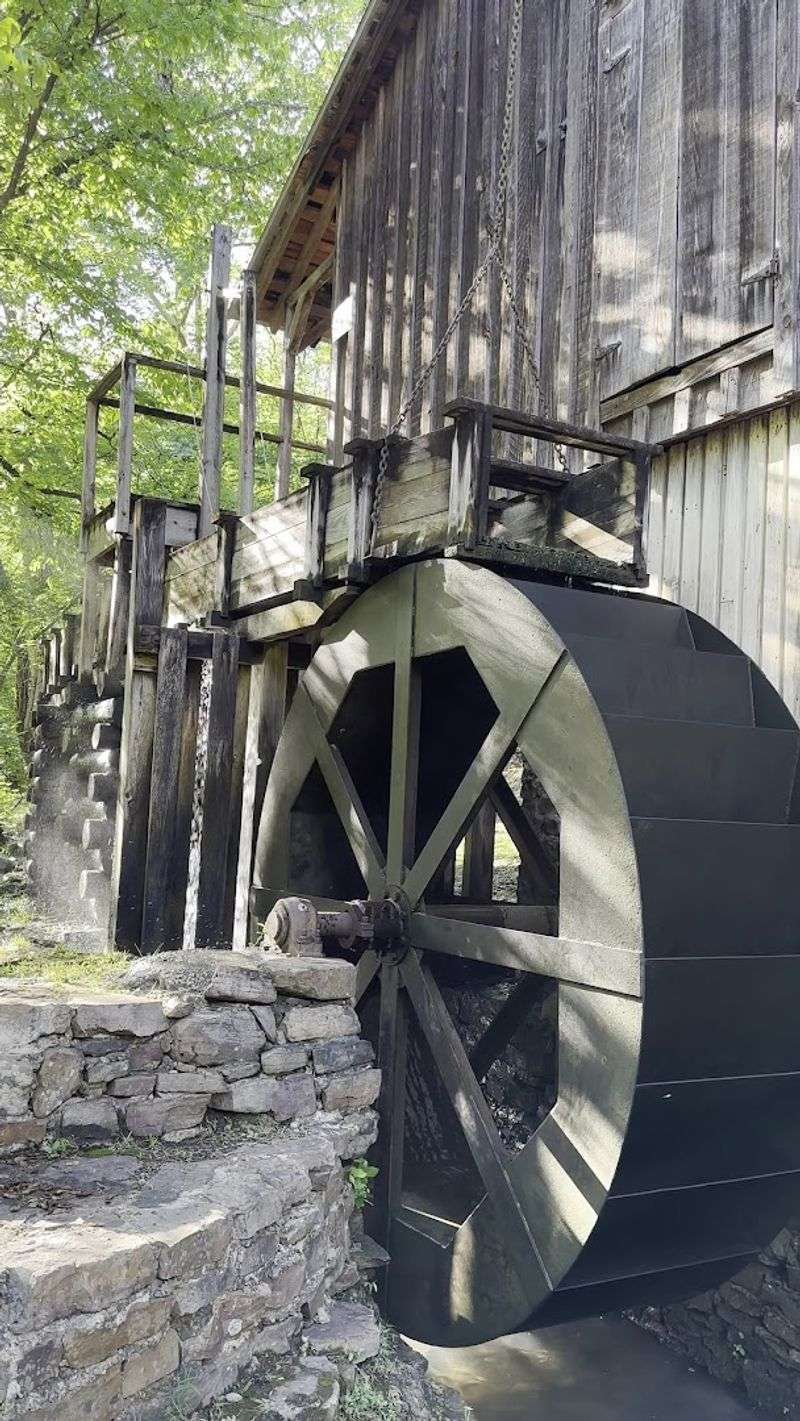
The John Wesley Hall Grist Mill is a replica of an original mill from 1867, and it sits near the creek in a setting that looks like it belongs in a painting. The mill gives you a clear picture of how communities processed grain before modern machinery changed everything.
Several restored pioneer cabins nearby function as craft shops where artisans demonstrate traditional trades like woodcarving and weaving.
The Old Kimbrell Methodist Church, built in 1905, stands within the park as well. It still hosts Sunday services and has been used for weddings.
Walking inside gives you a quiet, reflective moment that contrasts nicely with the more active parts of the park experience.
The May Plantation Cotton Gin House and the Edwards House are also preserved on the property, adding more texture to what is already a remarkably layered historical landscape. Plan to spend at least two to three hours in this section of the park alone.
There is enough to explore here that you could easily fill an entire morning without retracing a single step or running out of things to look at and learn.
