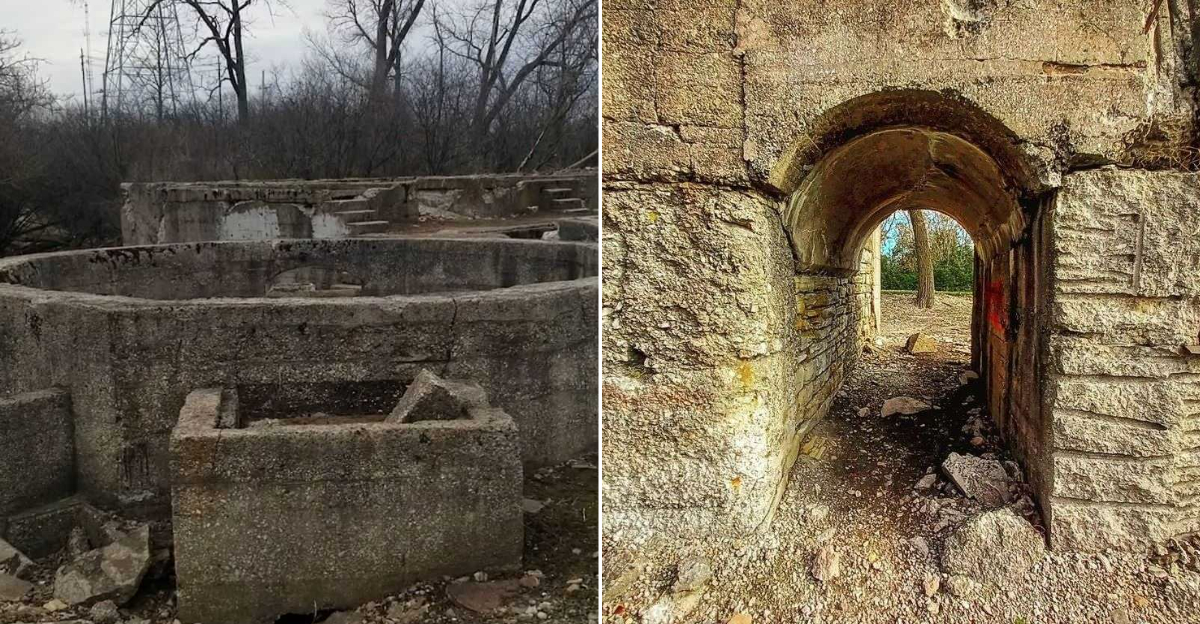
It looks less like a historic site and more like the aftermath of a giant project that somebody paused and never came back to finish. This forgotten Illinois ironworks stop has that strange, gripping effect almost immediately, because the scale of the place makes it feel far bigger than most people expect.
You are not just looking at a few leftover ruins and trying to imagine the rest. You are walking into something that still carries the shape of a working world, with enough remains to make the whole place feel like a city that somehow quit in the middle of the scene.
That is what makes it so fascinating. The silence, the industrial bones, and the sense of interrupted momentum all give the site a dramatic pull that feels hard to shake.
For anyone drawn to abandoned places that still look big enough to tell their own story, this Illinois stop delivers the kind of eerie, half-finished atmosphere that sticks with you fast.
A First Walk That Feels Like Entering A Lost Industrial City
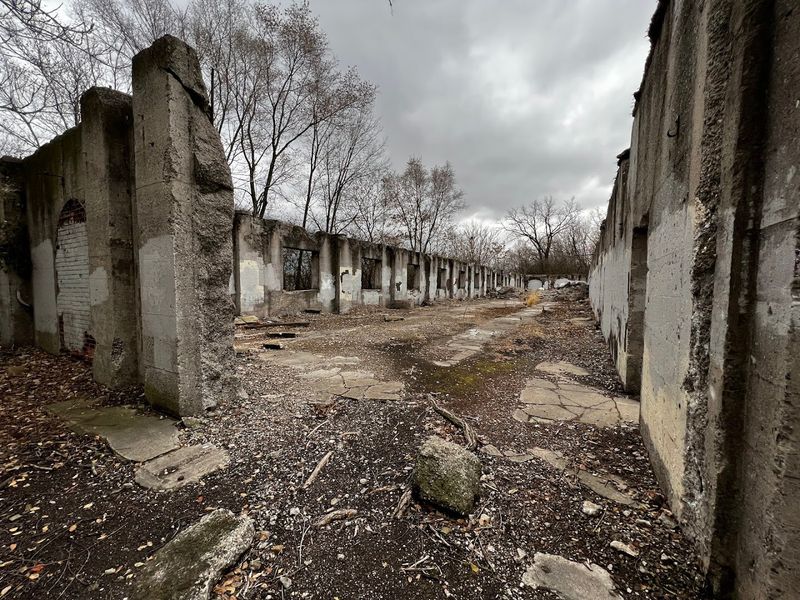
Step in, and tell me this does not feel like you wandered into a city that paused mid-thought and left the door open. Joliet Iron Works Historic Site, 31 Columbia St, Joliet, IL 60432, greets you with big bones and quiet air that still buzzes.
The paved path moves you along like a guide who knows where the good stories sit, and the ruins answer without hurrying. You can read the signs or just read the walls, because every stain and seam has its own accent.
It is Illinois in a raw voice, sturdy and complicated, not trying to impress you, just standing there. I like that steadiness, the unpolished honesty, the space to walk and process.
Look at the foundations, then look again, because your eyes adjust to the scale in slow clicks. What felt like scattered chunks starts organizing into streets, corridors, and work yards your brain somehow recognizes.
The breeze carries a little metallic scent if the air is damp, and your steps echo in that memory space. You begin mapping the footprints of people who powered this place, and the ground answers with patient detail.
Do you feel how Illinois history comes at you from underfoot instead of from a glass case? That is why a first walk here hits your chest and stays there.
Why These Ruins Look Bigger Than Most People Expect
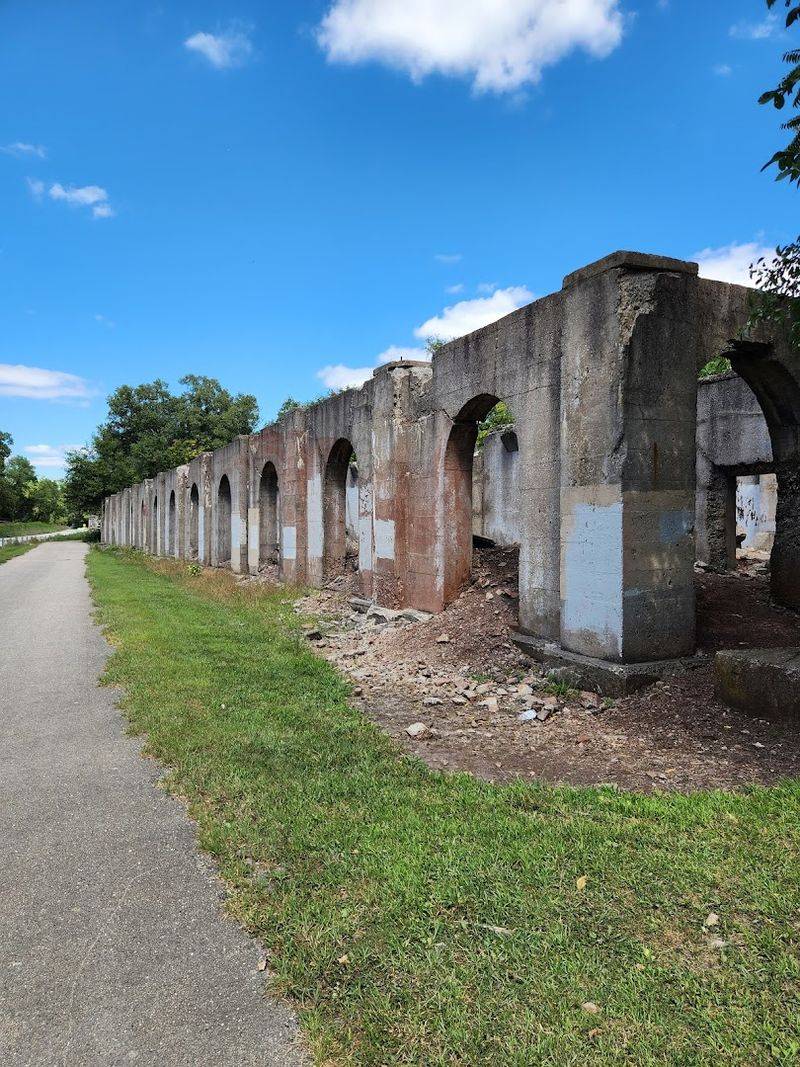
It sneaks up on you, the way the site keeps stretching past what you think should be the end. You expect a few walls and a sign, and then you are still walking, still turning corners that feel like old streets.
The ruins sprawl into a layout your feet start to understand before your words do. Long pads read like factory floors, sunken channels like arteries that carried heat and labor.
You think you have the scale figured out, and then a new row of concrete opens another frame. It is bigger in the way a memory gets bigger once you step inside it.
Part of the surprise comes from the sky being the roof, which gives everything extra volume. Without walls closing in, your brain measures the footprint against clouds, treelines, and the slow parade of light.
The site is quiet, but the quiet works like underlining, so every edge pops. You can trace invisible catwalks, then drop your gaze to pathways that must have carried carts and crews.
Illinois feels wider here, like the flatland turned into a workbench for strong ideas. The more you look, the larger the picture grows, and that is a satisfying trick.
Blast Furnace Remains That Still Hint At The Site’s Scale
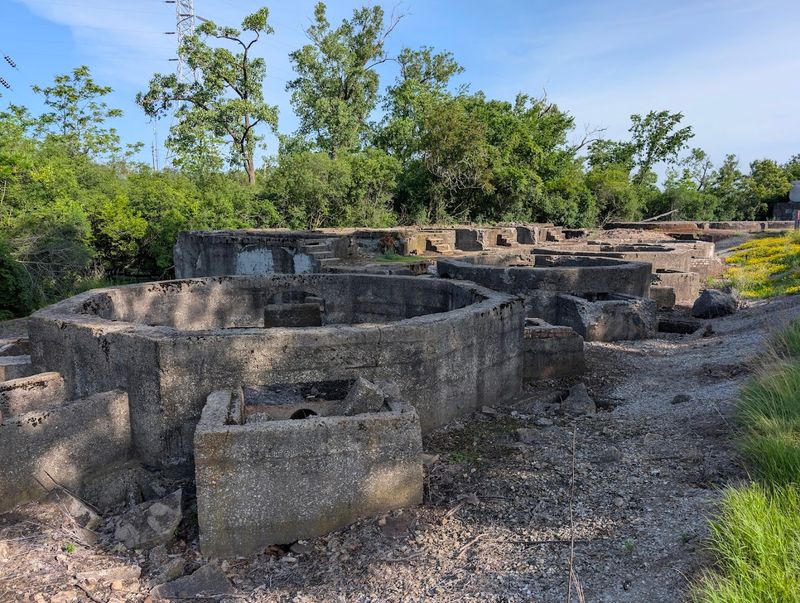
You reach the furnace remains, and even in pieces they carry themselves with that heavy, necessary confidence. The shapes are more suggestion than structure now, but they outline a machine that once demanded rhythm from every moving part.
Bolt fields, brick arcs, and weirdly graceful curves point to pressures you can almost hear. I stand there and try to map the heat, the way it must have moved like weather through this frame.
The signs help, sure, but the metal stains do their own explaining. You learn by staring, and then you learn by stepping back.
What gets me is how the ruins compress big processes into readable gestures. A groove shows where something slid forever, and a blackened seam tells you heat lived there.
The air around the remains feels warmer, even on a cool day, because your brain keeps filling in the blast with imagined glow. You start to see teams, shifts, and motion, and the whole thing becomes a kind of industrial theater.
It is not romantic, exactly, but it is respectful, like visiting a workshop that kept your grandparents’ world running. In Illinois, these bones stand as a straightforward reminder that scale is not just size, it is coordination.
Crumbling Foundations And Steel-Era Ghosts Around Every Turn
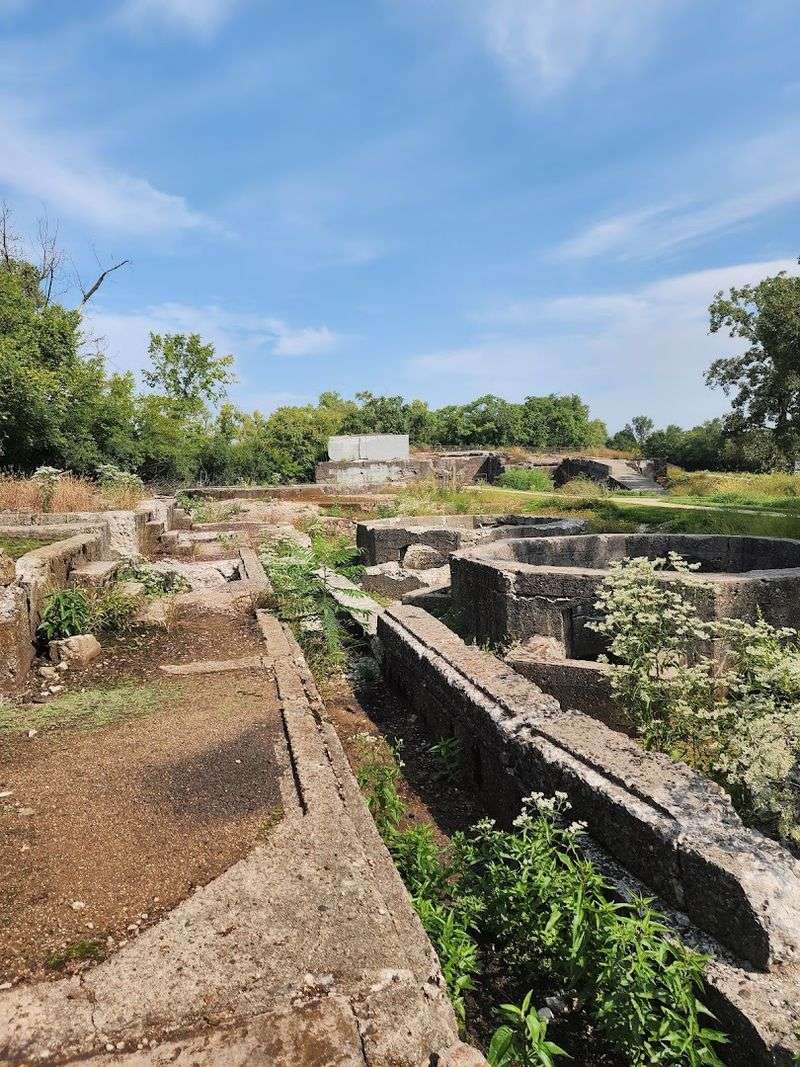
Turn a corner and the ground feels busy with footprints you cannot see, like a shift just clocked out and forgot to take the noise. Bricks poke through grass in tidy lines that make no sense until they suddenly do, and then you are walking a corridor that is only chest-high.
Foundations hold their outlines stubbornly, the way old habits stay in your hands. It is not spooky, but it is charged, because the everyday work of people has a way of leaving a deeper imprint than any headline.
You catch yourself whispering without meaning to, like the place asked for it.
I like how the site lets your imagination do half the lifting while the concrete does the rest. A cutout feels like a door, a trough becomes a timeline, and a rusted rod points like a finger at everything you missed.
You look back and realize you are tracing loops, taking second passes, finding patterns you swear were not there a minute ago. The ghosts I feel here are practical, clock-minded, probably rolling their eyes at my careful steps.
That makes me smile, because it means the story is still a working story. Illinois history wears its work boots here, and the fit is perfect.
The Kind Of Historic Stop That Feels Frozen Mid-Scene
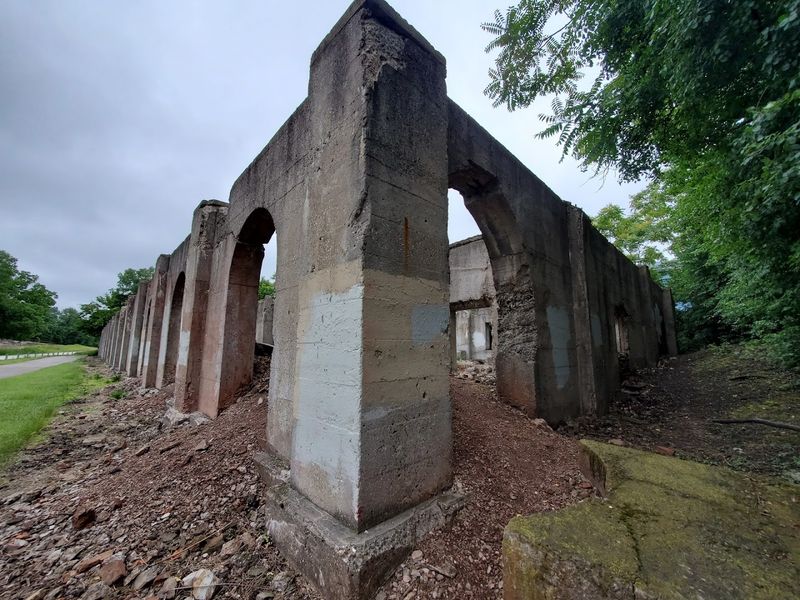
This place reads like a film set that the crew left for lunch and never came back to wrap. You can almost see the motion hanging there, with tasks half-finished and paths partway worn.
That frozen feeling is not theatrical so much as practical, like someone put a hand up and said, hold on. The result is time caught at an angle that lets you examine it without stripping away its grit.
It never turns into a museum voice; it talks like a foreman who keeps it plain. That tone makes it easy to listen longer than you planned.
There is power in pauses, and this site proves it by inviting you to stand still. When the wind hits the grass and the signboards creak a little, the scene unfurls again.
You measure your breath against that quiet industry and understand more than the text alone explains. It is a different kind of Illinois landmark, less polished and more honest, because it keeps the stop-time intact.
I like that it never begs for attention, yet it gets it anyway. You leave feeling like you stepped into a held note and heard the rest of the song.
Why Joliet’s Industrial Past Hits Harder Out Here
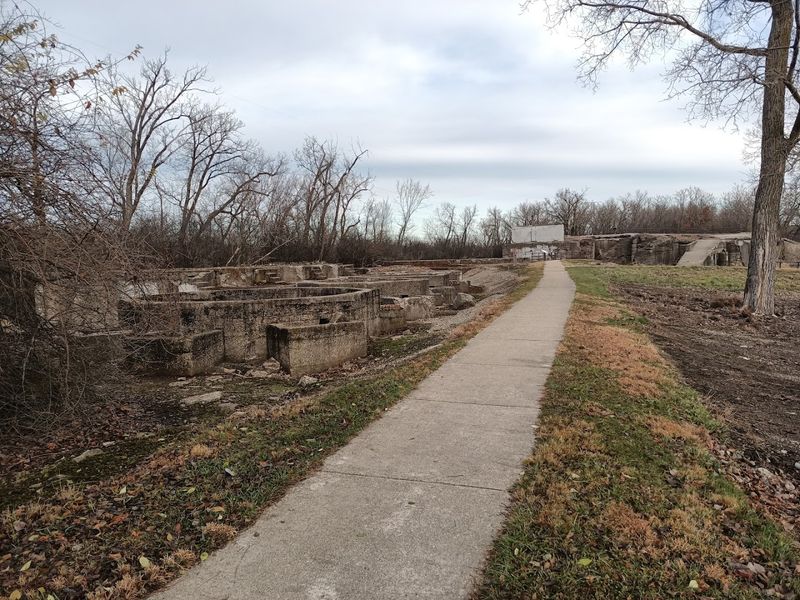
Out here, Joliet’s story is not framed by glass or trimmed to fit a tidy panel. It is open air, with the wild edges showing and the city just far enough away to keep the quiet steady.
That space lets the stakes land. Lives were arranged around this work, and you can feel the shape of that routine even now.
Standing among these bones, you sense how industry braided itself into family, neighborhood, and identity. The details do not shout, but they gather, and the weight of them settles in your chest.
I think it hits harder because nothing performs for you. The materials stay what they are, and the setting refuses to dress up for visitors.
You bring your curiosity, and the site meets you halfway with texture, scale, and that grounded Midwest patience. Illinois history often lives in archives, but here it breathes with the weather.
You end up standing longer than planned, tracing routes with your eyes until they start to make emotional sense. When you finally move on, the feeling tags along like a warm echo.
Open-Sky Ruins That Make The Whole Place Feel Stranger
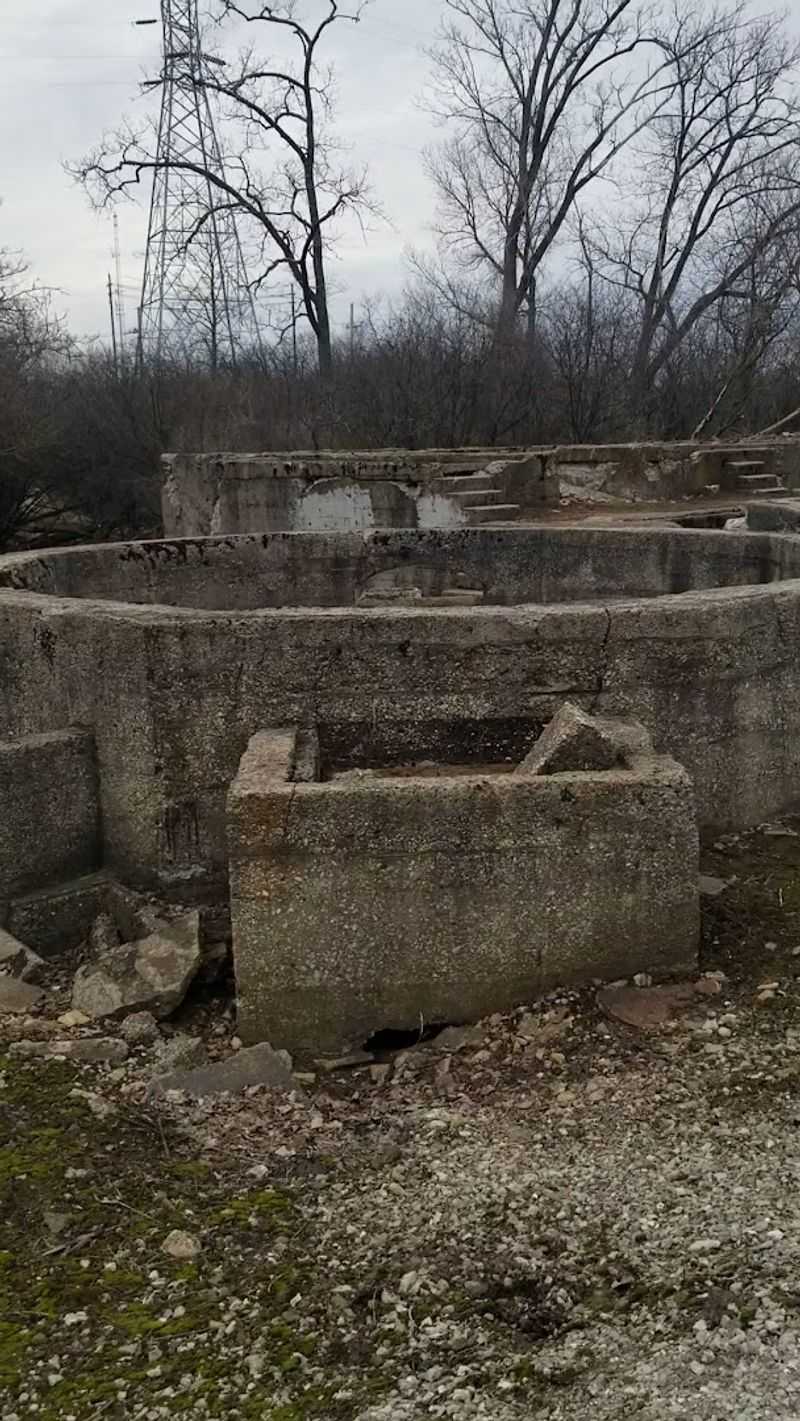
There is something about ruins without a roof that makes everything feel just a little uncanny, like the ceiling got edited out of the world. The sky becomes part of the structure, and shadows behave differently, stretching across concrete like old blueprints.
You stand in one rectangle and watch clouds move like smoke that forgot to be hot. The emptiness is not empty exactly; it is a different kind of fullness.
You start noticing birds perching where cranes might have glided, and wind threading where pipes once carried heat. The contrast is quietly wild and oddly comforting.
Because the place is open, your sense of direction keeps resetting, and that keeps your mind awake. Corners become choices rather than walls, and every choice leads to more texture.
I like how the horizon steps into the story and balances all that heavy material with motion. It is Illinois sky at its expansive best, lending the ruins new personality every few minutes.
You walk slower, not to stretch time, but to catch the shifts. The strangeness becomes friendly once you decide to let it guide you.
A Walk That Feels Part History Tour And Part Discovery
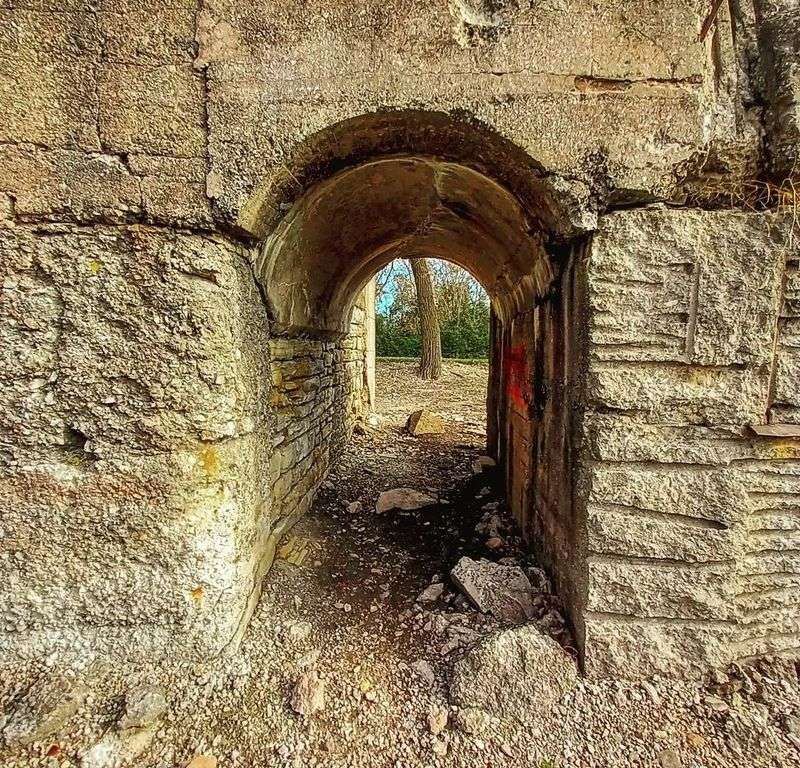
Following the loop feels like getting a casual tour from someone who lives nearby and also letting yourself wander off the script. The signs are solid and helpful, but your eyes keep pulling you into side glances and second looks.
You find yourself predicting where the next piece will appear, then being surprised by a different alignment. That push and pull between guidance and curiosity is half the fun.
When a detail clicks, you feel like you discovered it, even though it was sitting there the whole time. That is the sweet spot for learning without feeling lectured.
I like to stop where the path edges right against a cluster of foundations and take a slow spin. From there, the story overlays itself clearly, like a transparent map settling onto the ground.
You sense movement patterns, hear imagined calls, and match them to the physical evidence underfoot. The place teaches by letting you lead, which feels respectful and easy.
In Illinois, a lot of history is told straight; here, you get to fold it open with your own hands. That balance keeps the walk alive from first step to last.
Why This Illinois Site Rewards Slowing Down And Looking Closer
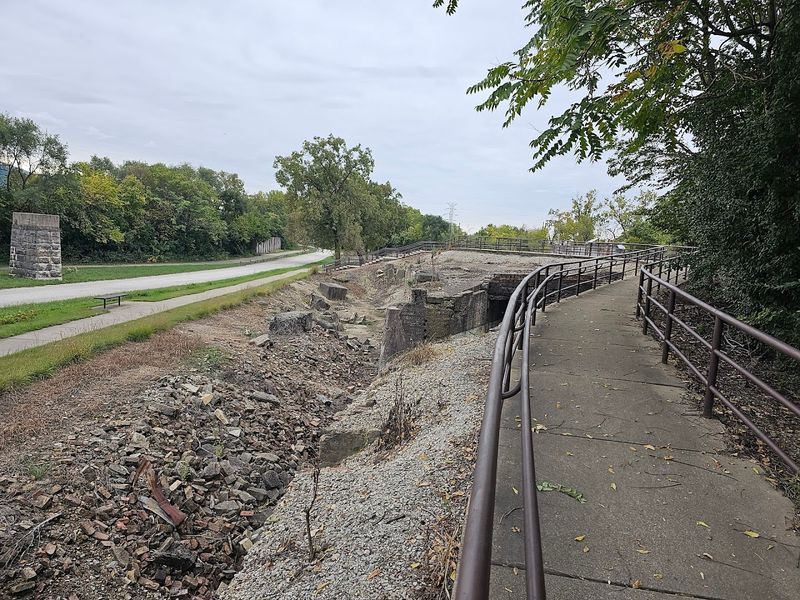
Slow down here, and the details start sticking like burrs to a sweater. You notice pebbles locked in concrete, rust blooms feathering out from a bolt, and tiny lichens setting up their patient little towns.
Those micro scenes are not separate from the big industrial picture; they are the footnotes that make the main text richer. The longer you stand in one spot, the more those footnotes braid together.
Suddenly, a groove in the floor tells you about repetition, and a scorch tells you about heat that did not blink. The place rewards your stare with more story than you expected.
I love how that slower mode reshapes time. Minutes stretch into something useful, and your breath syncs with the place instead of rushing past it.
The site does not chase you, which means you choose the rhythm. That kind of agency makes history feel present and personal rather than archived.
Illinois has a habit of revealing itself in layers, and this is one of the generous layers. Walk easy, look close, and let the small stuff lift the big picture.
The Forgotten Ruins Stop That Stays In Your Head Afterward
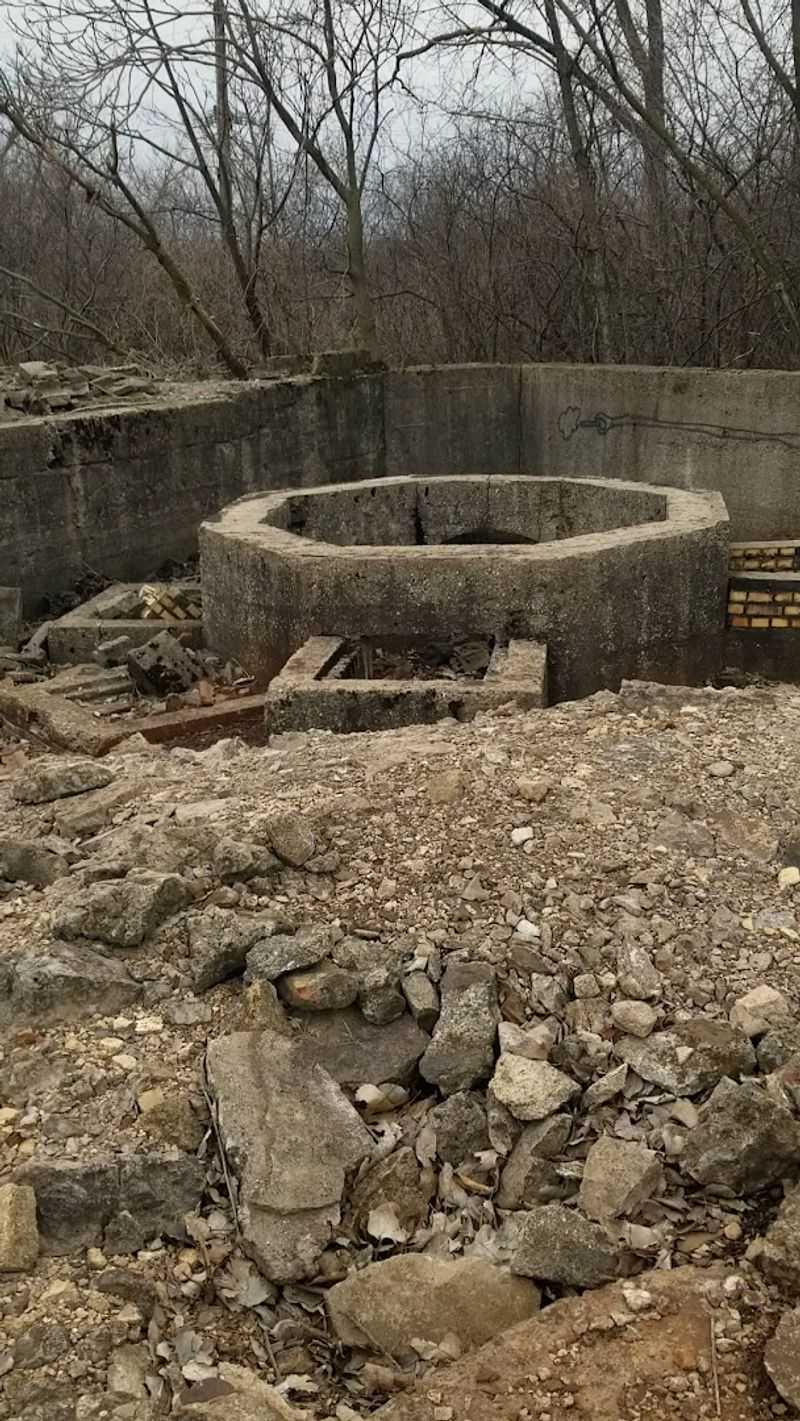
On the way back to the car, the place keeps talking, which is how you know it got in. You replay the walk in little loops, like a song you only half remember but still hum.
Certain corners stick, certain textures replay, and you realize the story is still loading while you drive. It is not nostalgia so much as resonance, the way useful places refuse to be done with you.
That is a rare feeling for a simple stroll through ruins, and it is why I keep recommending this stop.
Later, when someone mentions Illinois history, you picture this site before you picture a textbook. You remember the sky behaving like a roof and the foundations behaving like sentences.
You remember choosing to slow down and feeling rewarded for it, which is not a small thing. The memory arrives with that warm concrete smell and a calm you can use.
It stays in your head because it made room for you. And that, honestly, is the best kind of souvenir.
Dear Reader: This page may contain affiliate links which may earn a commission if you click through and make a purchase. Our independent journalism is not influenced by any advertiser or commercial initiative unless it is clearly marked as sponsored content. As travel products change, please be sure to reconfirm all details and stay up to date with current events to ensure a safe and successful trip.
