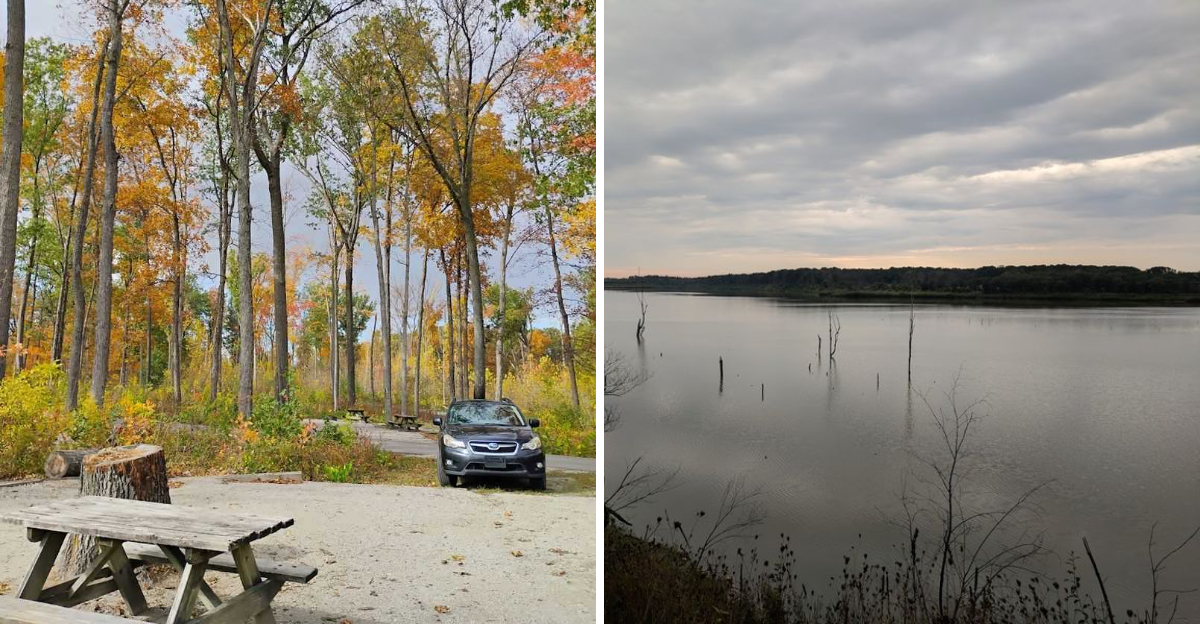
Most people driving through Huntington County, Indiana have no idea there is a vast natural area sitting quietly just off the highway. This large fish and wildlife area, centered around a reservoir known locally as Huntington Lake, has been offering outdoor recreation in northern Indiana since the late 1960s.
What makes it stand out is the variety of landscapes packed into one space. Open water, wetlands, and wooded areas blend together, creating a habitat that supports fishing, boating, birdwatching, and hiking.
Even on busier days, it often feels easy to find quiet stretches where you can take in the surroundings without interruption. For anyone looking for nature without heavy crowds or constant noise, it is the kind of place that offers a simple, steady escape into Indiana’s outdoors.
No Gate Fees and Zero Entry Hassle
Some of the best outdoor spots in Indiana cost you before you even park the car. J.
Edward Roush FWA is not one of them. There are no gate fees, no daily passes to purchase, and no ticket booths to slow you down when you just want to get outside and breathe fresh air.
That zero-cost entry makes a real difference for families, solo hikers, and weekend anglers who want a quality nature experience without budgeting for it like a theme park visit. You simply show up, find a spot, and enjoy.
The area spans over 8,200 acres, which means there is always room for one more visitor without it ever feeling crowded.
Free access also encourages repeat visits, which is something state parks with daily fees sometimes discourage. You can come back on a Tuesday morning just to watch the fog lift off the water, and it costs you nothing.
For locals in Huntington County and nearby communities, that kind of open access builds a genuine connection to the land. It is the kind of policy that keeps outdoor spaces feeling like they actually belong to the public.
That alone puts J. Edward Roush FWA ahead of many better-known destinations in Indiana.
World-Class Fishing on Huntington Lake
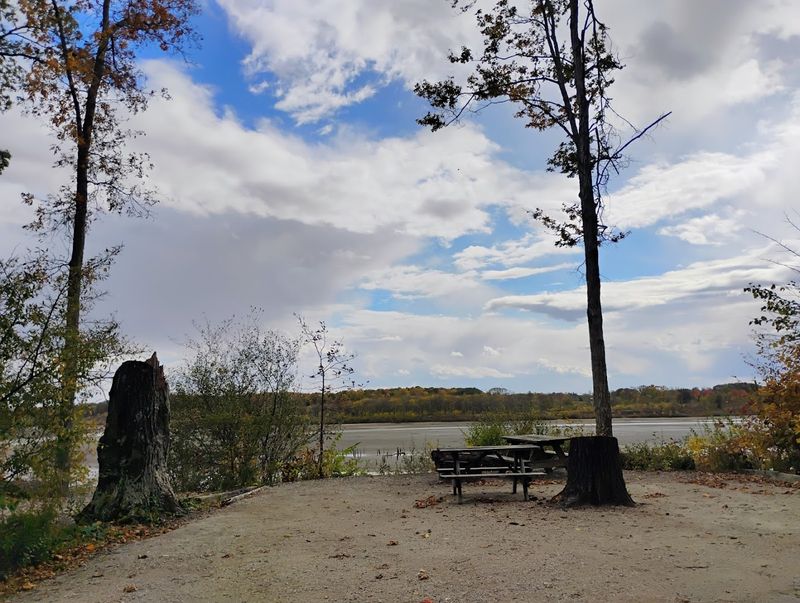
Fishing at J. Edward Roush Lake has a reputation that travels quietly through the local angling community.
The lake holds a healthy population of channel catfish, largemouth bass, and freshwater drum, making it a solid destination no matter what kind of fishing you prefer. Shoreline access is available throughout the property, so you do not need a boat to have a productive day on the water.
Ice fishing is also an option during appropriate winter conditions, which extends the season well beyond what most casual anglers expect from a central Indiana reservoir. The sheer size of the lake, nearly 900 acres of open water, means you can almost always find a quiet stretch of shoreline that feels completely your own.
That is a rare thing at more popular Indiana fishing spots where elbow room disappears fast on summer weekends.
The lake was originally built in 1967 as a flood control reservoir, and its managed water levels create a variety of habitat zones that fish love. Shallow coves warm up quickly in spring, drawing bass into feeding patterns that make early-season fishing especially productive.
Whether you are a seasoned angler chasing a personal best or a parent teaching a kid to cast for the first time, Huntington Lake delivers a fishing experience that feels rewarding without the pressure of a packed public launch.
Wildlife Watching That Rivals Any State Park
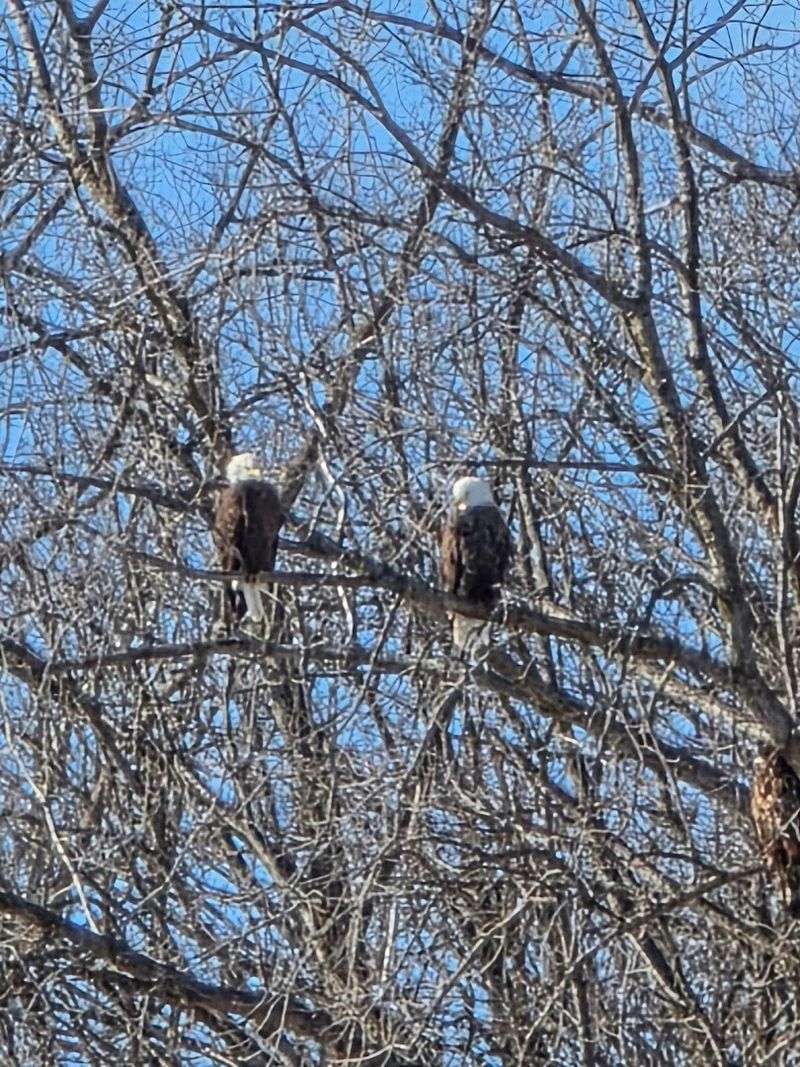
Bald eagles, wild turkey, white-tailed deer, and a surprising variety of songbirds all call J. Edward Roush FWA home at different points throughout the year.
The property is actively managed by Indiana wildlife officials to support healthy populations of native species, which means the habitat here is not just preserved but constantly being improved. That kind of intentional land management pays off in ways you can see with your own eyes.
Spring is a standout season for waterfowl activity. Migrating ducks and geese use the lake and surrounding impoundments as a critical stopover, turning certain mornings into something that feels like a nature documentary.
Bring binoculars if you have them, because the distances across the open water can make identification tricky without a little magnification.
The mix of grasslands, woodlands, wetlands, farmland edges, and pollinator habitat across the 8,200-acre property means different animals favor different corners of the FWA. A slow walk along the lake edge at dusk might bring deer into view on one side and a great blue heron working the shallows on the other.
For anyone who considers wildlife watching a serious hobby or just a peaceful way to spend a morning, this area offers a depth of experience that most people completely overlook. It never gets the credit it deserves.
Kil-So-Quah Campground Offers Year-Round Stays
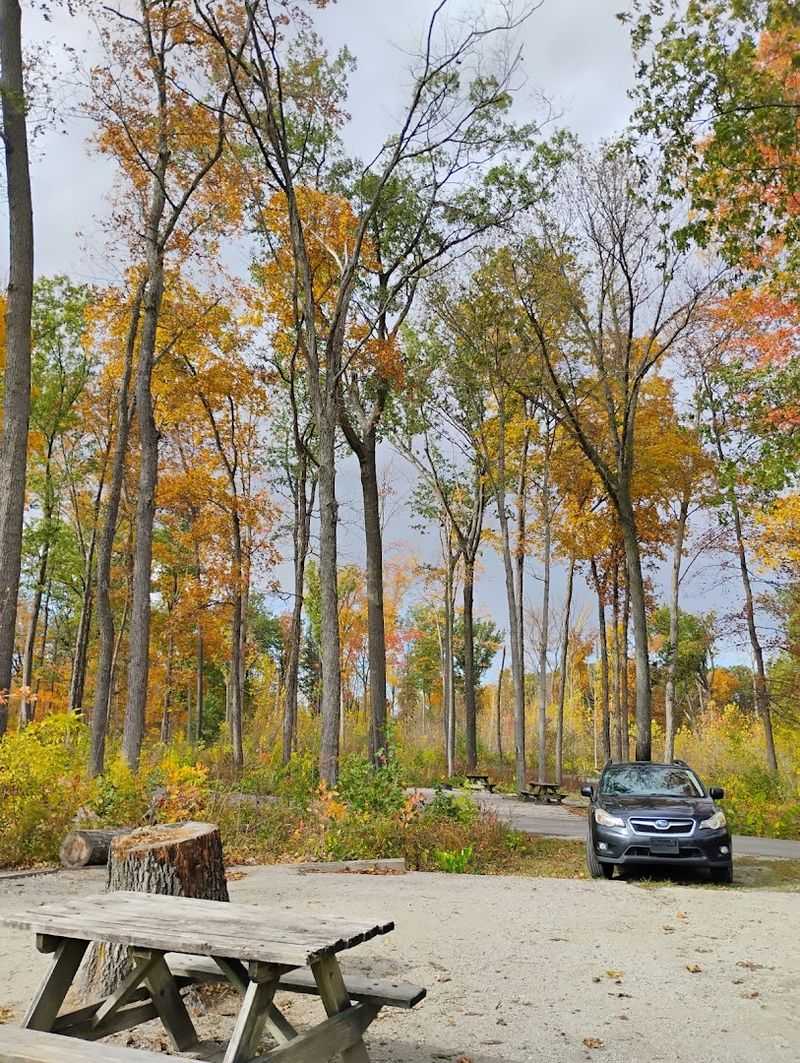
Camping at J. Edward Roush FWA means waking up with the lake practically in your backyard.
The Kil-So-Quah Campground operates year-round on a first-come, first-served basis, offering 41 electric sites and 20 primitive sites. Every site comes equipped with a fire ring and a picnic table, giving you everything you need for a comfortable overnight stay without a lot of extra setup.
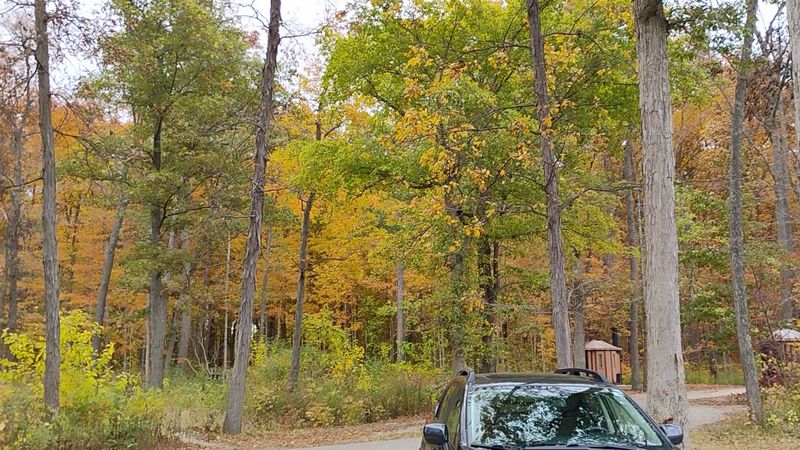
The campground sits on elevated ground that overlooks the reservoir, and the views from some of the higher spots are genuinely striking. Tall trees create a natural canopy that keeps sites shaded and private, which makes the whole experience feel more secluded than a typical campground.
Weekday visits are especially peaceful, with the kind of quiet that makes it easy to forget how close you are to town.
Because the campground is first-come, first-served, there is no complicated reservation system to navigate. You arrive, find an open site, and pay using the on-site payment box.
That simplicity is part of the charm for people who prefer spontaneous outdoor trips over carefully scheduled ones. Summer weekends can attract more visitors, particularly around holidays, but even then the property is large enough that the crowds spread out.
For families looking for an affordable camping option that does not require booking months in advance, Kil-So-Quah Campground is a genuinely underrated choice in Indiana.
Paddling and Boating Without the Chaos
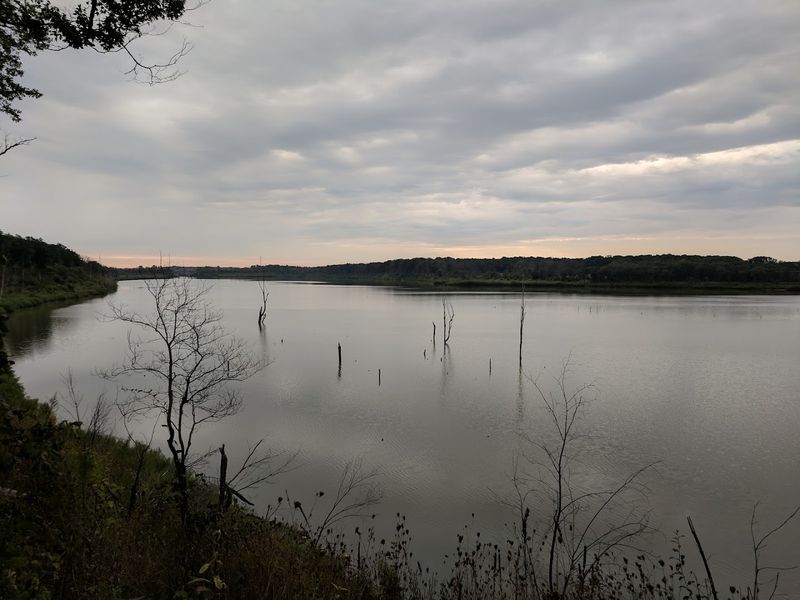
Open water and a peaceful atmosphere make J. Edward Roush Lake one of the better paddling destinations in northern Indiana.
The lake and its connected waterways are well suited for kayaking, canoeing, and paddleboarding, and the overall vibe on the water is calm and unhurried. You are not competing with a constant stream of speedboats or jet skis the way you might at more commercialized lakes.
Boating is allowed, and the lake is large enough that motorized vessels and paddle craft can coexist without much friction. Early morning paddling sessions are especially enjoyable because the water tends to be glassy before wind picks up, and the surrounding woodlands are alive with birdsong.
That combination of sensory details is hard to find at busier Indiana lakes where the engine noise starts early and does not stop.
For beginners, the relatively calm conditions and easy shoreline access make launching a kayak or canoe straightforward. There is no need for an expensive marina visit or complicated put-in logistics.
Experienced paddlers will appreciate the variety of shoreline to explore, from open water stretches to quieter coves where wildlife activity is higher. Whether you are out for an hour or half a day, the lake rewards those who take their time on the water.
Huntington County does not advertise this gem nearly enough.
Shooting Range, Archery, and Dog Training Areas
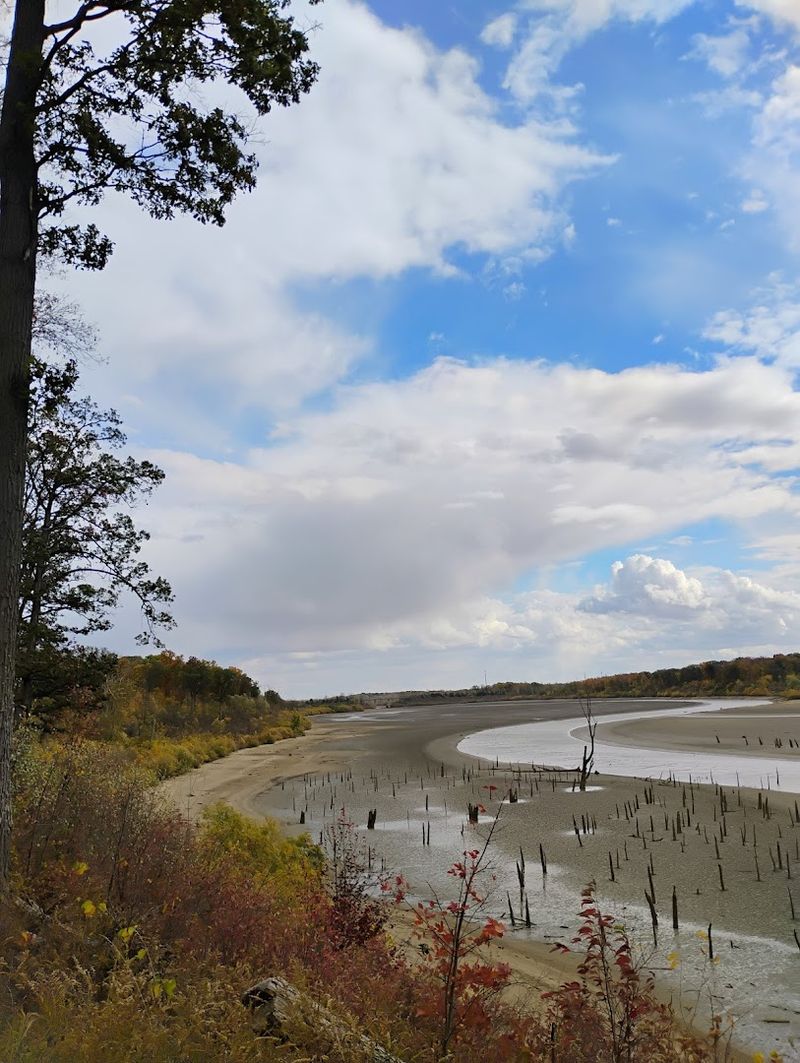
Not many natural areas in Indiana pack in this many active recreation options alongside traditional wildlife activities. J.
Edward Roush FWA includes a state-of-the-art shooting range, skeet shooting facilities, and a dedicated archery area, making it a destination for sportsmen and sportswomen who want more than just a place to walk around. These facilities are well maintained and reflect the FWA’s commitment to supporting a full range of outdoor pursuits.
The dedicated dog training area is a standout feature that hunting dog owners across the region genuinely appreciate. Training a retriever or a bird dog requires open space, varied terrain, and ideally some proximity to water, and J.
Edward Roush FWA checks all of those boxes. It is the kind of resource that serious hunting dog handlers know about but rarely talk about loudly, which helps keep the area from getting overrun.
Having these facilities on the same property as fishing, camping, and wildlife watching means you can build an entire weekend around J. Edward Roush FWA without ever needing to drive somewhere else for entertainment.
Families where different members have different outdoor interests will find that everyone can pursue what they love without compromise. That kind of versatility is genuinely rare in a single publicly accessible property.
Most places this well-equipped charge significantly more for access, or they restrict certain activities to members only.
Diverse Habitat and Stunning Seasonal Scenery
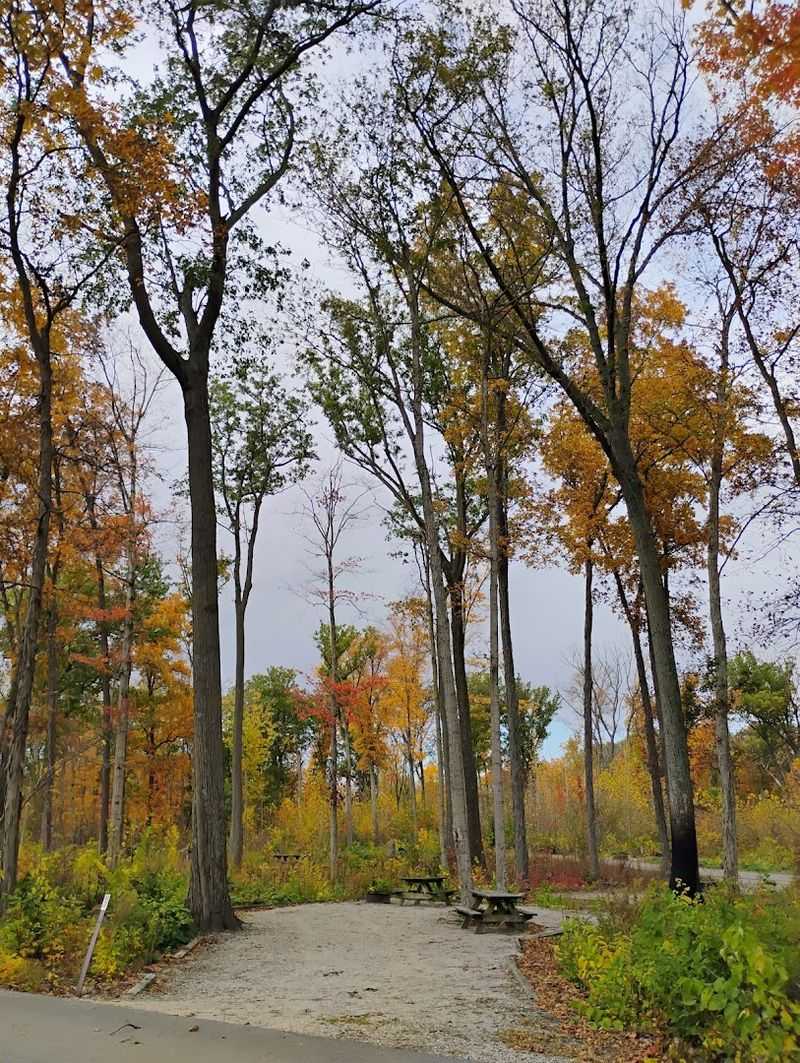
Few places in Huntington County change as dramatically with the seasons as J. Edward Roush FWA.
Spring brings migrating waterfowl and bursts of green across the grasslands and woodland edges. Summer settles into long, warm days where the lake reflects a deep blue sky and the surrounding trees create a canopy of shade along the shoreline trails.
Each season at this property has its own personality.
Fall is arguably the most visually stunning time to visit. The mix of deciduous trees across the 8,200 acres turns into a rolling canvas of orange, red, and gold, and the calm water of the reservoir mirrors all of it back at you.
Sunrise and sunset during October are the kind of moments that make people stop mid-step just to take it in. The pollinator habitat areas add bursts of late-season color that attract butterflies and other insects right up until the first frost.
Winter brings its own quiet beauty. Ice fishing becomes possible on the lake, bald eagles are often more visible when the surrounding vegetation thins out, and the campground takes on a hushed, remote quality that appeals to visitors who want genuine solitude.
The diversity of habitat across the property, from wetlands and impoundments to open farmland edges and dense woodlands, means there is always something worth seeing no matter when you visit. This place rewards every season equally.
