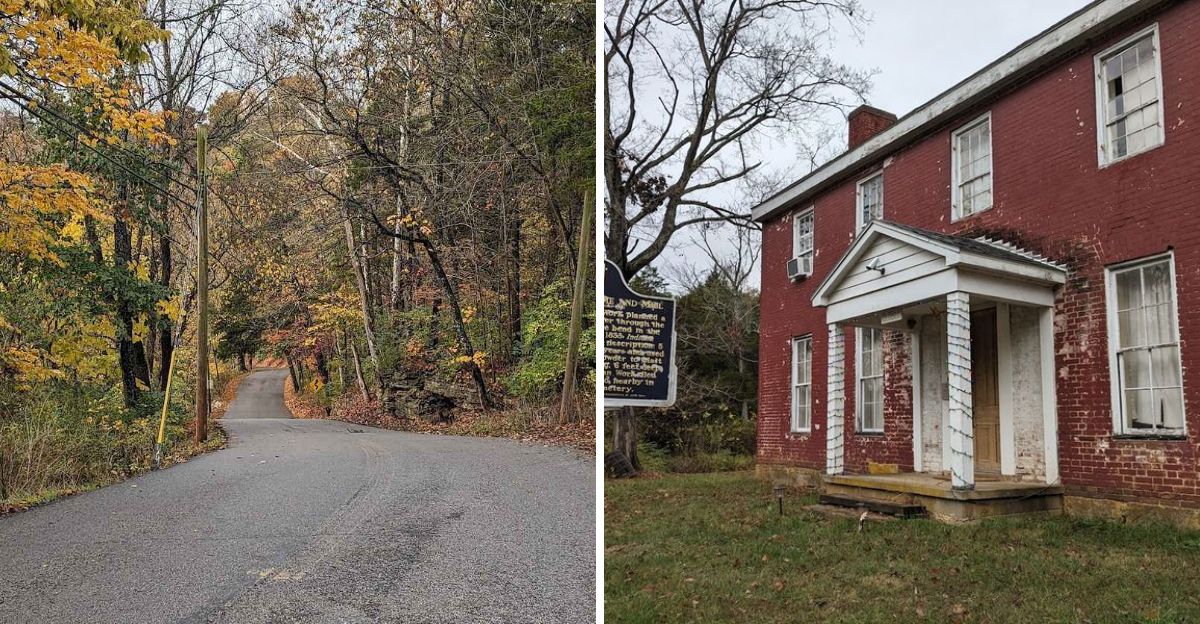
Most people drive through Charlestown, Indiana without realizing one of the most remarkable pieces of early American engineering is hidden in the woods nearby. This historic mill site was far more than a simple grist mill.
In the early 1800s, it operated as a larger industrial complex powered by a hand-dug tunnel carved through solid earth, an achievement that still feels impressive even today. What remains now are atmospheric ruins surrounded by forest, where stone foundations, remnants of the tunnel system, and traces of the old operation tell the story of enormous ambition and hard labor.
Walking through the site feels less like visiting a standard historic marker and more like stumbling across a forgotten chapter of Indiana history.
The Ruins Are Genuinely Photogenic and Hauntingly Beautiful
When the original three-story mill building burned down on August 1, 1927, it left behind something unexpectedly compelling. The limestone foundation walls and the remnants of a large steel water wheel are still standing, slowly being reclaimed by the woods around them.
Time and weather have done their work, and the result is a scene that feels both melancholy and strangely beautiful.
The steel water wheel is a replacement for the original wooden one, and it has been twisting and corroding for decades. Moss, vines, and tree roots have crept into the stonework.
The whole site carries that particular atmosphere that abandoned historic places tend to have, quiet, heavy with the past, and oddly peaceful despite everything falling apart.
For photographers, history enthusiasts, or anyone who appreciates the visual poetry of decay, this site offers something genuinely rare. You are not looking at a reconstructed replica or a museum display.
These are actual remnants of a working industrial complex from the early 1800s, left largely as nature found them. That kind of authenticity is hard to manufacture and impossible to fake.
The site has appeared on Indiana Landmarks’ most endangered list, which adds another layer of urgency to visiting before more deterioration occurs. Every year, the ruins change a little.
Getting out there while the foundations and the wheel are still visible is worth making the effort.
Fourteen Mile Creek and the Natural Setting Are Worth the Trip Alone
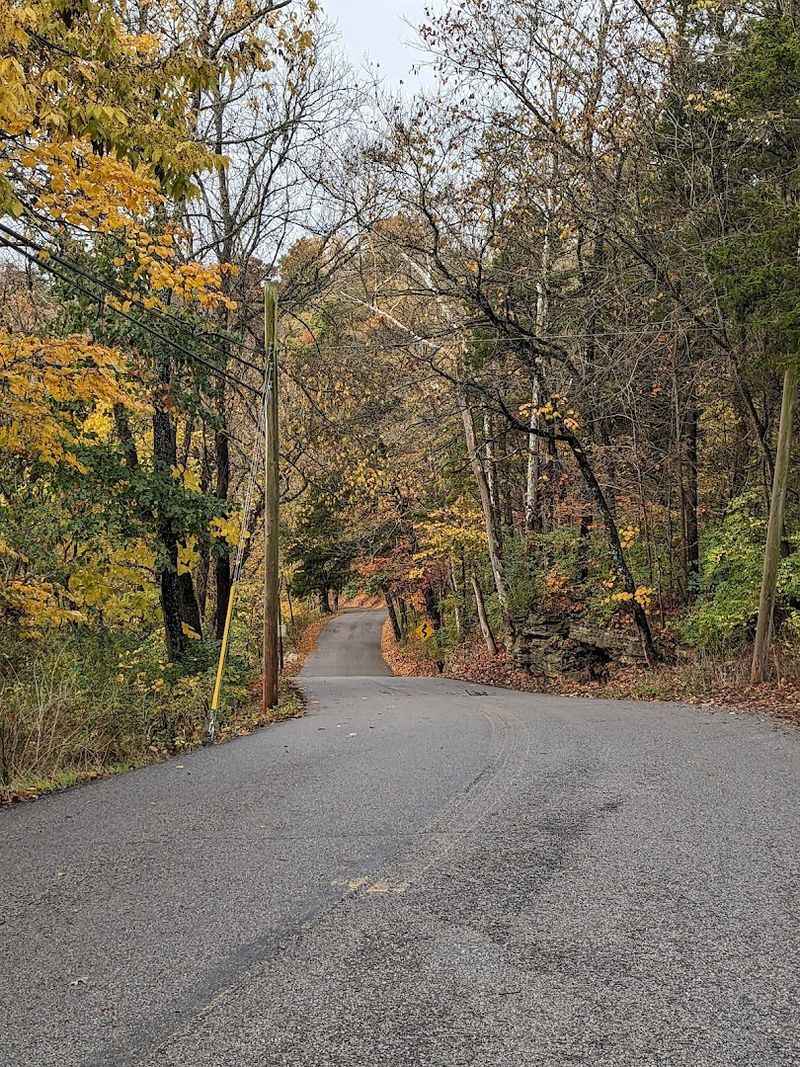
The history is the main draw, but the natural setting around the Tunnel Mill site is genuinely impressive on its own. Fourteen Mile Creek runs through the area, and the combination of moving water, mature forest, and rugged terrain creates an environment that feels removed from the noise of everyday life.
Southern Indiana has a particular kind of wooded beauty that is easy to overlook, and this area captures it well.
Near the site, you can find a natural feature called the Devil’s Backbone, a narrow rocky ridge that adds a bit of dramatic geology to the landscape. The creek itself has carved through the terrain over centuries, creating the kind of scenery that makes you understand why John Work chose this spot in the first place.
Water, rock, and forest come together in a way that feels almost designed, even though it is entirely natural.
If you enjoy hiking, nature photography, or simply spending time near moving water, the surroundings of the Tunnel Mill site offer plenty of reasons to linger. The property is part of the Tunnel Mill Scout Reservation, so the land has been maintained and protected over the years rather than developed.
That preservation means the natural character of the area remains largely intact. It is the kind of place where you can stand quietly and hear nothing but the creek and the wind through the trees, which is its own reward on a busy afternoon.
A Tunnel Dug by Hand That Still Exists Today
Few things in Indiana history match the sheer stubbornness it took to build John Work’s tunnel. Around 1814 to 1816, a small crew of three to five men spent two and a half to three years digging a tunnel through solid earth and rock, using roughly 650 pounds of saltpeter explosives to get the job done.
The finished tunnel measured approximately 6 feet tall, 5 feet wide, and over 385 feet long. That is longer than a football field.
The whole point was to redirect water from Fourteen Mile Creek into a mill race that would power the grist mill with a steady, reliable flow, solving the problem of fluctuating creek water levels that made milling unpredictable.
For the early 1800s, this was not just ambitious. It was extraordinary.
Most frontier settlers were focused on basic survival, and here was John Work overseeing what amounted to a full-scale engineering operation in the middle of the Indiana wilderness. The tunnel still exists at the site today, making it one of the most tangible connections to that era of early American industry you can find anywhere in southern Indiana.
Walking near it gives you a real sense of just how determined and visionary Work actually was. It is the kind of project that makes you stop and think about what people accomplished without modern tools or machinery.
John Work Himself Was a Remarkable Figure Worth Knowing
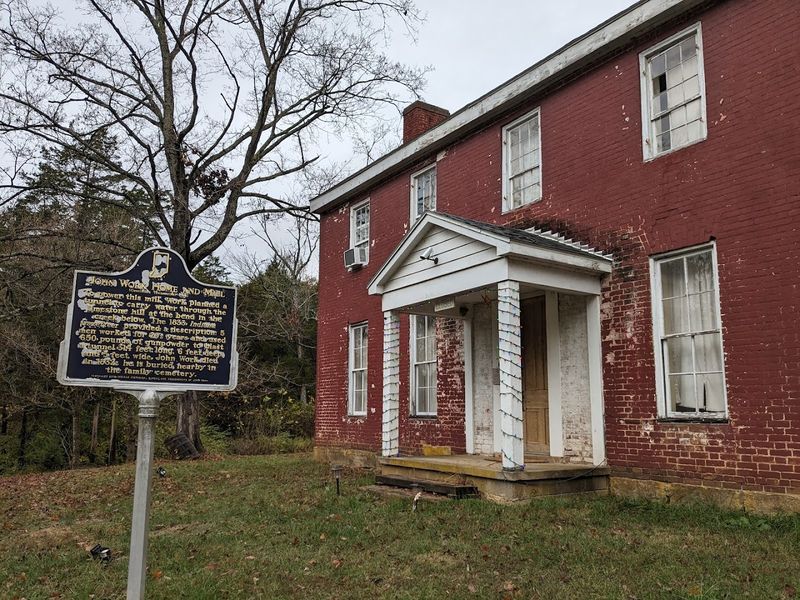
John Work was born in 1760 and settled along Fourteen Mile Creek in southern Indiana around 1804. He was a businessman, a surveyor, and clearly someone who thought on a larger scale than most people around him.
By the time he finished building his industrial complex, he had created something that went far beyond a simple mill.
Work’s operation included a grist mill, sawmills, a powder mill, a saltworks, and a general store. That kind of industrial footprint was almost unheard of on the Indiana frontier at the time.
He also made sure his grist mill used Evans and Ellicott’s advanced milling machinery, which reduced the required workforce from six workers down to two. That was cutting-edge technology for the era.
He died in 1832, but his legacy did not disappear with him. The infrastructure he built helped transform the surrounding region from a rough frontier into something resembling an organized, functioning community.
Learning about John Work is a reminder that the people who shaped early Indiana were not just farmers and settlers. Some of them were genuine innovators.
His story deserves far more attention than it typically gets, and visiting the site gives you a chance to connect with a piece of history that most Indiana residents have never encountered. His vision literally carved itself into the landscape, and parts of it are still there to see.
The John Work House Is Being Brought Back to Life
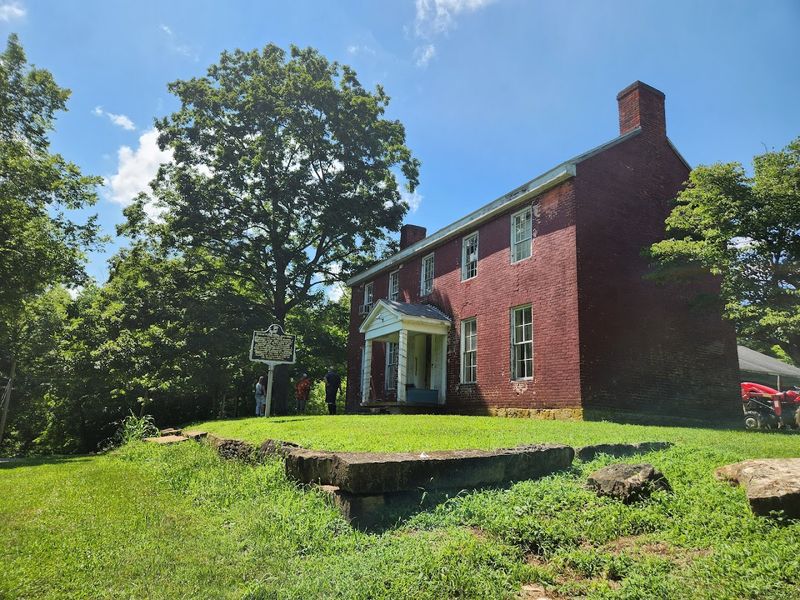
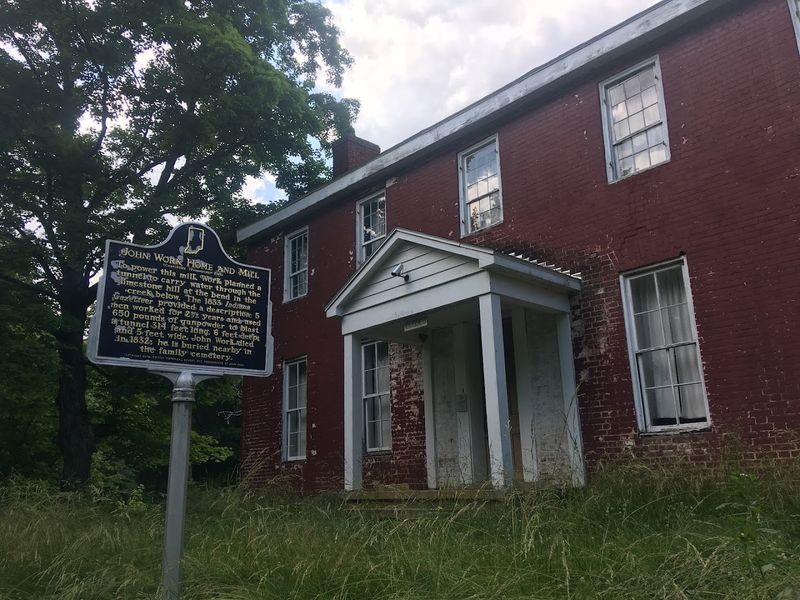
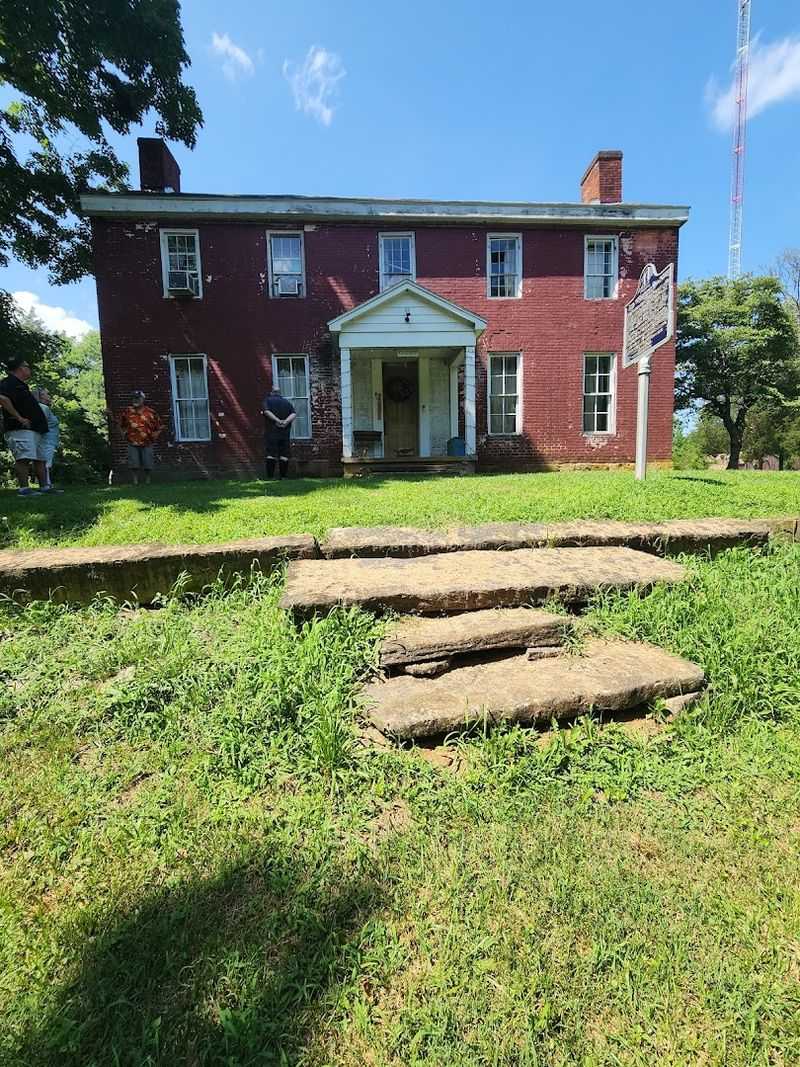
Not everything at the Tunnel Mill site is in a state of quiet decline. The John Work House, built around 1811, is actively being restored by a private company with plans to convert it into a living history center.
Future plans include tours, educational classes, and community events, which would make the entire site significantly more accessible to the public.
A living history center at this location would be a meaningful addition to the region’s cultural offerings. Southern Indiana has a rich and often underappreciated pioneer history, and having a physical space where that history can be experienced in an interactive way fills a real gap.
The house itself is one of the oldest structures in Clark County, and its restoration represents a serious commitment to preserving something irreplaceable.
Right now, the restoration is ongoing, so public access to the house may be limited. But knowing that work is being done to bring this building back to a usable state adds a sense of optimism to what might otherwise feel like a purely melancholy site.
Progress on the house means that future visits could look very different from what visitors see today. Keeping an eye on the restoration timeline and checking for updates from the Friends of Tunnel Mill group is a good way to stay informed about when the living history center might open its doors.
This is a project worth watching and supporting.
The Work and Faris Cemetery Connects You to the Earliest Settlers
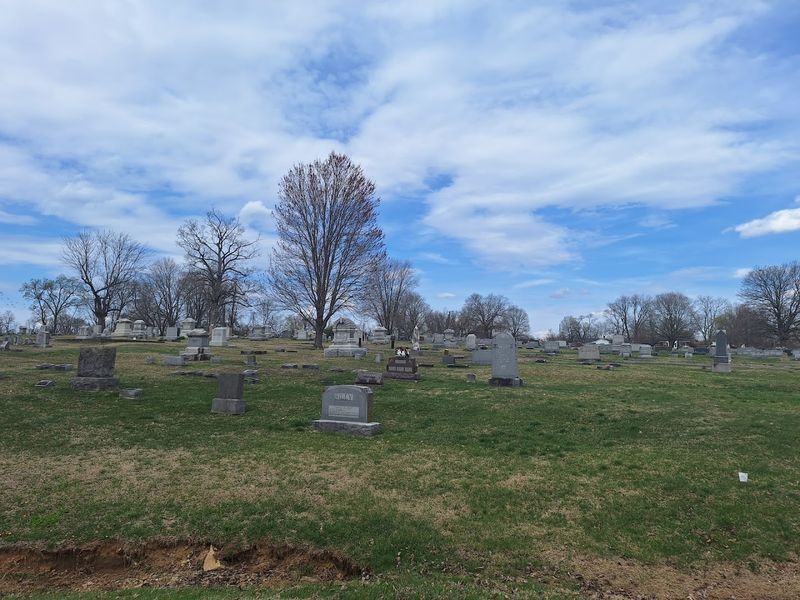
Cemeteries attached to historic sites can feel like afterthoughts, but the Work and Faris Cemetery on this property is genuinely worth your attention. John Work himself is buried here, along with his wife Sarah Jackson and other early settlers who were part of the founding generation of this part of Indiana.
Standing near those headstones puts history into a very human perspective.
There is something grounding about visiting the burial place of someone whose work you can still physically see in the landscape. The tunnel he ordered dug, the foundation walls that once supported his mill, the creek that powered everything he built.
And then a modest grave marker among the trees. It is a quiet but powerful reminder that the people behind historic sites were real human beings with real lives, not just names in a textbook.
The cemetery also represents the broader pioneer community that grew up around Work’s industrial complex. The general store, the sawmills, the saltworks.
All of those drew people to the area, and some of those people ended up buried here. Visiting the cemetery as part of a larger exploration of the Tunnel Mill site rounds out the experience in a way that purely focusing on the ruins does not.
It adds a layer of human connection that makes the history feel immediate rather than distant. If you have any interest in genealogy or Clark County history, this cemetery is especially meaningful.
The Boy Scout Connection and Nearby Charlestown Attractions Make It a Full Day
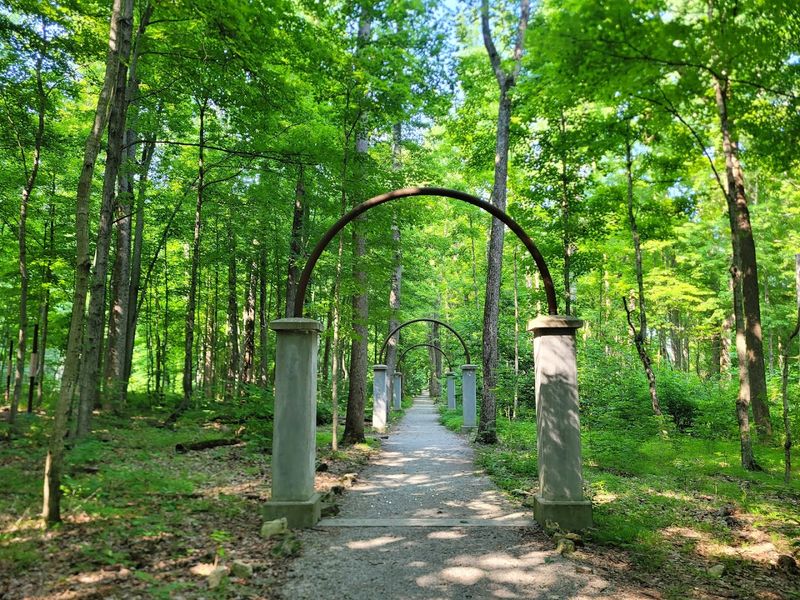
The Tunnel Mill Scout Reservation, owned by the Lincoln Heritage Council of the Boy Scouts of America, has been using this property for camping, leadership training, and outdoor education for generations. That ongoing use has helped keep the land protected and maintained, which is part of why the site remains accessible rather than fully overgrown or fenced off entirely.
The Boy Scout connection also means the property has a living tradition attached to it. Generations of young people from southern Indiana and beyond have camped near these ruins, paddled Fourteen Mile Creek, and learned outdoor skills on this land.
That layering of history, from John Work’s industrial era to decades of scouting activity, gives the site a depth that goes beyond simple ruins tourism.
After visiting the Tunnel Mill site at 3709 Tunnel Mill Road in Charlestown, there are good reasons to extend your day in the area. Charlestown State Park at 2405 State Road 62 in Charlestown offers additional hiking trails and creek access nearby.
The town of Charlestown itself has small local restaurants and shops worth exploring along Main Street. For those interested in regional history, the Charlestown-Clark County Public Library at 51 Clark Road in Charlestown has local history resources that can deepen your understanding of the area John Work helped build.
Pairing the Tunnel Mill visit with a few hours in town makes for a genuinely satisfying day trip from Louisville or Indianapolis.
