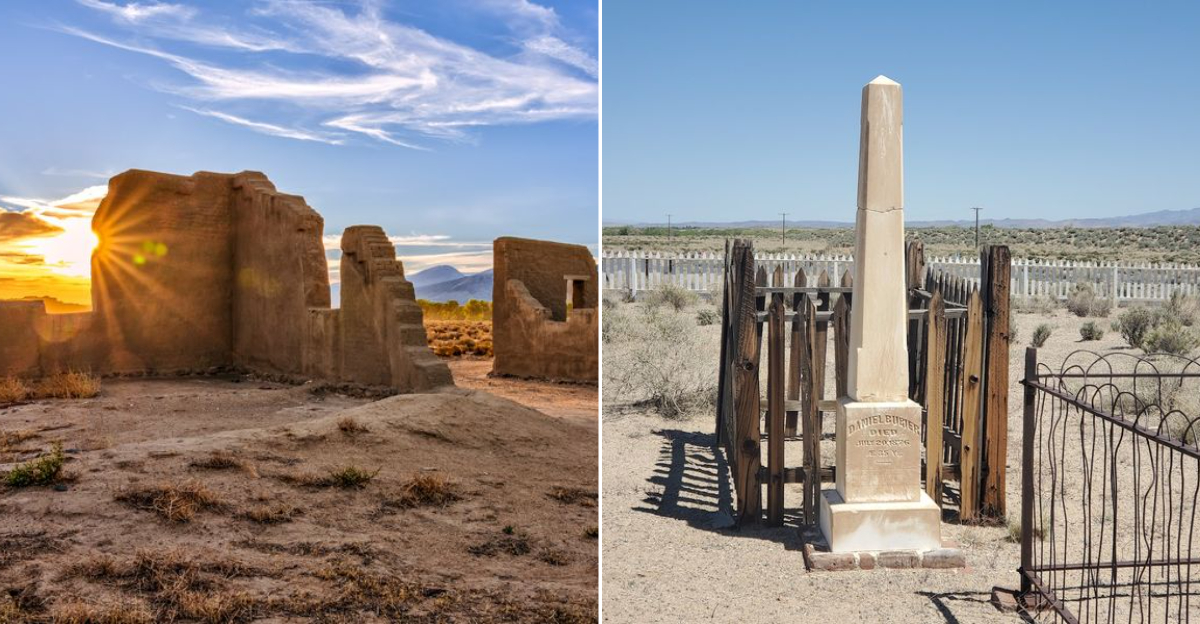
Ever walk into a place and immediately feel like the modern world dropped away for a minute? This forgotten Nevada fort ruins stop has exactly that kind of pull, because the moment you step onto the site, it feels less like a quick roadside visit and more like stepping inside a real frontier outpost.
The remains may be quiet now, but they still carry the kind of presence that makes it easy to picture the tough, isolated world that once existed here. That is what makes the stop so interesting.
You are not just looking at old ruins from a distance. You are moving through a space that still hints at daily life, defense, and survival in a much harsher time.
The dry landscape around it only adds to the feeling, making the whole place seem even more remote and more rooted in its own history. For anyone who likes forgotten places with real atmosphere, this Nevada stop delivers a visit that feels far bigger than expected.
A Remote First Impression That Makes The Ruins Feel Even More Real
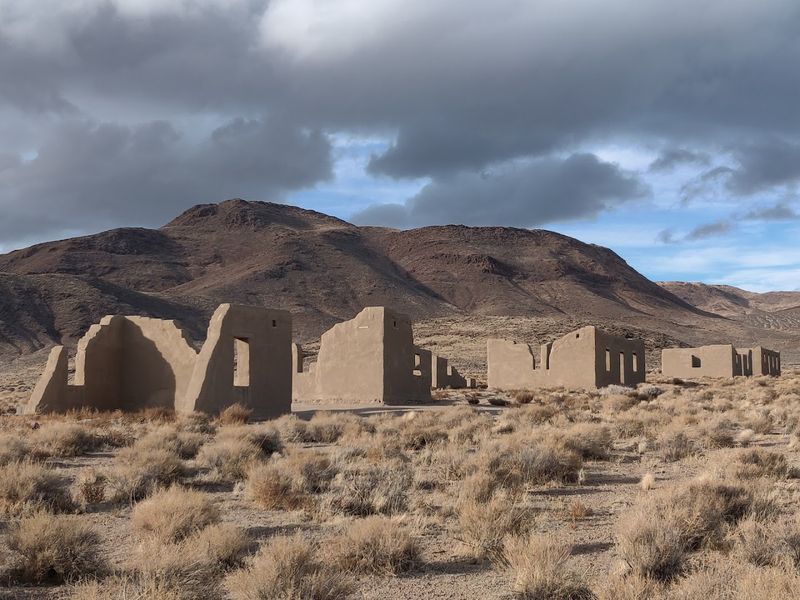
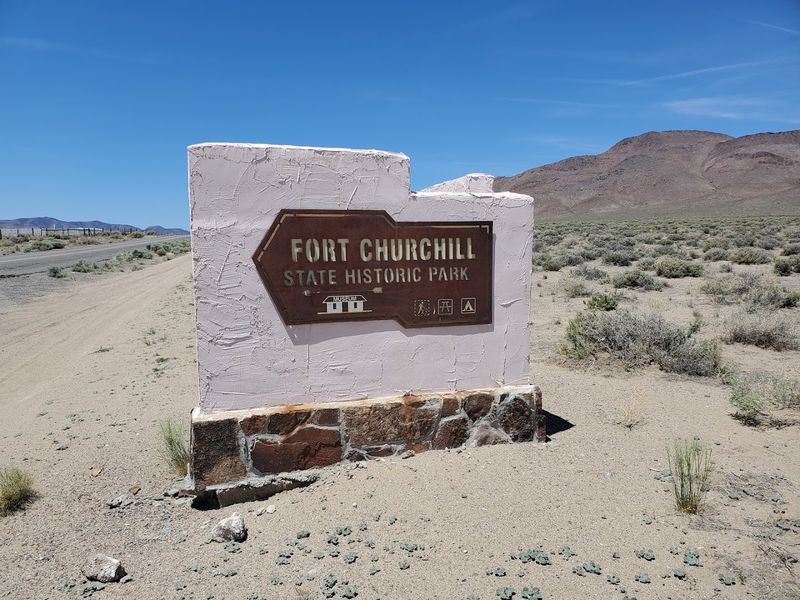
Rolling up to Fort Churchill State Historic Park, 10000 Hwy 95A, Silver Springs, NV 89429, you feel the pavement loosen its grip and the desert start setting the terms in that steady, not unfriendly way Nevada seems to know by heart. The ruins look quiet from the lot, but once you step onto the packed earth the scale takes a breath and stretches, and the outlines of rooms and alleys begin to speak in slow, practical sentences.
Nothing is rushed, and that calm first impression does the real work, because your eyes adjust to simple shapes, your ears adjust to wind, and your mind starts filling the open doors with footsteps that feel present rather than staged.
Give it a minute, and the color of the adobe starts matching the brush, so the fort feels like it grew here on its own, not like something hauled in and parked for visitors. That is the hook, at least for me, because when a place meets the land this cleanly, your imagination relaxes, and you can picture chores, patrols, and quiet nighttime talks without turning everything into a museum scene.
Start there, breathe a little longer than usual, and the fort will return the favor with details you would miss from a car window, the kind that turn a simple stop into a memory that keeps circling back on the ride home. It is a quiet handshake, and it tells you to slow down because the story is patient, and it is waiting right here, under this big open Nevada sky today.
Crumbling Stone Walls That Still Look Like A True Frontier Holdout
The walls are the first thing that make you stop talking, because they hold the light in this soft, grainy way that tells you they were shaped by hands, not machines. You can see where mud met straw, where corners wore down into curves, and where a straight line still pushes back against the wind with quiet stubbornness.
Step close, and those cracks are like little timelines that do not need plaques, just patience and eyes willing to follow the edges.
What gets me is how defensive the place still feels, even without roofs or doors. The openings sit at working height, the views line up across the flats, and your brain clicks into that old map where everything had a reason.
You almost brace your shoulders at the thresholds, like you are about to step into a shift change or a quick check of the perimeter. Nevada light loves these textures, and it pulls out colors you miss at first glance.
Stay long enough for a cloud to move, and you will watch the mood shift from stern to almost friendly, like the fort is easing up because you are listening. That is when the walls stop being ruins and start becoming a conversation you were invited to join.
Why Walking The Grounds Feels So Different From Reading A Plaque
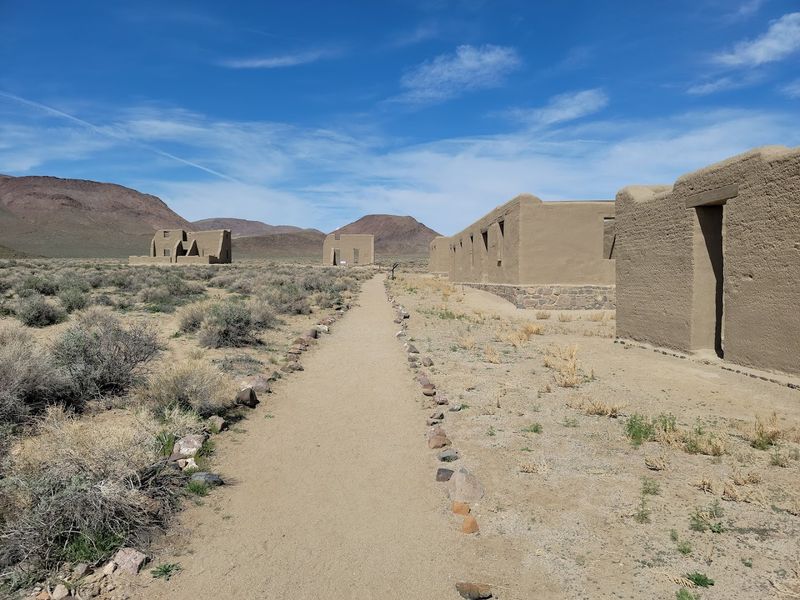
There is a moment when your feet set the pace and the site clicks into focus, and that just does not happen behind glass. You pick a line through the dust where others have walked, and the sequence of rooms makes more sense with each doorway you pass.
The ground is firm, slightly springy with grains of sand, and it carries the kind of quiet that lets a detail like a post socket feel important.
Plaques are helpful, sure, but walking lets your brain layer in sounds and timing. You catch the wind rolling along the wall, you feel the sun edge shift, and the layout becomes directions rather than facts.
Could someone have leaned here to catch the breeze while a partner tightened a strap or checked the horizon? When a place gives you that much room to imagine, it stops being a list of names and turns into a day you can almost rehearse.
That is why the grounds matter, and why Nevada history lands harder out where the sky is generous and the noise drops away. You leave with a memory your shoes helped write, not just a paragraph you scanned.
Desert Silence That Makes The Whole Outpost Hit Harder
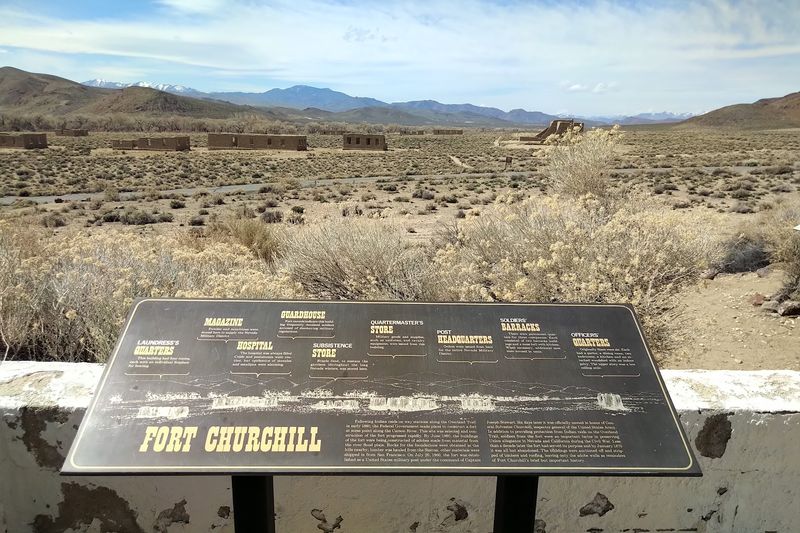
Silence out here is not empty, it is layered, and the first layer is the soft shuffle of your own steps. Then you hear the wind slide past a window opening, and maybe a bird stitching a quick line across the yard, and everything else just drifts back where it belongs.
Your shoulders drop, your voice lowers, and suddenly you are tuned to the same channel the fort has been using all along.
I like how that quiet gives weight to small things. A scrap of beam shadow becomes a clock, a scuffed corner can feel like habit, and the distance to the river turns into a real walk instead of a label on a panel.
Does the site feel larger because the noise is gone, or does it just feel honest? Either way, the hush is not museum hush, it is Nevada space doing what it does best.
It lets you listen without working for it, and it makes the outpost land not as trivia but as lived time you can almost stand inside.
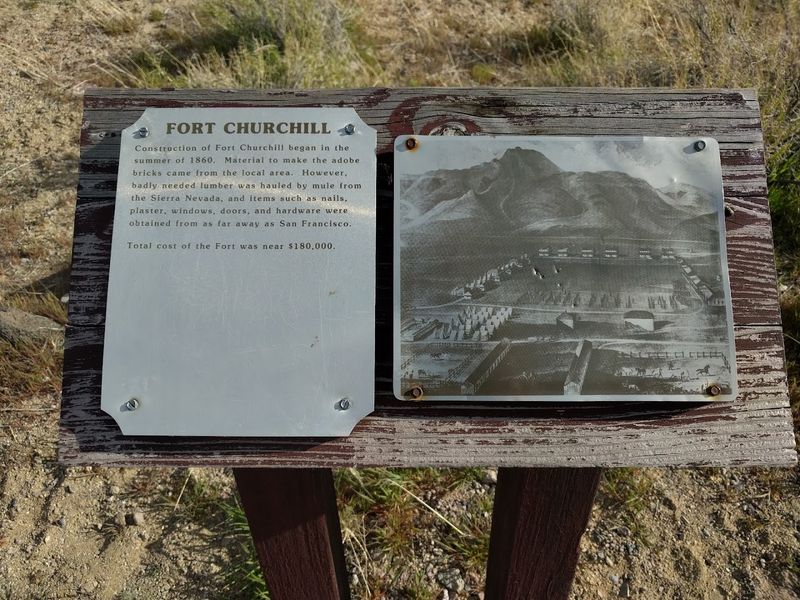
Barracks, Foundations, And Layout Clues That Help The Fort Come To Life
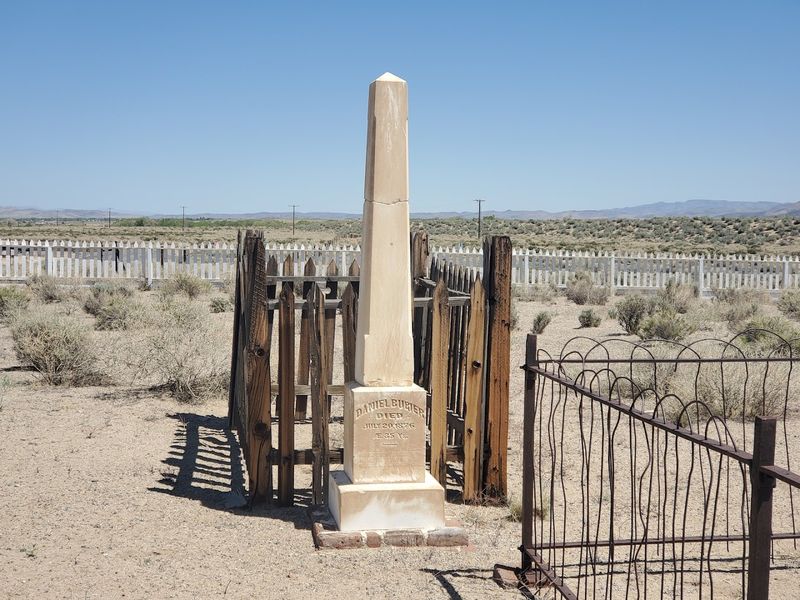
When you start tracing the rectangles, the whole place starts behaving like a map you can walk. Foundations sketch out rooms, a line of pads suggests bunks, and the spacing between openings hints at how people moved without bumping into each other.
I like standing back, picking a path between two long walls, and then walking it like a morning routine to see what falls into place.
Those clues work better than any diagram on a board because your body remembers the turns. A pause at a doorway feels different from a pause in open ground, and a narrow squeeze changes your pace just enough to feel intentional.
Was this a straight shot to a muster point, or a sheltered lane to keep wind off shoulders? Follow the hints and you start seeing rhythm instead of rubble.
The fort becomes a layout with jobs, not just leftovers in the sand. Out here in Nevada, the lines are legible without being obvious, which is honestly the sweet spot for sites like this.
It trusts you to piece it together, and that trust is what brings the place back to life.
The Kind Of History Stop That Lets You Picture Daily Life Out Here
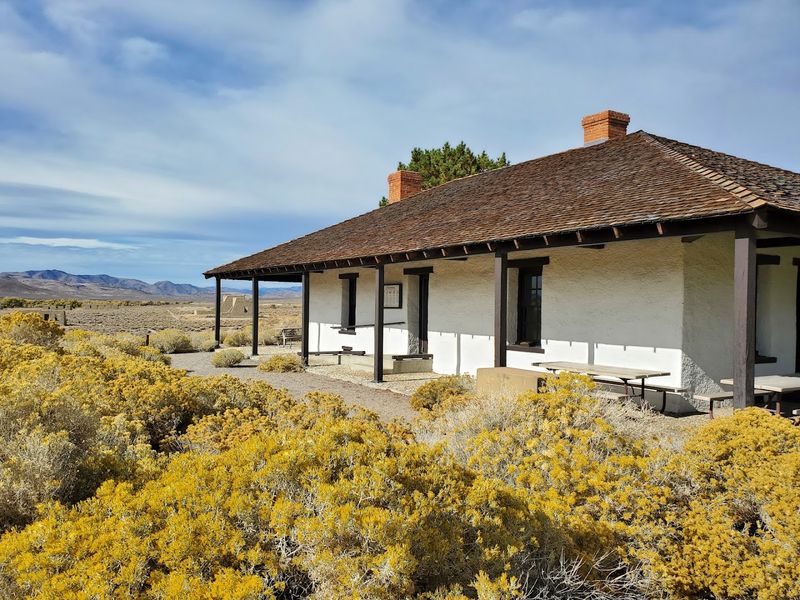
Stand inside a doorway and pick a simple moment to imagine, like someone shaking out a blanket or checking a buckle before first light. With the walls framing the view, the little chores gain dignity, and the open yard turns into a workspace with purpose.
You can feel routine softening the edges of the place, which somehow makes the tougher parts land with more clarity.
I end up picturing the quiet jobs because the big stuff is already loud in the mind. The sweep of a broom, the careful coil of a rope, the glance at the sky before stepping out, those are the beats that make a normal day feel real.
Can you see someone leaning in the shade, waiting for a nod to start a task? The fort does not rush the picture, and that is the gift.
It lets Nevada light paint ordinary scenes until they feel familiar. Daily life sneaks back in, not as a reenactment, but as a set of calm motions that fit the space.
Open Views And Empty Space That Add To The Fort’s Forgotten Feel
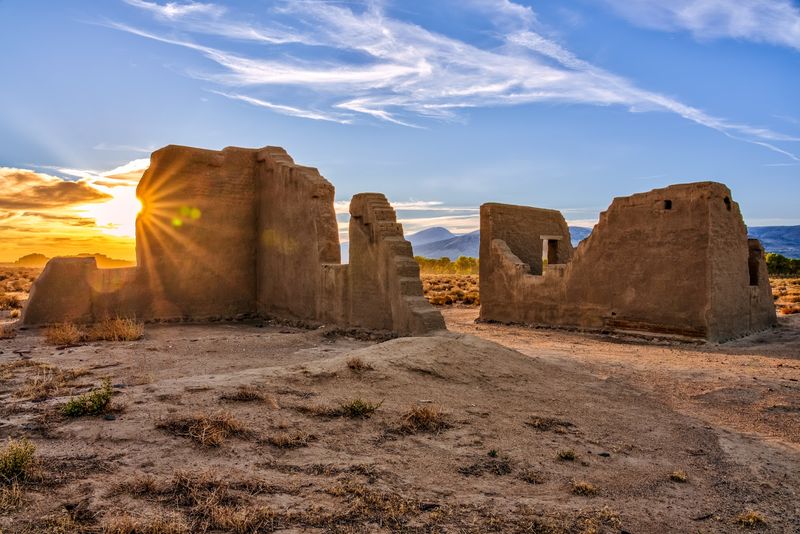
What really stretches your sense of the place are the views that spill past the walls and keep going. There is so much air between structures that your eye keeps drifting to the horizon, and the fort feels parked in the middle of a thought that never quite ends.
That empty space is not a gap, it is context, and it makes the remaining rooms feel both tough and temporary at the same time.
I like to stand where two walls frame a long slice of light and just let the distance do its work. The flats roll out, the brush repeats its soft pattern, and the sky stacks layers of blue like a calm lecture you actually want to hear.
Does the openness make the fort seem smaller, or does it make the work that happened here seem bigger? Either way, that Nevada stretch sets the tone.
It is the part that hums under everything, reminding you that the land keeps the longest memory, and the buildings are lucky to borrow a little of it.
Why This Nevada Ruins Stop Feels Bigger Than You Expect
The funny thing is how the place keeps expanding the longer you stay. You start with one wall, then realize there is a second line behind it, and beyond that a shoulder of ground with more foundations tucked into the brush.
The site works like a slow reveal, and each step adds another piece without breaking the quiet.
Part of that is scale, sure, but part is how your sense of time loosens. When you are not rushing, a simple corner can hold you for a full minute, and a doorway view can become a panorama if you let your eyes wander.
Do you notice more when you stop trying to see everything at once? I think so, and this is a place that rewards that choice.
Nevada has a way of sizing things with sky, and the fort borrows that measure until the whole ruins field feels like a single, breathing room. It is bigger because you are finally looking at it the way it wants to be seen.
The Unexpected Nevada Detour That Feels Like Stepping Into The Past
If you like detours that change the day, this is one of those. You veer off the main rhythm, roll a little slower, and the fort just appears like it has been waiting for you to finally show up.
It does not shout or wave, it just stands there with its sleeves rolled and its plans on the table.
That is the charm of a true step-back moment. You do not need costumes or a script, just a little time and willingness to let the scene build around you.
Could you plan the stop tighter and still enjoy it? Sure, but I like letting Nevada timing handle the schedule out here.
The road will still be there when you are done, and the sky will keep the same steady watch. Leave when the picture in your head feels complete, not when a list tells you to move, and the past will ride with you a while longer.
Dear Reader: This page may contain affiliate links which may earn a commission if you click through and make a purchase. Our independent journalism is not influenced by any advertiser or commercial initiative unless it is clearly marked as sponsored content. As travel products change, please be sure to reconfirm all details and stay up to date with current events to ensure a safe and successful trip.
