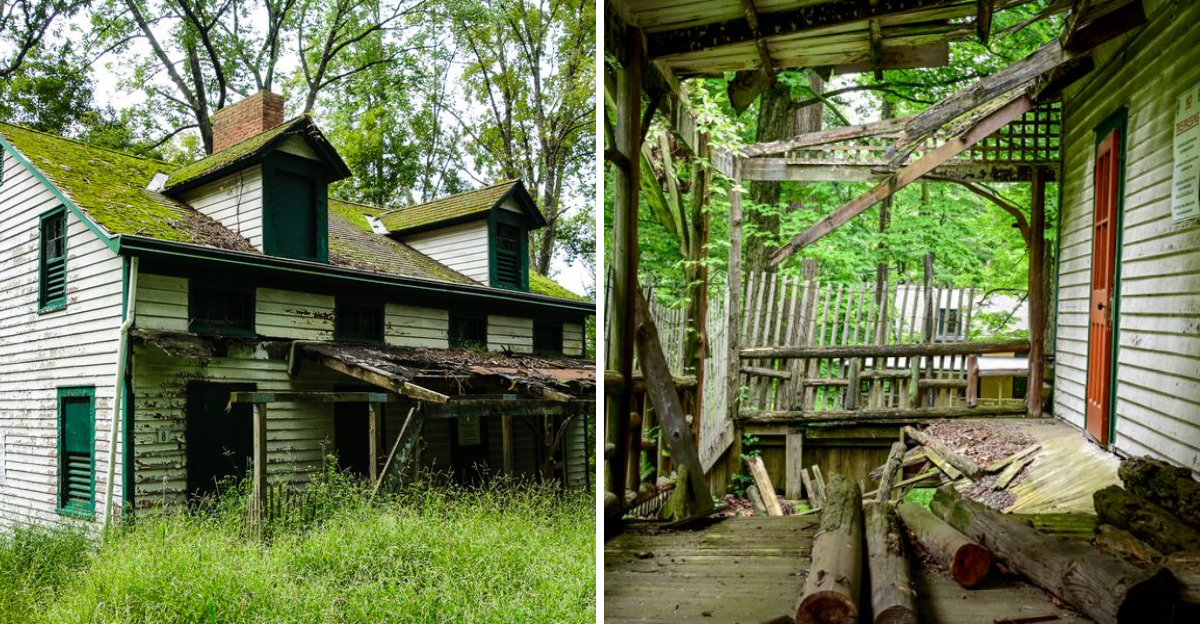
Ever wondered what it’s like to stroll through a ghost story without turning a page?
In the Watchung Reservation of New Jersey, The Deserted Village at 9 Cataract Hollow Rd, Berkeley Heights, sits frozen in time – a cluster of abandoned homes where silence creaks louder than the porches.
Once a thriving 19th-century community called Feltville, it’s now more “boo” than bustling.
The first time I walked through, I swear the air itself felt heavy with history – like the past was leaning over my shoulder, daring me to look closer. It wasn’t just sightseeing; it was goosebumps with a side of wonder.
This isn’t your polished historic landmark. It’s a full-blown time capsule, complete with hidden cemeteries, sagging roofs, and stories that make your imagination sprint.
Adventurers, history buffs, and thrill-seekers all flock here for one reason: to experience the unsettling beauty of a forgotten world, right in the heart of New Jersey.
So if you’ve ever wanted to wander a real ghost village without leaving the Garden State, here’s your chance.
Feltville’s Mysterious Origins in the 1800s
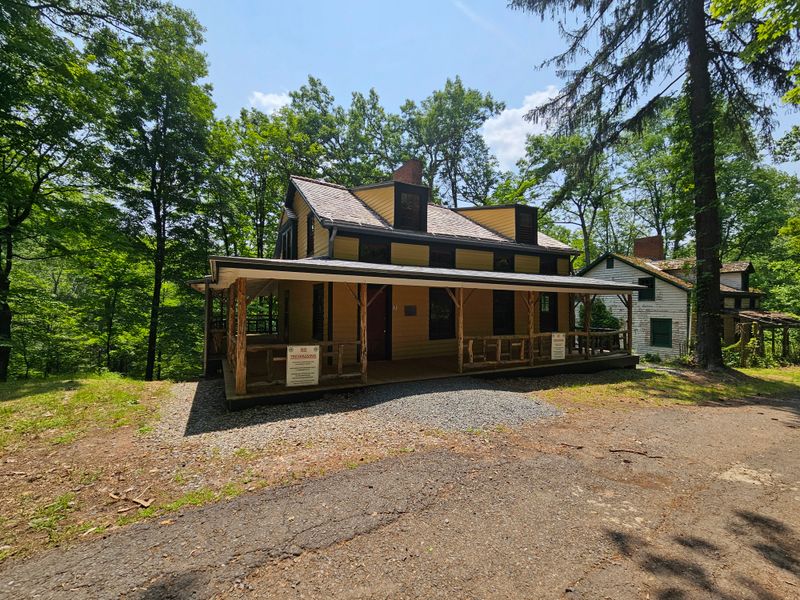
Back in 1845, a visionary entrepreneur named David Felt decided to build an entire self-contained community deep in the New Jersey wilderness to house workers for his printing and stationery business. He constructed homes, a general store, a church, and everything needed for a thriving mill village right along the Blue Brook stream.
Workers and their families lived in neat rows of white clapboard houses, creating a bustling little utopia that seemed almost too perfect to last. The village operated like clockwork for nearly two decades, with the sound of machinery humming through the valley and children playing in the streets.
But by 1860, David Felt packed up and moved his entire operation to New York, leaving the village behind like a discarded toy. The buildings stood empty and silent, waiting for a new chapter that would bring equally strange twists.
Later, the village was reborn as a summer resort community called Glenside Park, attracting wealthy city dwellers looking for a peaceful mountain retreat.
That resort era didn’t last either, and by the mid-1900s, the village was abandoned once again. The cycle of boom and bust gives this place an unsettling energy that visitors can feel the moment they arrive.
Knowing that families once laughed, worked, and lived full lives here makes the silence even more profound and haunting. The 1800s origins of Feltville set the stage for all the eerie abandonment that followed, creating layers of history that make every corner of the village feel heavy with untold stories.
The Haunting Architecture of Abandoned Homes
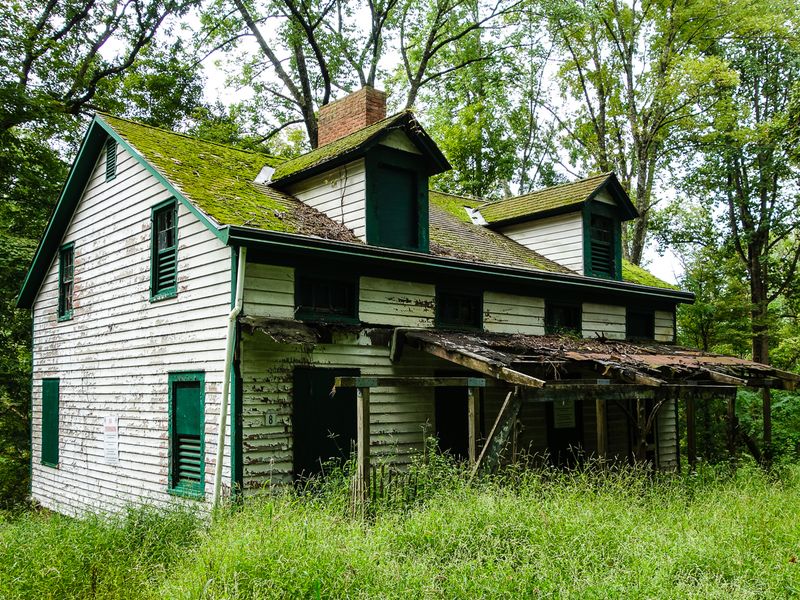
Walking past the skeletal remains of these once-proud homes feels like touring a movie set for a ghost story, except everything here is absolutely real. The structures feature classic 19th-century New England-style architecture with steep roofs, front porches, and symmetrical windows that now stare out like hollow eyes.
Peeling paint reveals layers of history, while sagging doorframes and crumbling foundations tell tales of decades spent battling the elements without human care. Each building wears its age differently – some stand surprisingly sturdy while others lean precariously, as if one strong wind might finally bring them down.
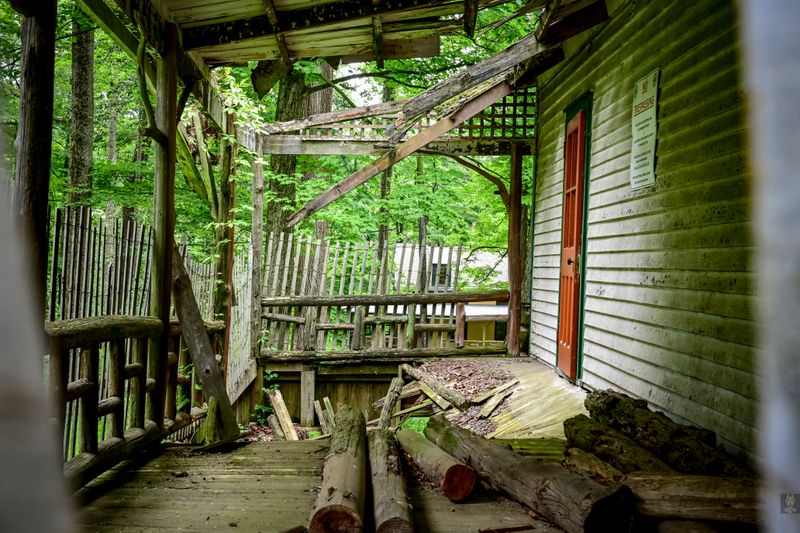
Visitors aren’t allowed inside the buildings for safety reasons, but peering through dusty windows offers glimpses of empty rooms where families once gathered for meals and bedtime stories. The porches of some structures remain accessible, allowing brave explorers to stand where residents once rocked in chairs and watched the world go by.
Preservation efforts are slowly underway, with signs posted about restoration funding and future plans to save these architectural treasures from complete decay.
The contrast between the buildings’ original purpose as warm family homes and their current state of abandonment creates a deeply unsettling atmosphere that even locals find disturbing. Nature has begun reclaiming the structures, with vines creeping up walls and tree roots pushing through foundations in slow motion.
Standing among these ghostly dwellings, you can almost hear echoes of conversations and laughter that once filled the air, making the silence that much more deafening and the experience genuinely chilling.
The Hidden Cemetery in the Woods
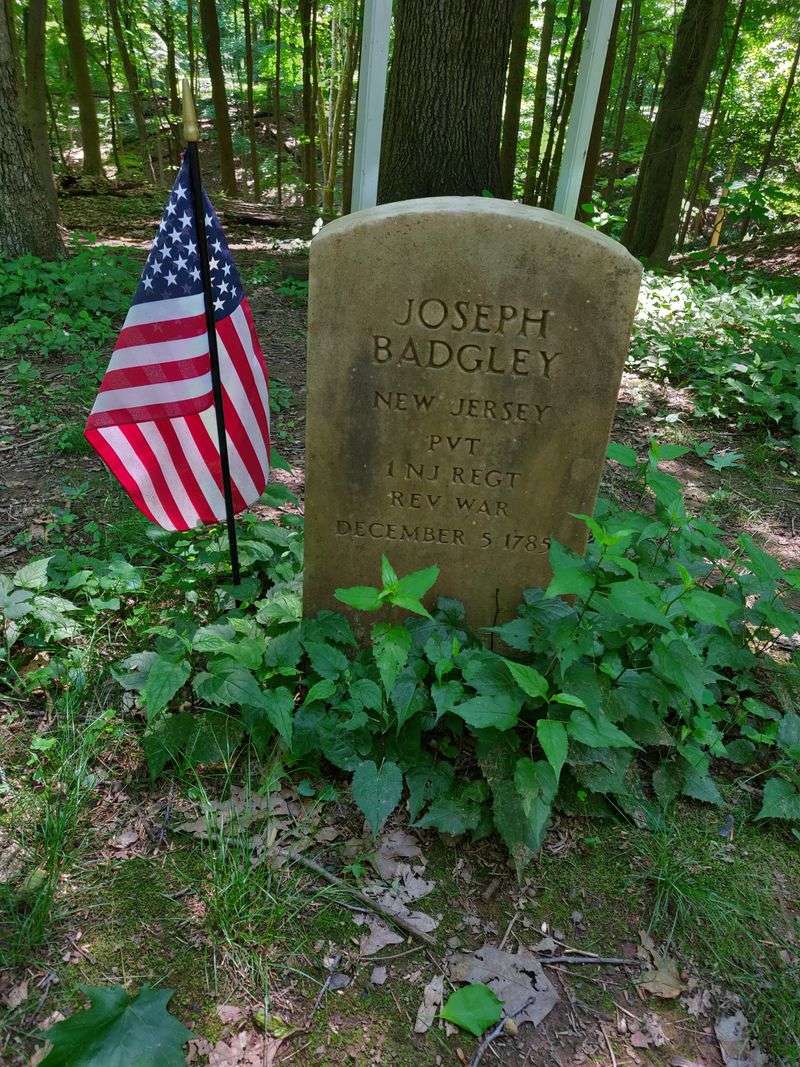
Venture beyond the main village area and follow the trail markers through dense woodland, and you’ll discover one of the most spine-chilling features of the entire site: a forgotten cemetery tucked away in the shadows. The burial ground holds graves of former residents, their weathered headstones barely visible beneath layers of fallen leaves and creeping moss.
Some markers have toppled over completely, while others stand at crooked angles as if the earth itself is slowly swallowing them whole. Reading the faded names and dates connects you directly to the real people who once called this village home, making the history feel intensely personal and profoundly sad.
Getting to the cemetery requires an actual hike rather than a casual stroll, with uneven terrain and tree roots creating natural obstacles along the way. Many first-time visitors miss the cemetery entirely, only discovering it exists after reading reviews or talking to locals who know the secret.
One helpful tip from experienced explorers: make a right turn at the tall tree stump to find the path that leads to the burial ground.
The cemetery attracts not only curious tourists but also dedicated volunteers who work to preserve and document the site, carefully cleaning headstones and searching for lost historical artifacts. Standing among these old graves in the quiet New Jersey woods creates an atmosphere that’s equal parts peaceful and deeply unsettling.
The knowledge that you’re walking on ground where generations were laid to rest adds a layer of reverence to the creepiness, reminding visitors that this forgotten village represents real lives, real deaths, and real stories that deserve to be remembered.
The Award-Winning Audio Tour Experience
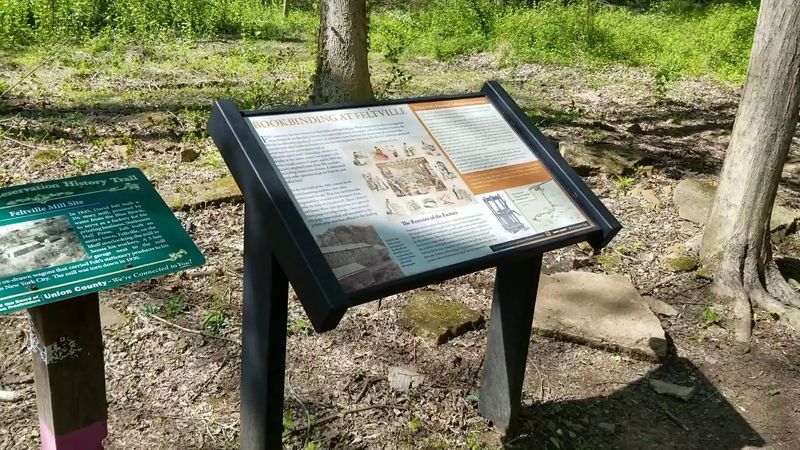
Technology meets history in the most engaging way possible through the village’s incredible audio tour, which brings the silent structures roaring back to life with vivid storytelling and fascinating details. Available through your smartphone, the tour guides you through the entire settlement while narrating the colorful history of Feltville’s rise, fall, and resurrection as a summer resort community.
Voices from the past seem to speak directly to you as you stand before each building, explaining who lived there, what they did for work, and what eventually drove them away from this mountain paradise.
The audio experience includes clear route instructions that help prevent you from getting lost or missing important sites like the cemetery or Masker’s Barn. Reviewers consistently praise how the tour transforms a simple walk through old buildings into a genuinely immersive journey back in time.
Historical facts blend with atmospheric sound effects and dramatic narration that make you feel like you’re eavesdropping on conversations from the 1800s.
What makes this audio tour particularly special is how it fills in gaps that the physical structures alone cannot convey, painting pictures of daily life with rich details about families, businesses, and community events. The tour typically takes about an hour if you’re following just the paved trail and stopping to absorb all the information at each station.
Visitors who’ve experienced the audio component report feeling much more connected to the site’s history compared to simply reading the informational placards scattered throughout the village. Downloading the tour before you arrive ensures you won’t miss any of the spine-tingling stories that make The Deserted Village such a uniquely haunting destination in New Jersey.
The Paved Main Trail Through Time
Accessibility meets adventure on the village’s main paved pathway, which slopes gently downward from the parking area into the heart of the abandoned settlement below. This smooth, well-maintained trail makes the site welcoming for visitors of all mobility levels, including families with strollers and people who prefer easier walking surfaces.
The paved route winds past all the major structures, allowing you to experience the full eerie atmosphere without navigating rough terrain or steep climbs. Informational signs line the pathway, each offering historical context about the buildings you’re viewing and the people who inhabited them during different eras.
The descent into the village creates a feeling of traveling backward through time, as modern civilization fades away with each step and the ghostly remnants of the 1800s community emerge from the surrounding forest. Most visitors spend about an hour walking the paved trail if they stop to read every placard and take photos of the atmospheric scenery.
The path eventually leads to Masker’s Barn at the far end, a restored structure that now serves as a rental venue for weddings and special events, providing a strange contrast to the decay surrounding it.
Keep in mind that while the walk down is easy and pleasant, the return journey involves climbing back up that same slope to reach the parking lot, which can be surprisingly tiring after you’ve spent time exploring. The paved trail serves as the backbone of the entire Deserted Village experience, connecting all the key points of interest in a logical flow that tells the story chronologically.
Both paved and unpaved trails branch off from this main route, giving adventurous visitors options to extend their exploration deep into the surrounding Watchung Reservation wilderness.
Extensive Hiking Trails Beyond the Village
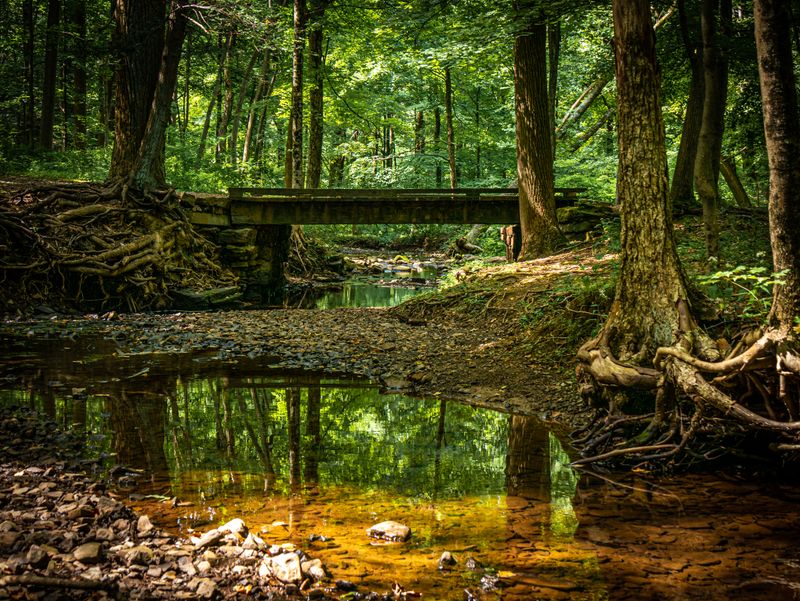
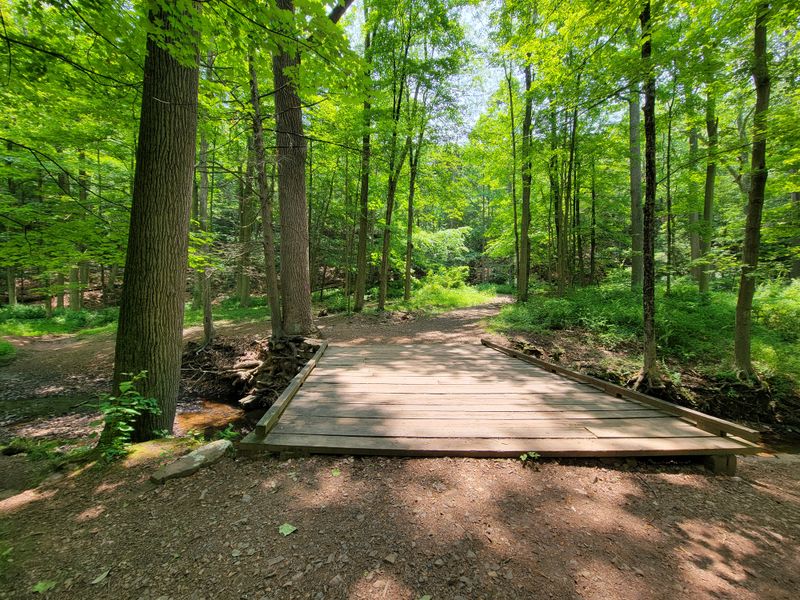
Adventure seekers will be thrilled to discover that The Deserted Village serves as a gateway to miles upon miles of hiking trails that wind through the spectacular Watchung Reservation. Rocky paths branch off in multiple directions, offering everything from gentle nature walks to challenging climbs up steep hills that’ll test your endurance and reward you with stunning views.
Trail blazes mark the various routes clearly, though carrying a map on your phone provides extra insurance against getting turned around in the extensive wilderness. Hikers report spending three to five hours exploring the network of trails without covering every available path, making this destination perfect for serious outdoor enthusiasts.
The terrain varies dramatically depending on which trails you choose, with some following peaceful streams through shaded valleys while others ascend rocky inclines that require good footwear and decent fitness levels. Water features add natural beauty throughout the reservation, with brooks babbling alongside certain trails and creating soothing background music for your hike.
During the pandemic, many locals rediscovered these trails as a safe way to exercise and reconnect with nature, climbing steep hills to get back in shape while breathing fresh New Jersey mountain air.
Wildlife sightings are common throughout the reservation, with deer, birds, and smaller creatures making their homes in the protected forest. The combination of historical intrigue in the village and natural beauty on the trails creates a unique destination that satisfies both culture vultures and nature lovers in a single visit.
Remember to wear proper hiking boots if you plan to venture beyond the paved areas, bring plenty of water, and consider bug spray during warmer months when insects claim the woods as their territory.
Masker’s Barn and the Contrast of Life
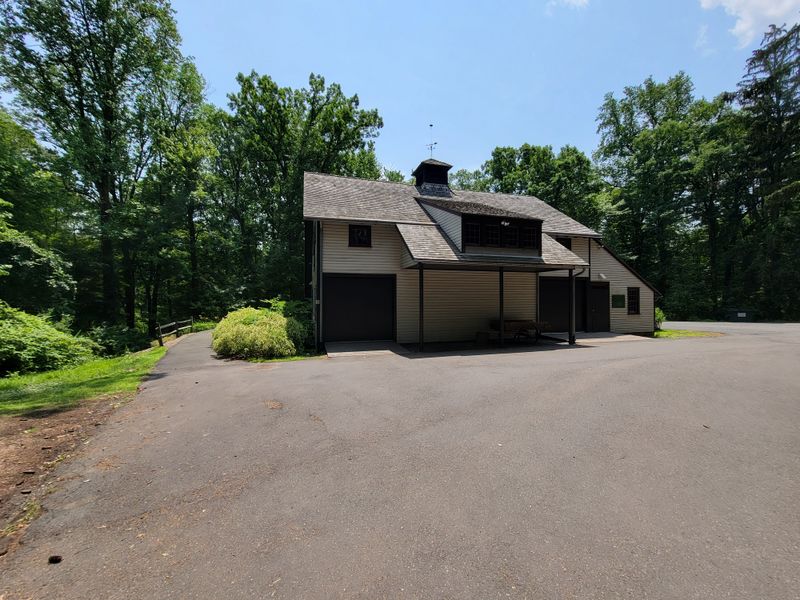
At the very end of the paved trail stands a beautifully restored structure that feels completely out of place among all the decay: Masker’s Barn, a functional events venue that hosts weddings, parties, and celebrations throughout the year. The barn’s polished appearance and obvious care create a jarring contrast with the crumbling houses you’ve just walked past, as if two different timelines exist simultaneously in the same location.
Fresh paint, maintained landscaping, and modern amenities make the barn look like it belongs in a completely different world from the ghostly village surrounding it. This stark difference between preservation and abandonment raises interesting questions about which parts of history we choose to save and which we allow to fade away.
Couples getting married at Masker’s Barn enjoy a truly unique setting, exchanging vows in a rustic structure surrounded by literal ghosts of the past. The barn serves as proof that these old buildings can be saved and repurposed when resources and willpower align, offering hope that more of the village structures might eventually receive similar restoration treatment.
Seeing the barn in its current glory helps visitors imagine what the entire village must have looked like during its heyday, when every building was cared for and filled with life and purpose.
The area around the barn provides pleasant spots to rest, eat snacks, and simply soak in the peaceful atmosphere before making the uphill return journey. Some visitors find the barn’s pristine condition comforting after walking through so much abandonment, while others feel it disrupts the authentic ghostly vibe that makes the village so compelling.
Either way, Masker’s Barn represents an important part of the site’s story, showing that the past can be honored and utilized rather than simply left to crumble into dust.
The Eerie Atmosphere That Disturbs Locals
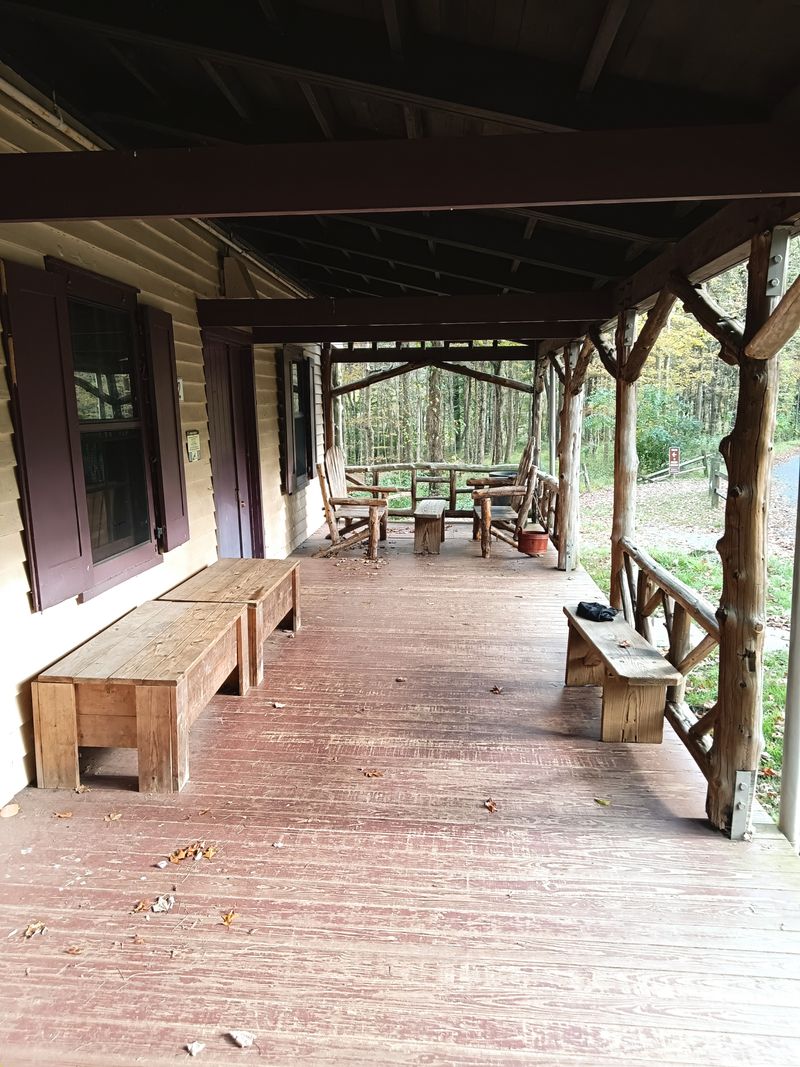
Something indefinable hangs in the air at The Deserted Village, an unsettling energy that even longtime New Jersey residents find genuinely creepy despite visiting multiple times. Perhaps it’s the way the buildings stand in neat rows like soldiers at attention, waiting eternally for residents who will never return.
Maybe it’s the silence that feels too thick, too heavy, broken only by wind rustling through broken windows and birds calling from the surrounding trees. The village exists in a strange liminal space between past and present, neither fully gone nor truly alive, creating a psychological discomfort that’s hard to shake even after you’ve left.
Locals tell stories about strange feelings and unexplained experiences, though whether these tales represent genuine paranormal activity or simply the power of suggestion in a spooky setting remains open for debate. The mind naturally fills empty spaces with possibilities, and these abandoned structures provide plenty of empty space for imaginations to run wild.
Children seem particularly affected by the atmosphere, with some finding the village exciting and others becoming genuinely frightened by the decay and abandonment.
Visiting on overcast days or during late afternoon when shadows grow long intensifies the creepy factor exponentially, transforming the site from merely interesting to downright spine-chilling. Even skeptics who don’t believe in ghosts often report feeling watched or sensing that they’re intruding on something private and sacred.
The disturbing quality doesn’t come from jump scares or obvious horror elements but rather from the profound sadness of abandonment, the visual evidence of dreams that died, and communities that dissolved. That emotional weight combined with physical decay creates an atmosphere that burrows under your skin and stays there long after you’ve returned to the modern world outside the reservation.
Beautiful Placards and Educational Information
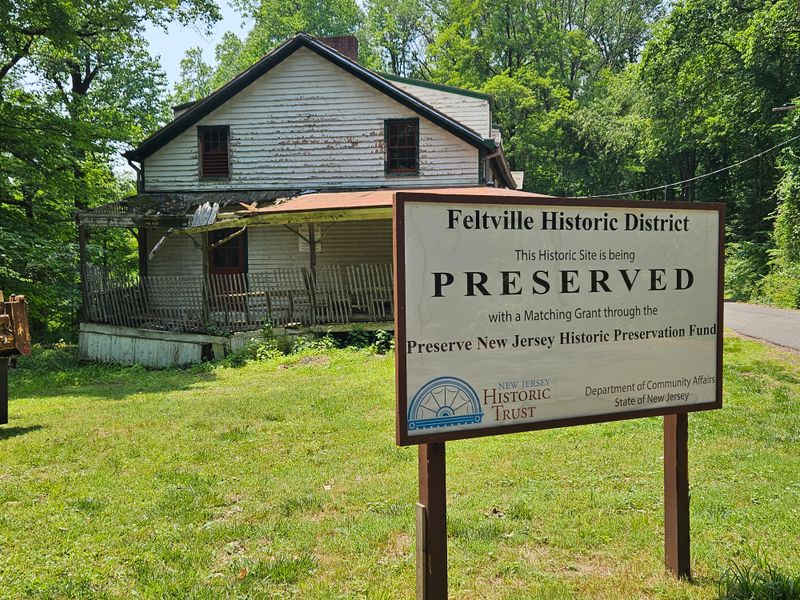
History comes alive through the stunning informational placards positioned strategically throughout the village, each offering rich details about the buildings, residents, and events that shaped this remarkable place. These aren’t your typical boring museum signs with tiny text and faded photos – the placards at The Deserted Village feature beautiful design, clear typography, and fascinating content that actually makes you want to read every word.
Each sign tells specific stories about who lived in particular houses, what jobs they performed, and how daily life unfolded during different eras of the village’s complicated history.
The quality and quantity of information available transform a simple walk through old buildings into a genuine educational experience that teaches visitors about 19th-century industry, community building, and the economic forces that created and destroyed small towns. Children can learn valuable lessons about history, architecture, and the passage of time in an engaging outdoor classroom that beats sitting in a stuffy museum any day.
The placards also include old photographs and illustrations that help visitors visualize what the village looked like during its prime, making the contrast with current conditions even more dramatic.
Volunteers and park staff clearly put tremendous effort into researching and presenting accurate historical information in accessible language that anyone can understand and enjoy. Reading all the signs adds substantial time to your visit but pays off in deeper appreciation for the site’s significance and the real people who built their lives here.
The combination of physical structures and detailed written information creates a complete picture that honors the past while educating the present, ensuring that the stories of Feltville and its residents won’t be forgotten even as the buildings continue to age and decay.
Convenient Amenities and Accessibility Features
Despite its remote and abandoned character, The Deserted Village offers surprisingly modern conveniences that make visits comfortable and accessible for everyone. Free parking in a well-maintained lot provides easy access right off the highway, eliminating the stress of finding street parking or hiking long distances before even reaching the site.
Clean public restrooms are available in one of the main buildings, a luxury that outdoor enthusiasts and families with young children deeply appreciate when planning longer visits. The combination of free admission, free parking, and basic facilities makes this an incredibly affordable family outing in a state where entertainment options often come with hefty price tags.
The site welcomes dogs on leashes, allowing pet owners to share the experience with their furry companions who seem to enjoy sniffing around the old structures and exploring the trails. Stroller accessibility on the paved main trail means parents with infants and toddlers can participate in the adventure without requiring complicated equipment or leaving little ones behind.
The parking lot includes a large map showing all available trails and points of interest, helping visitors plan their routes before descending into the village below.
Hours of operation run from seven in the morning until seven in the evening daily, providing flexibility for early birds who want to catch morning light or afternoon visitors who prefer warmer temperatures. The phone number 908-527-4000 connects you to Union County Parks and Recreation for any questions about conditions, events, or special programs.
Having these practical amenities doesn’t diminish the authentic abandoned atmosphere one bit but rather ensures that experiencing this slice of forgotten New Jersey history remains accessible to the widest possible audience regardless of age, physical ability, or budget constraints.
Dear Reader: This page may contain affiliate links which may earn a commission if you click through and make a purchase. Our independent journalism is not influenced by any advertiser or commercial initiative unless it is clearly marked as sponsored content. As travel products change, please be sure to reconfirm all details and stay up to date with current events to ensure a safe and successful trip.
