Ready to hear your own footsteps come back at you like the fort is answering? This forgotten Washington fort has bunkers, batteries, and a whole lot of echo, and the atmosphere hits fast the moment you step into the concrete corridors.
The layout feels like a maze built for purpose, with thick walls, narrow passages, and doorways that frame darkness like a deliberate design choice. Outside, the grounds can look calm and even pretty, but the moment you duck into a bunker the temperature drops and the sound changes.
Every small noise travels, bounces, and returns late, which makes the place feel busier than it is. Old gun batteries and military structures sit like reminders that this was once about strategy and watchfulness, not sightseeing.
You can wander at your own pace, but the best way to experience it is slow, because details hide in corners and the quiet rewards attention. Bring a light, wear sturdy shoes, and expect to leave with that slightly eerie grin you get after exploring somewhere that still feels keyed up.
Concrete Batteries And Long Tunnels That Turn Sound Into Echo
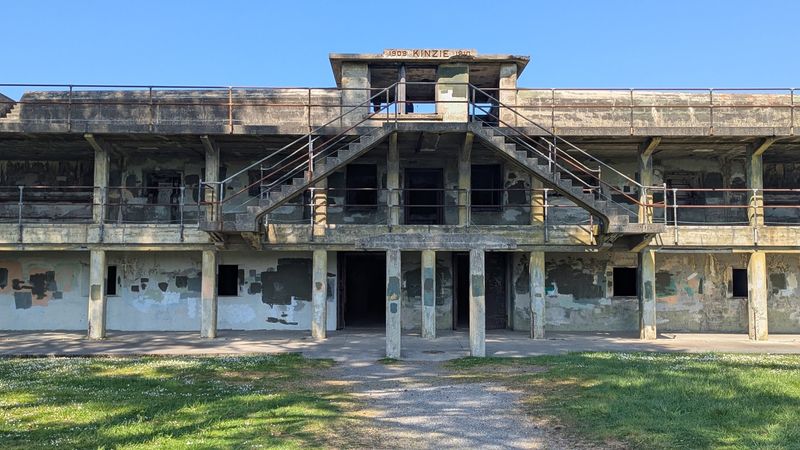
The first thing you notice is how your voice changes, like the air learned to sing inside these walls. Fort Worden Historical State Park sits at 200 Battery Way, Port Townsend, WA 98368, and the concrete seems to hold memory.
Every step has a small drumbeat, and the tunnels toss it right back at you.
Walk slowly, because the echo rewards patience, and the batteries reveal small details when your pace drops. You will see old stenciled numbers, rust stains, and long corridors where light and shadow trade shifts.
It feels safe when you stick to open areas, and daylight is your best buddy here.
Some batteries are stacked like terraces above the water, and others hunker back in brushy corners. You can stand at an entrance, say a single word, and hear it loosen and stretch.
It is both playful and respectful, because Washington history is literally surrounding you.
Bring a small flashlight, not for drama, just for orientation in darker pockets. If a space is closed or gated, you respect it and move on, because there is plenty that remains open.
The feeling is not spooky so much as resonant, like the past still clears its throat gently.
Endicott Era Fort Layout Built For Coastal Defense
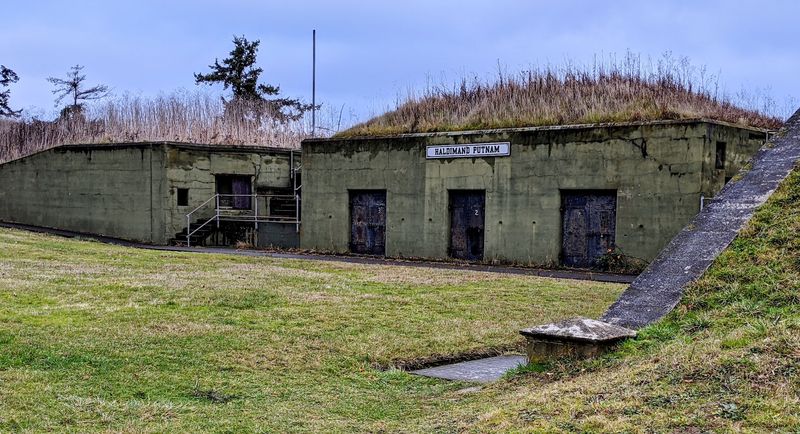
You know how some places make more sense when you zoom out a little? This fort is like that, laid out in layers designed to watch the water and talk to sister forts across the inlet.
The plan feels methodical, with roads threading batteries, barracks, and bluff lines.
Stand near a map board and trace how guns once covered overlapping fields, then look up and connect it with the landscape. You will see why these headlands mattered, and how Washington guarded the doorway to Puget Sound.
The lines are crisp, even after time and weather softened the edges.
I like to follow the grid from high ground down to the shoreline, then back up through the inner roads. The transitions feel gradual, and the wind carries that salt hint as you move.
At each turn, the layout reads like a quiet set of instructions.
Interpretive signs fill in blanks without heavy-handedness, so you can keep walking and learning in stride. If a detail does not click, keep moving until the view explains it better.
By the time you loop back, the logic of the fort settles in your head like a well-drawn map.
Observation Spots With Big Water Views
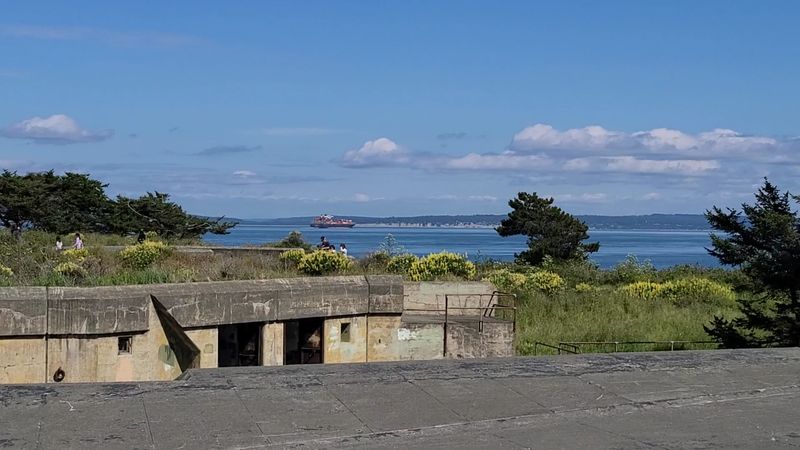
Let’s talk about those platforms where the big guns once sat, because they are basically front-row seats to water and sky. You step up to an emplacement, look out, and the horizon seems to lift a little.
The view is broad enough that even quiet waves feel grand.
There are small details to notice, like rings where mounts anchored, and chutes leading down to old storage spaces. Observation points sit nearby, tucked into small concrete corners that face the channel.
You can picture signal calls hopping between stations while gulls carve the wind lines.
Set your elbows on a cool wall and linger longer than you planned. Boats thread the inlet slowly, and you can feel the geometry of defense lining up with the scenery.
Washington shows off here, but in a low-key, working-water kind of way.
If the light brightens, everything turns crisp, and the batteries throw sharper shadows. On softer days, the water flattens into silver, and the concrete looks almost gentle.
Either way, those observation spots become a place to breathe, think, and let time slide a little.
Bunker Exploring Rules, Stick To Open Areas And Daylight
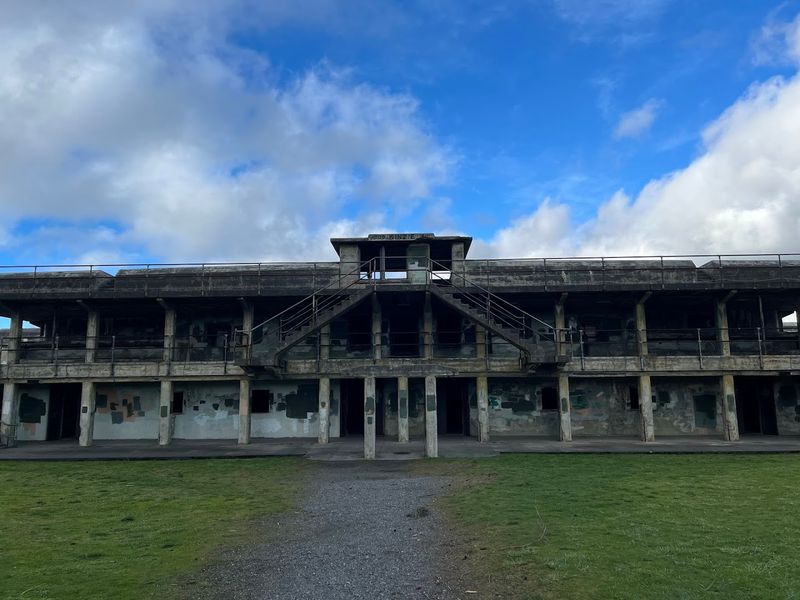
Before you duck into anything dim, here is the friendly reminder you already know. Daylight hours are your window, and sticking to open, clearly accessible spaces keeps the day smooth.
If a doorway is locked or signed as closed, that is your cue to skip it.
Bring a small light for shadows, but let the sun do most of the work, because contrast helps your eyes read edges. Watch your footing on gravel and small lips in the concrete.
Give each other space in tight spots so conversations travel without stepping on heels.
There used to be deeper places here that are no longer accessible, and that is fine, because the open areas are generous. The echoes up top are plenty, and you do not need to chase more.
Washington parks keep safety at the center, and we get to keep exploring because of that.
Set an easy pace and meet at corners with a casual “you good?” so no one drifts off. If something feels sketchy, back out and point your curiosity toward the next sunlit corridor.
There is always another doorway, another stair, and another echo waiting politely.
Officers’ Row Buildings That Add A Whole Other Time Period
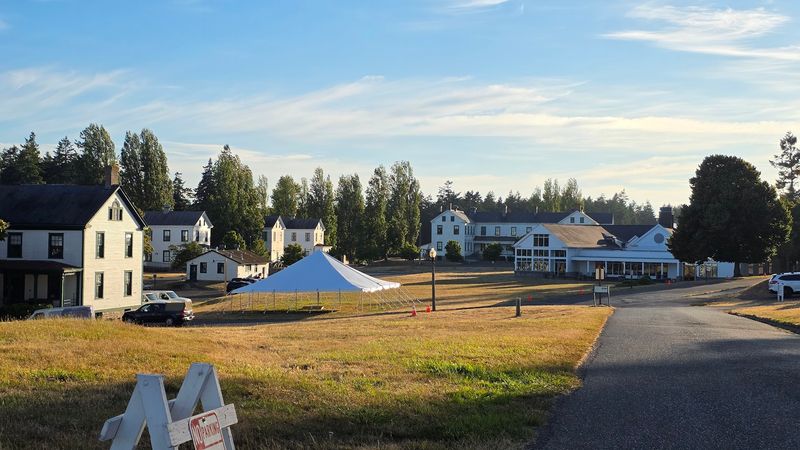
After all that concrete, walking past the homes on Officers’ Row feels like switching channels. The porches, trim, and lawns carry a calm, almost neighborly mood that slows your stride.
You start imagining footsteps on wooden stairs and uniforms hanging by a door.
The street has a framed, symmetrical thing going, and the architecture whispers about routine and ceremony. It is easy to picture families here while duty ticked just beyond the bluff.
That contrast between domestic rhythm and coastal defense is what makes the place stick.
Take your time reading plaques and peeking at details like window shapes and rooflines. The buildings do not shout their history, but they hold it simply and clearly.
In Washington, these preserved homes anchor the fort in everyday life, not just strategy.
I love how the trees carry wind differently on this stretch, softer than the headlands. You can loop through, then bounce back to the batteries feeling reset.
It is a small reset button, tucked right inside the bigger story.
Museums On Site That Explain What You’re Looking At
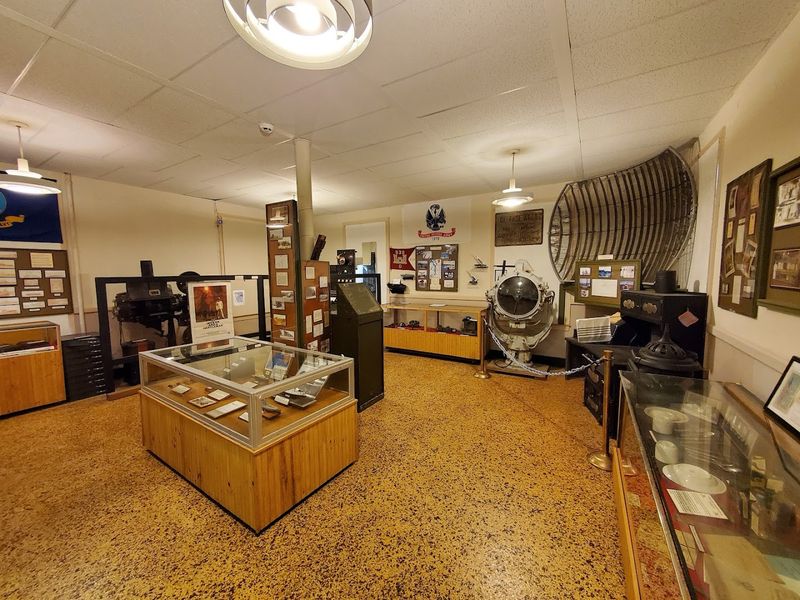
When the questions start stacking up, the museums save you a lot of guesswork. The Puget Sound Coast Artillery Museum walks you through timelines, artifacts, and the human details that make the hardware matter.
It turns loose puzzle pieces into a story you can carry outside.
There is also the Commanding Officer’s Quarters, dressed to a specific era, where rooms feel paused rather than staged. You can look at trim, fabrics, and small domestic objects that connect daily life to the big coastal mission.
Suddenly the batteries feel less abstract and more personal.
I like hitting exhibits between walks, because context changes how the concrete reads under your shoes. A sentence from a placard follows you out and sits quietly in your pocket.
In Washington, that blend of landscape and museum makes the learning feel grounded.
Take a breath inside, then step back into the wind and test what you learned against the view. If something nags at you, circle back and check it again, no hurry.
The point is not to memorize, just to feel the layers align.
Forest Trails And Bluff Paths That Balance Out The Concrete
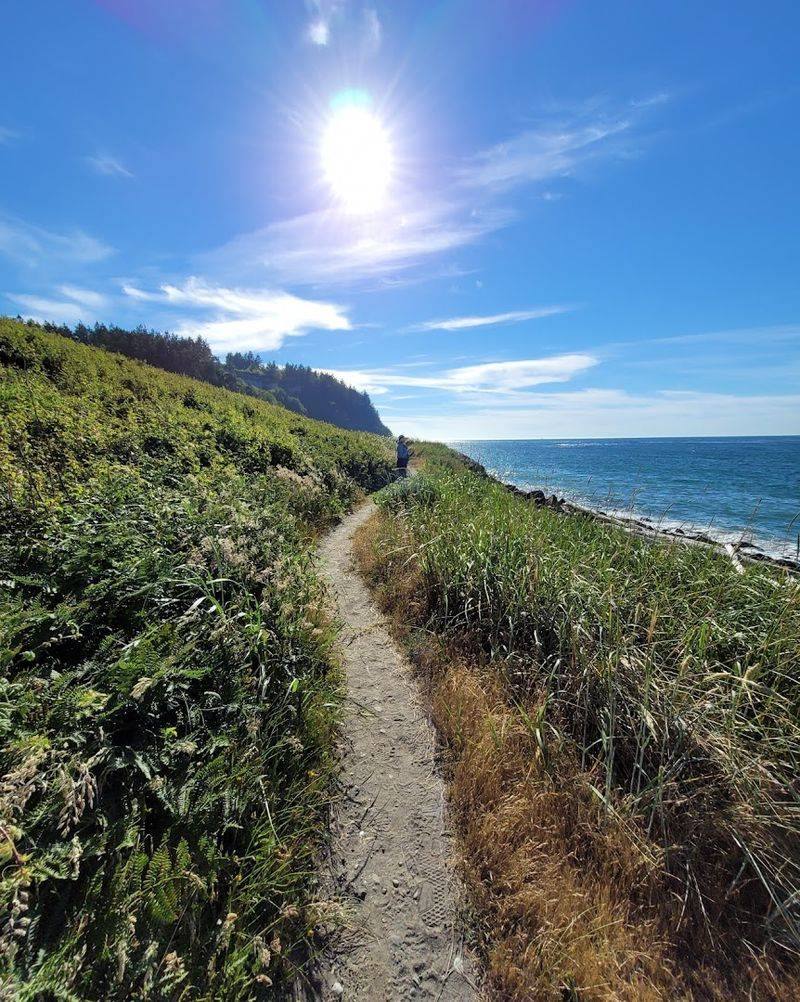
After a while, you will want some green to go with the gray, and the park answers quickly. Forest trails fold you into ferns, trunks, and soft dirt that gives under each step.
The bluff paths slide you back toward big views without losing that hush.
Birds do the narration here, and wind carries spruce and salt in alternating breaths. You might spot deer slipping through, unbothered, as if concrete batteries were just another part of the neighborhood.
That mix of wild and built feels very Pacific Northwest, steady and unforced.
I like giving my ears a break and letting the forest reset the volume. The echoes fade, replaced by soft footfall and leaf flutter.
Washington does that shift really well, turning down noise while keeping the experience full.
Trails connect neatly to roads and open spaces, so you can build a loop without much planning. If a bluff corner looks interesting, take it, and rejoin the grid later.
The park is generous that way, easy to read once you relax into its rhythm.
Beaches And Driftwood Views That Make The Park Feel Huge
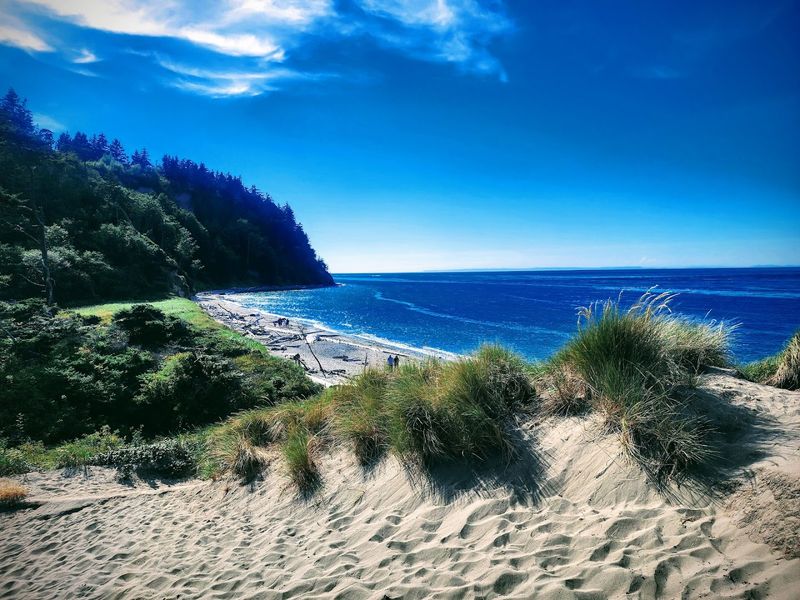
Down at the waterline, the scale suddenly stretches, like someone pulled the map wider. The beaches run long, with driftwood stacked in casual sculptures and grasses brushing the sand.
You can walk until your thoughts stop interrupting, then turn and walk some more.
Look for tide lines, bird tracks, and rounded glassy stones that feel cool in your palm. The inlet keeps moving even on quiet days, tugging everything north and south with a steady hand.
It is not dramatic, just comfortably big, and that bigness does the work.
Sometimes the light turns the whole beach into one long photograph you do not need to take. The logs look like creatures at rest, and the water holds a color you cannot name.
This is Washington doing calm theater, with no stage directions needed.
When you step back toward the batteries, the transition feels smooth, not jarring. Sand becomes gravel, then pavement, then stairs up to the lookout walls.
The day expands and contracts like breathing, and you move with it without pushing.
Point Wilson Lighthouse And Shoreline Corners Worth The Extra Walk
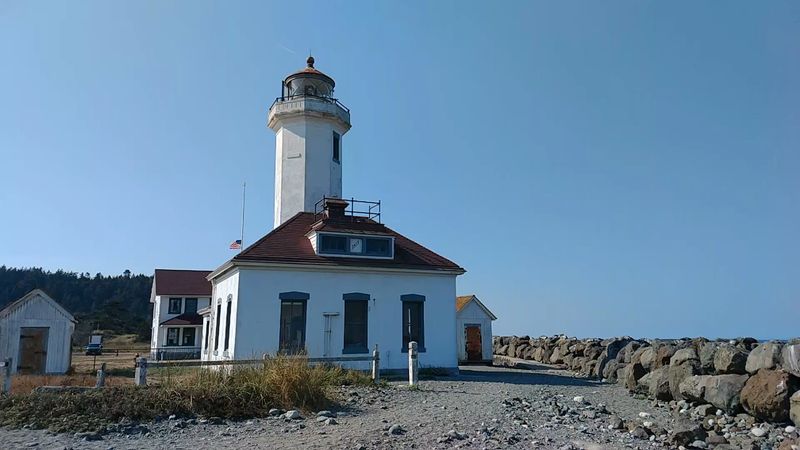
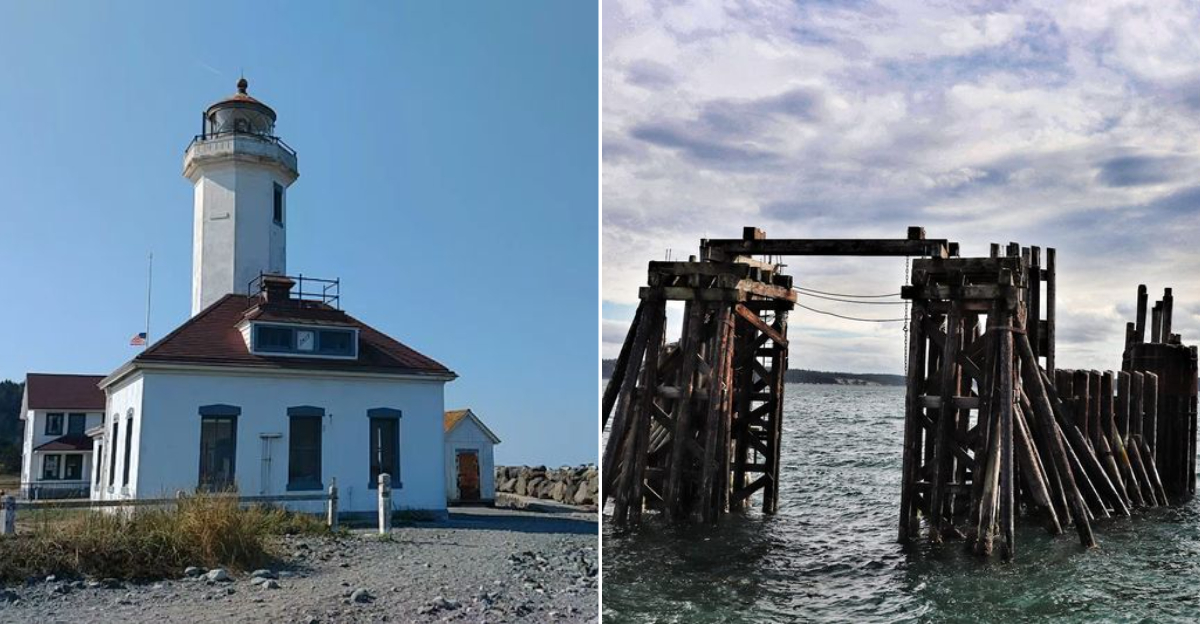
If you have a little left in the legs, keep going to Point Wilson Lighthouse. The path follows open beach and low grasses, and the tower appears in that clean, simple way lighthouses do.
It stands there like a punctuation mark at the edge of the sentence.
Walk the nearby corners where the shoreline bends and angles into new views. The water shifts with each turn, and gulls write quick sketches overhead.
You will find yourself pausing more often than you meant to, and that is exactly right.
Photographs come easy here, but it is the quiet that sticks after you pocket your phone. The buildings and tower hold a calm that rubs off on your shoulders.
In Washington, these working edges make history and landscape feel like they are still talking.
When you wander back, the fort unfolds again, familiar now but still inviting another look. Maybe the tide has moved, or the clouds opened a little, changing the whole scene.
That small difference keeps the walk fresh, even on repeat visits.
Timing Tips For Crowds, Light, And A More Quiet Echo Walk
If you want the tunnels mostly to yourself, think earlier or later, with soft light that treats concrete kindly. Morning edges feel gentle, and evening pulls longer shadows that make textures pop.
Both windows turn down the volume on crowds without losing energy.
Check the sky before you go, because a bright overcast makes photos easy and echo tones warm. Clear days are great too, just a bit sharper for contrast and glare.
Cloudy or crisp, the place reads differently, and that variety is half the fun.
Build your loop so you can pivot if a spot feels busy, sliding to beaches or forest until it thins. Keep conversations low in the tunnels, because your voice carries three rooms over.
You will hear your own courtesy come back as a softer reply.
Give yourself margin to pause where the view clicks, not just where the map tells you. If the light feels right, linger, and let the day rearrange itself around that choice.
That is the simple trick to a quieter, richer Washington fort walk.
Dear Reader: This page may contain affiliate links which may earn a commission if you click through and make a purchase. Our independent journalism is not influenced by any advertiser or commercial initiative unless it is clearly marked as sponsored content. As travel products change, please be sure to reconfirm all details and stay up to date with current events to ensure a safe and successful trip.
