Some towns fade so quietly you would never know they existed. Not this one.
It sits frozen in time along a steep gorge in West Virginia, where coal once roared to life and then suddenly stopped.
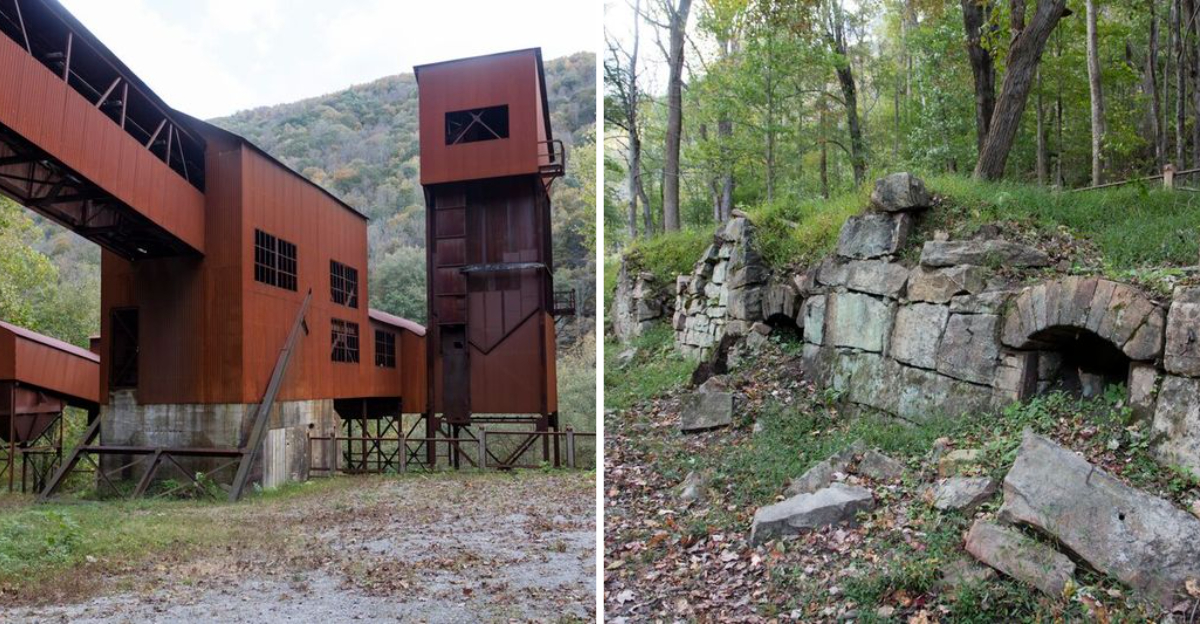
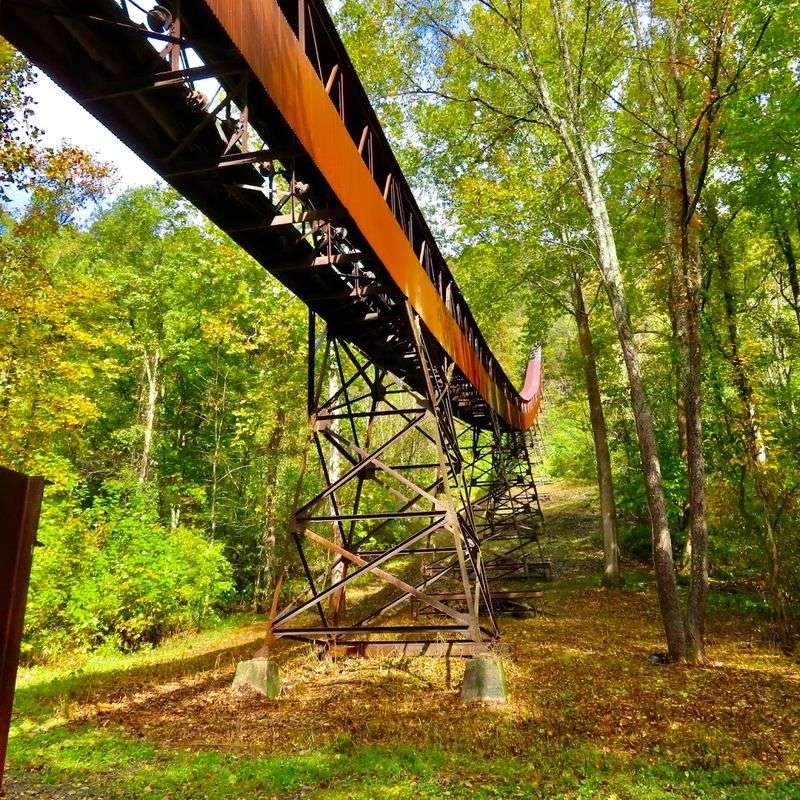
You can still see the old conveyor belt stretching down the hillside like a steel spine.
Rusted tin roofs, broken windows, and the bones of a tipple where miners worked around the clock.
No gift shop. No crowds. Just the honest echo of pickaxes and train whistles.
Walking those paths feels like opening a history book that breathes.
What happens when an entire community leaves but the buildings stay?
You get a fascinating, humbling journey into what this state used to be.
How Nuttallburg Got Its Start in the New River Gorge
Back in 1870, an English entrepreneur named John Nuttall arrived in the New River Gorge and found something the industrializing nation desperately wanted: coal.
He established a mining operation that would grow into one of the most productive communities along the river.
Nuttallburg became the second mining town in the gorge to ship what was called smokeless coal, a high-quality bituminous coal prized for steel production. The demand was real, and the town grew fast.
By the late 1800s, more than 300 people called this narrow hillside home.
The Chesapeake and Ohio Railway, completed in 1873, made it all possible by connecting the gorge to markets far beyond West Virginia. Without that railroad, the coal sitting beneath these mountains would have stayed right where it was.
Nuttallburg was one of roughly 50 boomtowns that sprang up along the New River during this era, each one chasing the same industrial dream carved into the Appalachian hillside.
The Henry Ford Connection That Most People Never Expect
Most people associate Henry Ford with automobiles, not Appalachian coal mines.
But in the 1920s, Ford leased Nuttallburg’s mines for his Fordson Coal Company as part of a bold strategy to control every piece of his production chain, from raw materials straight to finished steel.
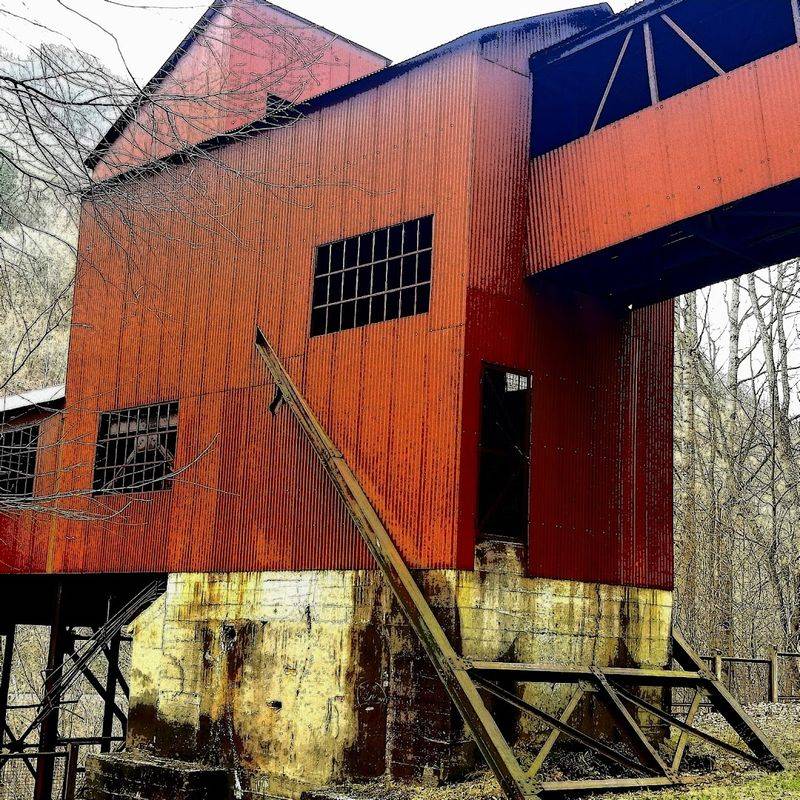
Ford made enormous improvements to the site during this period. He installed a 1,385-foot conveyor system, one of the longest ever built at the time, along with what became known as the Henry Ford Tipple to load coal directly onto waiting train cars below.
The plan was ambitious but ultimately fell apart. Ford could not gain control of the railroad needed to transport the coal efficiently, which made the whole vertical integration idea unworkable.
He sold his interests in 1928, just a few years after arriving. The structures he built, however, are still standing in the gorge today, quietly telling the story of one of history’s most famous industrialists and his unexpected West Virginia chapter.
Walking the Trails That Bring the Ghost Town Back to Life
Stepping onto the trails at Nuttallburg feels less like exercise and more like reading a history book with your feet. The National Park Service maintains several well-marked routes, including the Tipple Trail, Town Loop Trail, Headhouse Trail, and Keeneys Creek Rail Trail.
Each path leads to something worth stopping for. The Headhouse Trail takes you up to the preserved headhouse structure, while the Town Loop Trail winds past old homesites where families once cooked meals and raised children.
Stone foundations peek through the brush like quiet reminders that real life happened here.
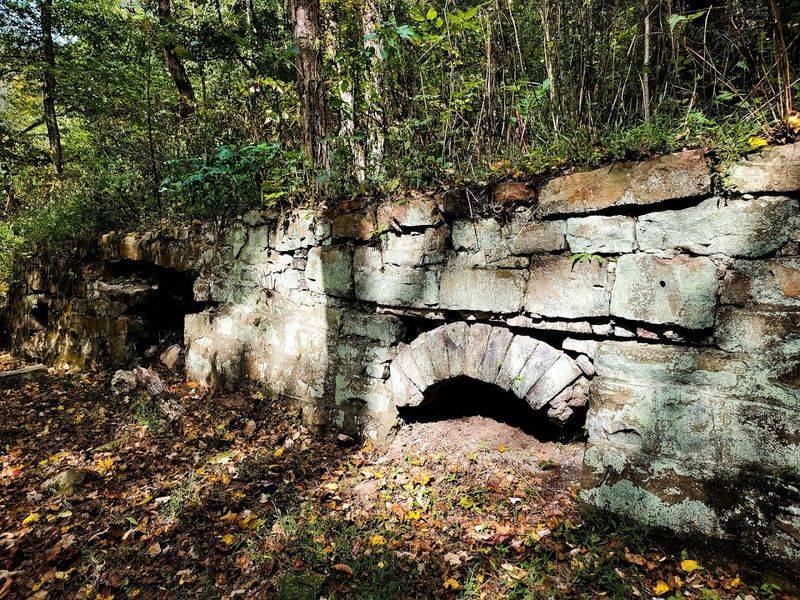
The Tipple Trail brings you face to face with the industrial side of Nuttallburg, where coal was sorted, loaded, and sent down to the railroad. Remnants of the conveyor system and coke ovens are still visible along the route.
The whole experience moves at a pace that encourages you to slow down, look closely, and appreciate just how much human effort this small mountain community once required.
The Preserved Structures That Make Historians Genuinely Excited
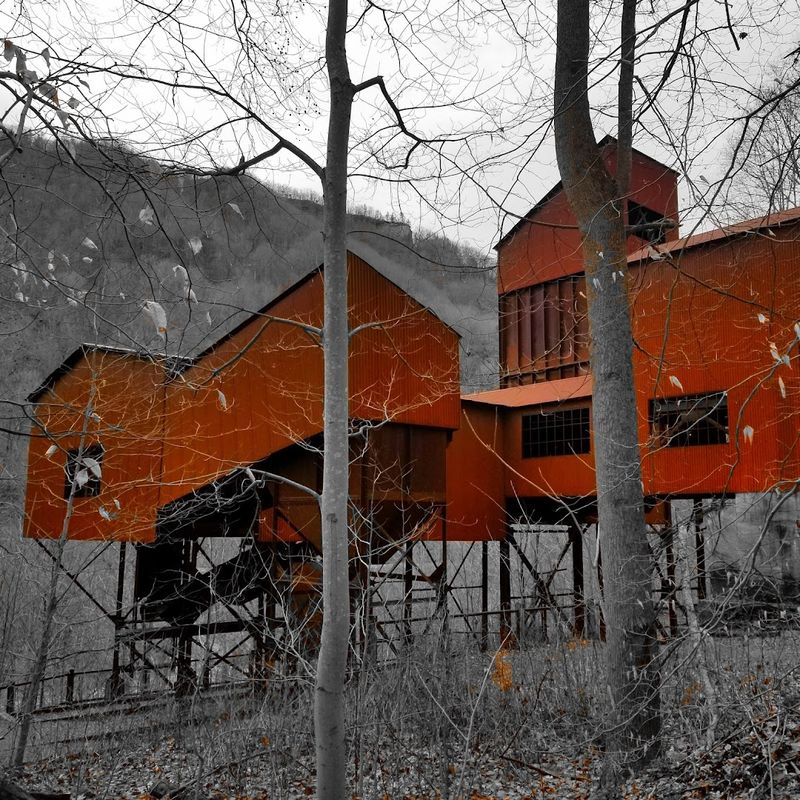
Nuttallburg is considered one of the most intact examples of a coal mining complex anywhere in West Virginia. That is not a small claim in a state that has more coal history than almost anywhere else in the country.
The headhouse is particularly impressive. It sits elevated on the hillside, its wooden frame still standing after more than a century of mountain weather.
The coke ovens, used to convert coal into coke for steel production, line the site in a long row that gives you a real sense of the industrial scale once operating here.
The National Park Service completed a major stabilization project in 2011 after years of clearing vegetation and reinforcing what remained. Getting listed on the National Register of Historic Places in 2005 helped secure resources for that preservation work.
Standing in front of these structures, it is genuinely hard to believe they survived decades of abandonment. The craftsmanship and materials used by those early workers clearly built things meant to last much longer than anyone planned.
Life Inside an Appalachian Coal Town on a Hillside
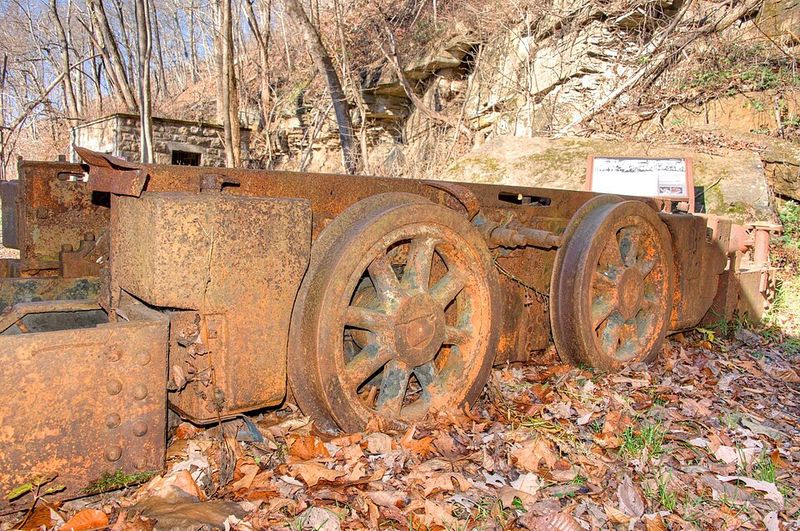
Living in Nuttallburg was not like living in a typical American town. Homes were carved directly into the steep hillside, stacked along the slope in a way that made flat ground feel like a luxury nobody had time to miss.
Families here built their routines around the mine schedule. The community had everything it needed within its narrow borders, schools, churches, and housing, all packed into a space that most modern neighborhoods would consider impossibly cramped.
The town typified the Appalachian coal camp model, where the company provided the infrastructure and workers provided the labor.
Nuttallburg also carried the painful legacy of racial segregation that shaped so many Southern Appalachian communities. White families lived on the west side of Short Creek while African American families lived on the east, with separate schools and churches for each group.
The physical layout of the town reflected those divisions clearly. Walking through the remaining foundations today, that history feels present and worth acknowledging rather than skipping past.
Why the Town Eventually Went Quiet and Empty
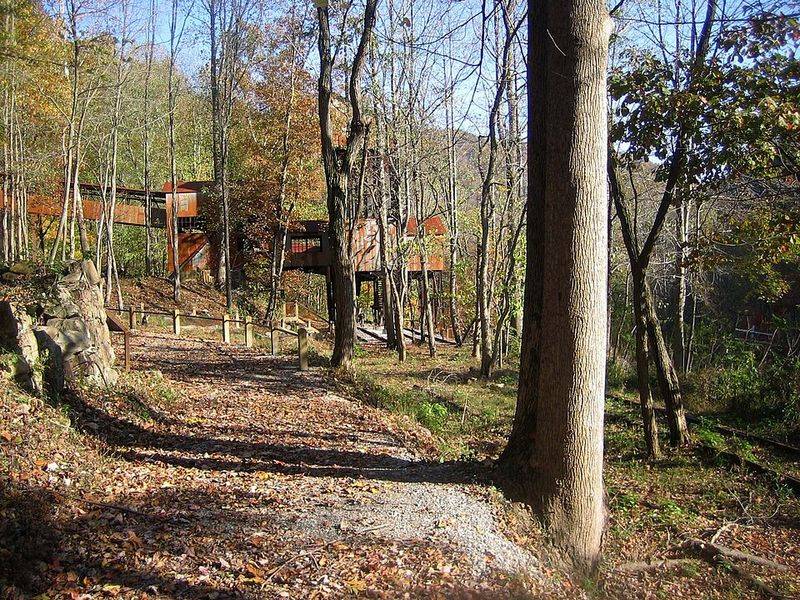
After Henry Ford sold his interests in 1928, Nuttallburg passed through several different owners, each one struggling to make the operation profitable as the market for New River coal began to shrink. The energy that once drove the town forward slowly drained away.
The timeline of closure tells the story clearly. The post office shut down in 1955, which in small American communities usually signals the beginning of the end.
Mining operations ceased entirely in 1958. The depot closed in 1962.
By then, the town had effectively become a ghost.
What makes Nuttallburg unusual among ghost towns is how much it left behind. Most abandoned communities get stripped, demolished, or reclaimed by the forest until nothing recognizable remains.
Here, the combination of remote location and eventual National Park Service stewardship meant that structures survived in remarkable condition. The silence of the gorge today feels appropriate, not sad exactly, but reflective.
Something significant happened here, and the landscape holds onto that weight with quiet honesty.
Getting There: The Road That Tests Your Commitment
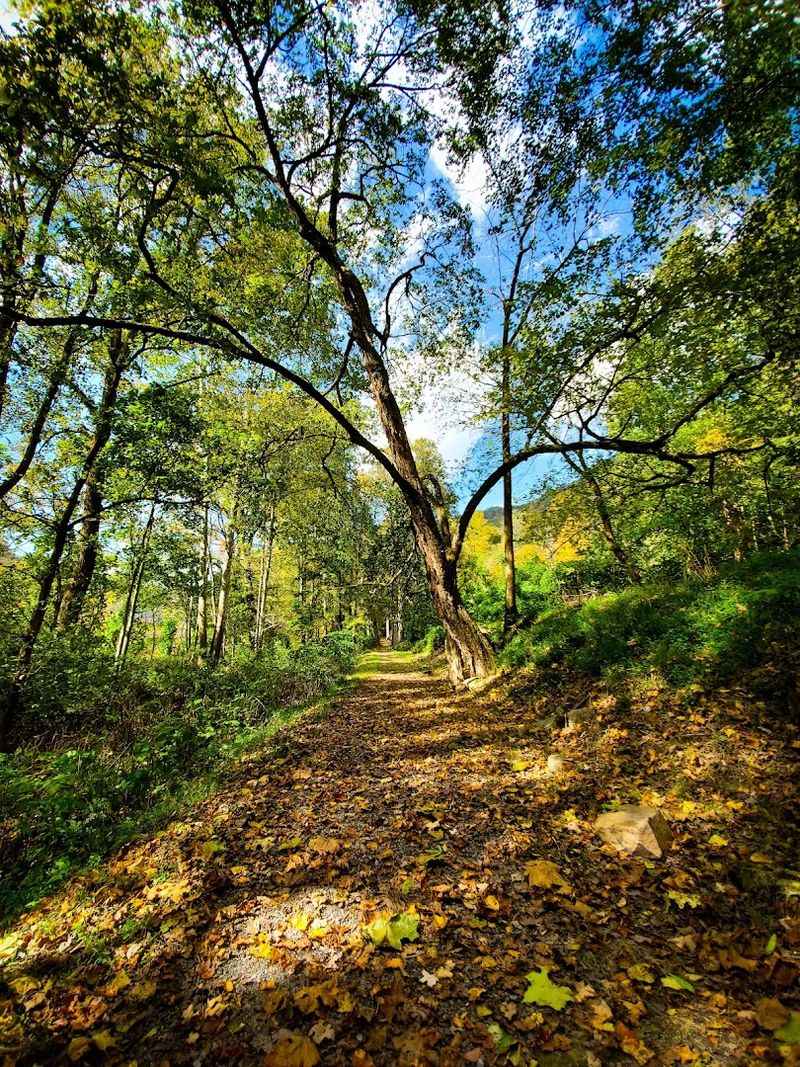
Keeneys Creek Road is the only way into Nuttallburg, and it makes absolutely sure you know that visiting here was your idea.
The road is narrow, steep, winding, and partially gravel, with multiple one-lane sections that require patience and a healthy respect for oncoming traffic.
Large vehicles and trailers are strongly discouraged, and that recommendation should be taken seriously rather than treated as a suggestion.
The drive down into the gorge is genuinely dramatic, with the forest pressing in on both sides and the road dropping at angles that feel more aggressive than most GPS apps prepare you for.
That said, the approach is part of what makes Nuttallburg feel special. There is no easy access here, no wide parking lot, no gift shop visible from the highway.
You earn the visit a little bit, and that effort changes how you experience the place once you arrive.
The road filters out casual passersby and leaves behind the people who actually came to pay attention, which feels exactly right for a site like this.
What Preservation Really Looks Like
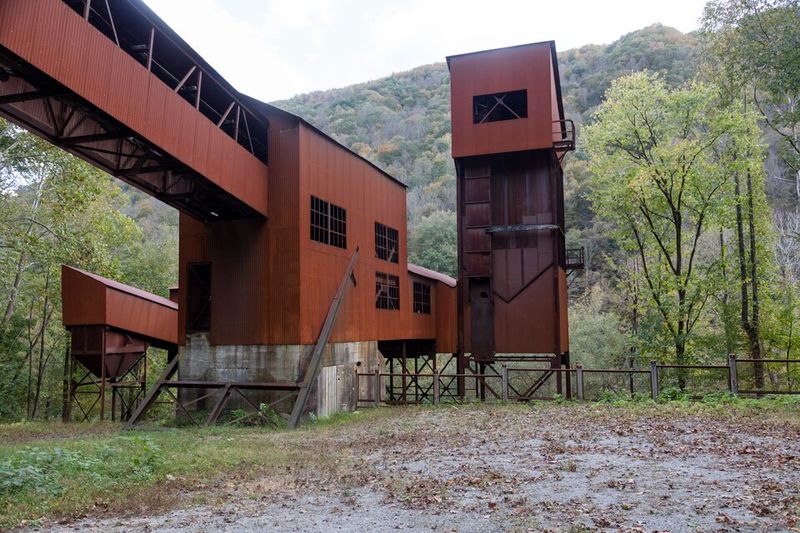
In 1998, the Nuttall family transferred ownership of Nuttallburg to the National Park Service, beginning a new chapter for a site that had been quietly deteriorating for decades.
That transfer set the stage for one of the more thoughtful preservation efforts in the region.
The NPS completed a multi-year stabilization project in 2011, clearing years of vegetation overgrowth and reinforcing structures that had been holding on through sheer stubbornness.
The work was careful and deliberate, focused on preserving what remained rather than reconstructing what was gone.
Today, Nuttallburg sits within the New River Gorge National Park and Preserve, which itself became a full National Park in 2020, giving the area an even higher level of federal protection and visibility.
The site is considered one of the most complete coal-related industrial complexes in the entire United States.
Walking through it, you get the sense that the NPS understood what they had on their hands and treated it accordingly. Preservation like this is rarer than it should be.
The Coke Ovens: An Underrated Highlight Worth Slowing Down For
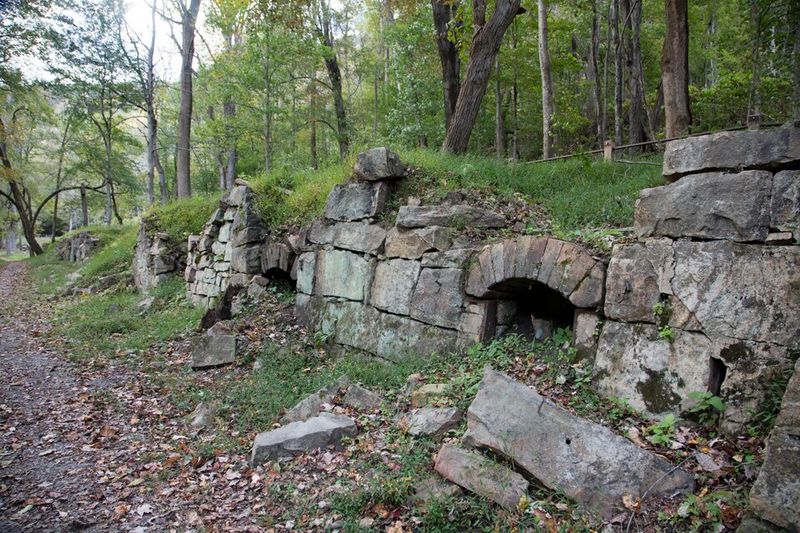
Most visitors come to Nuttallburg for the tipple or the headhouse, but the coke ovens quietly steal the show for anyone who takes a moment to stop and really look.
These stone beehive-shaped structures were used to convert raw coal into coke, the material needed for steel production, and they line the site in a long, haunting row.
Each oven has an arched opening that now frames nothing but forest and sky, which creates an almost theatrical visual effect. The stonework is surprisingly refined for an industrial site buried deep in a mountain gorge.
Whoever built these ovens knew what they were doing, and the structures have held their shape through more than a century of Appalachian weather.
There is something about standing in front of them that makes the scale of the operation hit differently. These were not small experiments.
They represent a serious industrial commitment to a specific place and a specific moment in American economic history. The coke ovens at Nuttallburg deserve more attention than they typically get.
Why Nuttallburg Stays With You Long After You Leave
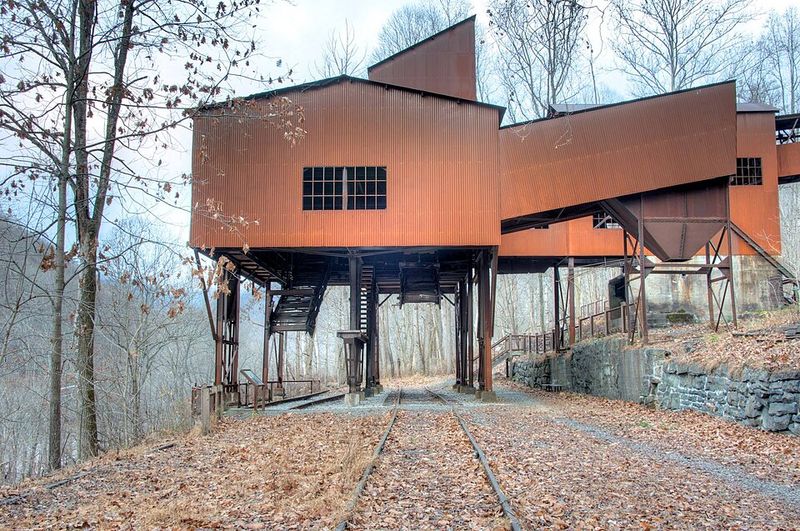
There are places you visit and immediately forget, and then there are places that rearrange something small inside your thinking. Nuttallburg falls into the second category without any effort at all.
Part of it is the physical setting. The New River Gorge is stunning on its own terms, dramatic and green and deeply quiet in a way that feels genuinely restorative.
But Nuttallburg adds a layer of human meaning that the surrounding wilderness alone cannot provide. The combination of natural beauty and industrial ghost town creates a mood that is hard to name but easy to feel.
Part of it is also the honesty of the place. Nothing here is dressed up or made comfortable for tourists.
The structures are preserved, not restored. The history is complicated, not sanitized.
You leave with a more textured understanding of what coal meant to West Virginia, what it cost the people who mined it, and what it built for a nation that rarely looked back to say thank you.
Address: West Virginia 25840
