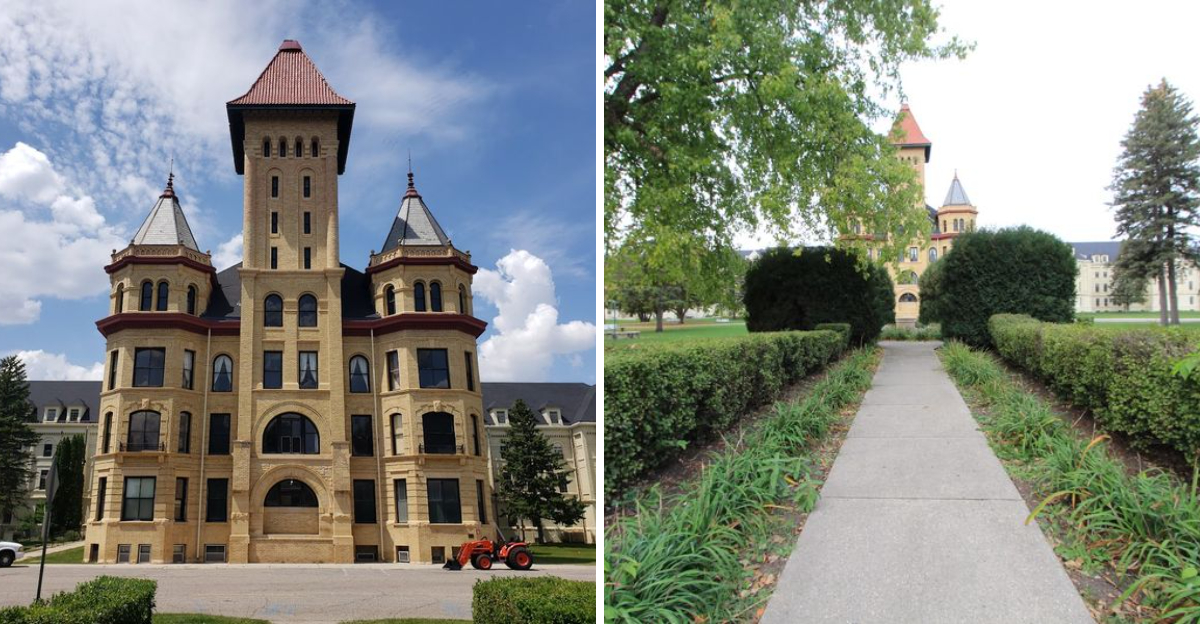
An abandoned psychiatric hospital from 1890 sits on a hill in Minnesota. The building was designed using a famous plan for healing with light.
It officially closed its doors to patients in the year 2005. The future of this massive structure has remained very uncertain since then.
Overcrowding became a serious problem during the hospital’s early years of operation. At one point, more than two thousand patients lived within its walls.
Some people believe that the old building is now haunted by former residents. Visitors have shared stories of ghostly encounters that happened over the decades.
Unexplained sounds and sudden cold spots are frequently reported by guests and staff. The landmark has also been used as a filming location for movies.
This Hollywood connection has only added to the building’s growing fame. The cost to preserve the enormous structure has been a major challenge.
Local groups have worked hard to find a lasting solution for the site. Today, urban explorers and history fans are drawn to its eerie halls.
They come to see the crumbling architecture and learn its past. The building carries a heavy weight that is impossible to ignore.
A History Rooted in the 1800s
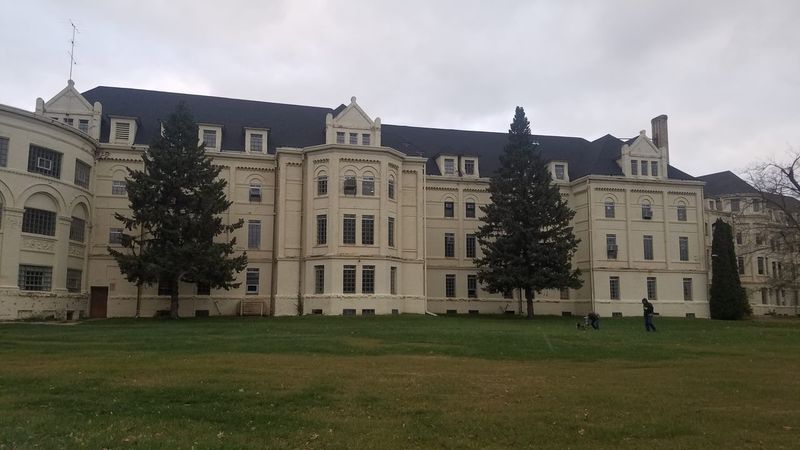
Construction on the hospital began in 1888, and the building opened its doors to patients in 1890. It was originally called the Fergus Falls State Hospital for the Insane, a name that reflects the era’s blunt approach to mental health.
The facility was built to serve the growing population of western Minnesota.
At its peak, the hospital housed over 2,000 patients at one time. The campus grew over the decades, eventually covering hundreds of acres.
It had its own farm, power plant, and even a cemetery.
The institution operated for nearly a century before transitioning through various names and missions. It became the Fergus Falls Regional Treatment Center in its later years.
The state eventually reduced operations significantly by the early 2000s.
Knowing this history while walking the grounds adds a weight to every step you take. The building has absorbed more than a century of human experience.
That kind of history does not simply disappear when the last patient leaves.
The Haunted Reputation That Draws Visitors
People come from across Minnesota specifically because of the ghost stories tied to this place. The Fergus Falls Regional Treatment Center has built a reputation as one of the most haunted locations in the entire state.
That reputation did not come from nowhere.
Decades of human suffering, loss, and isolation within these walls have left what many describe as a lingering energy. Visitors report unexplained sounds, strange shadows, and an overwhelming sense of being watched.
Some people take photographs at night and find things in the images they cannot explain.
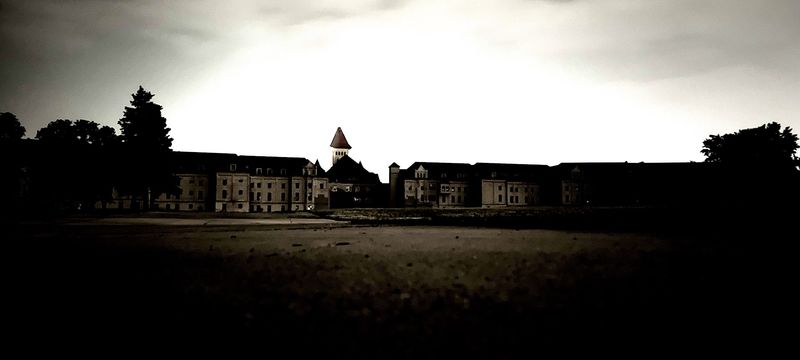
One visitor noted having a genuinely thrilling time capturing low-light photography on the grounds after dark. The building’s dark windows and looming silhouette make it a natural canvas for the imagination.
Even skeptics tend to feel something shift when they approach the main structure.
It is worth noting that the haunted reputation has not been officially verified by any authority. Still, the collective experiences of many visitors paint a consistent and compelling picture.
Some places simply carry a particular kind of atmosphere.
The Grounds: A Walk Worth Taking
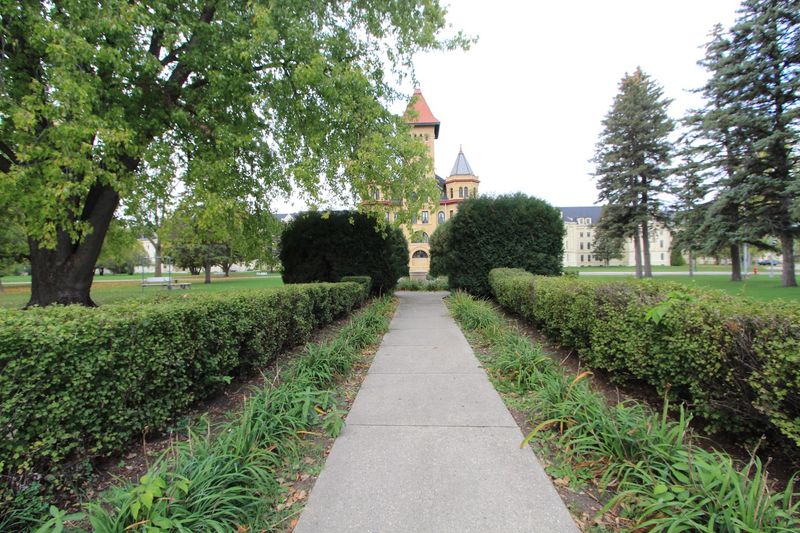
Even if the supernatural does not interest you, the grounds alone are worth the visit. The property is expansive, well-maintained in parts, and genuinely beautiful on a clear day.
Mature trees line the walking paths, and the open space gives the campus a park-like quality.
Visitors are welcome to roam the exterior freely, though access inside the buildings is restricted. Families have been known to bring picnics and spend an afternoon just enjoying the scenery.
The combination of natural beauty and dramatic architecture is hard to beat.
On a warm summer day, the light hits the red brick in a way that makes it glow. The grounds have a quiet dignity that feels respectful of the history here.
It is not a loud or flashy place, and that restraint suits it perfectly.
Children seem to find the scale of the buildings fascinating rather than frightening. Adults tend to grow thoughtful as they walk and look.
There is something about this place that encourages a slower, more reflective pace.
Photography Paradise for Urban Explorers
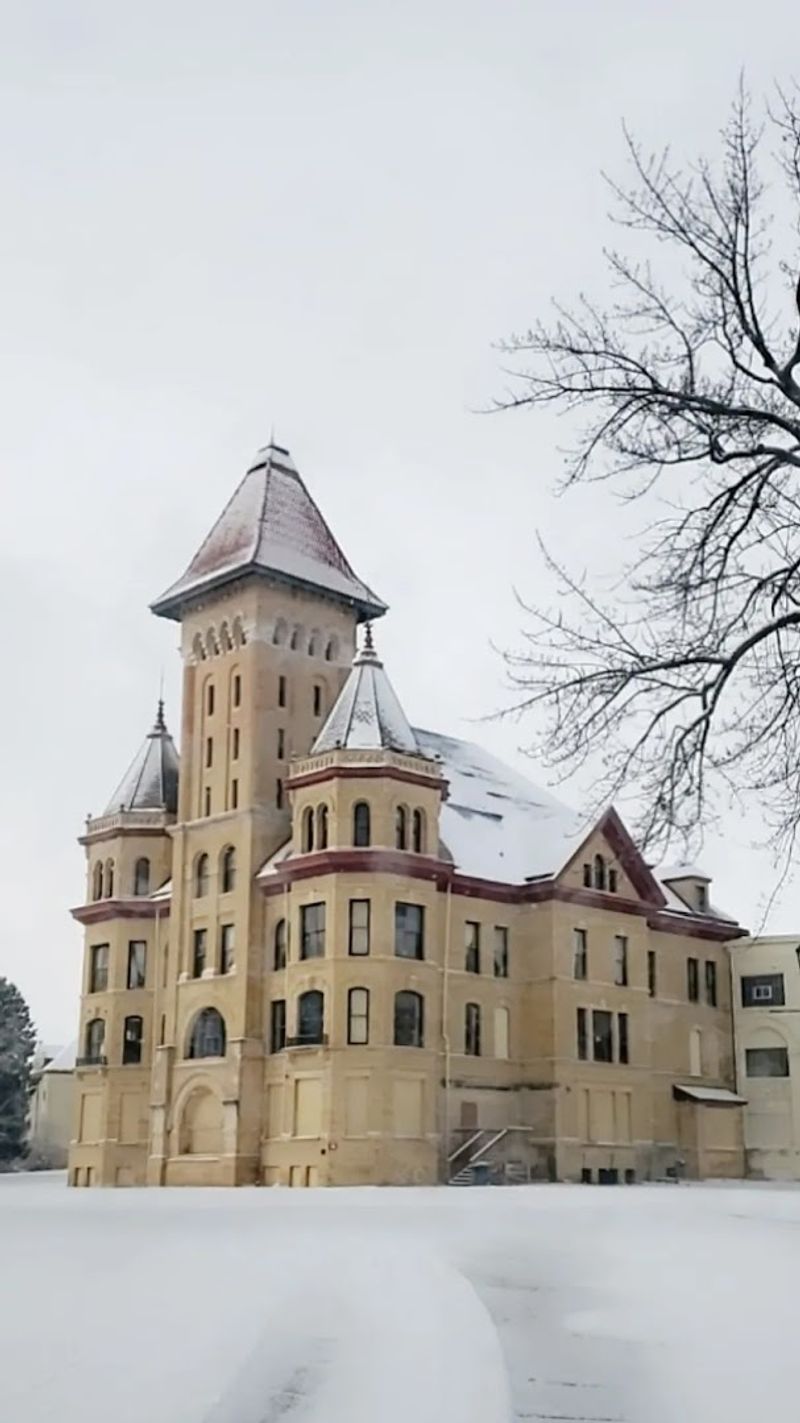
Photographers have quietly claimed this location as one of Minnesota’s best spots for atmospheric shooting. The combination of crumbling grandeur, dramatic skies, and eerie stillness creates images that practically edit themselves.
It is the kind of place that rewards patience and a good eye.
The exterior offers countless compositions, from wide establishing shots to tight details on weathered brick and rusted ironwork. Golden hour light transforms the facade into something almost painterly.
Night photography enthusiasts find the building equally compelling under moonlight or artificial glow.
The no-interior-access rule keeps exploration strictly to the outside, which is actually a blessing for photography. The exteriors are so rich in texture and scale that you rarely feel limited.
Many photographers return multiple times across different seasons to capture new moods.
Winter visits produce particularly striking images, with snow softening the grounds while the dark brick remains sharp and imposing. Fog mornings are legendary among local photographers who know the area well.
Every visit produces something genuinely different from the last.
The Kirkbride Plan and Its Architectural Legacy
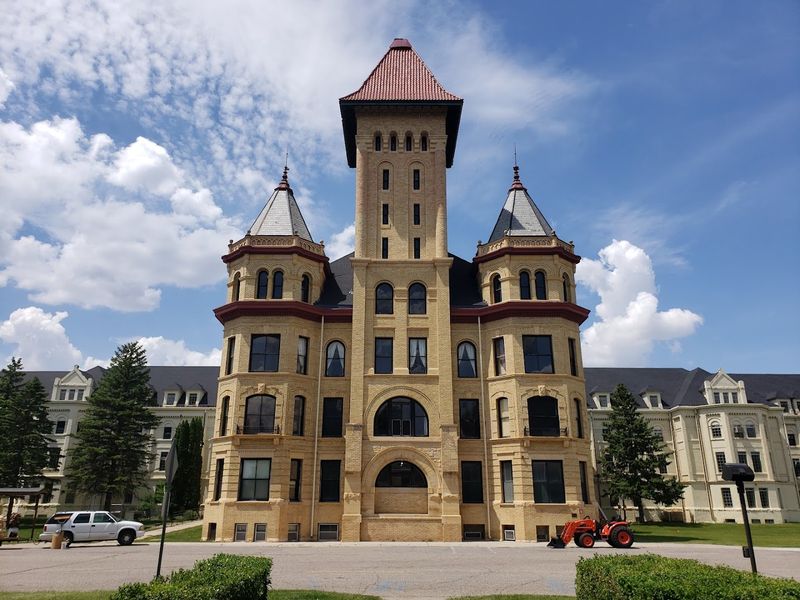
Not every building tells a story just by standing there, but this one absolutely does. The Fergus Falls Regional Treatment Center was designed using the Kirkbride Plan, a 19th-century philosophy of hospital design.
The idea was that beautiful surroundings could help heal the mentally ill.
Dr. Thomas Kirkbride believed fresh air and natural light were essential to recovery. His plans called for long, staggered wings radiating from a central block.
The result was a building that looked more like a grand estate than a hospital.
Architect Warren B. Dunnell brought this vision to life in Fergus Falls with stunning skill.
The red brick facade, ornate towers, and sweeping rooflines are genuinely breathtaking. Visitors today still stop to photograph the exterior from multiple angles.
Walking along the grounds, the sheer scale of the structure is hard to process. It stretches across the landscape in a way that feels almost theatrical.
This is architecture with intention, and that intention still reads clearly today.
Preservation Battles and Community Pride
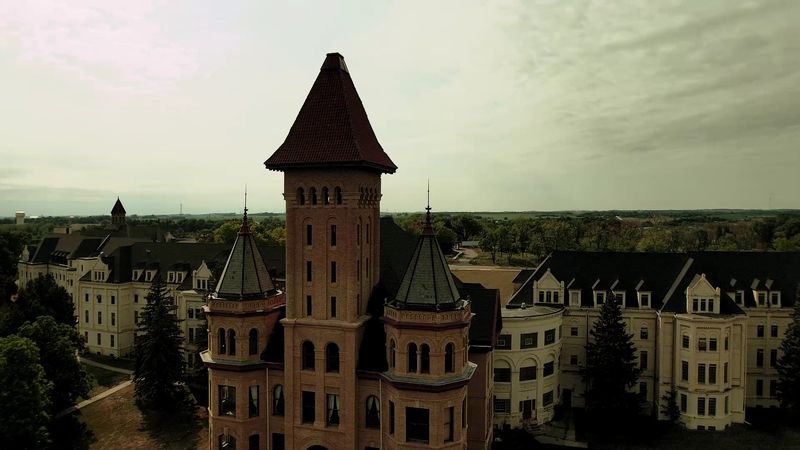
Not everyone who visits this place comes for ghost stories or photographs. For many Fergus Falls residents, the Regional Treatment Center is a matter of deep civic pride and ongoing concern.
The building has faced demolition threats that have sparked real emotional responses from locals.
Some portions of the complex have already been torn down, a loss that longtime residents describe with genuine sadness. The remaining structures are considered irreplaceable examples of 19th-century institutional architecture.
No modern construction could replicate what was built here with that level of craft.
Community members have repeatedly pushed back against plans that would further reduce the campus. Their arguments center on both historical value and the building’s role in the town’s identity.
For many families in Fergus Falls, this hospital is woven into their personal histories.
The National Park Service has recognized the site’s significance, which adds a layer of formal protection to ongoing preservation conversations. Awareness of the site has grown considerably in recent years.
The NPS Recognition and Historical Significance
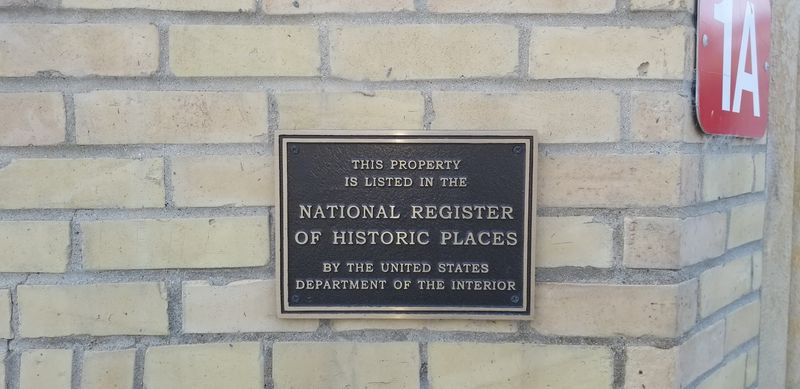
The National Park Service officially recognizes the Fergus Falls State Hospital as a place of historical significance. That recognition is not handed out lightly, and it speaks to the genuine importance of this site within American history.
The NPS maintains an informational presence tied to the location.
The building represents a pivotal chapter in the history of mental health treatment in the United States. It stands as physical evidence of how society once approached psychiatric care, for better and for worse.
Visiting here is a chance to engage with that complicated history directly.
Educational resources connected to the NPS recognition help contextualize what visitors see when they walk the grounds. Understanding the Kirkbride philosophy and its real-world application makes the architecture feel even more meaningful.
The building is not just old, it is historically instructive.
The NPS website dedicated to this location provides background reading that is worth reviewing before your visit. Going in with some context sharpens the experience considerably.
History always hits harder when you are standing inside it.
What Remains Standing and What Has Been Lost
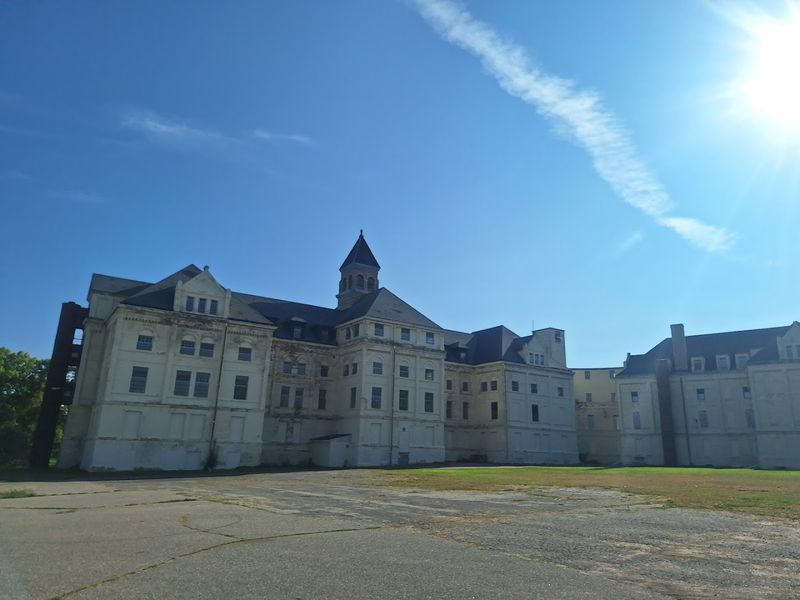
The campus that exists today is a fraction of what once stood here at the hospital’s peak. Multiple wings and outbuildings have been demolished over the decades as the institution wound down.
What remains is still impressive, but the losses are visible in the gaps between structures.
Walking the grounds, you can sometimes see the foundations or footprints of buildings that are no longer there. It creates a strange layered effect, where absence becomes part of the story.
The missing pieces make the surviving ones feel more precious.
The main central block and several attached wings still stand with their original architectural character largely intact. The towers remain among the most recognizable features of the Fergus Falls skyline.
Locals describe them as landmarks visible from considerable distances across town.
Each demolished section represents not just lost architecture but lost history and lost context. The stories attached to those spaces are harder to access now that the physical evidence is gone.
Visiting Tips for First-Timers
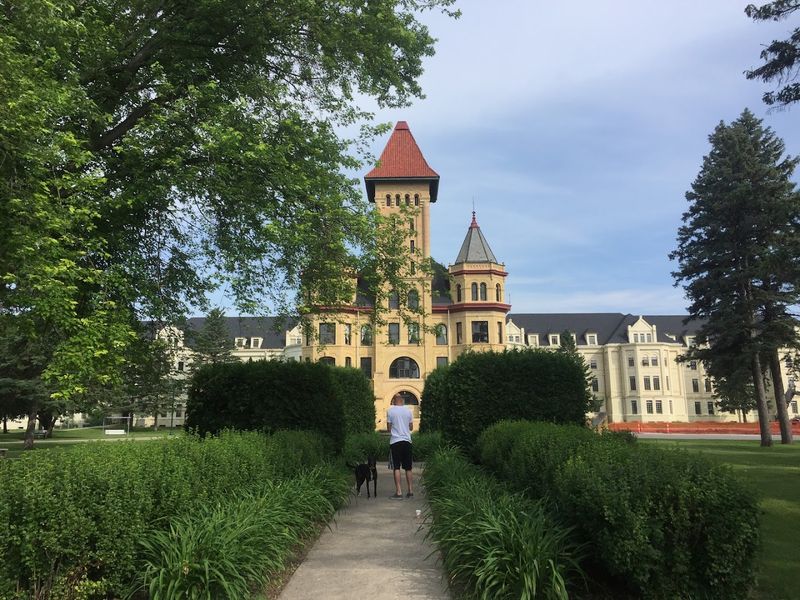
Planning your visit with a little preparation goes a long way at this location. The grounds are accessible to the public, but the buildings themselves are closed to entry.
Respecting those boundaries keeps the site safe and helps preserve access for future visitors.
Morning visits offer softer light and quieter conditions, especially on weekdays. The grounds tend to attract more foot traffic on weekends, particularly in summer and early fall.
Arriving early gives you more space and a calmer atmosphere for exploration.
Comfortable walking shoes are a must, as the grounds cover a significant area on uneven terrain. Bringing a camera is almost mandatory for anyone with even a passing interest in photography.
The details on this building reward close attention.
If you plan an evening visit for the atmosphere, going with a companion is a smart move. The grounds take on a completely different character after sunset.
Why This Place Stays With You Long After You Leave
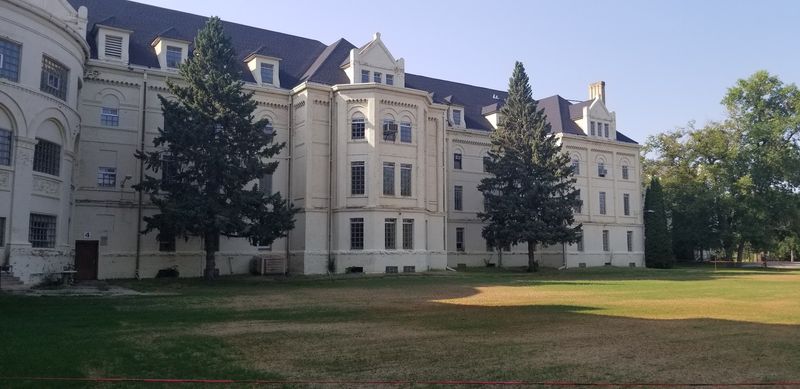
There are places you visit and forget within a week, and there are places that quietly follow you home. The Fergus Falls Regional Treatment Center belongs firmly in the second category.
Something about its combination of beauty, history, and unresolved energy makes it hard to shake.
The scale of the building alone is enough to leave a lasting impression on first-time visitors. But it is the layers underneath the architecture that really get under your skin.
Knowing what happened here, who lived here, and what was lost here adds emotional weight to every image you carry away.
People who grew up in Fergus Falls describe the building as part of their personal landscape in a deeply felt way. For outsiders, the visit becomes a kind of meditation on time, memory, and the strange persistence of old places.
It is not a comfortable feeling, but it is a meaningful one.
Minnesota has no shortage of interesting destinations, but few carry this particular combination of qualities. Address: Fergus Falls Historic State Hospital, Cottage Dr, Fergus Falls, MN 56537
