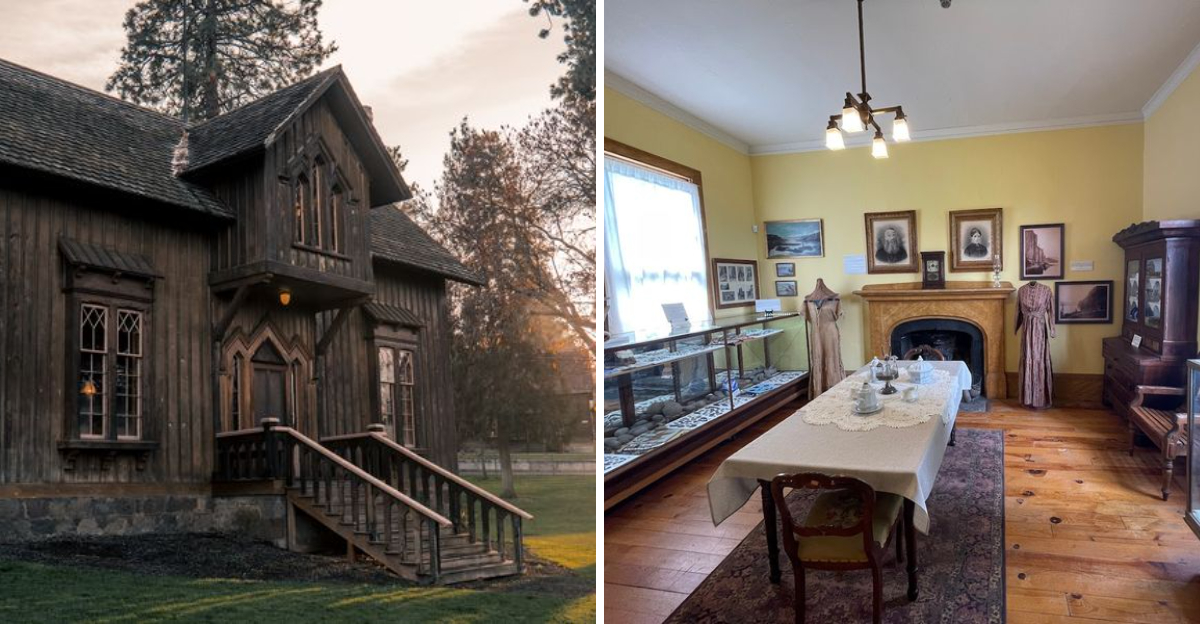
This former Oregon fort once stood at the center of movement across the entire American West. I arrive and it immediately feels less like a historic site and more like a place where major decisions once shaped entire routes and lives.
What used to be a busy crossroads of military presence, travel, and frontier expansion is now a wide, quiet landscape with restored structures and open grounds. You can still read the layout if you pay attention – paths that once carried constant movement now sit still under the Oregon sky.
Every building feels like a reminder rather than a reconstruction. Not flashy, just steady and grounded, like it’s holding onto what it used to be without trying to recreate it.
Walking through it feels slow in a different way. Each section hints at a different layer of the West moving through this exact point in time.
The Last Standing Structure of a Once-Mighty Military Post
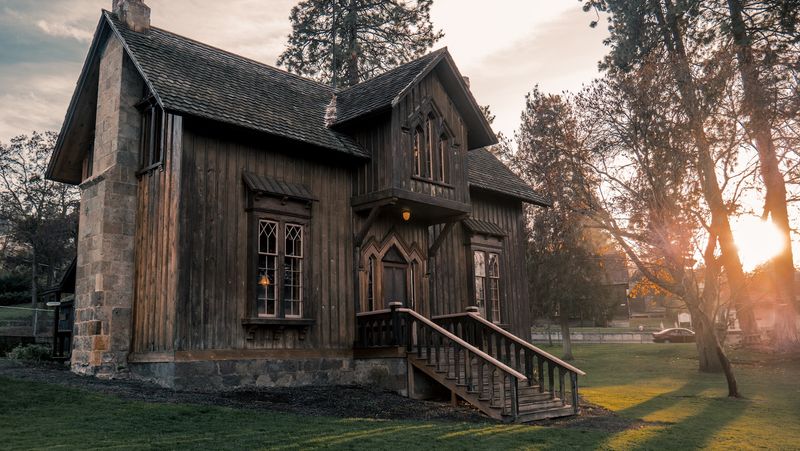
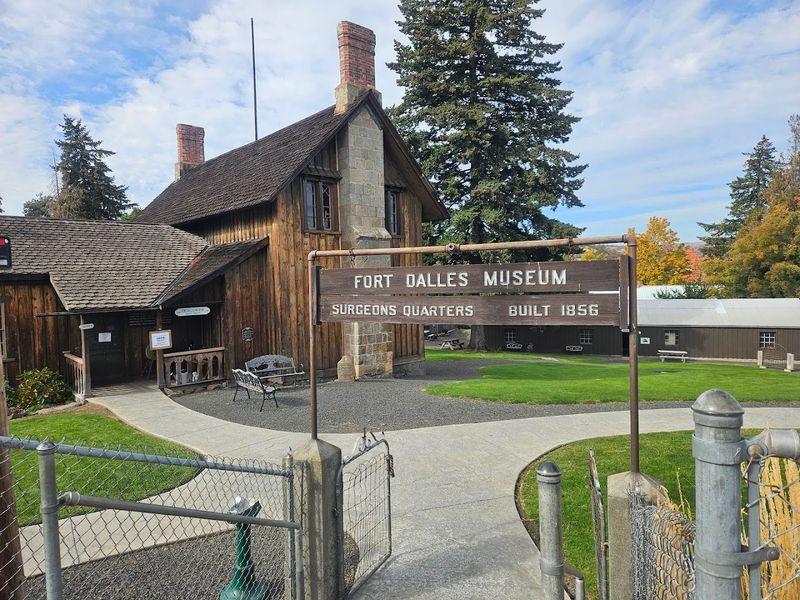
Walking up to the surgeon’s quarters at Fort Dalles, I had to stop and just look. It is the only original building left standing from what was once a large and active U.S.
Army post. That fact alone makes it extraordinary.
Fort Dalles was established in 1850. It was built to protect emigrants traveling the Oregon Trail.
The military presence here helped keep the route safer for thousands of settlers.
At its peak, the fort had dozens of buildings. Barracks, stables, and officers’ quarters once filled the grounds.
Most were torn down or fell apart over time.
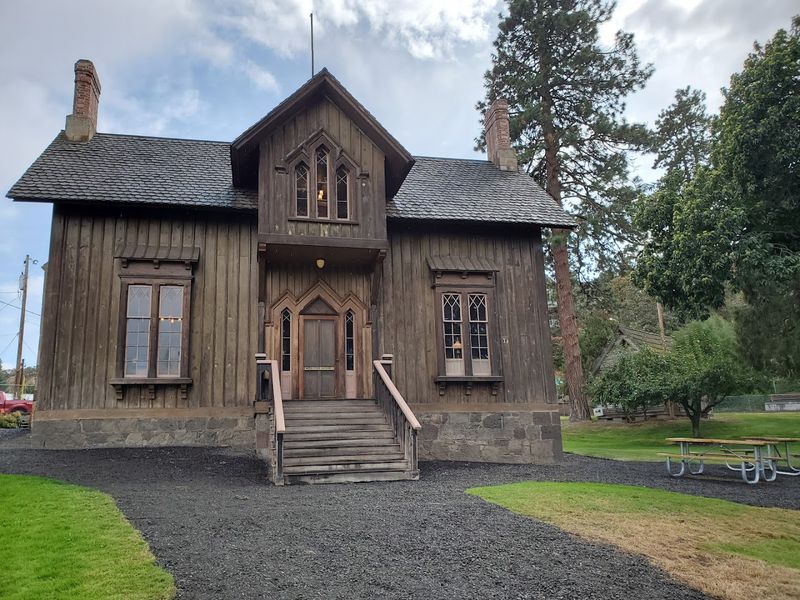
What remains is a beautifully preserved Gothic Revival structure. The pointed arch windows and careful woodwork are stunning.
It feels almost too elegant for a frontier military post.
The building now houses the Fort Dalles Museum. Exhibits inside tell the story of the fort and the region.
It is a small space packed with real, layered history that rewards slow and curious visitors.
A Crossroads That Shaped the Entire American West
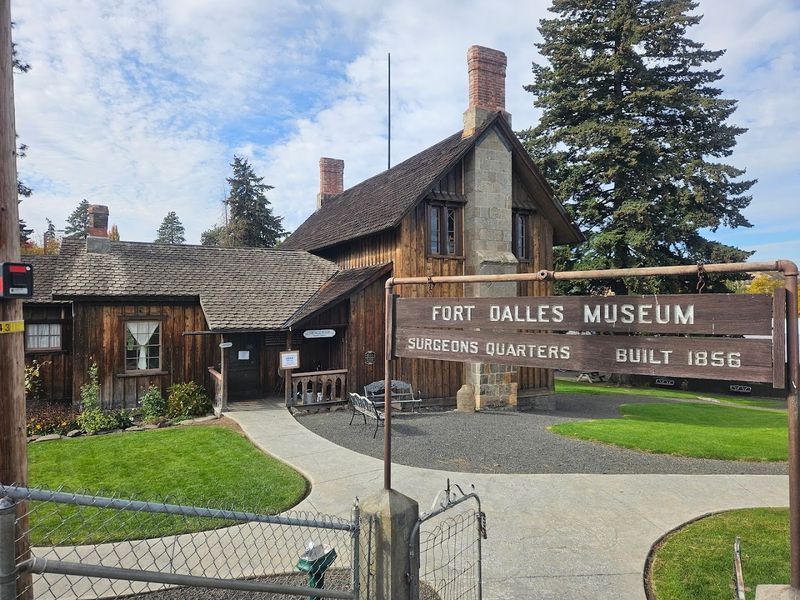
The Dalles was not just a stop on the Oregon Trail. It was the last major decision point before the journey’s end.
Settlers either continued by raft along the Columbia River or took a land route around Mount Hood.
That made this spot genuinely critical. Families made life-altering choices right here.
The fort provided military stability during those tense crossroads moments.
Fur traders had already recognized the location’s value long before the army arrived. The area was a natural gathering point.
Rivers, trails, and trade routes all converged in this stretch of the gorge.
Native tribes had used this area for thousands of years. The Wishram and Wasco peoples traded here extensively.
Their presence shaped the cultural identity of the entire region.
Standing in the museum courtyard, I could almost feel the weight of all those overlapping histories. Every inch of this land carries a story.
Fort Dalles preserves that layered past with genuine care and real dedication.
The Anderson Homestead and Its Surprisingly Personal Story
Right next to the main museum sits the Anderson Homestead. It tells a quieter, more personal story than the fort itself.
This was a real family’s home, and that intimacy makes it feel different.
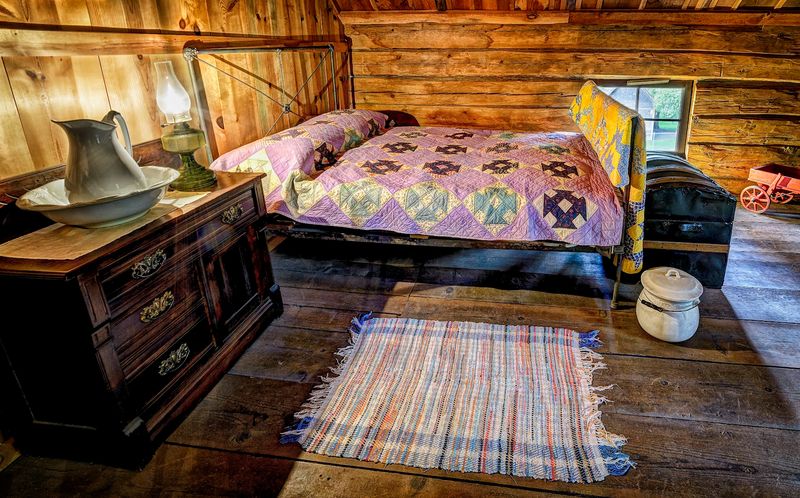
The homestead gives visitors a glimpse into domestic frontier life. You see how families cooked, slept, and organized their days.
It grounds all the big historical drama in something very human.
The house has been carefully restored. Period furniture fills each room.
Small details like old kitchen tools and handmade quilts make the space feel lived-in and real.
Recent renovations have brought fresh energy to the property. New owners have worked hard to restore and reorganize displays.
The result feels more like a home and less like a storage space for old things.
Visitors have noted how welcoming the staff are inside. The docents share stories without making it feel like a lecture.
It is the kind of place where you end up staying much longer than you planned, and that is a good thing.
Carriages, Wagons, and the Vehicles That Moved a Nation
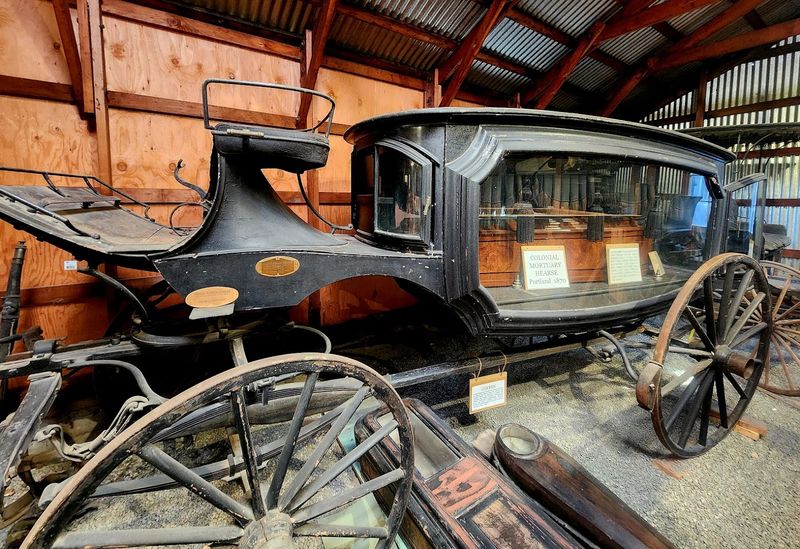
The carriage house at Fort Dalles stopped me cold. Two funeral carriages sit inside, dark and dignified.
They once carried the deceased down the road to the Pioneer Cemetery nearby.
The collection of wagons and carriages here is genuinely impressive. These are not replicas.
These are real vehicles that traveled real roads in the 1800s.
Covered wagons, freight wagons, and passenger buggies fill the space. Each one tells a slightly different story about movement and survival.
Seeing them up close makes the Oregon Trail feel vivid and physical.
One of the most surprising exhibits is an antique electric car. It sits among the horse-drawn vehicles like a quiet punchline.
Early technology and frontier life share the same floor space here.
Kids especially love wandering through this part of the museum. The scale of the wagons is impressive in person.
Adults tend to slow down and start asking questions they did not expect to be asking on a Tuesday afternoon road trip stop.
Meet Midnight: The Museum Cat Who Steals the Show
Not every history museum has a cat. Fort Dalles does, and she is a highlight.
Midnight is a black cat who greets visitors near the entrance with calm confidence.
There is something oddly perfect about a cat living at a historic fort. Cats were common on military posts and homesteads in the 1800s.
Midnight fits the setting in a way that feels almost intentional.
She tends to appear when you least expect her. One moment you are reading an exhibit panel.
The next, there is a soft black cat weaving between your legs.
Families with kids get a real kick out of her presence. She adds a warmth to the visit that no exhibit can manufacture.
Fort Dalles is already a wonderful place to spend an afternoon, and Midnight makes it just a little bit more memorable and genuinely charming.
The Surgeon’s Quarters and Its Gothic Revival Architecture
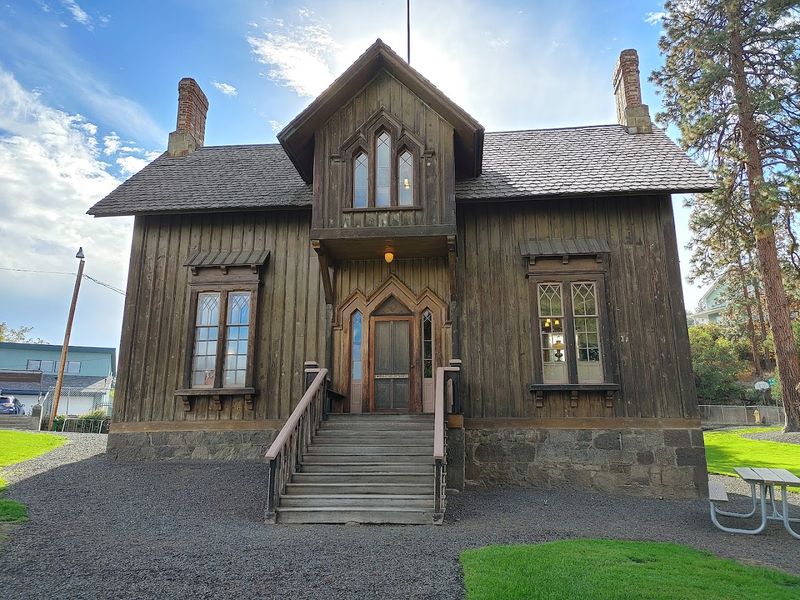
The surgeon’s quarters is the kind of building that surprises you. It does not look like a military structure at all.
The Gothic Revival design feels more like a storybook cottage than an army post building.
Architect Louis Scholl designed it in the 1850s. The pointed windows and decorative woodwork were unusual choices for frontier construction.
They give the building a refined, almost whimsical quality.
Inside, the museum has preserved the original layout as closely as possible. The rooms are filled with artifacts from the fort’s active years.
Medical instruments, military gear, and personal items from soldiers and settlers share the space.
The building itself is the exhibit in many ways. The craftsmanship is remarkable given where and when it was built.
You keep noticing small details the longer you look.
Visitors consistently describe the building as beautiful. That reaction makes sense the moment you see it.
It is the kind of structure that makes you wonder about the people who designed it and what they imagined this place would become over time.
The Oregon Trail’s Final Chapter Played Out Right Here
By the time emigrants reached The Dalles, they had already walked over 1,700 miles. Their wagons were worn.
Their animals were tired. The end was close but still uncertain.
The fort represented safety. Soldiers stationed here helped manage the chaos of thousands of people arriving each season.
Food, supplies, and information were all available in this small but vital town.
Some travelers chose to raft their wagons down the Columbia River. Others paid to use the Barlow Road over Mount Hood.
Both options carried real risk and required real courage.
The museum does a great job of capturing this tension. Exhibits explain the choices settlers faced.
Reading those accounts, you feel the exhaustion and determination of the journey.
Standing at the fort today, looking out toward the gorge, the scale of the Oregon Trail becomes real. It was not an adventure.
It was a survival story. Fort Dalles holds that story with honesty and respect, which is exactly what it deserves from those of us visiting now.
Knowledgeable Docents Who Make History Come Alive
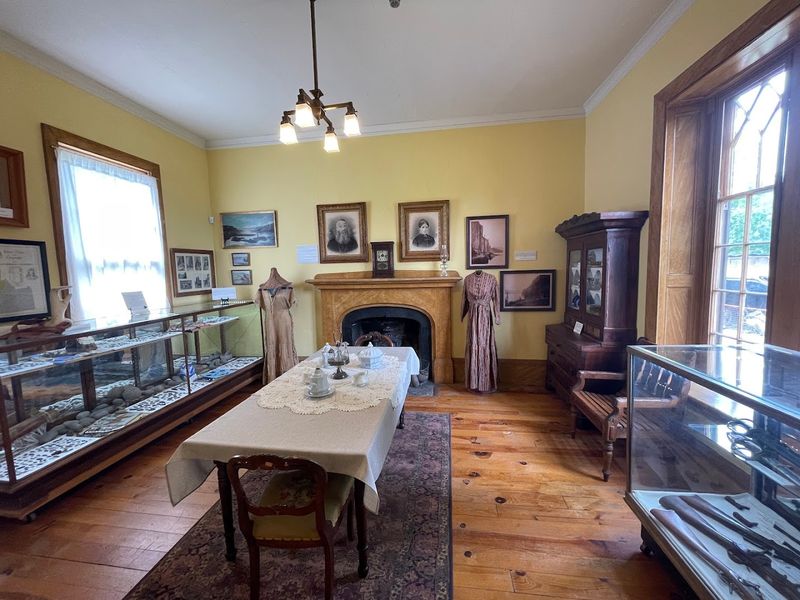
The people who work at Fort Dalles are a big part of what makes the visit memorable. I spent almost an hour talking with one of the docents near the entrance.
He knew the history of every room.
The docents here are not just reading from scripts. They share stories, answer odd questions, and point out details you would never notice on your own.
It feels like a conversation, not a tour.
One volunteer in particular has been described as keeping the museum in beautiful repair. That kind of personal investment shows in every corner of the property.
The grounds are clean, the exhibits are organized, and nothing feels neglected.
For families, this human element makes a big difference. Kids respond to enthusiasm and storytelling.
The staff here seem genuinely excited to share what they know, and that energy is contagious in the best possible way.
Pioneer Life Up Close: Artifacts You Can Actually Connect With
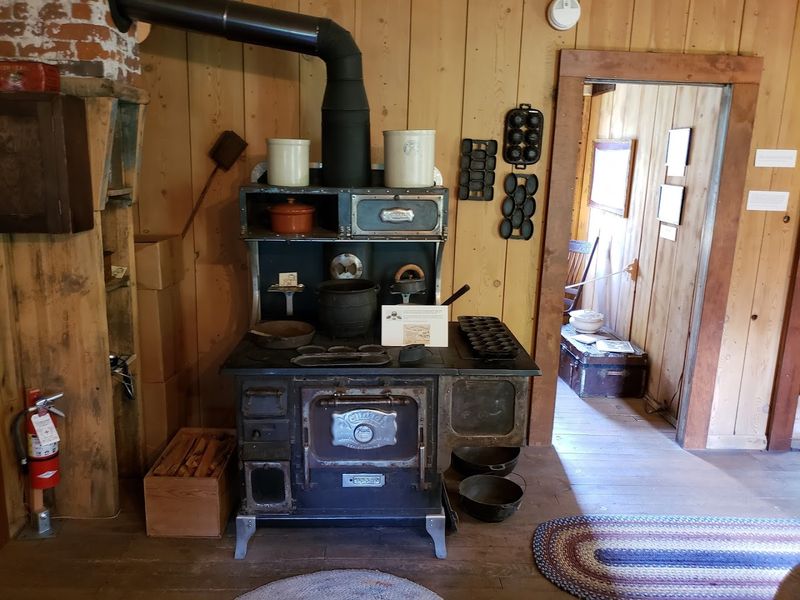
History museums can feel distant. Glass cases full of old objects do not always connect.
Fort Dalles manages to close that gap in a way that caught me off guard.
The artifacts here are arranged to feel personal. Old kitchen tools sit where a cook might have left them.
Clothing and personal items are displayed with context, not just labels.
Some areas of the museum allow touching. That small detail changes everything.
Running your hand across a 170-year-old wooden surface makes time collapse in a strange and wonderful way.
The collection covers military life, domestic life, and settler culture. You move between these worlds room by room.
Each space has its own mood and its own set of stories to tell.
One family described finding hidden items during a scavenger hunt style visit with their nine-year-old. That kind of interactive experience is rare in small museums.
Fort Dalles has found a way to make history feel like something you participate in, not just something you observe from a careful distance.
Planning Your Visit to Fort Dalles Museum and Anderson Homestead
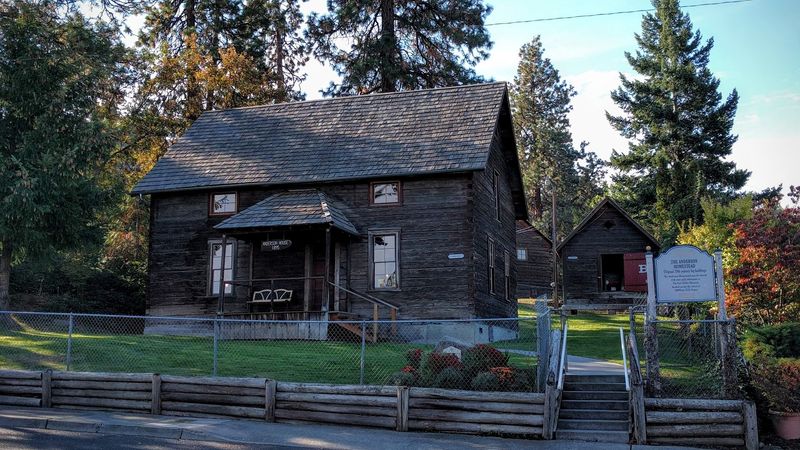
Fort Dalles Museum is open every day of the week. Hours run from 10 AM to 5 PM.
That schedule makes it easy to fit into almost any road trip through the Columbia River Gorge.
The museum sits at 500 W 15th and Garrison Street in The Dalles, Oregon. Parking is free and plentiful.
Getting there is straightforward from Interstate 84.
The grounds alone are worth a slow walk. Wagons, carriages, and historic outbuildings are visible from the exterior.
Some visitors tour just the grounds without going inside and still leave impressed.
Plan to spend at least an hour and a half here. Curious visitors often stay longer.
The combination of the fort history, the homestead, the carriage collection, and the resident cat makes this one of the most rewarding small museum stops in all of Oregon.
Dear Reader: This page may contain affiliate links which may earn a commission if you click through and make a purchase. Our independent journalism is not influenced by any advertiser or commercial initiative unless it is clearly marked as sponsored content. As travel products change, please be sure to reconfirm all details and stay up to date with current events to ensure a safe and successful trip.
