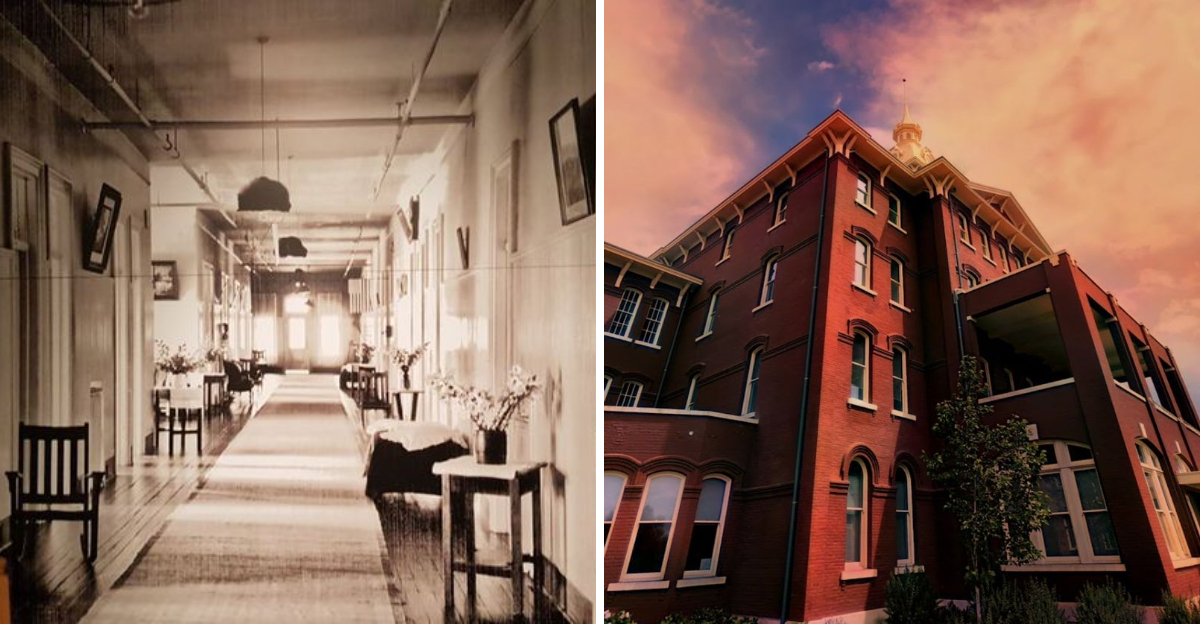
A historic hospital built in the 1880s stands in Oregon. It was designed to heal with light and fresh air.
Today, it is known as one of the most talked-about haunted locations in the state. The building became famous worldwide as the filming location for a classic 1975 movie.
Long after the film crews left, the abandoned parts of the hospital grew into something much creepier. The most unsettling discovery was a basement room filled with neglected copper urns.
They contained the cremated remains of former patients. More than three thousand urns were found stacked on shelves.
This dark chapter sparked outrage and eventually led to a memorial honoring those forgotten patients. The old building’s tunnels and empty wards still fuel tales of ghostly encounters.
Oregon is home to a place where history and the supernatural genuinely seem to collide. Visitors and locals alike share stories of unexplained sounds and shadowy figures.
Whether you believe in ghosts or not, the building carries a weight that is hard to ignore. A visit here offers a glimpse into both the state’s medical history and its haunted lore.
The Dark and Fascinating History of Oregon State Hospital
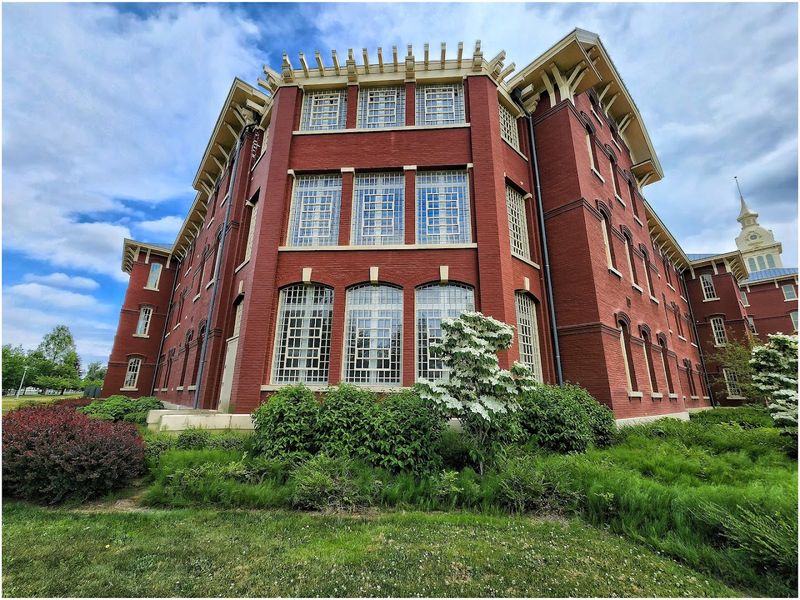
Oregon State Hospital opened its doors in 1883, making it one of the oldest psychiatric institutions in the entire Pacific Northwest. The original building was constructed with grand ambitions, meant to provide a humane refuge for people struggling with mental illness.
Over the decades, though, the reality inside those walls became far more complicated.
At its peak, the hospital housed over 3,500 patients, which was far beyond what the facility was designed to hold. Overcrowding became a serious and deeply troubling problem.
Staff were stretched thin, and patient care suffered in ways that are hard to imagine today.
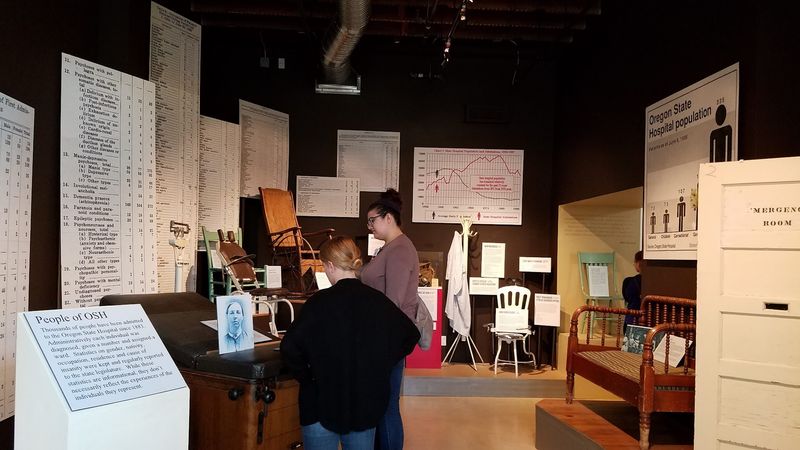
Walking through the museum exhibits, you feel the weight of those forgotten years pressing down on you. The history here is not comfortable, but it is absolutely essential to understand.
Oregon State Hospital shaped how the entire country eventually rethought mental health care.
That legacy, painful as it is, deserves to be remembered and studied with honesty and respect.
One Flew Over the Cuckoo’s Nest Connection
Most people recognize Oregon State Hospital the moment they hear one particular film title. Ken Kesey wrote his famous novel after working night shifts here as an orderly in the early 1960s.
What he witnessed during those long, quiet nights became the foundation for one of American literature’s most powerful stories.
Milos Forman’s 1975 film adaptation was actually shot on location inside the hospital. The ward you see in the movie is a real ward that real patients once lived in.
That fact alone sends a chill down your spine when you stand in those corridors today.
The museum dedicates meaningful space to this cultural connection. You can see props, photographs, and background details from the production.
Visitors who loved the film often find themselves standing quietly in those rooms, trying to reconcile fiction with the very real human suffering that inspired it.
It is one of those rare moments where art and history become completely inseparable from each other.
The Museum of Mental Health History Inside the Hospital
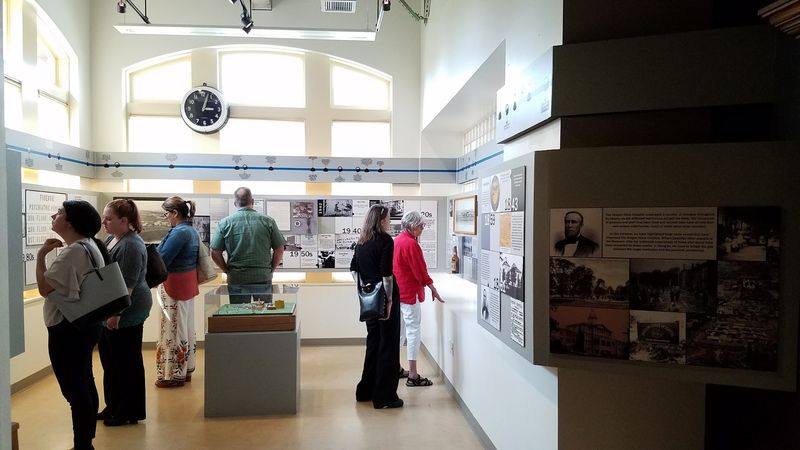
Right inside the hospital campus sits a museum that most people do not even know exists. The Museum of Mental Health opened to give visitors a thoughtful and honest window into the institution’s long history.
It is genuinely one of the most informative and moving small museums in the entire state of Oregon.
Exhibits walk you through treatment methods that were used across different eras. Some of those methods were compassionate for their time, while others are deeply disturbing by today’s standards.
The museum does not flinch from showing both sides of that complicated reality.
Plan to spend at least one to two hours here if you want to absorb everything properly. The displays are well-organized, clearly labeled, and thoughtfully curated.
Staff members are available and genuinely happy to answer questions or point you toward specific exhibits.
The experience leaves you thinking for days afterward about how society has treated vulnerable people, and how much further we still need to go as a community.
The Haunting Memorial for Forgotten Patients
One of the most emotionally striking things on the entire hospital campus is the memorial for patients whose remains were never claimed. For decades, the ashes of deceased patients sat stored in copper canisters inside the hospital’s basement.
Many of those individuals had been completely forgotten by their families and by society at large.
The memorial now displays these canisters in a dedicated, respectful space. Seeing hundreds of small containers lined up together is a deeply sobering experience that is hard to put into words.
Each canister represents a real human life, a person with a story that was largely erased by time and stigma.
Visitors often grow very quiet when they enter this room. There is nothing theatrical or dramatic about it.
The memorial simply asks you to acknowledge that these people existed and that they mattered. For many who visit, this is the single most powerful moment of their entire time at Oregon State Hospital.
It stays with you long after you leave the building.
Ghost Stories and Paranormal Reports from the Grounds
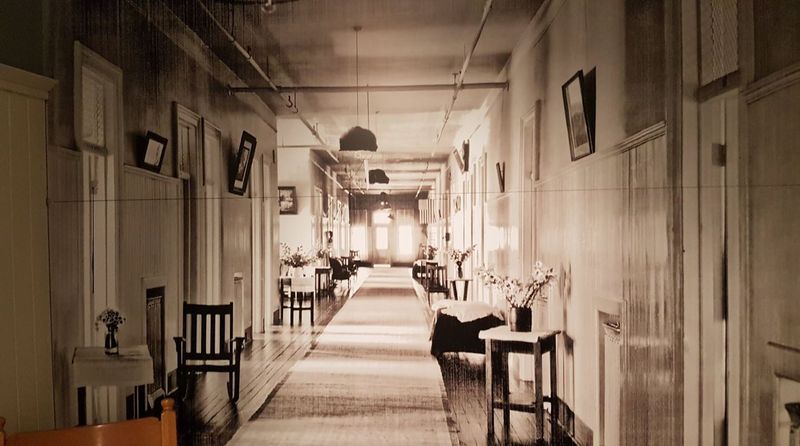
Spend any time reading about Oregon State Hospital online and the ghost stories start appearing almost immediately. The sheer volume of human suffering that occurred within these walls over more than a century seems to have left something behind, at least according to many visitors and investigators who have come here.
Reports include unexplained sounds in empty hallways, sudden cold spots in rooms with no ventilation, and flickering lights in areas that have no electrical issues. Some paranormal investigators have spent nights on the property and returned with recordings they find difficult to explain away logically.
Whether you believe in ghosts or not, the atmosphere here is genuinely unsettling after dark. The old wings of the building carry a heaviness that is hard to shake.
Even skeptics tend to walk a little faster through certain corridors. The combination of real historical trauma and architectural decay creates an environment that feels charged with something just beyond ordinary explanation.
You do not need to believe in the supernatural to feel it.
The Architecture and Grounds of the Historic Campus
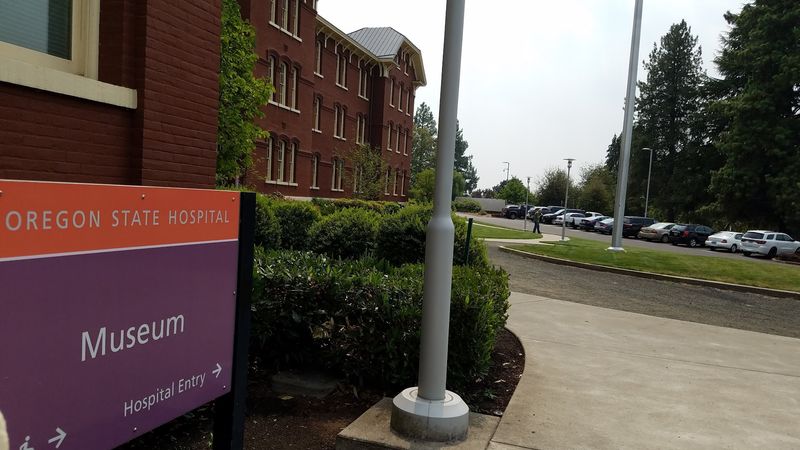
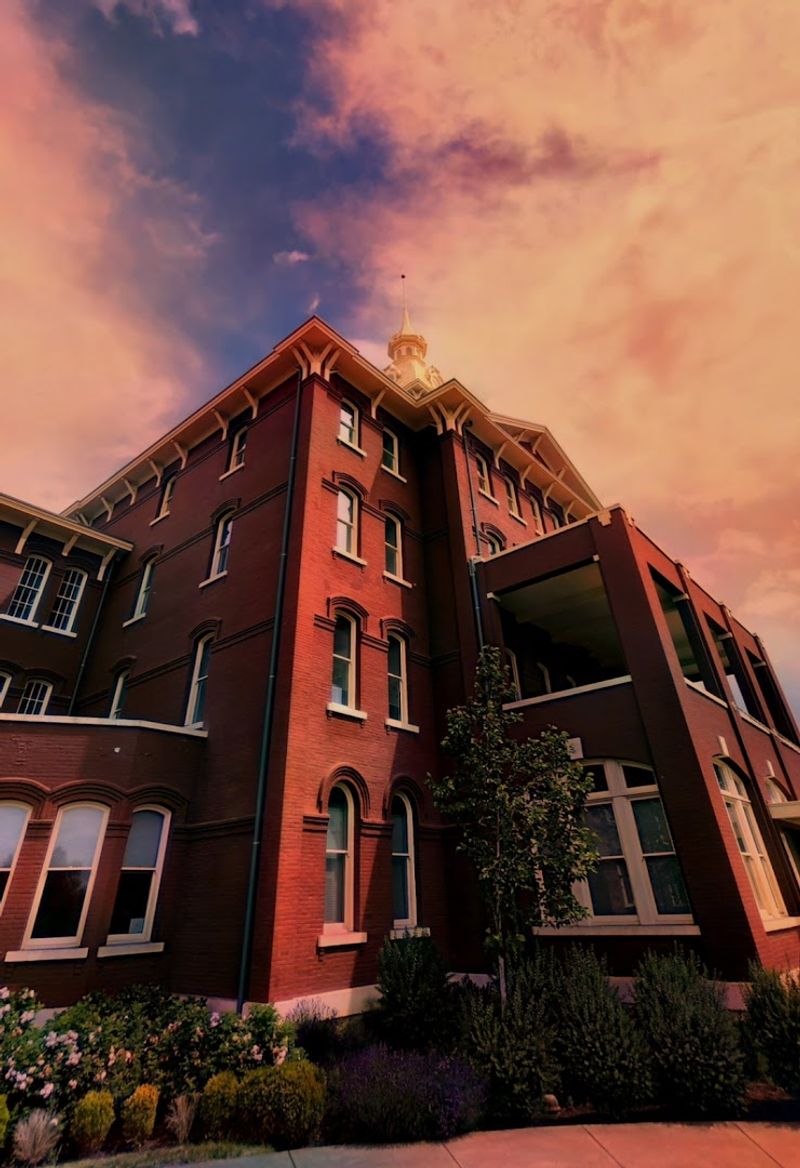
The physical presence of Oregon State Hospital is striking before you even step inside. The original Kirkbride-influenced architecture was designed with the belief that beautiful surroundings could actually help heal troubled minds.
The buildings are massive, dignified, and strangely beautiful despite everything that happened inside them.
The grounds themselves are surprisingly well-maintained and peaceful. Mature trees line the pathways between buildings, and the lawns stay green and carefully trimmed throughout the warmer months.
There is a strange contrast between the calm exterior and the turbulent history contained within those thick brick walls.
Architecture enthusiasts will find plenty to appreciate here beyond the historical context. The craftsmanship in the older buildings reflects a period when public institutions were built with genuine pride and permanence in mind.
Walking the perimeter of the campus gives you a sense of just how large and self-contained this community once was.
At its height, the hospital operated almost like a small town, with its own farm, bakery, and workshops.
How Oregon State Hospital Changed Mental Health Policy
The troubled history of Oregon State Hospital did not just fade quietly into the past. It became a catalyst for serious and lasting changes in how Oregon and the broader United States approached mental health care.
The problems exposed here helped drive reform movements that reshaped policy for generations.
Overcrowding, patient rights violations, and inadequate treatment conditions eventually attracted national attention. Legal challenges and advocacy efforts forced the state to confront what was happening inside those walls.
The resulting reforms changed funding structures, patient rights protections, and treatment standards in meaningful and lasting ways.
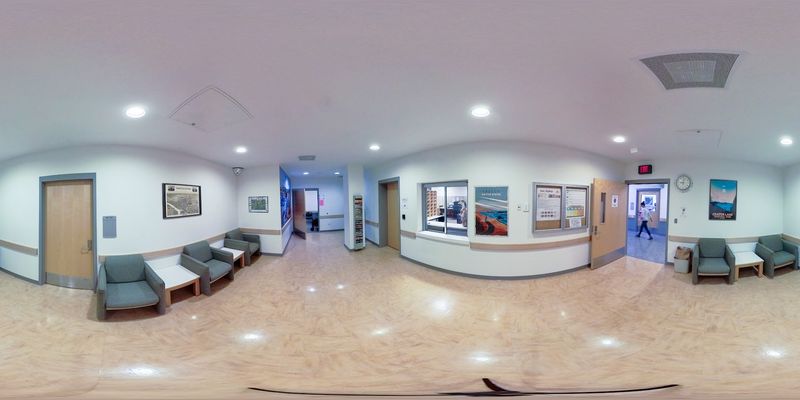
The hospital operating today looks very different from what existed fifty years ago. Modern Oregon State Hospital is a fully functioning psychiatric facility with updated buildings opened in 2008.
The new facility prioritizes patient dignity, privacy, and therapeutic environments in ways the old building never could. The painful history did not disappear, but it did eventually push the system toward something more humane.
That transformation is part of what makes this place so worth understanding.
Visiting the Hospital Campus as a Tourist or History Enthusiast
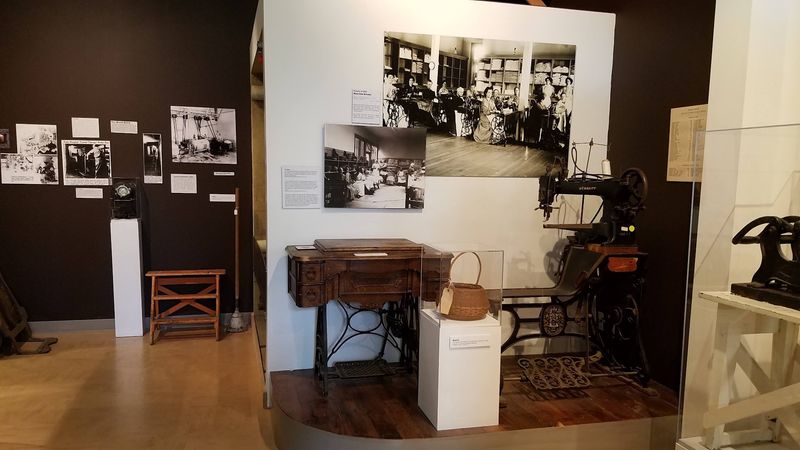
Visiting Oregon State Hospital is a genuinely unique experience that sits somewhere between history museum and emotional journey. The museum portion of the campus is open to the public and welcomes curious visitors who want to understand this place on a deeper level.
Staff members are friendly, patient, and clearly proud of the work they do to preserve this history.
The best approach is to give yourself plenty of unhurried time. Rushing through the exhibits means missing the smaller details that often carry the biggest emotional weight.
Reading the individual patient stories displayed throughout the museum transforms abstract history into something immediate and personal.
The memorial room deserves a quiet visit on its own. Sit with it for a few minutes rather than passing through quickly.
The hospital is located at 2600 Center St NE in Salem, making it easy to find and accessible from central parts of the city.
The Role of Oregon State Hospital in Popular Culture
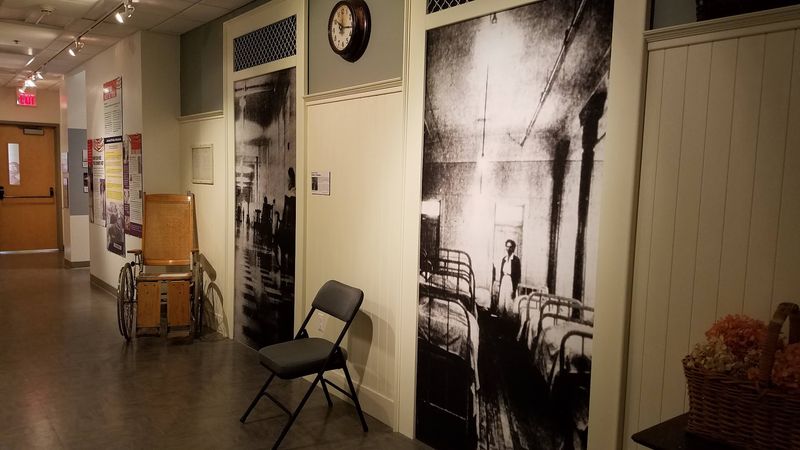
Beyond the Cuckoo’s Nest connection, Oregon State Hospital has seeped into popular culture in ways that continue to shape how Americans think about psychiatric institutions. The image of the long institutional hallway, the locked ward, the patient in a hospital gown, much of that visual language traces back to this specific place and the stories told about it.
Documentaries, podcasts, and journalism pieces have all returned to this campus repeatedly over the years. Each new generation of storytellers finds something here worth examining.
The hospital represents a kind of cultural mirror, reflecting society’s fears, failures, and occasional moments of genuine compassion toward people with mental illness.
That cultural weight is something you feel when you visit in person. You arrive carrying images from films and books, and then reality slowly replaces those borrowed pictures with something more textured and true.
The real hospital is messier, sadder, and ultimately more interesting than any fictional version of it.
What Oregon State Hospital Feels Like Today
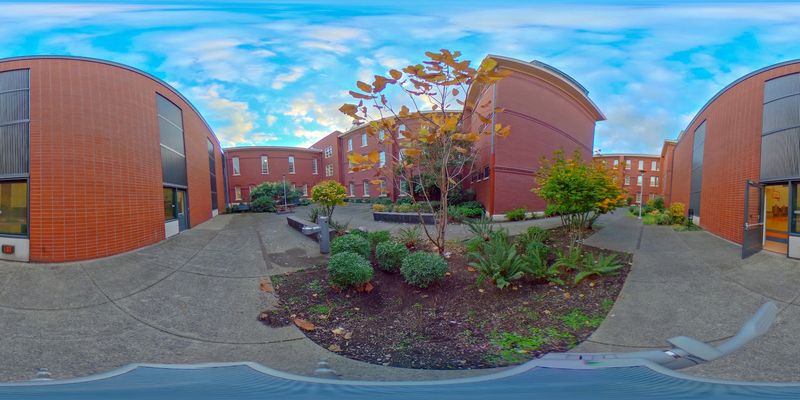
The Oregon State Hospital operating today is a completely different physical environment from the crumbling historic wings that once defined this campus. The new facility opened in 2008, and its designers made patient comfort and therapeutic healing central priorities.
Natural light floods the corridors, and private rooms replaced the crowded shared wards of the past.
Still, the old campus energy lingers in a way that is hard to fully explain. The historic buildings still stand nearby, and their presence creates a constant conversation between past and present.
You cannot look at the new facility without thinking about what came before it and why the change was so urgently needed.
For visitors, the overall feeling is one of complicated hope. Progress happened here, real and documented progress, but the path to get there was long and painful.
Oregon State Hospital today proves that broken systems can reform when enough people refuse to look away.
