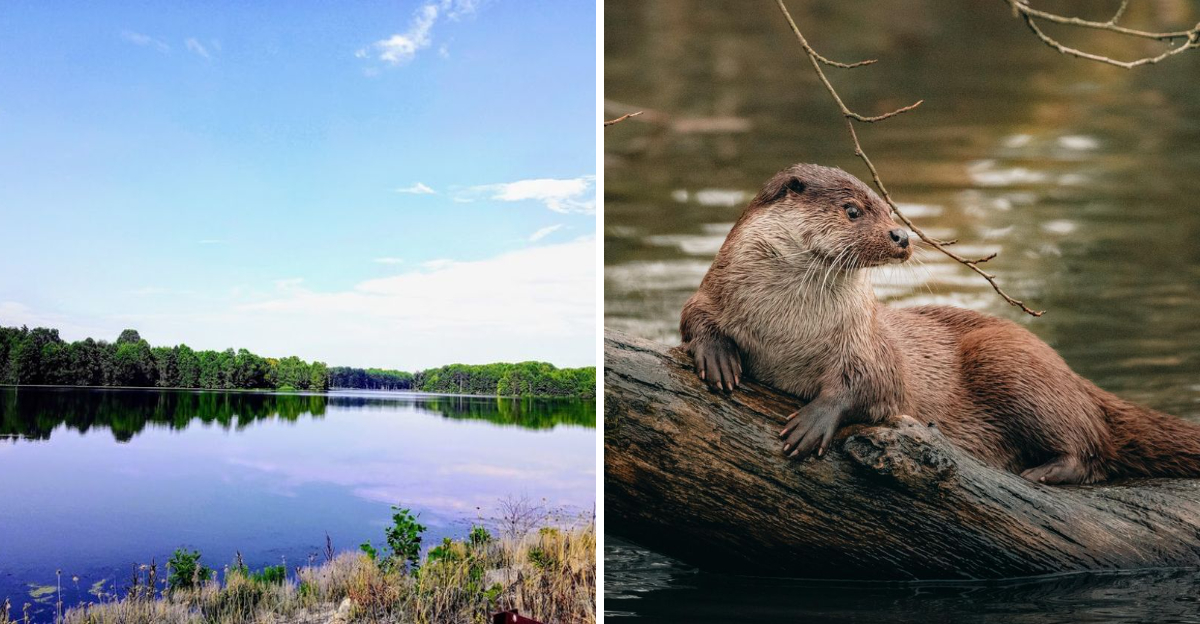
I never expected a quiet stretch of southern Indiana to stop me in my tracks the way this national wildlife refuge did. Spanning thousands of protected acres, it feels like a world completely apart from the everyday rush of life.
The moment I pulled onto the auto loop and spotted a bald eagle perched low over the water, I understood why people keep coming back here season after season. It is one of those places that rewards curiosity.
Whether you are a lifelong birder, a family looking for a free outdoor adventure, or someone who simply needs a breath of fresh air, this refuge delivers something real and unforgettable.
The 4-Mile Auto Loop Puts Wildlife Right Outside Your Window
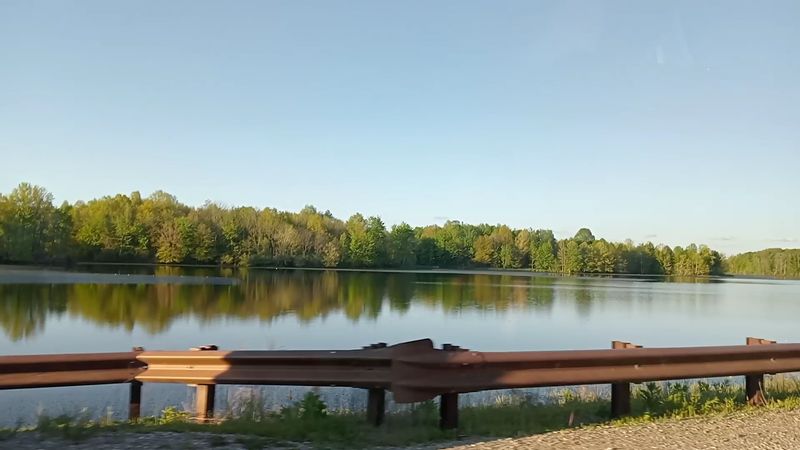
Not everyone wants to lace up hiking boots to experience wildlife, and that is exactly where the auto loop at Muscatatuck National Wildlife Refuge earns its reputation. The 4-mile driving route winds through restored wetlands, open marshes, and wooded stretches that feel genuinely wild.
You do not need any special gear or athletic ability to enjoy it.
Pull up slowly near any of the water overlooks and you might spot great blue herons standing motionless at the shoreline, or a family of wood ducks gliding between lily pads. The loop is designed so that visitors can stop freely, roll down a window, and simply watch.
It is that easy and that rewarding.
What makes this loop special is how the landscape shifts as you drive. One moment you are moving through open sky above a marsh, and the next you are under a canopy of mature trees.
Seasonal changes transform the experience entirely, making repeat visits feel fresh every time. Fall brings turning maples and dropping persimmons, while winter opens up long sightlines perfect for spotting raptors.
The auto loop is free, open year-round, and accessible for visitors of all ages and mobility levels. Families with young children and older adults who prefer driving over hiking will find it especially welcoming.
Bringing binoculars along makes the whole experience even richer.
River Otters Call This Refuge Home
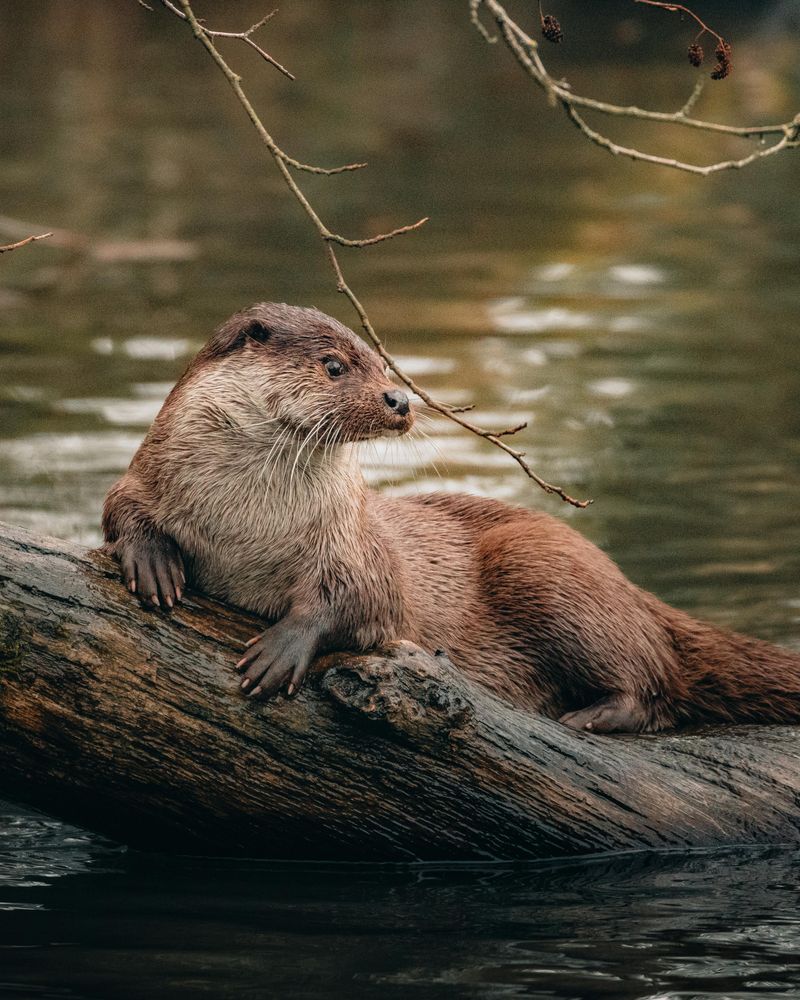
River otters are not something most Indiana residents expect to see close to home, which makes spotting one at Muscatatuck feel like winning a small lottery. The marsh areas along the auto loop and hiking trails provide ideal habitat for these playful, fast-moving mammals.
They are most active during early morning and late afternoon hours, so timing your visit around those windows gives you the best shot.
Otters are territorial and tend to return to the same water areas regularly. If you park quietly near one of the marshy stretches and give it some time, patience pays off.
Watching an otter slip in and out of the water, rolling and hunting along the bank, is genuinely one of the most entertaining wildlife moments you can have in this state without traveling far.
The refuge has worked hard over decades to restore wetland habitat specifically because species like the river otter depend on healthy, connected water systems. That restoration work is visible everywhere you look.
The clarity of the water, the density of aquatic vegetation, and the sheer variety of wildlife present all reflect years of careful management. Bringing a good pair of binoculars or a camera with a zoom lens will help you observe without disturbing the animals.
The otters here are wild, and keeping a respectful distance makes the experience better for everyone involved.
Bald Eagles Make Regular Appearances Here
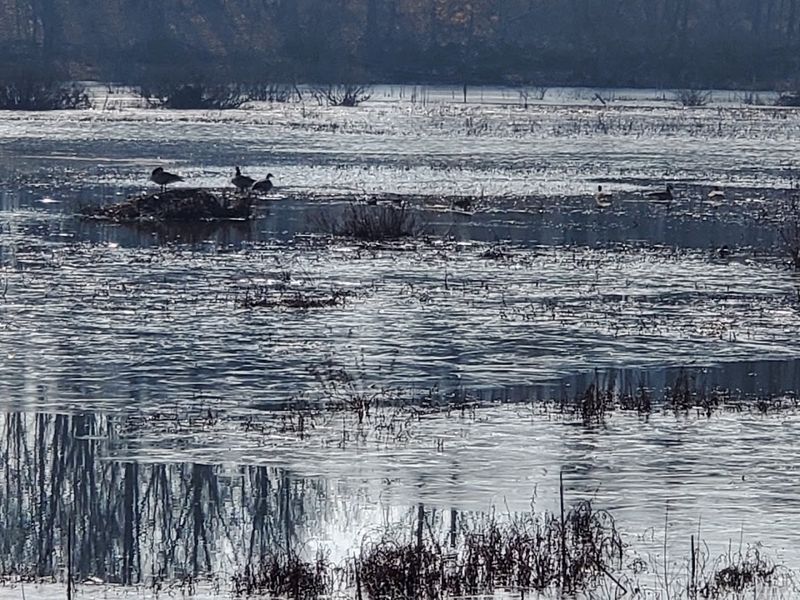
Few wildlife sightings carry the same emotional weight as watching a bald eagle circle low over open water. At Muscatatuck National Wildlife Refuge, that experience is not rare.
Bald eagles have become regular visitors, particularly during the colder months when the open wetlands offer excellent hunting grounds for fish and waterfowl.
Winter is arguably the best season for eagle watching here. As migratory waterfowl concentrate on the refuge ponds and lakes, eagles follow.
Driving the auto loop on a cold January morning can turn into something remarkable, with multiple eagles visible from a single vantage point. The bare trees make spotting them from a distance much easier than in summer.
What I find most moving about seeing a bald eagle in a place like this is understanding the story behind it. Bald eagle populations plummeted dramatically in the 20th century due to habitat loss and the effects of pesticides.
Conservation efforts and habitat protection at refuges like Muscatatuck have played a real role in bringing them back. Seeing one here is not just a beautiful moment.
It is a reminder that restoration works when people commit to it. The refuge visitor center near the entrance has informative displays that explain the local wildlife history in detail, making the eagle sightings feel even more meaningful once you understand the context behind them.
Restored Wetlands Offer a Living Lesson in Conservation
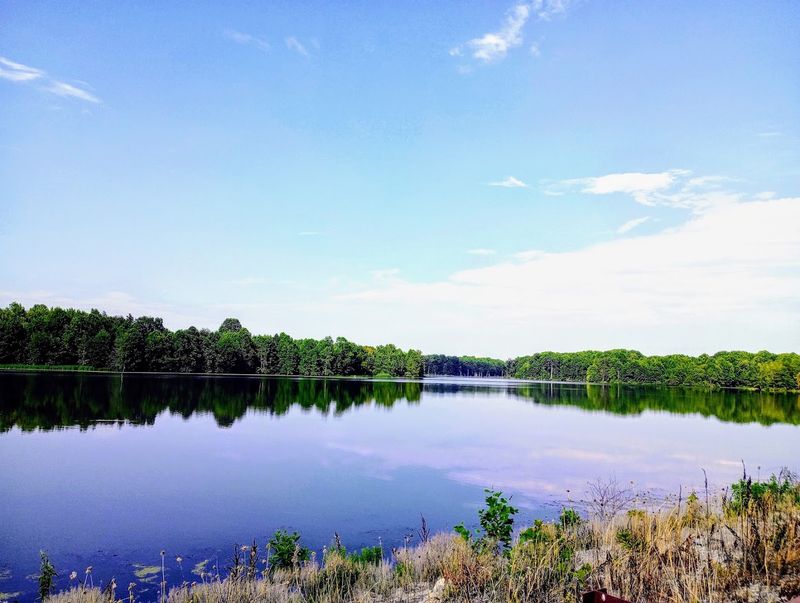
Muscatatuck is one of the oldest national wildlife refuges in Indiana, and the wetland restoration work that has happened here over the decades is genuinely impressive. Much of the land was drained farmland before the refuge was established in 1966.
The process of converting those fields back into functioning wetland ecosystems took years of careful, science-based effort.
Today the results are visible in every direction. Ponds, lakes, and marshes cover large portions of the refuge, supporting an enormous variety of wildlife.
Wading birds, migratory waterfowl, turtles, frogs, fish, and mammals all depend on these restored habitats. The biodiversity here is a direct result of that long-term conservation commitment.
For visitors who want to understand how wetland restoration actually works, the refuge visitor center provides clear and engaging exhibits. Staff members are knowledgeable and genuinely enthusiastic about sharing what they know.
The center also has a small gift shop worth browsing. Beyond the educational side, walking near the wetlands simply feels grounding.
The sound of frogs calling, the sight of dragonflies skimming the surface, and the smell of water and vegetation create a sensory experience that is hard to replicate anywhere else. Lake Linda, one of the larger water bodies on the refuge, now features a newer dock that is also handicap accessible, making the wetland edge reachable for more visitors than ever before.
The Myers Cabin Brings History Into the Natural Experience
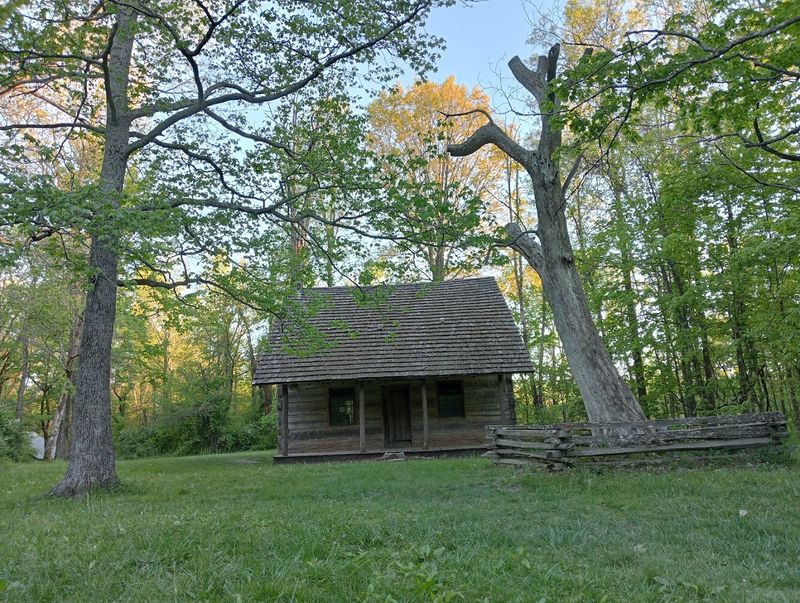
History and nature come together at the Myers Cabin, one of the most distinctive landmarks inside Muscatatuck National Wildlife Refuge. The old log structure sits within the forested interior of the refuge and gives visitors a tangible connection to the people who lived on this land long before it became a protected area.
Getting to the cabin involves a walk through some of the quieter sections of the refuge, which is part of the appeal. The trail takes you through mature woodland, and depending on the season, you might hear woodpeckers overhead or spot a deer moving through the underbrush.
The cabin itself is modest, but its presence in the middle of all that wild land gives it a weight that photographs do not fully capture.
Near the cabin, the Meyer Cemetery sits even deeper into the woods. Reaching it requires navigating trails that can become overgrown during late spring and summer, particularly due to invasive multiflora roses that crowd the path.
Visiting in early spring or late fall gives you the clearest access. The cemetery is small and quiet, but it adds another layer of meaning to the landscape.
Knowing that families once farmed and lived on this exact ground, and that the land has since returned to a wilder state, makes the entire refuge feel more layered and alive. It is worth the extra effort to find both spots.
Year-Round Birding Makes Every Season Worth the Trip
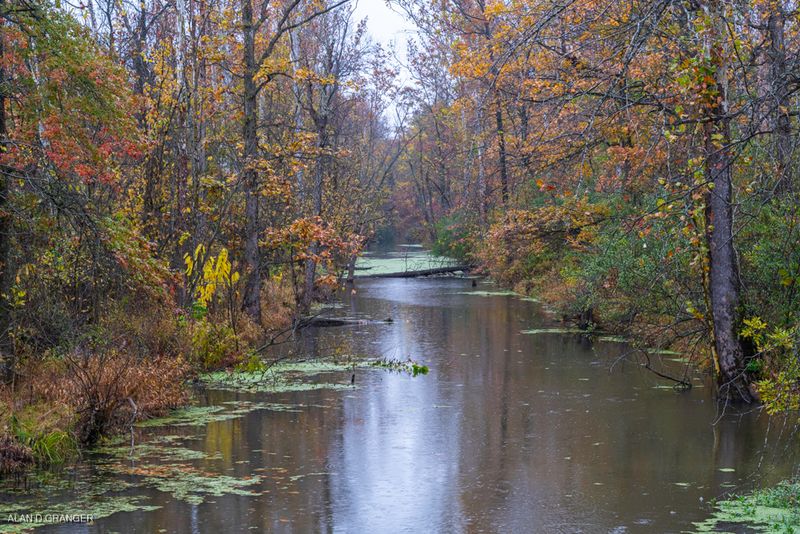
Birding at Muscatatuck is genuinely a four-season activity, and that is not something you can say about many places in Indiana. Spring migration brings waves of warblers, shorebirds, and waterfowl moving through the refuge.
Summer settles into nesting season, when herons, egrets, and red-winged blackbirds are active and vocal throughout the wetlands.
Fall migration rivals spring in sheer volume, with the added spectacle of Sandhill Cranes passing through. Visitors who time their trips around the crane migration report some of the most dramatic wildlife moments of their lives.
The sound of hundreds of cranes calling overhead on a clear October morning is something you carry with you long after the drive home.
Winter strips back the foliage and opens up long sightlines across the marshes and ponds. That is when raptors become the main event.
Bald eagles, red-tailed hawks, and northern harriers hunt the open water edges, often visible from the warmth of your car on the auto loop. The refuge has been described by regular visitors as a place that rewards year-round commitment because it truly does change every single visit.
Keeping a life list here would fill up quickly. Beginners and experienced birders alike find Muscatatuck accessible and rich.
The informational signage throughout the refuge helps identify species and habitats, making it a genuinely educational outing for families and solo visitors.
Nearby Seymour Adds Easy Stops Before or After Your Visit
Seymour, Indiana is the kind of town that takes care of its visitors without making a fuss about it. After a morning at the refuge, the drive into town feels natural, and there are several spots worth knowing about before you go.
Shields Tavern, located at 109 W 2nd St, Seymour, IN 47274, has been a local gathering spot for years and serves straightforward American food in a relaxed setting. For something lighter, the Bread Basket Bakery and Cafe at 105 S Chestnut St, Seymour, IN 47274 is a popular choice for fresh-baked goods and casual meals that hit the spot after a few hours outdoors.
Freeman Municipal Airport Park, located near the airport on the west side of Seymour, offers a simple open-air stop if you want to stretch your legs in a different setting.
The Seymour area also has the Jackson County Public Library at 303 W 2nd St, Seymour, IN 47274, which occasionally hosts nature-related programs and community events. The town has grown steadily while keeping a genuinely local feel that Indiana residents will recognize immediately.
Combining a morning at Muscatatuck with an afternoon in Seymour makes for a full and satisfying day trip without requiring any complicated planning. The refuge itself is free to enter, which means your biggest investment is time, and that is one worth making without hesitation.
Dear Reader: This page may contain affiliate links which may earn a commission if you click through and make a purchase. Our independent journalism is not influenced by any advertiser or commercial initiative unless it is clearly marked as sponsored content. As travel products change, please be sure to reconfirm all details and stay up to date with current events to ensure a safe and successful trip.
