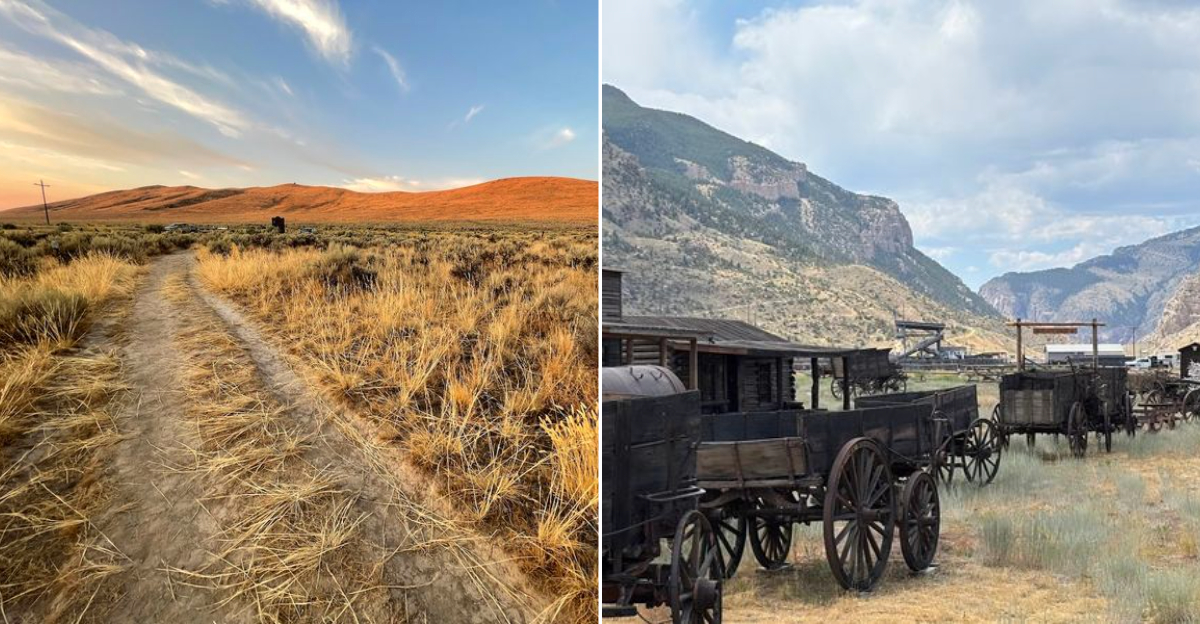
Your boots crunch on a path of volcanic ash and sage, the only sound the wind across a high desert plateau. You are walking in the literal footsteps of pioneers.
This 4.2 mile trail in Oregon follows an abandoned wagon route from 1862, the very year the road was officially shut down. The centerpiece is a preserved stretch where the violent scars of wagon wheels are still visible, cut a foot deep into the rocky soil.
At the trailhead, you can trace the route of a once-dreaded obstacle that ended many a pioneer’s dream. Interpretive signs share the recorded voices of actual emigrants describing the sheer terror of the descent.
So which iconic Oregon hiking trail leads you directly into 19th century history, past volcanic landscapes and deep wagon ruts?
Lace up your boots, bring water, and walk where thousands once walked toward an uncertain future.
Start At The Trailhead
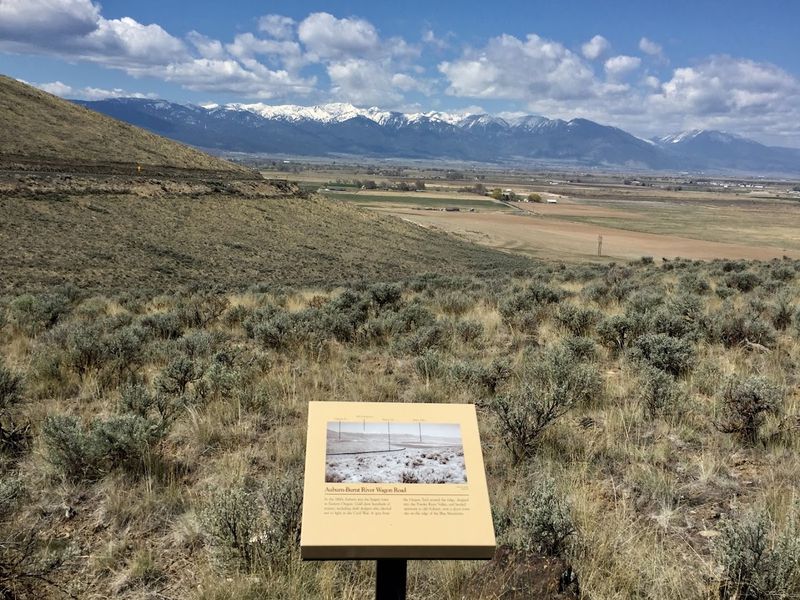
The first thing I would tell you is to take a minute at the trailhead before you rush off, because this spot does a lot of quiet scene-setting without trying too hard. Out near Baker City, the land opens up in that familiar eastern Oregon way, where everything feels broad, dry, and honest, and your eyes keep wandering farther than you expect.
It already feels different from a regular day hike, mostly because you know this ground carries a story that is bigger than the walk itself.
I like starting slow here, reading the signs, looking at the contours, and getting a feel for where the old route once pushed across the landscape. The trailhead makes the whole hike easier to understand, especially if you have never stood near preserved wagon traces before and want a little context before the first stretch unfolds.
You are not just heading toward a view, and that changes the mood right away in a way I really appreciated.
By the time you step onto the path, the modern world already feels a little softer around the edges, which is a big part of the appeal. There is space to breathe, space to think, and just enough history in the air to make each step feel grounded.
Honestly, it is one of those starts that pulls you in without any drama at all.
The Wagon Ruts Hit Different
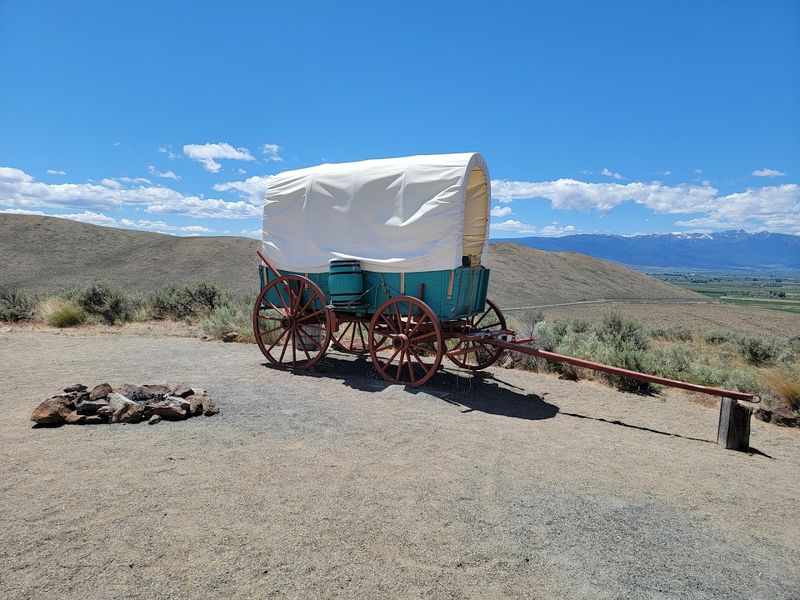
Once you start noticing the wagon ruts, the whole hike shifts from interesting to strangely emotional, and that surprised me more than I expected. You can read about trail remnants all day, but seeing those lines pressed into the earth makes the migration west feel immediate in a way books never quite manage.
Around Baker City, Oregon, those marks are subtle in places and clearer in others, which somehow makes them feel even more real.
I kept catching myself staring at the ground and then looking up at the hills, trying to imagine the effort it took to move through this country with animals, wagons, supplies, and all that uncertainty. The trail is quiet now, but the ruts carry this lingering sense of motion, like the route still points forward even after all this time.
That contrast is what stayed with me most, because the silence today almost amplifies the human story instead of hiding it.
If you like hikes that give you something to think about while you walk, this is where the place really gets under your skin. Nothing feels staged, and that matters, because it lets the landscape speak in its own way.
You are looking at traces left by ordinary people doing something unbelievably hard, and that lands with real weight.
Big Sky Changes The Mood
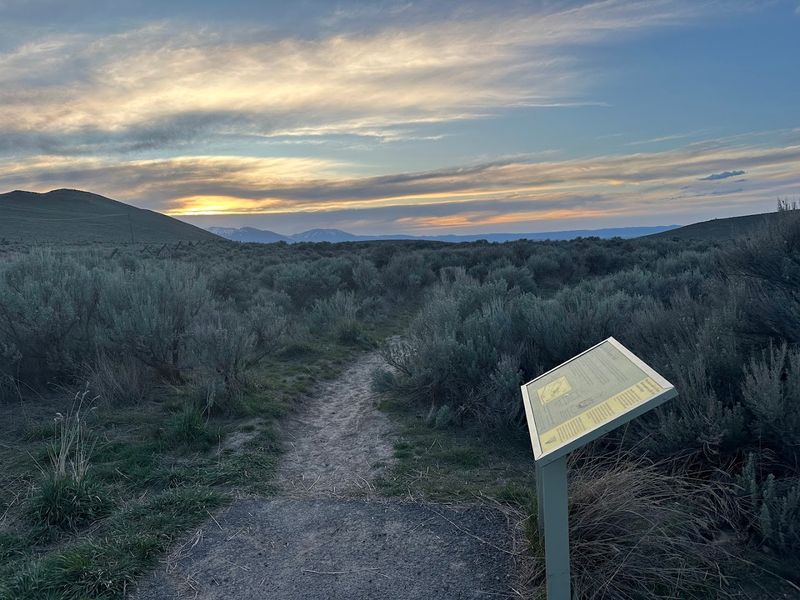
What really sneaks up on you out here is the sky, because it is so wide and open that it changes the emotional feel of the walk. You are moving through a landscape that does not crowd you, and that sense of exposure makes the old route easier to imagine in a very physical way.
Eastern Oregon has a way of making people feel small without making the experience feel harsh, and this trail leans into that beautifully.
I found myself slowing down for no practical reason at all, mostly because the views kept asking for a longer look than I planned to give them. The hills roll away in these soft, dry shapes, and the light keeps moving across them in a way that makes the terrain feel alive rather than static.
It is not flashy scenery, and honestly that is part of why it works so well, because nothing distracts from the land itself.
If you are used to forest hikes where everything feels enclosed, this one opens the world back up and lets your thoughts stretch out with it. That openness also helps explain why this corridor mattered so much to people heading west through Oregon.
You can feel the scale of the journey a little better when the horizon keeps refusing to come closer.
History Feels Close Out Here
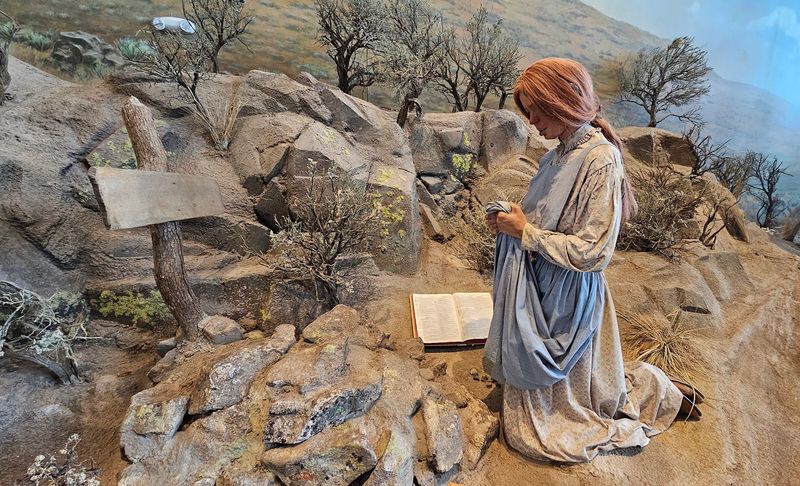
Some historic places keep the past behind glass, but this walk does something much more intimate, and I think that is why it sticks with people. You are out in the same kind of terrain emigrants crossed, dealing with the same sun, the same wind, and the same long views that would have shaped every hard decision.
Even without much imagination, the setting makes history feel uncomfortably close in the best possible way.
I do not mean close in a theatrical sense, because there is nothing overdone about it, and that restraint makes the experience stronger. The route feels grounded in daily effort, which means you start thinking less about grand legends and more about ordinary bodies trying to keep moving.
That perspective hit me hard, especially in a place near Baker City where the land still holds visible reminders of the trail itself.
If you bring a friend who says they are not really into history, this is the kind of place that can quietly change their mind. The story comes through the ground, the distance, and the simple physical reality of walking where others once struggled forward.
By the end, you are not memorizing facts so much as feeling the weight of what that movement across Oregon actually meant.
The Quiet Is Part Of It
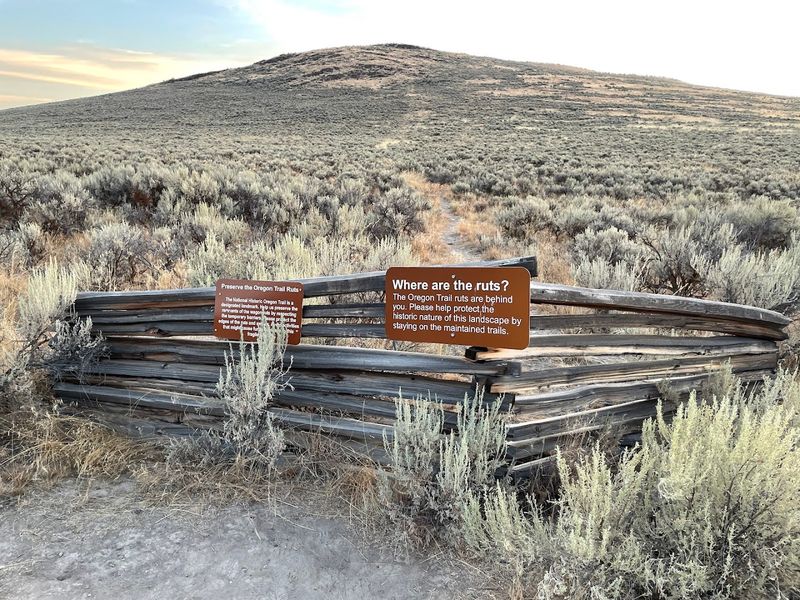
One thing I did not expect was how much the quiet would shape the whole experience, because it is not just peaceful, it is meaningful. Out on this trail, the lack of noise leaves room for the place itself to come forward, and that gives the walk a reflective quality without making it feel heavy.
You hear the wind, maybe birds, your own footsteps, and that is about it, which feels right for a route tied to such a long journey.
I kept thinking that this kind of silence lets you notice details you might miss elsewhere, like changes in the soil, the curve of old traces, or how the land directs movement. There is no constant distraction pulling your attention away, so your mind starts following the terrain the way travelers once had to.
That connection sounds a little dreamy when written down, but in person it feels simple and natural.
If your favorite hikes are the ones that let your thoughts settle into a steady rhythm, this stretch near Baker City really delivers that kind of calm. It is not empty in a lifeless way, and that distinction matters, because the place feels deeply inhabited by memory.
By the time you turn back, the quiet has done half the storytelling for you without saying a word.
You Really Feel The Effort
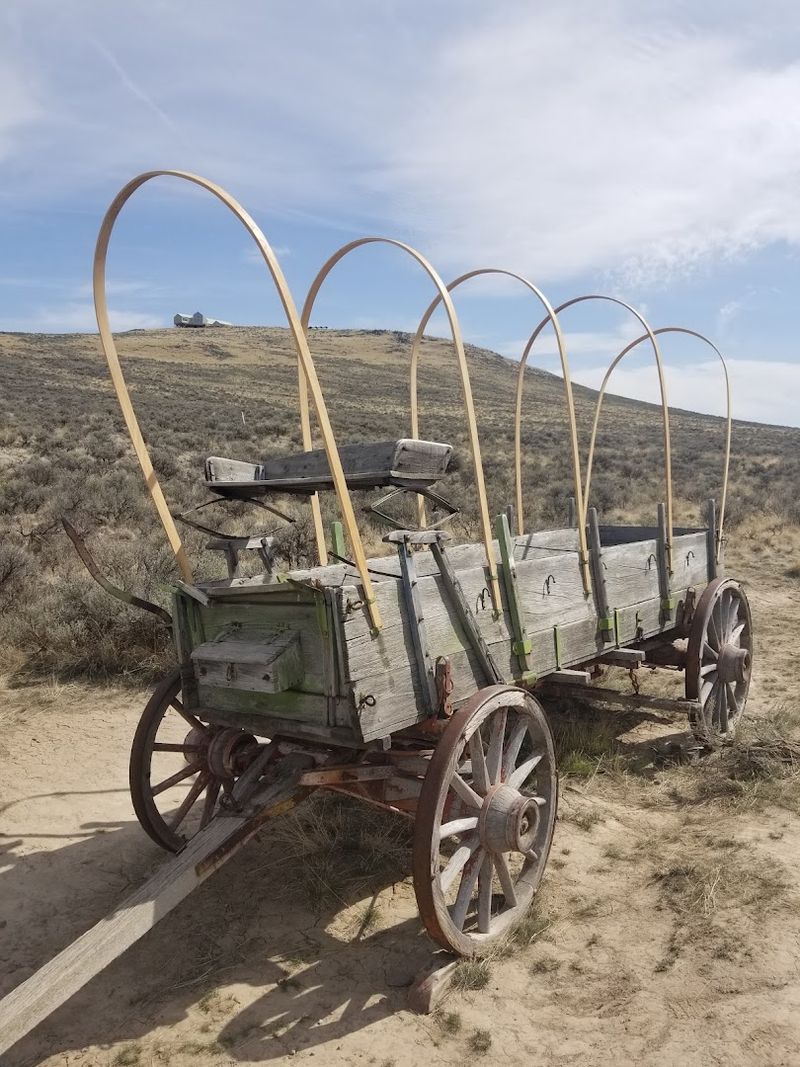
There is a physical honesty to this trail that I really liked, because even on a casual walk you start sensing how demanding this country could be. The grades, the exposure, and the long sweep of the terrain remind you that movement here has never been effortless, especially for people coming through with animals and wagons.
You do not need the route to be extreme for that realization to land, and in some ways the moderate feel makes the comparison even sharper.
I found myself paying attention to things I usually ignore, like where the ground firms up, where a slope would slow you down, and where a pause would probably feel necessary. Those little observations make the history more physical and less abstract, which is one reason this hike feels richer than a standard scenic trail.
In Oregon, so much of the pioneer story can sound flattened by repetition, but walking terrain like this gives it muscle again.
If you come here expecting only views, you will get them, but the real impact comes from noticing effort baked into the landscape itself. The route makes you think with your body as much as your mind, and I mean that in the best way.
It leaves you with a humbler sense of distance, labor, and what it actually meant to keep going west.
Watch The Light Across The Hills
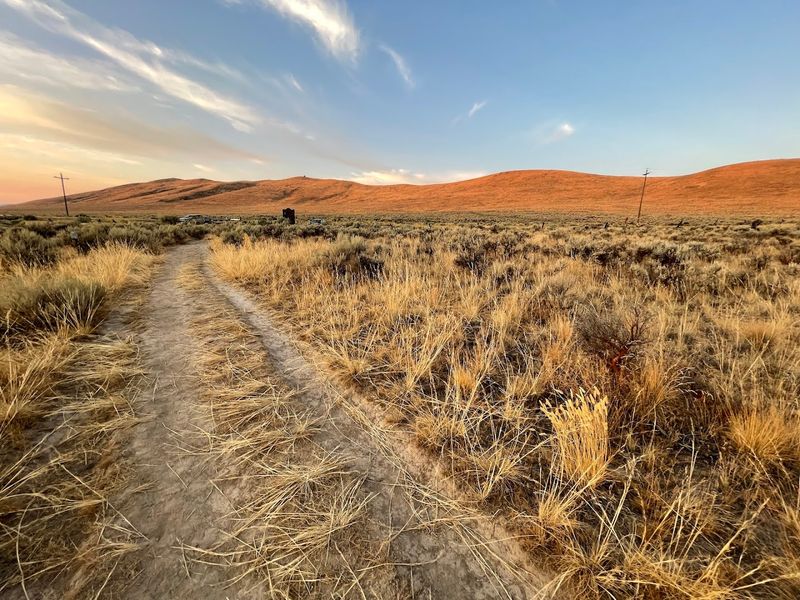
The light out here deserves its own mention, because it keeps changing the trail even when the route itself stays simple and steady. On a clear day, the hills around Baker City catch shadow and brightness in these slow-moving bands that make the whole place feel more textured than it first appears.
I am always a little amazed by how much atmosphere a spare landscape can hold when the sun starts shifting across it.
This matters for more than just pretty scenery, because the moving light also sharpens your sense of terrain and distance. You begin to notice ridges, folds, and worn lines in the ground with a little more clarity, and that makes the historical side of the walk feel stronger too.
Oregon landscapes can be subtle like that, giving you more the longer you stay patient with them instead of handing everything over at once.
If you have any choice about timing, I would lean toward the softer parts of the day when the colors warm up and the contours stand out. The trail feels calmer then, and the whole setting settles into itself in a really satisfying way.
It is the kind of light that makes you stop mid-sentence, look out for a second, and think, okay, now I get why this place stays with people.
Leave Time To Sit With It
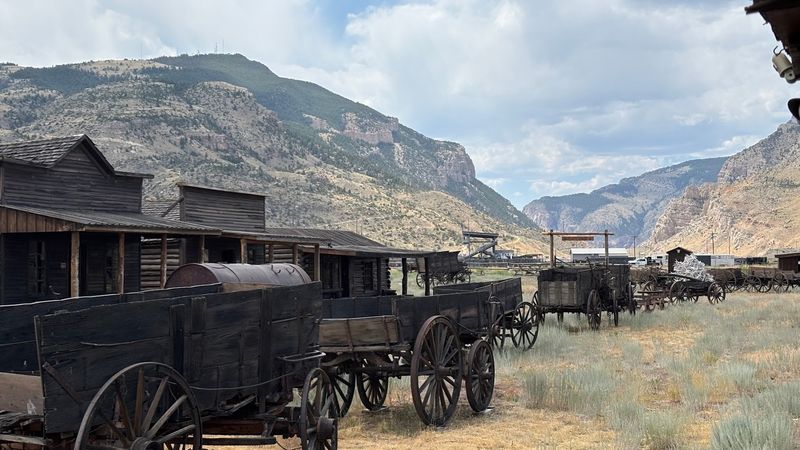
The last thing I would say is do not treat this like a box to check, because the trail is better when you leave room for it to sink in. I mean actually pause for a bit, look out over the landscape, and let your brain catch up with what your feet have been moving through.
Near Baker City, that extra time changes the outing from a nice walk into something more memorable and a lot more personal.
I found that the details lingered most when I stopped trying to organize the experience into neat little travel notes. The old route, the open country, and the quiet all work together best when you let them be a little messy and human, which feels fitting for a place tied to migration and uncertainty.
There is something grounding about ending a hike with more questions than tidy conclusions, especially on a landscape with this much history under it.
So yes, come for the Oregon Trail story, come for the visible traces, and come because you want a walk that feels connected to something larger than itself. Just give it enough time to breathe around you before you head back out.
That is when the place stops being just interesting and starts feeling like somewhere you will keep replaying later.
