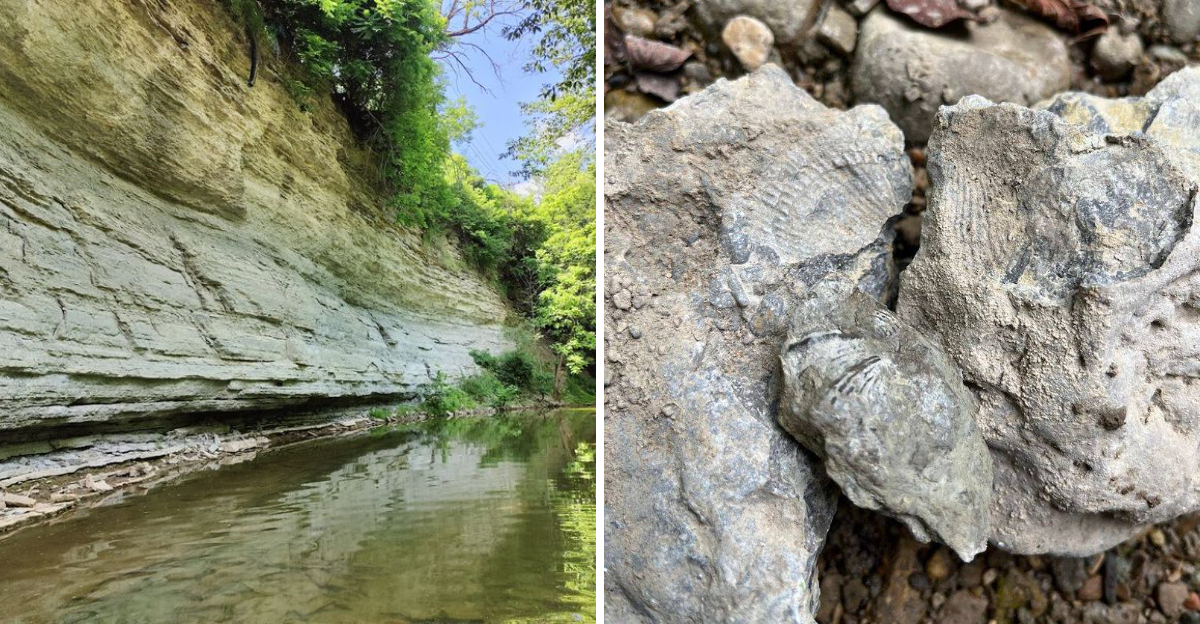
Imagine reaching down into a pile of ancient rock and pulling out something that lived nearly half a billion years ago. That is exactly what you can experience at a fossil hunting site in Richmond, Indiana.
This free, family-friendly activity gives visitors the chance to discover real fossils from the Late Ordovician period, when much of Indiana was covered by a warm, shallow sea. It is the kind of hands-on experience that blends science and adventure, where every handful of stone could reveal traces of prehistoric marine life.
The simplicity of the setup makes the discovery feel even more rewarding, especially for kids and first-time fossil hunters. Whether you are a curious beginner or just someone who enjoys the outdoors, it offers a rare opportunity in Indiana to literally hold pieces of deep geological history in your hands.
It Costs Absolutely Nothing to Participate
Free experiences that are actually worth your time are hard to come by, and the Whitewater Valley Fossil Hunt is one of the best examples in the entire Midwest. There is no entry fee, no registration cost, and no hidden charges.
Families, solo explorers, and school groups can all show up and start hunting without spending a single dollar.
The program is supported by the Wayne County Convention and Tourism Bureau, the Earlham College Geology Department, and local volunteers. That community backing means the experience is thoughtfully organized and genuinely educational.
You are not just wandering around a field hoping to get lucky.
To get started, pick up a free Fossil Trail Passport at the Old National Road Welcome Center in Richmond, located at 5701 National Road East, Richmond, IN 47374. You can also download the passport online if you prefer.
Once you collect at least five fossils, return the passport to the Welcome Center and claim a free embroidered Fossil Patch as a keepsake.
Richmond Fossil Park itself is located at 30 Bridge Ave, Richmond, IN 47374, and is open daily from 6 AM to 11 PM. That wide window of hours makes it easy to plan a visit around school schedules, work days, or weekend road trips.
Free admission combined with flexible hours makes this one of the most accessible outdoor programs in eastern Indiana.
The Variety of Fossils You Can Find Is Surprisingly Impressive
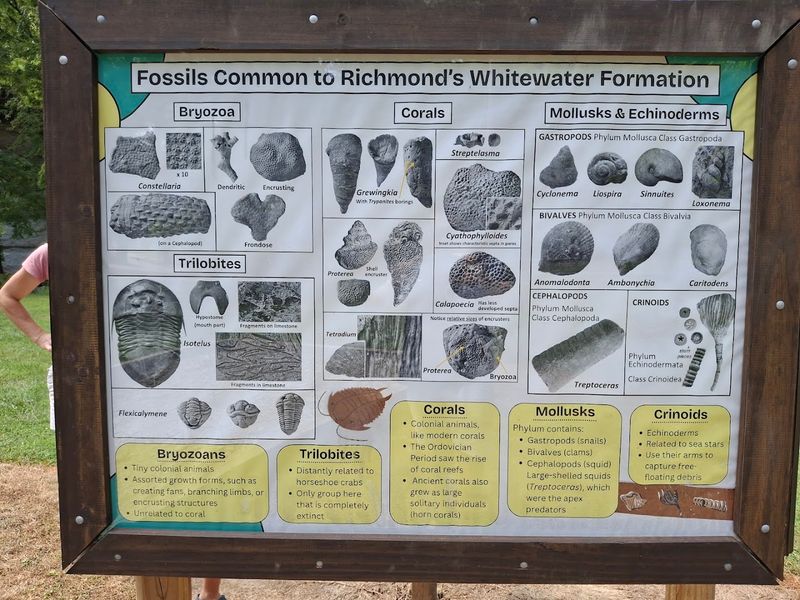
One of the things that surprises first-time visitors most is how many different types of fossils are actually waiting to be found. This is not a one-fossil kind of place.
The Whitewater Valley formations produce a wide and fascinating range of ancient marine life, and spotting multiple species in a single afternoon is entirely realistic.
Common finds include brachiopods, which look like small ribbed shells, and horn corals, which are cone-shaped and often beautifully preserved. Crinoid stems, sometimes called sea lilies, show up frequently along the creek banks and in rubble piles.
Bryozoans, which are delicate lace-like colonial organisms, appear embedded in chunks of limestone that you can crack open carefully to reveal their internal structure.
Less common but genuinely exciting finds include trilobite fragments, cephalopods, and gastropods. Even the more abundant fossils feel special when you realize each one represents an individual creature that lived in a tropical sea covering what is now the American Midwest.
Every rock you flip is a small act of discovery.
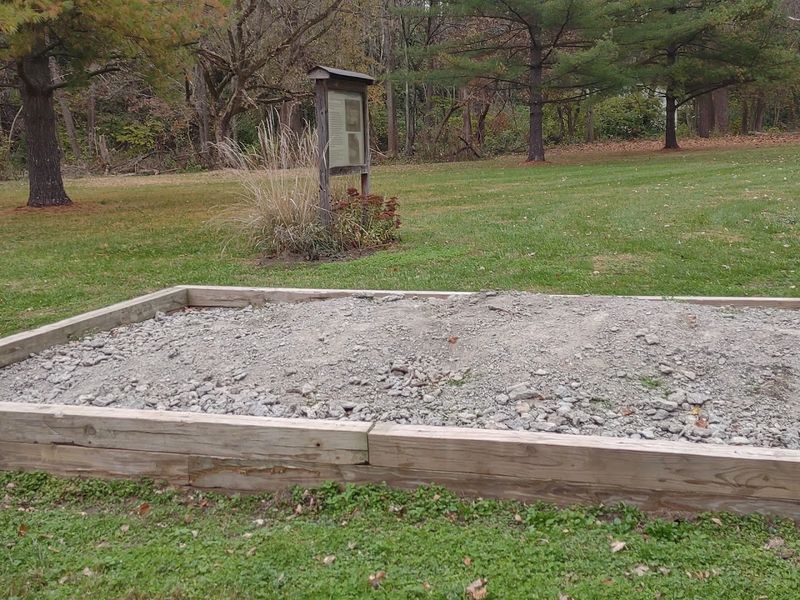
The sandboxlike fossil dig area at Richmond Fossil Park is stocked with locally sourced rock chunks that are particularly good for beginners. Families with younger children tend to start there before moving down toward the creek bank, where the variety and quantity of fossils increases significantly.
Bringing a small brush and a magnifying glass makes the whole experience even more rewarding.
Fossils Here Are Genuinely Ancient, Predating Dinosaurs by Millions of Years
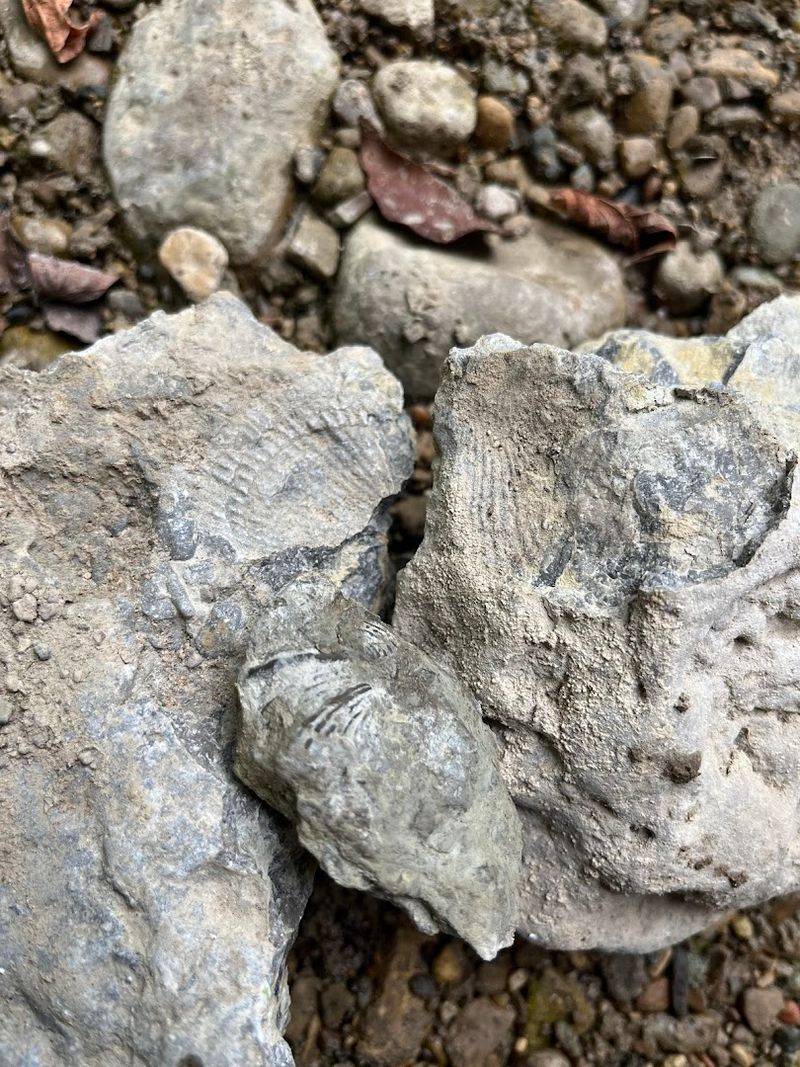
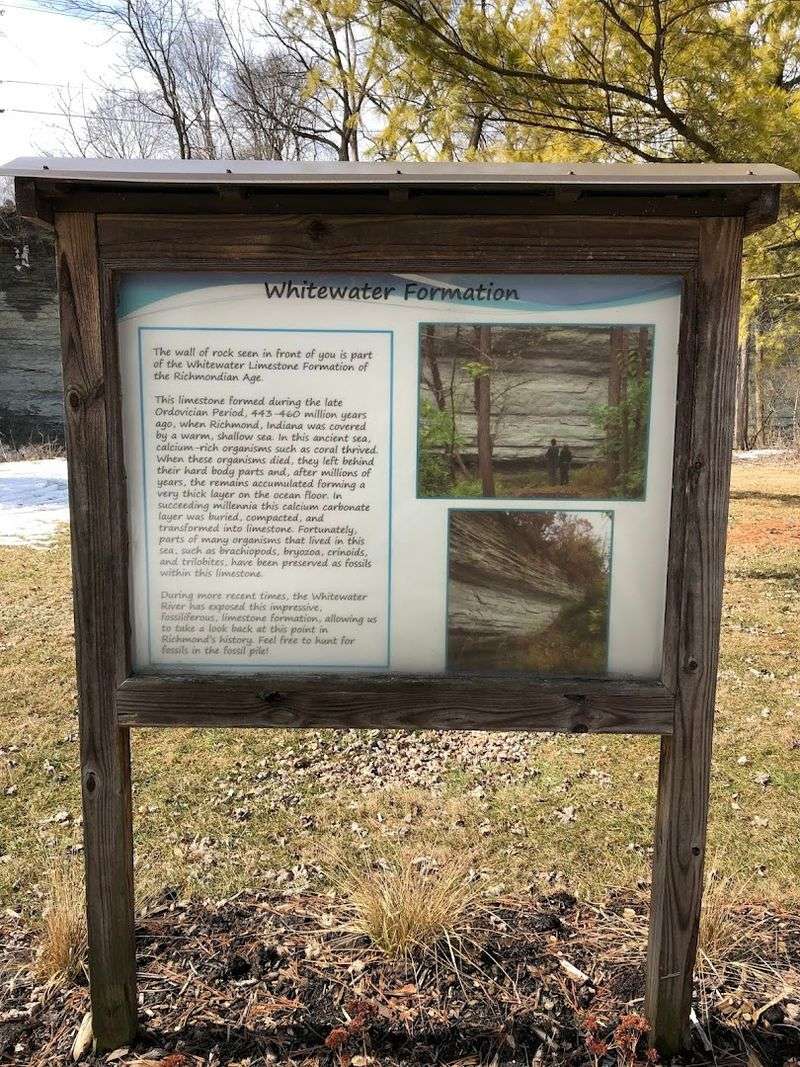
Most people think of dinosaurs when they hear the word fossil, but the treasures waiting at the Whitewater Valley sites are far older. The fossils found here date back approximately 445 million years to the Late Ordovician period.
That is roughly 200 million years before the first dinosaur ever walked the earth.
During that era, Indiana sat beneath a warm, shallow tropical sea similar to what you might picture near the modern-day Bahamas. Creatures like brachiopods, crinoids, trilobites, horn corals, cephalopods, bryozoans, and bivalves thrived in those ancient waters.
When the sea retreated, their remains became locked inside the shale and limestone formations that now make up the Whitewater Valley.
The rocks you walk across at sites like Thistlethwaite Falls and the Whitewater River Gorge are literally pages from one of Earth’s oldest chapters. Running your fingers across a piece of limestone and spotting the outline of a crinoid stem or a horn coral is a moment that genuinely stops you in your tracks.
It feels almost unreal that something so fragile survived for nearly half a billion years.
For kids especially, this kind of discovery sparks curiosity that no textbook can fully replicate. Holding a real fossil and knowing it is older than anything you have ever learned about in school is a powerful, memorable experience.
That sense of awe is what keeps families coming back season after season.
Thistlethwaite Falls Makes the Trip Even More Spectacular
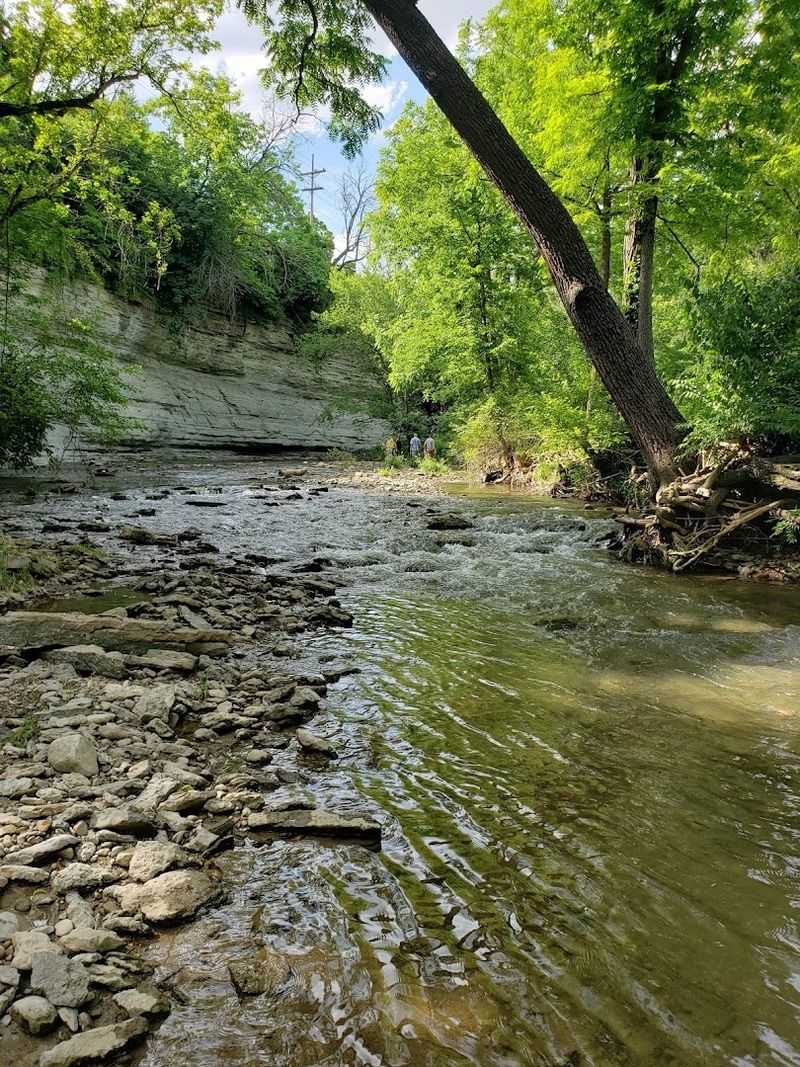
Any visit to the Whitewater Valley fossil sites pairs naturally with a stop at Thistlethwaite Falls, one of the most visually striking natural features in eastern Indiana. The waterfall spills over wide, flat shelves of ancient limestone, creating a scene that looks almost prehistoric in the best possible way.
It is the kind of place that makes you want to slow down and actually look at what is around you.
The falls are located within the Whitewater Gorge area and are easily accessible on foot. During warmer months, the wide rock shelves become a popular spot for cooling off, and the shallow water near the base is safe enough for kids to wade around in.
It is also one of the better fossil-hunting zones in the entire program, since the exposed limestone surfaces reveal marine fossils right in the open.
The combination of a working waterfall, ancient rock formations, and accessible fossil beds in one location is genuinely rare. Most fossil sites require you to hike to a remote area or pay for a guided tour.
Here, everything is free and relatively easy to reach. The surrounding gorge walls, which rise dramatically along the Whitewater River, add a sense of scale that makes the geological history feel tangible and immediate.
Wearing water shoes is strongly recommended if you plan to explore around the falls. The rocks can be slippery, and getting your feet wet is almost unavoidable.
Pack a change of clothes and enjoy every minute of it.
The Passport Program Turns the Hunt Into a Real Adventure
Some outdoor programs hand you a brochure and send you off with a wave. The Whitewater Valley Fossil Hunt does something smarter.
The free Fossil Trail Passport transforms the experience into a structured adventure with a real reward waiting at the end. That simple addition changes everything about how people engage with the sites.
Participants pick up the passport at the Old National Road Welcome Center or download it from the tourism bureau website. The passport guides you through multiple fossil-hunting locations across the Whitewater Valley, encouraging exploration beyond just one spot.
Each location has its own character and fossil variety, making the full trail genuinely worth completing.
Once you have collected at least five fossils from designated sites, you return the passport to the Welcome Center and receive a free embroidered Fossil Patch. For kids, that patch is a serious point of pride.
For adults, it serves as a tangible reminder of a genuinely unique afternoon spent outdoors. It is the kind of small reward that feels earned rather than handed out.
The Joseph Moore Museum of Natural History on the Earlham College campus at 801 National Road West, Richmond, IN 47374 is another location where passports can be picked up. The museum also features exhibits on prehistoric life that add meaningful context to whatever you find out on the trail.
Pairing the museum visit with a fossil hunt makes for a full and satisfying day out.
Multiple Hunting Sites Keep the Experience Fresh and Rewarding
One of the smartest things about the Whitewater Valley Fossil Hunt is that it is not limited to a single location. The program spans multiple sites throughout the valley, giving visitors a reason to explore different areas of Richmond and the surrounding landscape.
Each spot has its own personality, terrain, and fossil density.
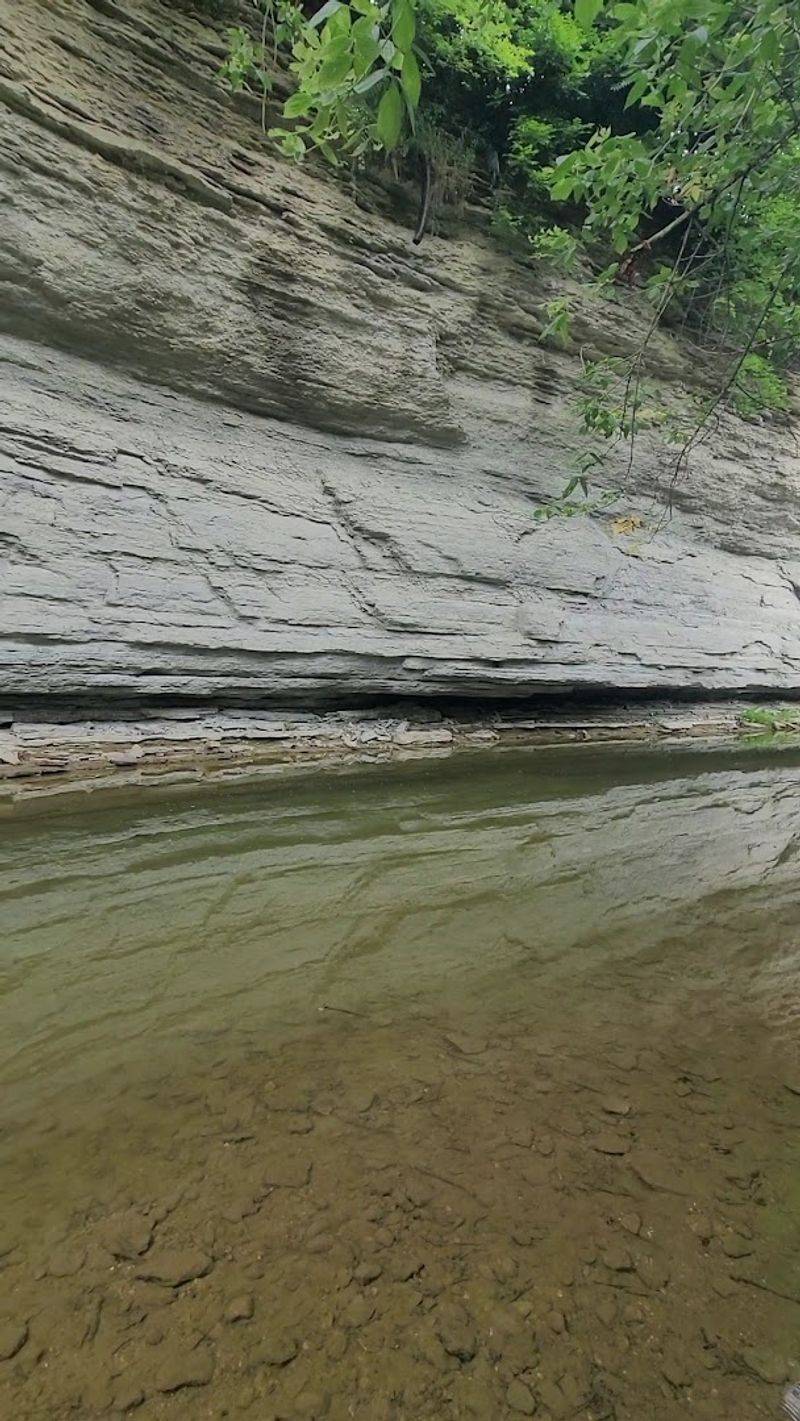
Richmond Fossil Park is a great starting point, especially for families with younger children. It features a sandboxlike area filled with fossil-bearing rock chunks, informational boards, and access to a limestone wall along the creek.
It is approachable and beginner-friendly without feeling dumbed down.
From there, the Cardinal Greenway offers a scenic path that connects several natural areas and provides additional opportunities to spot fossils along stream banks and exposed rock outcroppings.
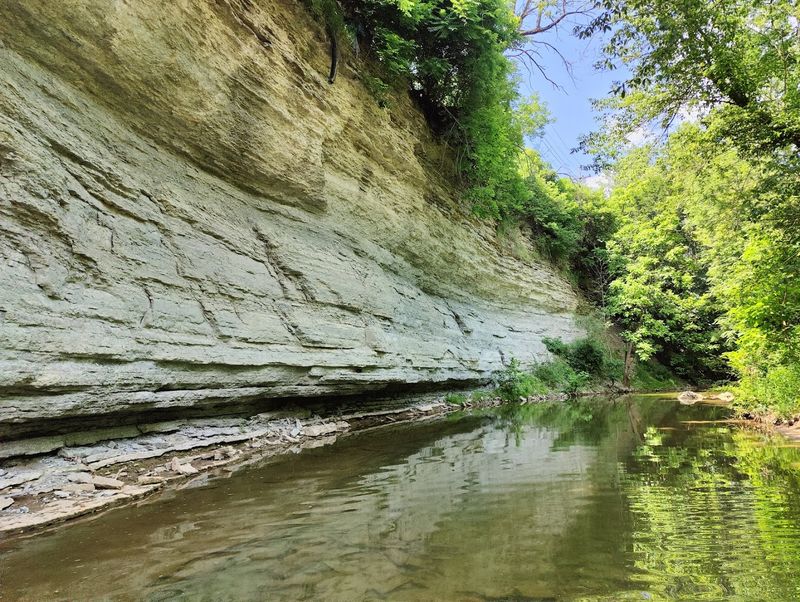
The Whitewater River Gorge itself is the most dramatic of the sites, with towering cliff walls of ancient limestone rising above the river.
Stream banks throughout the gorge are scattered with fossils of varying sizes, and the sheer quantity available means even a short visit can yield a satisfying collection.
Having multiple locations also means the experience scales naturally with your energy and interest level. A quick one-hour visit to the park is just as valid as a full-day exploration of the entire trail.
Whether you are squeezing in a quick family outing or committing to a serious geological adventure, the Whitewater Valley has enough variety to keep every kind of visitor engaged from start to finish.
Richmond Offers Great Nearby Stops to Round Out Your Day
After spending a morning or afternoon hunting fossils, Richmond has enough going on nearby to turn a single activity into a full day out. The city is small but genuinely welcoming, with local spots that feel rooted in the community rather than built for passing tourists.
The Joseph Moore Museum of Natural History at 801 National Road West, Richmond, IN 47374 is an obvious complement to the fossil hunt.
The museum sits on the Earlham College campus and features exhibits on prehistoric animals, geology, and natural history that add real depth to whatever you discovered out on the trail.
Admission is free for many visiting hours, making it an easy add-on.
For a meal after your outdoor adventure, Olde Richmond Inn at 138 South 5th Street, Richmond, IN 47374 is a local favorite with a comfortable, relaxed atmosphere. It has been a community gathering spot for years and offers a menu that satisfies after a long walk through rocky creek beds.
Glen Miller Park at 2200 East Main Street, Richmond, IN 47374 is worth a short detour if you want more green space after the gorge. The park features walking paths, open lawns, and a rose garden that provides a calm and pleasant contrast to the rugged terrain of the fossil sites.
Richmond manages to offer genuine outdoor adventure alongside community warmth, and that combination makes it worth more than just a quick stop on the way through eastern Indiana.
