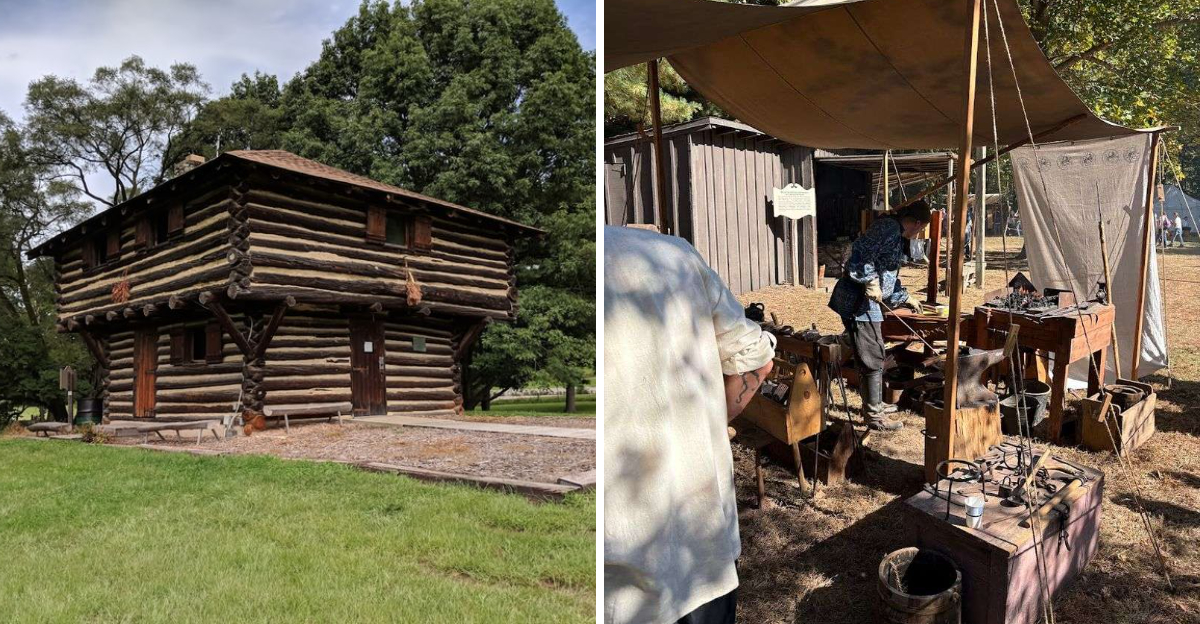
History has a way of feeling distant until you are standing right inside it. A historic park near West Lafayette, Indiana, is one of those rare places where the past feels completely real.
The park sits peacefully along the scenic Wabash River and centers on a striking replica of a wooden blockhouse built in the style of the original 1717 French fort. What makes it even better is that visiting the scenic grounds costs you nothing at all.
Visitors can walk the historic paths, enjoy a quiet picnic by the water, and imagine life as an early fur trader. Whether you are a history lover, a curious kid, or someone just looking for a meaningful outdoor experience, this place has something worth your time.
It is one of the most underrated hidden gems around, and once you see it, you will probably agree.
It Was the First Fortified European Settlement in Indiana
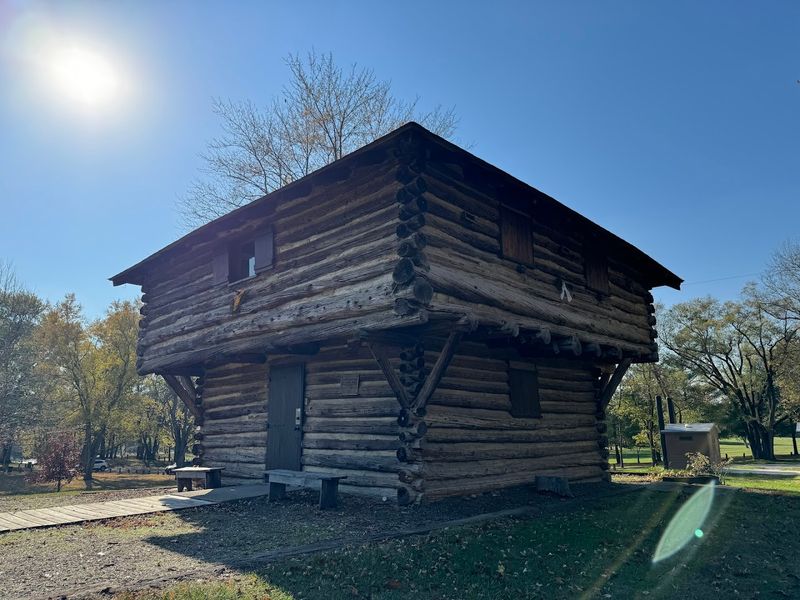
Few places in Indiana carry the kind of historical weight that Fort Ouiatenon does. The French established this trading post in 1717, making it the first fortified European settlement in what is now the state of Indiana.
That fact alone is enough to make history fans stop in their tracks. The fort was built to protect French interests and to trade with the local Wea people, an Algonquian-speaking nation.
It was not just a military outpost. It was a place where two very different cultures met, traded, and sometimes clashed.
The name Ouiatenon itself comes from the Wea word waayaahtanonki, meaning place of the whirlpool. Over the decades, the fort played roles in the French and Indian War, the American Revolution, and the Northwest Territory Wars.
That is a remarkable amount of history packed into one small stretch of Indiana riverbank. The original palisade and log blockhouse were destroyed in 1791 by American militia, but the story did not end there.
Archaeological excavations in the 1960s rediscovered the original site, which is now part of the Ouiatenon Preserve nearby. Standing at the park today, knowing all of that history happened right where you are standing, gives you a chill that no museum display can fully replicate.
Free Admission Makes It One of Indiana’s Best Budget-Friendly Outings
Not every great experience has to cost money. Fort Ouiatenon is proof of that.
The park grounds at 3129 S River Rd, West Lafayette, IN 47906 are open daily from dawn to dusk, with no admission fee required to walk the grounds, enjoy the river views, or explore the outdoor areas. For families trying to plan a meaningful outing without stretching the budget, this is a genuine find.
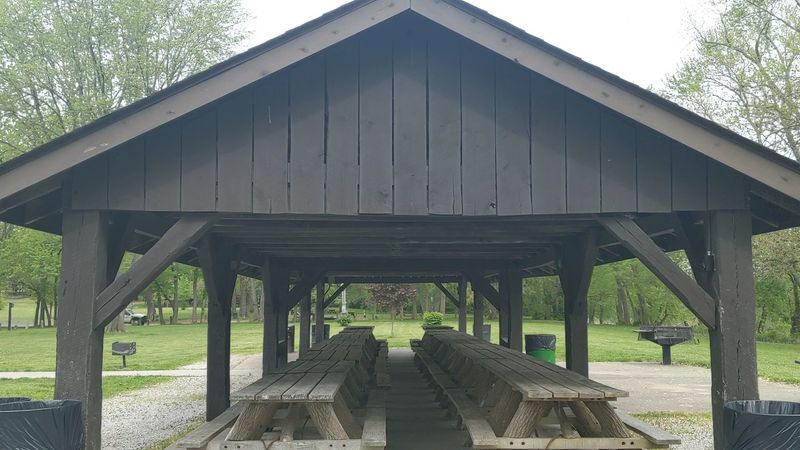
You can pack a lunch and use the picnic facilities on site. You can bring the kids and let them run around while learning something real about American history at the same time.
There is even a boat launch for those who want river access. The blockhouse museum inside the replica fort does have seasonal hours, typically open on select weekends from May through September, but the surrounding park is always free and welcoming during daytime hours.
The Tippecanoe County Park and Recreation Department maintains the grounds, and it shows. The area is clean, peaceful, and well kept.
For local families in the West Lafayette area, this is the kind of place you can return to again and again without worrying about the cost. It is one of those rare spots where quality and affordability line up perfectly, and that combination is hard to beat anywhere in Indiana.
The Blockhouse Museum Brings 18th-Century Life Into Focus
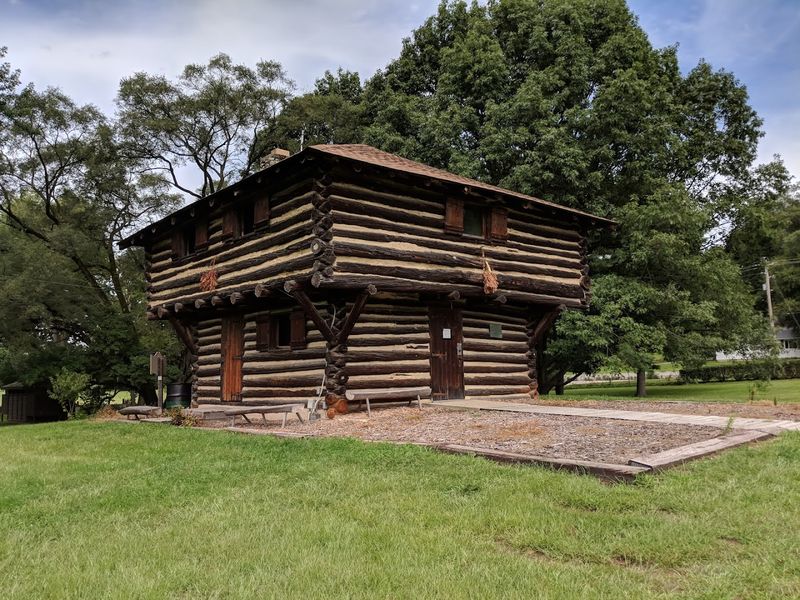
Walking inside the blockhouse at Fort Ouiatenon feels like crossing a threshold into another era. The replica structure is a 452-square-foot wooden blockhouse built in 1930 to honor the style of the original 1717 French fort.
It is compact, but every inch of it tells a story. The Tippecanoe County Historical Association operates the museum inside and brings it to life through historical programs and demonstrations.
During the summer months, you can learn about French and Native American life from the 17th and 18th centuries through hands-on displays and educational materials. School groups frequently visit, and the programming is designed to make history feel approachable and engaging rather than dry or distant.
What strikes most visitors is how much personality the space has despite its small size. The artifacts, the layout, and the context all work together to paint a picture of what daily life looked like at this trading post centuries ago.
You get a real sense of the textures, tools, and rhythms of a world that existed long before Indiana was even a state. If you have children who find history boring, this is the kind of place that might just change their minds.
The combination of a real physical structure and genuine historical content makes the blockhouse museum one of the most memorable parts of any visit to Fort Ouiatenon.
The Feast of the Hunters Moon Is an Annual Event Like No Other
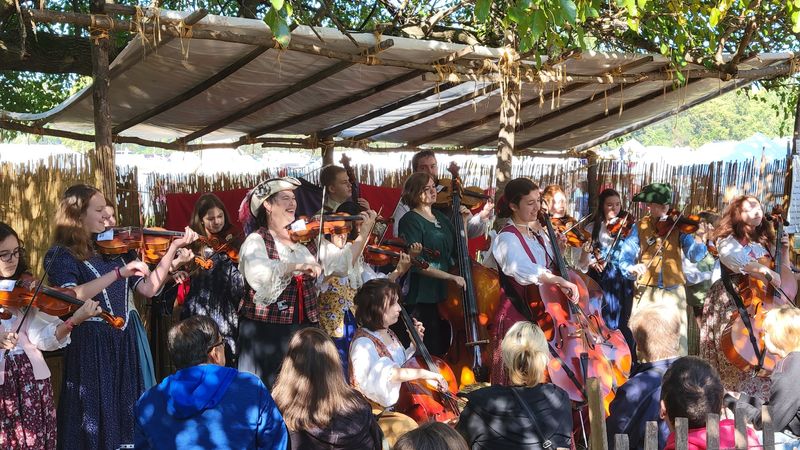
Once a year, Fort Ouiatenon transforms into something truly extraordinary. The Feast of the Hunters’ Moon is an annual fall festival that draws visitors from across the region for a full-scale reenactment of 18th-century life at the fort.
It is one of the most immersive living history events in the entire Midwest. The festival features French and Native American music, traditional dances, military drills, and participants dressed in authentic period clothing.
You can watch canoe landings on the Wabash River, listen to fife and drum corps perform, and browse vendors selling handmade crafts, period foods, furs, leather goods, and more. Cannon demonstrations draw crowds of all ages, and the energy of the whole event is genuinely festive and community-driven.
Families with kids tend to especially love the hands-on elements, like bead-making activities and the trading post experience. Many attendees come back year after year, some as volunteers who have been part of the event for decades.
The sense of community that surrounds the Feast is something you can feel the moment you arrive. It is not just a festival.
It is a celebration of diverse heritage, from First Nations culture to European settlers, all gathered on the same riverbank where history actually happened. If you can only visit Fort Ouiatenon once, timing your trip around the Feast of the Hunters’ Moon is absolutely worth it.
The Ouiatenon Preserve Holds One of Indiana’s Most Important Archaeological Sites
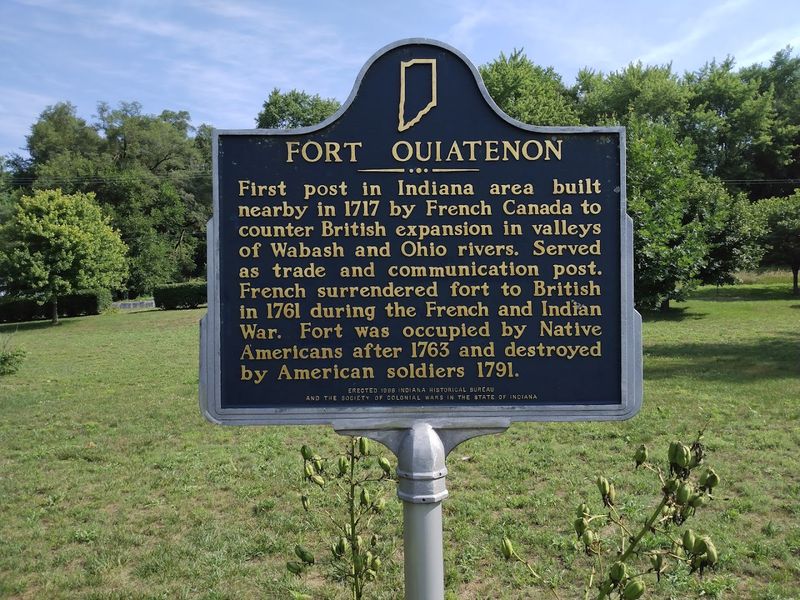
About a mile west of the historical park lies a place that history and science buffs will find absolutely fascinating. The Ouiatenon Preserve covers around 200 acres and contains the actual archaeological site of the original 1717 French fort and associated Native American villages.
This is not a replica. This is the real thing, buried beneath the ground where it has rested for centuries.
Archaeological excavations in the 1960s brought the site back into public awareness, and the discoveries made there helped reshape what historians knew about early European and Indigenous life in the region.
The significance of the find was formally recognized in 2021, when the site was designated a National Historic Landmark.
That designation puts it in the same category as some of the most important historical locations in the entire country.
Visitors to the preserve can access an overlook that provides views of the site, allowing you to gaze out over the quiet fields where hundreds of French traders and Native American families once lived, worked, and built an interconnected economy.
It serves as a profound reminder that the ground beneath our feet often holds stories much deeper than we realize.
The Wabash River Setting Adds Natural Beauty to Every Visit
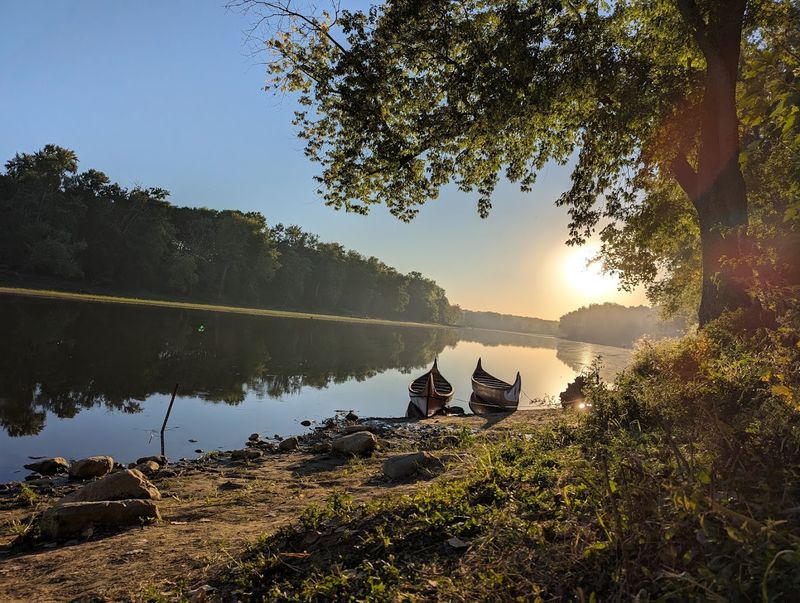
History is the main draw at Fort Ouiatenon, but the natural setting gives every visit an added layer of beauty that is hard to put into words. The park sits right along the Wabash River, and the views from the riverbank are genuinely stunning at any time of year.
Sunsets here have a way of stopping people mid-step.
There is a boat launch for those who want to get out on the water, and the river access makes the park appealing to kayakers, canoeists, and fishing enthusiasts as well. During quieter visits outside of festival season, the park takes on a calm, almost meditative quality.
The sound of the river moving past, the open sky above the water, and the rustle of trees along the bank create a setting that feels far removed from the noise of everyday life.
Visitors have spotted bald eagles swooping down to the river surface. Others bring their dogs for a peaceful walk along the grounds.
The landscape changes with every season, from the lush greens of summer to the golden tones of fall, making repeat visits feel fresh each time. The Wabash River is woven into the history of this place just as much as the fort itself.
French traders and Wea people navigated these same waters three centuries ago, and that connection between the natural and historical makes the setting feel truly alive and worth experiencing in person.
A Reconstructed Native American Village Offers Rare Cultural Insight
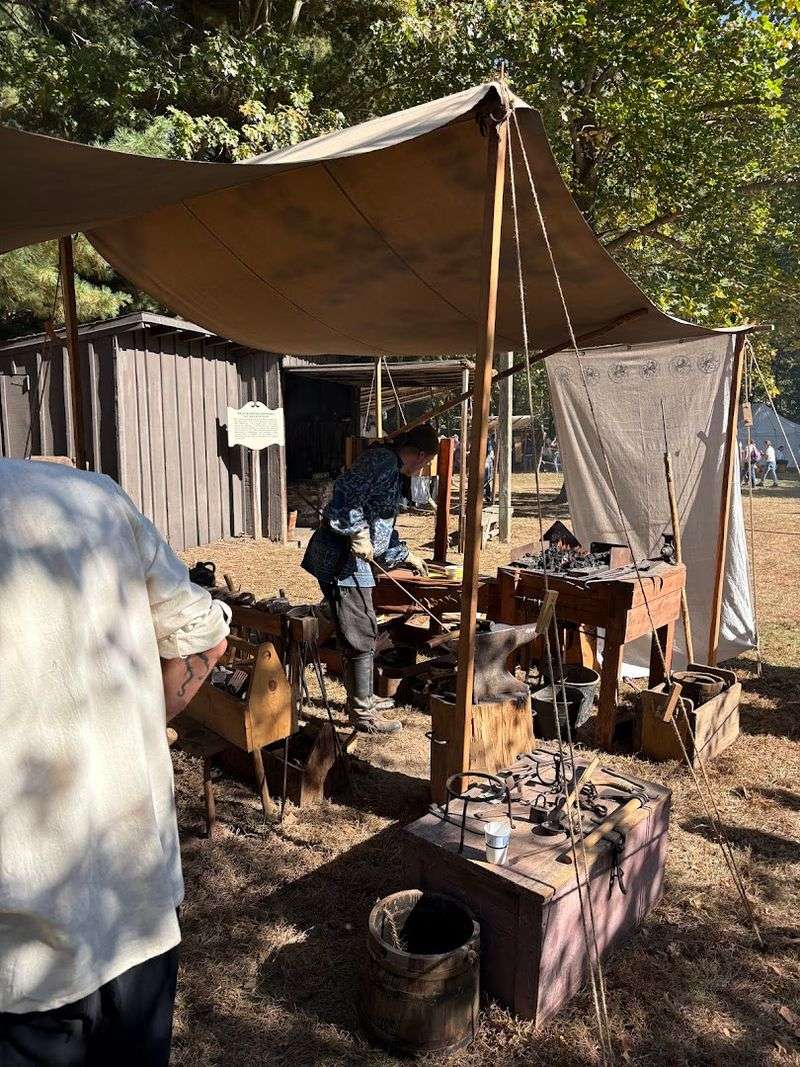
One of the most thought-provoking parts of a visit to Fort Ouiatenon is the reconstructed Native American village on the grounds.
It offers visitors a window into the lives of the Wea people, the Algonquian-speaking nation who lived in this region long before European settlers arrived and who played a central role in the history of the fort itself.
The village reconstruction gives context to the cultural exchange that happened at this site during the 18th century. The French did not simply build a fort in an empty wilderness.
They built it alongside a thriving Indigenous community, and the relationship between the two groups shaped everything from trade patterns to the politics of the region. Seeing the village alongside the blockhouse helps visitors understand that this was a shared space with layered histories on both sides.
For kids especially, the village is a powerful way to connect with a part of American history that often gets overlooked in standard school curricula. It humanizes the people who lived here, giving faces and daily routines to names that might otherwise just appear in textbooks.
The Tippecanoe County Historical Association incorporates the village into its educational programming, which means school groups and families can engage with it in a guided, meaningful way.
Fort Ouiatenon is one of the few places in Indiana where French colonial history and Indigenous cultural history are presented together with equal care and respect.
