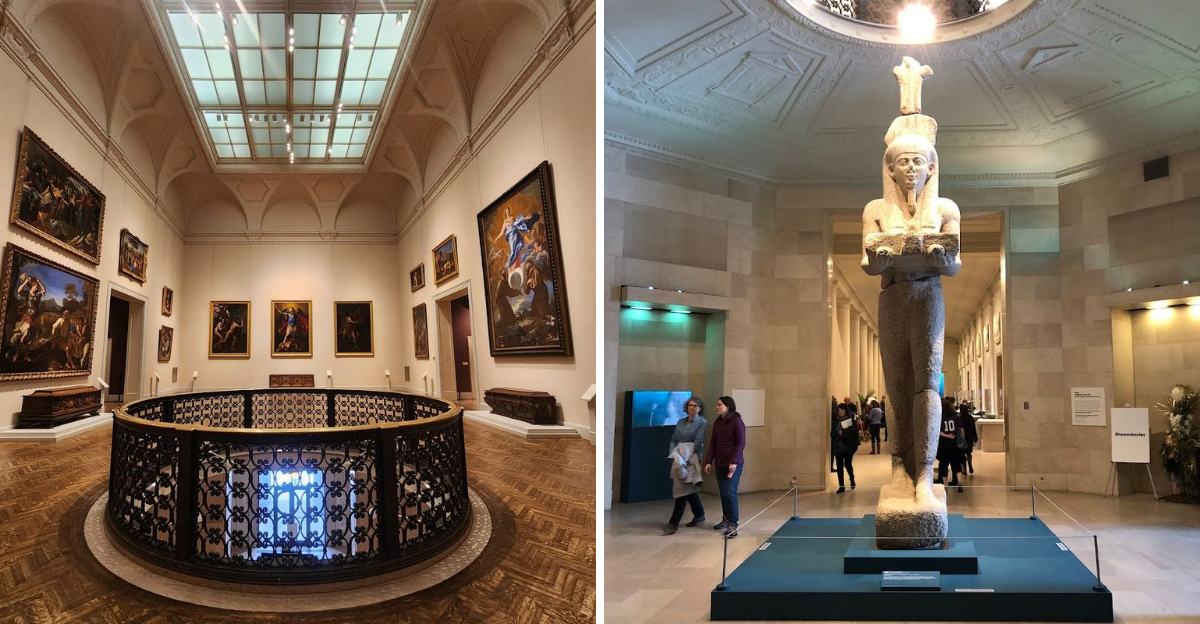
Some Minnesota museums charge you an arm and a leg just to glance at a painting, and then they act like they are doing you a favor. But here, the doors swing open without asking for a single dollar, and what awaits inside is absolutely staggering.
You can wander from ancient Egypt to modern America in a single afternoon, standing face to face with mummies that have been around for millennia. The hallways stretch on forever, each turn revealing something more impressive than the last, from delicate porcelain to massive stone sculptures.
Families roam freely, kids pointing at suits of armor while parents get lost in the brushstrokes of famous masters. There is a quiet energy here, the kind that makes you whisper without thinking, as if the art itself demands respect.
You will find yourself lingering in front of pieces you never knew existed. The collection spans cultures and continents, offering a crash course in human creativity without ever feeling overwhelming.
This Minnesota treasure proves that world class art should be accessible to everyone.
Free Admission That Makes World-Class Art Accessible to Everyone

Not every world-class museum lets you walk in without opening your wallet. The Minneapolis Institute of Art operates on a free general admission model, making it one of the most generous cultural institutions in the entire country.
Donations are welcomed at the door, but nobody is turned away for skipping them.
This approach means families, students, solo explorers, and curious first-timers all get the same access. You can wander through galleries holding ancient artifacts and European masterworks without spending a single dollar on entry.
That kind of openness changes how a museum feels.
The atmosphere here is relaxed and welcoming because the pressure of justifying an expensive ticket simply does not exist. People linger longer and look more carefully when they are not rushing to feel like they got their money’s worth.
Returning visits become a regular habit rather than a special occasion. The MIA has made art a genuine part of everyday life in Minneapolis, and that is something worth celebrating loudly.
A 5,000-Year Span of Human Creativity Under One Roof
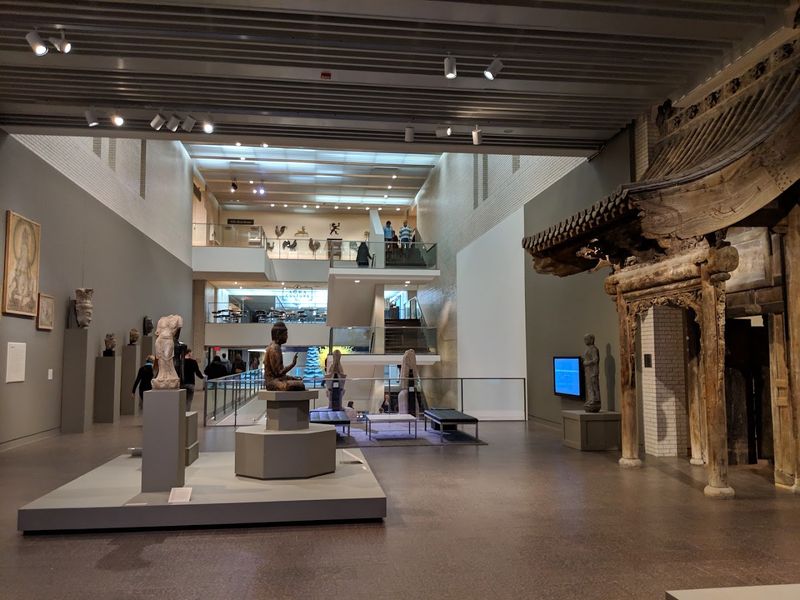
The collection at the MIA stretches across five full millennia of human creativity, and that number genuinely sinks in only once you start walking. You might pass a carved stone object from ancient Mesopotamia and then turn a corner to find a bold twentieth-century canvas staring back at you.
Each gallery feels like a different chapter in a very long, fascinating story about what people have made and why. The transitions between eras happen naturally as you move through the building.
Nothing feels forced or randomly grouped together.
Curators have arranged the collection so that context builds with every room you enter. Older works help explain newer ones, and the connections across cultures become surprisingly clear.
I found myself standing still more than once, just absorbing how much history a single hallway could hold. The MIA does not just display objects; it creates a continuous conversation between past and present that keeps pulling you forward through every floor and every gallery.
The Ancient Egyptian Mummy That Stops Every Visitor Cold
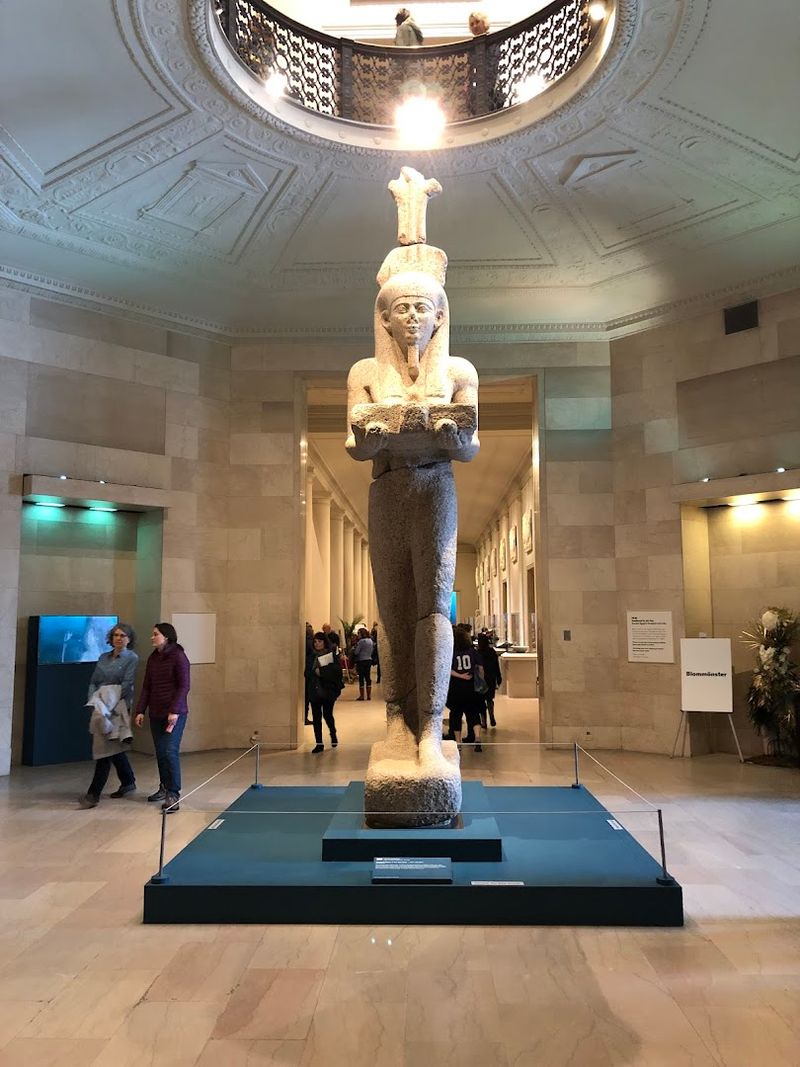
There is something quietly unsettling about standing a few feet from a real Egyptian mummy. The MIA has one, and it draws a steady stream of wide-eyed visitors every single day.
The display is thoughtfully arranged, giving the artifact both dignity and context.
Surrounding objects help explain the burial practices, beliefs, and daily life of ancient Egyptians in ways that feel genuinely educational rather than just decorative. Kids especially tend to freeze in place when they realize what they are actually looking at.
Adults do too, honestly.
The mummy is not a gimmick or a shock attraction. It sits within a broader collection of Egyptian and ancient Near Eastern objects that rewards careful attention.
Reading the accompanying panels adds real depth to the experience. Learning that the person inside this case lived thousands of years ago, in a completely different world, is the kind of thought that sticks with you long after you leave the museum and head back out into the Minneapolis afternoon.
European Masterworks That Rival Major International Museums
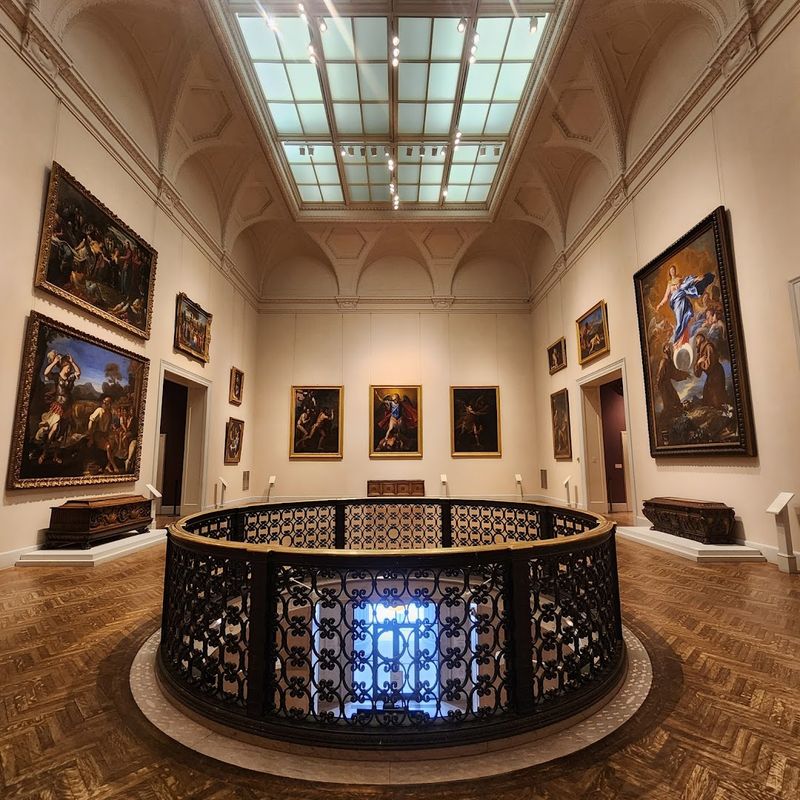
The European painting galleries at the MIA are genuinely impressive in a way that sneaks up on you. Works by Rembrandt, Rubens, El Greco, and Matisse hang here, and seeing them in person carries a different weight than any reproduction ever could.
The scale of some canvases is the first thing you notice. Then the detail pulls you in closer, and suddenly ten minutes have passed without you realizing it.
One Monet painting sits quietly in a gallery that feels almost intimate by museum standards.
Art lovers who have visited major European institutions will find familiar names here alongside lesser-known works that deserve far more attention. The Frances Cranmer Greenman 1923 Self-Portrait is one example of a smaller gem that rewards visitors who look beyond the famous names.
The galleries are well-lit and uncrowded enough that you can actually stand back and take in a full composition. That breathing room makes a real difference when you are trying to connect with a painting on a personal level.
The Exceptional Asian Art Collection on the Second Floor
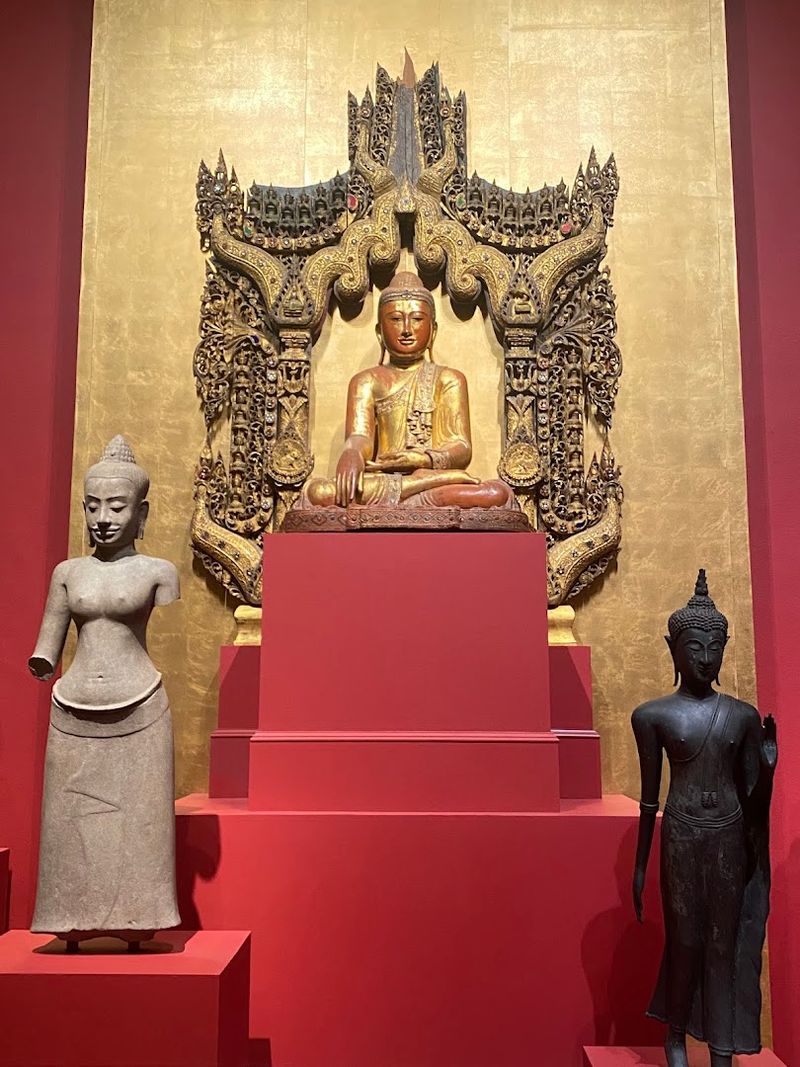
The second floor of the MIA holds one of the most expansive Asian art collections you will find anywhere in the American Midwest. The galleries cover China, Japan, Korea, Southeast Asia, and South Asia with a depth that genuinely surprises first-time visitors.
Cambodian sculpture is a particular highlight. A colossal representation of the Hindu god Vishnu, considered a Cambodian national treasure, has been displayed here as part of rotating special exhibitions.
Standing near it feels like a rare privilege.
Japanese screens, Chinese ceramics, and Korean decorative arts fill neighboring rooms with quiet elegance. The curation feels respectful and thorough rather than superficial.
Each object is given enough space to breathe and enough context to be understood. I spent longer in these galleries than I expected to, partly because the rooms themselves feel calm and carefully considered.
The Asian art section is a strong argument for returning to the MIA more than once, because one visit simply cannot do it full justice.
Special Exhibitions That Keep Every Return Visit Fresh
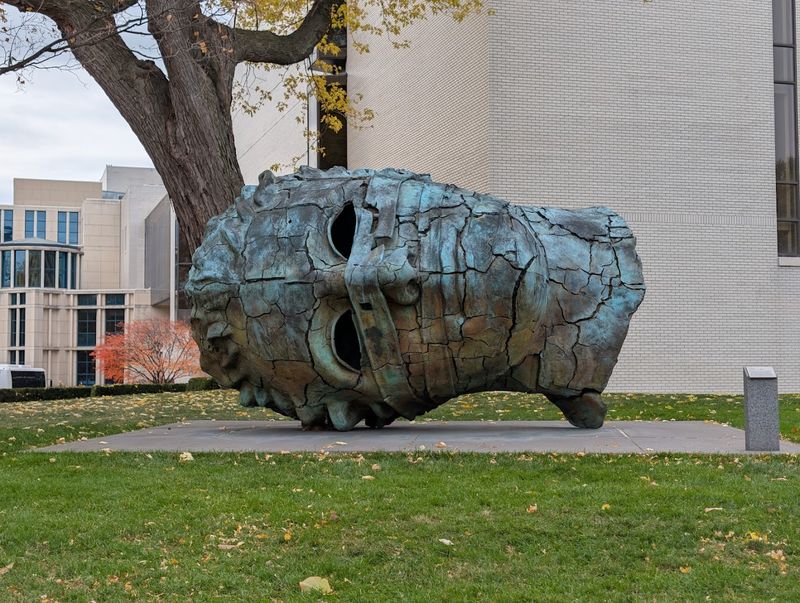
The permanent collection alone would justify multiple visits, but the rotating special exhibitions at the MIA add a whole other reason to keep coming back. Past shows have included Cambodian art, floral interpretation events, and focused explorations of individual artists or cultural movements.
Art in Bloom is one of the most beloved annual events. Local florists and artists create floral arrangements inspired by works in the collection, and the result is something genuinely beautiful and a little unexpected.
The museum fills with color and fragrance in a way that feels celebratory rather than stuffy.
Special exhibitions sometimes carry a separate admission fee, but the general collection remains free regardless. Planning a visit around a specific show adds focus and excitement to the trip.
Checking the museum website before you go helps you time your visit for whatever feels most interesting. The MIA keeps its programming calendar active enough that even frequent visitors rarely feel like they have seen everything the building has to offer.
Armor, Decorative Arts, and Surprising Objects Throughout the Galleries
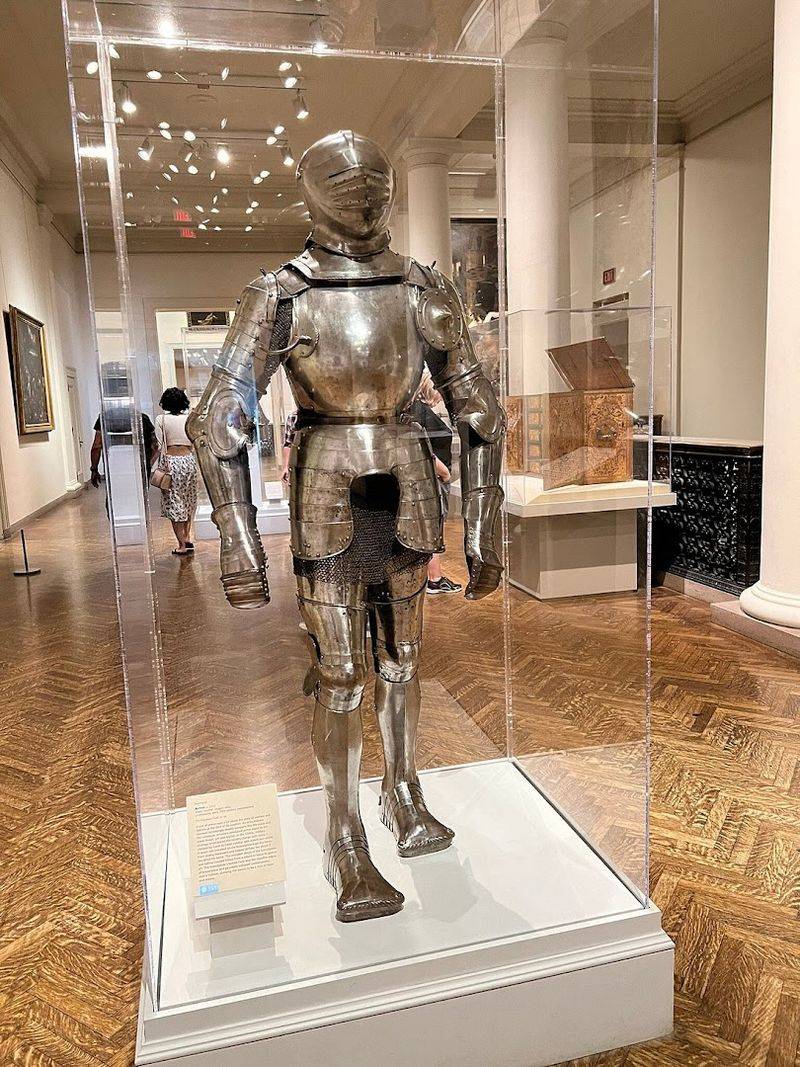
Not everything at the MIA is a painting or a sculpture in the traditional sense. The decorative arts galleries include furniture, armor, textiles, glasswork, and carved objects that span continents and centuries in the most unexpected combinations.
Suits of armor displayed in one section have a theatrical presence that stops people mid-stride. The craftsmanship involved in historical metalwork is genuinely astonishing when you see it up close.
These are not background objects; they are the centerpiece of entire rooms.
Period rooms recreate specific historical interiors with furniture, fixtures, and decorative objects arranged as they might have appeared in their original settings. Walking into one of these rooms feels briefly like stepping through a time portal.
The attention to detail in the curation rewards slow, careful looking rather than a quick glance and move-on approach. These galleries tend to be quieter than the painting sections, which makes them ideal for visitors who want a more contemplative experience without fighting for space in front of a famous canvas.
A Building That Is a Work of Art in Its Own Right
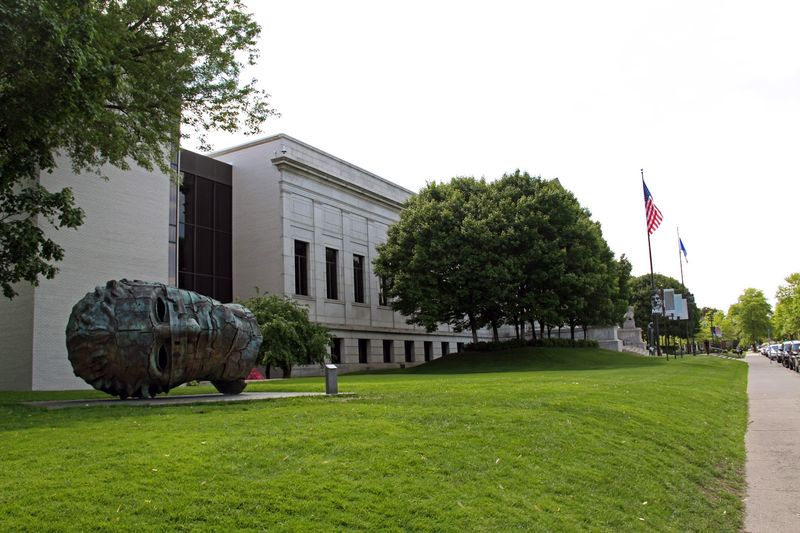
The MIA building itself deserves attention before you even step inside. The neoclassical facade with its broad stone steps and tall columns gives the place a presence that feels both welcoming and a little grand.
It looks like a building that takes art seriously.
Inside, the architecture shifts between the original historic sections and newer additions that bring in natural light and open sightlines. High ceilings in the main galleries create a sense of scale that makes even large paintings look like they have found their proper home.
Moving through the building is part of the experience. Stairwells open onto unexpected galleries, and hallways lead to rooms that feel entirely separate from what came before.
The layout rewards wandering rather than strict itinerary-following. Comfortable shoes are genuinely recommended because the building covers a lot of ground across multiple floors.
The architecture does not compete with the art; instead, it frames each collection in a way that feels considered and purposeful throughout every section of the museum.
The Downstairs Cafe and Gift Shop Worth a Stop
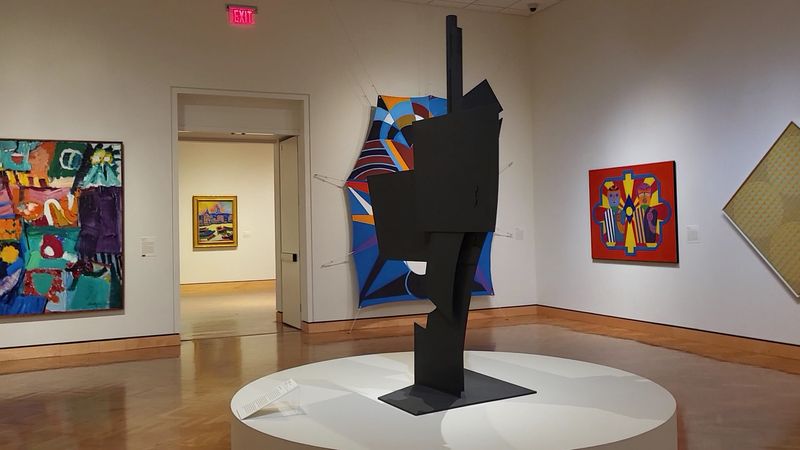
After a few hours of gallery wandering, the downstairs cafe becomes a genuinely welcome destination. The space is large, bright, and communal, with enough seating that finding a table rarely feels stressful even on busier days.
The cafe has developed a quiet reputation as a solid spot for remote workers in the city. Plugging in a laptop and settling in for a productive afternoon is a perfectly reasonable way to extend a museum visit.
The atmosphere stays calm and focused without feeling sterile.
The gift shop nearby carries a curated selection of art books, prints, and design objects that reflect the museum’s collection. Prices lean toward the higher end, but the quality of the merchandise matches what you would expect from a serious cultural institution.
Picking up a small print or a well-designed book makes for a lasting reminder of the visit. The combination of cafe and shop gives the MIA a full-day destination quality that goes well beyond a simple gallery tour.
Planning Your Visit to the Minneapolis Institute of Art

Getting the most out of a MIA visit takes a little planning, especially given how much ground the museum covers. Thursday evenings stand out as a smart choice because the museum stays open until 9 PM, giving you extra time to explore without the daytime crowds.
Street parking is available nearby and tends to be easier to find on weekdays. The museum sits at 2400 3rd Ave S in Minneapolis, making it straightforward to reach from most parts of the city.
Arriving early on weekends helps you get ahead of the busiest gallery periods.
Wearing comfortable shoes is practical advice that every frequent visitor will confirm. The building involves a lot of stair climbing because elevators exist but require some searching to locate.
Downloading the museum map before you arrive helps you prioritize which galleries matter most to you. First-time visitors often underestimate how long a thorough visit takes, so building in at least three hours gives you a realistic window to cover the highlights without feeling rushed.
Address: Minneapolis Institute of Art, 2400 3rd Ave S, Minneapolis, Minnesota
