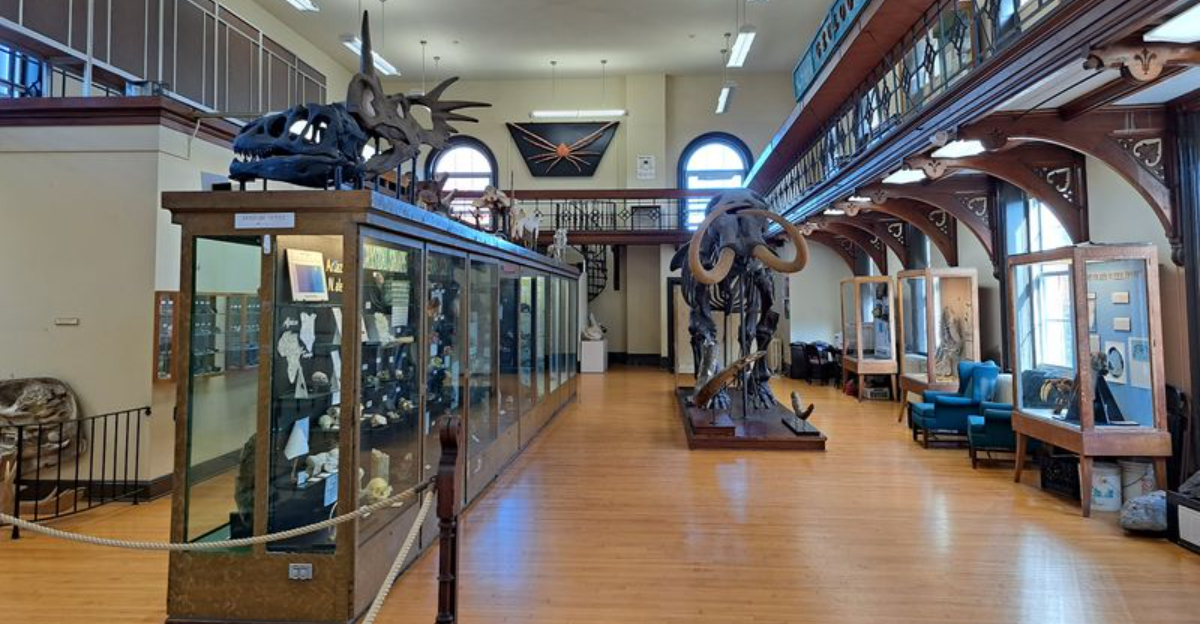
Here is a question for you. Where else can you see ancient fossils, touch a real meteorite, and come face to face with an Egyptian mummy, all without spending a single dollar?
The answer is hiding in plain sight in New Jersey. This free museum holds the title of the oldest geology museum in the entire country.
That is right. The nation’s oldest.
You will find dinosaur tracks, glittering gemstones, and artifacts that span millions of years. And then there is the mummy.
She has been captivating visitors for generations with her mysterious presence. It is the kind of place where history feels alive and curiosity is absolutely free.
Whether you are a science nerd or just looking for a unique afternoon activity, this gem delivers. Who knew New Jersey held such ancient secrets?
Oldest Geology Museum in the Country
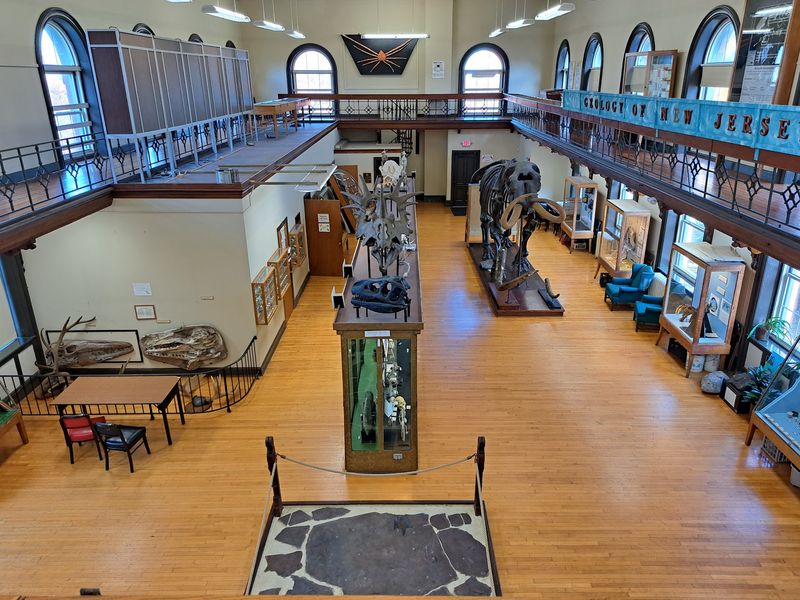
Walking through the entrance of Geological Hall for the first time carries a quiet kind of weight, the sort that comes from knowing a place has been standing since 1872.
The Rutgers Geology Museum holds the remarkable distinction of being the oldest and first museum in the United States dedicated specifically to geology.
That is not a small thing. Most museums that old have either moved, reinvented themselves, or closed entirely, yet this one remains in its original home.
Professor George Hammill Cook, a New Jersey state geologist, founded the museum with a clear mission: to share the specimens gathered by the New Jersey Geological Survey with the public.
The building itself is constructed from Connecticut Valley brownstone, which means the walls surrounding you are, quite fittingly, a geological exhibit in their own right.
Every corner of this space carries the spirit of scientific curiosity that Cook brought to it over a century and a half ago. Visiting feels less like a museum trip and more like stepping into a living chapter of American scientific history.
See a Real Egyptian Mummy for Free
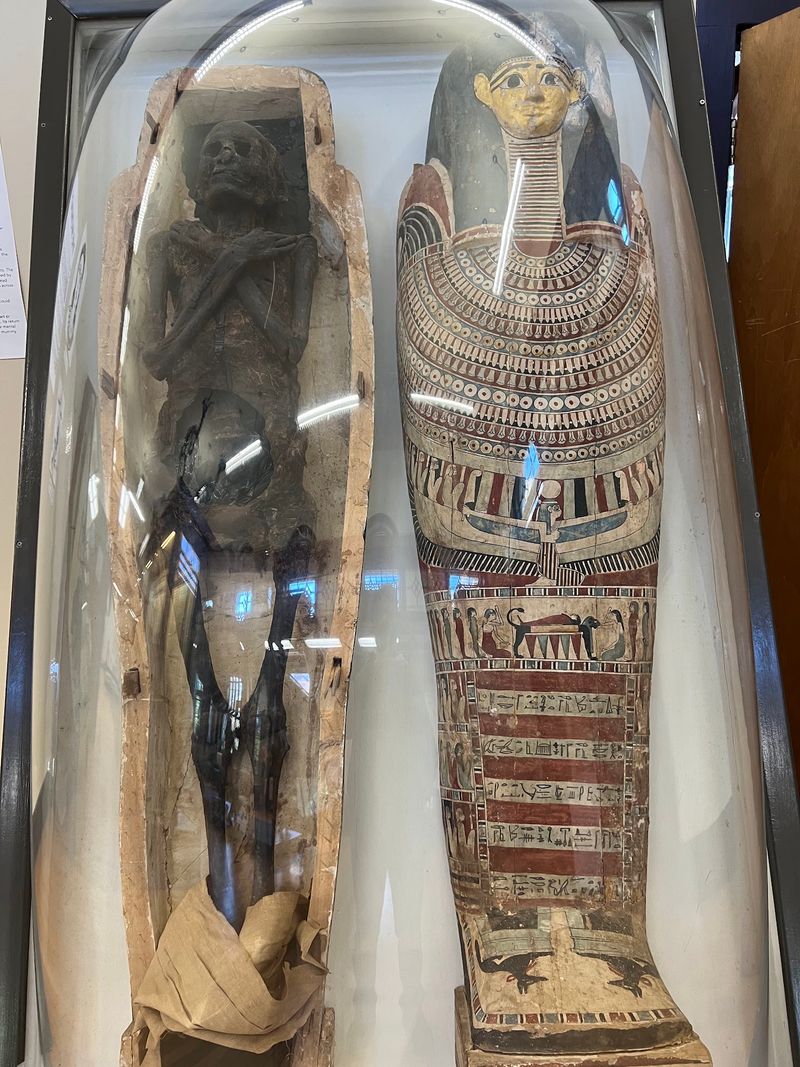
Somewhere between the mineral cases and the fossil displays, there is a moment that genuinely stops you cold: the realization that an actual Egyptian mummy is right in front of you, and you paid absolutely nothing to see her.
Meet Iset-Ha, an Egyptian priestess from the Ptolemaic era who has been resting here, on loan from the New Brunswick Theological Seminary, for quite some time.
She is approximately 2,400 years old. That number is almost impossible to process when you are standing just a few feet away from her preserved remains and ornate sarcophagus.
Ancient Egypt feels like something reserved for the Metropolitan Museum or a faraway documentary, not a free university museum tucked into central New Jersey. Yet here she is, entirely real and entirely accessible.
The exhibit surrounding Iset-Ha provides thoughtful context about who she was and the era she lived in, making the encounter feel educational rather than simply shocking. It is a genuinely moving experience, one that lingers long after you leave the building.
Manny the Mastodon and a Giant Spider Crab
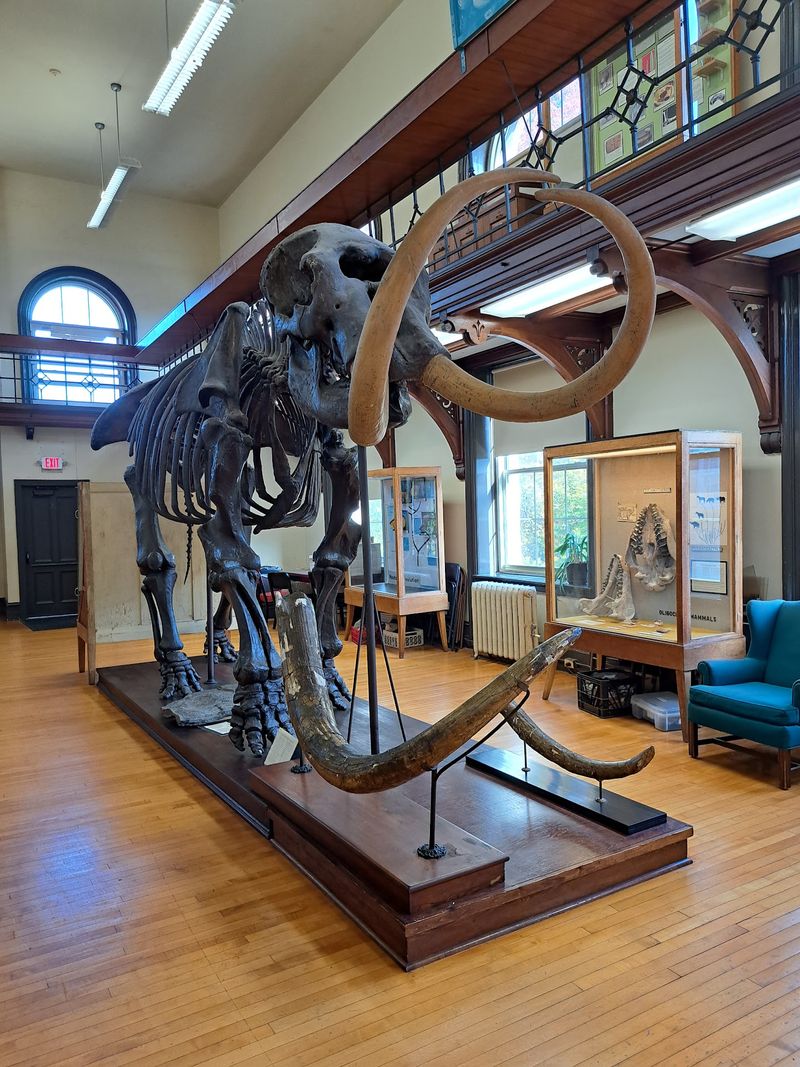
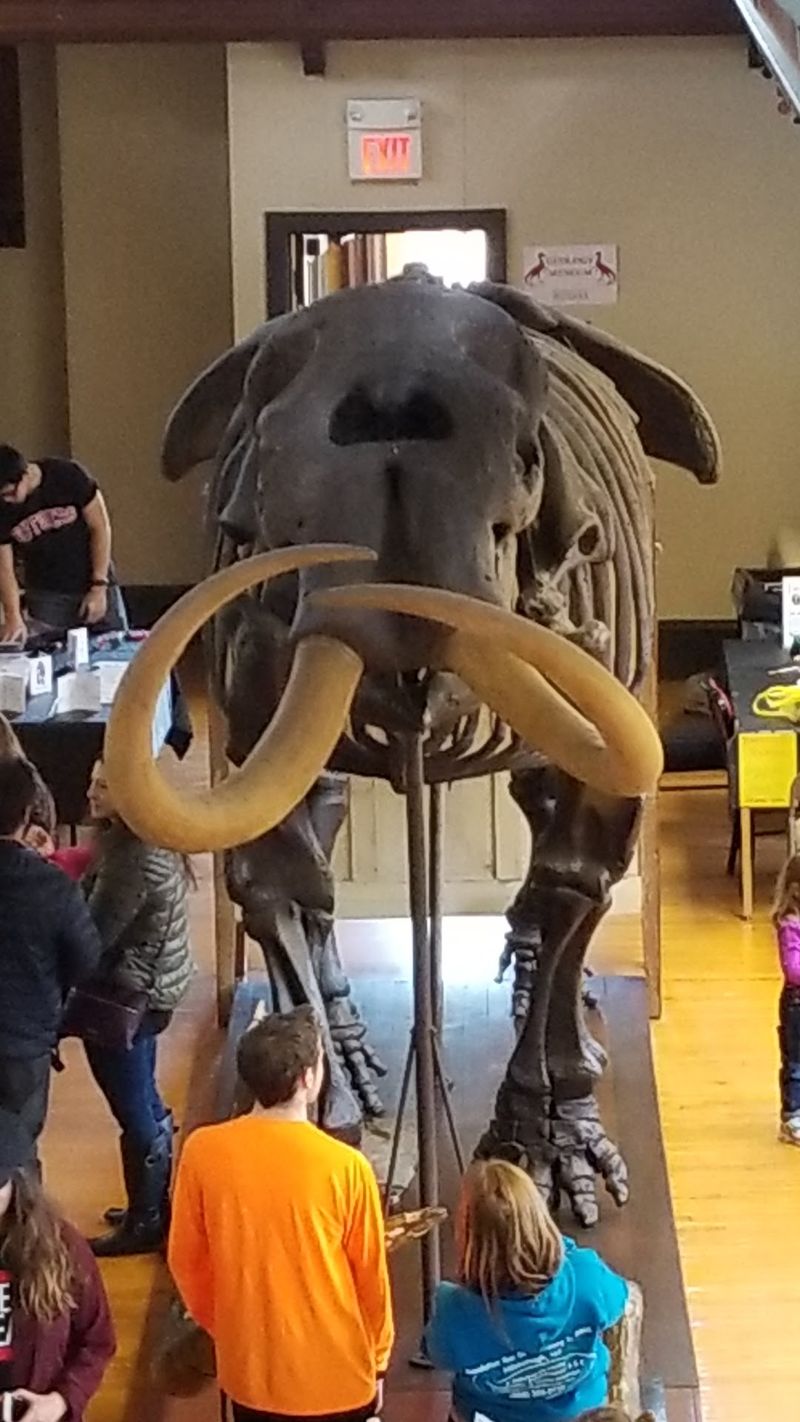
Manny has a way of making an entrance, even when he has been standing in the same spot since 1896.
The fully articulated mastodon skeleton that anchors the main floor of the Rutgers Geology Museum stands a commanding 12 feet tall, and the moment you see him, everything else in the room temporarily fades away.
His remains were unearthed in Salem County, New Jersey, back in 1869, making him a genuine local legend in the most prehistoric sense possible.
Then there is the giant spider crab, perched dramatically atop a wooden spiral staircase and stretching an astonishing 11 feet from claw to claw.
The Japanese government gifted this colossal arthropod to Rutgers a century ago, and after a careful restoration completed in 2015, it returned to its prominent spot looking as wild and impressive as ever.
Together, Manny and the spider crab create a visual experience that is hard to describe without sounding like you are exaggerating. You are not exaggerating.
They are exactly as extraordinary as they sound, and seeing them side by side makes the museum feel genuinely one of a kind.
New Jersey Natural History Since 1872
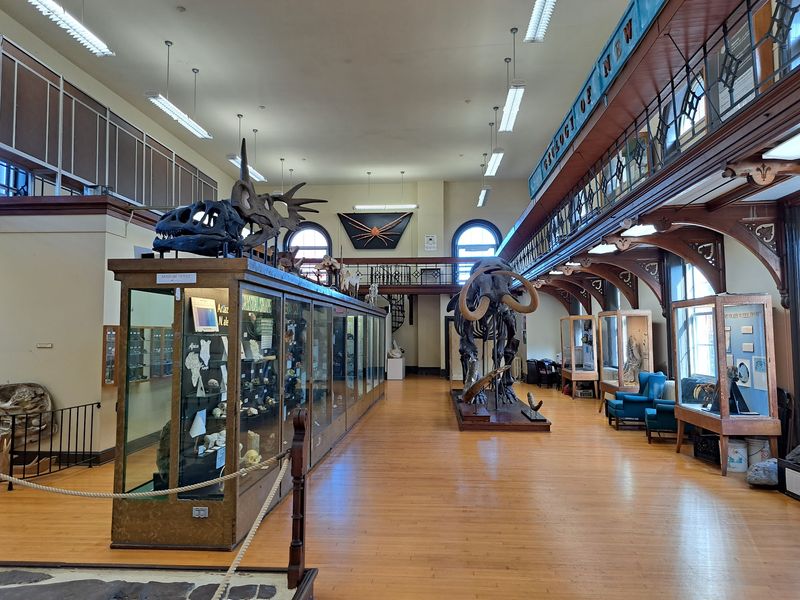
New Jersey does not always get credit for its geological richness, but the Rutgers Geology Museum makes a compelling case for the Garden State as a natural history powerhouse.
The museum’s collections began forming as early as 1836, long before the institution officially opened its doors, giving it a depth that surprises most first-time visitors.
The focus here is refreshingly local. Rare minerals sourced specifically from New Jersey take center stage in several exhibits, including pink zoisite and glossy franklinite from Sussex County.
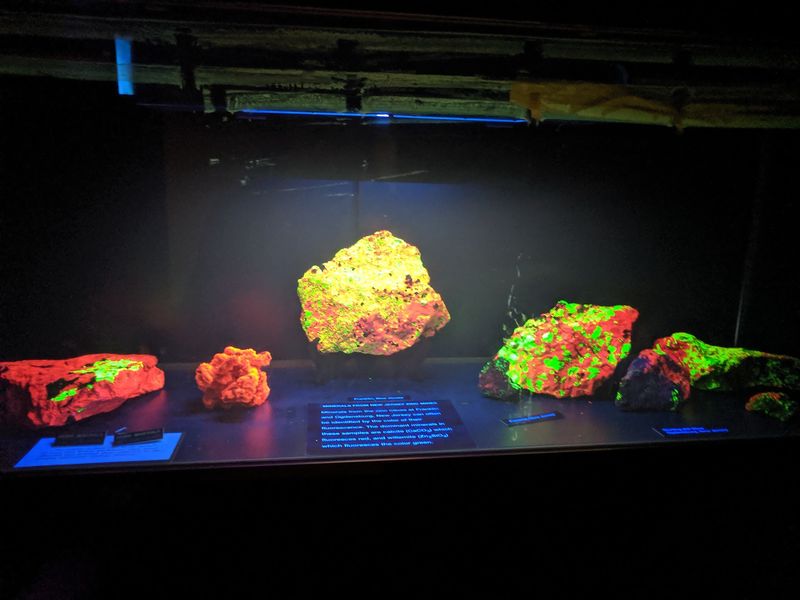
There is also a dedicated fluorescent mineral room in the back, where specimens from Franklin, NJ, glow in brilliant colors under ultraviolet light, a display that feels almost magical even to skeptical adults.
Fossilized dinosaur tracks from Towaco, NJ, add another layer of regional pride, reminding visitors that prehistoric creatures once roamed this very state.
Native American artifacts round out the collection, weaving together geology, natural history, and human heritage into a cohesive and absorbing story.
The museum makes New Jersey’s natural past feel vivid, immediate, and worth celebrating.
Free Admission, Ancient Wonders, and Fossils
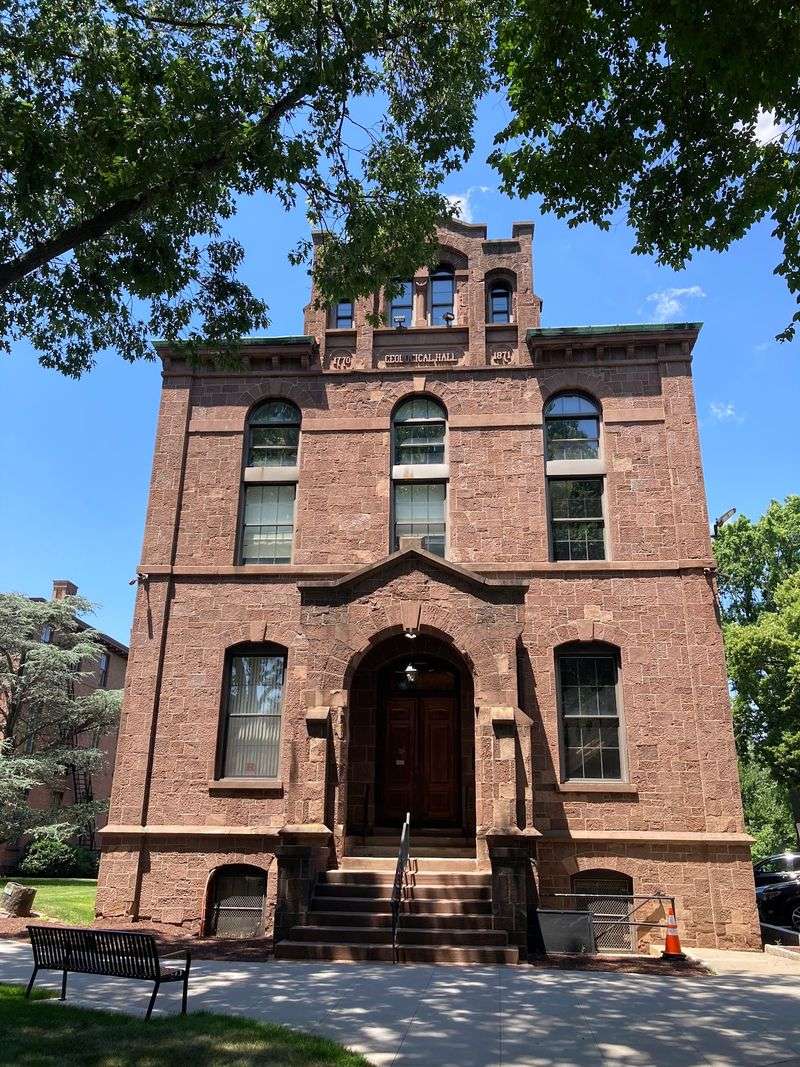
Free admission is a phrase that usually comes with a quiet asterisk somewhere, a suggested donation that feels less suggested than mandatory, or a paid special exhibit lurking around the corner. At the Rutgers Geology Museum, free genuinely means free.
You walk in, sign in, and the entire collection is yours to explore without spending a single dollar.
What makes that generosity remarkable is the sheer variety packed inside. Fossils from multiple geological eras sit alongside dazzling mineral specimens, meteorite collections, and the kind of prehistoric skeletons that make children go completely silent with awe.
A scavenger hunt, also free, transforms the visit into an active adventure, encouraging younger visitors to search for specific items throughout the exhibits.
Kids who complete the hunt even earn a small reward, which is a lovely touch that keeps energy levels high and attention focused. For families, students, or anyone simply curious about the Earth’s deep past, the museum offers an experience that punches well above its weight.
Spending an afternoon here feels like an incredibly good deal, because it genuinely is.
A Hidden Gem on Rutgers Campus
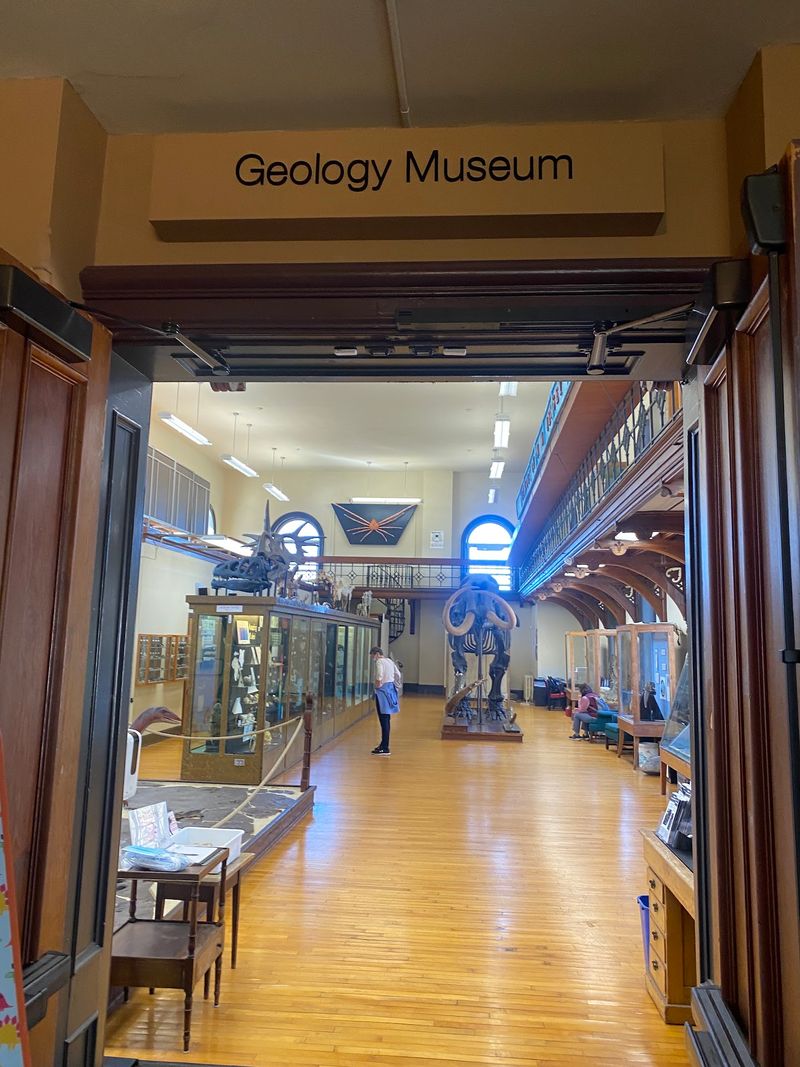
Geology Hall sits on Rutgers University’s College Avenue campus in a way that feels almost deliberately understated. The brownstone building blends into the academic landscape so naturally that it is easy to walk right past without realizing what is inside.
That quality is part of its charm, and part of why visitors who do find it tend to feel a particular kind of delight.
The museum occupies the second floor of the hall, creating a sense of discovery even within the building itself. Climbing up and stepping into the main exhibit room carries a quiet thrill, especially when Manny the Mastodon comes into view almost immediately.
The atmosphere is calm and focused, with enough space to move comfortably without feeling crowded.
Students from Rutgers pass through regularly, but the museum is open to everyone, not just those affiliated with the university. That openness is easy to overlook, since the campus setting can feel a bit intimidating to non-students.
Once you are inside, though, the welcoming environment quickly erases any hesitation. Finding this place feels like a small personal victory, the kind of discovery you immediately want to share with someone else.
Curious Minds Belong at This Museum
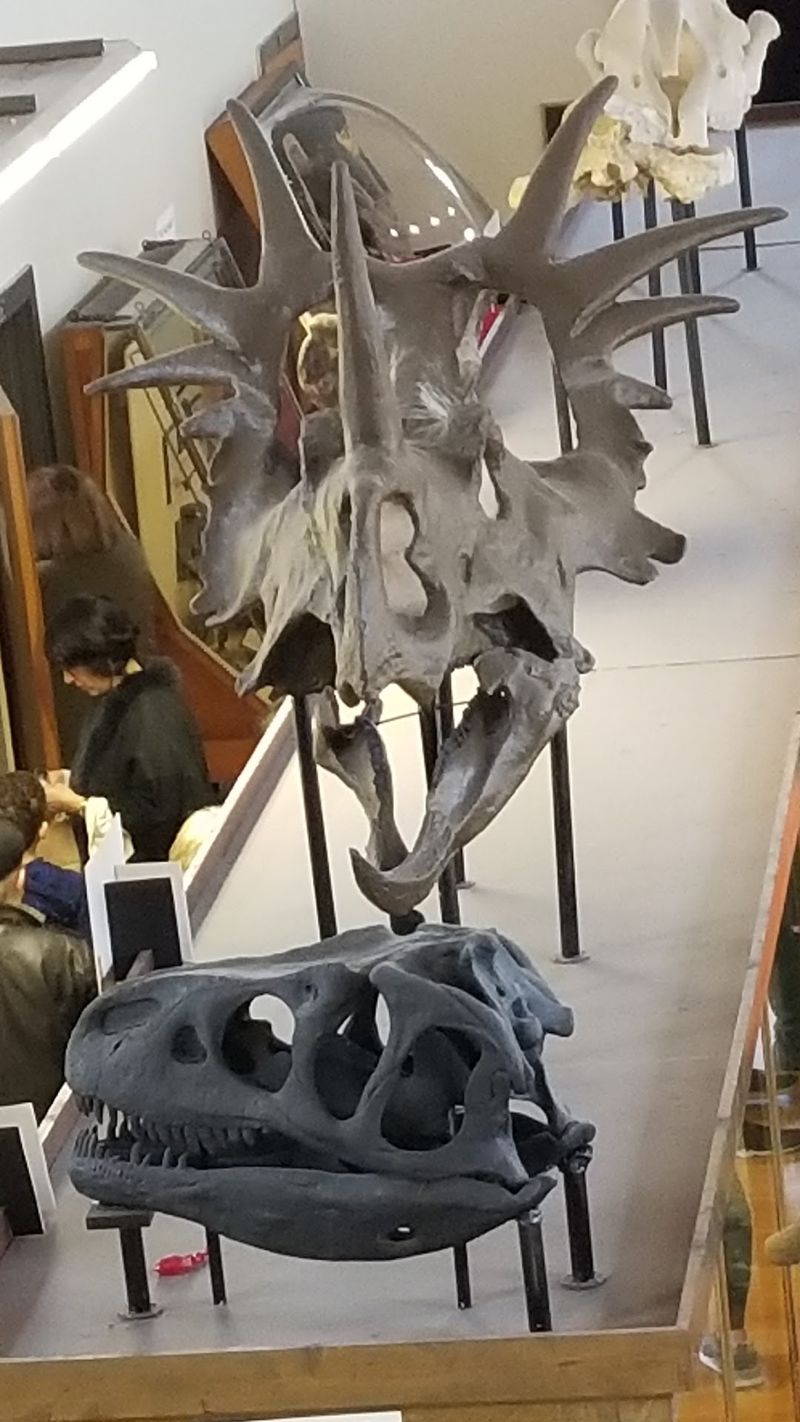
The Rutgers Geology Museum has a way of rewarding curiosity at every level. Whether you arrive knowing everything about plate tectonics or arrive knowing absolutely nothing about geology, the exhibits are designed to meet you exactly where you are.
Nothing here feels condescending, and nothing feels inaccessible.
Public lectures, guided tours, and special workshops run throughout the year, covering topics that range from planetary science to ancient Egypt.
These events are thoughtfully designed to go beyond the standard exhibit experience, giving attendees a chance to engage more deeply with subjects that genuinely fascinate them.
The scavenger hunt format works particularly well for younger visitors, turning passive observation into active exploration.
There is something energizing about a space that treats curiosity as a virtue rather than an inconvenience. Staff members are enthusiastic about the collections and bring a genuine warmth to interactions with visitors.
The museum also hosts an annual rock sale and educational event that draws a dedicated crowd of geology enthusiasts. For anyone who has ever looked at a rock and wondered about its story, this museum answers that question in the most satisfying way possible.
Meteorites and Mummies Under One Roof
Standing in front of a meteorite and knowing it traveled millions of miles through space before landing on Earth is the kind of thought that makes your brain feel pleasantly stretched.
The Rutgers Geology Museum’s meteorite exhibit does exactly that, presenting a three-part display that traces the formation history of our solar system through actual physical specimens.
Chondrites, some of the oldest rocks in the entire solar system, sit alongside lunar meteorites ejected from the Moon and rare Martian meteorites from our neighboring planet. Each specimen is labeled with enough detail to satisfy a curious adult while remaining approachable for younger visitors.
The exhibit makes the vastness of space feel tangible in a way that photographs and documentaries simply cannot replicate.
Then, just a short walk away, Iset-Ha the Egyptian mummy brings everything back to a deeply human scale. The contrast between cosmic time and human history, between rocks that predate Earth itself and a priestess who lived 2,400 years ago, creates a genuinely thought-provoking experience.
Very few places on Earth offer that particular combination, and this museum pulls it off with ease.
The Museum That Has It All for Free
Somewhere in the world, there is probably a very expensive museum that offers a fraction of what the Rutgers Geology Museum provides for free.
That thought becomes increasingly funny the longer you spend inside, marveling at one extraordinary exhibit after another without ever reaching for your wallet.
The collection spans prehistoric fossils, dazzling mineral specimens, meteorites from across the solar system, Native American artifacts, a 12-foot mastodon skeleton, an 11-foot giant spider crab, and a genuine Egyptian mummy from the Ptolemaic era.
Scavenger hunts, guided tours, and public lectures add layers of engagement that go well beyond passive observation.
The gift shop, small but well-stocked with minerals in raw and polished forms, offers a satisfying final stop for those who want to bring a piece of the experience home.
Plan for at least an hour, maybe two if you are the type to read every exhibit card carefully. The museum rewards that kind of attention, revealing details that a rushed visit would completely miss.
For anyone who values learning, history, and the pure joy of discovery, this is exactly the kind of place that makes a regular afternoon feel extraordinary.
Address: 85 Somerset St, New Brunswick, NJ
