Some of the best walks in West Virginia start somewhere you would never think to look, like the edge of a busy college road. I went expecting a quick stroll and a few trees with name tags, and instead found myself kneeling in the dirt, grinning at a hillside washed in blue spring flowers.
Miles of quiet trails, trees that may be older than the state itself, and not a single ticket booth in sight. It made me wonder how many of us have driven right past it for years without ever stopping.
A Forest Tucked Beside a Busy Boulevard
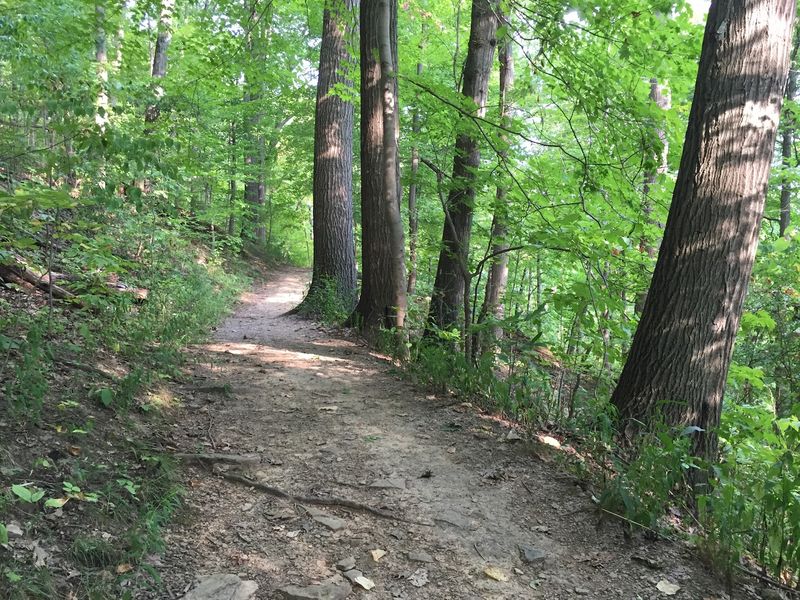
Picture a four-lane road humming with game-day traffic, then picture stepping off it into a ravine so quiet you can hear a woodpecker tapping two hills over. That is the everyday magic of the WVU Core Arboretum, a 91-acre stretch of forest and flood plain tucked along Monongahela Boulevard in Morgantown.
West Virginia University manages the property through its Department of Biology, and it works as three things at once. It is an outdoor classroom for students, a research site for scientists, and a free backyard for anybody who wants to walk in the woods.
Part botanical garden and part old-growth forest preserve, it slopes down from the road toward the Monongahela River.
Plenty of folks have driven past it a hundred times on the way to a ballgame at the Coliseum without ever pulling in. Visitors who finally stop tend to say the same thing: once you drop below road level, the city seems to vanish.
One traveler described feeling like the middle of nowhere while standing right in the center of it all.
For a state known for big wild places, it is a little funny that one of the prettiest woodland walks around sits inside a college town, just a short stroll from campus parking.
From Krepps Farm to the Earl Core Legacy
Back in 1948, not long after the war, West Virginia University acquired land that had once been the Krepps Farm. Instead of paving it over for buildings, the school set it aside, and that decision still pays off for every hiker who wanders down the hill today.
Much of the credit goes to Professor Earl L. Core, a respected WVU botanist who chaired the Biology Department.
He reportedly pushed hard to keep the property protected for biological and botanical study, believing students learned best with their boots in the dirt. In 1975, the university named the arboretum in his honor.
Dr. Core was a big name in West Virginia plant circles, and his work helped generations of Mountaineers learn the names of the flowers growing in their own hollows. Folks who grew up hunting ramps or picking wild greens with a grandparent may feel a kinship with his mission.
It was always about knowing the land you call home.
That spirit carries on. The Department of Biology still oversees the grounds, and volunteers pitch in to keep trails clear and gardens tidy.
What started as an old farm tract has grown into a living library of Mountain State plants, open to everybody.
Old-Growth Giants on the Hillside
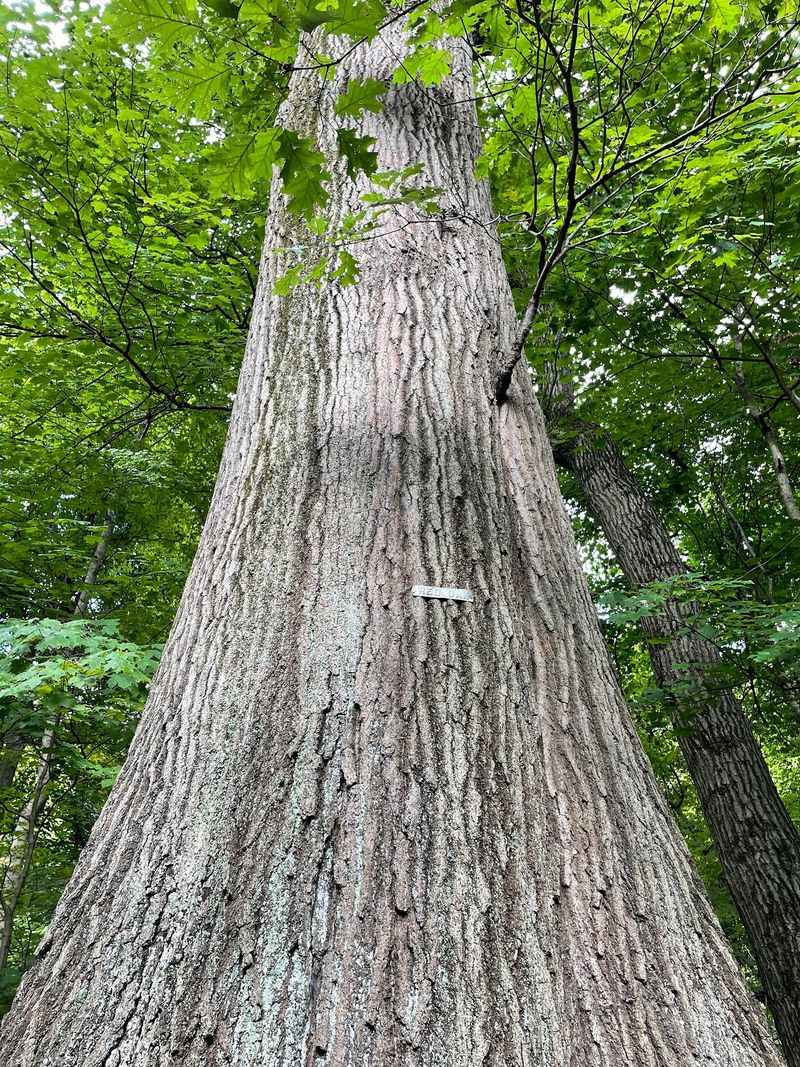
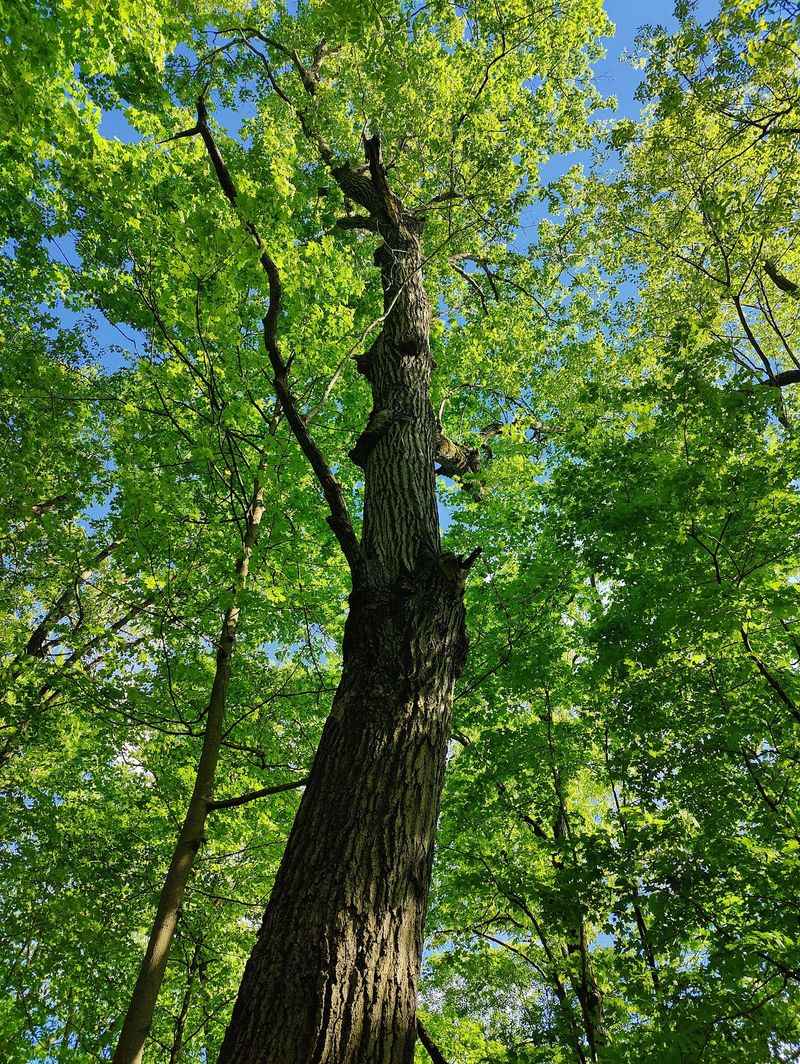
Some of the trees here were likely putting down roots before West Virginia was even a state. Parts of the arboretum hold old-growth temperate deciduous forest, and a few of the trunks may be more than 200 years old.
That matters more than it might sound. Much of the Mountain State was logged hard during the timber boom of the late 1800s and early 1900s, so patches of truly old forest are uncommon, especially inside city limits.
Walking beneath these giants offers a rare peek at what the hillsides may have looked like to early settlers.
The canopy creates deep shade in summer, and a couple of visitors mention how nice the shady trails feel on a hot afternoon. Fallen logs, thick moss, and gnarled roots give the lower slopes a storybook quality.
Around the cliffs, rocky outcrops add drama, though signs ask hikers to stay on marked paths to protect the fragile ground.
Beyond the forest, the arboretum lawns showcase more than 150 species of planted trees and shrubs, mixing native favorites with trees from farther afield. Put the two together and you get a sort of museum where the exhibits breathe, sway, and change color with the seasons.
Spring Ephemerals That Own the Month of April
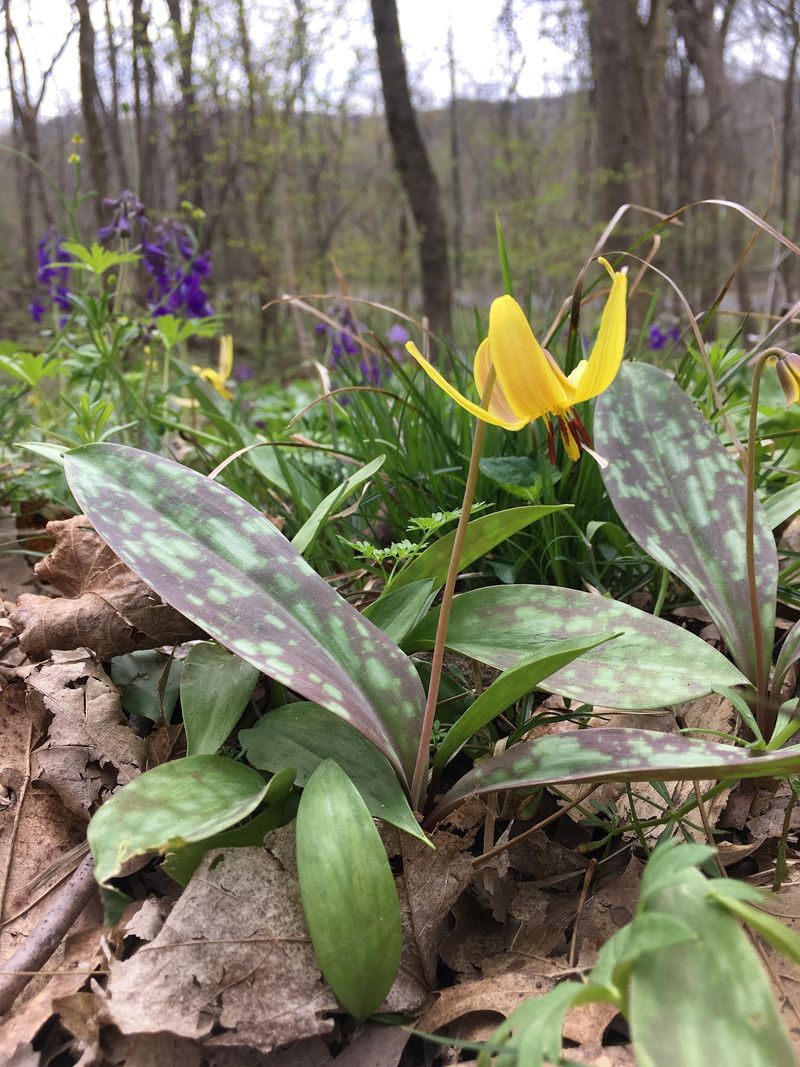
Blink in late March and you might miss the opening act. Spring ephemerals are wildflowers that rush to bloom on the forest floor before the trees leaf out and steal the sunlight, and the Core Arboretum is known for a truly world-class show of them.
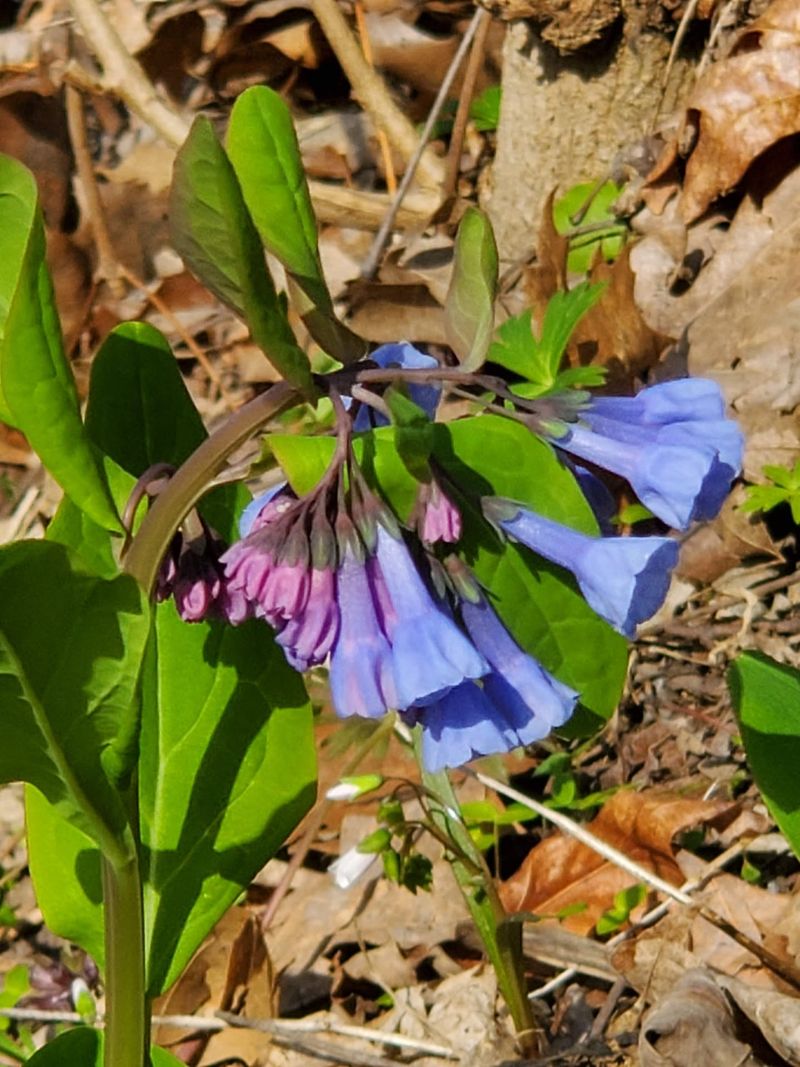
The season typically runs from late March into early May, with April as the headliner. Look for Virginia bluebells nodding in pale blue clusters, sunny yellow celandine poppy, and speckled trout lily leaves poking up like little green tongues.
Twinleaf, wild ginger, dwarf larkspur, and sessile trillium round out the cast, along with plenty more.
In total, the grounds support more than 250 native herbaceous plants, so even repeat visitors can find something new each week. Many flowers open fully on sunny days and close up when clouds roll in.
Kneeling low with a phone camera often reveals tiny details you would otherwise walk right past.
Longtime West Virginians may remember a grandparent pointing out trillium on a Sunday drive or warning kids not to pick the bluebells. That same sense of wonder is alive here.
Just remember the golden rule of wildflower walks: take photos, leave the blossoms, and let the next family enjoy them too.
The Bluebell Hotspot Where Nuttall Meets Sheldon
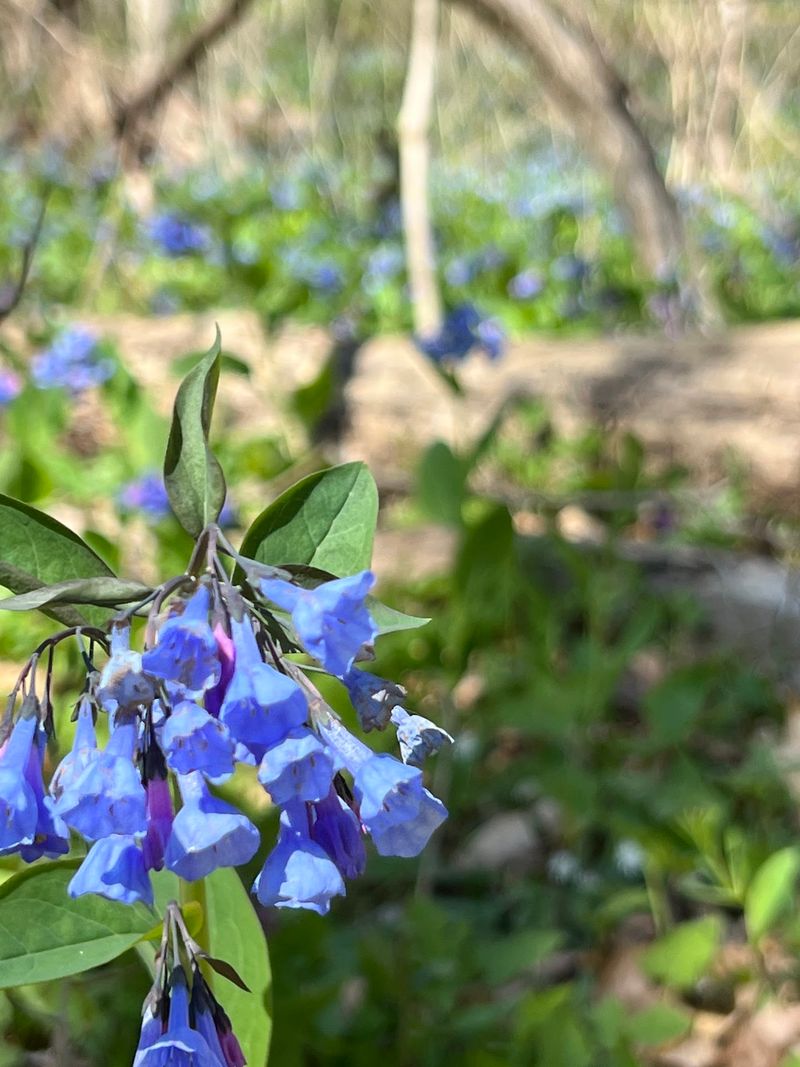
If you only have one morning in April, head downhill. The lower portions of the arboretum, especially where the Nuttall Trail meets the Sheldon Trail, are known as hotspots for thick concentrations of spring flowers.
Visitors who have joined guided walks describe Virginia bluebells carpeting the ground along the Sheldon Trail, a sea of soft blue that looks almost painted on. The Melvin Brown Trail and Strausbaugh Trail are also favorites when the ephemerals are peaking.
Rich, moist soil near the river bottom seems to suit these blooms just fine.
Getting there takes a little effort from the top parking lot, since the path drops steeply toward the Monongahela. The climb back up can leave you puffing, but most folks agree the payoff is worth every step.
One visitor even noted that the steep walk kept them warm on a chilly spring day.
Timing helps. Mid-April often brings the fullest displays, although weather can nudge the calendar earlier or later each year.
Weekday mornings tend to be quieter than weekends. Bring patience along with your camera, because the best patches reward slow walkers who stop, crouch, and actually look, and a single hillside can hold dozens of species.
Eleven Paths, From the Gentle Guthrie Loop to the Steep Taylor Trail
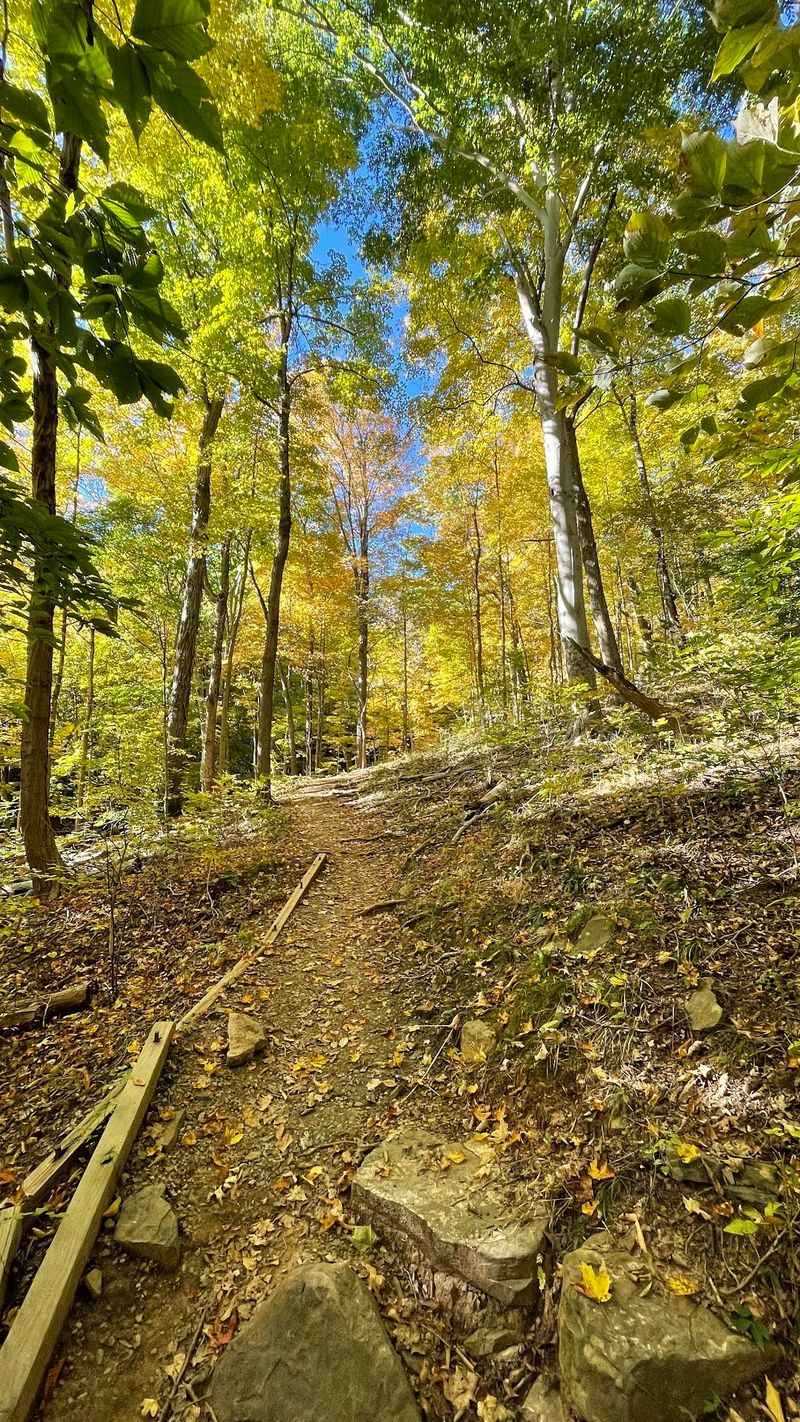
Eleven trails and connectors crisscross the arboretum, adding up to roughly 3 to 3.5 miles of foot paths. That might not sound like much, but the hills make every mile count.
Beginners and folks with tender knees should start on the Guthrie Loop, a relatively level route that offers a relaxed stroll without much huffing. On the other end of the scale, the Taylor Trail throws in steeper inclines that will get your heart pumping.
Several visitors mention that some routes are wide and easy while others are steep with loose footing, so reading the map before you set out can save some grumbling.
Tree roots do double duty on the slopes. On the steep parts, they form natural steps, which one reviewer found rather handy.
Another visitor noticed that the same route felt steep going down but easier coming back up, so direction matters more than you might expect.
Trail markers are generally clear, and the map from the entrance kiosk is easy to read. Separate paths for cycling and hiking help keep everybody safe.
After heavy rain, the bottom near the river can get soggy and a few spots may look washed out, so waterproof boots are a smart choice in wet weather.
Name Tags on the Trees and Stories on the Signs
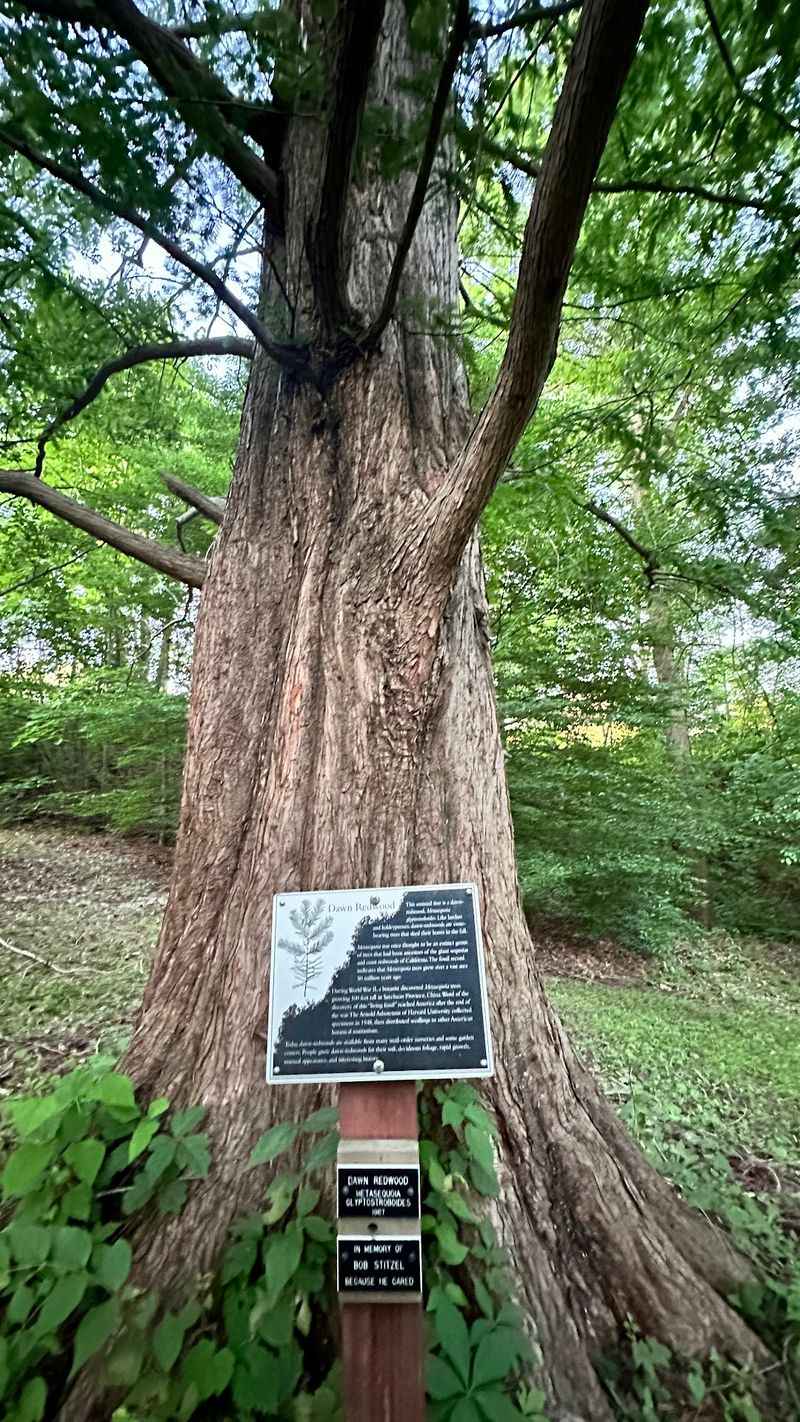
Ever walked past an oak and wondered if it was a red, a white, or a chestnut? Here, the answer is often hanging right on the trunk.
Many mature trees along the trails carry labels, and visitors love it.
More than 80 species of native West Virginia trees and shrubs grow on the grounds, alongside a planted collection that includes species from out of state. Interpretive signs along the way go beyond names, sharing bits about local plants, wildlife, human history, and even geology.
A quick stop to stretch your legs can turn into a surprise lesson, and more than one traveler left saying they learned a few things.
Grandparents walking with grandkids might find this the best part. It turns a simple hike into a friendly game of who can spot the sugar maple first.
Pamphlets at the entrance add more detail for curious minds.
Fun fact: the pawpaw, a native fruit that many old-timers lovingly call the Appalachian banana, gets its own celebration here. The arboretum hosts fall pawpaw tasting events.
For folks who remember shaking pawpaw trees along a creek bank as kids, that alone can bring back a flood of happy memories and maybe a craving.
A Birding Checklist With More Than 180 Names
A red-tailed hawk napping in the sunshine is not something most people expect to see a few minutes from a university parking lot. One spring visitor did exactly that, and it is far from a rare story here.
More than 180 bird species have been reported at the arboretum, making it a favorite for birders across north-central West Virginia. The mix of old forest, open lawns, and river flood plain gives birds plenty of places to feed, nest, and rest during migration.
Spring bird walks, offered as part of the arboretum’s free programs, help beginners learn which chirp belongs to whom.
Birds are not the only locals. Visitors describe wildlife popping out of nowhere, and a patient walker may catch woodland critters going about their business among the roots and ferns.
Early mornings, when the gates open at 6 AM, tend to be lively.
Bring binoculars if you have them, and a field guide or phone app if you want to put names to feathers. A pair of retirees could easily spend a whole morning on a bench, coffee thermos in hand, keeping a tally.
There may be no better way to feel connected to the rhythm of West Virginia seasons.
The Rail-Trail Shortcut and a Riverside Detour
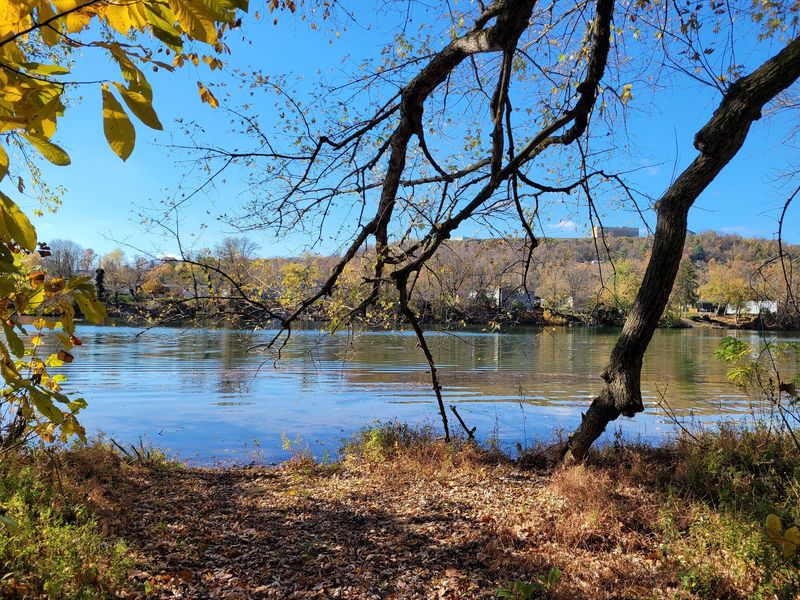
Here is a trick many locals never figured out: you do not have to tackle the big hill at all. The Caperton Rail-Trail passes right through the lower arboretum, offering a paved, level route along the Monongahela River.
Many visitors park near Star City and follow the rail-trail in, reaching the gentler lower trails without the steep climb from the top. It is a smart option for anyone with bad knees, a stroller, or simply a preference for flat ground.
The same connection works in reverse, too, so hikers who start in the arboretum can hop onto the rail-trail for a longer outing.
Cyclists can join the fun. An unpaved service road links the WVU parking area to the rail-trail, and several paths welcome bikes, though some spots can challenge riders.
Down by the water, the mood shifts to something slower and sweeter. One regular recommends grabbing a few flat rocks near the bike rack on the rail-trail and skipping them across the river.
It is a simple pleasure, the kind many West Virginians remember from childhood summers at the creek, and it costs exactly nothing. Pack a sandwich and make an afternoon of it.
Free Sunday Flower Walks and a Year-Round Calendar
Sundays in April have become something of a Morgantown tradition. For years, the arboretum has offered free guided wildflower walks, led by knowledgeable guides who know every bloom by name and often a story to go with it.
One family new to the area booked a walk online for Easter Sunday and ended up with the arboretum’s director as their guide. They came away fascinated by the medicinal and culinary uses of the wildflowers, the sort of knowledge older generations in the hills once passed down at the kitchen table.
Another group praised a guide who stayed patient with a mix of ages and fitness levels.
The calendar does not stop when spring fades. Summer brings the Nature Connection Series of lectures, and fall offers pawpaw tasting events that draw curious eaters.
Spring bird walks add another reason to set an early alarm.
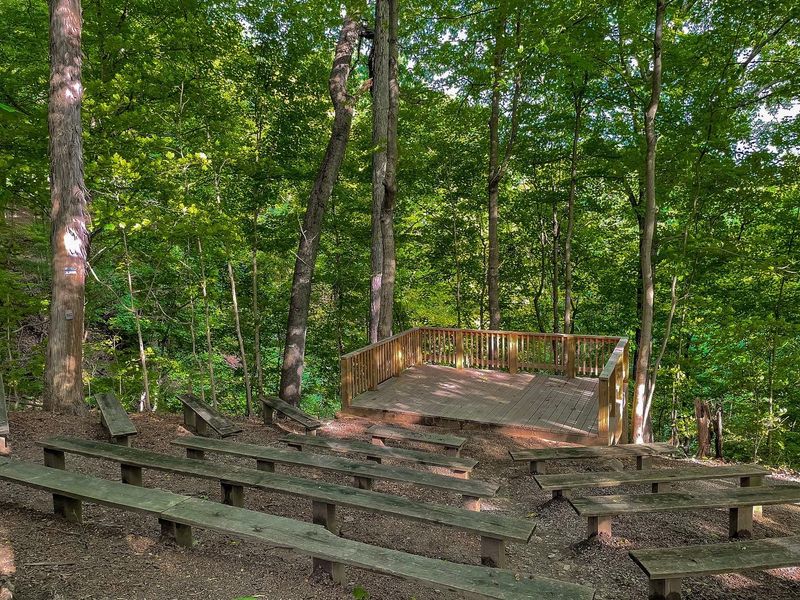
An outdoor amphitheater sits on the hillside and hosts different types of shows. Staff and volunteers keep the programs fresh, and visitors often describe the events as unique and fun.
Since offerings can shift from year to year, checking the arboretum website before you go is a good idea, especially if you want a spot on a popular April walk.
Hammocks, Sculptures, and a Meditation Garden
Stress has a way of melting off around the second bend in the trail. Visitors keep coming back to the same words to describe the arboretum: peaceful, quiet, and calm, with not a lot of crowds.
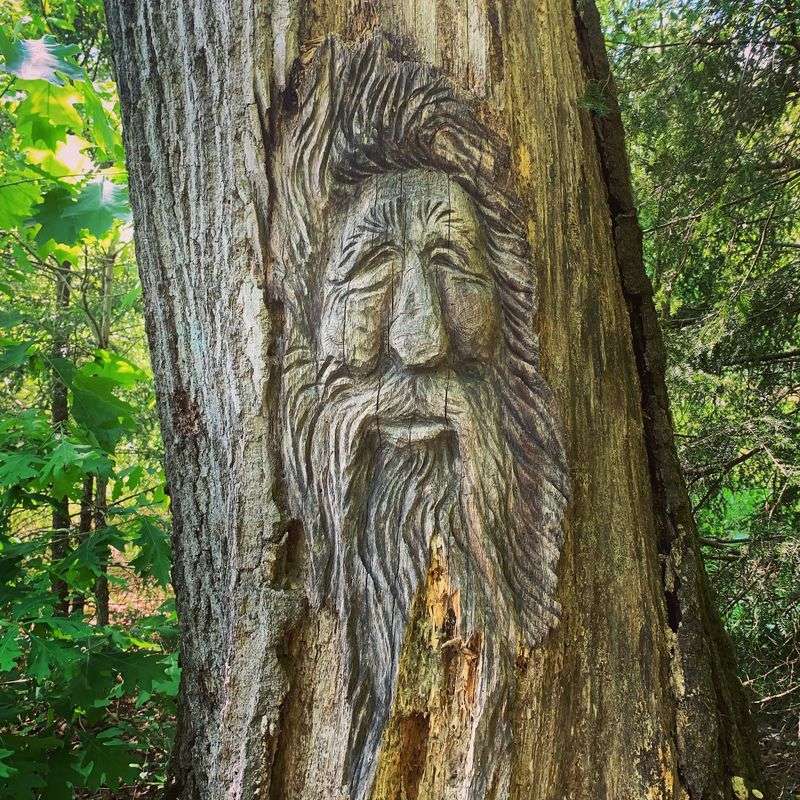
A few special spots make lingering easy. There is a hammock area dotted with neat sculptures among the trees, a playful surprise for first-timers.
Nearby, a meditation garden offers tranquil sounds from a small stream, and one visitor called it so peaceful it was hard to leave.
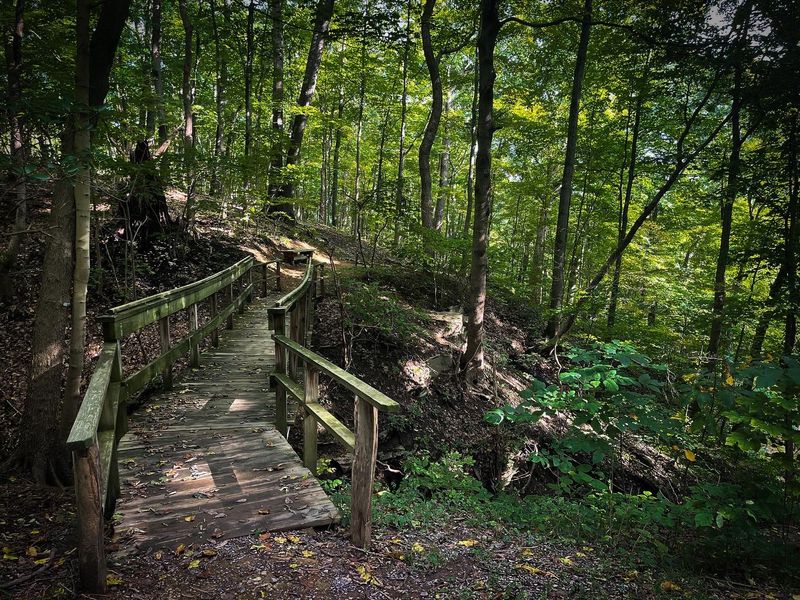
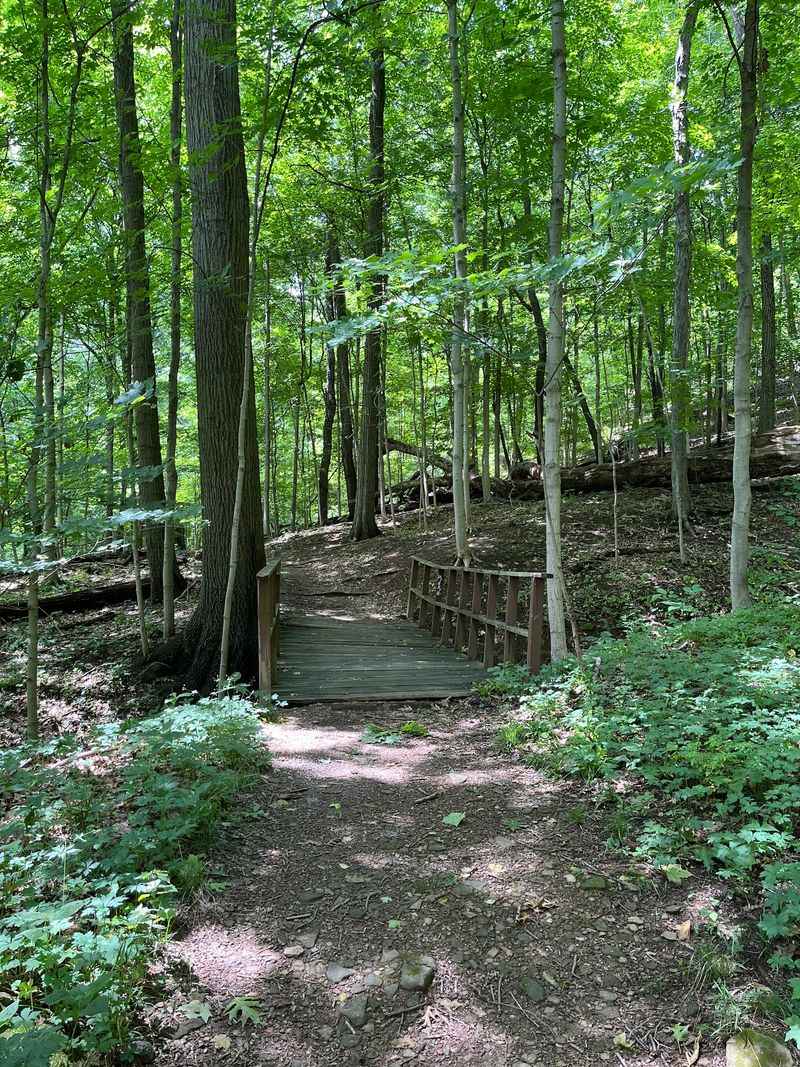
Benches and a few places to sit appear along the paths, handy for catching your breath after a climb or simply watching the light filter through the leaves. Pedestrian bridges cross small drainages, adding a little charm to the walk.
The overall setup stays fairly primitive, with improvements limited mostly to trails, bridges, and seating, which helps keep the woodsy feel intact.
People also notice how clean the place stays. Visitors mention little to no litter and friendly faces on the trails, including staff who are happy to answer questions.
Some folks bring a book and simply stay a while. It feels like a community that takes care of its shared backyard, the way West Virginia neighbors always have.
Muddy Boots, Bug Spray, and Who Will Love It Most
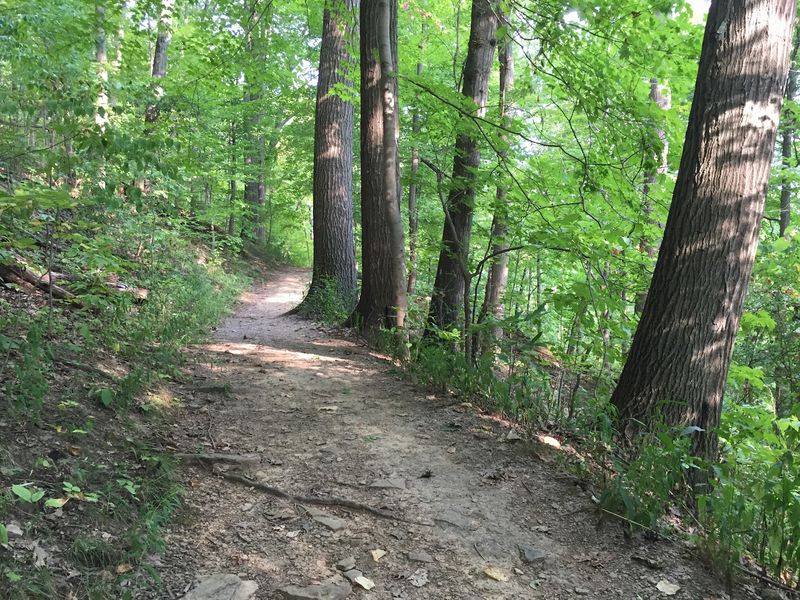
Good shoes are not optional here. Nearly every visitor who shares advice says the same thing: expect mud, tree roots, and hills on most trails, and dress your feet accordingly.
Insect repellent is another must, especially once the weather warms and you head deeper into the woods. A water bottle belongs in your pack too, since the grounds are described as a primitive area without drinking water.
Portable toilets sit in the parking lot, but you will not find facilities out on the trails, so plan ahead.
Who will love it? Hikers and joggers get a real workout on the steeper routes, while photographers and plant lovers get endless subjects.
Birders fill their lists, families get a free outing that tires out the kids, and retirees get a peaceful morning walk that costs nothing. Travelers passing through Morgantown can stop for a leg stretch and an outdoor lunch, as one grateful visitor did.
Folks with limited mobility can still enjoy it. The Guthrie Loop stays relatively level, and the paved Caperton Rail-Trail offers the flattest access of all.
Signs ask everyone to stay on marked paths, and the rocky areas near the cliffs are best left to experienced hikers with poles.
Hours, Parking, and Getting There
Admission costs nothing, which may be the best news a retiree on a fixed income hears all week. The WVU Core Arboretum is free and open daily, with posted hours of 6 AM to 9 PM, while the university describes access as dawn to dusk.
Parking is also free in the arboretum’s own lot, though it carries a three-hour limit and can fill up on nice spring weekends. Visitors describe the lot as small, and some mention parking elsewhere and walking over.
Extra free parking is available at the neighboring WVU Coliseum lot in the evenings after 4 p.m. and on weekends.
An information kiosk near the entrance stocks trail maps and pamphlets. Grab one before you start, because the trail network is easier to enjoy when you know which way leads to flat ground and which heads straight uphill.
Portable toilets are in the parking lot.
For your GPS, the address is 1145 Monongahela Blvd, Morgantown, WV 26505. Access from the road is quick, easy in and easy out, according to visitors.
If you prefer the flat approach, consider starting from the Caperton Rail-Trail near Star City instead and walking in along the river.
A Quiet Treasure Worth the Climb
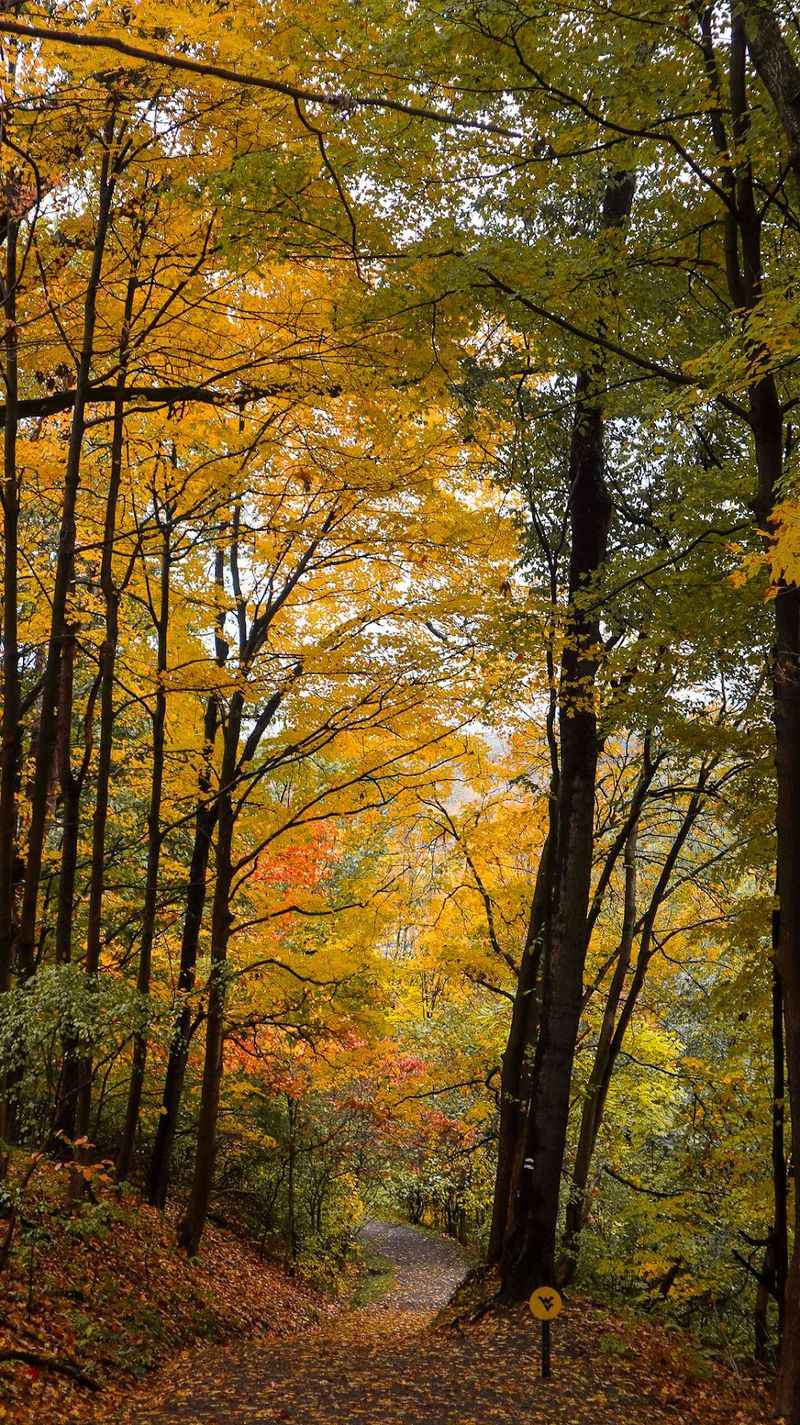
Some places shout for attention with billboards and gift shops. The Core Arboretum just waits quietly at the bottom of a hill, trusting that anyone who wanders down will understand.
For West Virginians, it offers something close to priceless. There is old forest that survived the logging days, April hillsides washed in bluebells, labeled trees that turn a walk into a lesson, and free guided walks that pass along plant wisdom much like our grandparents once did.
All of it comes without a ticket booth or a membership card.
It is not perfect, and it does not pretend to be. The hills are steep, the river bottom gets soggy, and the parking lot is small.
Yet those quirks seem to be part of the charm, keeping the place wild enough to feel like a real escape.
So the next time you are headed to a game at the Coliseum or running errands along Monongahela Boulevard, consider pulling into that little lot. Lace up sturdy shoes, pack some bug spray, and give yourself an hour or two.
You might just find the best free walk in West Virginia, and wonder why it took you so long.
Got a favorite trail memory or a spring bloom you still remember? It is worth sharing with the next generation of walkers.
