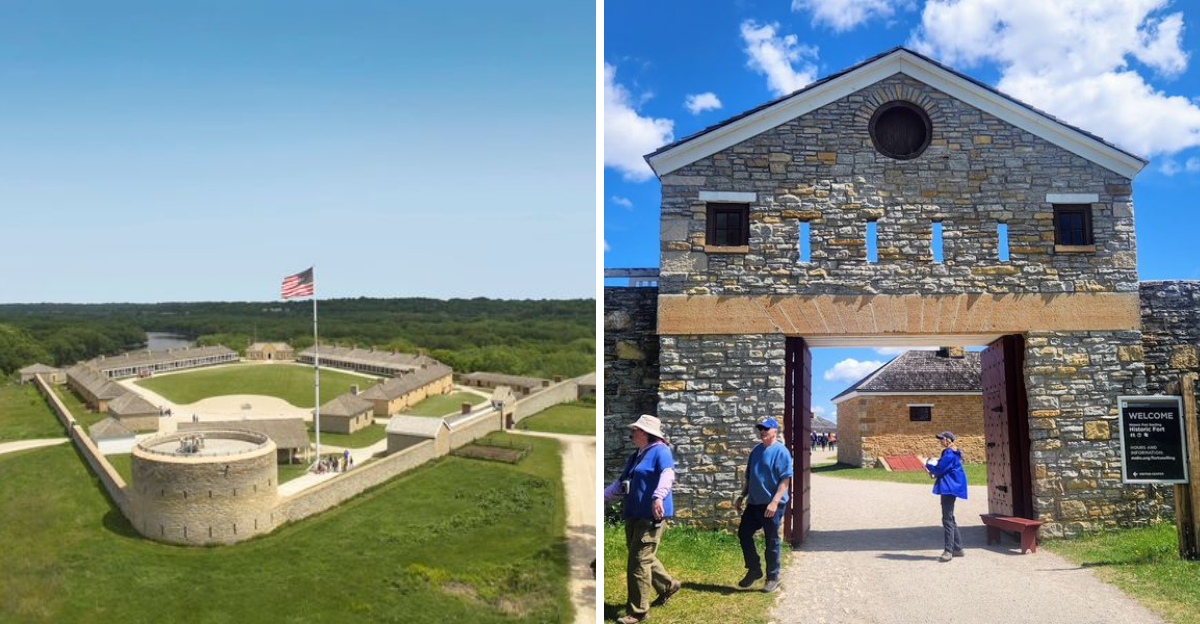
Step onto the grounds and the modern world just melts away like snow in spring. The stone walls have stood for over a century, but the land itself has witnessed more than ten thousand years of human history.
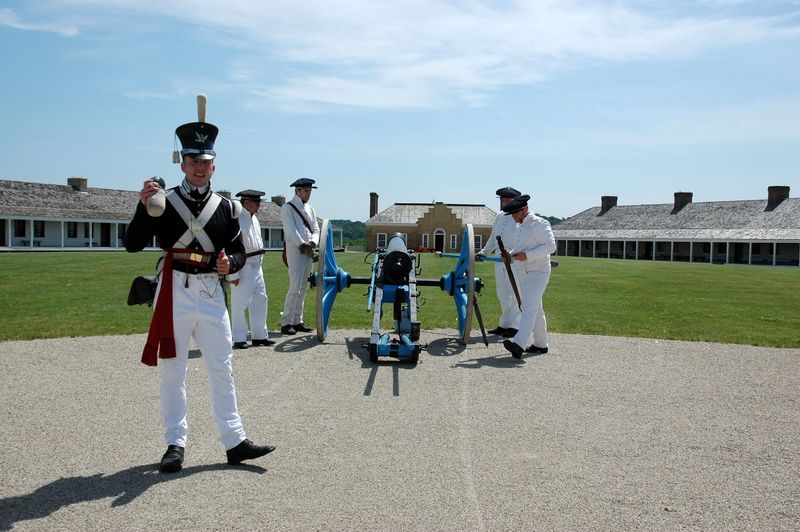
Soldiers in period uniforms march across the parade ground, while costumed interpreters tend to gardens, fire cannons, and demonstrate blacksmithing like it is still the 1800s.
You can wander through the barracks, peek into the infirmary, and imagine what life was like for the families who once called this place home.
The river views are stunning, offering a perspective that has not changed much since the fur trade era. Kids love watching the musket demonstrations, their eyes wide as the smoke clears and the boom echoes across the valley.
The best part? The gates are completely open to everyone, no ticket required, just show up and step back.
Minnesota knows how to preserve its past with authenticity and heart, making history feel alive rather than dusty. It is the kind of place that reminds you how much stories matter, especially when they are told for free.
The Stone Walls That Have Seen It All
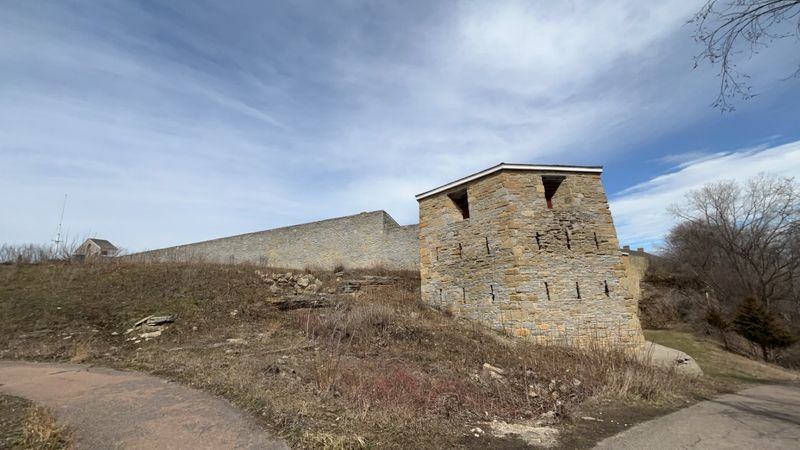
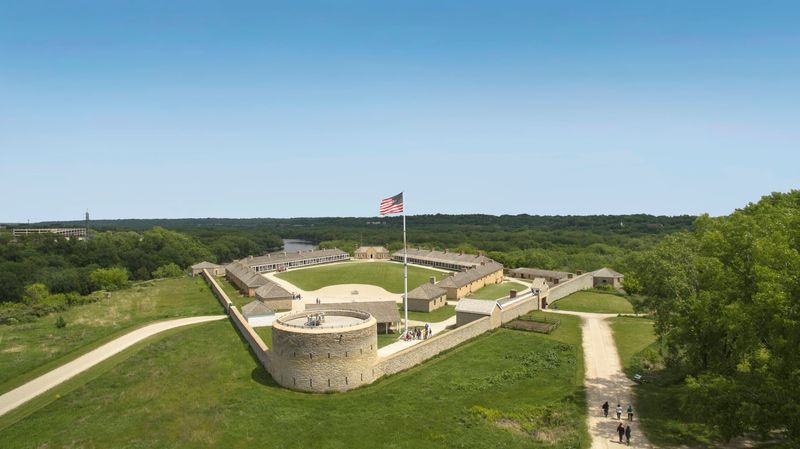
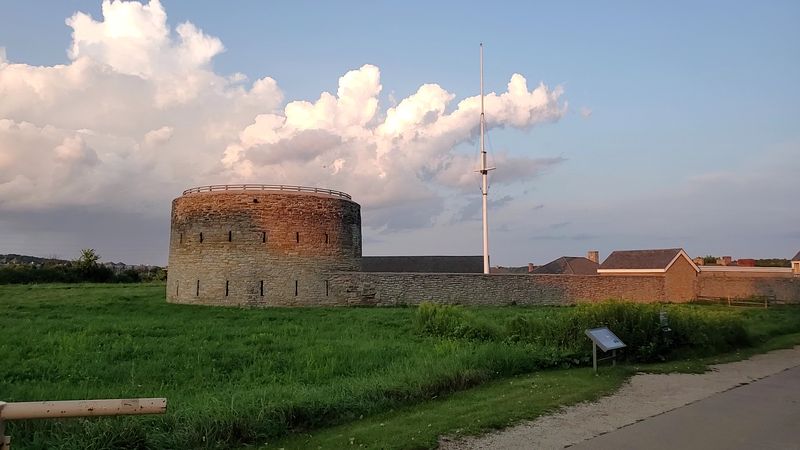
There is something almost unreal about touching walls that were built in the 1820s and are still standing today. The limestone construction of Historic Fort Snelling gives the entire place a weight that modern buildings simply cannot replicate.
You feel the age in every weathered block.
The fort was strategically placed on a high bluff where the Mississippi and Minnesota Rivers come together. That location was no accident.
Early American military planners knew this spot controlled a massive stretch of the frontier.
Walking along the outer walls, you get a real sense of how isolated and exposed life here must have felt. The wind off the rivers hits differently up on that bluff.
It is easy to imagine soldiers standing watch in bitter Minnesota winters, scanning the horizon for movement.
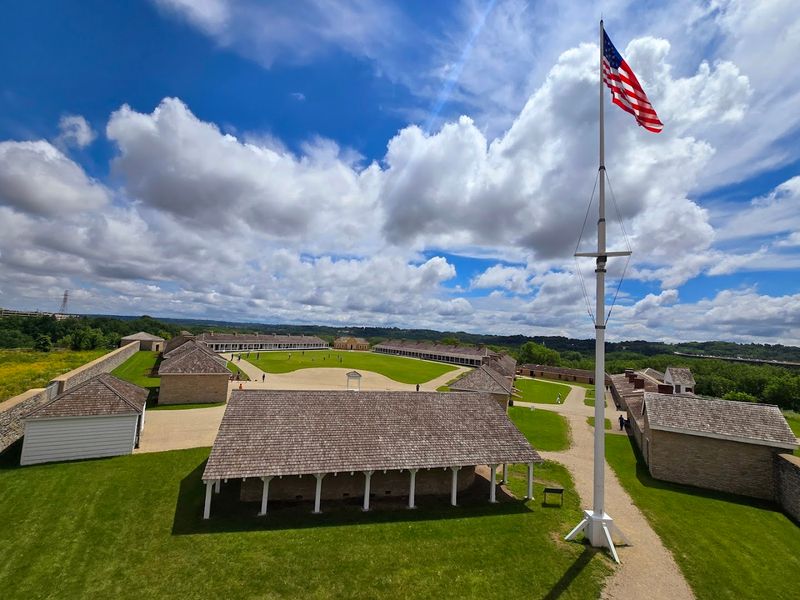
Four original buildings still survive from the earliest construction period. The rest have been carefully reconstructed to match historical records.
Together, they create a remarkably complete picture of early 19th-century military life in the American interior.
A Land With 10,000 Years of Human History
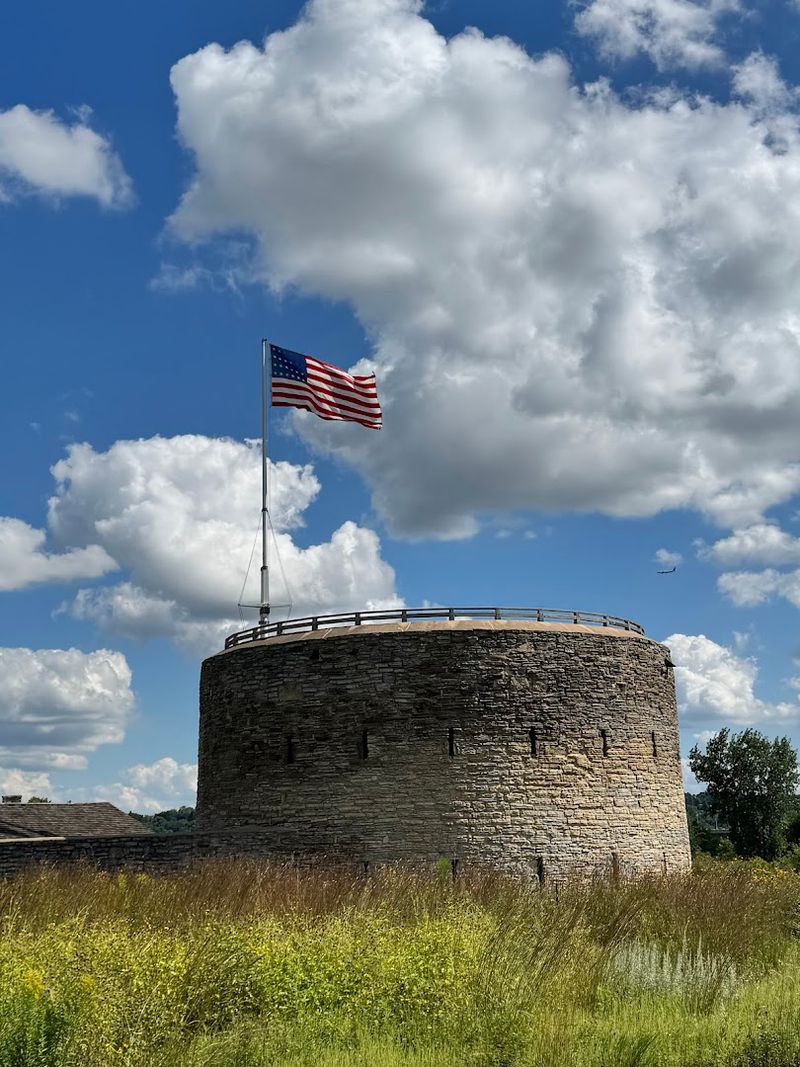
Long before any soldier ever set foot here, this land was home to the Dakota people for thousands of years. The confluence of the two rivers was considered a sacred place, known in the Dakota language as Bdote.
That spiritual significance did not disappear when the fort arrived.
The Minnesota Historical Society has worked hard to make sure that story is told honestly inside the visitor center. Exhibits cover the Dakota presence, the complicated history of treaties, and the forced removal that followed.
It is heavy material, but it is presented with care and respect.
Understanding this deeper timeline completely changes how the fort feels. The military history becomes just one layer of something much older and more complex.
That context is what separates Fort Snelling from a simple military museum.
Spending time in the visitor center before exploring the grounds is genuinely worth it. The exhibits set the stage in a way that makes every building and demonstration inside the fort walls feel more meaningful.
Living History Actors Who Actually Know Their Stuff

I was not expecting the actors to be this good. The interpreters stationed throughout the fort are dressed in period-accurate clothing and they stay in character with a confidence that pulls you right into the scene.
One was demonstrating blacksmithing, another was explaining cook quarters like she had worked there for years.
What makes these performances stand out is the knowledge behind them. Ask a question and you get a real, detailed answer rooted in actual historical research.
Nobody fumbles or breaks character awkwardly.
The demonstrations happen at regular intervals throughout the day, so timing your visit around them adds a lot of value. Cannon and rifle firings are crowd favorites, especially for kids who suddenly become very interested in 19th-century military life.
Seeing the cook quarters and basement areas through a guided explanation gave me details I never would have picked up on my own. The interpreters highlight small, human moments that textbooks miss entirely.
The Dred Scott Connection That Changes Everything
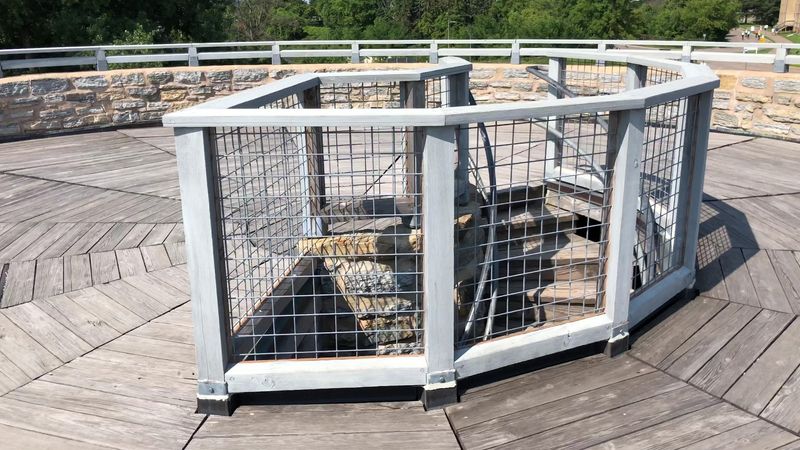
Most people do not connect Fort Snelling to one of the most important legal cases in American history, but the connection is direct and undeniable. Dred Scott lived at this fort with his enslaver, and you can actually visit the room where he stayed.
That detail alone stopped me in my tracks.
Scott’s case eventually reached the Supreme Court and produced a ruling that helped ignite the Civil War. The fort sits in what was then free territory, making the presence of enslaved people here a painful contradiction that the exhibits address honestly.
The interpretive panels around Scott’s quarters are some of the most thoughtful writing I have seen at any historic site. They do not sanitize the story or reduce it to a footnote.
The full weight of what happened here is given the space it deserves.
Harriet Scott, Dred’s wife, also has her story told here. Learning about both of them in the actual place where they lived makes the history feel urgent and personal rather than distant.
The Visitor Center That Sets the Perfect Stage
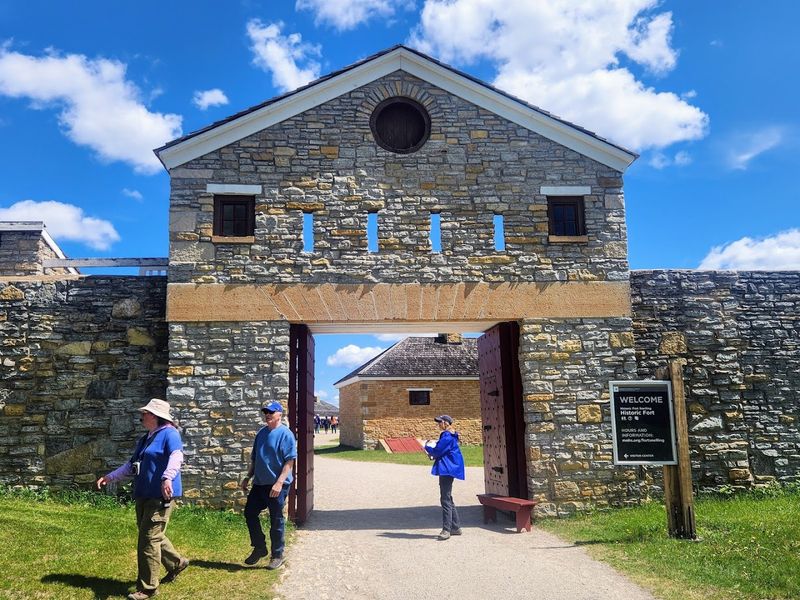
The visitor center at Fort Snelling was renovated not long ago, and the difference is immediately obvious. The space feels thoughtful and well-organized, with exhibits that layer history in a way that builds understanding gradually.
It is the kind of museum design that does not feel like homework.
A short film plays upstairs and covers the broader history of the area in about sixteen minutes. It touches on the Dakota people, military expansion, and the complicated legacy of American frontier policy.
Watching it before touring the fort grounds makes everything click together more clearly.
There are comfortable seating areas throughout, which matters more than you might think after a long morning of walking. The staff members stationed inside are approachable and clearly passionate about the material they work with every day.
The gift shop offers books, maps, and locally made items that are actually worth browsing. Picking up a book about the Dakota history of the region before leaving felt like the right way to extend the experience beyond the visit itself.
Trails, Rivers, and Scenery That Surprise You
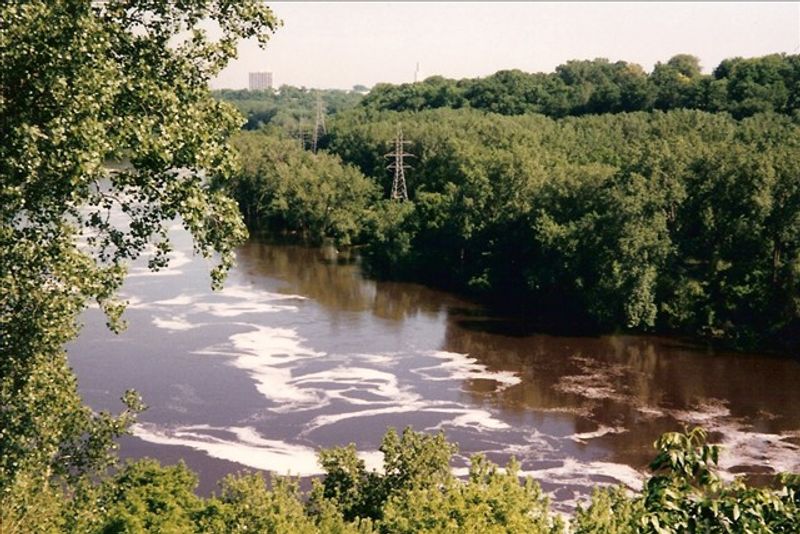
The fort itself is just one part of what makes this destination so satisfying for a full day out. Fort Snelling State Park surrounds the historic site with miles of trails that wind through forests, along riverbanks, and past wetlands that feel completely removed from the city nearby.
The views from the bluff above the river confluence are genuinely stunning. On a clear day, you can see the rivers stretching out in both directions, and the scale of the landscape starts to explain why this location mattered so much to everyone who ever came here.
Wildlife is plentiful along the trails, with herons, eagles, and deer all making regular appearances. The contrast between the stone fort walls and the living natural world just outside them adds a strange, beautiful tension to the whole experience.
There is also a fishing pier, picnic areas, and a boat launch on the Minnesota River side, which makes the park genuinely useful for families with different energy levels.
Getting There Is Easier Than You Think
One of the most practical surprises about visiting Fort Snelling is how accessible it is without a car. The light rail Blue Line stops directly at the Fort Snelling station, just a short walk from the visitor center.
Coming from downtown Minneapolis or the Mall of America, the ride takes only a few stops.
For those driving, the fort sits right off Highway 5, and the route from either St. Paul or Minneapolis is straightforward. The parking area is on-site, though it does fill up quickly on busy weekends and holidays, so arriving early pays off.
The golf cart shuttle between the visitor center and the historic fort buildings is a genuinely helpful touch, especially on hot summer days. Drivers are friendly and often share small details about the grounds during the short ride over.
Planning the visit around the fort’s operating hours is important, since it is open Wednesday through Sunday from 10 AM to 4 PM and closed on Mondays and Tuesdays.
What a Day at Fort Snelling Actually Looks Like
A full visit to Fort Snelling runs about three to four hours if you take your time with the exhibits and demonstrations. Starting at the visitor center and watching the short film upstairs is the smartest way to orient yourself before heading out to the fort grounds.
The demonstrations are spaced throughout the day, so picking up a schedule at the front desk helps you catch the ones that interest you most. The cannon firing and the rifle demonstration tend to draw the biggest crowds and are genuinely exciting to watch up close.
Wandering through the reconstructed buildings at your own pace fills in the gaps between demonstrations nicely. Each space, from the soldiers barracks to the officers quarters, is set up to reflect daily life in the 1820s with period-accurate furniture and tools.
Wrapping up the day with a walk along the river trails stretches the experience in a relaxed, unhurried direction. Bringing water and snacks is a good idea since options on-site are limited.
History That Includes Everyone, Not Just Soldiers
One of the most refreshing things about the updated Fort Snelling experience is how deliberately it includes voices that older historic sites often left out entirely. The exhibits cover the Dakota people, enslaved individuals, and even Japanese Americans who were processed at this site during World War II.
That last piece of history surprised me completely. Fort Snelling served as a processing and training center during the war, and the stories connected to that era add yet another unexpected layer to an already complex place.
The exhibit handles it with the same care as the others.
Seeing all of these stories presented together, without one overshadowing the others, gives the fort a kind of moral seriousness that feels earned rather than performed. The Minnesota Historical Society clearly invested real thought into how these narratives connect and inform each other.
Kids who visit often leave with questions that go well beyond what they expected to ask at a military fort.
Why Fort Snelling Stays With You Long After You Leave
There are places you visit and forget by the next morning, and then there are places that quietly rearrange something in your thinking. Fort Snelling falls into the second category without trying very hard to do so.
The combination of landscape, layered history, and honest storytelling creates an experience that lingers.
Standing on that bluff and looking out at the two rivers meeting below, it becomes easy to understand why this spot mattered to so many different people across so many different centuries. The view alone carries a kind of gravity that photographs do not fully capture.
The fort is also one of those rare destinations that works equally well for solo visitors, couples, families with young kids, and history enthusiasts with deep prior knowledge. Each type of visitor finds something different to take away, and nobody leaves feeling like the experience was too shallow.
Address: Historic Fort Snelling, 200 Tower Ave, St Paul, MN 55111
