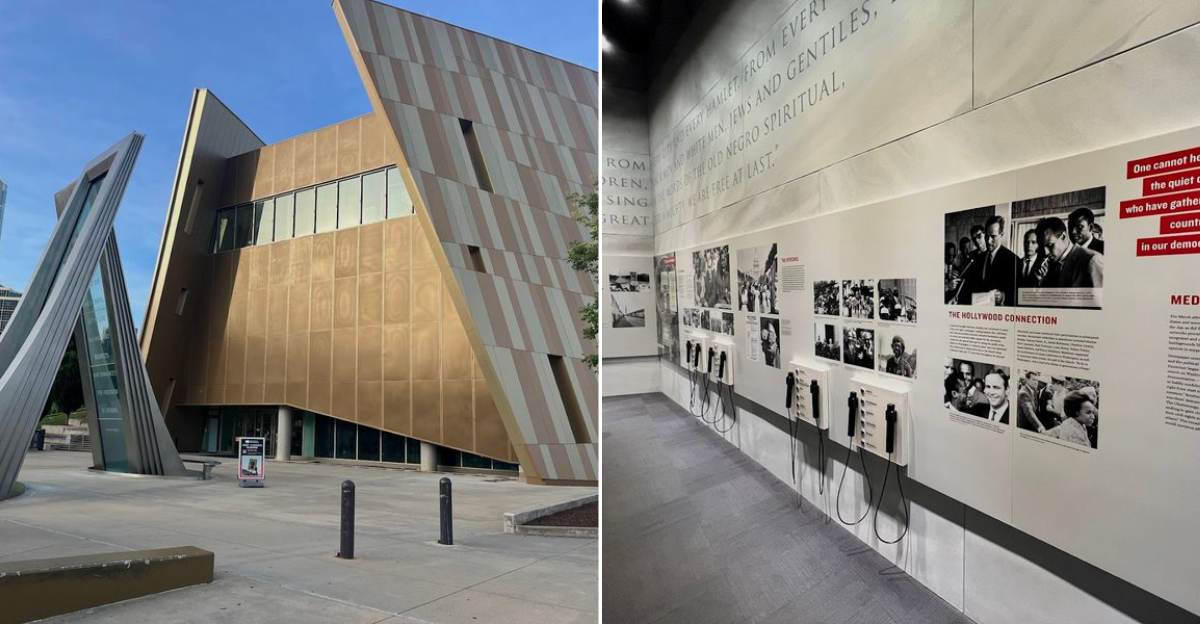
Think you know the South’s story, and then one museum walk makes you realize how edited that story can be. The National Center For Civil And Human Rights in Atlanta hits fast and stays with you, because it connects civil rights history to human rights in a way that feels direct, human, and impossible to brush off.
You move through exhibits that do not just celebrate progress, they show the pressure it took to get there. The details sharpen your understanding, from everyday restrictions to the courage it took to push back, and you start noticing how myths get built when uncomfortable facts get skipped.
What makes this place powerful is the pacing. It pulls you from big moments to personal ones, and that shift makes the history feel less like a distant chapter and more like a living timeline.
By the time you finish, Atlanta looks different outside the doors. You leave with more context, less illusion, and a stronger sense of what people fought for and what still needs attention.
The First Room Hits Fast
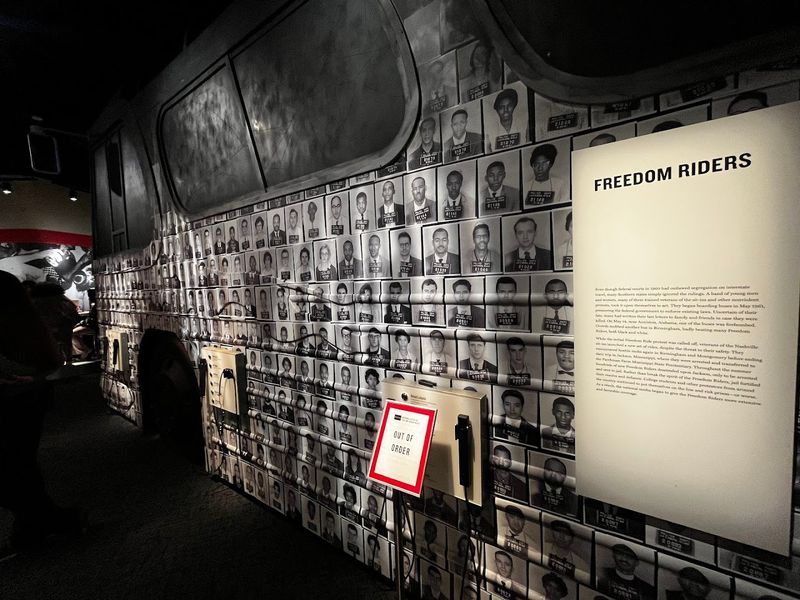
You step in and the air changes, like the building is asking you to listen before you even look. At the National Center for Civil and Human Rights, 100 Ivan Allen Jr Blvd NW, Atlanta, GA 30313, the first gallery sets the tone with color, movement, and faces that feel close enough to tap on the shoulder.
It is not loud, but it speaks, and the message is that this story lives right here in Georgia and keeps unfolding across the South.
Large panels lean in with names that may be familiar and others that might be new, and the design pulls your eyes across the room in a slow, steady sweep. You track a line from local neighborhoods to national moments, and it lands softer than a headline but stronger than a whisper.
If you have been waiting for a way in, this room opens the door and keeps a hand on it.
That first breath you take inside matters, because it gives you permission to feel without rushing to explain. You notice the texture of the walls, the measured lighting, the way footfalls sound different on the polished floor.
Before you know it, you are already walking slower, reading longer, and letting a new frame take shape.
The Myths You Hear Everywhere
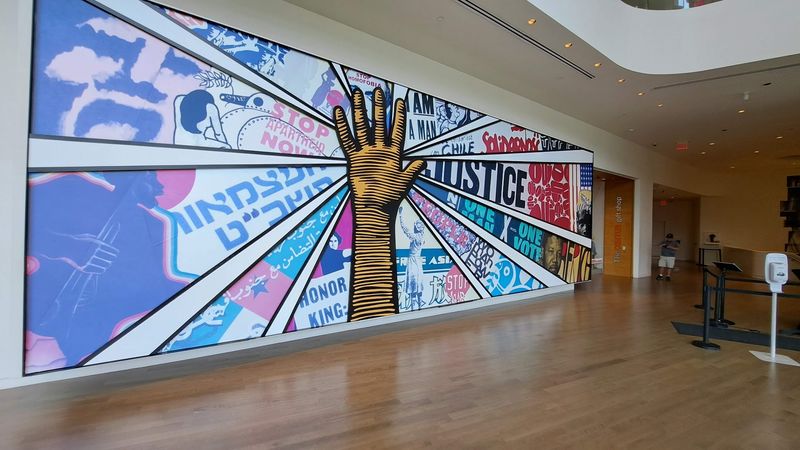
You know those things people say about the South that slide by at cookouts and in casual chats, the tidy lines that smooth over messier truths? This section lines them up and lets you check each one against the record, with quotes, clippings, and first person accounts that do not shout, they just hold steady.
The power is in seeing how a simple claim can wobble when placed next to lived experience.
Some myths shrink the timeline, like progress arriving all at once, wrapped with a bow. Others try to pin everything on a handful of names, as if communities did not push, pull, and carry the work together across Georgia and beyond.
The layout moves you from idea to evidence with calm pacing, and pretty soon the shortcuts start to feel flimsy in your hands.
What gets me is the tone, because it is generous while still firm, and that balance helps you stay open. You stand there, nodding at a line you have heard before, then pausing when a photograph tells a different story.
It is not about winning arguments, it is about widening the frame until more people fit inside it.
The Timeline That Sets You Straight
This timeline does that quiet magic trick where the past stops feeling like a flat list and turns into a path you can actually follow. You move along the wall and feel how one decision leads to another, how pressure builds, and how courage shows up in ordinary rooms.
It is organized without feeling stiff, and that ease keeps your brain from glazing over.
Georgia threads through the story, and so do voices from other Southern states that pushed in step and sometimes in tension. The labels do not race, they breathe, and they give you enough to stand on without dragging you under the details.
You start to sense how strategies evolved, how alliances formed, and how small wins stacked into something heavier than they looked at first glance.
What I loved is that the stops invite you to look twice, because each cluster reveals another angle if you stay a beat longer. A photograph you skimmed becomes the key once you read the caption straight through.
By the end, you are not thinking in chapters anymore, you are thinking in currents, which is exactly what a good timeline is supposed to do.
The Exhibit That Gets Quiet
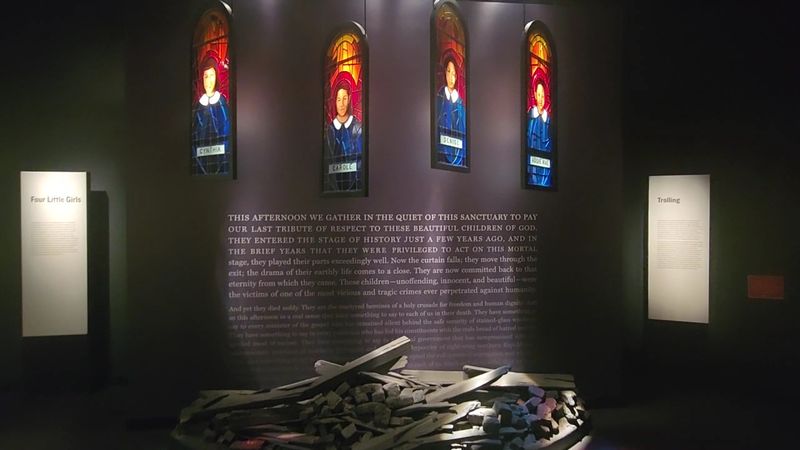
There is a room where the chatter in your head finally sits down, and it is not because anyone tells you to be quiet. The lighting dips and the design steps back, letting photographs and a few sparse lines of text carry the full weight.
You feel it in your shoulders first, then in your breath, and before long you are not skimming, you are staying.
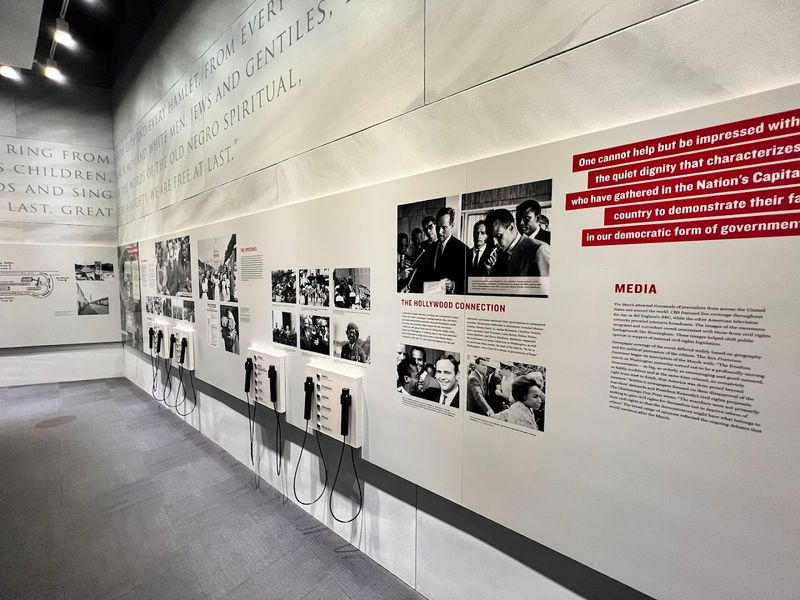
Headphones wait on a rail, not flashy, just ready, and the audio moves like a steady river through stories that do not need adornment. The portraits are close, almost neighbor close, and that proximity softens the distance between then and now.
Nothing here is staged for shock, which makes the honesty land even more directly.
I think this room works because it lets silence do some of the talking, which is rare in a museum setting. You pick a corner, you listen, and you notice how your own memories start linking to what you are hearing.
Walking out, the noise of the hallway hits different, which is a sign that something true just shifted.
Voices You Can’t Unhear
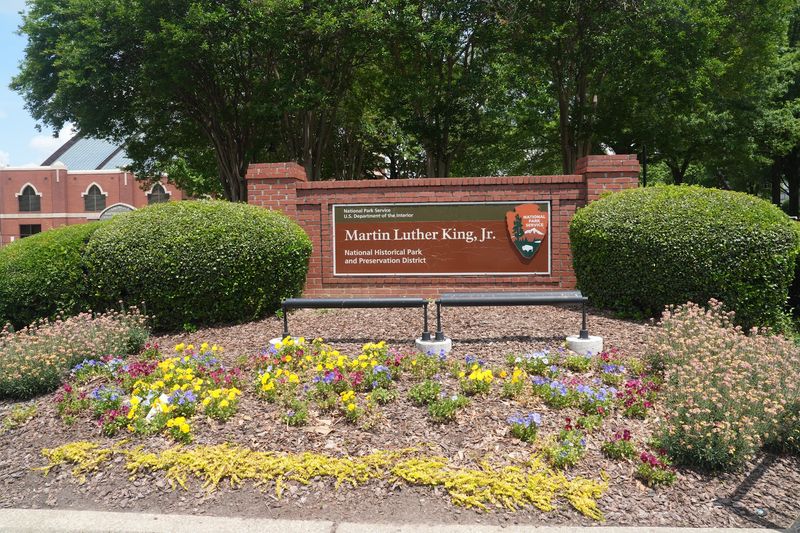
These voices meet you right where you stand, not as distant history, but as people with cadence and humor and grit. You lean into a speaker or slip on headphones, and the room fades while a story opens like a front porch conversation.
The details come alive in a way that text rarely manages, and you catch yourself nodding along.
Some clips cut through myths about how fast change came to the South, reminding you that persistence can sound like everyday life. Others draw a straight line from Georgia neighborhoods to movements that stretched across oceans.
The audio is well curated, and each segment feels like a doorway into a fuller house, with hallways that keep going.
What stays with you is the texture, the pauses, the little turns of phrase that hold a whole world. When a laugh breaks the tension or a sigh anchors a memory, you feel less like a visitor and more like a guest.
After a few tracks, those voices start walking with you to the next room, and they do not leave quickly.
The “What Would You Do” Moments
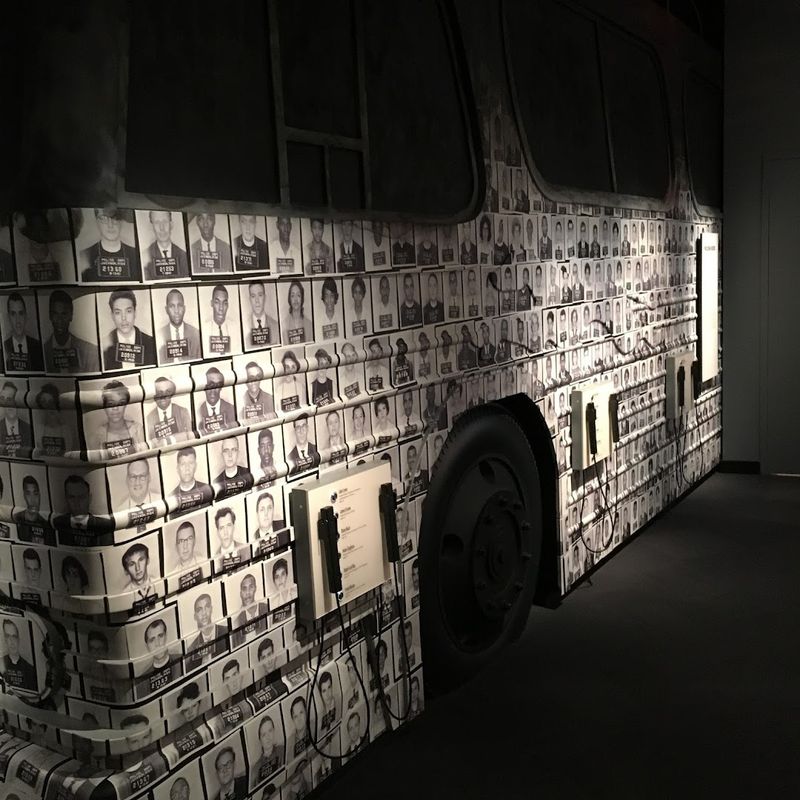
Okay, this is where the floor kind of tilts, because the exhibit stops being about them and suddenly becomes about you. A set of scenarios pops up on a screen, and it asks what you would choose when comfort and conscience stop aligning.
There is no gold star waiting, just a mirror that angles slightly differently each time.
The choices are grounded in real contexts from Georgia and the broader South, so the stakes feel familiar even if the details are new. As you tap through paths, the outcomes braid together in ways that challenge tidy answers without scolding you.
It is quietly humbling, and it stays that way in the best sense.
When you step back, you realize how the questions follow you down the hall and out into the street. Will you speak up when a room goes silent, or will you let it pass and call it someone else’s turn?
The prompts are gentle, but they land like pebbles in your shoe, which is exactly why they work.
Atlanta’s Role, In Plain Terms
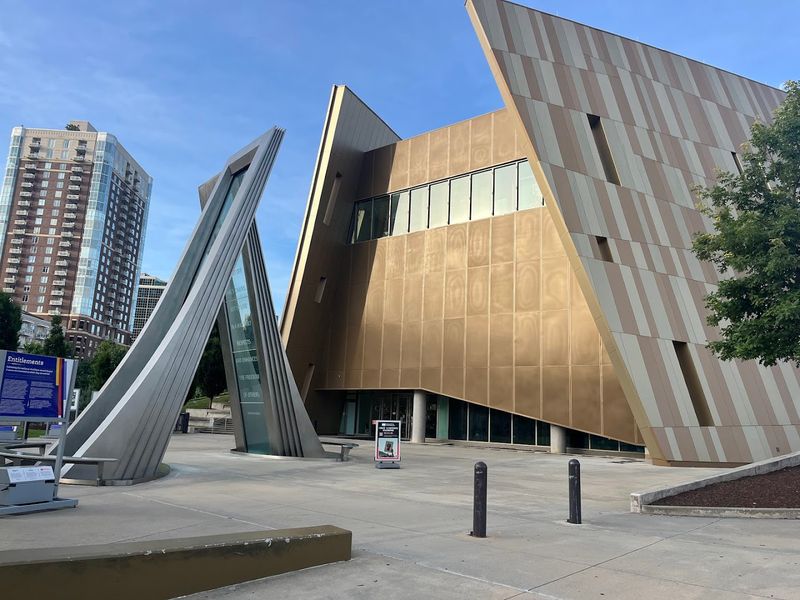
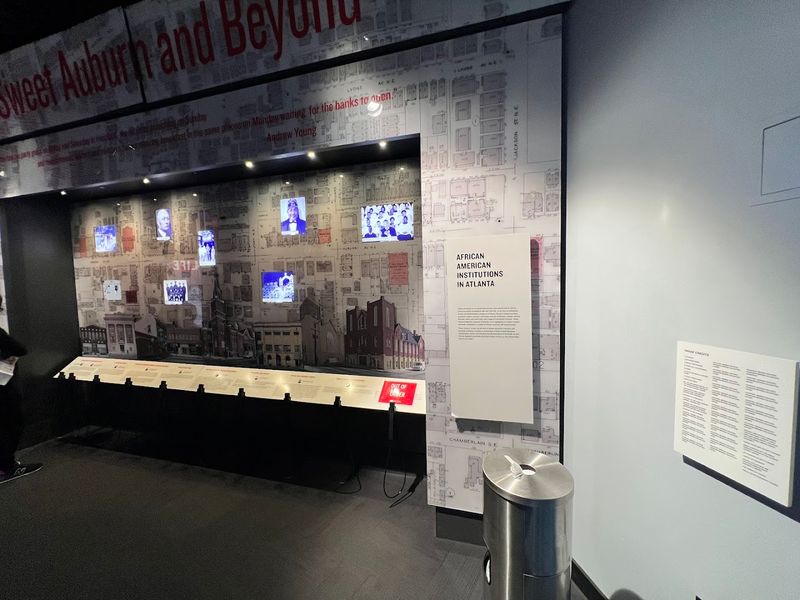
Atlanta does not play coy in this story, and the museum lays it out without puffing its chest. You see the neighborhoods, the offices, the churches, and the sidewalks where planning actually happened, and the map pins make the city feel close enough to walk.
It clears up the idea that change came from some faraway stage and shows how it grew block by block.
Georgia shows up as both setting and engine, with names you recognize alongside people whose mailboxes never made the news. The panels connect local moves to regional ripples across the South, and that networked view makes the history breathe.
You start recognizing how different roles added up, from bold speeches to quiet logistics.
What I appreciate is how the language stays plain and the tone stays respectful, because that combo invites you to actually absorb it. You can stand there with a friend, point to a spot on the map, and picture the footsteps it took to get there.
Walking out into downtown, the streets look a shade brighter, because now you know what they have held.
How The Human Rights Side Expands It
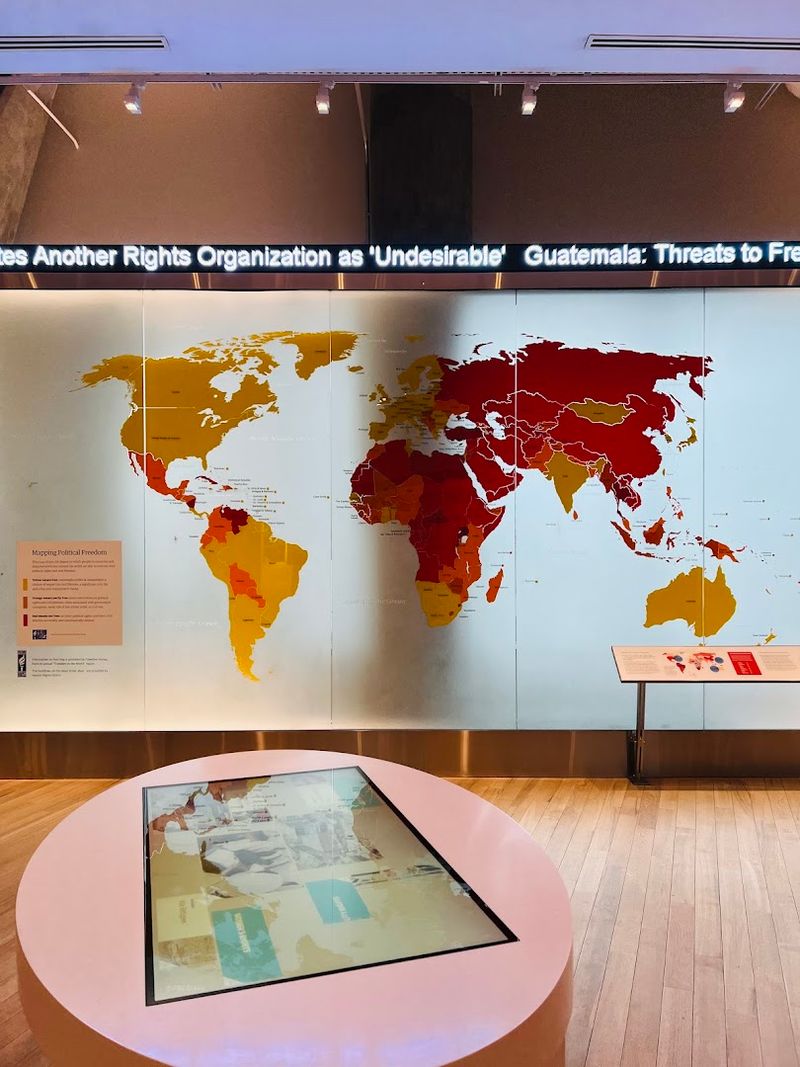
Just when you think the arc is complete, the museum opens another door and the frame widens from local to global. The human rights galleries take the same careful storytelling and show how those strategies echo across borders.
It is not a pivot, it is a continuation, and it helps you see how tactics and values travel.
Cases and screens line up campaigns you may have heard about next to ones you probably missed, and the proximity does the teaching. You catch patterns in language, symbols, and courage, and suddenly a headline from somewhere far away feels like a neighbor knocking.
Georgia’s lessons sit right beside stories from other continents, and the fit makes immediate sense.
The best part is how the space invites participation without forcing a performance. You trace a line on a map, leave a reflection, or simply stand and absorb, and each choice feels valid.
Walking out, you might carry a broader sense of we, not because anyone insisted, but because the connections felt natural in your hands.
The Parts People Keep Talking About After
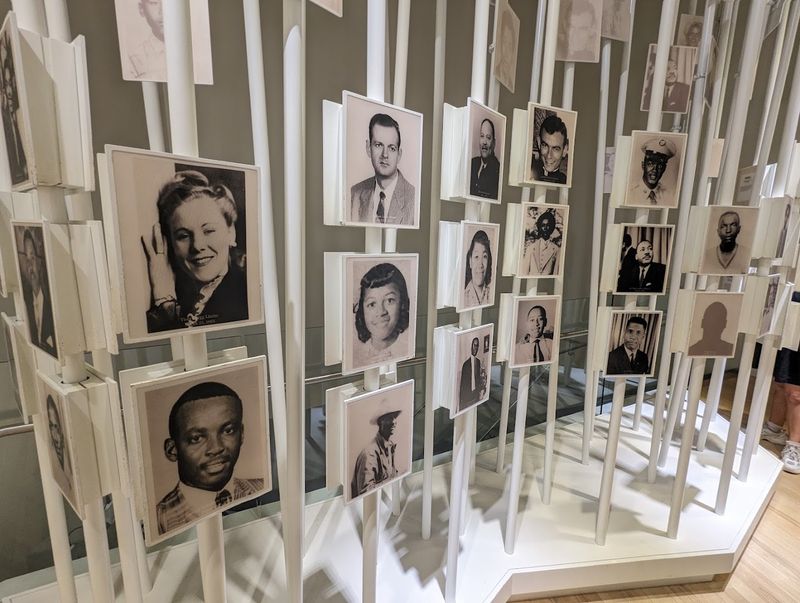
Every time I ask friends what stuck, they start with different scenes and end up landing in the same feeling. Someone mentions a photograph that would not let go, someone else remembers a line from an audio clip, and another talks about an interactive choice that surprised them.
The variety is the point, because the museum gives many ways in without flattening anything.
Conversations spill into the lobby and even onto the sidewalk, where the pace of downtown Atlanta brings you back to the present. You compare notes, realize what you missed, and promise to loop back next time, which honestly feels right.
Georgia has a way of holding a lot at once, and this place reflects that without turning it into a slogan.
What I hear most is that the visit does not wrap itself up with a neat bow. It lingers in small choices, in how you show up at work, and in how you listen when someone tells a hard story.
That afterglow is quiet, but it travels well, and it keeps people talking long after the doors close.
How To Visit Without Rushing It
If you can, give yourself a generous window, because this is not a sprint and it rewards unhurried steps. Start where your curiosity pulls you, then circle back to anything that keeps tugging at your sleeve.
Breaks help, even short ones, because a few minutes on a bench can reset your focus better than pushing through.
Go with a friend if you like talking ideas out loud, or go solo if you want to sink deeper into the audio and quiet corners. Either way, glance at the map once, then follow the flow of the rooms, because the design nudges you in a way that makes sense.
Keep an eye on your energy and trade the urge to finish everything for the freedom to sit with a few things well.
When you step outside into Georgia light, give yourself a beat before you check your phone. Maybe jot a note, ask each other one question, or look back at the building and just breathe.
That tiny pause locks in what you learned so it does not shake loose the minute the street noise returns.
Dear Reader: This page may contain affiliate links which may earn a commission if you click through and make a purchase. Our independent journalism is not influenced by any advertiser or commercial initiative unless it is clearly marked as sponsored content. As travel products change, please be sure to reconfirm all details and stay up to date with current events to ensure a safe and successful trip.
