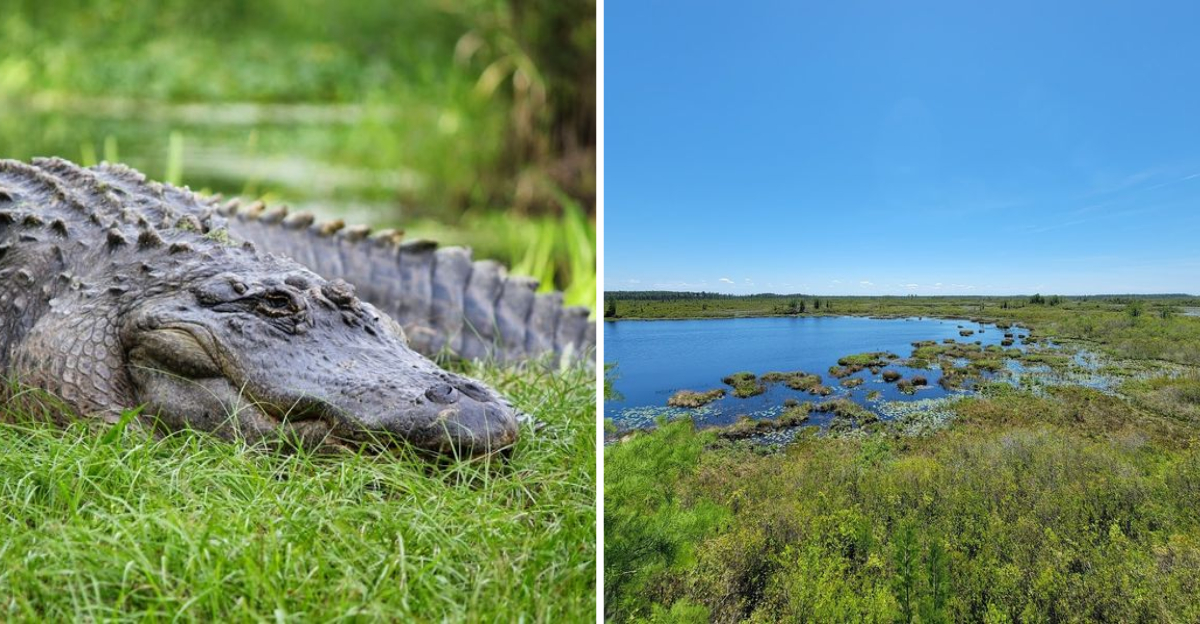
You look out across the water and it seems fine. Calm.
Peaceful even. Cypress trees rising up with Spanish moss dripping down.
Turtles sunbathing on logs. But the people who live nearby will tell you something is wrong.
The water is changing. Fish are showing up with strange sores.
Birds are thinning out in parts of the swamp. And nobody can quite figure out why. Scientists have been testing for months, chasing a problem they cannot see.
Something is hiding just below the surface, slowly working its way through one of Georgia’s most beautiful and overlooked landscapes. Whatever it is, it is not finished yet.
The Hidden World Beneath the Water
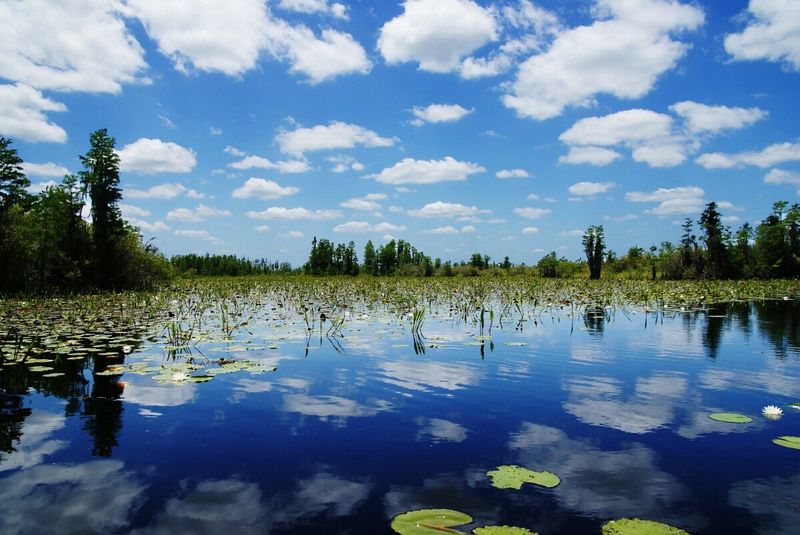
Most people think of swamps as murky, lifeless places. The Okefenokee will change your mind fast.
Beneath its dark surface lies one of the most productive and biologically rich ecosystems on the entire continent.
The blackwater color comes from tannins released by decaying plant matter, and that process is actually a sign of a healthy, functioning system. The water is naturally acidic, which limits bacterial growth and keeps the ecosystem in a careful chemical balance.
It is almost like the swamp has its own immune system.
Below the waterline, layers of peat, some more than fifteen feet deep, store enormous amounts of carbon. Scientists estimate the Okefenokee holds at least 95 million tons of carbon in its peat beds alone.
That makes it one of Georgia’s most powerful natural defenses against climate change.
Disturbing those peat layers, even slightly, could release massive amounts of greenhouse gases. The swamp is not just a pretty landscape.
It is doing invisible, essential work every single day, and most visitors have no idea.
Titanium Mining Came Dangerously Close
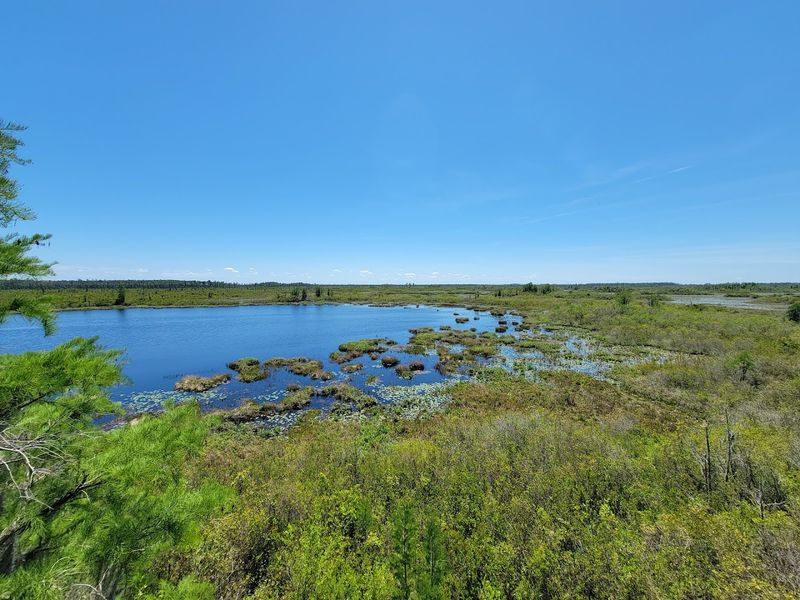
Back in 2019, an Alabama-based company called Twin Pines Minerals filed a proposal that sent environmental scientists into alarm mode. The plan was to mine titanium dioxide from land sitting less than three miles from the boundary of the Okefenokee National Wildlife Refuge.
Titanium dioxide sounds harmless enough. It shows up in everyday products like white paint and toothpaste.
But extracting it from the sandy ridges near the swamp required digging into the very land that controls the swamp’s water flow.
Hydrologists warned that disrupting the Trail Ridge, the natural sandy barrier that holds water inside the swamp, could lower water levels across hundreds of thousands of acres. Lower water levels mean drier peat, and dry peat can ignite.
Fires in peat bogs burn deep underground and are notoriously difficult to stop.
The swamp has already experienced devastating peat fires during drought years, and adding a mining operation nearby would have made future fires far more likely. For years, the project hung over the Okefenokee like a storm cloud that never quite broke.
The threat was real, and it was close.
A $60 Million Deal That Changed Everything

June 2025 brought news that genuinely felt like a turning point. The Conservation Fund announced a $60 million land deal to purchase approximately 7,700 acres from Twin Pines Minerals, effectively shutting down the mining project for good.
That is a significant chunk of land sitting right on the swamp’s vulnerable eastern edge. Removing it from mining consideration means the Trail Ridge stays intact, and the Okefenokee’s hydrology gets to keep working the way it has for thousands of years.
It is hard to overstate how close this came to going the other way.
The deal came together through an unlikely coalition of conservation groups, scientists, local community members, and even some unexpected political allies. People who rarely agreed on anything found common ground in protecting this particular place.
What makes this story compelling is not just the money or the acreage. It is the fact that everyday people, researchers, and advocates kept the pressure on for years until something shifted.
The Okefenokee did not save itself. People who cared enough to fight for it made the difference, and that matters a lot.
Mercury in the Alligators Is a Serious Warning Sign
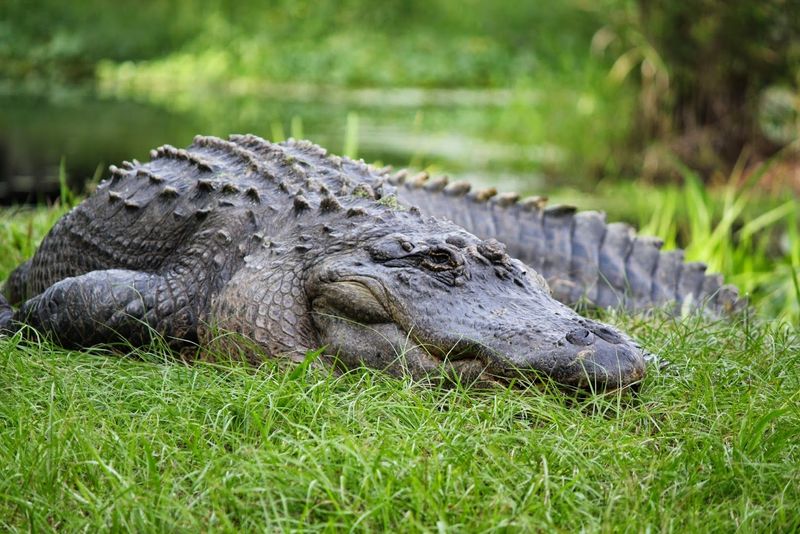
Right around the same time the mining deal made headlines, another study dropped that deserved just as much attention. Researchers testing American alligators in the Okefenokee found mercury levels up to eight times higher than those measured in alligators from other regions across the Southeast.
That is not a small difference. Mercury contamination at that level points to a systemic problem within the food chain.
Alligators sit near the very top of the swamp’s food web, so when they show elevated toxin levels, it means the contamination has been building through every layer beneath them.
Mercury enters the environment through atmospheric deposition, often traced back to industrial emissions and coal burning far away from the swamp itself. Once it settles into water and sediment, bacteria convert it into methylmercury, a form that accumulates in living tissue and intensifies as it moves up the food chain.
The alligators are essentially acting as living gauges of the swamp’s overall health. Their blood tells a story that the murky water hides.
Scientists are now watching closely to understand how widespread the contamination really is and what it means for species higher up, including humans who eat fish from nearby waters.
The Creatures That Call This Place Home
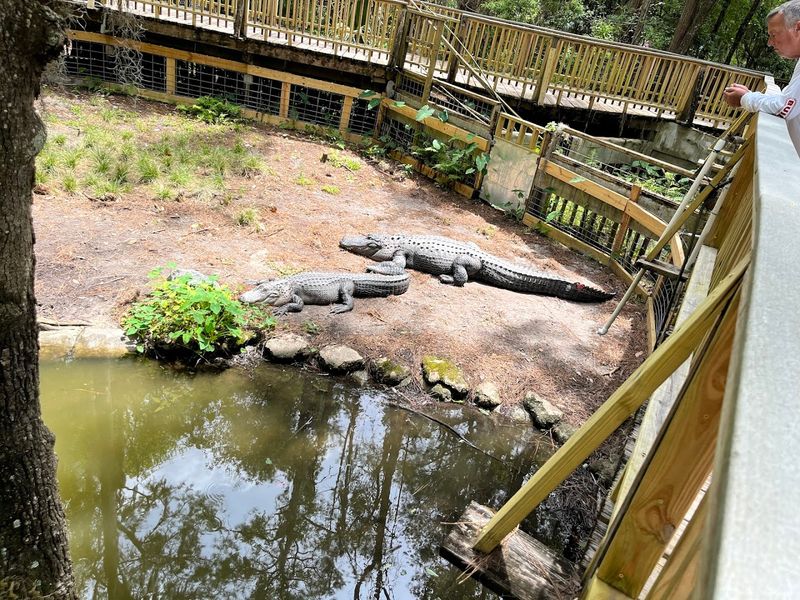
Spend even a few hours in the Okefenokee and you start to understand why biologists treat it like a crown jewel. The species list here is staggering.
More than 600 vertebrate species have been documented in the swamp, including 39 species of fish, 37 species of amphibians, and over 200 bird species.
Sandhill cranes are one of the most memorable sights. They move through the open prairies of the swamp with a slow, deliberate grace that feels almost ceremonial.
Watching a pair of them cross a flooded marsh at dusk is something that sticks with you long after you leave.
The swamp also supports populations of black bears, river otters, osprey, and the increasingly rare Florida sandhill crane. Wood storks, listed as threatened under the Endangered Species Act, nest here in significant numbers.
Every one of these animals depends on stable water levels and clean, functioning habitat.
When threats like mining or mercury contamination enter the picture, the ripple effects touch every link in this biological chain. Protecting the Okefenokee is not just about saving one place.
It is about keeping an entire community of living things from unraveling all at once.
Peat, Carbon, and Climate: The Bigger Picture
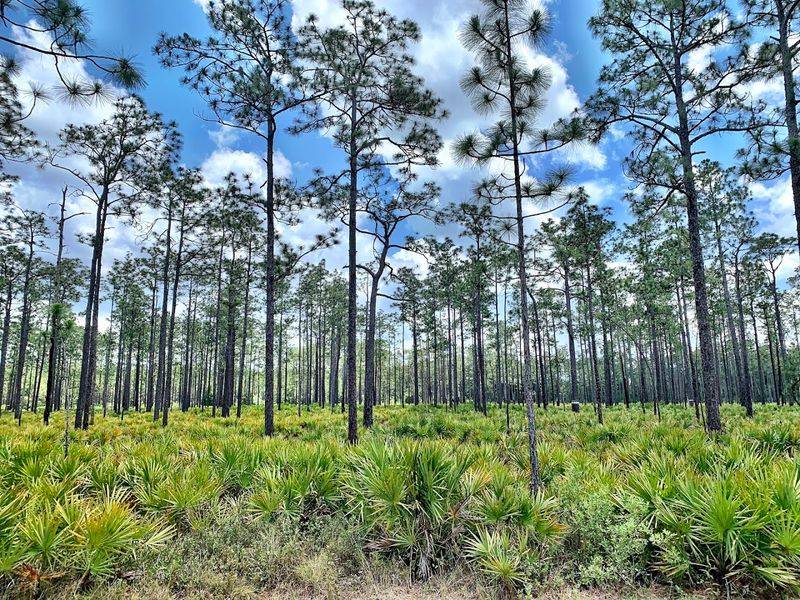
Peat does not look impressive up close. It is dark, spongy, and smells like old leaves and wet soil.
But that unremarkable material is doing some of the most important climate work happening anywhere in the American South.
Peat forms when plant matter decays slowly in waterlogged conditions over thousands of years. The Okefenokee’s peat beds have been accumulating for roughly 7,000 years.
Locking up carbon that long is an extraordinary feat that no technology can currently replicate at that scale or cost.
When peat dries out, it becomes flammable and starts releasing that stored carbon back into the atmosphere. The 2011 Honey Prairie Fire, one of the largest wildfires in Georgia history, burned through sections of the Okefenokee for months, releasing enormous amounts of carbon and scorching habitat that took decades to recover.
Climate scientists point to the swamp as a key natural asset in regional carbon accounting. Keeping it wet, intact, and free from industrial disruption is not just an environmental cause.
It is a practical strategy for managing the long-term carbon budget of an entire region. The stakes are much bigger than they look from a canoe.
How to Visit and Why It Still Matters
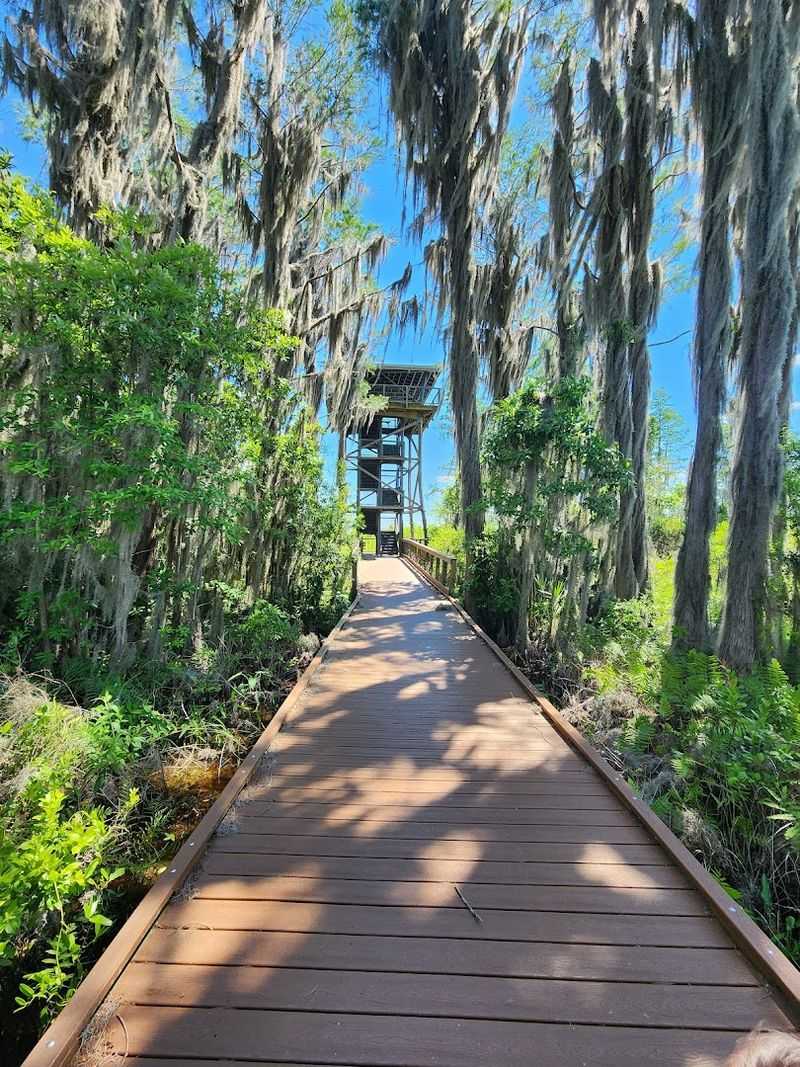
The Okefenokee National Wildlife Refuge has three main entry points: the Stephen C. Foster State Park near Fargo, the Okefenokee Swamp Park near Waycross, and the Suwannee Canal Recreation Area near Folkston.
Each one offers a slightly different experience of the swamp’s personality.
Canoe and kayak trails wind through the interior, some requiring overnight camping on wooden platforms built above the waterline. Reservations fill up fast, especially in spring when wildlife activity peaks and the swamp feels most alive.
Planning ahead is not optional if you want a paddling permit.
Even a short boardwalk visit near the park entrances gives you a real sense of what makes this place so singular. The sounds alone, frogs, birds, the occasional splash of a gator sliding off a log, create an atmosphere that no nature documentary fully captures.
Visiting also sends a message. Tourism revenue supports the refuge and keeps public attention on conservation efforts.
The people who fought for years to stop the mining project drew strength partly from knowing that thousands of visitors each year understood what was at stake. Showing up matters more than most people realize.
Address: 4700 Okefenokee Swamp Park Road, Waycross, Georgia
