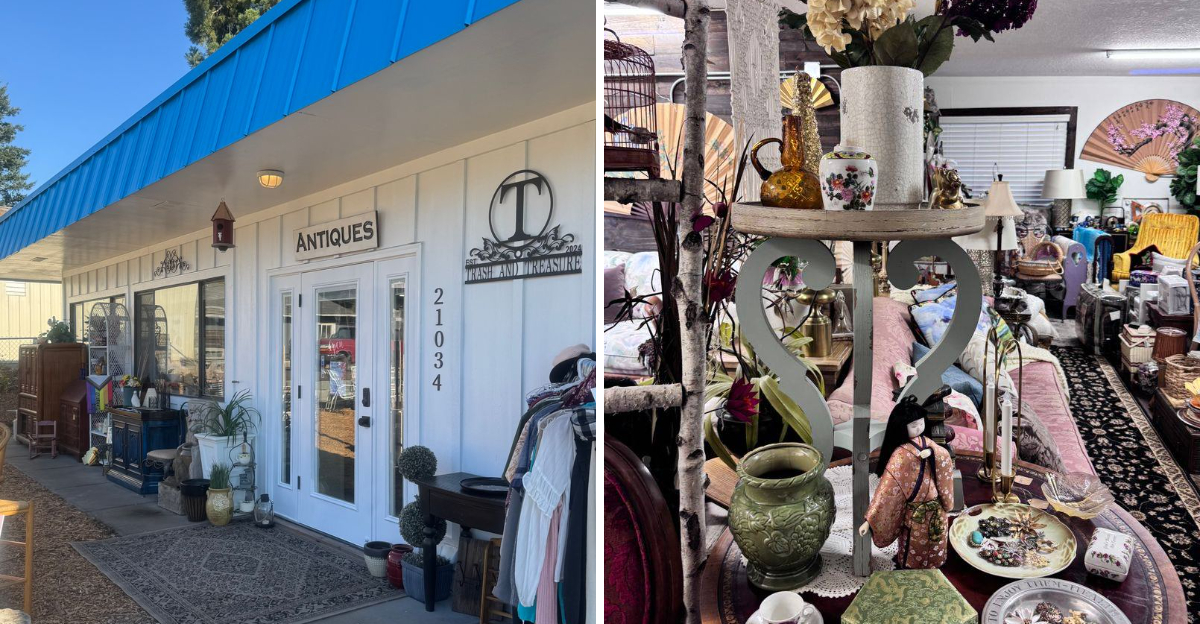
Tucked away in a historic home, this Oregon shop feels like stepping into a carefully curated time capsule where every corner hides a potential treasure. This place transforms forgotten furniture and overlooked finds into something special again.
Walking through the aisles feels nothing like your typical thrift store – every piece is thoughtfully chosen, cleaned, and displayed with an eye for style and story.
This two-story wonderland overflows with mid-century furniture, rustic decor, and granny-core charm that makes your heart skip a beat. Prices stay surprisingly reasonable, so you can leave with a backseat full of finds without feeling guilty.
From statement sofas to dainty tea sets, this place proves that hunting for unique, affordable treasures can be an adventure.
All of these delights and hidden gems await inside Trash and Treasure Vintage & Thrift.
A Historic Home Turned Shopping Paradise
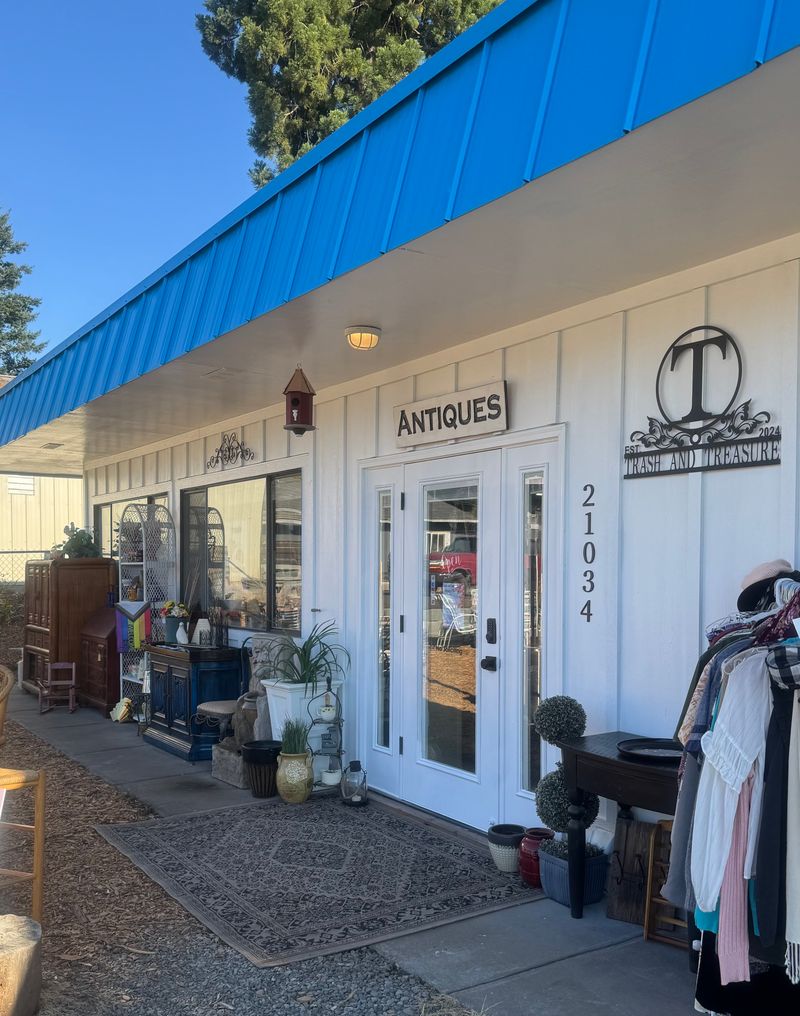
Most vintage shops occupy bland strip mall spaces, but Trash and Treasure chose something with soul instead. The store operates inside an actual historic home at 21034 OR-99E in Aurora, Oregon, giving your shopping experience an authentic lived-in feeling that modern buildings simply cannot replicate.
Walking up to the house feels like visiting a relative’s place where every room holds surprises. The original architecture remains intact, with doorways leading to different spaces and staircases connecting two full floors of merchandise.
This setup creates natural browsing zones that feel cozy rather than overwhelming.
Aurora earned its reputation as Oregon’s Antiques Capital, and this location fits perfectly within that identity. The surrounding area features additional antique shops and vintage dealers, making the whole town worth exploring.
But this particular house stands out because it maintains residential charm while functioning as retail space.
The historic setting adds character that warehouse-style thrift stores lack entirely. You’re not just shopping in some building, you’re exploring rooms that once served as someone’s living quarters, kitchen, and bedrooms, now filled with carefully curated vintage finds waiting for new homes.
Two Floors Packed With Endless Possibilities
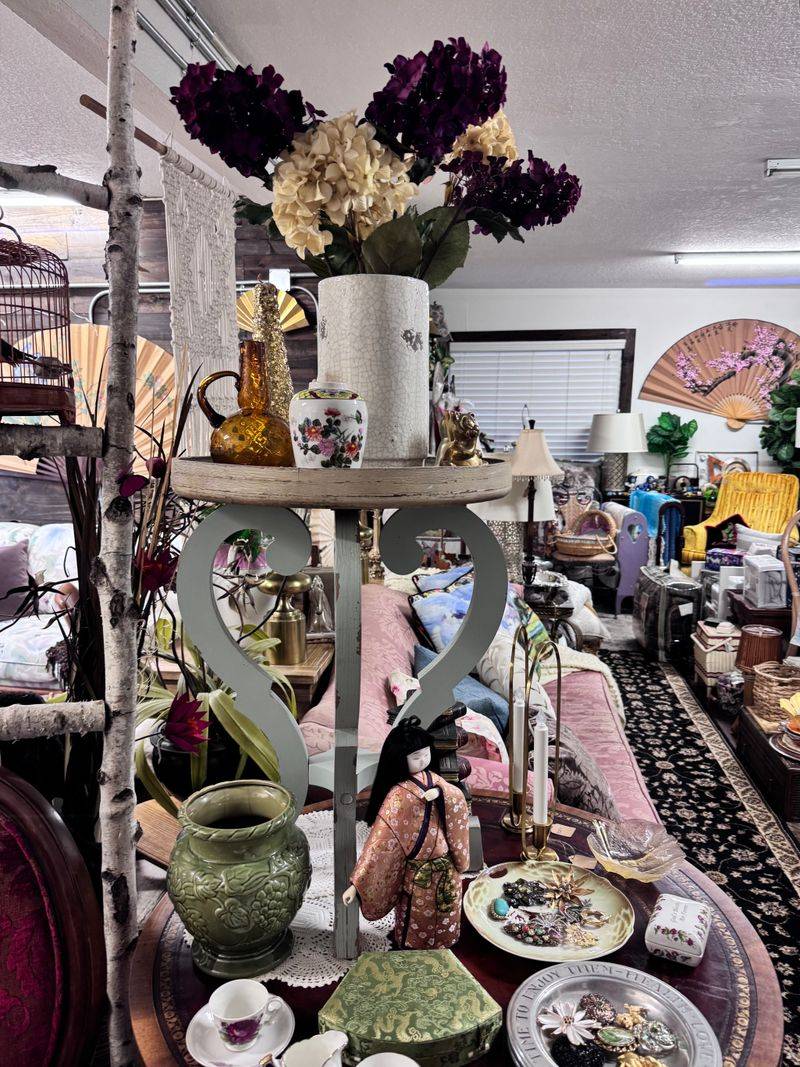
Space matters when you’re serious about vintage hunting, and Trash and Treasure delivers with two complete floors dedicated to treasures. The ground level welcomes you with larger furniture pieces and statement items, while upstairs reveals smaller decor, trinkets, and carefully organized collections that demand closer inspection.
Each floor maintains its own personality and shopping rhythm. Downstairs moves at a slower pace because you’re examining substantial pieces like sofas, dressers, and dining sets that require serious consideration.
The upper level invites quicker browsing through shelves of glassware, vintage jewelry, greeting cards, and decorative objects that catch light streaming through original windows.
The vertical layout prevents that claustrophobic feeling some packed thrift stores create. You can step upstairs when the main floor gets crowded, or retreat downstairs if you need space to think about a purchase.
This natural flow keeps shopping pleasant even during busy weekend hours.
Having two floors also means inventory stays impressively deep and varied. Just when you think you’ve seen everything, another room or alcove appears with completely different items.
The house’s original floor plan creates natural divisions that organize merchandise without feeling rigid or overly structured like typical retail environments.
Furniture Gets a Second Chance at Life
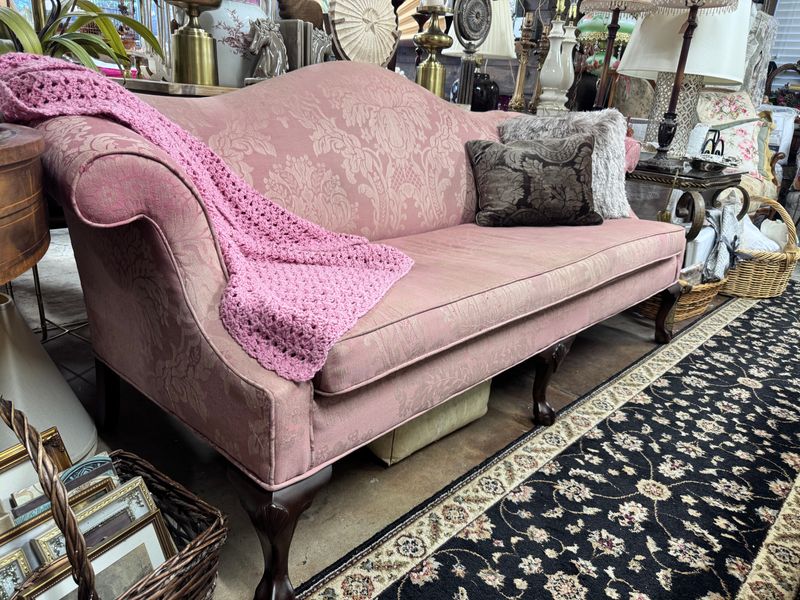
Trash and Treasure doesn’t just resell furniture as-is like typical thrift operations. They actively take unwanted pieces, assess their potential, and completely refurbish them before putting items on the sales floor.
This commitment to restoration means you’re buying furniture that’s been properly prepared for many more years of use.
The refurbishment process varies depending on what each piece needs. Some items receive fresh paint in trendy colors that appeal to modern buyers while maintaining vintage character.
Others get stripped down to original wood, sanded smooth, and refinished to highlight natural grain patterns that previous owners had covered up.
Structural repairs happen behind the scenes before furniture ever reaches the showroom. Wobbly legs get reinforced, drawers receive new glides, and upholstery gets cleaned or completely replaced when necessary.
This attention to function matters just as much as appearance because beautiful furniture that falls apart serves nobody well.
Buying refurbished pieces here costs dramatically less than purchasing similar items from high-end vintage dealers who mark up restored furniture to luxury prices. You get the same quality restoration work without the inflated price tags, making this Oregon shop perfect for budget-conscious decorators who refuse to compromise on style or durability.
Mid-Century Modern Pieces That Actually Exist
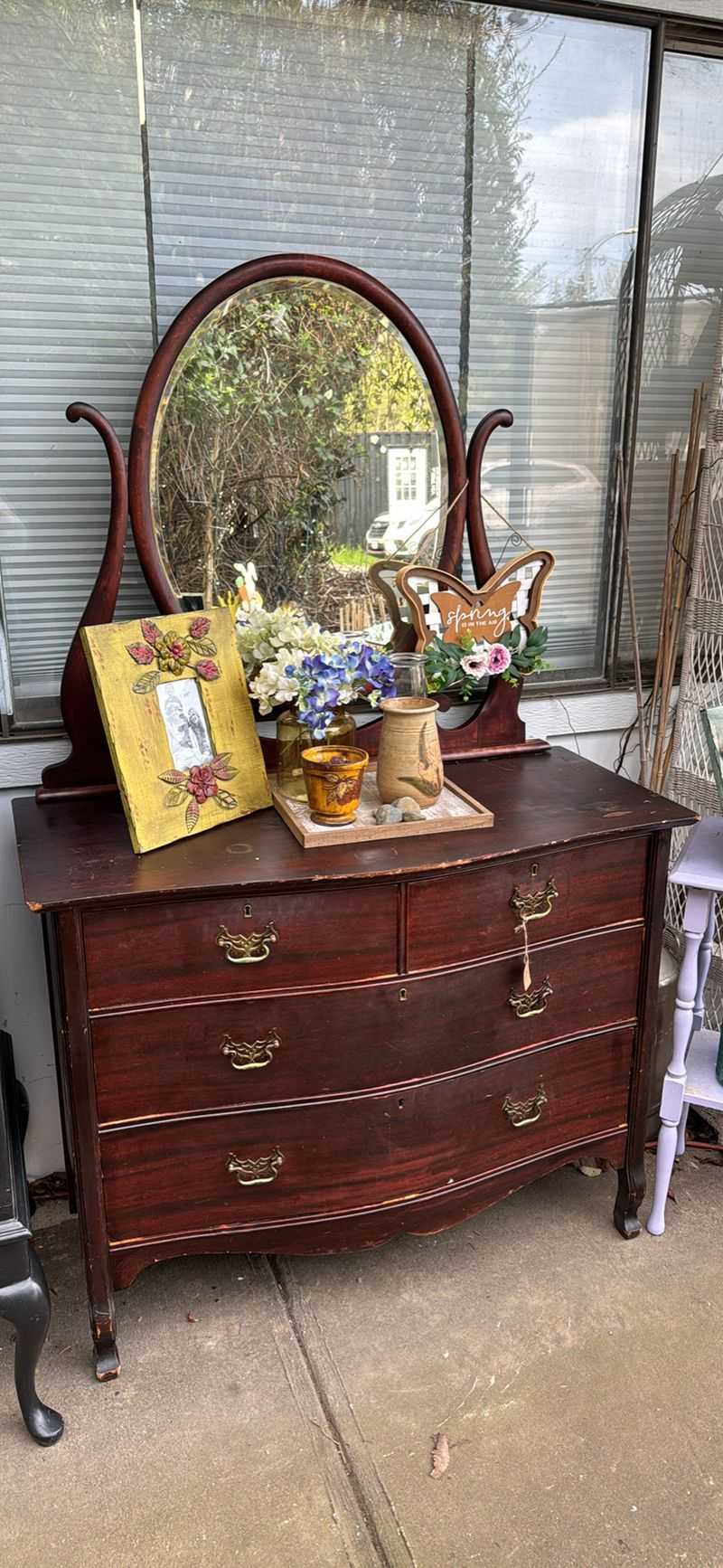
Finding authentic mid-century furniture has become ridiculously difficult as demand skyrockets and supply dwindles. Trash and Treasure regularly stocks genuine pieces from the 1950s and 1960s, not cheap reproductions trying to pass as vintage.
These are the real items that defined an era of American design.
The mid-century selection changes constantly because desirable pieces sell quickly once word spreads among collectors and decorators. You might discover a perfect teak credenza one week, then return to find sleek dining chairs with original upholstery the next visit.
This rotating inventory keeps the hunt exciting for repeat customers.
Prices on mid-century items here remain shockingly reasonable compared to specialist dealers who charge premium rates for similar furniture. A sideboard that costs thousands at a dedicated mid-century shop might appear here for a few hundred dollars instead.
The value proposition becomes obvious when you start comparing.
Authenticity matters to Sonja, the owner, who clearly understands furniture history and design periods. She won’t mislabel something as mid-century when it’s actually from a different decade.
This honesty builds trust with serious collectors who appreciate accurate information rather than hopeful guessing about a piece’s origins and manufacturing date.
Granny-Core Charm Fills Every Corner
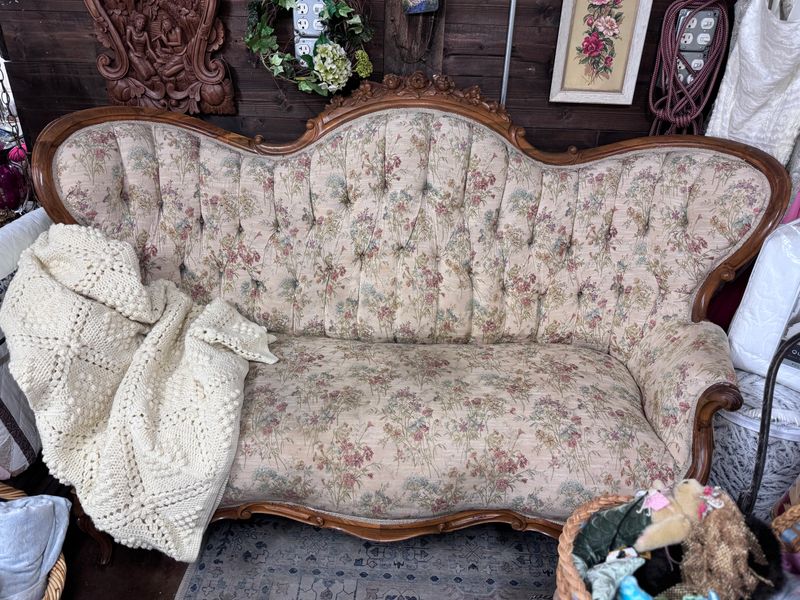
Current design trends celebrate what previous generations called old-fashioned, and Trash and Treasure sits perfectly positioned to supply this aesthetic. The shop overflows with granny-core items like floral sofas, delicate teacups, crocheted blankets, and decorative objects that evoke nostalgic comfort rather than sleek minimalism.
That pheasant-patterned sofa mentioned in store descriptions represents exactly what granny-core enthusiasts seek. These bold, quirky furniture pieces that younger generations once rejected now command attention as statement items that add personality to modern spaces.
What seemed dated ten years ago suddenly feels fresh and individualistic today.
Beyond furniture, the granny-core inventory extends to countless smaller items. Vintage aprons hang near embroidered pillowcases, ceramic roosters stand beside glass candy dishes, and needlepoint artwork waits for new walls.
These aren’t random thrift store castoffs but carefully selected pieces that represent a specific aesthetic vision.
Younger shoppers especially gravitate toward this style because it feels authentic and sustainable compared to mass-produced decor from big box stores. Buying actual vintage items that survived decades proves their quality while reducing waste.
The granny-core movement combines style preferences with environmental consciousness, making places like this Oregon shop increasingly relevant to new generations of decorators.
Twisted Wire Art and Rustic Wooden Treasures
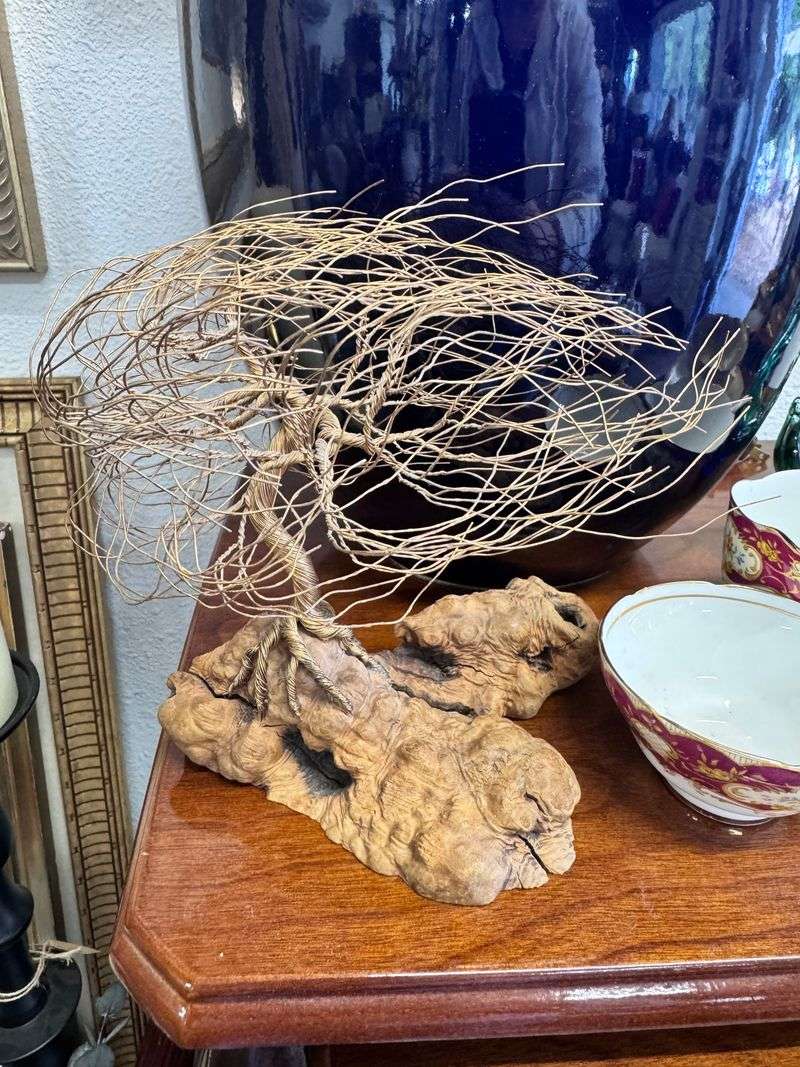
Certain items appear repeatedly throughout the shop, creating visual themes that tie different rooms together. Twisted wire decor shows up in various forms, from wall hangings to free-standing sculptures that add texture and dimension to displays.
These pieces work beautifully in modern farmhouse or industrial design schemes.
Rustic wooden boxes occupy their own special category here, ranging from small trinket containers to substantial storage chests with original hardware. Some show natural weathering that adds character, while others maintain surprisingly good condition despite their age.
These boxes serve practical storage needs while functioning as decorative objects themselves.
The wire art pieces often feature intricate designs that demonstrate genuine craftsmanship. You’ll find geometric patterns, nature-inspired motifs, and abstract compositions that required patience and skill to create.
Modern mass production rarely replicates this level of detailed handwork, making vintage wire art increasingly collectible.
Wooden items range from primitive folk art to more refined crafted pieces. Some boxes feature dovetail joints and smooth finishes indicating professional carpentry, while others show rougher construction that suits rustic decorating styles.
This variety means shoppers with different aesthetic preferences all find wooden treasures that match their vision for home spaces throughout Oregon and beyond.
Shopping Through Organized Nooks and Crannies
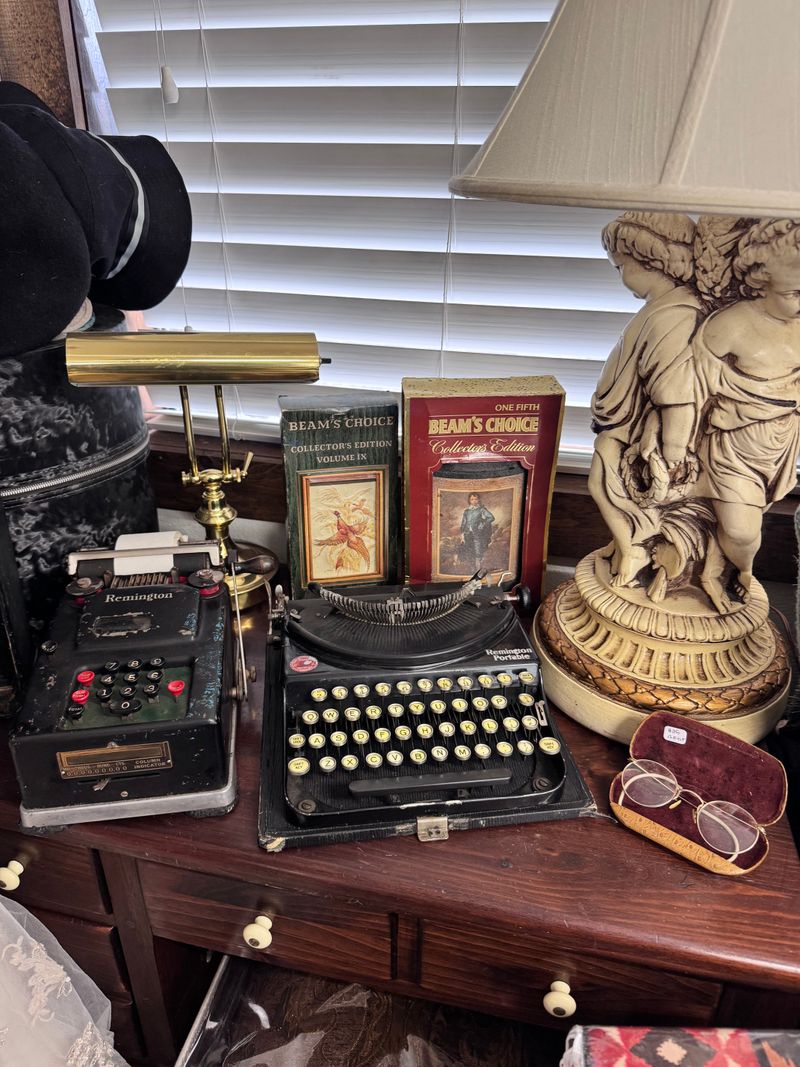
The house’s original layout creates natural alcoves and smaller spaces that Trash and Treasure uses brilliantly for merchandise organization. Rather than fighting the architecture, the shop embraces these quirky corners and turns them into themed mini-departments that make browsing feel like exploration rather than shopping.
One nook might focus entirely on kitchen items with vintage cookware, enamelware, and utensils grouped together. Another corner could showcase jewelry and small accessories displayed in antique cases that add to the overall aesthetic.
These specialized areas help shoppers locate specific categories while encouraging discovery of items they weren’t initially seeking.
The nook system also prevents overwhelming feelings that sometimes hit shoppers in massive warehouse thrift stores. You can thoroughly explore one small area, process what you’ve seen, then move to the next section with fresh eyes.
This manageable approach to browsing reduces decision fatigue and makes shopping genuinely enjoyable.
Hidden spaces throughout the house reward curious shoppers who peek around corners and investigate doorways. You might find a tucked-away reading nook filled with vintage books, or a closet transformed into a display space for linens and textiles.
These surprise discoveries create memorable shopping experiences that keep customers returning to see what new arrangements and hidden treasures have appeared since their last visit.
Budget-Friendly Prices That Seem Too Good
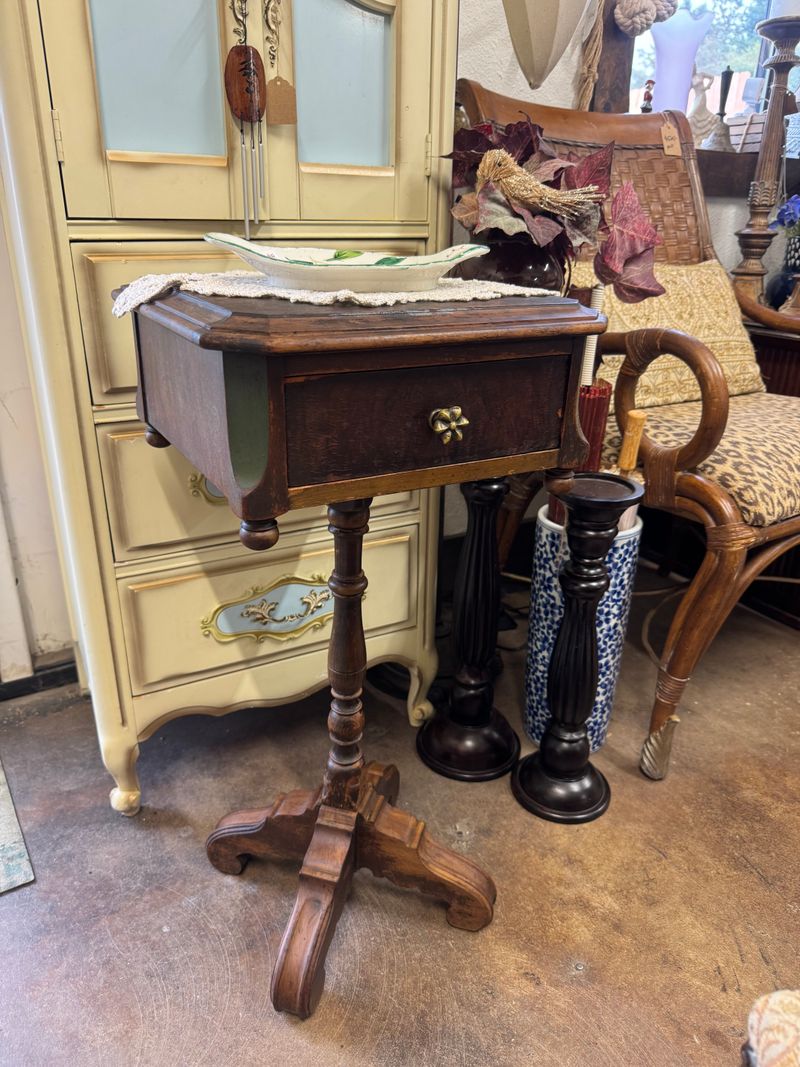
Trash and Treasure earned its reputation partially through pricing that makes vintage collecting accessible rather than exclusive. While some antique dealers price items for wealthy collectors, this Oregon shop maintains rates that regular people can actually afford.
You genuinely can fill your vehicle without requiring a second mortgage.
The affordability doesn’t reflect poor quality or damaged merchandise. Instead, it represents a business philosophy focused on volume and turnover rather than maximizing profit on individual pieces.
Lower prices mean faster sales, which creates space for new inventory and keeps the shop feeling fresh during repeat visits.
Furniture that might cost several hundred dollars at boutique vintage shops often appears here for under one hundred. Smaller items like glassware, dishes, and decorative objects frequently carry price tags of just a few dollars.
These rates allow shoppers to experiment with vintage style without significant financial risk.
The pricing strategy particularly benefits young people furnishing first apartments or homes on tight budgets. Instead of buying disposable furniture from discount chains, they can invest the same money in quality vintage pieces that last longer and look more interesting.
This accessibility helps preserve vintage items by placing them in homes where they’ll be appreciated rather than sitting in expensive shops waiting for rare wealthy buyers.
Spotless Displays Despite Massive Inventory
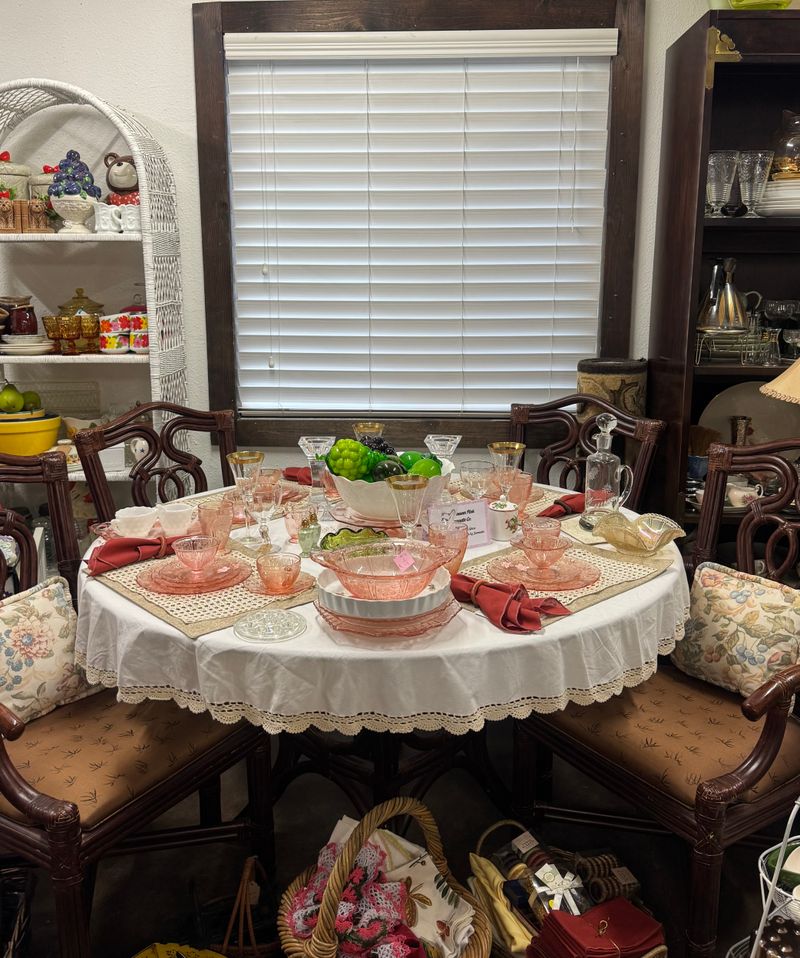
Walking into some thrift stores feels like entering a dusty warehouse where merchandise piles up randomly and cleanliness seems optional. Trash and Treasure operates completely differently, maintaining spotless conditions that make shopping pleasant rather than a chore requiring hand sanitizer and tolerance for grime.
Every item receives proper cleaning before hitting the sales floor. Furniture gets wiped down, glassware sparkles, and textiles are laundered or at minimum thoroughly inspected.
This attention to cleanliness shows respect for both the merchandise and customers who deserve a pleasant shopping environment.
The displays themselves demonstrate thoughtful arrangement rather than haphazard stacking. Furniture gets staged in room-like vignettes that help shoppers visualize pieces in their own homes.
Smaller items are grouped logically on shelves and in cabinets where they’re easily visible and accessible without creating cluttered chaos.
Maintaining this level of organization with constantly changing inventory requires significant effort. As items sell and new pieces arrive, the entire floor plan shifts and adapts.
Yet somehow the shop never looks messy or overwhelming despite housing hundreds of individual objects across two floors. This curatorial approach elevates the entire shopping experience above typical thrift store standards throughout Oregon’s vintage scene.
Dear Reader: This page may contain affiliate links which may earn a commission if you click through and make a purchase. Our independent journalism is not influenced by any advertiser or commercial initiative unless it is clearly marked as sponsored content. As travel products change, please be sure to reconfirm all details and stay up to date with current events to ensure a safe and successful trip.
