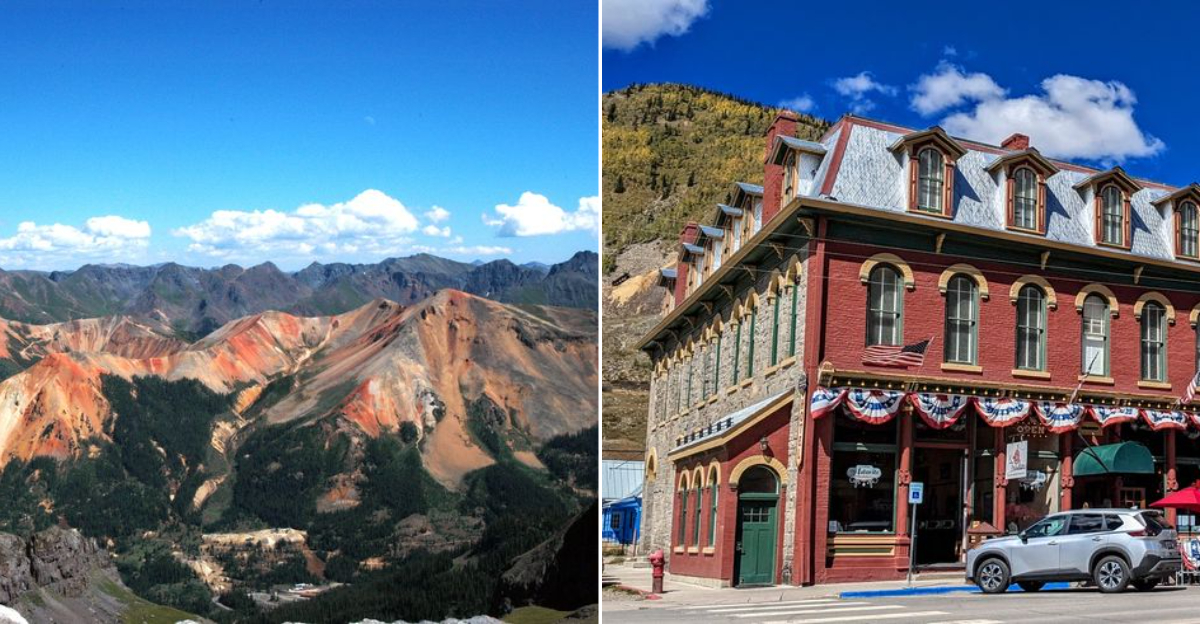
Have you ever stumbled upon a mountain town so perfectly preserved that you half expect a stagecoach to come rattling down the main street?
That is the feeling you get walking through this gorgeous historic town in Colorado, a true Rocky Mountain gem that belongs on every traveler’s list.
The air is crisp and thin, the old brick buildings still wear their 19th-century faces, and a narrow?gauge steam train whistles its way through the heart of downtown.
You can spend the morning exploring old saloons turned into quirky shops, then hop aboard a vintage railroad for a ride into high alpine wilderness.
By afternoon, you might be hiking to a ghost town, fly fishing a crystal creek, or simply sitting on a boardwalk bench watching clouds drift over peaks that scrape the sky.
The locals wave as you pass, the sun shines nearly every day, and the surrounding mountains seem to wrap the town in a protective hug.
Pull off the highway, park your car, and let the magic of this Colorado treasure work on you.
Greene Street In The Morning
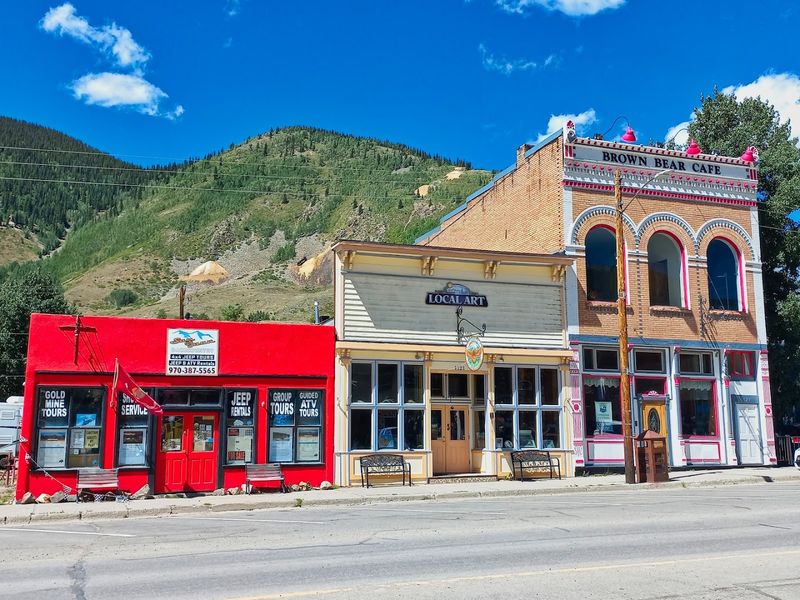
The first thing I would tell you to do in Silverton is walk Greene Street before you overthink the day, because that is where the town really introduces itself. The storefronts are old without feeling dusty, and the mountains behind them make the whole street look almost unreal.
You can stand there for a minute and feel how history and daily life still share the same block.
What I like most is that it does not feel arranged for visitors, even though it is absolutely beautiful. People are heading to breakfast, opening shop doors, and talking on the sidewalk like they have done it forever.
That easy rhythm keeps the town from feeling frozen in time, which makes the historic character land in a more honest way.
If you like details, this street gives you plenty to notice, from painted signs to brick facades to long views straight toward the San Juan Mountains. Silverton, Colorado keeps its past right out in the open here.
You do not need a plan beyond a slow walk and a little curiosity.
Honestly, this is the kind of main street that makes the rest of your trip fall into place.
The Durango And Silverton Narrow Gauge Depot
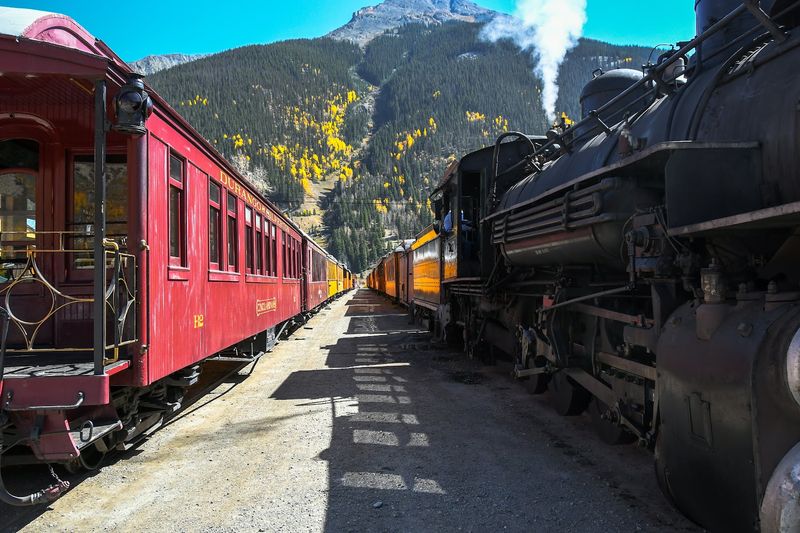
You know that feeling when a train station still carries real weight in a town instead of just looking cute for photos? The depot in Silverton has exactly that energy, and it gives the whole place a stronger pulse.
Even before you board anything, the station area connects the town to the mountains in a way that feels old, practical, and surprisingly moving.
The Durango and Silverton Narrow Gauge Railroad is one of those rare attractions that deserves its reputation, mostly because it still fits the landscape so naturally. When you watch the train arrive or prepare to leave, you can imagine how isolated these mountain communities once felt.
Silverton makes more sense after you spend time around the depot, because the railroad explains so much about why this town exists at all.
I also like that the station area feels active without being chaotic, which makes it easy to linger and look around. The setting is pure Colorado, with steep peaks pressing in close and weather that seems to change by the minute.
If you want one place that ties together scenery, history, and local identity, this is it.
It is not just nostalgic, and that is why it stays with you afterward.
San Juan County Historical Society Mining Heritage Center
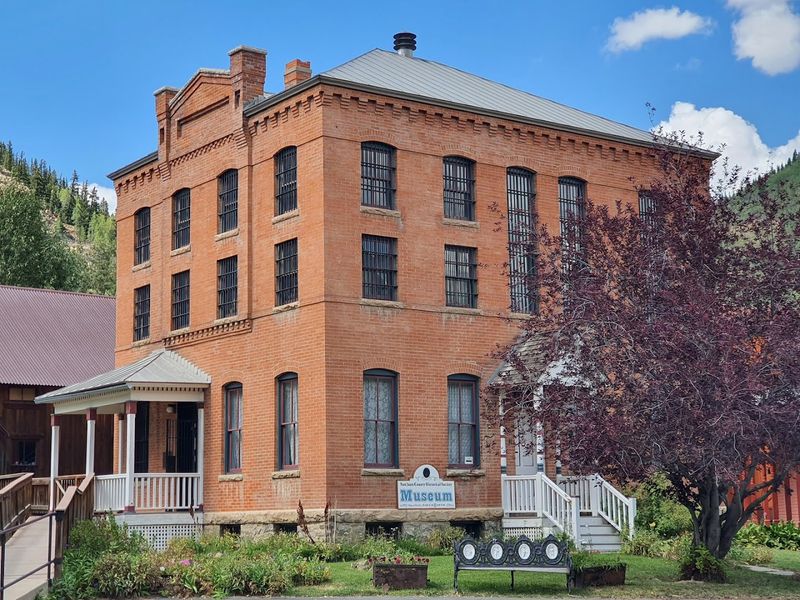
If you want the town to click a little deeper, go spend time at the San Juan County Historical Society Mining Heritage Center. It gives context to everything you are seeing outside, from the street layout to the weathered buildings to the stubborn feeling that people here learned to make a life in hard country.
I always like a place more when I understand what shaped it.
The exhibits focus on mining history, local life, and the reality of building a community high in the San Juan Mountains. Nothing about that story feels abstract once you are in Silverton, because the landscape still looks demanding.
You come away with a better sense of how much labor, risk, and persistence were tied into daily life here.
What makes this stop worthwhile is that it feels local rather than overproduced, which suits Silverton perfectly. The museum helps you read the town instead of just admiring it, and that changes the rest of your visit in a good way.
In Colorado, plenty of places tell frontier stories, but this one feels grounded in the exact terrain right outside the door.
Afterward, even a simple walk through town carries more weight and a little more tenderness.
Kendall Mountain Above Town
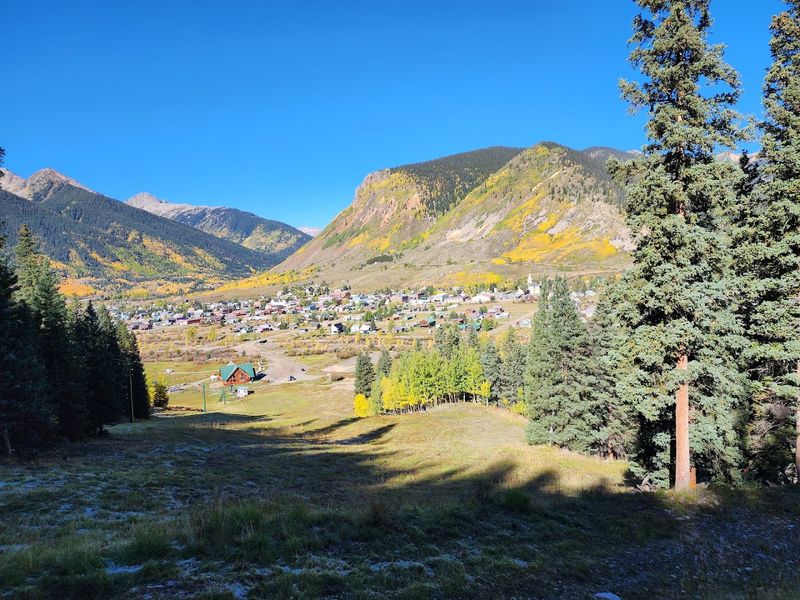
Now, if you want the view that makes Silverton feel tucked into the mountains instead of merely near them, head toward Kendall Mountain. It rises right above town, so the relationship between people and landscape becomes obvious in about five minutes.
You stop seeing Silverton as a postcard and start seeing it as a small community living inside a huge piece of Colorado.
What I love here is how quickly the perspective shifts once you gain even a little elevation. The grid of streets, the old buildings, and the valley all settle into one clear picture.
It is the kind of place where you catch yourself going quiet, not because someone told you to, but because the scale naturally does that.
Kendall Mountain Recreation Area also says something important about the town itself, which is that outdoor life is not separate from daily life here. People in Silverton have always looked up at this mountain, worked beneath it, and played on it.
That closeness gives the whole town a lived-in mountain identity that feels especially strong compared with other places in Colorado.
If you only have time for one wider overlook, this is probably the one I would choose.
Animas Forks On The Alpine Loop
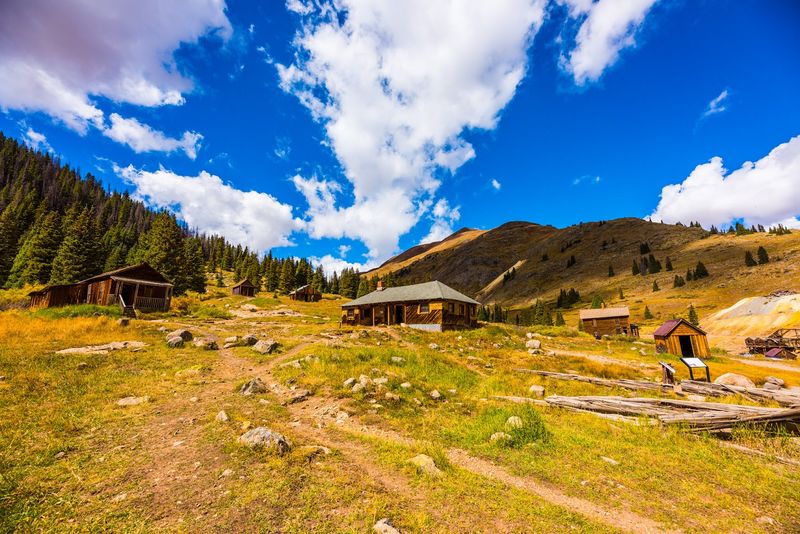
Getting out to Animas Forks feels like stepping into the kind of mountain history that never quite softened around the edges. The old buildings are still standing up there in a high basin, and the setting is so dramatic that the place almost feels suspended between reality and memory.
You do not have to work hard to imagine how isolated life once felt in this part of Colorado.
I think this stop matters because it shows the larger world that Silverton belonged to during its mining days. The town was never just a main street with pretty facades, and Animas Forks makes that obvious.
It reminds you that communities here were connected by rough terrain, raw weather, and an enormous amount of grit.
The drive itself is part of the experience, especially if you like landscapes that keep changing around every bend. By the time you arrive, the silence has usually settled in, and that makes the weathered structures feel even more striking.
Silverton is the natural base for taking in this whole alpine story, and the contrast between town comfort and backcountry history works beautifully.
Honestly, it is one of those places where you end up lingering longer than you expected, just looking.
South Mineral Creek For That Alpine Quiet
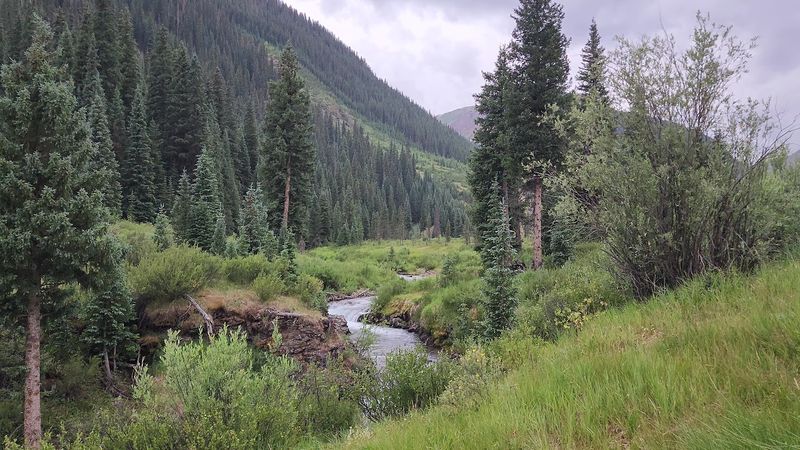
South Mineral Creek is where I would send you if town starts feeling a little too active and you want the quieter side of the area. The valley has that soft alpine hush that makes you lower your voice without realizing it.
It still feels close to Silverton, but the mood shifts into something calmer and more inward almost immediately.
The scenery out there is just ridiculously good, with steep peaks, thick forest, and water moving through the basin in a way that keeps everything feeling fresh. It is the kind of place where you keep pulling over because the angle changes and suddenly the whole valley looks different again.
That mix of drama and stillness is hard to fake, which is probably why it feels so restorative.
I also think this area shows another side of Silverton, because the town is not only about mining history and old architecture. It is also a gateway to landscapes that feel deeply alive right now, not just historically important.
In Colorado, some mountain places impress you by being loud and grand, but South Mineral Creek wins you over by quietly getting under your skin.
You leave feeling steadier, which is not a bad souvenir from a mountain afternoon.
Red Mountain Pass On A Clear Day
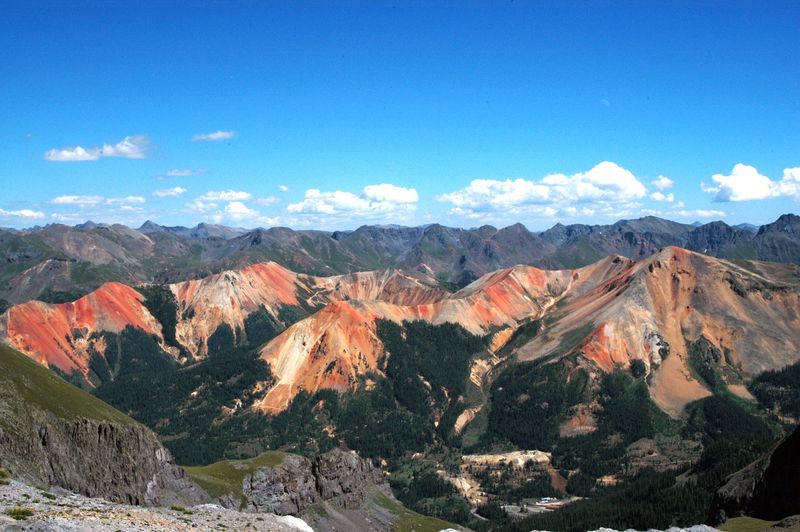
There is something about Red Mountain Pass that makes even a casual drive feel like a full experience, especially when the weather is clear. The road winds through some of the most striking scenery anywhere near Silverton, and the mountains have a raw, weathered look that sticks with you.
You are not just getting from one place to another out here.
What I like is how the landscape carries both beauty and history at the same time. The old mining traces in the area do not feel separate from the ridges, slopes, and exposed colors in the mountains.
That blending of human effort and rugged terrain is a big part of what makes this corner of Colorado feel so distinctive.
Driving the pass also helps you understand how connected Silverton is to the larger San Juan region. The town may feel intimate once you are walking its streets, but the surrounding country is expansive and intense in the best way.
If you are the sort of traveler who remembers roads as vividly as towns, this stretch will probably stay in your head long after the trip ends.
It has that rare mix of grandeur and character that never feels staged or overly polished.
Memorial Park Beside The Animas River
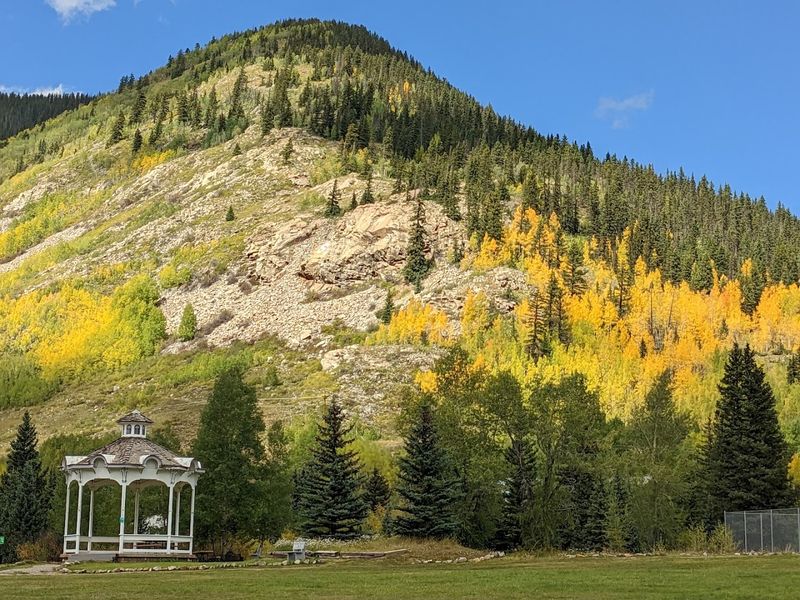
After all the mountain drives and history stops, Memorial Park is a nice reminder that Silverton is also just a real town where people pause, gather, and breathe a little. Sitting near the Animas River there gives you a softer view of the place.
You can hear the water, look up at the peaks, and let everything you have seen start settling together.
I always think parks tell you whether a town actually lives well with itself, and this one does. It feels open, relaxed, and woven into everyday life instead of existing only for visitors.
That matters in a place with such dramatic scenery, because you need somewhere simple and human to balance all that mountain intensity.
From here, Silverton looks especially approachable, almost like the grand setting steps back for a minute and lets the town speak in its own voice. Families, walkers, and people simply passing through all seem to fit naturally into the scene.
In Colorado, some beautiful places can feel a little intimidating, but this park makes Silverton feel friendly in a grounded, unforced way.
Sometimes that is exactly the stop you need before heading to dinner or taking one more walk.
The Grand Imperial Hotel And Historic Heart
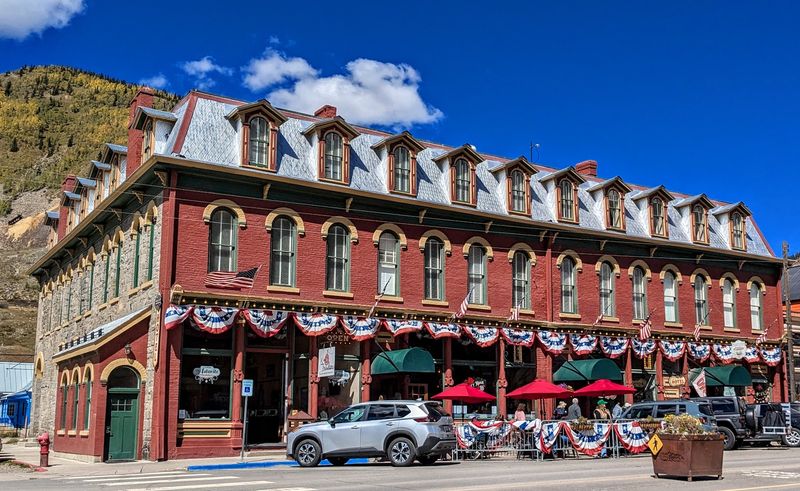
If you want one building that instantly sums up Silverton’s old soul, look at the Grand Imperial Hotel right on Greene Street. It has the kind of presence that makes you slow your pace and imagine the town in an earlier era without feeling pushed into a history lesson.
Some landmarks just carry themselves that way, and this is one of them.
What makes it especially good as a final stop is that it sits right in the middle of everything the town does well. You have the historic architecture, the walkable center, the mountain backdrop, and that feeling of a community that kept its character because it never fully disconnected from its roots.
Silverton, Colorado feels most complete when you take in those layers all at once.
I like standing nearby and watching how naturally the building fits into present-day town life. It is handsome, yes, but it also feels earned, like it belongs to the street rather than trying to dominate it.
If you have been wondering why Silverton stays with people, this corner helps answer the question in a very direct and satisfying way.
It brings the whole town together, and by then you usually know you are already planning a return.
