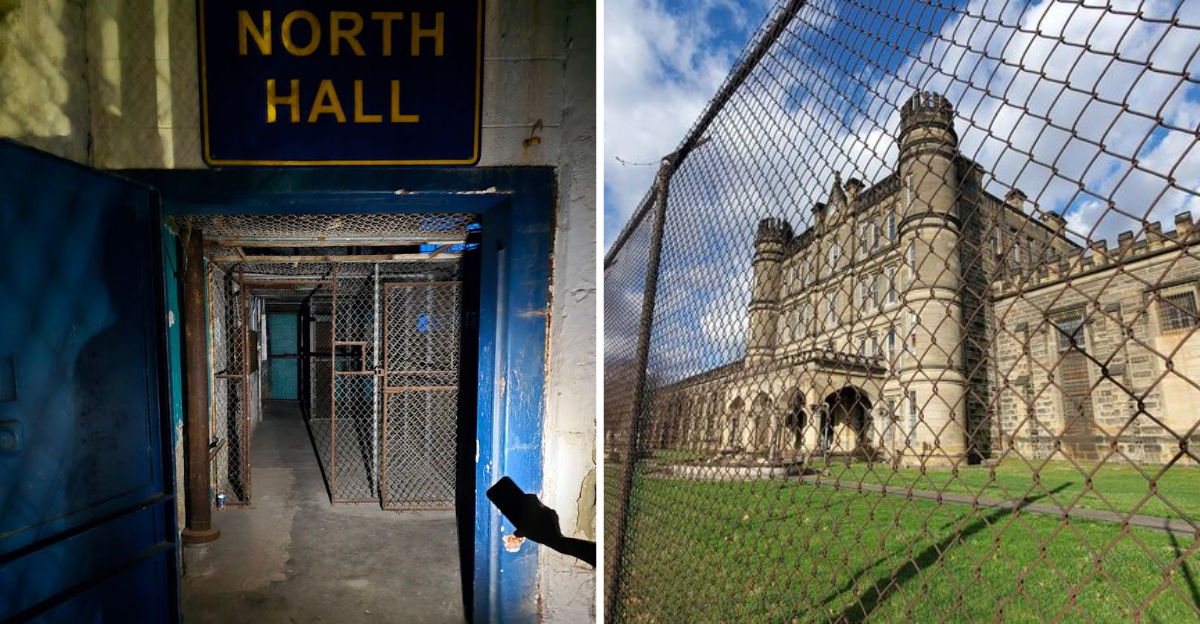
The stone walls still sweat with a century of violence.
This Gothic fortress in West Virginia housed some of the country’s worst criminals for over a century, witnessing nearly a hundred executions and countless riots.
Inmates called it “Bloody Alley” for good reason.
Guards have reported seeing Shadow Men glide through the cellblocks, and visitors often feel cold spots and hear phantom footsteps in the empty halls.
The prison closed because a court found its tiny cells were cruel and unusual punishment.
Today you can take a history tour or join a six hour ghost hunt where you investigate the darkness yourself.
Just do not go alone. The former residents might mistake you for a new arrival.
The Gothic Architecture That Sets the Mood Before You Even Walk In
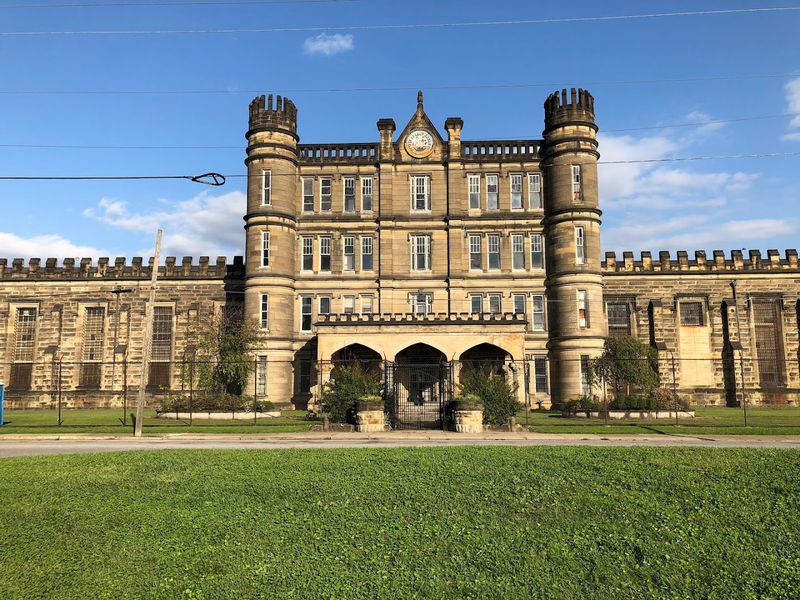
Standing outside and craning your neck upward is the first real moment this place grabs you.
The West Virginia Penitentiary was built in the Gothic Revival style, modeled after the Joliet prison in Illinois, and every inch of that sandstone exterior radiates a kind of heavy, ancient authority.
Crenellated edges, battlements, turrets, and towers make it look less like a prison and more like a medieval castle dropped into small-town West Virginia.
Construction was carried out by the prisoners themselves, using locally quarried sandstone. That detail alone changes how you look at every wall around you.
Imagine being forced to build the very place that would hold you.
The building spans 19 acres, and even from the outside, the scale is genuinely hard to wrap your head around. The stone craftsmanship is precise and almost beautiful in a somber way.
You find yourself respecting the structure while also feeling deeply unsettled by it, which is honestly the perfect way to start any visit here.
A Prison Built on Sacred Ground With a Complicated History
Right across the street from the penitentiary sits the Grave Creek Mound, the largest prehistoric burial mound in eastern North America.
Built by the Adena Native American tribe thousands of years ago, it looms quietly in the background as visitors walk toward the prison entrance.
The proximity of these two sites gives the whole area a layered, almost surreal energy that is hard to shake.
The penitentiary itself operated from 1866 to 1995, housing both male and female inmates until 1947. At its peak, it held over 2,000 prisoners in cells measuring only five by seven feet.
That level of overcrowding contributed to its designation as one of the ten most violent correctional facilities in the United States.
Three major riots erupted within its walls, in 1973, 1979, and 1986. Each one left a permanent mark on the prison’s identity.
Knowing this history while walking through the cell blocks makes every corridor feel charged with something you cannot quite name but absolutely feel in your chest.
Old Sparky and the Death House That Still Sends Chills
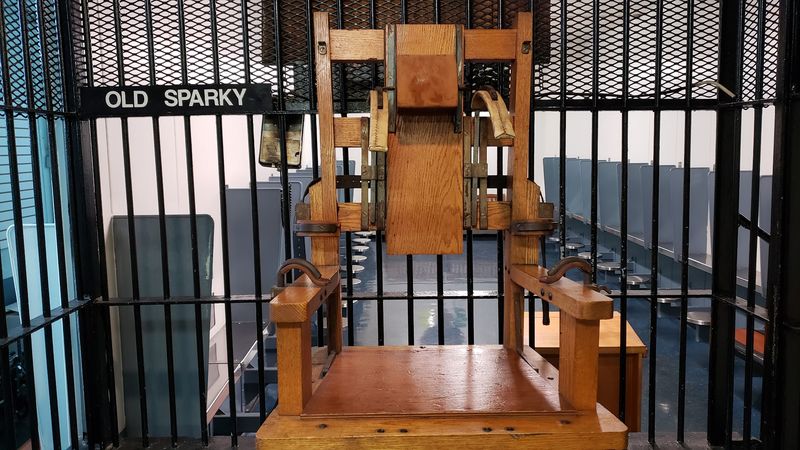
Few objects in the penitentiary carry as much weight as the electric chair affectionately, if darkly, nicknamed Old Sparky. Introduced in 1951, it was used for nine electrocutions before West Virginia abolished the death penalty in 1965.
The chair still sits on display inside the prison, and getting close to it produces a very specific kind of discomfort that no amount of mental preparation actually prevents.
Between 1899 and 1959, a total of 94 men were executed here. Eighty-five of those executions were carried out by hanging.
The last execution took place on April 3, 1959, when Elmer David Bruner was electrocuted.
Historical records indicate that executions took place in a dedicated death house rather than the North Wagon Gate, despite popular legend suggesting otherwise.
Either way, standing near Old Sparky is one of those quiet, heavy moments during the tour where conversation tends to drop off naturally.
The room does not need dramatic lighting or sound effects to make its point. The chair does all the talking.
The Sugar Shack and Other Paranormal Hotspots Inside the Walls
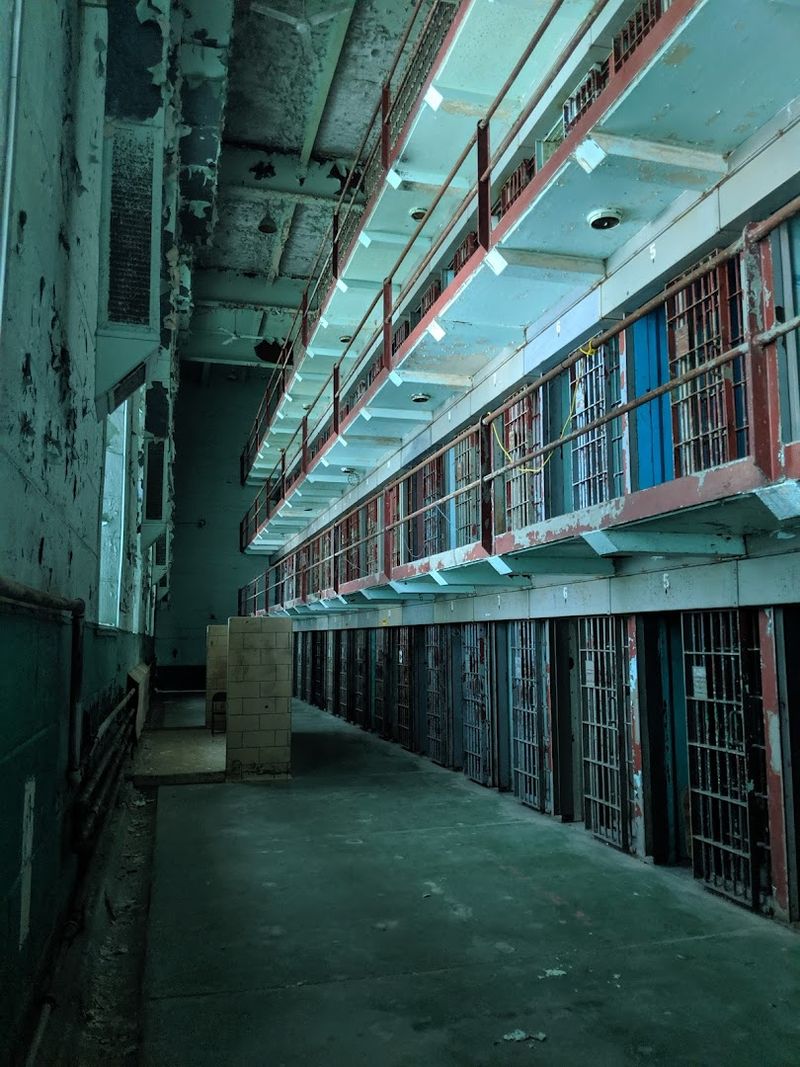
Ghost hunters from across the country have flagged certain spots inside the penitentiary as particularly active, and the Sugar Shack tops almost every list. Visitors report hearing loud arguing and whispered voices in that area even when no one else is around.
Cold spots appear without explanation, and shadow figures have been spotted moving between the old cell blocks.
Other reported hotspots include the North Wagon Gate, solitary confinement, shower cages, the psych ward, and the basement boiler room. Each space carries its own distinct atmosphere.
Solitary confinement, for instance, feels suffocating even with the doors wide open and natural light streaming in.
Reports of phantom footsteps, being grabbed by unseen forces, electrical malfunctions, and moving mists are common enough that they have become part of the standard conversation among visitors. Many former inmates believed that dying inside the prison walls meant your soul stayed there permanently.
Given the number of deaths that occurred here from both executions and other causes, that belief adds a whole new layer of meaning to every unexplained sound.
The Cells That Held Over 2,000 People in Impossibly Tight Quarters
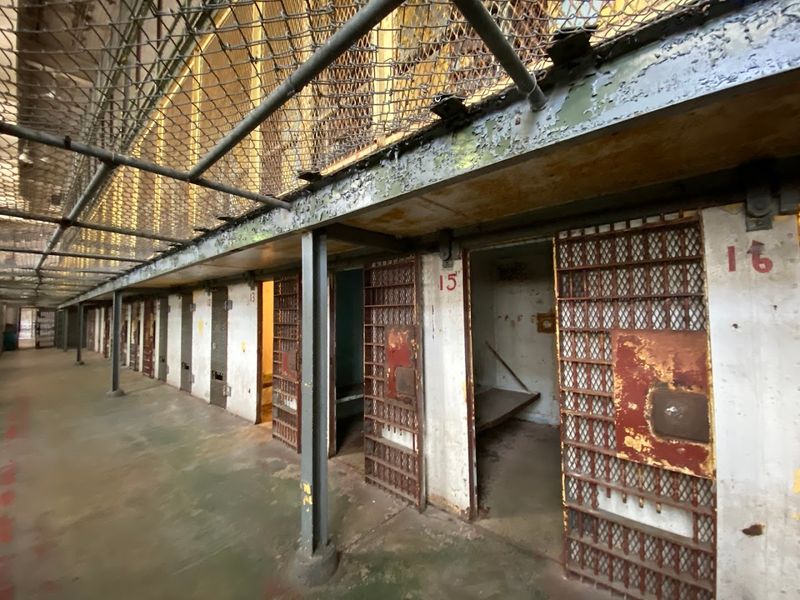
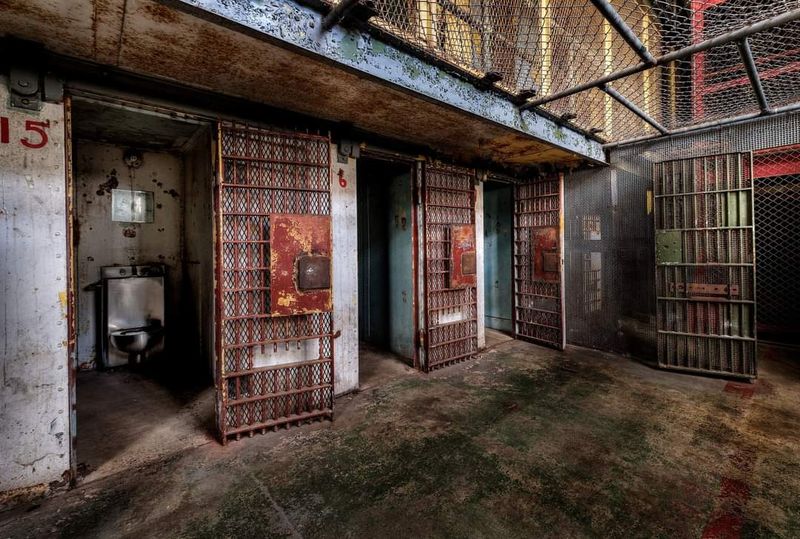
Stepping into one of the original cells for the first time is a genuinely jarring experience. Each one measures five feet wide by seven feet long.
That is smaller than most bathroom closets, and at the prison’s most overcrowded point, more than 2,000 people were packed into this facility designed for far fewer.
The walls are close enough to touch on both sides when you stretch your arms out. The ceiling feels low.
Even on a bright afternoon with a tour group nearby, the cells carry a heaviness that lingers after you step back out into the corridor.
What makes this section of the tour so impactful is how concrete it makes the history feel. Reading about overcrowding in a textbook is one thing.
Standing inside a five-by-seven stone box and trying to imagine living there is something else entirely. Tour guides often pause here to let visitors absorb the reality of it, and that silence speaks more clearly than any statistic could.
It is one of the most memorable stops on any tour format offered here.
MTV Fear and the Rise of a Paranormal Legend
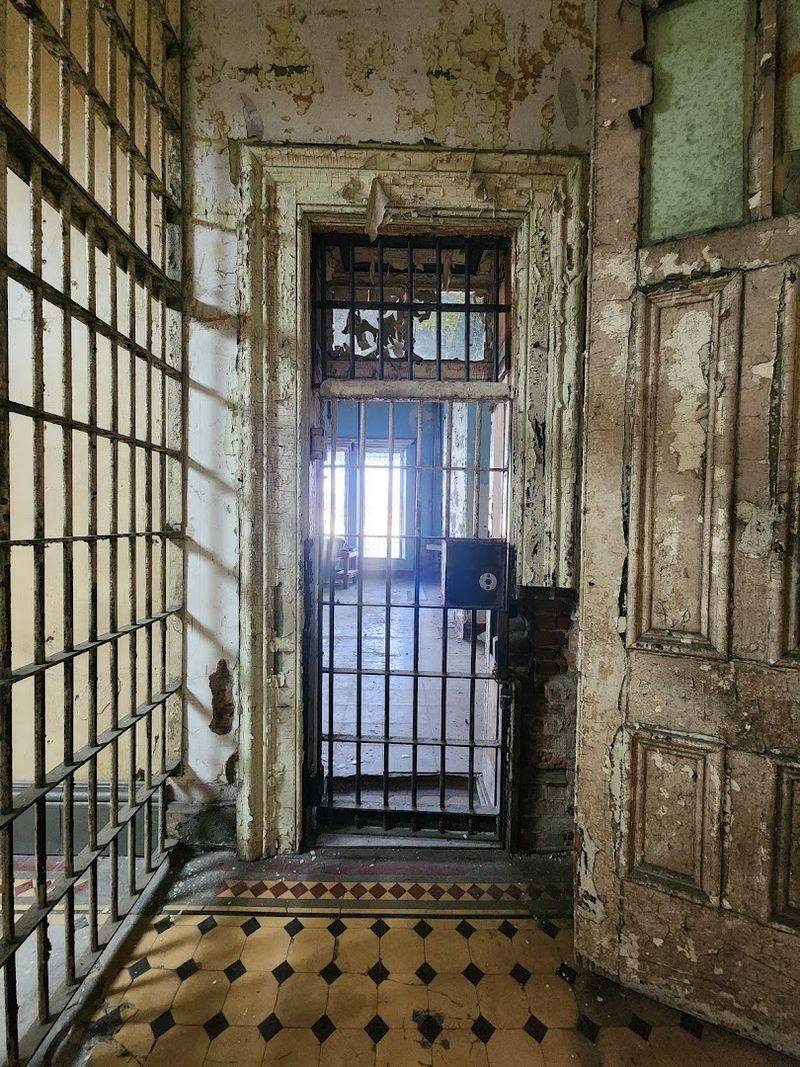
Long before paranormal tourism became a full industry, the West Virginia Penitentiary was already drawing curious visitors who sensed something unusual about the place. Then in 2000, MTV’s reality show Fear filmed an episode here, and everything changed.
Overnight, the prison went from regional curiosity to nationally recognized paranormal destination.
The show sent contestants into the prison overnight to complete challenges, and the footage captured enough unexplained activity to fuel years of conversation among enthusiasts. Ghost hunting groups began booking investigations regularly.
The penitentiary’s reputation grew steadily from there, and today it ranks among the most visited paranormal locations in the entire country.
Apparitions of former guards have been reported near their old posts. Disembodied voices have been captured on recording equipment during overnight investigations.
The paranormal community treats this building with a kind of reverence that feels earned rather than manufactured.
Whether you are a true believer or a healthy skeptic, spending time inside this prison after dark is an experience that tends to move even the most rational visitors closer to the mystery side of things.
Guided Tours That Make History Feel Alive and Personal
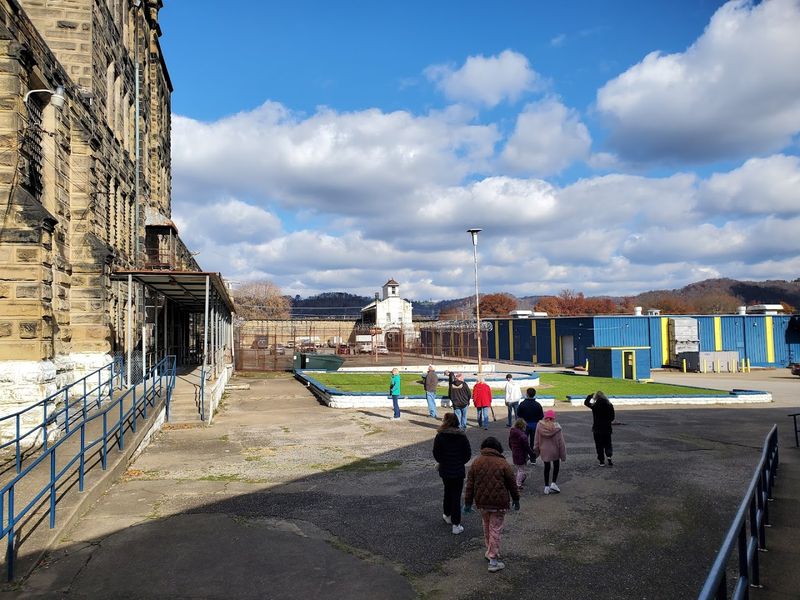
One of the smartest things about visiting the penitentiary is how well the guided tours are structured.
Knowledgeable guides walk visitors through the cell blocks, yards, and key historical areas while weaving together facts, stories, and context in a way that keeps everyone engaged.
The history here is dense, but a good guide makes it feel like a conversation rather than a lecture.
Tours run Tuesday through Sunday, opening at 10:45 AM and running through 4 PM. Day tours typically cover the first floor, including cell blocks and yards, while other event formats extend access to additional areas like the psych ward and upper levels.
Buying tickets in advance is genuinely recommended since tours do sell out, especially on weekends.
Bringing a water bottle is a practical tip that gets passed around often, particularly for summer visits when the stone walls trap heat in unexpected ways. The gift shop also offers some solid exhibits worth browsing before or after the tour.
Every format available here, from standard guided visits to twilight tours, delivers something distinct and worth the trip on its own terms.
Overnight Paranormal Investigations for the Brave and the Curious
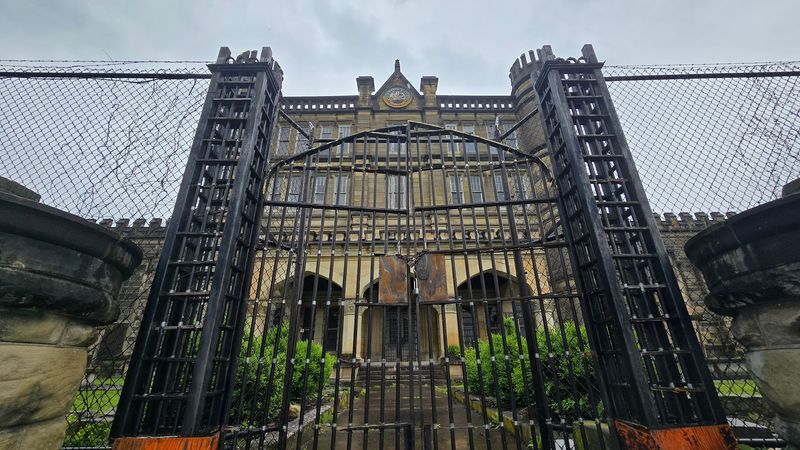
Spending a night inside the West Virginia Penitentiary is not something most people put on their bucket list until they hear about it, and then suddenly it becomes the only thing they want to do.
Overnight paranormal investigations here give visitors access to areas that daytime tours do not reach, including solitary confinement, the boiler room, and the psych ward.
Groups are typically given 90 minutes of guided history and orientation before being released to explore on their own with whatever equipment they bring. EMF detectors, voice recorders, and cameras are common tools.
The freedom to wander through darkened corridors with only a flashlight and your own nerve is both thrilling and deeply unsettling in the best possible way.
Multiple visitors have reported being physically touched by unseen presences during overnight sessions. Others have captured unexplained voices and mists on their recording equipment.
Whether those experiences have a rational explanation or something more mysterious behind them, the emotional impact is real and lasting.
Many people who do one overnight investigation end up booking a second visit before they even leave the parking lot.
The Riots, the Violence, and What the Walls Remember
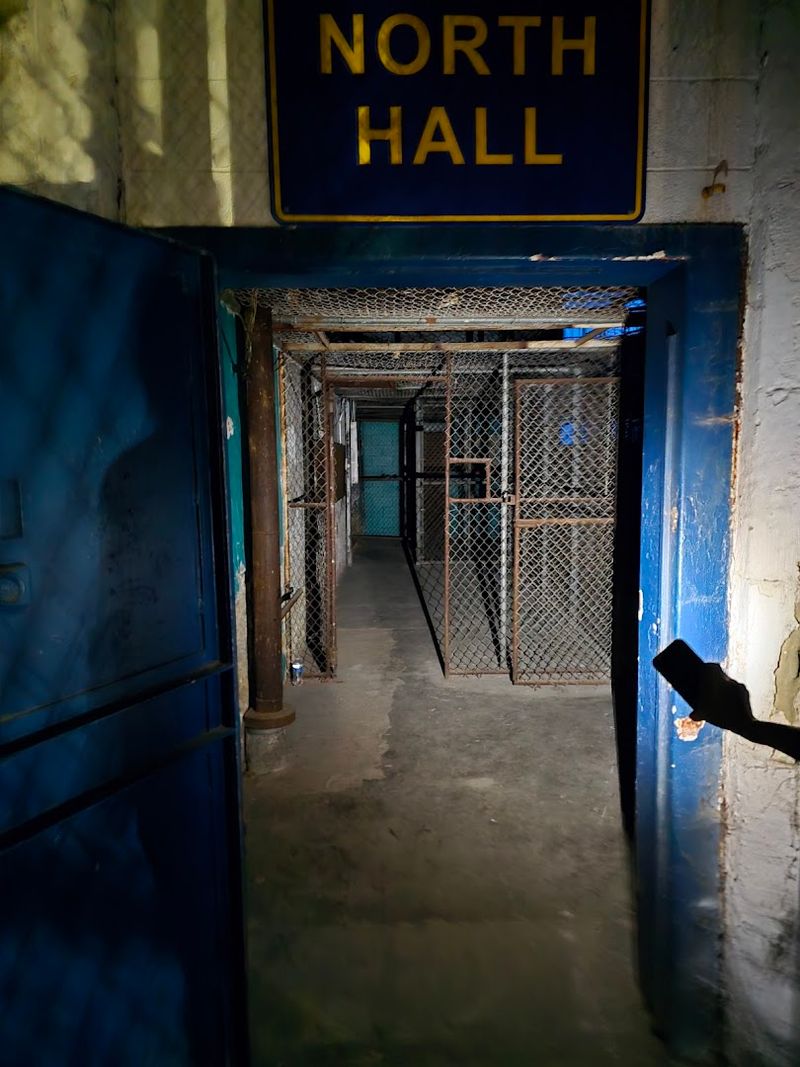
Three major riots tore through the West Virginia Penitentiary during its operational years, in 1973, 1979, and 1986.
Each one was fueled by the brutal conditions inside, the extreme overcrowding, and the tension that builds when too many people are confined in too little space for too long.
The prison earned its designation as one of the ten most violent correctional facilities in the country through years of documented incidents.
Walking through the areas where those events unfolded carries a particular weight. The stone walls and iron bars do not offer much in the way of softening the reality.
You get a clear sense of how pressure builds in an enclosed environment, and how the architecture itself contributed to the tension.
Beyond the official riots, hundreds of deaths occurred here from homicides and other causes throughout the prison’s 129 years of operation. Tour guides handle this part of the history with care and honesty, giving visitors the full picture without sensationalizing it.
Understanding what happened here is essential to understanding why the building feels the way it does, heavy, watchful, and impossible to dismiss.
Why West Virginia Penitentiary Belongs on Every Curious Traveler’s List
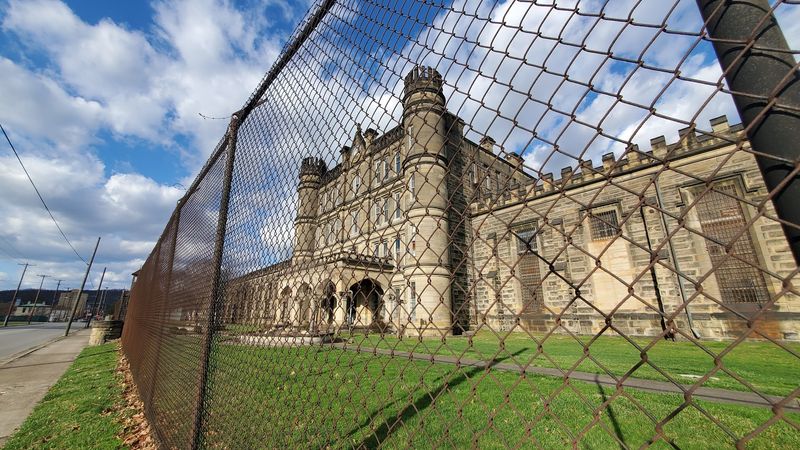
Few places manage to be genuinely educational, historically significant, architecturally stunning, and deeply eerie all at the same time. The West Virginia Penitentiary pulls off all four without even trying.
It is the kind of destination that sticks with you long after you have driven away, not because it scared you, but because it made you think.
The building itself is a remarkable feat of construction, built by the very people it imprisoned using locally quarried sandstone.
The tours are thoughtfully run, the staff is knowledgeable and welcoming, and the range of experience options means there is something here for history lovers, architecture enthusiasts, and paranormal investigators alike.
Rated 4.8 stars across thousands of visitor reviews, this place has clearly earned its reputation as one of the most compelling tourist attractions in the entire region.
Whether you come for a daytime guided tour or an overnight ghost hunt, you will leave with a fuller understanding of a complicated chapter in American history.
The penitentiary is open Tuesday through Sunday starting at 10:45 AM.
Address: 818 Jefferson Ave, Moundsville, WV
