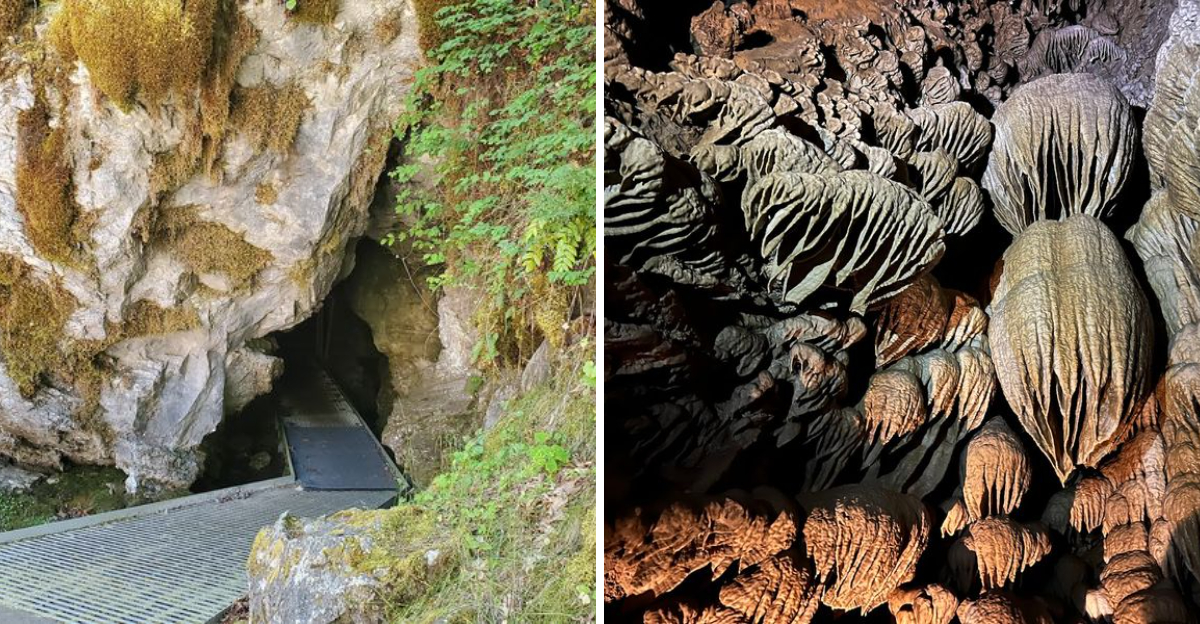
A half mile trail leads into a marble cave that has been forming for 250 million years. I walked through the entrance and the cool air wrapped around me while my eyes adjusted to the dim light.
Oregon has an underground wonder where the walls are carved from ancient marble and the formations look like something from another planet. The path winds through narrow passages and opens into rooms where stalactites hang from the ceiling like crystal chandeliers frozen in time.
I ran my hand along a smooth marble wall and tried to imagine the centuries of water that shaped it drop by drop. Oregon really preserves a natural treasure where you can walk through geological history without needing a hard hat or climbing gear.
The guide pointed out flowstone and stalagmites and little pools that reflect the lights like tiny underground mirrors. I watched a child’s face light up when the guide turned off the lights for a moment to show true darkness.
The marble is gray and white and pinkish in places with veins that shimmer when the light hits just right. You leave with cool air still on your skin and a new appreciation for what happens underneath our feet over millions of years.
The Ancient Marble Cave Itself
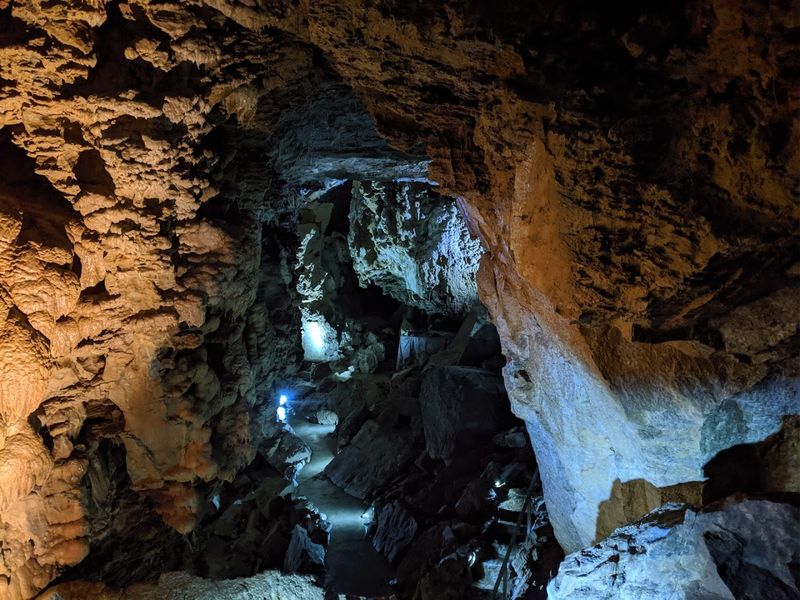
Nothing quite prepares you for that first moment inside the cave. The walls are not gray and flat like you might expect.
They swirl with ribbons of white, cream, and deep charcoal, polished by millions of years of chemistry and pressure.
Oregon Caves formed when ancient seabed limestone was transformed by heat deep underground. That process, called metamorphism, turned ordinary rock into marble.
The result is one of the most visually complex cave systems in the country.
Walking through it feels less like hiking and more like moving through a slow-motion sculpture. Some passages are wide and dramatic.
Others narrow enough that you turn sideways to squeeze through. Every corner reveals something new, a strange ripple in the rock, a hidden alcove, or a ceiling that sparkles faintly in the tour lights.
The cave stays at a cool 44 degrees Fahrenheit year-round. Bring a light jacket.
The formations have been growing for millions of years, and standing near them feels genuinely humbling.
Guided Cave Tours With Knowledgeable Rangers
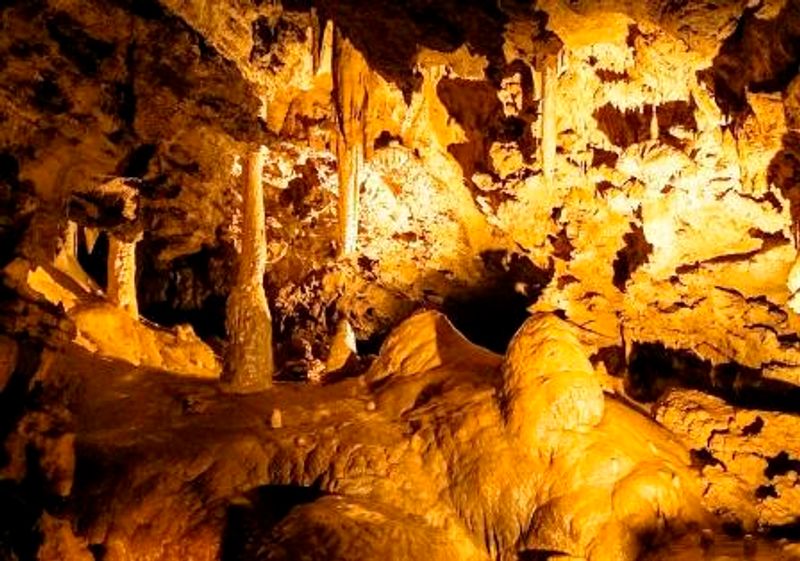
The tour experience here is shaped almost entirely by the ranger leading it. I got lucky with a guide who made every geological term feel like part of a great story.
The enthusiasm was real, not rehearsed.
Tours last roughly 90 minutes and cover about half a mile of underground trail. Groups are kept small, usually around 15 people.
That size matters a lot inside a cave where sound bounces and sightlines are limited.
Rangers point out features like cave bacon, moonmilk, and the marble formations that look almost like frozen waterfalls. They explain how each formation grows just one cubic inch every 100 years or so.
That kind of scale makes your brain work in a good way.
Booking ahead is strongly recommended. Tours fill fast, especially during summer.
The visitor center opens at 9 AM, but arriving early gives you the best chance of securing your preferred time slot. Same-day walk-in spots exist but are limited.
The Half-Mile Underground Trail
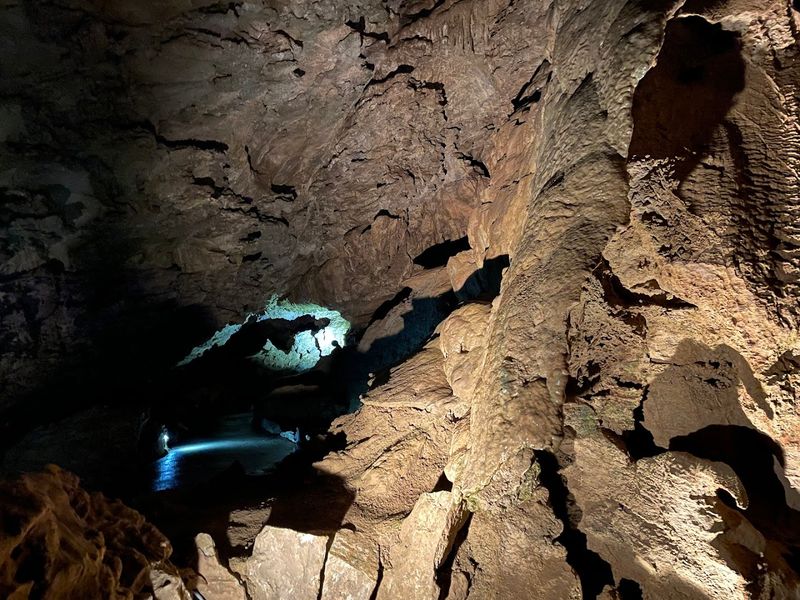
Half a mile does not sound like much on paper. Inside the cave, it feels like a completely different kind of distance.
The path climbs, dips, narrows, and opens up in ways that keep you constantly engaged.
There are real stairs in here, plenty of them. Some sections require ducking under low-hanging rock.
A few spots ask you to squeeze through gaps that feel a bit snug. It is genuinely physical, not just a casual stroll.
The trail surface is uneven throughout. Sturdy shoes with good grip make a noticeable difference.
Sandals and flip-flops are not a good idea underground. The NPS recommends closed-toe shoes for all visitors on the tour.
Children who are active and curious tend to love every step. That said, the tour is not recommended for very young kids or anyone with significant mobility challenges.
Adults who go in expecting a moderate physical experience come out feeling accomplished.
250-Million-Year-Old Geological History
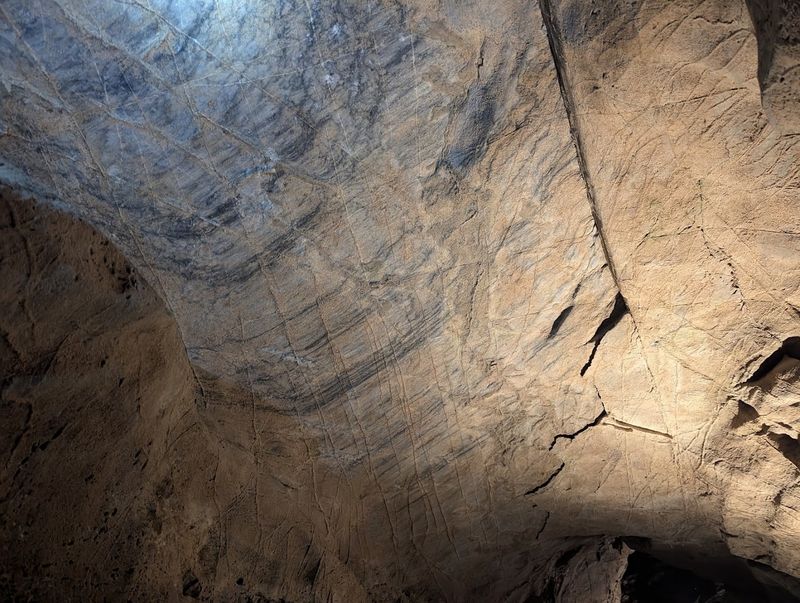
The cave’s age is almost impossible to wrap your head around. When these rocks were forming, dinosaurs had not even appeared yet.
The marble here started as limestone on the floor of an ancient ocean, then got pushed deep underground by tectonic forces.
Heat and pressure transformed that limestone into marble over millions of years. Later, slightly acidic groundwater slowly dissolved pathways through the rock, carving out the chambers and tunnels visitors walk through today.
That process is still happening.
Geologists study Oregon Caves because the marble here is unusually complex. It contains fossils and mineral deposits that tell a long, layered story about the Pacific Coast’s deep past.
The cave is essentially a library written in stone.
Standing in a chamber and knowing the rock around you is older than most life on land puts daily stress in a funny kind of perspective. It is one of those rare places where deep time becomes something you can almost feel.
The Scenic Drive Up to the Monument
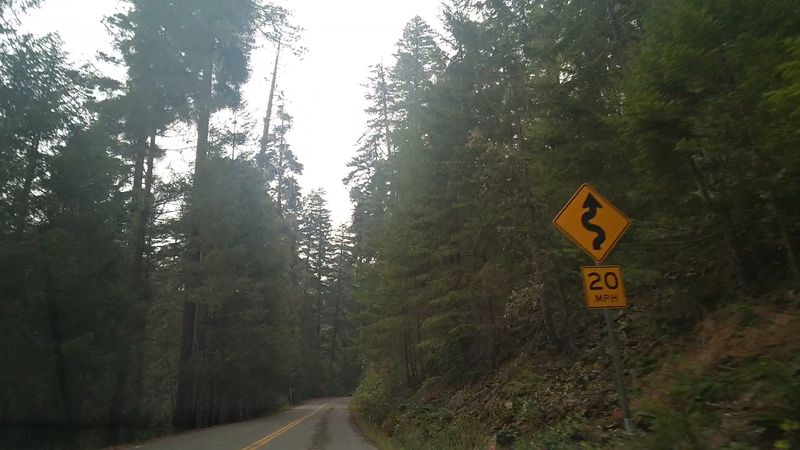
The drive to the monument is its own kind of adventure. The road winds upward through dense Douglas fir forest, curving tightly around hillsides with occasional glimpses of the valley below.
It is beautiful and a little bit thrilling.
The road is paved all the way, but it is narrow in places. Larger vehicles may want to check size restrictions before heading up.
The drive from Cave Junction takes roughly 20 minutes and climbs steadily through the Siskiyou Mountains.
Every bend in the road reveals something worth slowing down for. Mossy cliffs, towering conifers, and small streams running alongside the pavement create a sense of arriving somewhere genuinely remote.
The outside world fades fast up here.
Arriving in the morning adds an extra layer of atmosphere. Mist sometimes hangs in the tree canopy early in the day.
The forest feels quiet and layered in that particular Pacific Northwest way that photographs love but cameras never quite capture. The drive alone is worth building into your schedule.
Hiking Trails Above the Cave
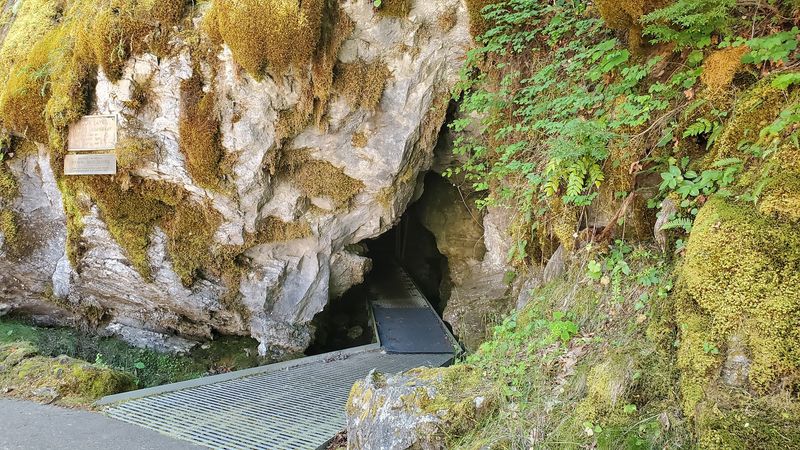
Most visitors come for the cave and leave without realizing there are trails above ground worth exploring. The Big Tree Trail and Cliff Nature Trail loop offers a surprisingly rewarding hike through old-growth forest.
The Big Tree itself is massive and worth the walk.
The trails here are mostly quiet. Early morning hikers sometimes have the paths entirely to themselves.
The forest canopy is thick, and the light filters through in long golden streaks during the right hours. It feels genuinely peaceful up here.
Some trail sections have blowdowns from old storms, but they are passable with a little care. The overall condition is good, and the scenic views of distant mountains reward the effort.
Cliffside lookout points offer perspective on just how wild this landscape really is.
Pairing a morning trail hike with an afternoon cave tour makes for a full and satisfying day. Pack water and a snack.
The trails are not heavily trafficked, so the solitude is real.
Bats Living Inside the Cave
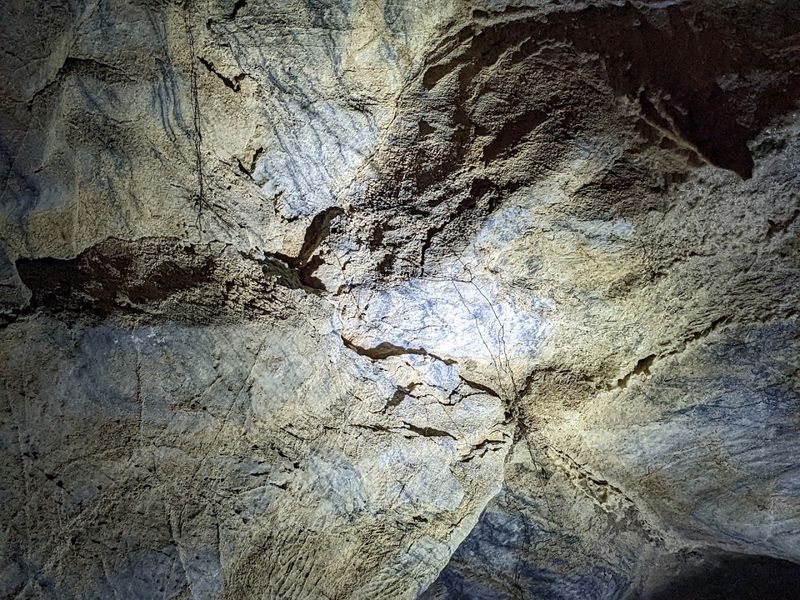
Bats live inside Oregon Caves, and spotting one is a genuine highlight of the tour. They tuck into crevices and ledges throughout the cave system.
Rangers have even set up recording devices to track bat activity, which they sometimes call the Bat Phone.
Seeing a bat in the wild, just a few feet away in a dimly lit cave chamber, is a very different experience from knowing they exist. They are small, surprisingly still, and oddly charming when they are just hanging there minding their own business.
The bats play an important ecological role in the cave environment. Rangers take their protection seriously and ask visitors not to disturb roosting individuals.
White-nose syndrome has affected bat populations nationwide, making healthy colonies like this one genuinely important to preserve.
If you are lucky, a bat might swoop silently through the group during the tour. It happens fast.
Kids tend to react with either delight or mild alarm, sometimes both at once.
What to Wear and Bring Into the Cave
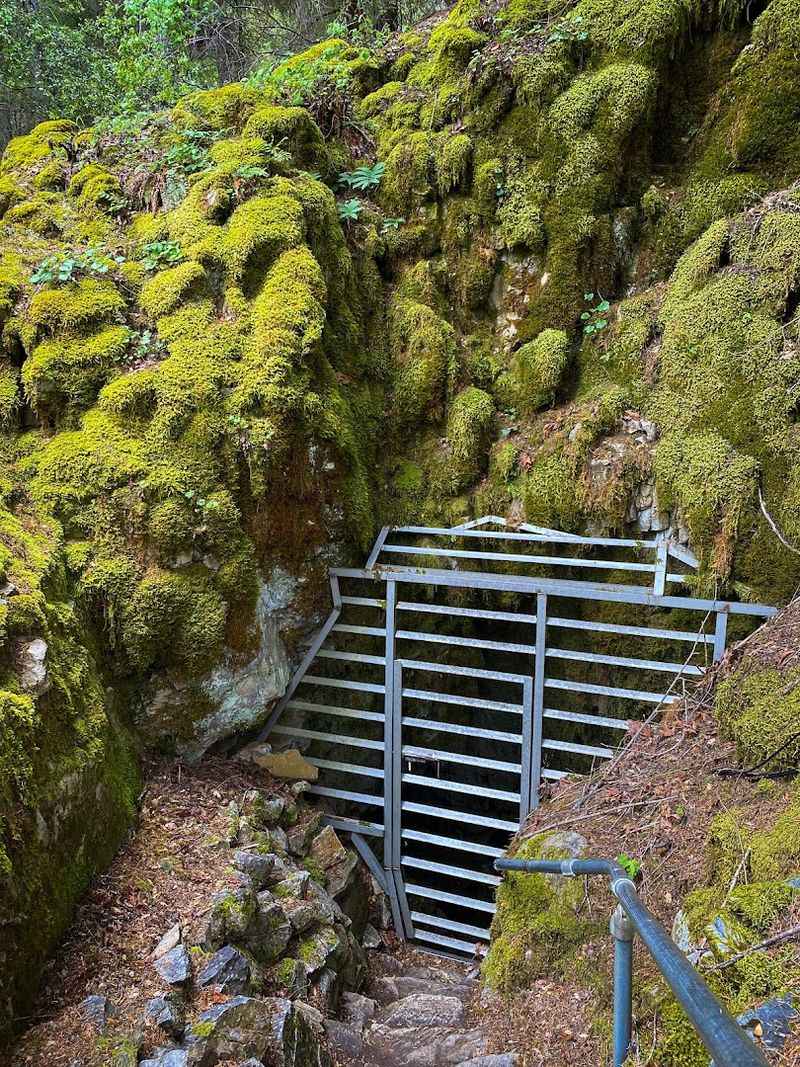
The cave temperature holds steady at around 44 degrees Fahrenheit no matter what season you visit. Outside temperatures have no effect underground.
On a 90-degree summer day, stepping inside feels like opening a refrigerator, but a welcome one.
A light long-sleeve layer is the sweet spot for most visitors. Moving through the cave generates enough body heat that a heavy jacket can feel like too much after the first 20 minutes.
Layering gives you flexibility.
Closed-toe shoes with good traction are essential. The trail surfaces are wet in places and uneven throughout.
Rubber-soled hiking shoes or trail sneakers work well. Flip-flops and open sandals are genuinely risky on the slick stone steps.
Leave large bags at the car if possible. The cave passages are narrow, and a bulky backpack becomes a problem fast.
A small daypack with water, a snack, and a phone is plenty. Cameras are welcome, but flash photography can be tricky in the low light.
Booking Your Tour in Advance
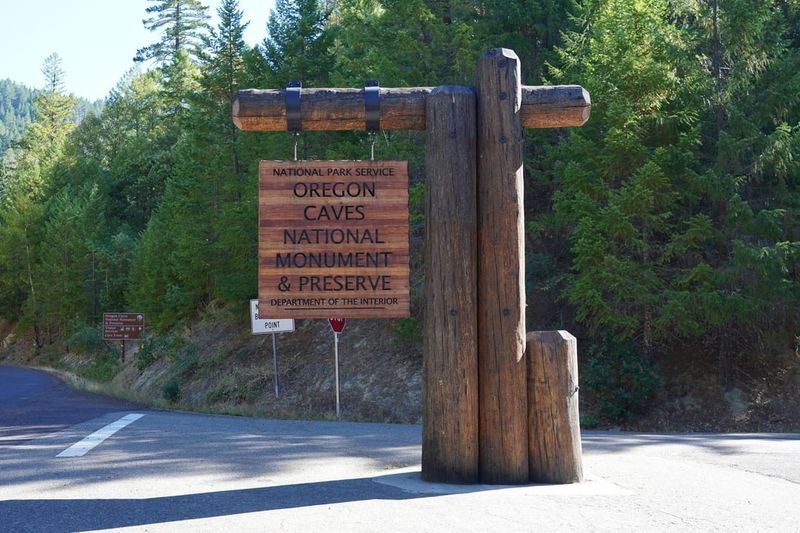
Tour spots at Oregon Caves fill up quickly, especially in summer. Showing up without a reservation is a gamble that does not always pay off.
Booking online before your trip is the single best thing you can do to guarantee your experience.
The official NPS website for Oregon Caves handles reservations. The process is straightforward and takes just a few minutes.
Tickets for specific time slots sell out weeks in advance during peak season, so planning ahead matters more here than at most parks.
A limited number of walk-in spots are held back each day. Arriving early in the morning gives you the best shot at one of those.
The visitor center opens at 9 AM, and the line for walk-in tickets can form before that.
Groups with kids should pay extra attention to age and height requirements listed on the NPS site. The cave tour involves physical demands that genuinely exclude very young children.
Reading the requirements before booking saves everyone frustration.
The Visitor Center and Surrounding Grounds
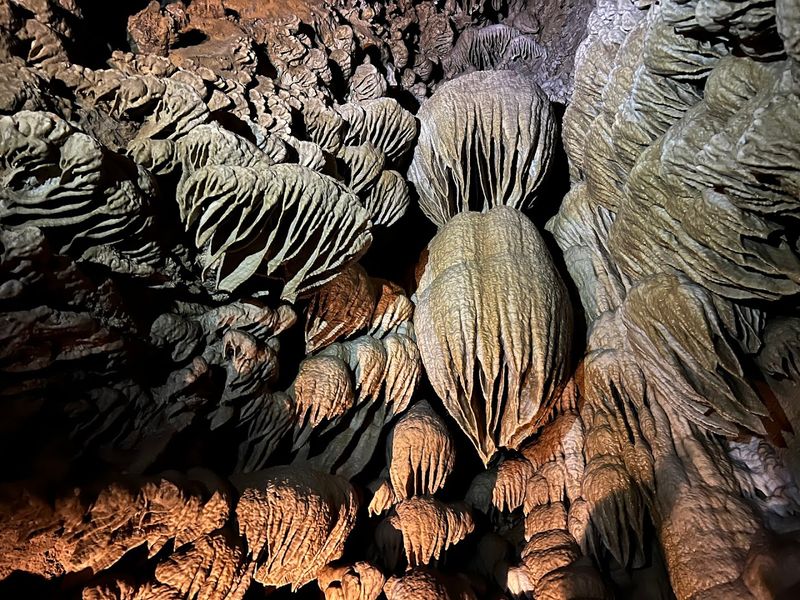
The visitor center sits right at the base of the cave entrance area, surrounded by towering conifers and the kind of quiet that makes you lower your voice automatically. It is a good spot to get oriented before your tour begins.
Inside, exhibits explain the cave’s geology, ecology, and history in clear and engaging ways. Spending time in the visitor center before the tour actually makes the underground experience richer.
You notice more when you already know a little of the story.
The grounds around the monument are genuinely beautiful. Stone pathways, mossy banks, and the sound of a small stream running nearby create an atmosphere that feels preserved and cared for.
The historic lodge building on the property is currently under renovation.
Picnic areas near the visitor center make a relaxing spot for lunch after the tour.
Address: Oregon Caves National Monument and Preserve, 19000 Caves Hwy, Cave Junction, OR 97523
