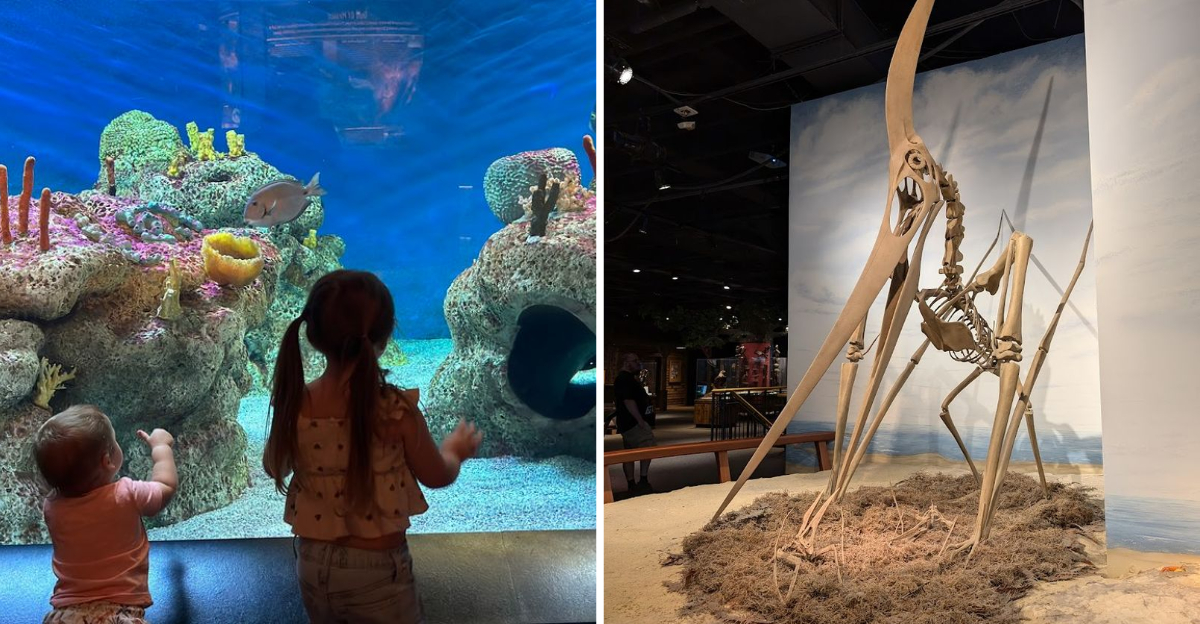
Science museums are easy to underestimate until one completely pulls you in. Alabama has one that manages to keep every age entertained without feeling like it is trying too hard.
One room leads into another filled with fossils, massive aquariums, hands-on exhibits, and larger-than-life displays that make it easy to lose track of time. Curiosity takes over almost immediately, and suddenly a quick visit turns into hours of exploring. It is the sort of attraction that keeps surprising you right up to the exit, with something new waiting around nearly every corner.
The Dig Site: Where Young Paleontologists Get Their Hands Dirty
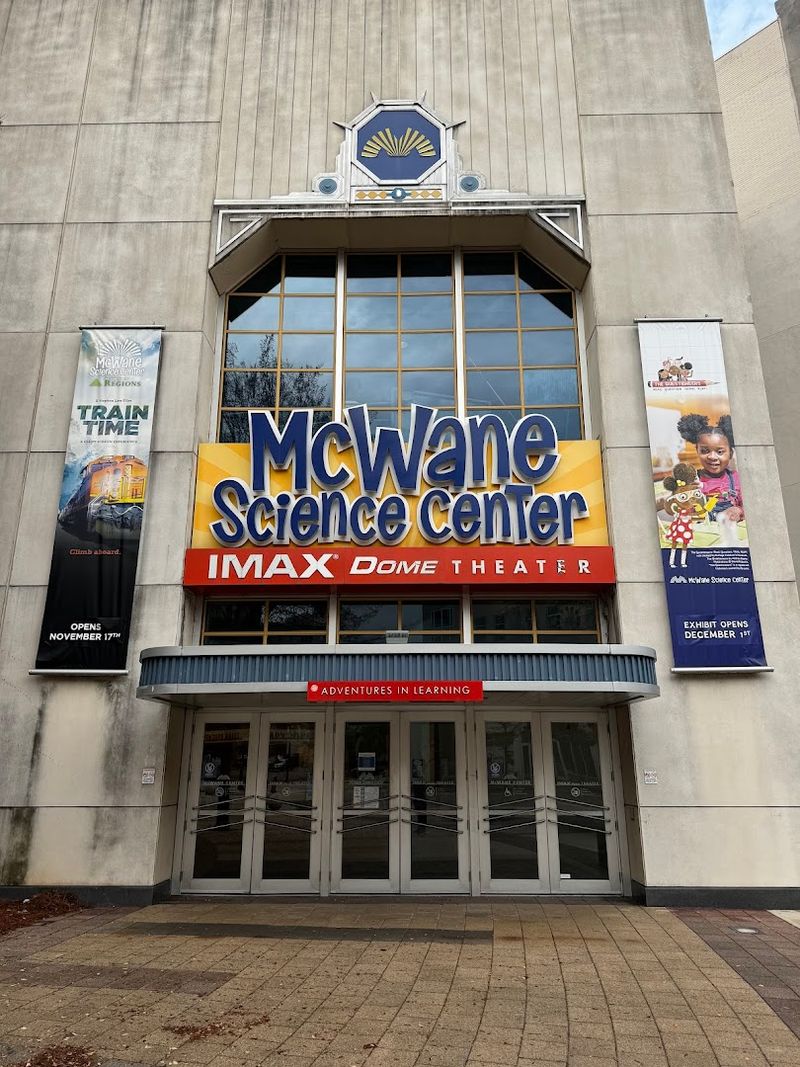
There is something almost magical about watching a kid realize they just uncovered a fossil with their own two hands. The Dig Site at McWane Science Center is a hands-on exhibit built specifically for younger visitors who want to experience what real paleontologists do in the field.
It is not a simulation, it is the actual thrill of discovery wrapped in a safe, supervised environment.
Kids get to use brushes and tools to carefully unearth fossil replicas buried in the sandy excavation zone. The process teaches patience, attention to detail, and a genuine appreciation for what scientists do every day.
Watching a child’s face light up when they find something is honestly one of the best things about being in this space.
The exhibit is designed to spark curiosity, not just provide entertainment. Younger visitors walk away with a real sense of what it means to search for clues from the past.
Alabama has one of the richest fossil records east of the Mississippi River, and The Dig Site makes that legacy feel personal and accessible to every child who picks up a brush.
Alabama Dinosaurs Exhibit: Meet the Creatures That Roamed This State
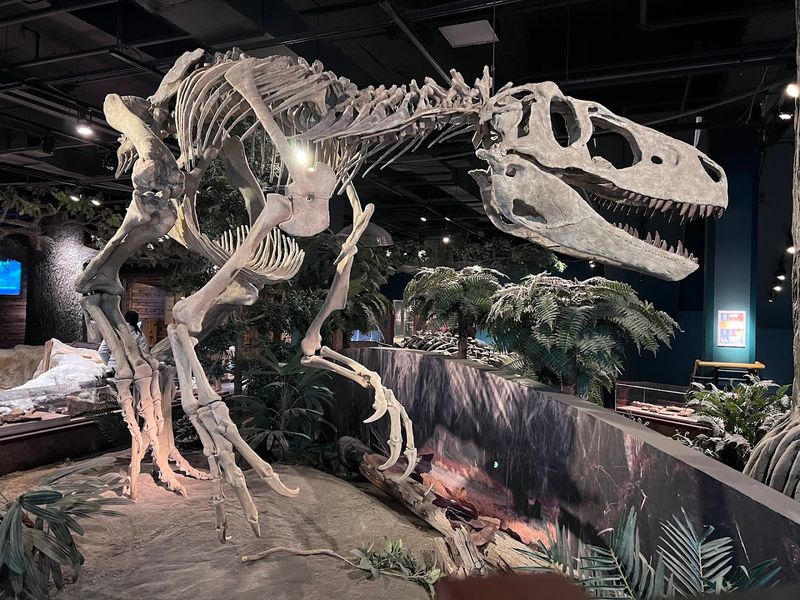
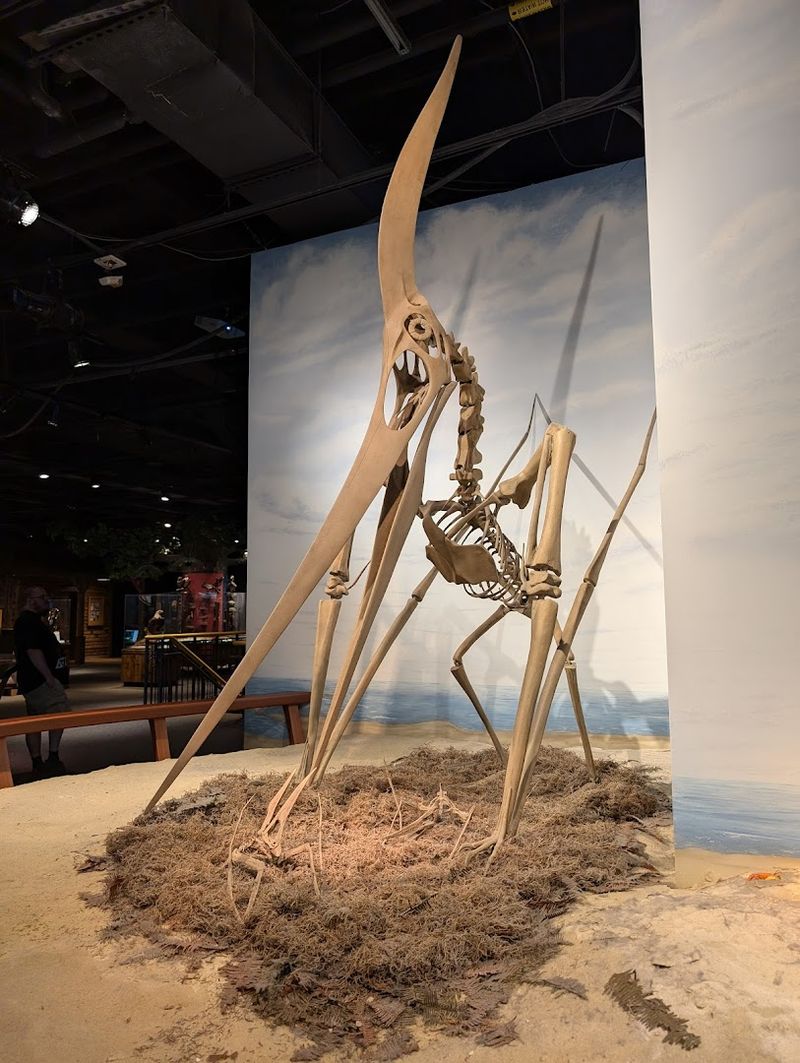
Most people do not picture Alabama when they think about dinosaurs, but this exhibit will flip that assumption on its head fast. The Alabama Dinosaurs display showcases actual fossils discovered right here in the state, giving visitors a front-row seat to some genuinely rare prehistoric finds.
The star of the show is the Appalachiosaurus, a relative of the T. rex that once stalked the ancient forests of what is now the American Southeast.
Alongside the Appalachiosaurus, the exhibit features rare dromaeosaur specimens that are practically one-of-a-kind in the fossil world. Alabama is recognized by paleontologists as one of the best places east of the Mississippi River for uncovering dinosaur remains, and this collection makes that reputation crystal clear.
Seeing these bones up close, bones that were pulled from Alabama soil, gives the whole experience a local pride that feels surprisingly moving.
The exhibit does a great job of explaining the science without making it feel like homework. Labels are clear, displays are well-organized, and there is enough visual drama in those giant skeletons to keep anyone locked in.
It is the kind of room where you slow down without even noticing.
Sea Monsters: Alabama’s Ancient Underwater World
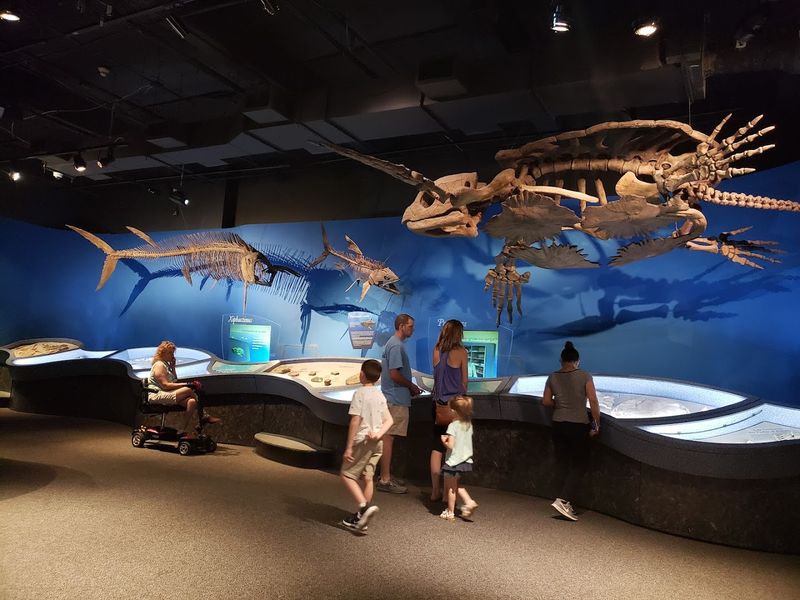
About 80 million years ago, much of Alabama was sitting under a warm, shallow sea teeming with enormous creatures. The Sea Monsters exhibit brings that wild reality to life, featuring fossils and reconstructions of the giant swimming lizards known as mosasaurs, along with ancient sharks like Cretoxyrhina.
It is genuinely hard to wrap your head around the idea that the ground beneath Birmingham was once an ocean floor.
McWane holds one of the most impressive mosasaur collections in the world, ranking as the fourth-largest globally. The sheer size of some of these specimens is jaw-dropping.
These were not gentle creatures either, they were apex predators of their time, and the exhibit does not shy away from showing just how formidable they were.
What makes this section particularly compelling is how it connects Alabama’s landscape to a completely different era of Earth’s history. The fossils on display were found in the state, which means every piece has a local story attached to it.
For anyone who has ever stared at a flat Alabama field and wondered what lies beneath, this exhibit offers a pretty spectacular answer that is hard to forget.
The Paleontology Laboratory: Science Happening Right Before Your Eyes
Most museums show you the finished product. McWane shows you the process, and that makes all the difference.
The Paleontology Laboratory gives visitors a behind-the-scenes look at real scientists actively preparing fossils from field jackets, the plaster casts used to transport delicate specimens from dig sites. You can watch through a glass window as paleontologists use specialized tools to slowly remove bone from surrounding rock.
It is painstaking, detailed work that can take months or even years for a single specimen. Seeing it happen in real time makes you appreciate the patience and skill that goes into every fossil you see displayed elsewhere in the building.
The lab has worked on everything from massive mosasaurs to newly discovered dinosaur species like the Eorotraodon, a find that added another chapter to Alabama’s already impressive prehistoric story.
The McWane Collection holds over 500,000 items, including fossils, minerals, and Native American artifacts, and the lab is where many of those pieces are carefully brought to life for future display. Watching science unfold in real time, rather than reading about it on a placard, turns a museum visit into something genuinely memorable.
Few places offer this kind of transparent, unfiltered access to the scientific process.
Ice Age Alabama: Woolly Mammoths and Sabertooth Cats Closer Than You Think
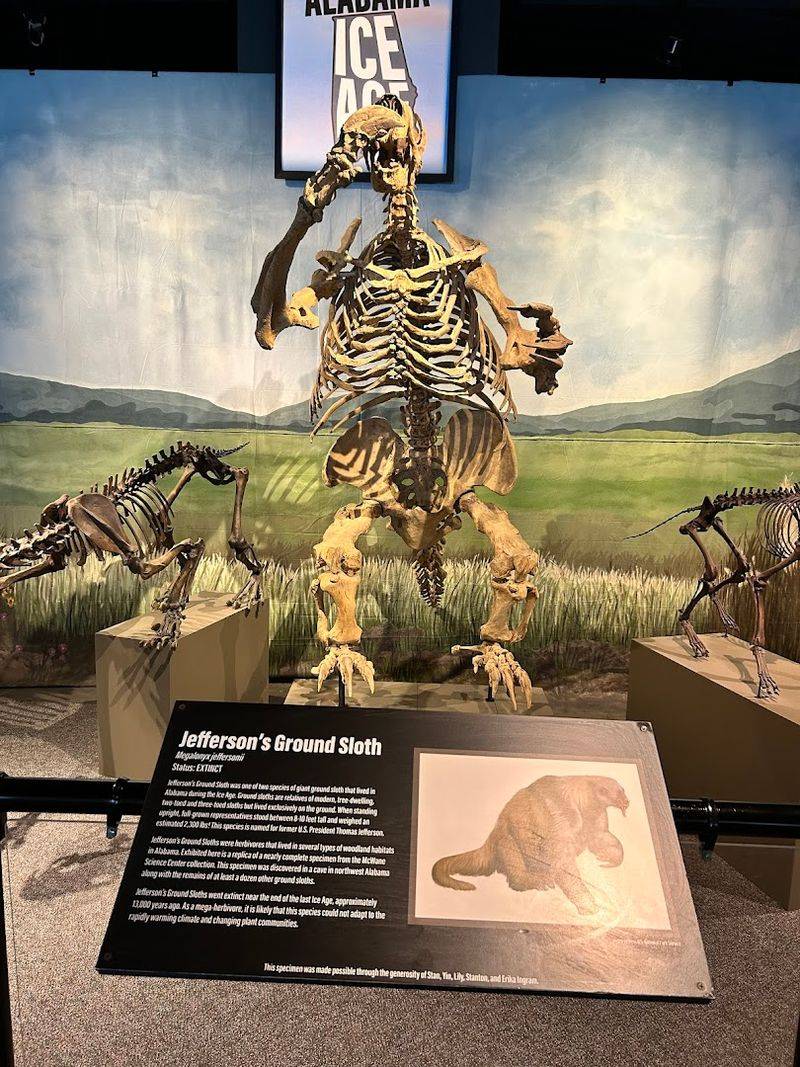
Alabama during the Ice Age was a very different place, roamed by woolly mammoths, sabertooth cats, and a whole cast of megafauna that most people only associate with colder, more northern regions. McWane’s growing collection of Pleistocene-era mammals tells the story of this chapter in the state’s natural history with real fossil evidence and engaging displays.
It is one of those sections of the museum that genuinely surprises you.
The idea that giant mammals were wandering through what is now Alabama just tens of thousands of years ago feels almost too wild to be true. But the fossils do not lie.
McWane connects these Ice Age discoveries to the broader prehistoric timeline they present throughout the building, giving visitors a full picture of just how layered Alabama’s natural history really is.
This part of the museum also works beautifully as a conversation starter for kids. Questions come naturally when you are staring at the remains of a creature that looks like an elephant but is not quite one.
The exhibits are informative without being overwhelming, and the connection to a specific place, Alabama, makes every display feel grounded and real rather than abstract or textbook-dry.
Explore! Lab and World of Water: Two Floors Worth of Pure Discovery
The Explore! Lab is one of those spaces that rewards curiosity in every corner.
Guests can classify feathers, butterflies, rocks, and shells, sharpen their microscope skills, and get hands-on with real fossils, skeletons, and rare minerals. It covers geology, paleontology, anthropology, and zoology all in one room, which sounds like a lot but somehow never feels overwhelming.
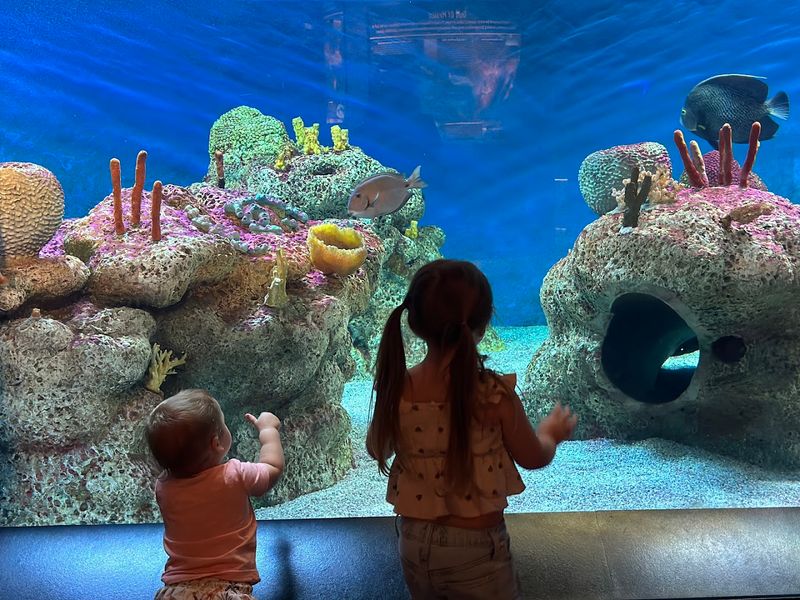
One floor down, the World of Water exhibit shifts the energy entirely. Four unique aquarium tanks are home to over 50 species of marine and freshwater life, and the touch tank lets visitors reach in and feel small sharks and rays gliding past their fingers.
It is one of those experiences that stays with you, especially if you have never touched a ray before and suddenly realize they feel like wet velvet.
Together, these two areas show just how broad McWane’s scope really is. The center is not just about dinosaurs or fossils, it is about the full sweep of natural science, from microscopic details to living, breathing creatures swimming right in front of you.
Moving between these two exhibits feels like flipping between two completely different worlds, and both are worth every minute you spend in them.
Itty Bitty Magic City and the IMAX Dome: Fun for Every Age Under One Roof
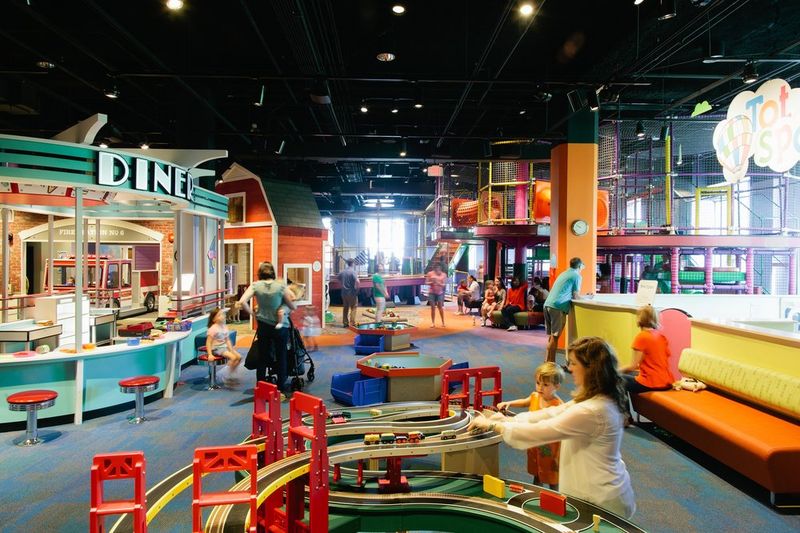
Not every part of McWane is about ancient history, and that is exactly what makes it such a well-rounded destination. Itty Bitty Magic City is a dedicated play space for children in kindergarten and younger, filled with imaginative, size-appropriate activities that encourage creativity and physical exploration.
Parents often mention it as a highlight of the visit, and it is easy to see why once you watch a toddler absolutely lose themselves in it.
Then there is the IMAX Dome Theater, a 250-seat cinema with a screen that wraps around you in a way that a regular movie simply cannot replicate. It adds a completely different layer to the McWane experience, one that is cinematic, immersive, and a perfect wind-down after hours of hands-on exploration.
The dome has been a fan favorite since the center opened its doors on July 11, 1998.
McWane is housed in the beautifully restored Loveman’s department store building, which gives it a sense of history even before you get to the exhibits. The combination of toddler play zones, world-class fossils, live aquatic animals, and a dome theater under one roof is genuinely hard to match anywhere in the region.
It is the kind of place you plan to spend two hours in and end up staying all day.
Address: 200 19th Street N, Birmingham, AL 35203
