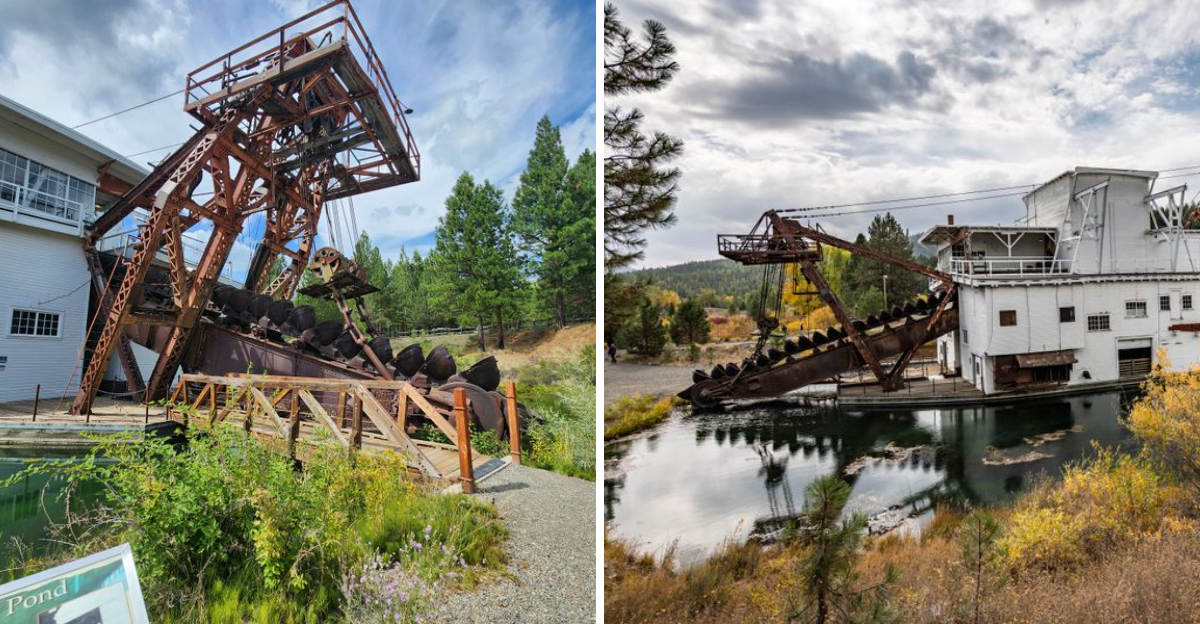
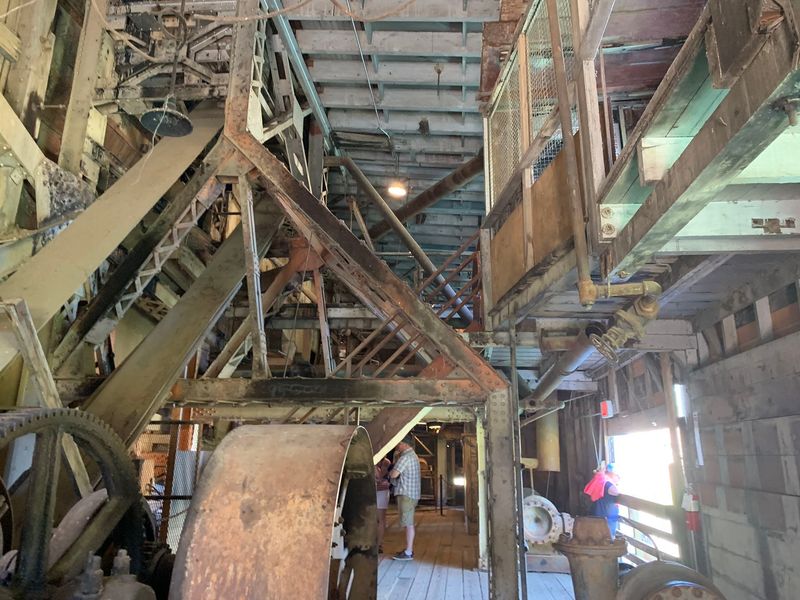
I stood on the weathered deck of the Sumpter Valley Gold Dredge, and a chill ran down my spine that had nothing to do with the Oregon mountain air. This massive floating factory sits frozen in time at 211 Austin Street in Sumpter, Oregon, a monument to the gold rush era and something far more unsettling.
Built in 1935, this three-story beast processed millions in gold before falling silent in 1954. But silence is relative here.
Workers and visitors report phantom footsteps echoing through empty corridors, the smell of cigar smoke where no one stands, and tools that move on their own. The most persistent legend centers on Joe Bush, a worker whose presence allegedly lingers in the engine room and near the winch.
The dredge earned its haunted reputation honestly, even catching the attention of paranormal investigators and the Syfy channel.
Walking through its shadowy passages, I understood why locals struggle to explain what happens here after dark.
The Legend of Joe Bush
Strange things happen in the bowels of this floating giant, and most point to one name. Joe Bush supposedly worked on the dredge during its operational years, and according to local lore, he never really left.
Visitors walking through the engine room report sudden temperature drops and an overwhelming sense of being watched from the shadows.
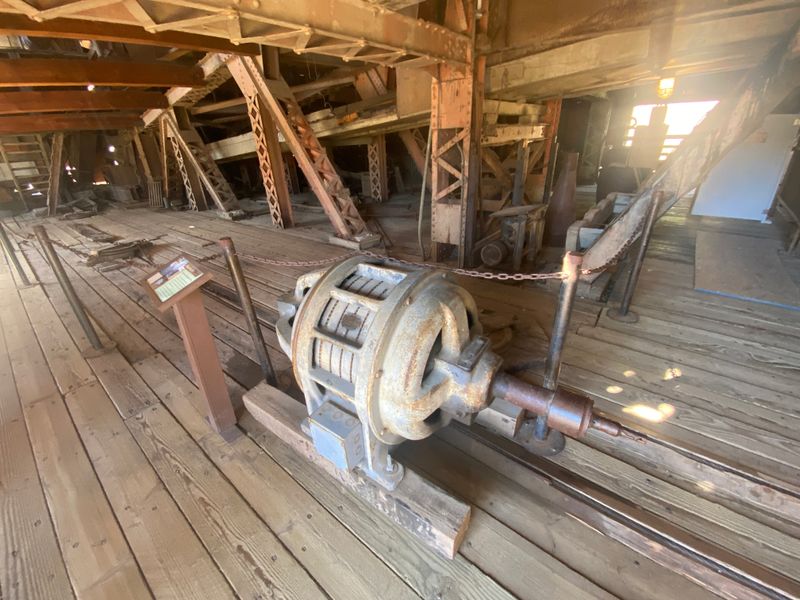
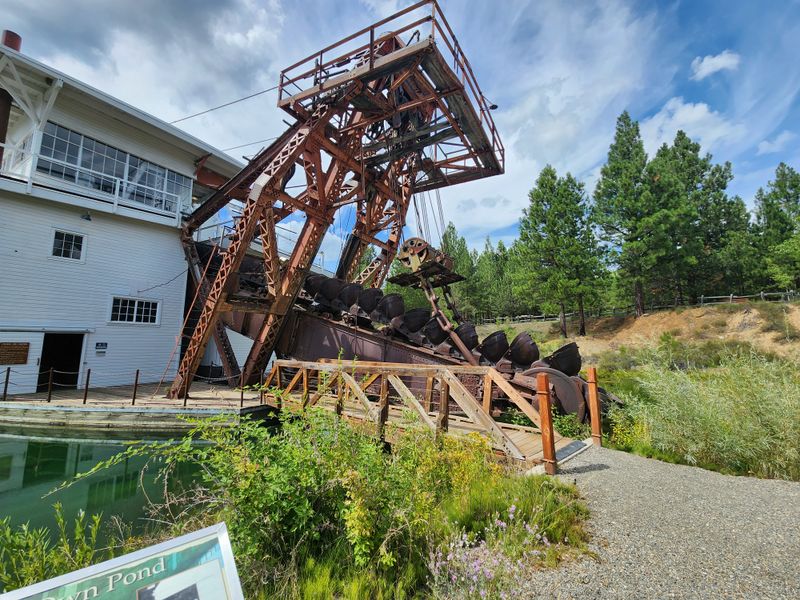
I explored the lower decks where massive gears and machinery create a maze of metal and darkness. The engine room feels especially heavy, as if the air itself remembers decades of round-the-clock operations.
Staff members have reported seeing a figure near the winch mechanism, always in their peripheral vision, vanishing when they turn for a direct look.
What makes Joe Bush’s story particularly compelling is the consistency of reports over decades. Different visitors with no knowledge of the legend describe similar experiences in the same locations.
The smell of cigar smoke materializes without source, and footsteps echo on metal walkways when the dredge stands empty. Whether you believe in ghosts or not, something about this place makes even skeptics pause and listen carefully to the silence.
Physical Manifestations That Defy Logic
Tools don’t move themselves. At least, that’s what I always believed until I heard the accounts from maintenance workers and tour guides at this Oregon landmark.
Wrenches placed carefully on workbenches appear across the room. Doors that were latched shut swing open without explanation.
These aren’t stories from a century ago but reports from recent years by credible witnesses.
The cold spots are perhaps the most unnerving phenomenon. Walking through certain sections of the dredge, I encountered pockets of frigid air that made no meteorological sense.
These zones remain consistently cold regardless of outside temperature or season. Visitors wearing summer clothes suddenly need jackets in specific corridors, then step ten feet away and feel perfectly comfortable again.
Phantom footsteps ring out with startling clarity on the metal decking. I heard them myself during a quiet afternoon visit, distinct boot steps climbing stairs when I stood alone on the observation deck.
The sound quality suggested someone wearing heavy work boots, exactly what dredge operators would have worn during the mining days. These auditory experiences happen frequently enough that staff barely react anymore, treating them as just another quirk of working on Oregon’s most haunted industrial site.
Television Fame and Ghost Mine Connection
Ghost hunters and paranormal investigators have made pilgrimages to this remote corner of Oregon for years. The Syfy channel’s Ghost Mine series brought national attention to the supernatural activity surrounding the dredge and nearby Cracker Creek mining operations.
The show documented unexplained phenomena that even seasoned miners couldn’t rationalize, cementing the location’s reputation as genuinely haunted rather than just locally legendary.
I spoke with locals who remember the production crews setting up their equipment throughout the valley. The investigators used thermal cameras, electromagnetic field detectors, and audio recording devices to capture evidence of paranormal activity.
What they documented matched decades of anecdotal reports from people who had never heard each other’s stories, lending credibility to claims that something unexplainable happens here.
The television exposure transformed the dredge from a regional curiosity into a destination for ghost enthusiasts nationwide. Yet the increased attention hasn’t diminished the genuine strangeness of the place.
If anything, having more witnesses has only added to the collection of inexplicable experiences. The dredge doesn’t perform for cameras or put on shows for visitors, which makes the consistent reports across different groups and time periods all the more compelling.
Engineering Marvel That Built Its Own Pond
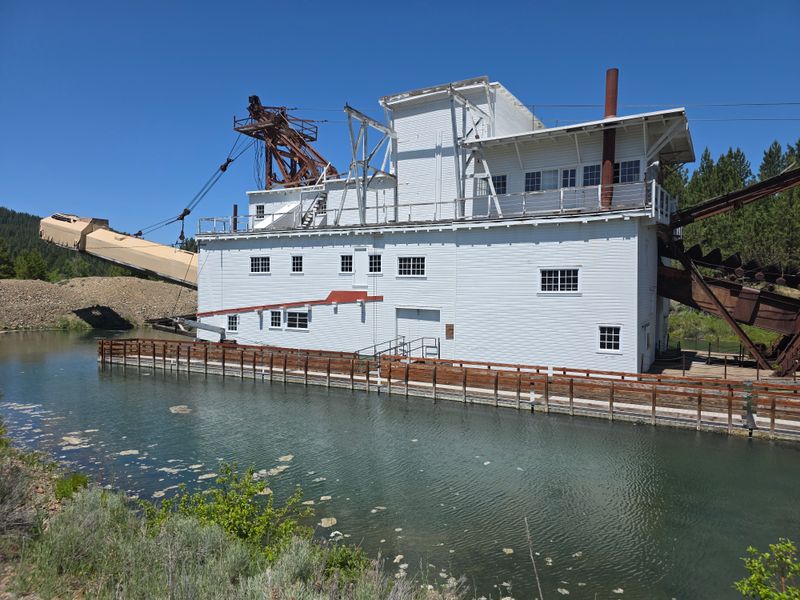
Measuring 120 feet long and 40 feet wide across three massive decks, this mechanical monster represents engineering ambition on a staggering scale. When I first saw it from the road, I couldn’t comprehend how something so enormous came to exist in this remote valley.
The answer lies in its ingenious design: the dredge literally dug the pond it needed to float in, advancing through solid ground by excavating ahead and filling behind.
No river in the Sumpter Valley was large enough to accommodate this behemoth, so engineers created a self-propelled solution. As the bucket line chewed through earth and gravel at the front, the dredge floated forward into the newly created space.
Behind it, conveyor belts deposited processed material as tailings, filling the void. This allowed the machine to travel miles across the landscape, transforming valleys into a moonscape of rock piles.
Standing beside the hull, I felt dwarfed by the sheer mass of steel and machinery. The dredge weighed thousands of tons when operational, yet floated and maneuvered with surprising precision.
Building it required transporting components by rail to Sumpter, then assembling everything on site, a logistical feat that matched the mechanical achievement of the dredge itself.
Round-the-Clock Operations and Deafening Noise
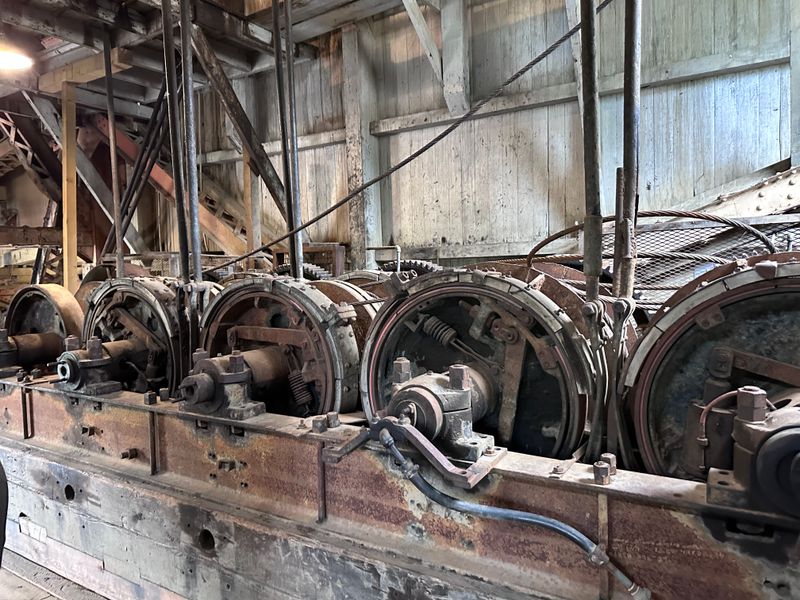
Imagine a sound so loud it carried forty miles through mountain valleys. That was daily reality when the dredge ran at full capacity, operating every hour of every day without pause.
I tried to picture the valley filled with the thunder of seventy-two one-ton steel buckets biting into earth, dumping loads, and cycling back for more. The mechanical symphony of gears, conveyors, and sluices created a roar that defined life in Sumpter for nearly two decades.
Workers operated in shifts to keep the machine running continuously. Sleep in nearby Sumpter must have been challenging, with the constant industrial drone penetrating walls and windows.
The relentless pace was necessary because stopping meant losing money, and every minute of downtime represented gold left in the ground. This pressure created an intense working environment where fatigue and danger went hand in hand.
Walking through the silent dredge today feels surreal when I consider its former cacophony. The engine room where Joe Bush allegedly lingers would have been almost unbearably loud during operations.
Perhaps that’s why phantom sounds seem so fitting here, echoes of an industrial past when silence was unknown and the earth itself groaned under the assault of human ambition and machinery.
Treasure Extracted and Landscape Transformed
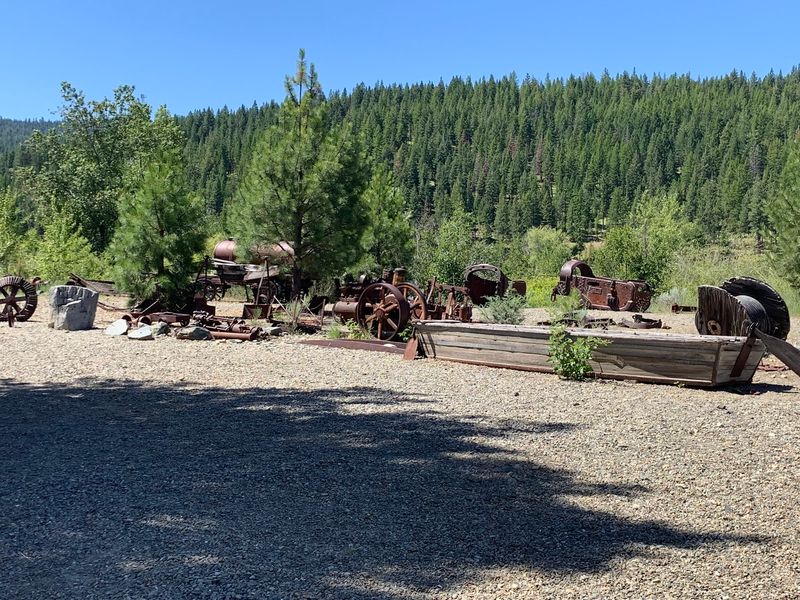
Four and a half million dollars in gold passed through the sluices during the dredge’s nineteen-year career. In 1930s and 1940s dollars, that represented an enormous fortune extracted from the Sumpter Valley earth.
I walked the trails around the site, following nine miles of tailings that snake through the landscape like the spine of some massive stone serpent. These piles of processed rock tell the story of systematic resource extraction on an industrial scale.
The bucket line processed approximately 6,000 cubic yards of material every day, separating precious metal from worthless gravel with remarkable efficiency. Each bucket scooped up a ton of earth, dumped it onto screens and sluices where water and gravity did their work, then cycled back for another bite.
The operation transformed living valleys into sterile rock gardens, rearranging the geography of eastern Oregon one bucket at a time.
Standing on the observation trail, I could see the full extent of the transformation. Where forests and meadows once existed, parallel rows of tailings now march across the terrain.
Nature slowly reclaims these artificial ridges, but the scars remain visible decades after the dredge fell silent. The gold is long gone, sold and scattered, but the physical evidence of its extraction will outlast everyone who remembers the dredge in operation.
Self-Guided Tours Through Industrial History
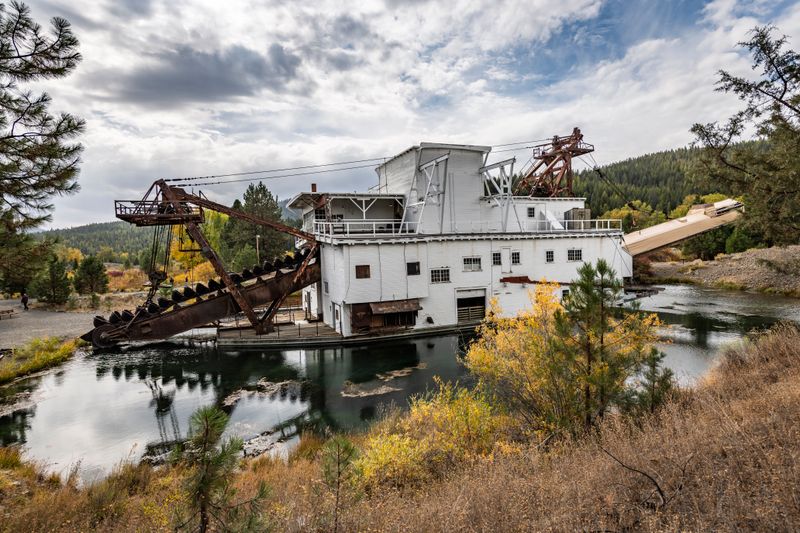
Today the dredge serves as a State Heritage Area, welcoming visitors to explore its decks and machinery at their own pace. I climbed through passages where workers once monitored operations, peered into the engine room where massive diesel motors drove the bucket line, and stood in the gold recovery room where fortunes were separated from worthless stone.
Interpretive signs explain the process, but nothing matches the visceral experience of standing inside this industrial cathedral.
The self-guided tour allows you to linger in areas that interest you most. I spent considerable time in the bucket line housing, watching the massive chain and buckets frozen mid-cycle.
Each bucket shows decades of wear, dented and scarred from chewing through Oregon earth. The control stations still display their original gauges and levers, giving visitors a tangible connection to the men who operated this beast.
Walking the exterior trails provides perspective on the dredge’s relationship to its environment. Viewing platforms offer photo opportunities and interpretive information about the mining process and its environmental impact.
The site opens at seven in the morning, giving early visitors a chance to experience the dredge in the soft light of dawn, when the atmosphere feels especially thick with history and perhaps something more inexplicable.
Ship Anchored on Dry Land
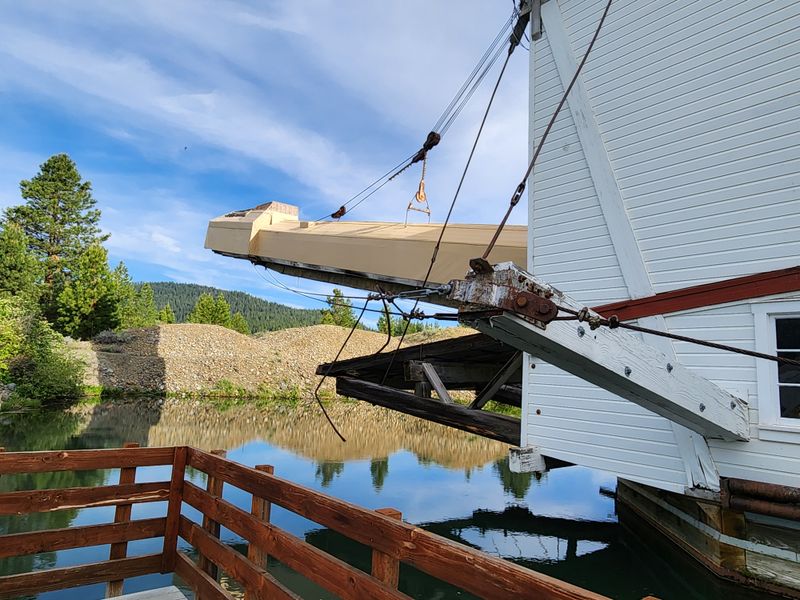
Perhaps the most striking aspect of visiting today is seeing this enormous vessel sitting motionless in the pond it created decades ago. I circled the entire structure, trying to reconcile its ship-like appearance with its landlocked reality.
The dredge floats in shallow water surrounded by the rock piles it deposited during its final years of operation, a monument to industrial ambition literally marooned in the evidence of its own work.
When operations ceased in 1954, the dredge simply stopped where it stood, its bucket line frozen mid-dig. Over the decades since, the state of Oregon recognized its historical significance and transformed the site into a protected heritage area.
Restoration efforts preserved the structure while making it safe for public access. The result is a time capsule, offering modern visitors an authentic glimpse into mid-century industrial mining operations.
Standing on the observation deck as afternoon shadows lengthened, I understood why this place captures imaginations beyond its paranormal reputation. The dredge represents human determination and ingenuity, the drive to extract wealth from unwilling earth regardless of obstacles.
That same determination apparently extends beyond the operational years, if the stories of Joe Bush and other lingering presences hold any truth. The ship may be landlocked, but its story continues to unfold in ways that defy rational explanation.
Dear Reader: This page may contain affiliate links which may earn a commission if you click through and make a purchase. Our independent journalism is not influenced by any advertiser or commercial initiative unless it is clearly marked as sponsored content. As travel products change, please be sure to reconfirm all details and stay up to date with current events to ensure a safe and successful trip.
